Advertising disclosure: This page includes affiliate product links that may earn us a commission, as well as products from our own store.
Can rolling your lats between pulldown sets help you complete another repetition? A small experiment in trained men produced an encouraging short-term result, but the details matter more than the headline. The participants had seven minutes between two hard sets, followed a supervised rolling procedure and were tested on one exercise. That makes the result an interesting programming question, rather than a reason to interrupt every back workout with a foam roller.
The experiment used a specific rolling procedure and a long rest
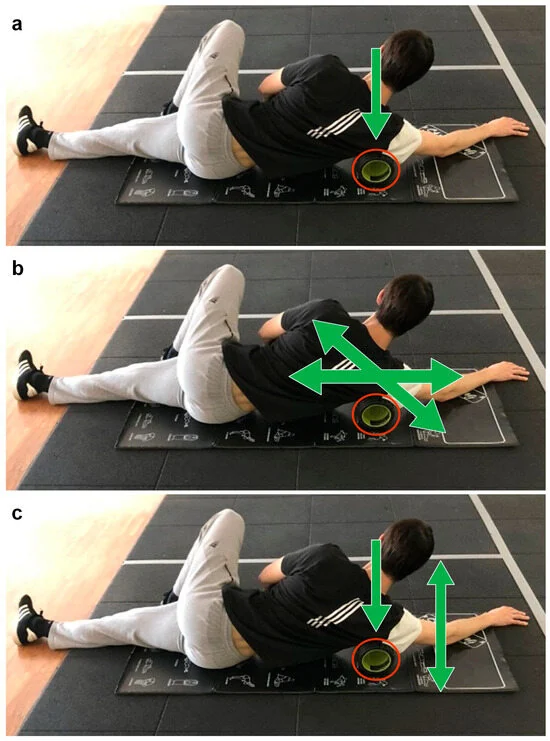
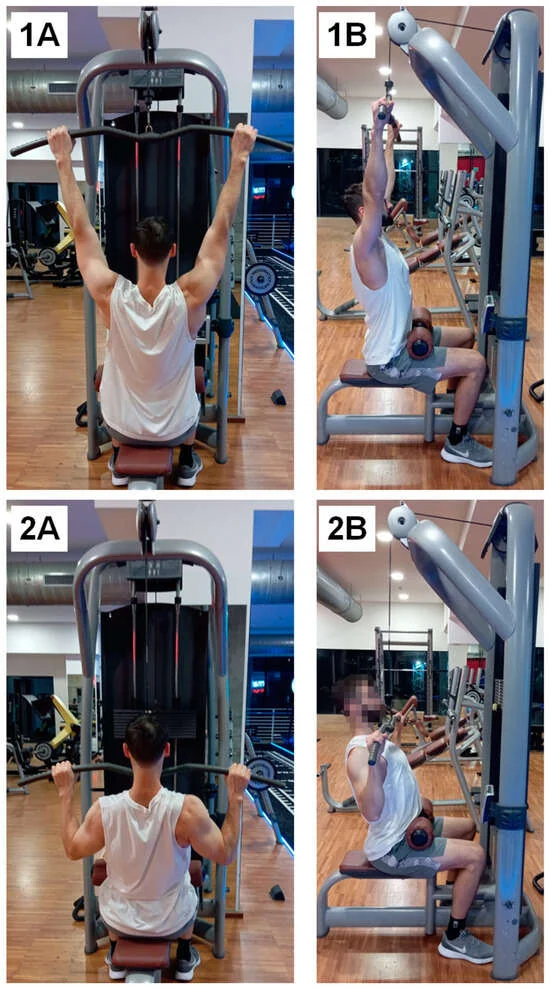
Seventeen resistance-trained men completed two pulldown sessions in a randomized order, one week apart. Each session contained two maximum-repetition sets at 85% of an estimated one-repetition maximum. One condition used passive recovery. The other included foam rolling of the lat area within the same seven-minute interval. This was an acute comparison, rather than a muscle-building training program.
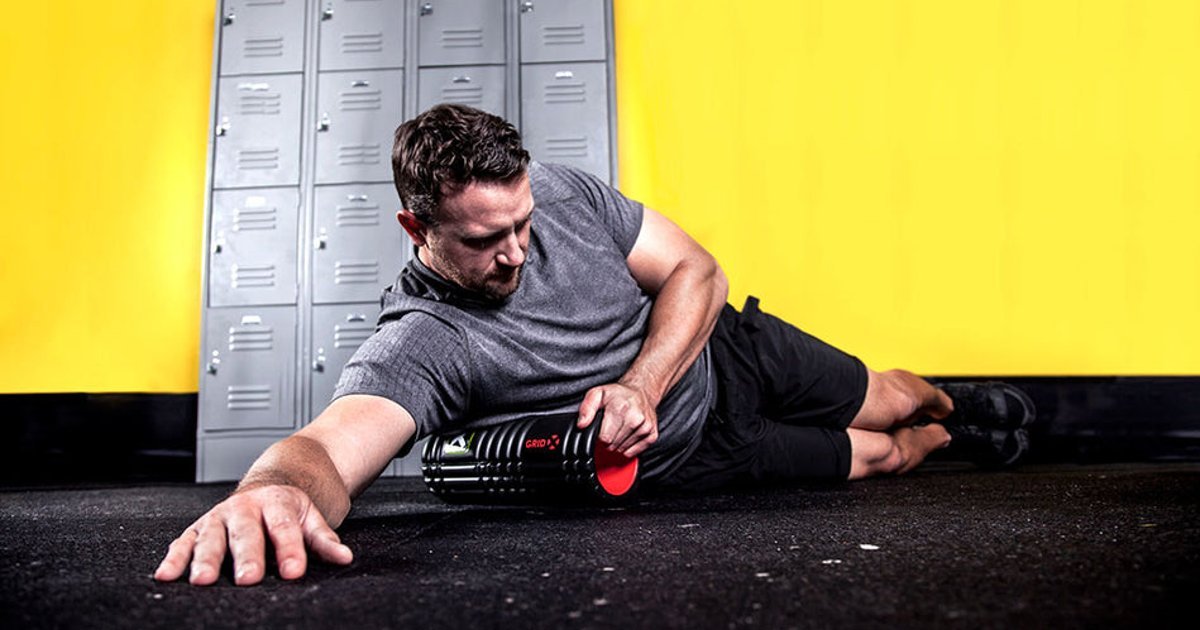
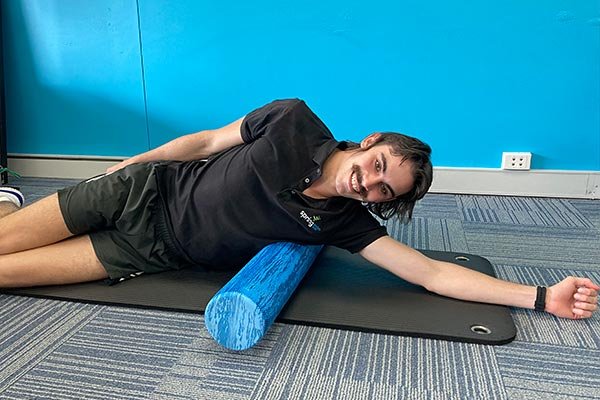
The rolling condition included two and a half minutes of passive recovery followed by three 45-second bouts on each side. The six bouts added up to four and a half minutes. The procedure involved side-lying pressure, movement around the contact area and arm movement while pressure was applied. It was more structured than briefly passing a roller over the back.
The loading reference was estimated from a five-repetition test. Treating 85% of an estimated maximum as interchangeable with every machine’s displayed stack setting would miss an important detail. Pulley arrangements and equipment differ. A number that describes relative loading in an experiment is not a weight prescription for an unfamiliar pulldown station.
The setup was also practiced before the experimental sessions. Grip width and technique were standardized, and a trained observer monitored the sets. That controlled environment helps explain what was compared. It does not establish that a lifter changing grip, torso motion, rest duration and rolling pressure together would reproduce the same result.
The repetition increase needs a careful comparison
The detailed results showed the rolling condition rising from about 7.2 to 8.2 repetitions between its first and second sets. Passive recovery rose from about 7.1 to 7.6 repetitions, without a statistically significant within-condition increase. Average measured power also rose in the rolling condition, while average movement excursion did not change significantly.
Those findings are promising, but a significant change in one condition and a nonsignificant change in another do not, by themselves, prove that the changes differ significantly from each other. The reported analysis compared the two sets within each condition. A clear claim about superiority needs the appropriate direct comparison, not a shortcut based on two separate significance labels.
For practical purposes, the useful signal is modest: roughly one additional repetition within the rolling condition during a second hard set. That is different from gaining one repetition on every set, improving a true maximum or building more muscle. The experiment did not measure months of strength progress or changes in lat muscle size.
Average excursion matters because an extra repetition is less informative if it comes from shortening the movement. Here, the measured excursion did not show a significant change. Even so, a weight-stack measurement is not a complete description of every shoulder and torso movement. In ordinary training, keep observing the actual exercise rather than relying on a repetition total alone.
Keep effort, rolling discomfort and performance separate
Perceived exertion during lifting and discomfort during rolling answer different questions. A hard pulldown set may feel demanding because of muscular effort, while pressure from a roller creates a separate sensation. Combining them into one idea of fatigue can make an intervention sound easier or more effective than the measurements actually show.
In this test, exertion did not change significantly between the two sets in the rolling condition, while it increased during passive recovery. That supports a limited description of what participants reported in those sessions. It does not mean rolling eliminated fatigue, restored every aspect of performance or made a hard set objectively easy.
Pressure intensity is not a competition. More discomfort does not establish that more useful work is occurring, and it is not a target to chase because a supervised study used a particular procedure. An experiment describing pressure on soft tissue should not become a claim that harder rolling breaks up adhesions or guarantees a better contraction.
A change in sensation also cannot identify the mechanism by itself. Warm-up movement, pressure, expectation and other factors may contribute to an immediate response. If the next set improves, record that observation without turning it into a precise explanation of what happened inside the tissue. A useful training habit does not require an exaggerated biological story.
Other rolling research gives reasons to avoid a universal rule
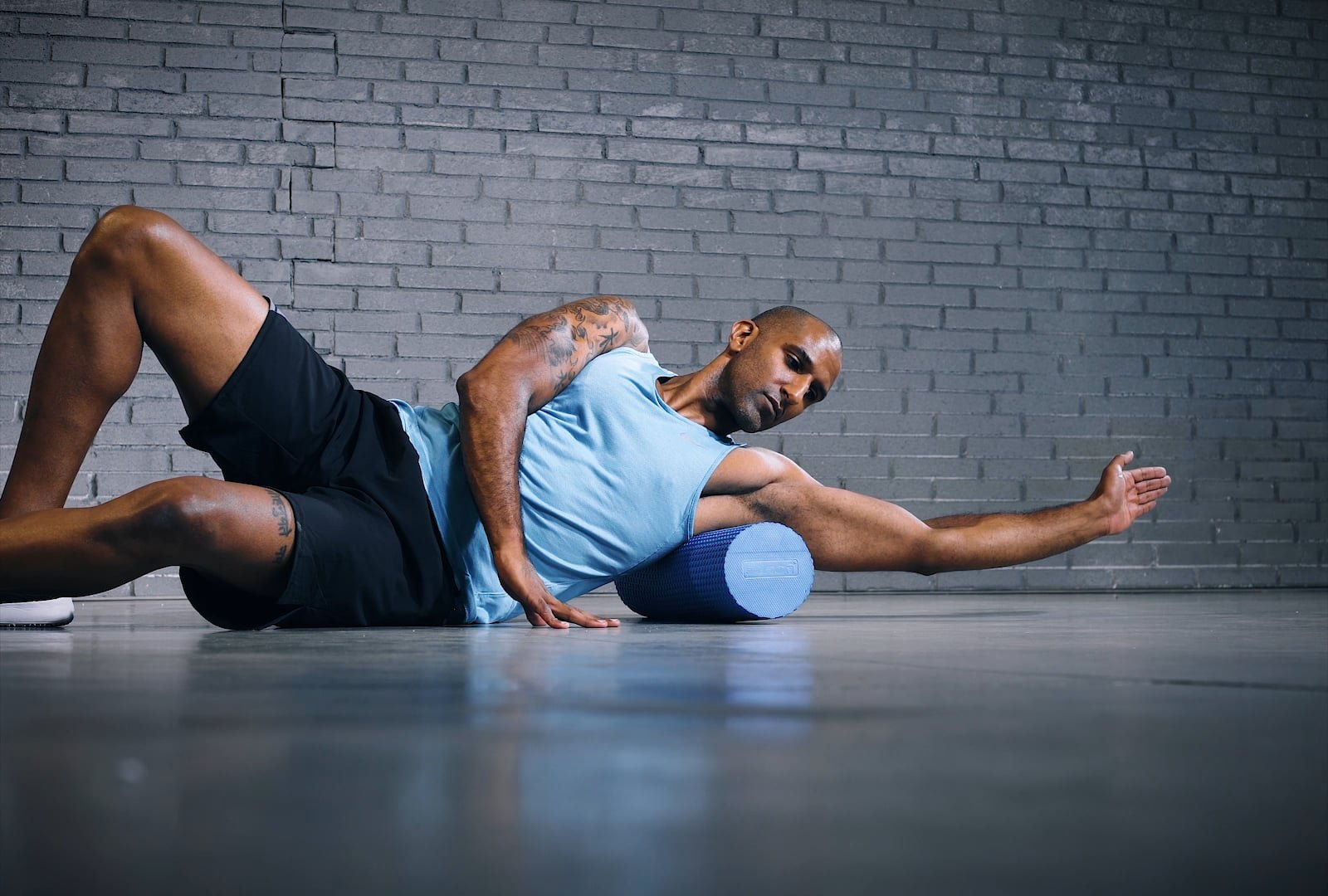
An earlier knee-extension experiment in 25 women found fewer repetitions when quadriceps rolling replaced part of the rest interval, with longer rolling durations generally performing worse. Another experiment in 20 trained men found greater repetition totals with several agonist or antagonist rolling arrangements during leg extensions. The direction of the result therefore cannot be reduced to rolling always helping or always hurting.
Participants, muscles, rolling duration and the amount of recovery differed across those experiments. A lat-pulldown result cannot settle what happens during leg extensions, and a lower-body result cannot automatically invalidate an upper-body finding. Read the intervention as a complete arrangement. The body part, exercise and rest period are part of the question.
A broader review of pre-exercise and post-exercise rolling found mostly small or negligible performance effects, alongside some flexibility and recovery benefits. That review addressed different timings from rolling between two working sets. It provides context, but it is not direct confirmation of the seven-minute pulldown procedure or a reason to expect a large strength increase.
Warm-up explanations also deserve attention. In a separate experiment, foam rolling and a sham movement condition both increased some passive range-of-motion measures, without a significant difference between those interventions. That does not explain the pulldown result outright. It shows why movement and pressure effects need to be separated before assigning the response to a special property of the roller.

Equipment Worth Exploring
Explore equipment, accessories and gear from our carefully selected range.


VForce Lat Tower
Wall-mounted cable tower with pivot arms and adjustable 1:1 or 2:1 pulley ratios.

VForce Wall Trainer
Space-saving wall-mounted functional trainer with pivoting cable arms and variable resistance ratios.

48in Aluminum Lat Bar
48-inch aluminum lat pulldown bar with knurled grip and rotating center swivel.
Back Bar
Multi-grip cable and landmine bar with a built-in deadlift jack.

GymPin Ergo Handles
Pair of ergonomic cable handles shaped for comfortable triceps and pulling exercises.
Horizon Grip
Ergonomic V-style cable grip for rows and back training.
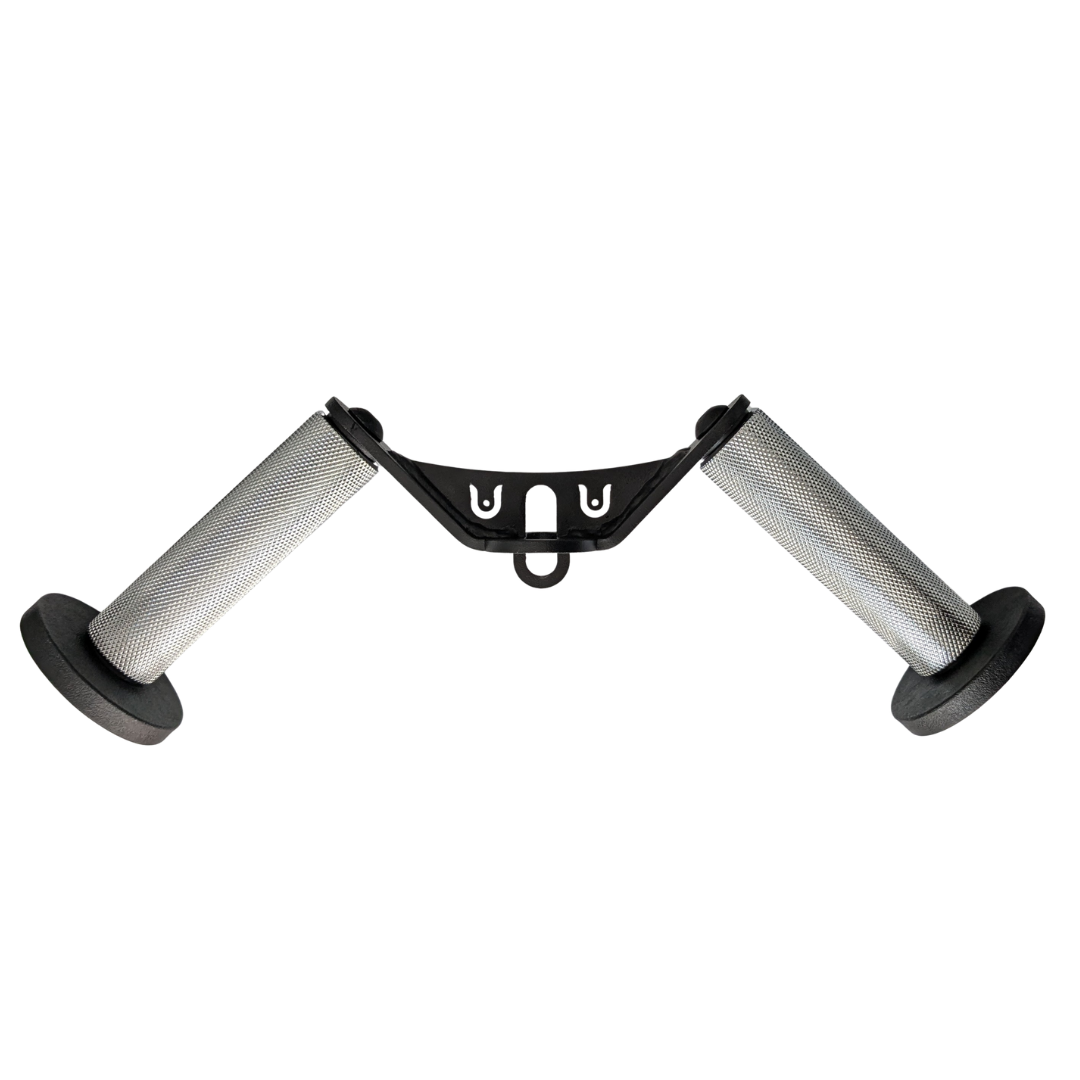
W Grip
Angled cable grip for comfortable rows, pushdowns, and curls.


Evaluate the whole session before adding a between-set routine
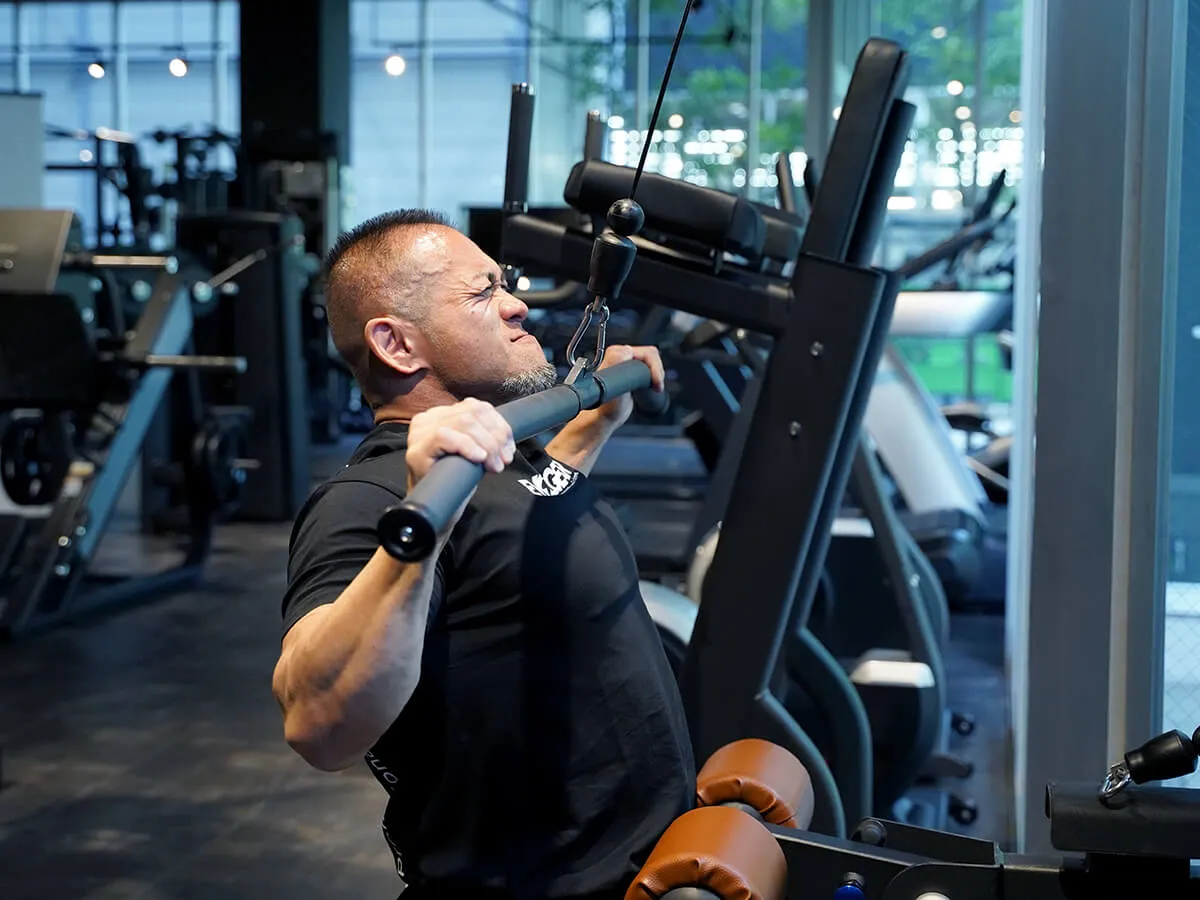
Seven minutes is a substantial interval in a normal back workout. If your existing rest period is shorter, adding this procedure changes both rolling and recovery time. An extra repetition after more time has passed would not isolate a rolling effect. Record the actual interval from the end of one set to the start of the next, including setup and transitions.
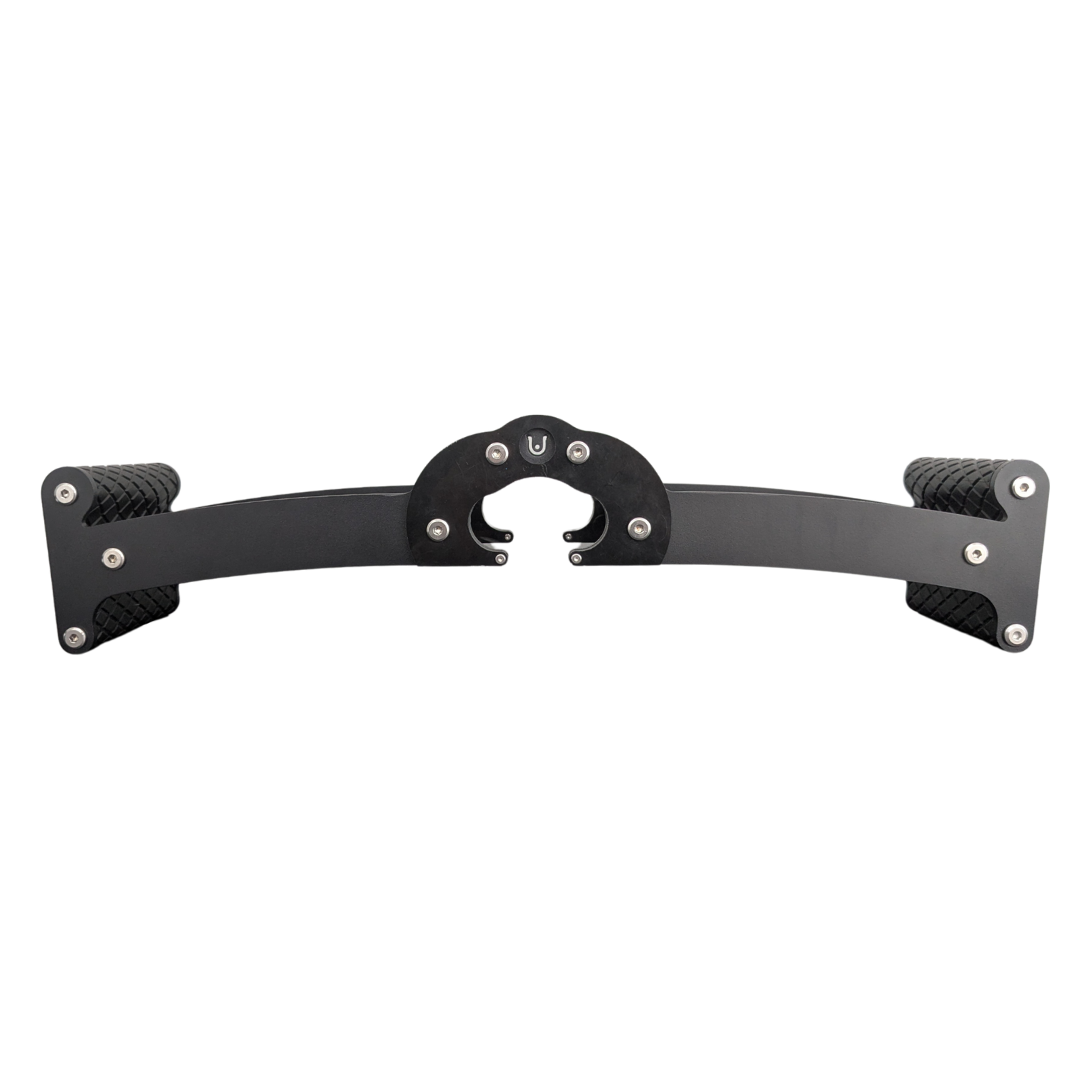
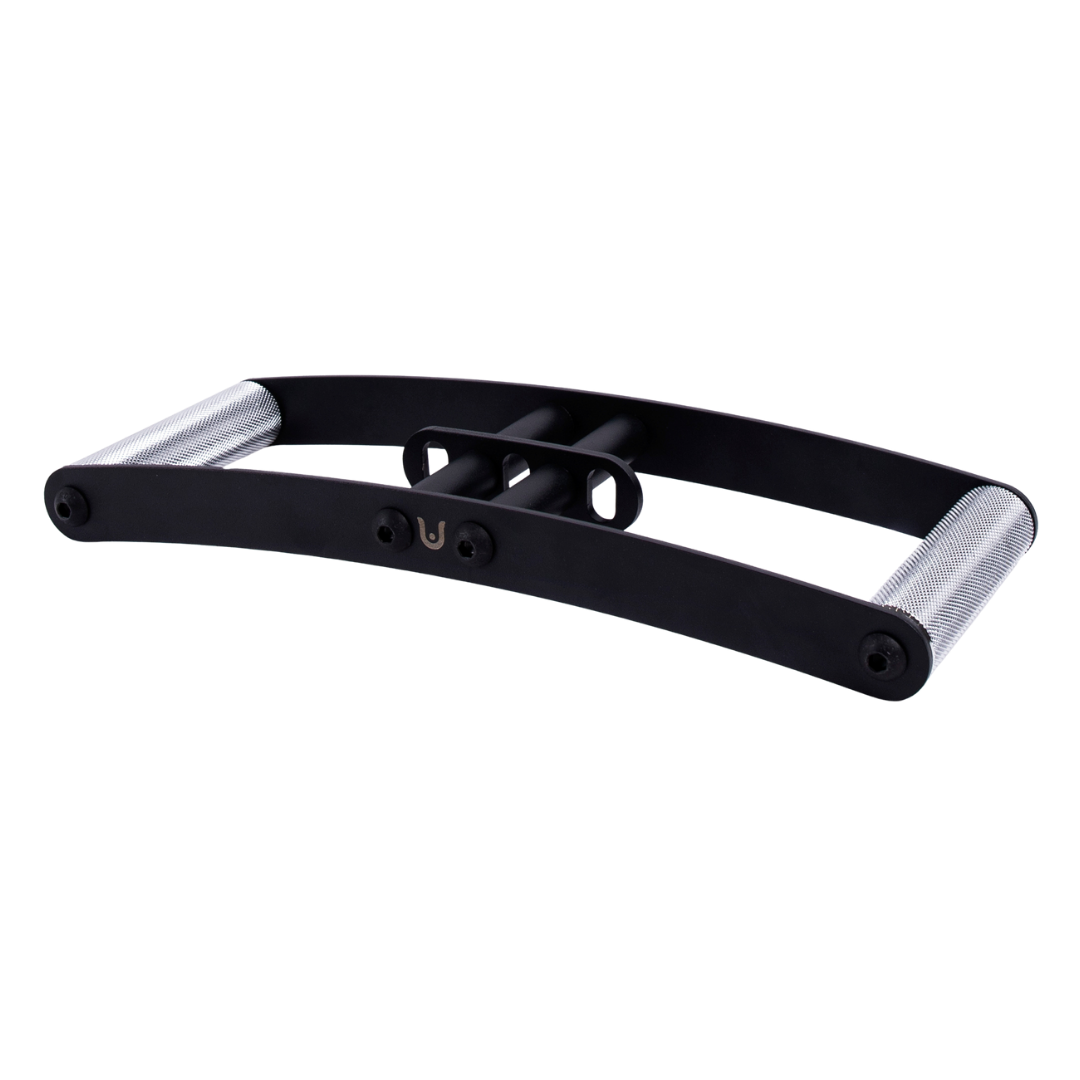
First establish a repeatable pulldown: the same station, attachment, grip, seat and thigh-pad settings, load and intended range. Keep your torso controlled and use a recognizable return position. A more comfortable handle or a different machine may change the exercise, but that is a separate comparison. Equipment options shown alongside this guide are not the apparatus used in the experiment.
If you already use comfortable lat rolling and want to evaluate its place in your routine, compare otherwise similar sessions and keep the total rest interval fixed. Log repetitions, technique and how the set felt. This is a practical self-comparison, not a recreation of the supervised experiment. Avoid changing your entire program to test a small optional addition.
Judge the cost as well as the result. Does the routine improve repeatable back training, or does it add floor transitions and crowd out the next exercise? A roller, a suitable cable station and useful attachments can each have a role, but none replaces consistent repetitions and a workable session plan. Treat the finding as a specific lead worth testing carefully, rather than a requirement for productive pulldowns.

Funny Gym Shirts & Workout Gear
Funny gym shirts, tanks, hoodies and workout gear for lifters who like training hard.

Shirt Pull Day – Back & Biceps Meme Top T-Shirt
Heavy lifts, good laughs, and a little “Pull Day Graphic” energy.


Gymhead Meme Mind Muscle Connection Decal Water Sticker
A fun “Gymhead” touch for bottles, laptops, and lockers.

Gym Dost Thou Even Pull Medieval Knight Back Day Crewne T-Shirt
Show some gym-day personality with “Dost Thou Even Pull Medieval Knight Back”.

Grip Training Get A Grip Hoodie
Show off your lifting humor in a laid-back “Grip Training” hoodie.

Off-Season Rest Day & Meme Fans Athletic Shirt Tank Top
Add some lifting attitude to training with “Off-Season Rest Day”.

Lift Smart Brain Weight Plate Mind Muscle Connection 45 Tank Top
Add some lifting attitude to training with “Lift Smart Brain Weight Plate”.

Repetition Stoic Sigma : Meme & Greek God T-Shirt
Rep “Repetition Stoic Sigma” humor in and out of the gym.

Focus Stoic Bodybuilder Greek God Marble Sculpture T-Shirt
Heavy lifts, good laughs, and a little “Focus Stoic Bodybuilder Greek God Marble” energy.

Brain and Biceps Tee
Make gym days more fun with “Mind Muscle Perfection Brain and Biceps” style.