Advertising disclosure: This page includes affiliate product links that may earn us a commission, as well as products from our own store.
A ten-second breather can change how a heavy set feels. A twenty-second one can change how many repetitions you complete. But if the set becomes several times longer, is that a better workout or a different bargain? A July 2026 experiment put the question under scrutiny using heavy Smith-machine bench presses and half squats. The results were far more dramatic for the squat than for the bench, and they challenge simplistic claims that short cluster rests automatically reduce fatigue. Here is what the numbers show—and how to test the idea without mistaking a longer failure set for guaranteed extra muscle growth.
Cluster sets are mini-pauses inside a working set
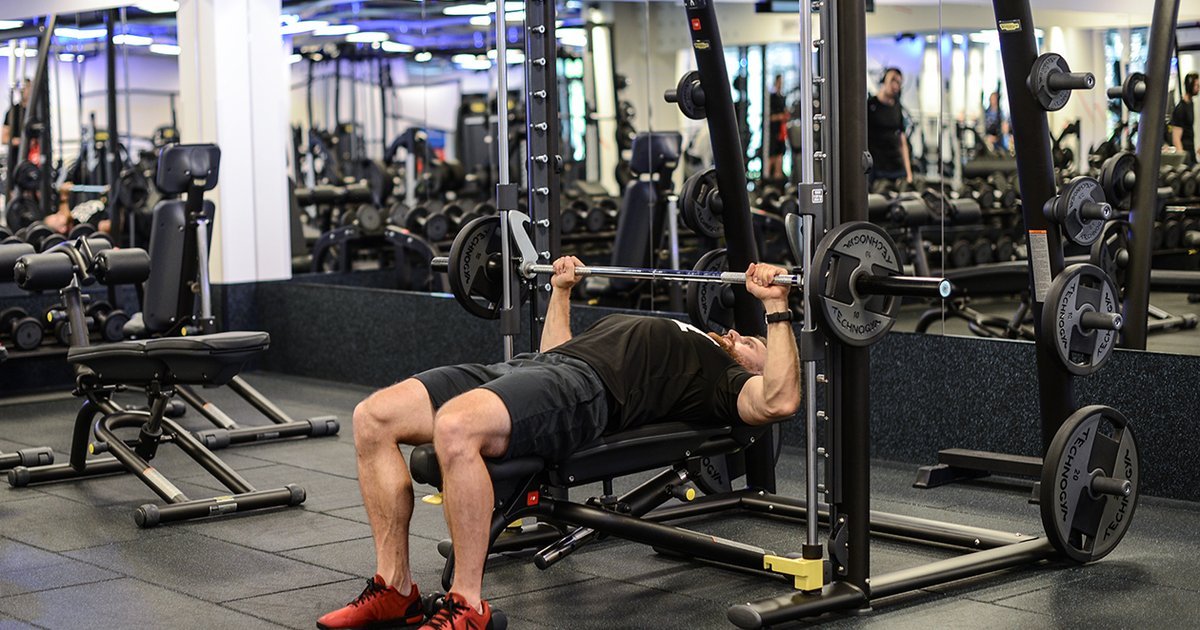
A conventional set asks you to repeat a lift until the target repetitions are done or you reach a stopping point. A cluster set interrupts that run with brief planned rests. Picture three bench-press repetitions, a short pause with the bar safely supported, and then another three. The load may stay constant while the pattern of effort changes. Those seconds are not a separate exercise: they are part of the set’s design.
That distinction matters when someone claims clusters let them perform more repetitions with a heavy load. Of course more time to recover between bursts may extend the effort. The important questions are how much extra work the pause permits, how much longer the set becomes and whether that bargain advances your goal. A strength athlete practicing heavy repetitions may value a reset. A bodybuilder on a tight schedule might prefer ordinary straight sets with familiar rest intervals.
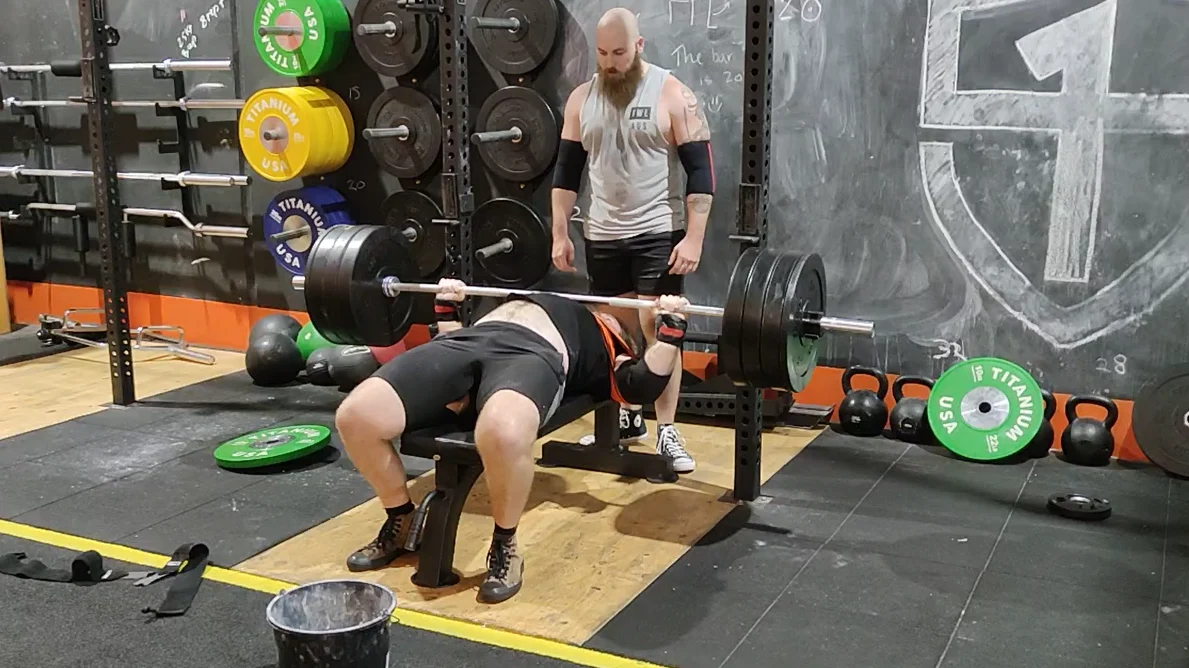
Ten seconds does not allow you to wander away or rearrange equipment. With a Smith machine you can secure the bar during the interval. With free weights, suitable safeties and spotters matter. A cluster is not permission to hold a stalled heavy bar over the chest while the timer runs. Establish where and how the weight can be safely supported before the first repetition.
Think of clusters as one tool for distributing effort, not a special ingredient proven to accelerate muscle growth. The comparison needs to account for the time and the number of repetitions performed, not just the name attached to the protocol.
The experiment: 12 men, heavy loads, two exercises
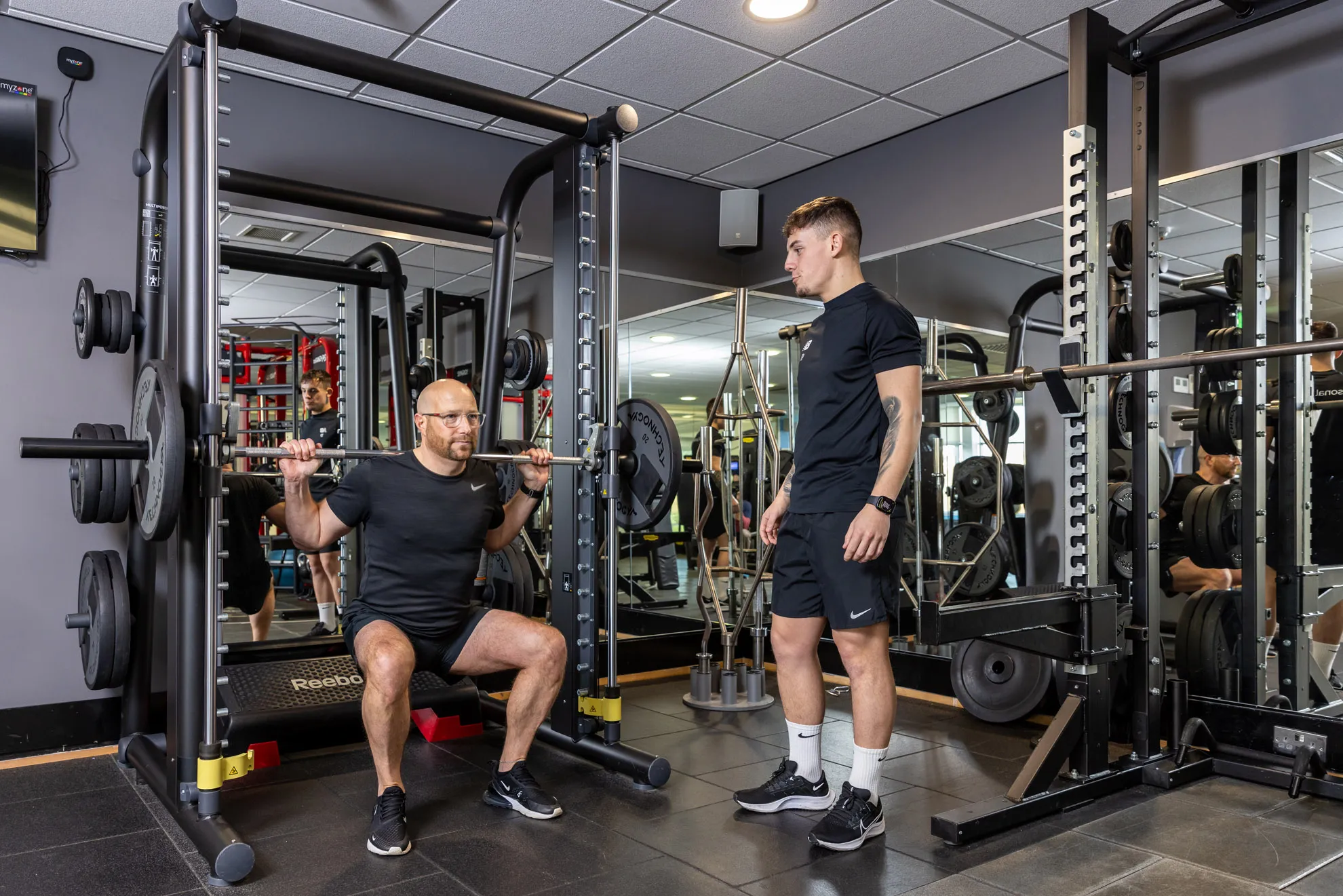
A controlled crossover experiment tested twelve recreationally trained men who had at least three years of resistance-training experience. Each performed three protocols at roughly 85 percent of their tested one-repetition maximum: an uninterrupted set to momentary failure, clusters of three reps separated by ten seconds, and clusters of three separated by twenty seconds. Conditions were randomized and separated by several days, reducing the chance that every lifter tried the same option while fresher.
All participants performed the bench press before the half squat, with twenty minutes between exercises. Both lifts used a Smith machine, and squat depth was standardized near an 85-degree knee angle. In other words, the squat was partial depth rather than an unrestricted full-range barbell squat. The team asked participants to move with maximal intended speed even when the actual speed slowed during fatigue.
What was recorded? Total repetitions, bar velocity and velocity loss, time under tension, whole-set duration, heart-rate responses and blood lactate. What was not recorded? Muscle thickness gains across months, long-term one-repetition maximum improvements or injury rates. The three protocols did not match total repetitions; the ability to extend the set was itself an outcome.
This distinction is easy to miss in social-media summaries. A set to failure with extra intra-set rests is not necessarily interchangeable with several normal sets performed with longer recovery. The findings also come from a small group of trained young men. Beginners, people using different loads and anyone stopping several repetitions before failure may experience different results.
Bench press: 20 seconds added repetitions, but not for free
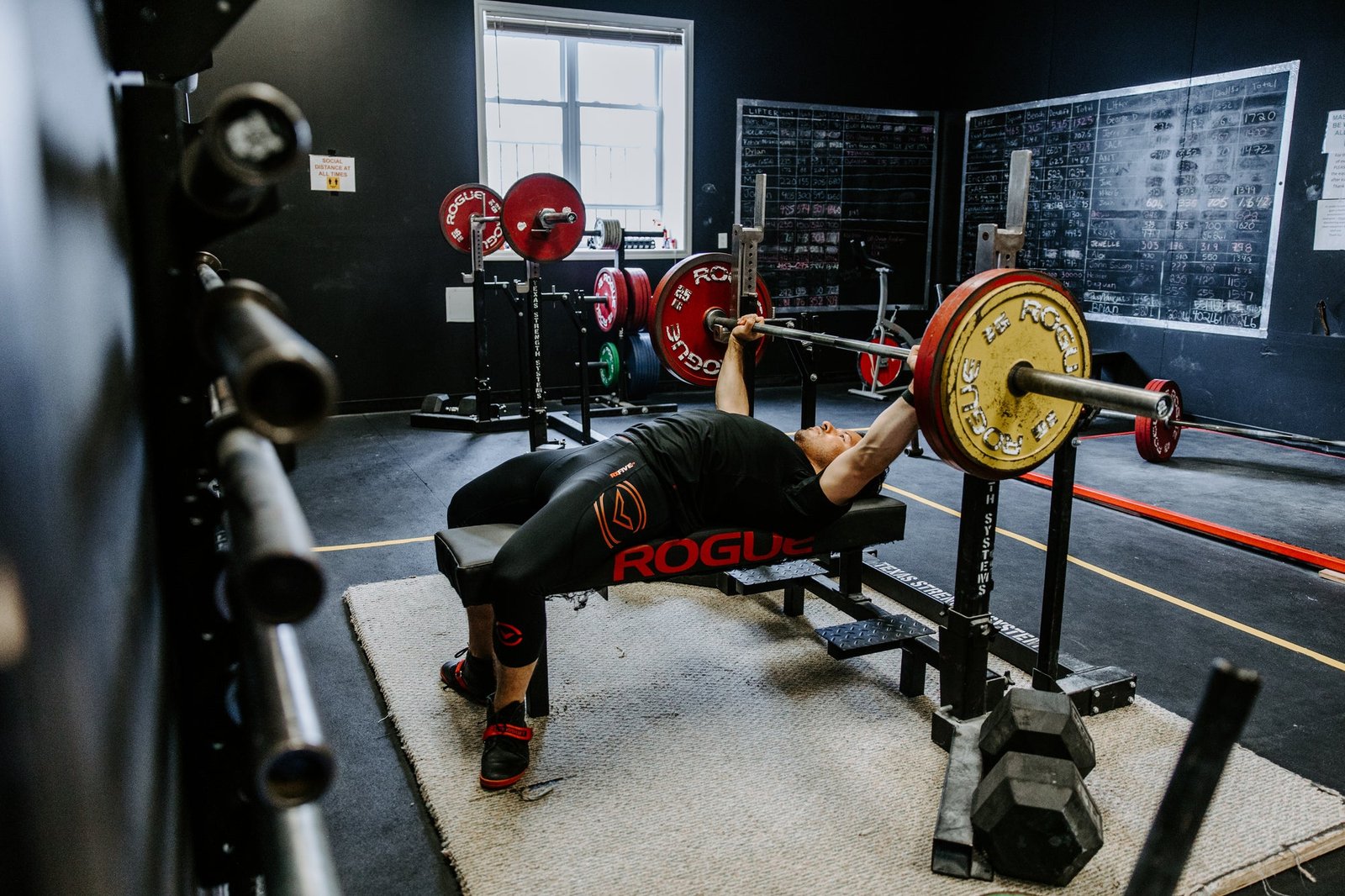
Under uninterrupted conditions, bench-press repetitions averaged 6.8, with a standard deviation of 1.6. With twenty seconds between three-repetition clusters, the average climbed to 11.4, with a standard deviation of 2.9. The twenty-second condition showed a statistically significant increase against the continuous set. The ten-second condition did not show a statistically significant benefit against continuous pressing, and the ten- versus twenty-second conditions were not significantly different from one another.
That does not establish that ten seconds has no value. A twelve-person experiment cannot reliably detect every smaller practical difference. Nor does it mean a lifter can simply add the extra reps to every bench session without changing recovery requirements. More completed reps at the same external load are more repetitions of actual work, even if the mini-rests made them possible.
Imagine scheduling two or three controlled bench-press bursts of three repetitions. You would unrack, press three, return the bar securely and wait the chosen interval before the next burst. If rep speed slows badly, your shoulders lose position or the bar no longer follows a controlled path, the plan should end rather than devolve into improvised attempts. The safeties and a capable spotter matter even more near failure.
The average whole-set duration is the counterweight to the appealing repetition total. The uninterrupted bench set lasted roughly 17.7 seconds. The twenty-second cluster protocol lasted about 90.7 seconds. Extra reps arrived alongside a much larger time investment. Count that trade when judging the usefulness of the method.

Equipment Worth Exploring
Explore equipment, accessories and gear from our carefully selected range.

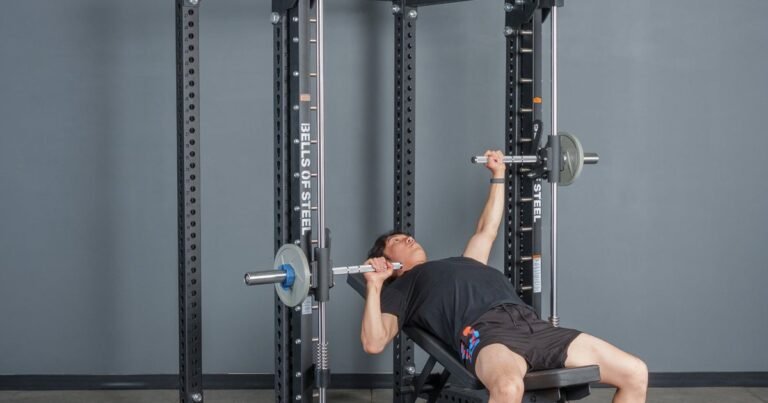
Multi Pull Smith Rack MPHR-780
All-in-one rack with a Smith machine, functional trainer, lat pulldown and low row.




Multi Bench MBX-650 2.0
Adjustable multi-bench with roller adjustment, 15 backrest positions and accessory mounts.

FID Bench MAX
Adjustable bench offering flat, incline, and decline positions + adjustable headrest.


Competition Plates
Competition-style bumper plates for Olympic lifts and loaded strength training.
Half squat: the dramatic rep increase carries an even bigger time bill
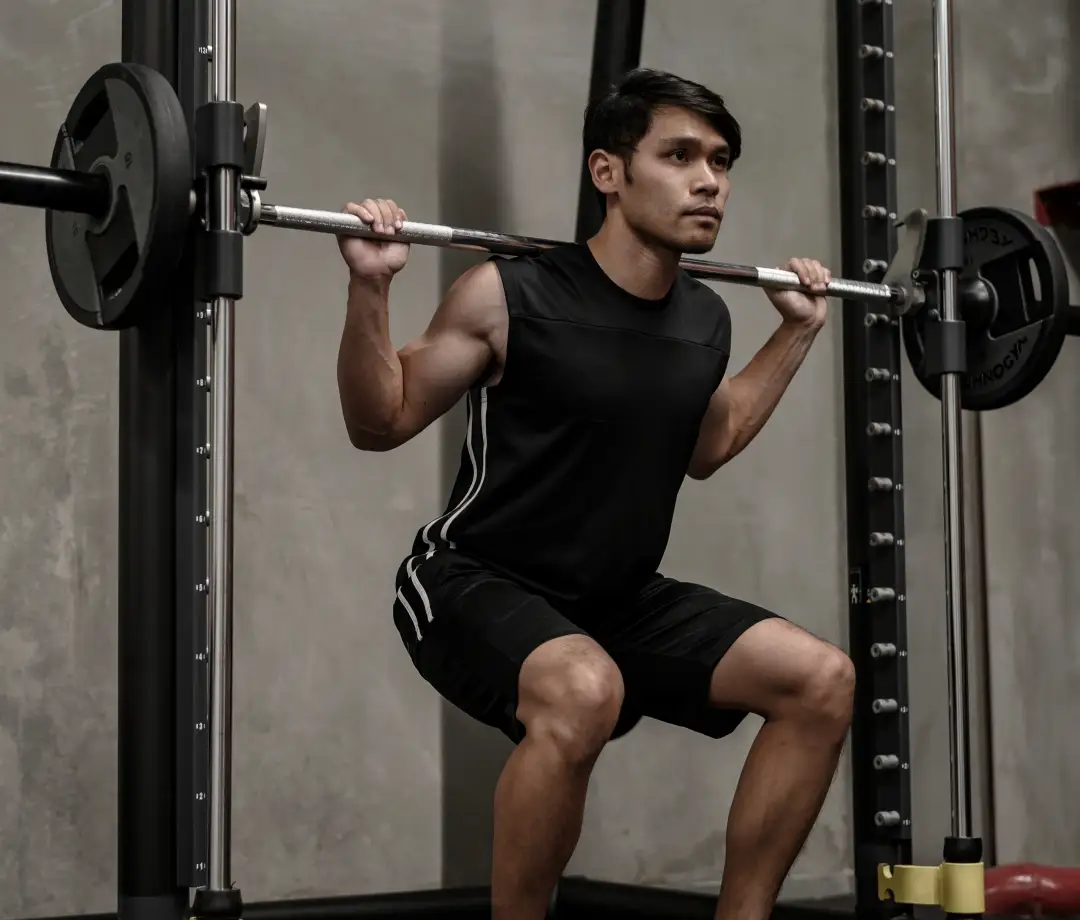
Half-squat repetitions climbed from 10.6 in a continuous set to 18.3 with ten-second clusters and 42.1 with twenty-second clusters. The twenty-second result is dramatic, but it does not describe forty ordinary full-depth back squats at 85 percent of a free-weight squat maximum. It describes a standardized partial-depth Smith-machine task, repeatedly interrupted with planned recovery and continued to momentary failure.
The long-rest condition gave lifters repeated opportunities to regain enough output for another three-repetition burst. That mechanism helps explain why the final total could be so high. The question is not whether those additional repetitions were real—they were—but what the practical cost was and how to compare them with ordinary programming. A five-minute-plus session of interrupted repetitions has different demands from a twenty-second set.
The measured averages illustrate the difference:
| Measure | Continuous | 10-second clusters | 20-second clusters |
|---|---|---|---|
| Bench-press repetitions | 6.8 | No significant gain vs continuous | 11.4 |
| Half-squat repetitions | 10.6 | 18.3 | 42.1 |
| Bench set duration | 17.7 s | 40.0 s | 90.7 s |
| Half-squat set duration | 21.5 s | 85.9 s | 344.6 s |
The twenty-second squat cluster lasted nearly five minutes and forty-five seconds on average. That is roughly sixteen times the duration of the uninterrupted squat set. Comparing conditions by repetitions alone misses the greatest scheduling difference in the entire test. Decide whether you want more reps in one extended set, more separately recoverable sets or an efficient amount of quality work within a limited training session.
Fatigue, velocity and lactate need careful interpretation
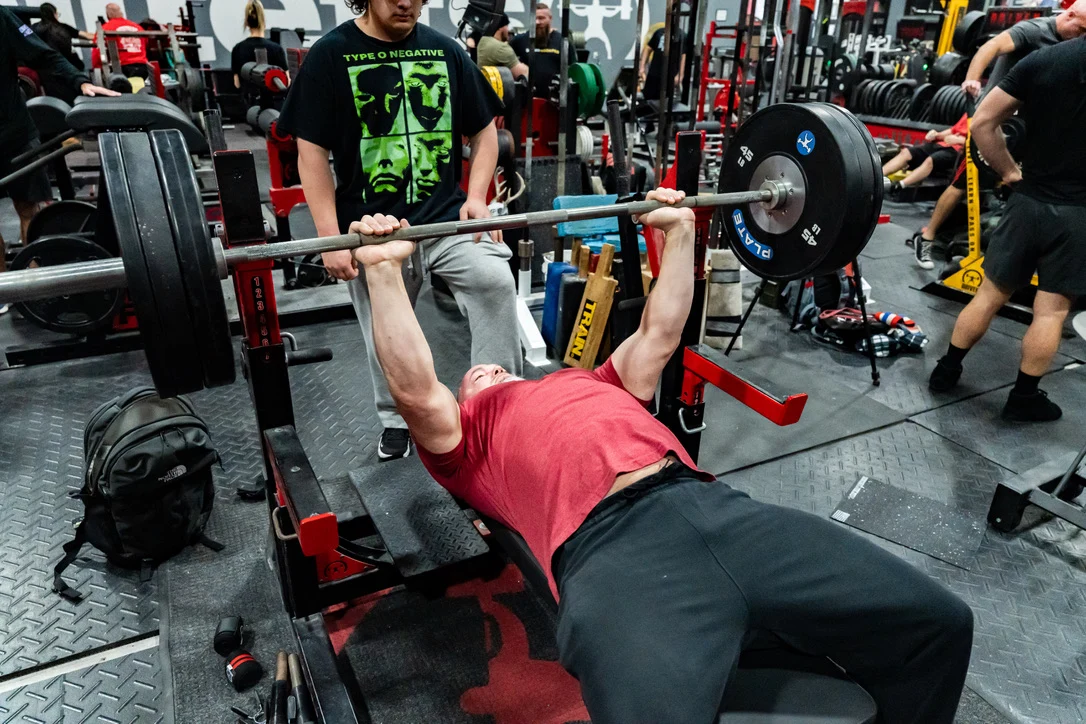
Cluster training is sometimes marketed as a way to keep every repetition fast and fatigue low. In this experiment the twenty-second protocol produced greater overall velocity loss than the other conditions; average bench-press bar velocity was also slightly lower than during uninterrupted pressing. That sounds surprising only if you overlook the endpoint: people kept going until momentary failure, and pauses allowed them to perform many additional repetitions.
More accumulated work creates more opportunities to fatigue. Heart-rate and blood-lactate responses also reflect the substantial difference in work duration and repetition count. An elevated metabolic response in a long cluster set does not prove that the pauses themselves were more fatiguing in a comparison with equal work. Nor does it prove every clustered protocol is efficient for conditioning.
The reverse claim would be equally careless. You cannot take a small all-out experiment and conclude that cluster training always preserves power, always feels easy or always enhances recovery. The burst length, rest duration, exercise choice, relative load, stopping rule and total repetition count all matter. A lifter doing two tidy repetitions with plenty left in reserve runs a different test from a lifter extending one set to failure across many rest breaks.
Long-term adaptations are another question. Other resistance-training comparisons and reviews do not establish a universal hypertrophy or strength advantage for cluster formats when work is considered more carefully. Good programming still depends on sufficient hard training, consistent progression, tolerable fatigue and recovery over weeks rather than a single spectacular set.
A practical cluster template that respects the clock
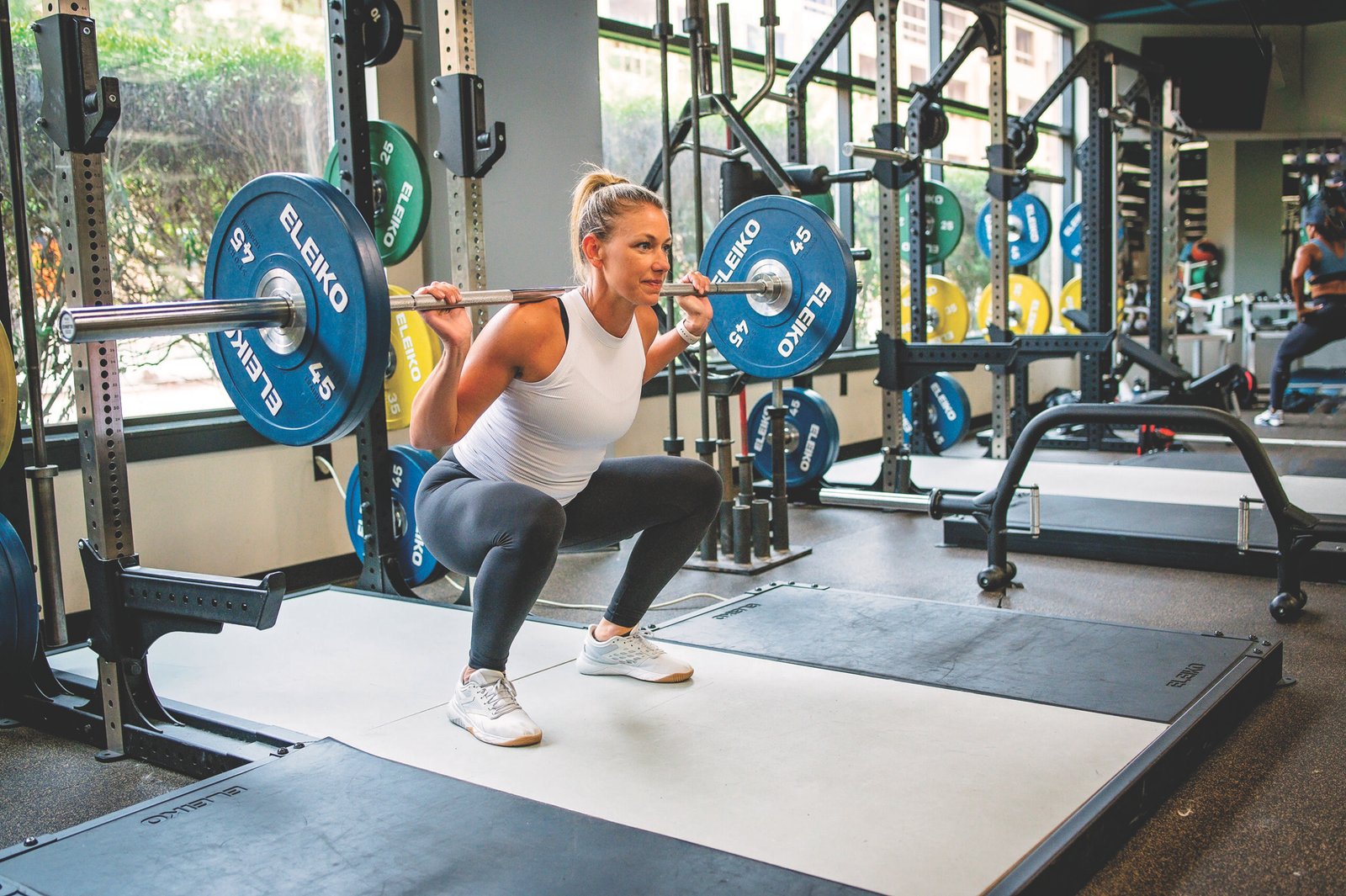
For a first trial, keep the dose limited. Pick one lift with a stable setup and reliable safeties. Choose a load you can move under control for several repetitions, then try two or three bursts of two or three repetitions separated by ten to twenty seconds. Treat that complete sequence as one extended set in your log. This is an example for training practice, not a reproduction of the study’s all-out failure protocol.
Set your limit before starting. End a burst if bar path becomes inconsistent, your torso or feet shift, or repetition quality deteriorates sharply. There is no need to chase failure simply because the experiment used it. For the bench, use an appropriate spotter and safeties; for squat variations, check the hooks or rack catches before fatigue makes quick corrections difficult. Your selected depth should be repeatable and suitable for your goals.
Compare your results honestly. Track the same load and exercise across sessions, but also write down pause length, repetitions in each burst, total duration, how hard the complete set felt and whether subsequent sets suffered. One long cluster set should not automatically be counted as equivalent to one normal set for volume management; if it contains many more repetitions, the exposure is different.
Choose ordinary straight sets when they offer cleaner progression and shorter sessions. Use clusters occasionally when you need brief resets to practice heavy repetitions or deliberately spread demanding work over a longer interval. The practical lesson is not that twenty seconds is magic. It is that even a small planned pause changes what a ‘set’ means, and extra repetitions come with real time and recovery costs.

Powerlifting Shirts & Lifting Gear
Powerlifting shirts and gym gear for squat, bench and deadlift lifters who live for heavy numbers.

One More Rep Shirt: Motivational & T-Shirt
Make gym days more fun with “One More Rep” style.

Be Happy Lift Heavy Happy Weights Emoji Weight Plate Hoodie
Show off your powerlifting humor in a laid-back “Be Happy Lift” hoodie.

Lift Eat Repeat Weightlifting & Hooded Hoodie
Keep it laid-back with a little “Lift Eat Repeat” attitude.

Heavy Barbell – Meme Shirt & Top T-Shirt
Make gym days more fun with “Heavy Barbell Powerlifting Graphic” style.

1 Plate Bench Club Meme – Top T-Shirt
Heavy lifts, good laughs, and a little “1 Plate Bench Club” energy.

1 Plate Squat Club Meme – Essential Top T-Shirt
Heavy lifts, good laughs, and a little “1 Plate Squat Club” energy.

Lift Heavy Sh*T – Essential & Gymbros T-Shirt
Show some powerlifting attitude with a playful “Lift Heavy Sh*t” tee.

Ultimate : Meme Squat Rack Gains & Humor T-Shirt
Rep “Ultimate Powerlifting” humor in and out of the gym.

Bench Press and Chill Funny Gym T
Make gym days more fun with “Bench Press and Chill” style.

Leg Day Squats Deadlifts Sweater Meme T-Shirt
Show some gym-day personality with “Leg Day”.