What Three Human Experiments Actually Tested
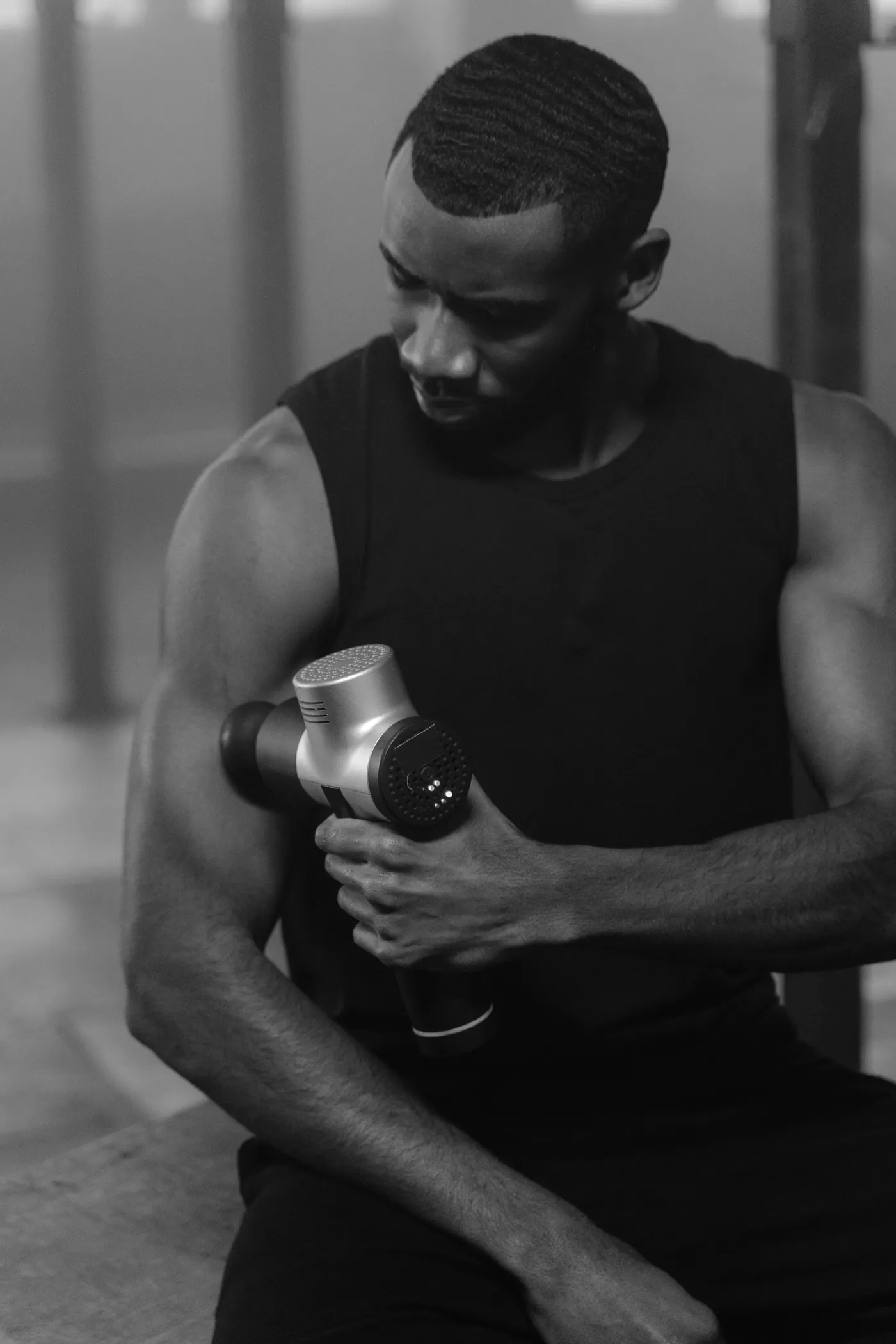
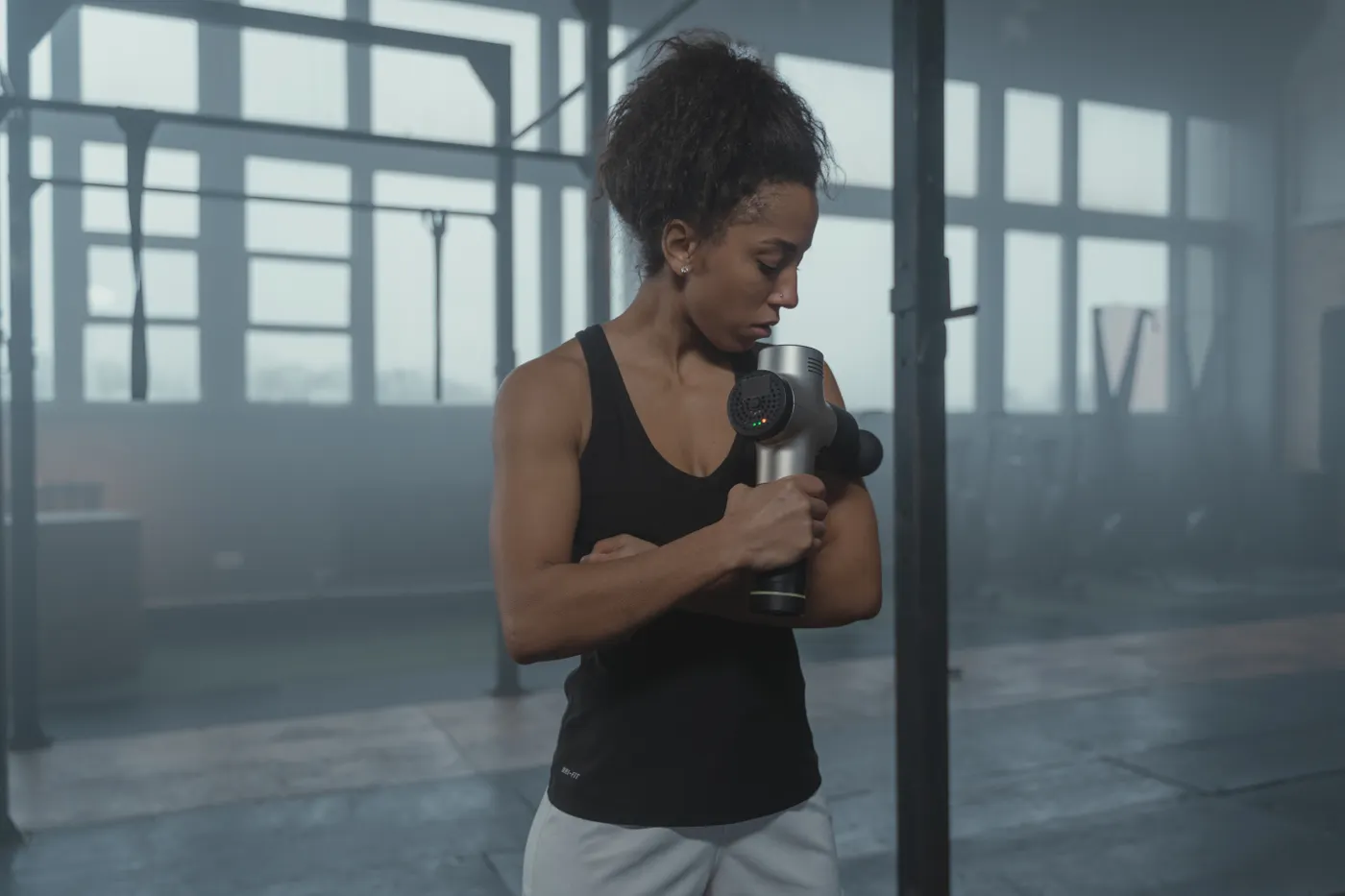
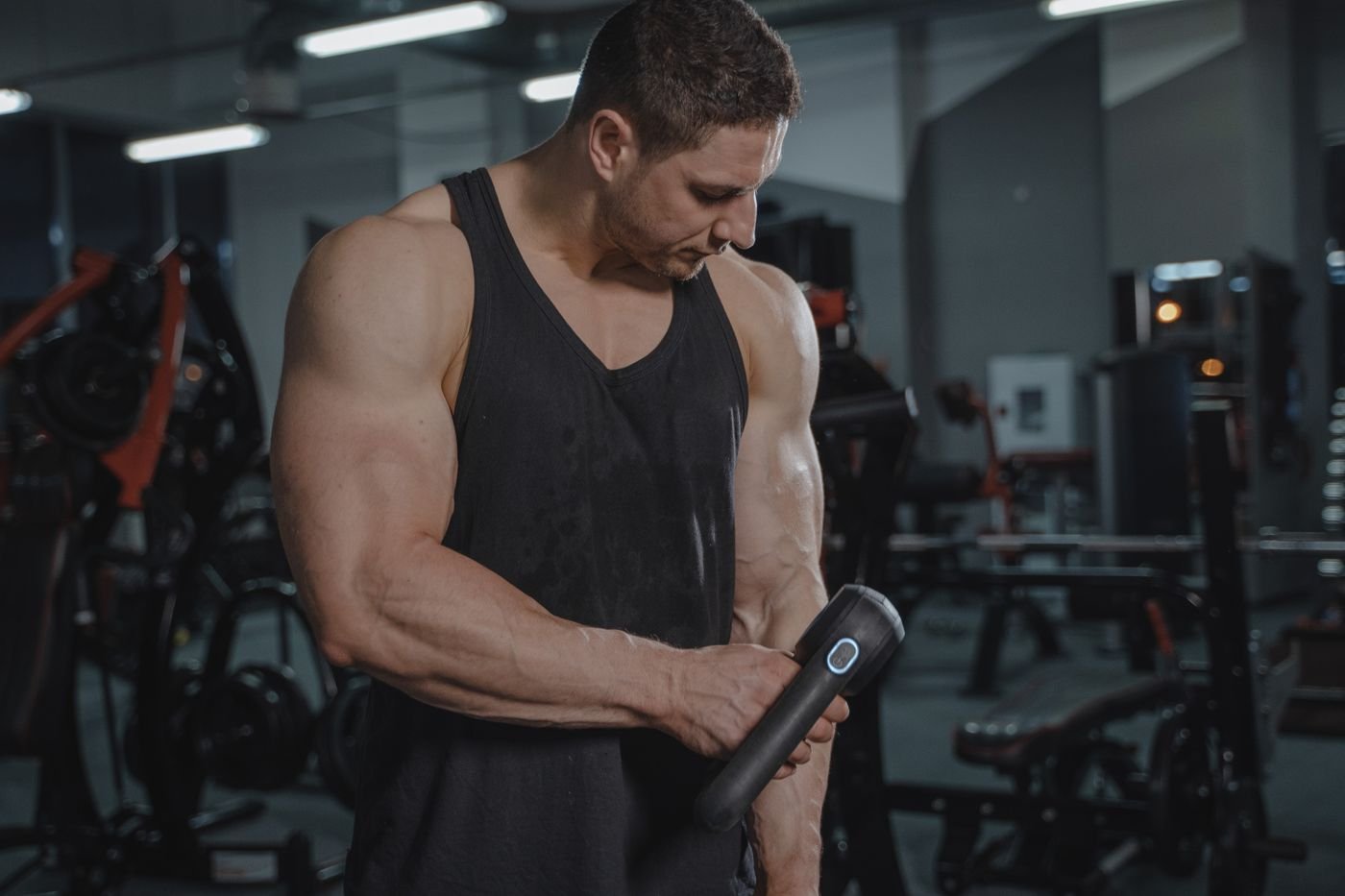
A massage gun feels active: it thumps against the skin, moves the soft tissue and sometimes makes a tight area feel easier to move. But a strong sensation is not the same as preserving muscle. A 2026 research project tested whether repeated passive percussion could produce structural adaptations and, more importantly, protect muscle when a leg stopped bearing weight.
The project combined three human experiments rather than one large trial. In the first, 12 healthy but previously untrained adults received 30 minutes of percussion to one thigh three days per week for six weeks. Eleven participants from a comparable sham protocol served as controls. Researchers examined muscle fibers, extracellular-matrix markers and mitochondrial function, not merely how comfortable participants felt.
The second experiment involved 17 physically active adults aged 18 to 35. They underwent ten days of leg immobilization and unloading; eight received percussion and nine did not. Investigators measured thigh muscle dimensions and knee-extensor strength. The third experiment studied ten volunteers after one percussion session, testing whether the treatment stimulated local fat breakdown through tissue-fluid measurements.
These protocols answer different questions: can percussion produce biological adaptation, can it prevent disuse atrophy, and can it directly stimulate local fat metabolism? The answers cannot be collapsed into a single claim that massage guns work or do not work. A changed laboratory marker is not proof of bigger muscles, preserved strength or faster recovery.
For home-gym lifters, the practical issue is whether passive treatment can replace some of the stimulus normally provided by progressive exercise. That is where the study’s most important result emerged: the researchers observed selective cellular changes without the muscle-preserving benefits that a period of unloading would require.
Six Weeks of Percussion Changed Markers, Not Muscle Size
After six weeks of repeated treatment, researchers did not detect an increase in muscle-fiber cross-sectional area. They also did not find improvements in the satellite-cell abundance or capillary-density measurements included in the investigation. For someone hoping to build muscle by vibrating it, those are the outcomes that deserve the most attention.
Not everything remained unchanged. Some laminin- and integrin-related signals associated with the extracellular matrix responded to treatment. The researchers also observed changes in fatty-acid-supported mitochondrial respiration and a reduction in hydrogen-peroxide emission under specific laboratory conditions. Passive mechanical stimulation therefore appears capable of producing selective tissue-level responses.
But the distinction between mechanism and outcome is essential. A change in gene expression is not the same as a stronger quadriceps. Improved mitochondrial respiration in a tissue sample is not proof of improved endurance during a workout. The experiment did not establish that the treated participants could lift more weight or had grown larger muscle fibers.
The treated thigh showed reduced subcutaneous fat thickness, another result that requires caution. A separate acute experiment measured local glycerol, a marker used to investigate fat breakdown, and found similar responses in treated and untreated legs. That does not support a simple claim that a massage gun melts fat from the area where it is applied.
The sample sizes were small, and the six-week treatment and sham participants came from related but separate protocols. These limitations matter. Nevertheless, 30-minute sessions three times weekly were substantial exposure. The lack of demonstrated hypertrophy after that schedule is a warning against treating percussion as resistance training.

Equipment Worth Exploring
Explore equipment, accessories and gear from our carefully selected range.

VOLTRA
Compact digital cable trainer with smooth, adjustable resistance.

Go-Tone Pro
Portable digital cable trainer with up to 66 lb (30 kg) of adjustable resistance.


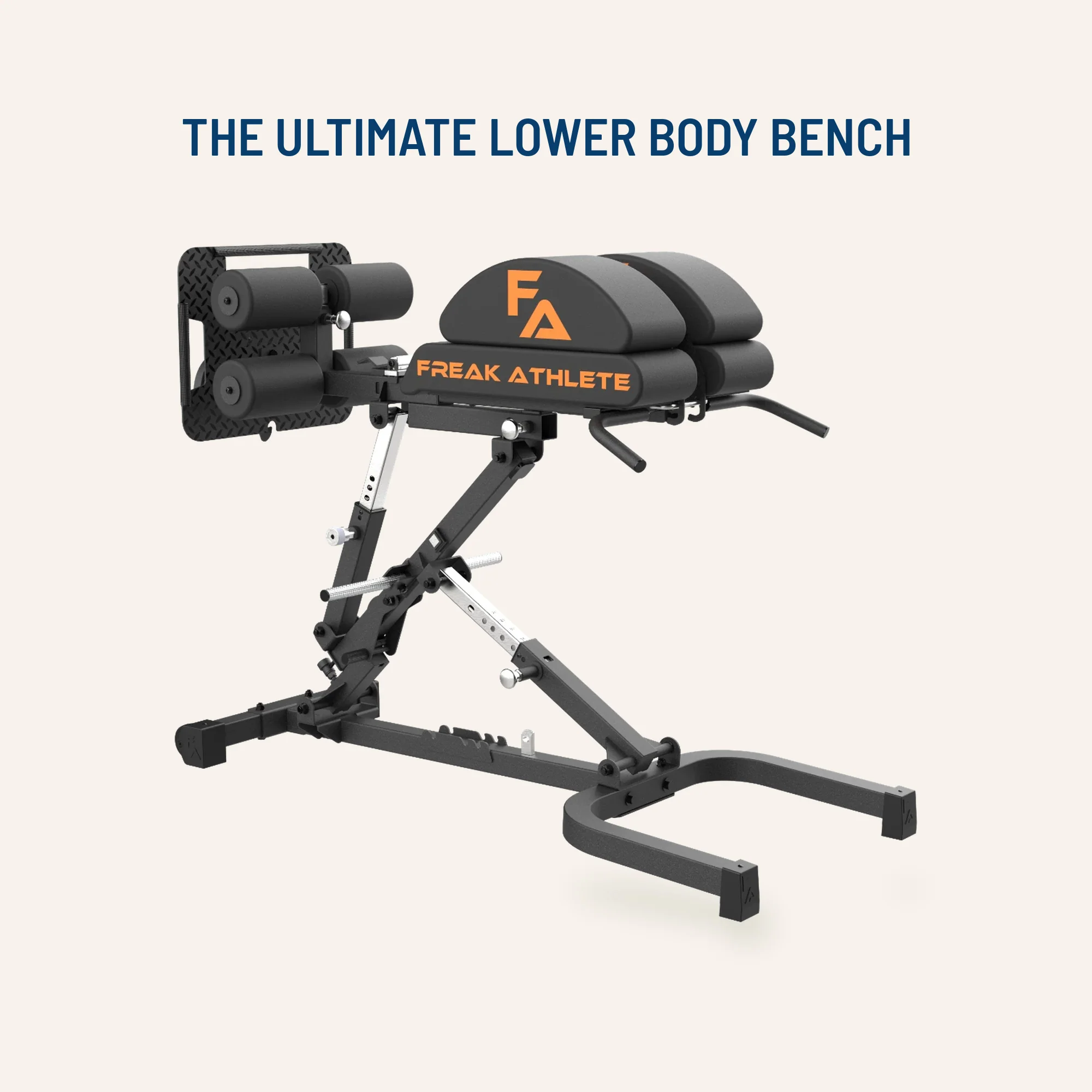

FID Bench MAX
Adjustable bench offering flat, incline, and decline positions + adjustable headrest.

GymPin Squat Wedges
Non-slip 15-degree squat wedges help elevate the heels for deeper quad-focused squats.

Ten Days Immobilized: Why Strength Was Not Preserved
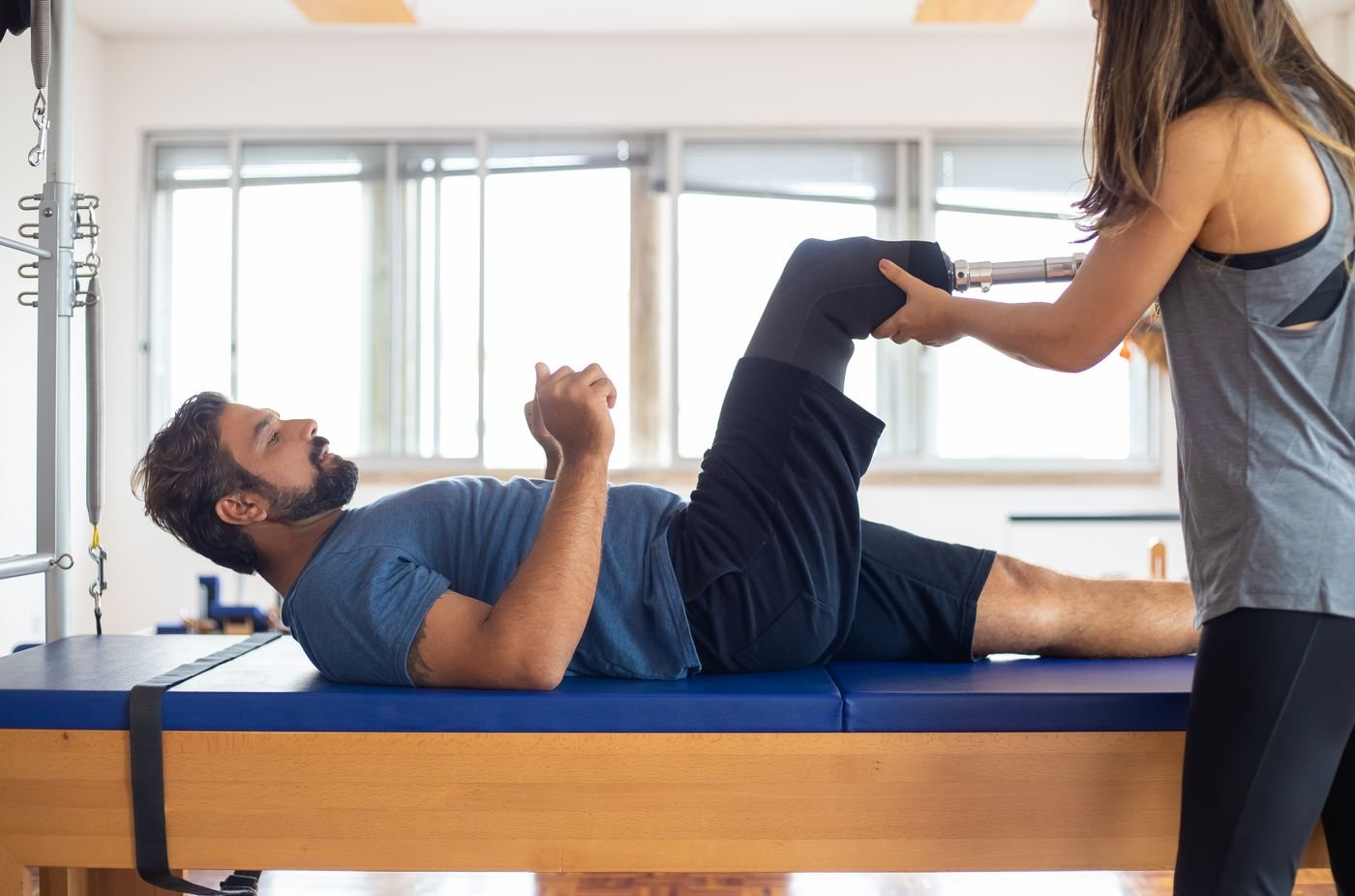
Disuse is a particularly demanding test of any recovery technology. When a leg is immobilized, the muscles no longer receive their usual pattern of loading and contractions. Size and strength can decline quickly. The question is not whether treatment feels pleasant but whether it preserves function when normal movement is unavailable.
Seventeen active young adults completed ten days of leg unloading. Eight were assigned to repeated thigh percussion, while nine served as controls. Treatment began with a shorter session and progressed to two 20-minute sessions on later days. Imaging, muscle tissue analysis and dynamometer testing provided more objective measures than soreness ratings alone.
Despite that frequent intervention, the percussion group was not protected against reductions in muscle size or knee-extensor strength. This finding is more consequential for lifters than any molecular signal because it addresses the exact outcomes that an immobilized person would want to preserve.
Some fatty-acid-supported mitochondrial measures were better maintained, suggesting a narrower metabolic response. But cellular resilience and maintained strength are not interchangeable. A leg can show an interesting mitochondrial result while still losing the force-producing ability and muscle tissue that matter for daily function and training.
This was a small, short experiment in young adults, not a clinical trial covering every injury, surgery or rehabilitation program. It does not establish that percussion is unsafe for everyone, nor does it prove no passive modality could ever help. It does show that this specific treatment failed to substitute for normal loading during unloading.
If you are recovering from an injury, surgery or immobilization, follow your clinician’s instructions about movement and treatment. Do not use aggressive percussion on an acutely injured, swollen or potentially thrombosed limb. For healthy lifters, the lesson is simpler: passive percussion should not be counted as sets of exercise.

Bodybuilding Shirts & Workout Gear
Bodybuilding shirts, tanks and gym gear for lifters chasing muscle, size, symmetry and the pump.

Everything Hurts and I'm Tired Tee
Make gym days more fun with “Everything Hurts And I'm Tired” style.

Dino-Sore – Dinosaur , Meme Shirt Sore Muscles & T-Shirt
Bring “Dino-Sore” humor to your next gym day.

Off Season Rest Day – Meme , Gymbro, – Relaxing T-Shirt
Show some lifting attitude with a playful “Off Season Rest Day” tee.

Rest Day Sloth – Essential T-Shirt
Show some bodybuilding attitude with a playful “Rest Day Sloth” tee.


No Days Off Motivation Workout for Lifting, Bodybuildin T-Shirt
Show some powerlifting attitude with a playful “No Days Off” tee.

Sleeping Booty – Bootybuilding Meme Princess, & T-Shirt
Make gym days more fun with “Sleeping Booty” style.

Pain Is Gain Stoic Greek God Marble Sculpture & T-Shirt
Rep “Pain is Gain Stoic Greek God Marble” humor in and out of the gym.
What Massage Guns Can Actually Do for Recovery
A lack of muscle preservation does not mean every use of a massage gun is pointless. A controlled experiment involving 16 healthy men found that five minutes of calf percussion increased ankle dorsiflexion range of motion by about 5.4 degrees. Maximal voluntary calf torque did not meaningfully change. That is evidence for a short-term mobility response, not muscle growth.
A systematic review of 11 studies suggested possible improvements in flexibility and selected recovery-related outcomes. But the evidence was limited, with many studies at moderate risk of bias. Findings for strength, power, acceleration, agility and balance were mixed, and some were unfavorable. It would be misleading to turn those results into a guarantee of better athletic performance.
A 2026 randomized trial involving 37 physically active men examined percussion after a leg-press fatigue protocol. Measurements over the following two days included muscle size, force and pain. Its design highlights why researchers must separate perceived soreness from actual strength recovery rather than using the word recovery as if it described one universal outcome.
For a typical home-gym workout, a short, comfortable pass over a non-injured muscle might help you feel ready to begin a warm-up. Keep the pressure tolerable, avoid bony areas and major vessels, and stop if the treatment causes sharp pain, tingling, numbness or worsening symptoms. More pressure is not automatically more effective.
You can also skip the device entirely. Easy walking, light cycling, controlled mobility, progressively heavier warm-up sets, sufficient food and sleep remain practical ways to prepare for and recover from exercise. A useful tool should improve something you can notice or measure without replacing the work that produces adaptation.
Feeling Looser Is Not the Same as Rebuilding Tissue
Recovery marketing often merges different outcomes into one promise. Soreness is a perception. Joint range of motion is movement. Muscle thickness is structural. Strength is functional performance. Improving one does not establish improvements in the others, and that distinction is central to interpreting percussion research.
Imagine two lifters after hard Romanian deadlifts. One uses a massage gun and feels less tight. The other does not, but returns to the next session with stable technique and normal working weights. The first lifter’s relief may be valuable, yet it does not prove faster tissue repair. The second lifter’s performance provides a different kind of information.
Progressive resistance training creates repeated voluntary contractions against external resistance. Over time, appropriate hard sets, recovery and nutrition support changes in muscle size and strength. Passive percussion does not reproduce the same loading pattern. A 20-minute massage session is not equivalent to a challenging set of squats or leg extensions.
During a layoff, the priority is the reason for inactivity. If a medical professional permits isometric contractions, restricted-range work or carefully controlled loading, those exercises serve a different purpose from passive tissue treatment. If movement is restricted, the safe course is to follow the rehabilitation plan rather than inventing a massage-based substitute.
Ask what outcome you actually want. If the goal is comfort, judge comfort. If it is temporary mobility, measure mobility. If it is preserving muscle mass or strength, look for changes in size and performance. That simple separation prevents a pleasant accessory from becoming an expensive replacement for effective training.
Equipment Worth Exploring
Explore equipment, accessories and gear from our carefully selected range.


Leather Lifting Straps
Padded leather straps support grip during heavy rows, deadlifts and pulling exercises.
A Two-Day Compact Home-Gym Muscle Maintenance Plan
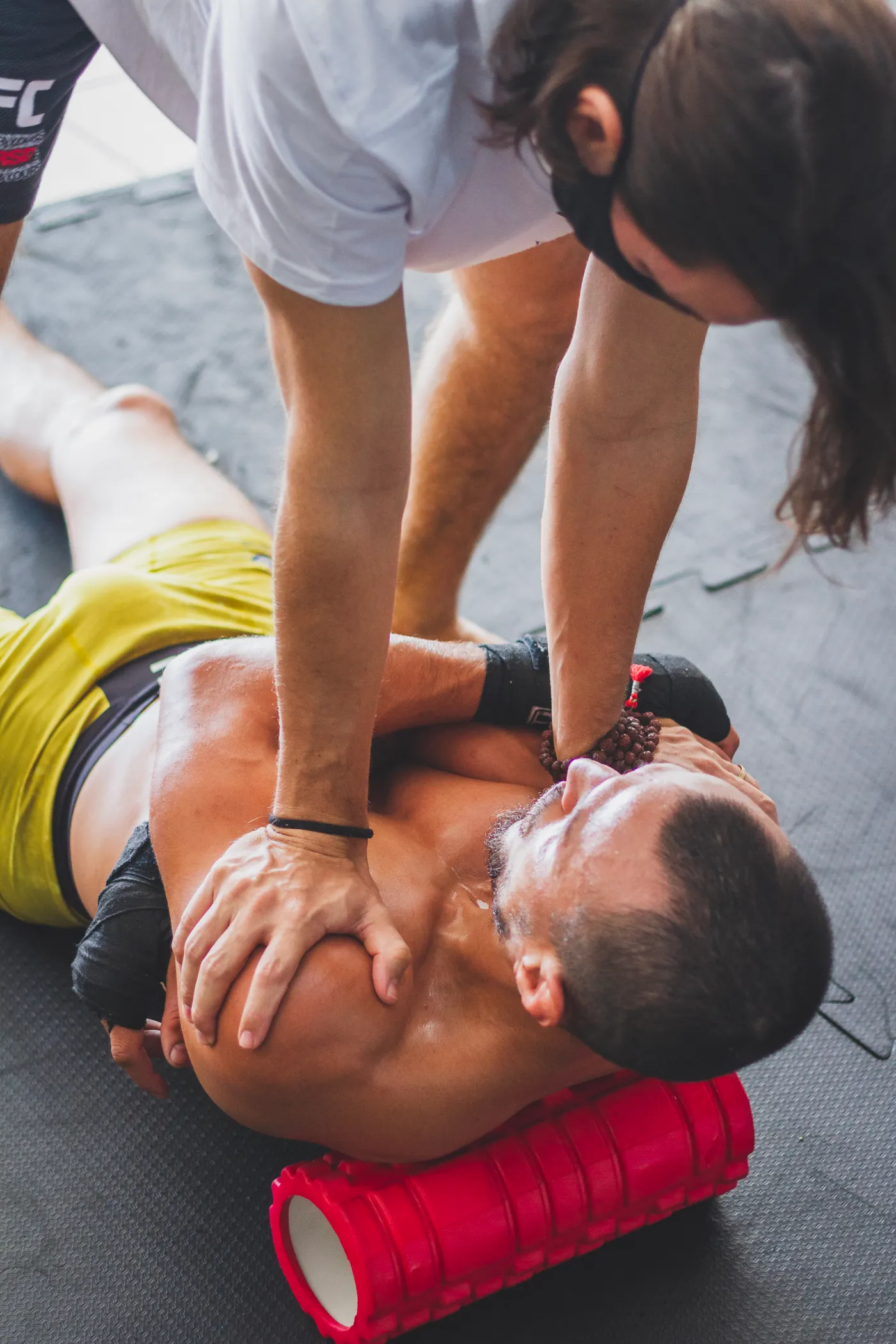
A compact home gym can support effective lower-body training with adjustable dumbbells, a cable machine, a stable bench and a small area of floor space. The goal is to expose the muscles to repeatable resistance while allowing recovery. This general template is for healthy adults cleared to exercise; it is not a rehabilitation prescription for an injured or immobilized limb.
Day A: knee-dominant strength. Start with five to eight minutes of easy movement and a few lighter practice sets. Perform a squat variation for three sets of six to ten controlled repetitions, leaving approximately two reps in reserve. Add two sets of eight to twelve split squats per side, followed by two sets of ten to fifteen leg extensions if your setup supports them. Finish with two sets of calf raises.
Day B: hip-dominant strength. Begin with Romanian deadlifts or a cable hip hinge for three sets of six to ten. Add two sets of eight to twelve glute bridges or hip thrusts, then two sets of controlled hamstring curls. Finish with a suitcase carry or another manageable trunk exercise. Prioritize stable positions and repeatable technique over chasing maximal effort.
Space the sessions at least a day apart when practical. Rest long enough between hard sets to maintain quality. When you can reach the top of a rep range with the planned effort and good technique, increase resistance modestly. If fatigue accumulates, reduce a set or the load instead of adding ever more passive recovery treatment.
Percussion can remain an optional comfort tool before or after training. If a brief session makes the warm-up easier, use it gently and then reassess movement. It should not replace the warm-up, working sets or sleep. People returning from surgery, illness or immobilization need an individualized plan from their treating professional.
Leg Day Shirts & Workout Gear
Leg-day gym shirts and workout gear for lifters who never skip squats, lunges and lower-body punishment.

My Leg Hurts Leg Day , Meme Lovers & Bros Casual T-Shirt
Bring “My Leg Hurts” humor to your next gym day.


Leg Day No Thanks – Skip Legday Meme , Squats & T-Shirt
Heavy lifts, good laughs, and a little “Leg Day No Thanks” energy.

Negative Leg Day Review Leg Day Sucks Meme Squats, T-Shirt
Show some leg-day attitude with a playful “Negative Leg Day Review” tee.

Leg Day Is Calling You Squats, Deadlifts & Gains T-Shirt
Rep “Leg Day Is Calling You” humor in and out of the gym.

Never Skip Leg Day Squats & Deadlifts Meme , Top T-Shirt
Show some leg-day attitude with a playful “Never Skip Leg Day” tee.

Legday – Squats & Deadlifts , Meme Top Bros & T-Shirt
Bring “Legday” humor to your next gym day.

I Look Better Bent Over – Squats, Deadlifts & Booty T-Shirt
Show some leg-day attitude with a playful “I Look Better Bent Over” tee.

Hippo Thrust Meme – Hip Thrusts & Leg Day , Gymbro, T-Shirt
Bring “Hippo Thrust Gym Meme” humor to your next gym day.
Four Weeks to Audit Your Recovery Routine
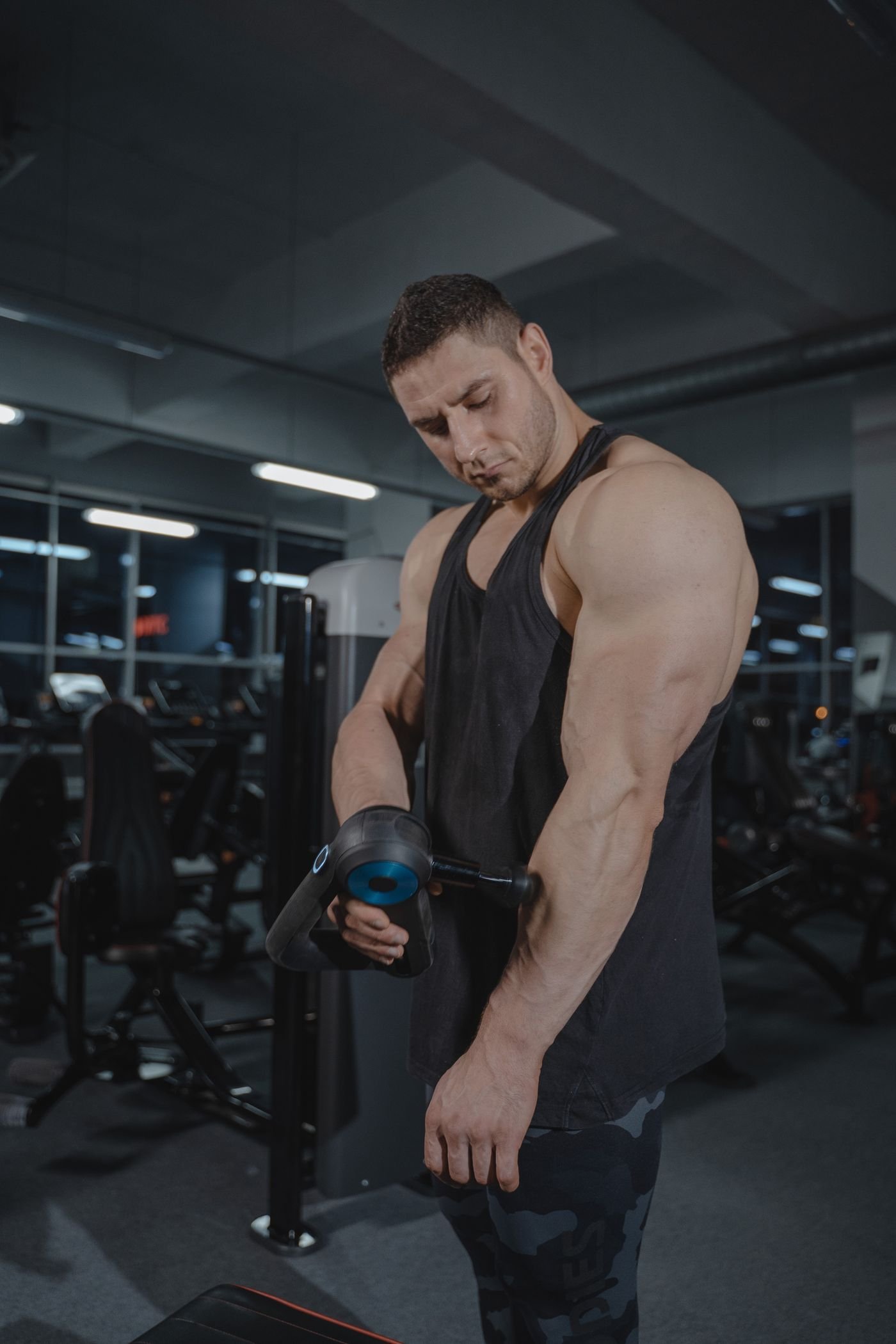
The easiest way to decide whether a recovery tool deserves space in your home gym is to track outcomes for four weeks. Record resistance, repetitions, sets, perceived effort and any unusual discomfort. Add a simple note on sleep and soreness. That information is more useful than judging a device by how intense the percussion feels.
Week 1: establish a baseline. Choose repeatable squat, hinge and single-leg movements. Record a representative working set at conservative effort. If you use a massage gun, note how long you used it, where and whether your warm-up felt different. Do not treat temporary relief as evidence of structural adaptation.
Week 2: progress modestly. Add a repetition or a small amount of load where technique remains stable. Keep your optional massage routine consistent so that every variable is not changing at once. If the device seems to improve flexibility, see whether the change also appears in the movement you are training.
Week 3: check fatigue. Compare performance at similar effort. If working weights fall and soreness remains high, review training volume, sleep and nutrition. More aggressive percussion is not a substitute for reducing excess fatigue. Persistent weakness, sharp pain or unusual swelling warrants appropriate medical assessment.
Week 4: keep what works. Retain optional treatments that improve comfort without adverse effects and do not displace productive training. Drop rituals that add expense but no useful outcome. The 2026 experiments found selective molecular changes, yet no protection against muscle size or strength losses during unloading.
The conclusion is balanced. Massage guns may be enjoyable and can plausibly improve short-term mobility for some people. They have not been shown to replace active loading or prevent disuse atrophy in the experiment examined here. For a small home gym, consistent resistance training and sensible recovery remain the foundation.