Advertising disclosure: This page includes affiliate product links that may earn us a commission, as well as products from our own store.
Incline Y Raises: Set the Bench and Make Light Weights Count
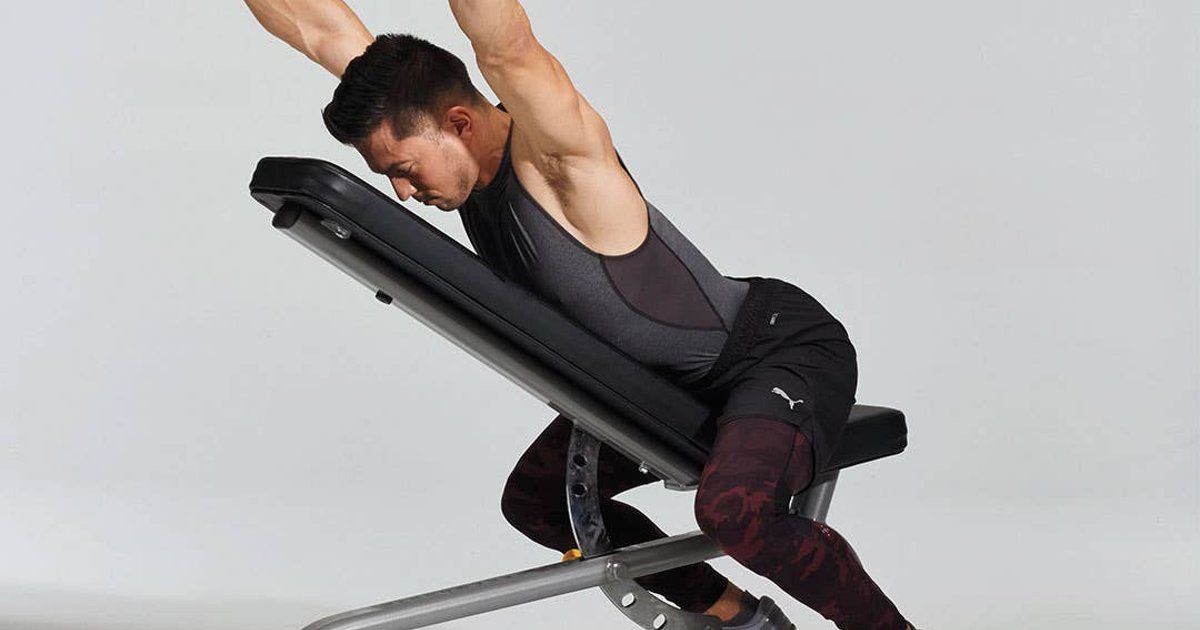
A chest-supported Y raise can expose how differently you move a light dumbbell when there is no room to swing it. The exercise looks simple: lie against an incline bench and lift your arms diagonally overhead. The useful part is learning to repeat that movement without changing your torso position to finish each repetition.
It belongs in a training programme as an optional shoulder and upper-back accessory. It is not a test of how much you can press, a guaranteed posture correction or a substitute for assessing a painful shoulder. Start by choosing a version you can perform comfortably, then make the setup consistent enough that your training log means something.
1. Know what the Y shape changes
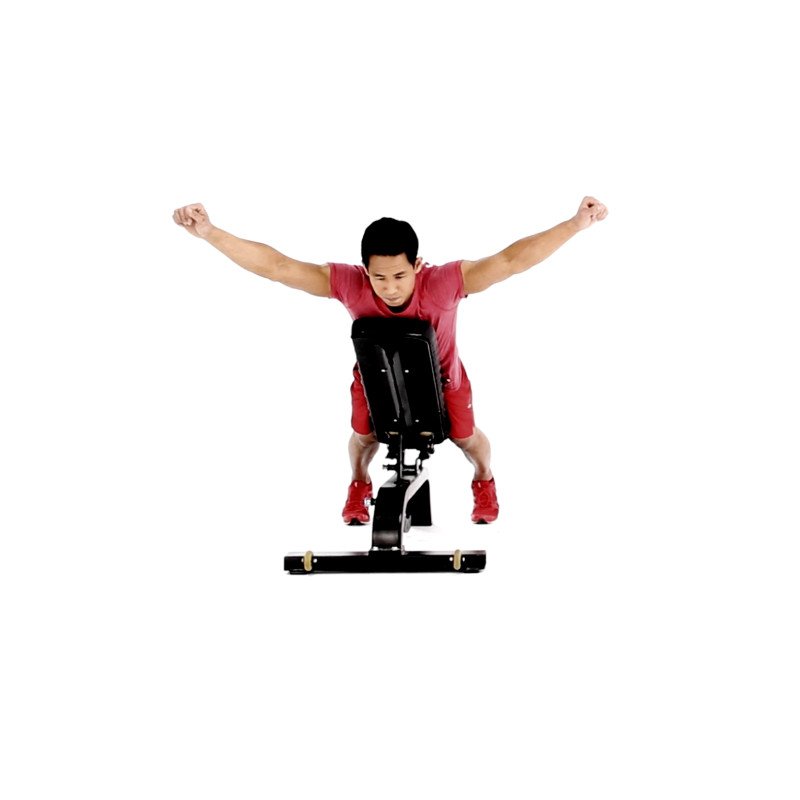
In an incline Y raise, your arms travel forward and outward relative to your torso rather than directly sideways. Viewed from above, the arms and body resemble the letter Y. Keeping that diagonal path makes it a different task from a chest-supported row, where the elbows bend and the weights move towards your ribs.
The shoulders and upper back work together to move the arms and shoulder blades. The trapezius, including its lower portion, is relevant to this movement, but calling the exercise complete isolation of one tiny area is misleading. You do not need to feel an exact spot burning to establish that your repetitions are controlled.
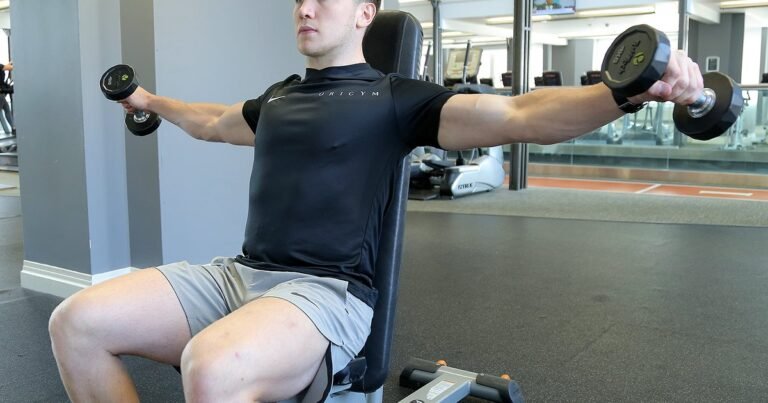
A rear-delt fly uses a wider, more sideways arm path. A T raise also reaches sideways, while a Y reaches farther overhead. Those shapes are useful ways to distinguish exercises, not instructions to force every shoulder into a geometrically perfect angle. Choose a comfortable diagonal and keep the two arms reasonably consistent.
The bench supports your chest, reducing the need to hold a standing hip hinge. That lets you concentrate on the arm movement, but it does not make a poorly chosen load appropriate. If you can only reach the top by lifting your chest away from the pad, the bench has stopped providing the support you selected it for.
2. Set up the bench before choosing the dumbbells
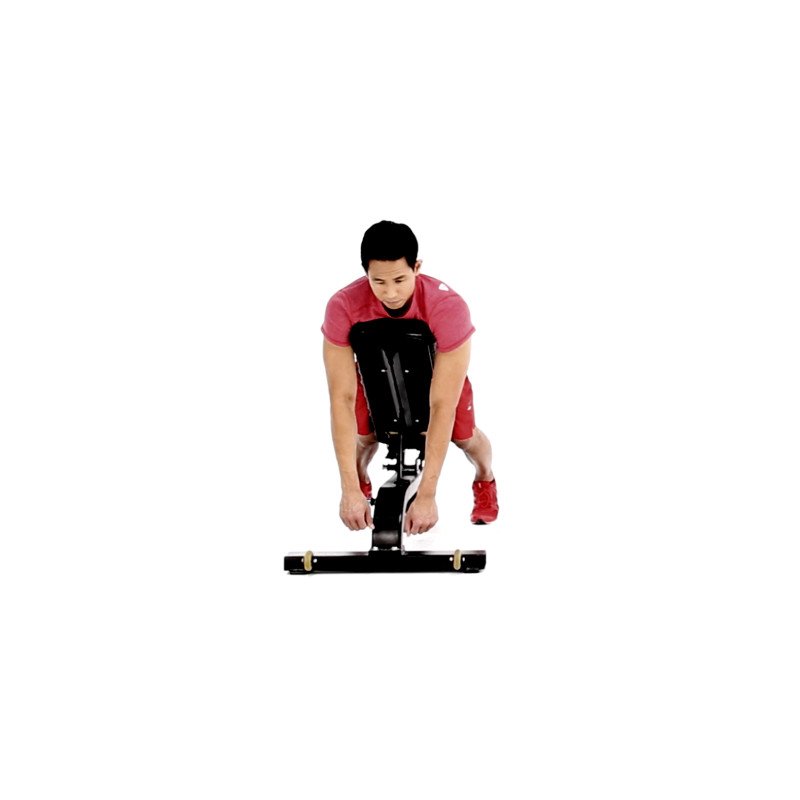
A low-to-moderate incline, often around 30 to 45 degrees, is a practical starting point. Check that the adjustment mechanism is fully engaged and the bench is stable. Rest your chest against the pad, place your feet securely and leave enough room for your arms to hang without the dumbbells hitting the floor or frame.
Your head should extend naturally from your upper back. Avoid reaching your chin forward to watch yourself in a mirror. If the end of the pad presses into your throat, move your position or use a different bench rather than spending the set holding your head unnaturally high.
Begin with empty hands if necessary. Your arms already provide resistance when you lift them against gravity. Add small dumbbells only when that version is comfortable and repeatable. A very light fixed pair can be more useful than a heavy adjustable set whose minimum setting is already too demanding.
Equipment selection should follow the task. An adjustable bench needs a suitable pad shape and a secure incline, not a long list of attachments. Small plates can offer another light handheld option when their edges and grip are comfortable. Cable machines and individual handles belong to a separate cable Y-raise variation; they are alternatives to consider, not equipment you must buy to perform this bench exercise.
Write down the bench setting as well as the load. A note such as “second incline notch, chest supported, empty hands” is more useful than recording “Y raises” alone. Switching benches may change the pad position and arm clearance even when the printed angle appears identical.

Equipment Worth Exploring
Explore equipment, accessories and gear from our carefully selected range.


FID Bench MAX
Adjustable bench offering flat, incline, and decline positions + adjustable headrest.


Multi Bench MBX-650 2.0
Adjustable multi-bench with roller adjustment, 15 backrest positions and accessory mounts.


Rubber Hex Dumbbells
Rubber-coated hex dumbbell pairs with a stable shape for home and commercial strength training.


VOLTRA
Compact digital cable trainer with smooth, adjustable resistance.
3. Practise a deliberate lift and return
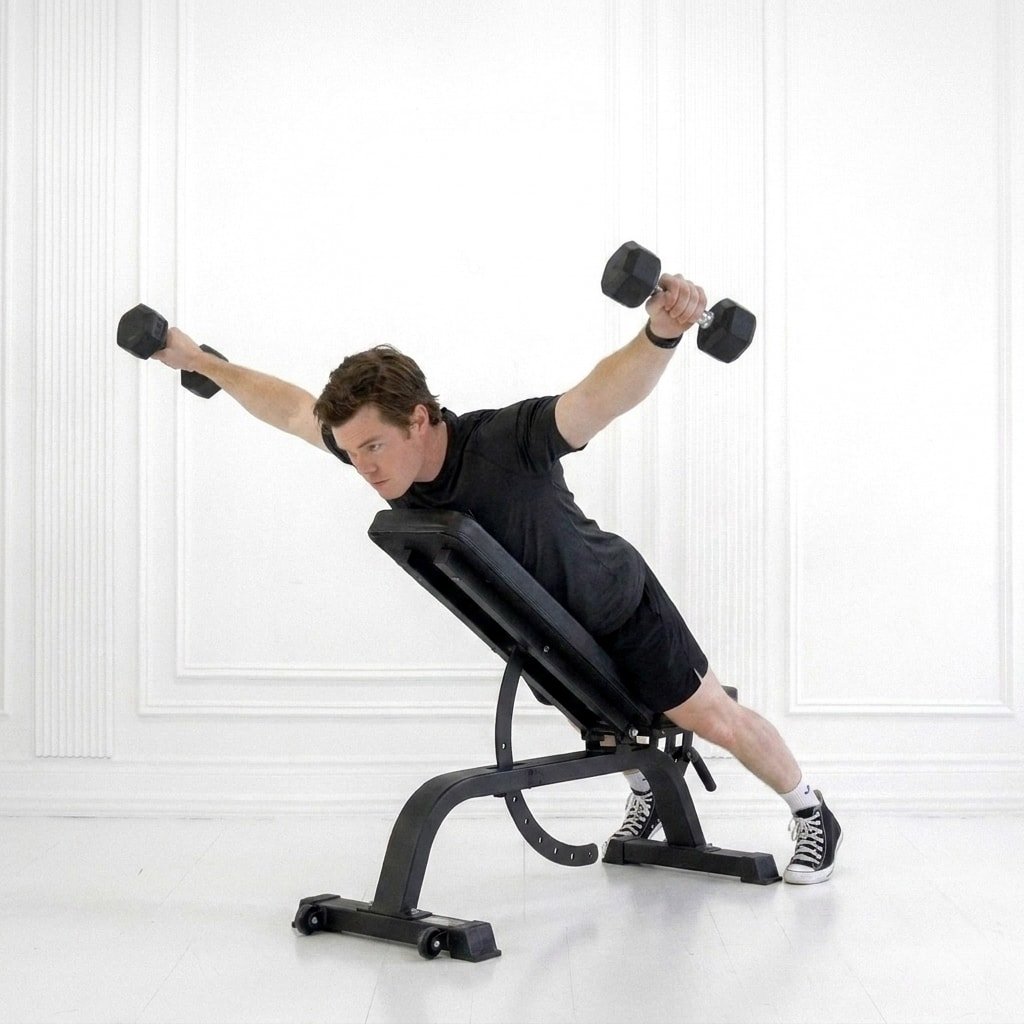
Let your arms hang beneath your shoulders with your palms generally facing each other. Keep the elbows mostly straight without aggressively locking them. Brace enough to hold your trunk steady, then lift both arms forward and outward into the diagonal Y path. Think about moving the arms smoothly rather than throwing the weights towards an imaginary finish line.
Stop at the height you can reach while keeping the movement comfortable and your torso supported. Do not turn the last few centimetres into a chest lift or a neck crane. A small pause can help you notice whether you reached the position under control or only passed through it because the dumbbells were moving quickly.
Lower the weights deliberately along the same general path. The return matters: dropping the arms and using the bounce to start again creates a different repetition from the one you intended to practise. Breathe normally enough that a short accessory set does not become a prolonged breath-holding contest.
For a first practice set, try a handful of easy repetitions with no external load, stop and assess the setup, then repeat. That is a technique check rather than a prescribed workout. If one side consistently stops earlier, do not force it to match the other by twisting your torso. Reduce the demand and seek individual guidance if the limitation is painful or persistent.
4. Check the support, neck position and range
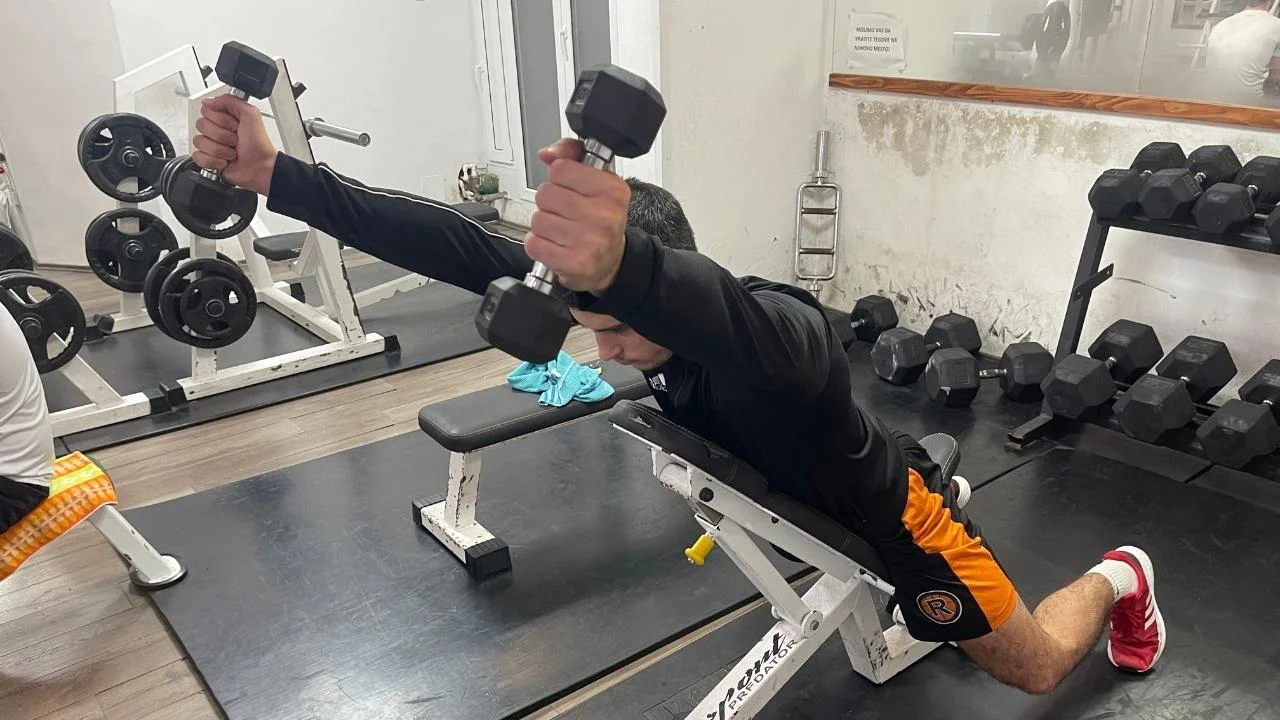
The support angle is worth checking from the side rather than judging it only from the front. Changing the bench angle changes the relationship between the arm path and gravity; the same dumbbell number does not automatically represent the same difficulty in every position. Keep the angle consistent when comparing your sets.
Use a brief checklist between sets. Did your chest remain against the pad? Did your head stay broadly aligned with your spine? Did you lower the weights with control? Did the final repetition still resemble the first? Answer those questions before deciding that a heavier pair would represent progress.
A side-view phone recording, made without obstructing other people, can reveal your chest peeling off the bench or your head lifting on every repetition. It cannot diagnose shoulder mechanics or tell you which tissue is causing discomfort. Use it to compare visible movement and setup, not to invent an injury label.
Do not interpret every movement of the shoulder blades as a mistake. They participate in raising the arms. Trying to clamp them into one rigid position throughout an overhead movement can become another distraction. Aim for a smooth, comfortable repetition rather than forcing an exaggerated shrug or an equally exaggerated downward pull.
If a repetition becomes painful, stop the set. Sharp pain, tingling, unusual weakness or recurring symptoms deserve assessment rather than a heavier attempt. A shoulder-conditioning exercise can be part of an individual rehabilitation plan, but a general training article cannot establish which version or dose suits an injured shoulder.
5. Add practice without turning it into another heavy lift
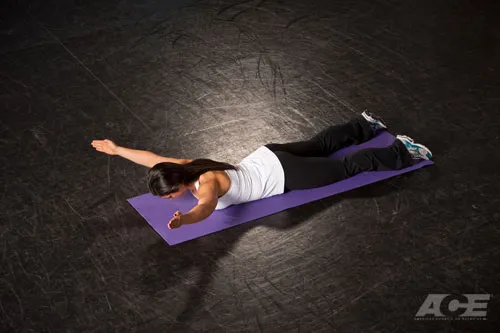
The floor Y raise is a related no-equipment option: lie face down and lift the arms a small distance in the Y position while keeping the rest of the body quiet. The floor limits the available movement differently from a bench. It is an alternative to learn and log separately, not proof that you should use the same repetition target or expect the same range.
For a healthy lifter exploring the incline version, an illustrative starting dose is two easy sets of eight controlled repetitions after the main workout. Leave several comfortable repetitions in reserve. This is a modest practice example, not a study-tested optimal prescription. Reduce it if it interferes with recovery or makes the next session uncomfortable.
Keep that setup unchanged for the next few exposures. First make the repetitions more consistent; then consider adding a repetition or the smallest practical load increase. If the next dumbbell jump makes the arm path collapse, return to the previous load. There is no need to turn a small shoulder accessory into a contest with the gym’s dumbbell rack.
A useful log entry records what ended the set. “Eight repetitions, last two required chest lift” describes a technique limit; “eight repetitions, comfortable and unchanged” describes a different result. Recording only the total hides that distinction. You can then decide whether to repeat the dose, reduce the load or make one small progression without relying on how impressive the dumbbells looked.
Keep rows, presses and other chosen exercises in their own roles. Y raises can add a different movement pattern, but they do not replace every pulling exercise or guarantee better pressing. Judge whether they earn their place by comfort, repeatable execution and how they fit your wider training week.

Bodybuilding Shirts & Workout Gear
Bodybuilding shirts, tanks and gym gear for lifters chasing muscle, size, symmetry and the pump.

Safety Practice Safe Sets Sweater Jumper T-Shirt
Show some gym-day personality with “Gym Safety”.

Consistency Is Key Stoic Greek God Marble Sculpture T-Shirt
Make gym days more fun with “Consistency is Key Stoic Greek God Marble” style.


Be Happy Lift Heavy Happy Weights Emoji Weight Plate Hoodie
Show off your powerlifting humor in a laid-back “Be Happy Lift” hoodie.

Lift Together Grow Stronger Buddies Friendship Workout T-Shirt
Make gym days more fun with “Lift Together Grow Stronger” style.

Meme Installing Muscles & Lifting Shirt Bros & T-Shirt
Bring “Installing Muscles” humor to your next gym day.

Shirt – Lift O'Clock Bros – Meme & Gains T-Shirt
Rep “Lift O'clock” humor in and out of the gym.

Gymbros Meme – Buddies & – Gains & T-Shirt
Bring “Gymbros Meme” humor to your next gym day.

Shirt – Make It Gain – Gymbro & Meme Fans T-Shirt
Make gym days more fun with “Make It Gain” style.