Advertising disclosure: This page includes affiliate product links that may earn us a commission, as well as products from our own store.
Speediance Gym Nano: Check the Mounts, Modes and Real Setup Cost
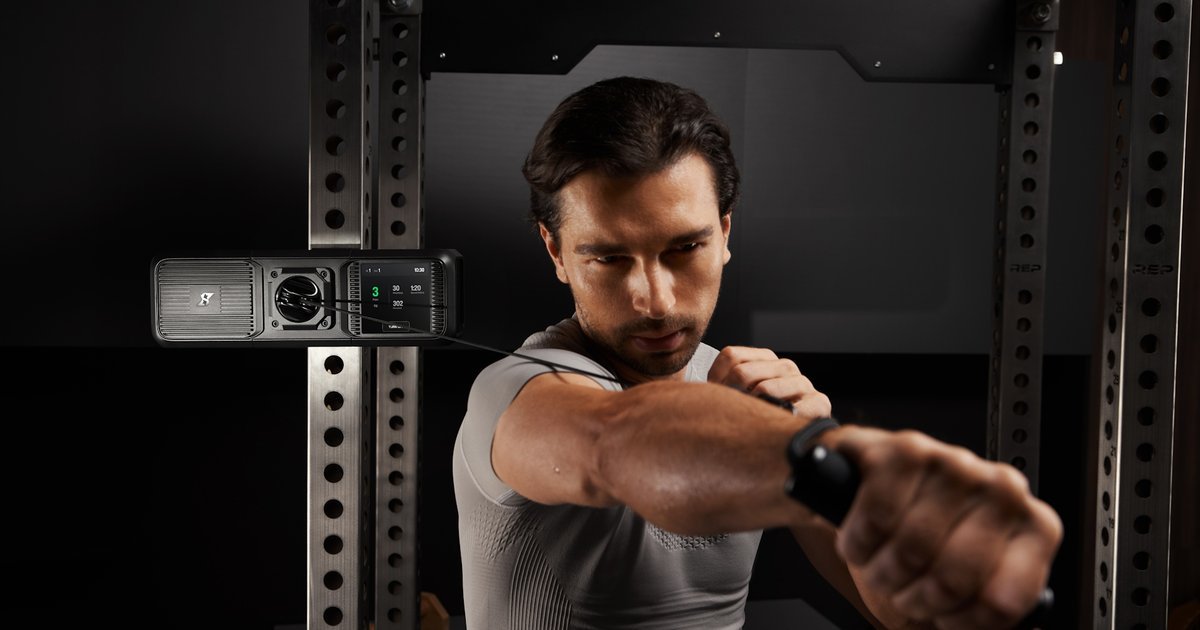
The Speediance Gym Nano takes a different approach from a large cable station: put digitally controlled resistance in a portable unit, then build the training setup around it. The attraction is clear if you already own a rack or want cable exercises without adding another full machine. The buying decision becomes more useful when you start with the complete setup rather than the maximum resistance number.
Current specifications list up to 100 kg of resistance, an 8.2 kg unit, 5.1 metres of cable travel and a maximum cable speed of 6.4 metres per second. Those describe the product’s advertised capabilities. This guide examines what to check before ordering; it does not claim hands-on testing, measured resistance accuracy or long-term ownership of the Nano.
1. Plan for the whole training system you will move and store
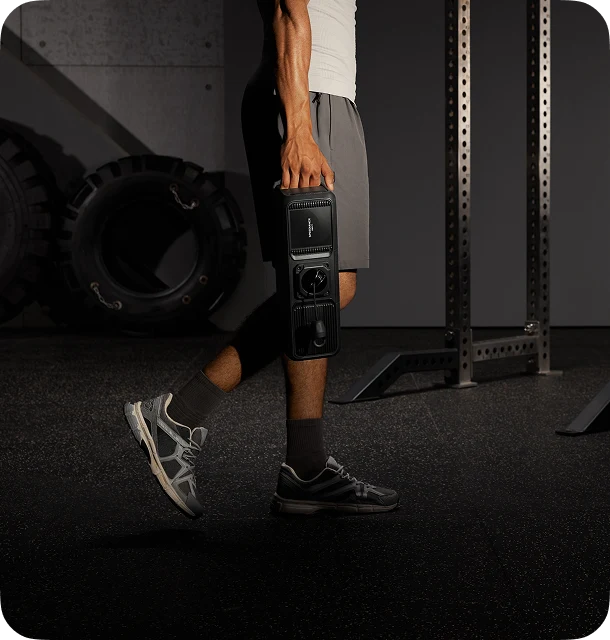
The compact body is only one part of the equipment you need to arrange. Think through the mount, handles, charging equipment and anything that supports your body during the exercise. A unit you can carry in one hand can still be part of a setup that takes time and space to prepare.
Choose three exercises you realistically want to perform every week. A seated row needs somewhere suitable to sit and brace; a pulldown needs a high anchor and a workable body position; a standing press needs room behind and in front of you. Make a rough floor plan for those movements instead of assuming that a small machine guarantees a small working area.
Include the route between storage and training. Where will the device rest while you attach the mount? Where will the cable travel without crossing another person’s path? A clear sequence for carrying, fitting and unloading the equipment is more valuable than discovering halfway through a workout that the intended corner cannot accommodate the movement.
Charging also belongs in that plan. Check the supplied charger, available socket and where the unit can sit securely. Battery-powered equipment gives you more freedom from a wall outlet during use, but it still needs a charging routine and a sensible place for the power supply.
If portability is the main attraction, describe what you actually mean by it. Moving the Nano between two rooms is a different requirement from regularly transporting the unit, mounts and training accessories. Check the packed system against your intended journey rather than treating the bare unit weight as the weight of every possible kit.
2. Measure the rack before choosing a mount
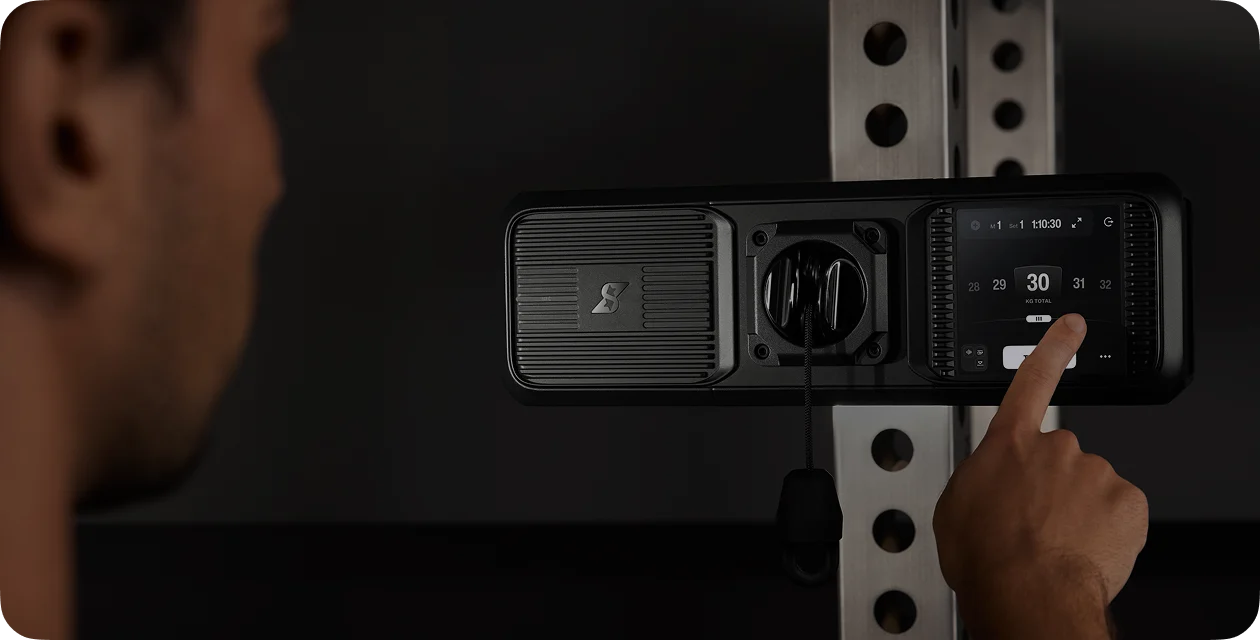
Begin with the upright’s width and depth, the hole diameter and the distance between hole centres. Write down actual measurements in one unit system. A rack described casually as three-inch may need a more precise check than a name in a product title can provide.
The current mounting information distinguishes the knob-lock, sliding and magnetic options. Their requirements differ. A fixed point can suit a small group of exercises at one height, while a sliding arrangement may be more convenient when a session repeatedly moves between low rows, middle-height presses and overhead pulls.
Check the entire working position too. Crossmembers, storage pegs, a pull-up bar or equipment already attached to the upright can interfere with access and movement. A mount that fits the profile on paper still needs enough clearance to install and use as instructed.
Use the exact Nano mount instructions for compatibility and loading. A bracket from another digital cable system may look familiar while using a different connection. Manufacturer-specific mounts and control accessories should be assessed within their own systems. Confirm the fit of any additional handle or attachment before treating it as part of your Nano setup.
Practise the adjustment sequence with resistance released, following the product instructions. Work out how you will support the device and reach the controls while changing position. The aim is a routine you can repeat calmly, with a clear way to stop and reset when an exercise needs a different height.
3. Match the modes to ordinary, repeatable exercises
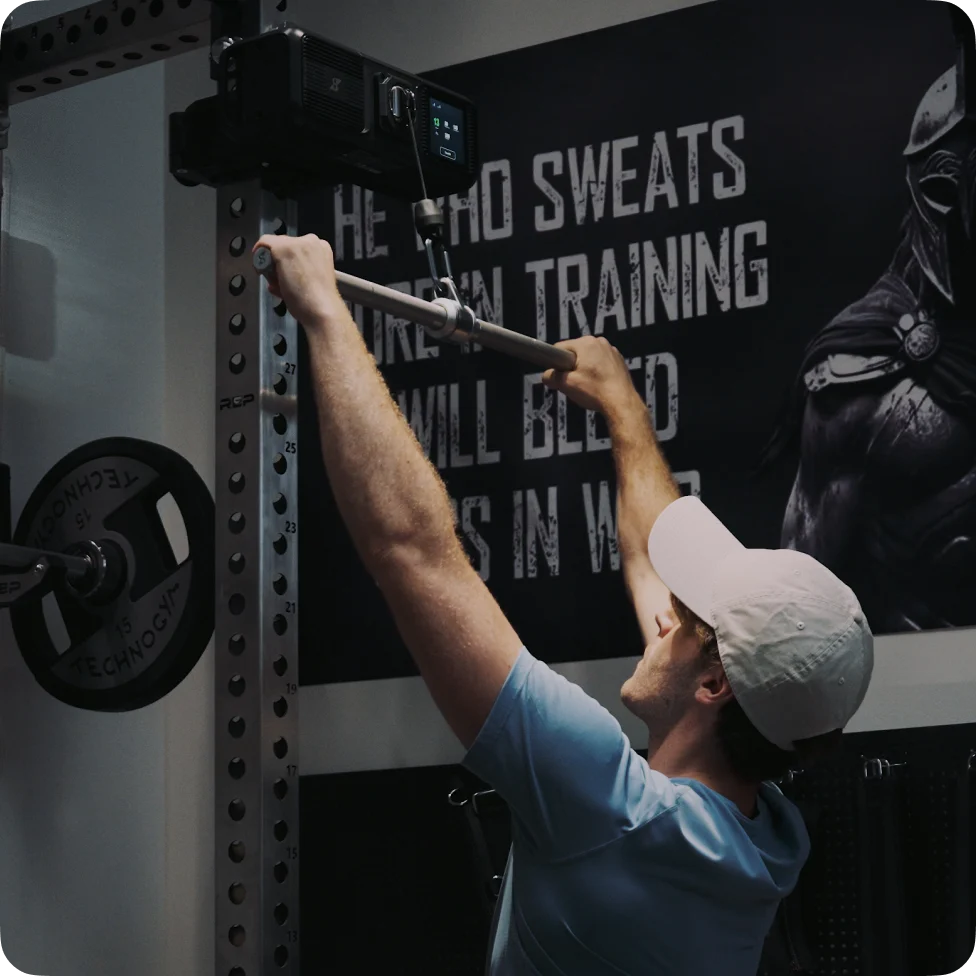
The listed modes are Standard, Chain, Eccentric, Fixed Speed and Sled. Their names are a starting point for understanding the controls, rather than five separate reasons to complicate every workout. Learn a familiar exercise with straightforward settings before adding a different resistance behaviour.
For example, begin by deciding how you want to perform a row, pulldown or press. Define your body position, range of motion and hand path. Then choose an initial resistance that lets you repeat those features. A sophisticated mode is difficult to assess when each repetition already changes because the bench or anchor position is unsuitable.
Keep a simple record: movement, mount height, attachment, resistance setting, mode, repetitions and a brief technique note. Curls and triceps pushdowns make the same point at a smaller scale. Changing the handle and stance while also changing the mode creates several explanations for why the next set feels different.
Use the data to support that record. A faster repetition is meaningful only when you know what movement and range produced it. A number shown on a display should not be interpreted as proof that a different machine, pulley arrangement or exercise provides an identical training experience.
The broader goal remains a program you can follow and progress. Better hardware can make a useful exercise more convenient, but it does not replace decisions about exercise selection, effort and recovery. Start with a few dependable movements and expand the setup when a specific training need becomes clear.

Bodybuilding Shirts & Workout Gear
Bodybuilding shirts, tanks and gym gear for lifters chasing muscle, size, symmetry and the pump.

Micro Biceps Club President Gym | Funny Workout Sweater T-Shirt
Keep things casual with a little “Micro Biceps Club President” attitude.

The Real Rocky Mountains – Bicep Mountain Meme Hooded Hoodie
Bring “The Real Rocky Mountains” gym humor to lazy days and post-workout plans.

Every Day Is Arm Day
Make gym days more fun with “Every Day is Arm Day Octopus Gym Meme” style.


Repetition Stoic Shirt: Meme Sigma & Greek God Pump T-Shirt
Show some lifting attitude with a playful “Repetition Stoic” tee.

Safety Practice Safe Sets Sweater Jumper T-Shirt
Show some gym-day personality with “Gym Safety”.

Installing Muscles Meme – Vest Tank Top
Show some personality between sets with “Installing Muscles Gym Meme”.


Shirt – I'M Strong Barbell Heartbeat , Gymbro , & T-Shirt
Bring “I'm Strong Barbell Heartbeat” humor to your next gym day.

Be Stronger Than Your Excuses – Motivational T-Shirt
Rep “Be Stronger Than Your Excuses” humor in and out of the gym.
4. Decide whether your movements need one unit or two
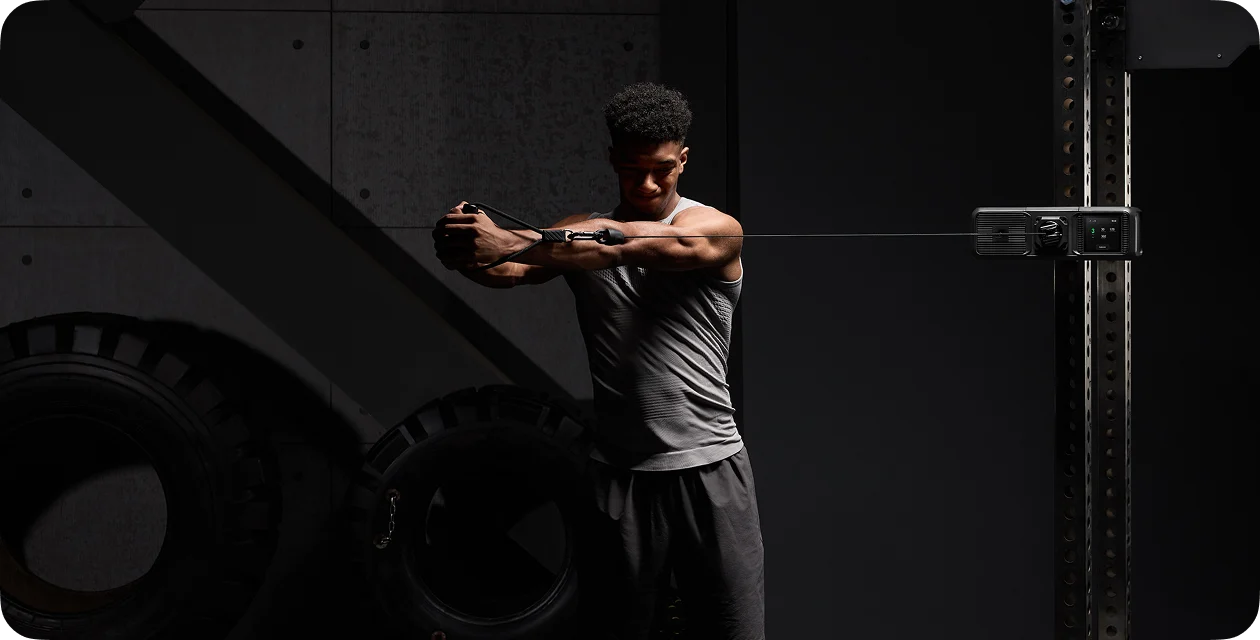
A single unit provides one cable outlet. The dual-unit arrangements add a second independently placed cable, which changes how you can organise bilateral work. Think about the path of each hand and where each resistance line begins before choosing a package.
A standing cable fly is a useful example. Two side anchors provide a different arrangement from holding one cable handle with both hands. Sequential single-arm work can be useful, but it is a different task from moving both arms simultaneously against separate cable lines.
Two units also create practical requirements beyond the purchase price. You need suitable mounting positions, enough room around both lines and an adjustment routine that keeps the two sides organised. Add the associated charging and storage requirements to the same floor plan you made for the first unit.
Check what the paired controls do for the movement you intend to use. Keep the mode, starting position and resistance settings clear before beginning. A combined headline load does not by itself establish that every exercise has the same usable resistance, leverage or range.
Choose the second unit because it solves a recurring movement problem. If most planned work is one-arm pulling, curls or pushdowns, list what the second cable would add to an ordinary week. If bilateral chest work is central, the second anchor may have a clearer purpose. This makes the decision about training rather than the temptation to select the largest bundle.
5. Read the bundle contents and use a demonstration to settle the details
The European bundle guide describes the same underlying Nano resistance unit across its packages, with the accessories and unit count changing. The baseline includes the knob-lock mount and transport and starter equipment. Core adds a sliding mount and handle, while Station adds further training and control accessories. Compare the current itemised contents rather than assuming that a larger package contains a more powerful single unit.
Keep your buying checklist specific: chosen mount, confirmed rack measurements, number of units, handles needed for the first exercises, charger, delivery conditions and total delivered price. Add the local warranty, return terms and any software requirements you rely on. As checked on 14 November 2026, the European landing page still presents a pre-order call to action, so verify the actual dispatch information for your selected order.
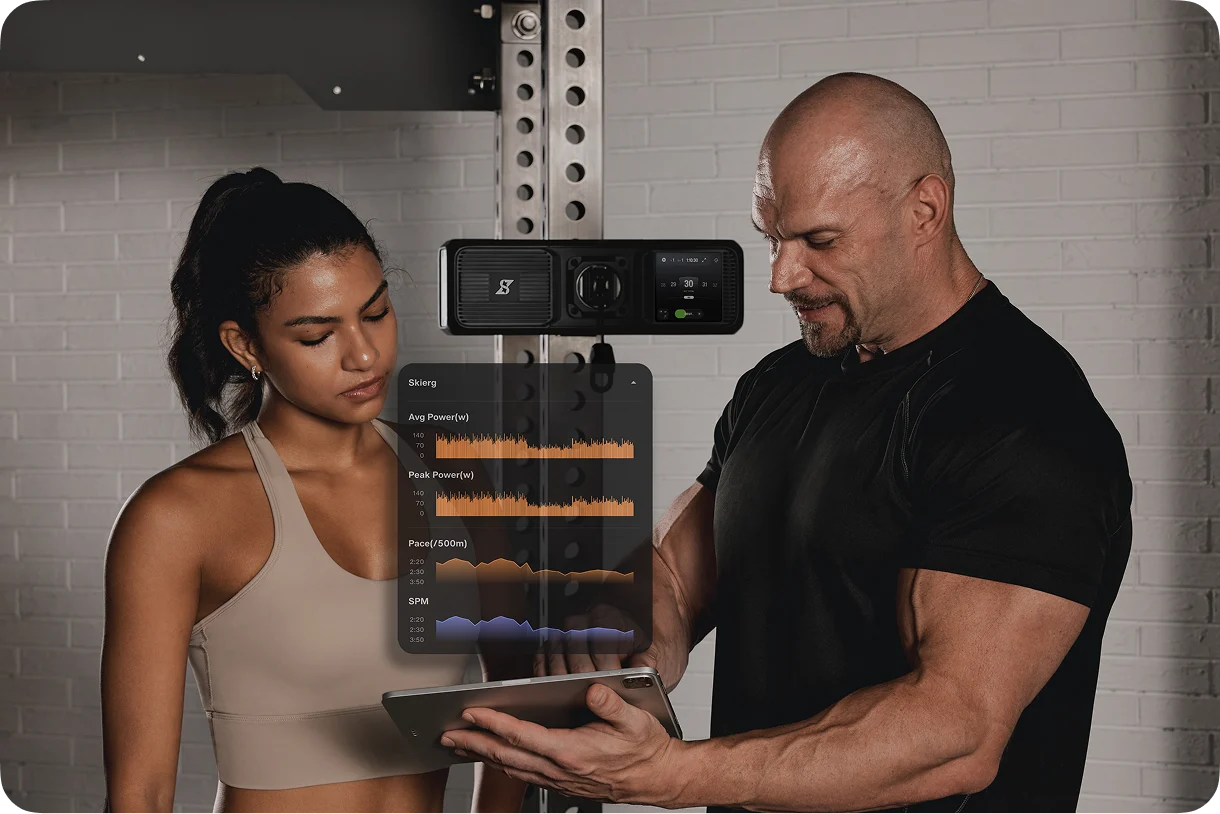
A demonstration can answer questions that a specification cannot. Ask to enter and leave the resistance, adjust the anchor height and try the intended range with manageable effort. If performance feedback is important, ask to view a completed set and understand what the displayed measurements represent. Promotional graphs illustrate a feature; they are not independent proof of measurement accuracy.
For comparison shopping, assess an existing cable station or another digital system against the same exercise list. Compare the whole setup, including its own mounts and attachments. The related equipment below can help organise those alternatives; confirm each accessory’s compatibility with the system you actually choose.
A good fit is a system that makes your planned training easier to carry out repeatedly. Give the Nano a clear job: particular movements, suitable anchor positions, room to perform them and a package that contains what you need. That is a stronger basis for a purchase than assuming the smallest body or the longest feature list automatically suits your routine.

Equipment Worth Exploring
Explore equipment, accessories and gear from our carefully selected range.
VOLTRA
Compact digital cable trainer with smooth, adjustable resistance.

Go-Tone Pro
Portable digital cable trainer with up to 66 lb (30 kg) of adjustable resistance.
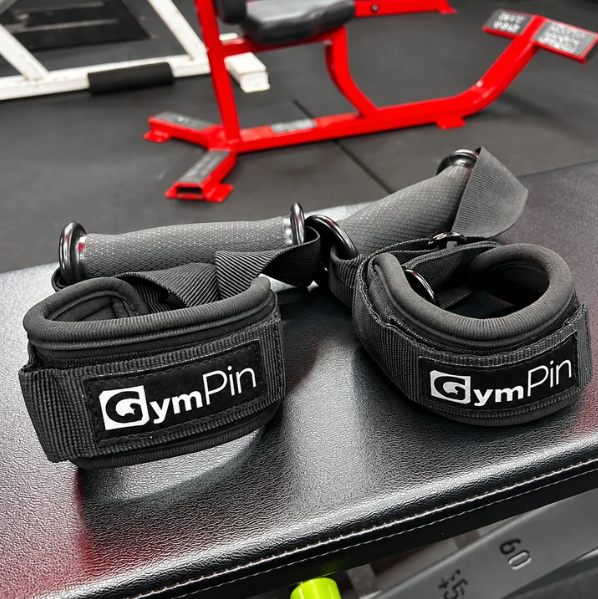
GymPin D Cuffs
Adjustable wrist cuffs with textured grips for supported cable-machine exercises.
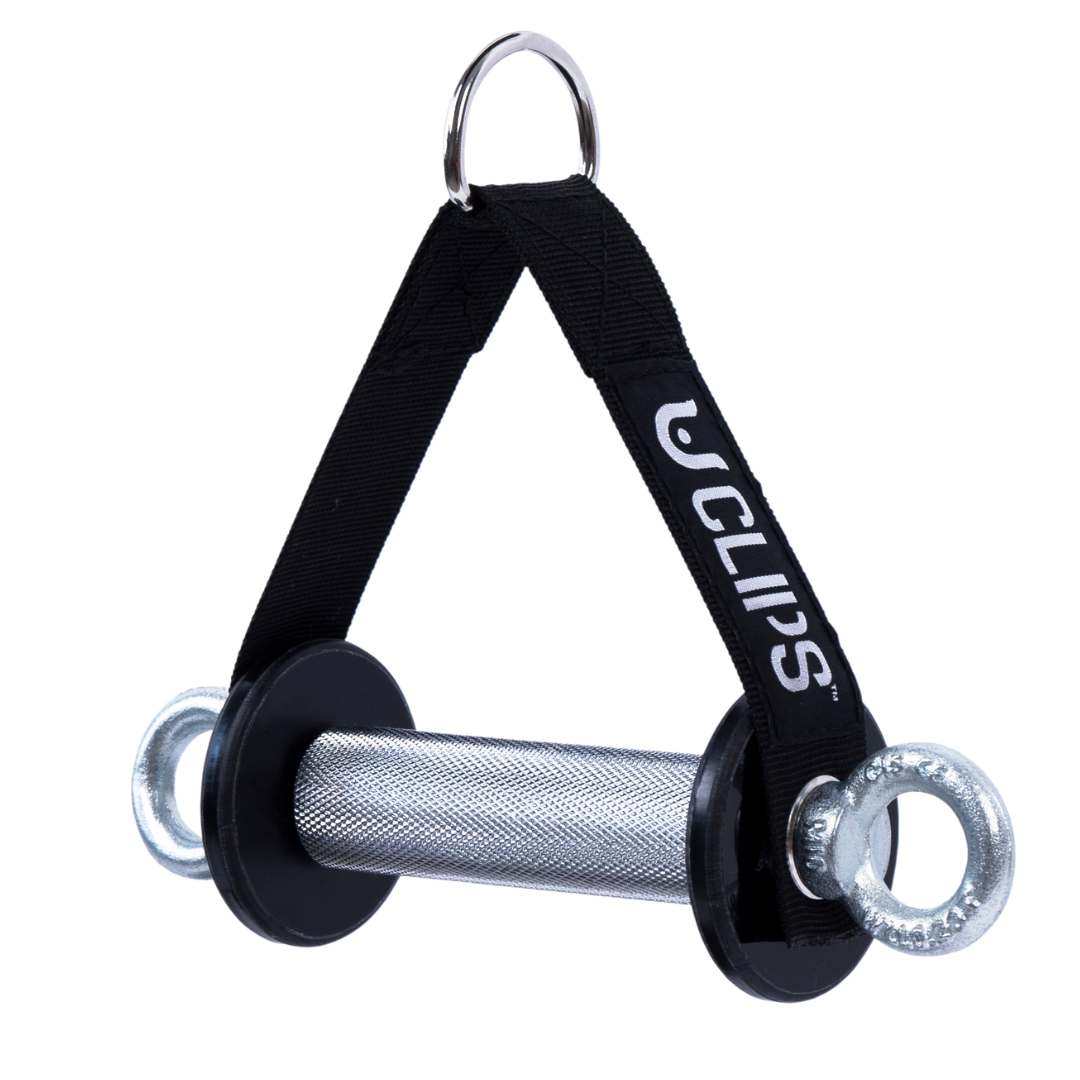
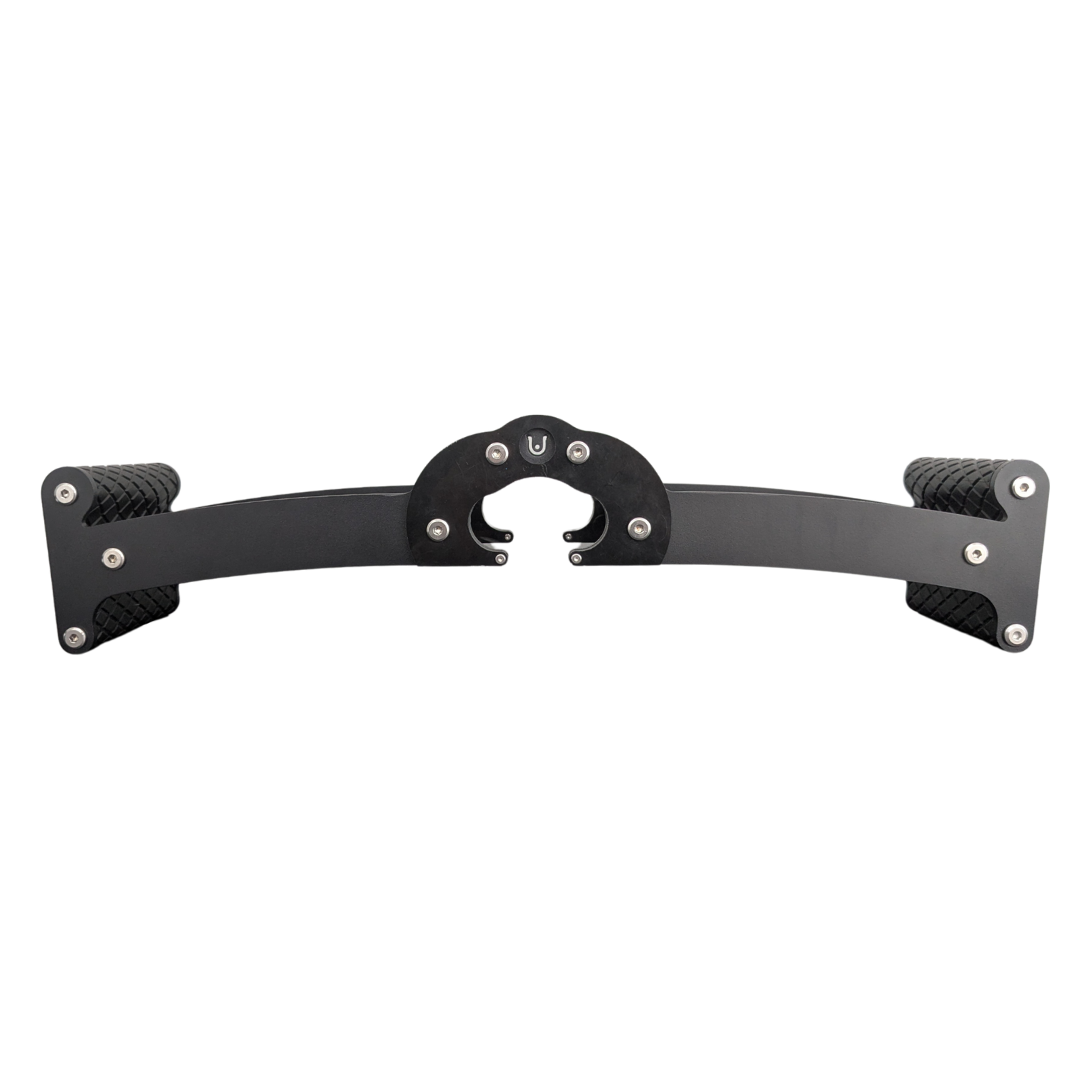
Back Bar
Multi-grip cable and landmine bar with a built-in deadlift jack.
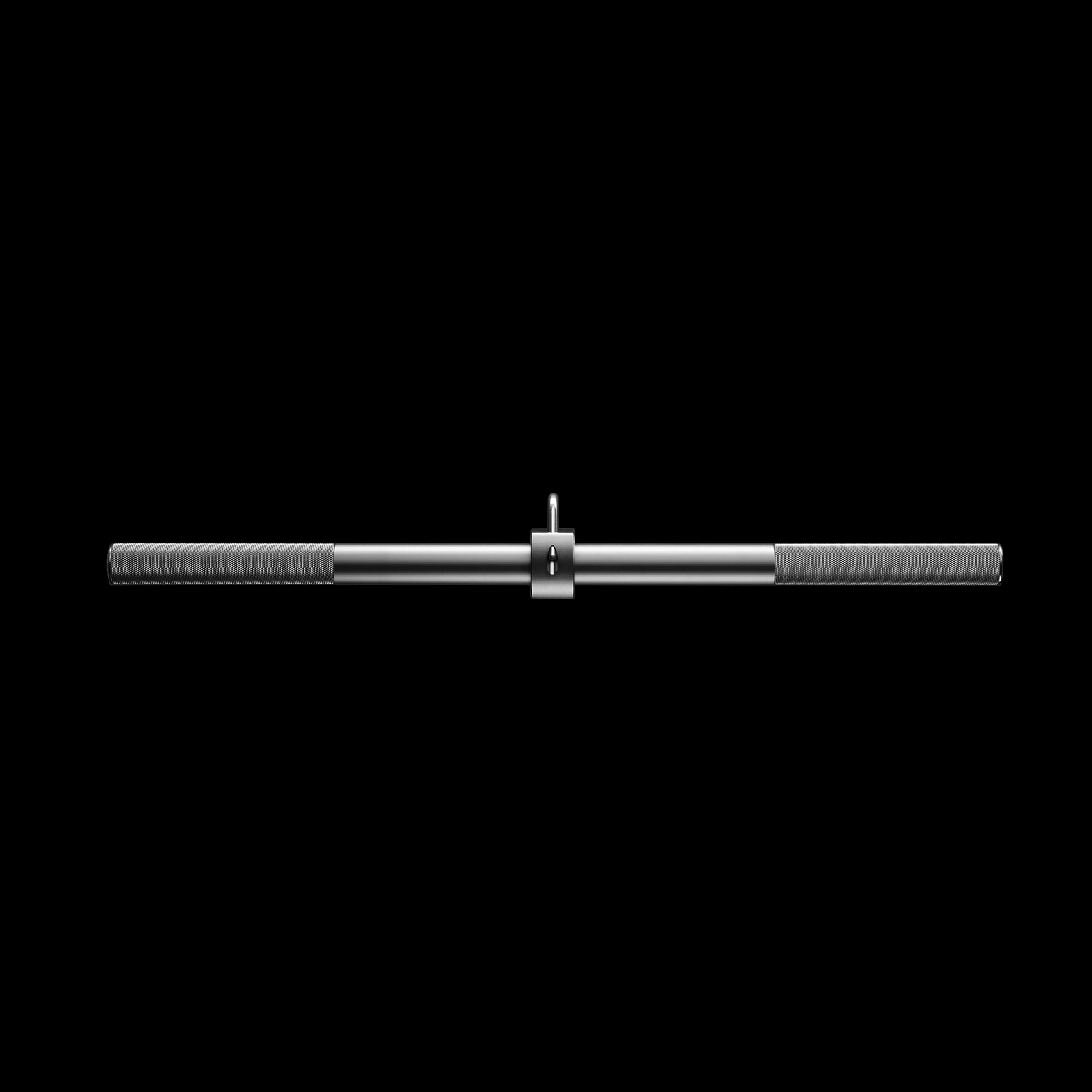
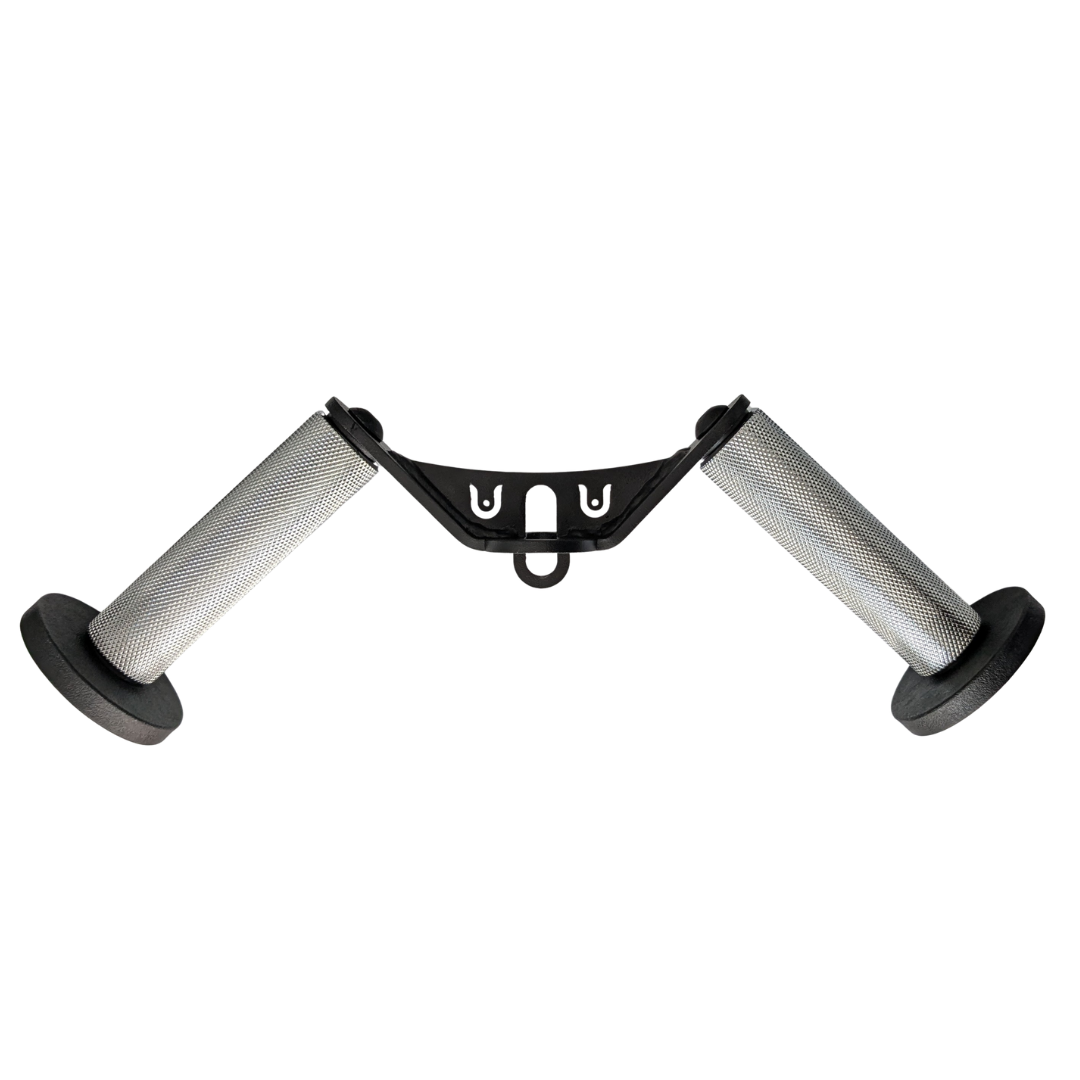
W Grip
Angled cable grip for comfortable rows, pushdowns, and curls.
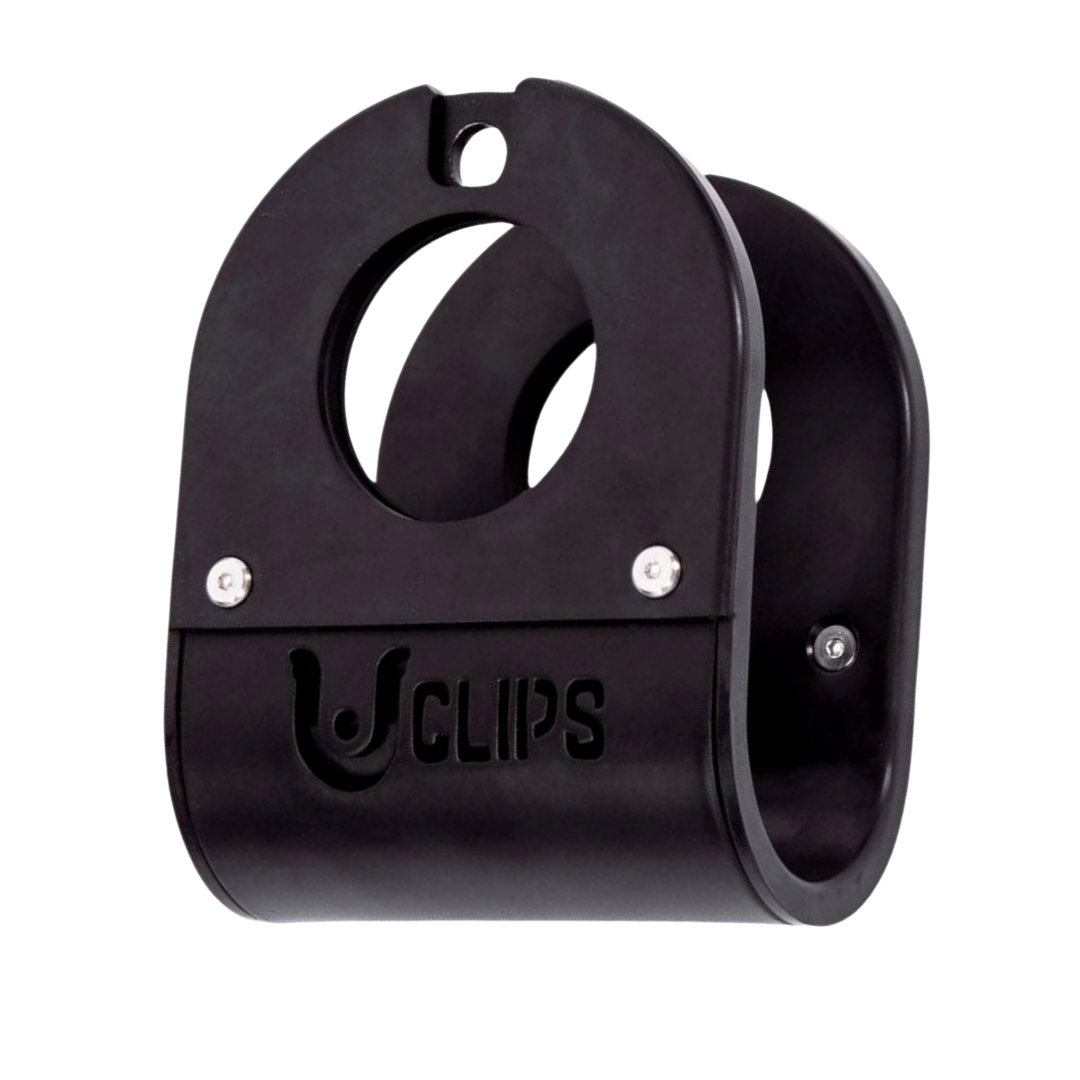
U Clips
Versatile gym clips for barbell, landmine, and attachment setups.