Advertising disclosure: This page includes affiliate product links that may earn us a commission, as well as products from our own store.
Some product links may be affiliate links. If you shop through them, Mind Muscle Perfection may earn a commission at no extra cost to you.
Blood-flow-restriction training has an appealing promise: make lighter leg exercises challenging enough to stimulate muscle without always stacking plates on the bar. For athletes juggling lifting, practices, travel and sore joints, that sounds useful. But a stronger leg does not automatically deliver a faster sprint, higher jump or quicker cut.
A 2026 synthesis pooled ten randomized comparisons involving 181 athletes. Adding carefully applied restriction to resistance exercise was associated with better lower-limb strength and a modest muscle-size signal than comparison training. The same analysis did not detect a convincing advantage in tests of sport-specific performance. These are three different outcomes, and treating them as interchangeable is the mistake this guide aims to avoid.
Blood-flow restriction is a specialized technique, not a do-it-yourself challenge to tighten a strap until your leg burns. This article explains the training decision; professional screening, suitable equipment and individualized cuff pressure remain essential whenever actual restriction is used.
1. What blood-flow restriction changes during a leg workout
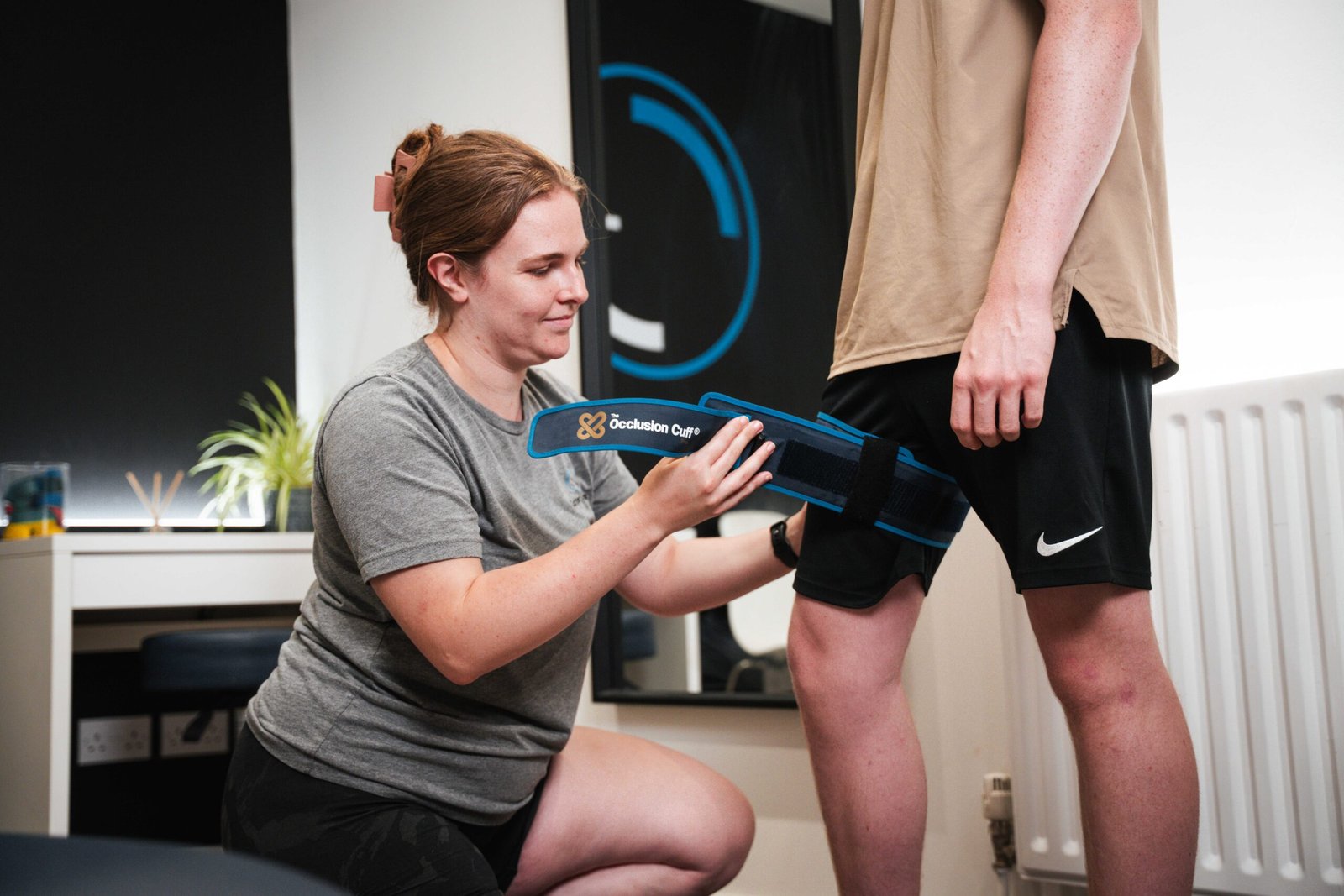
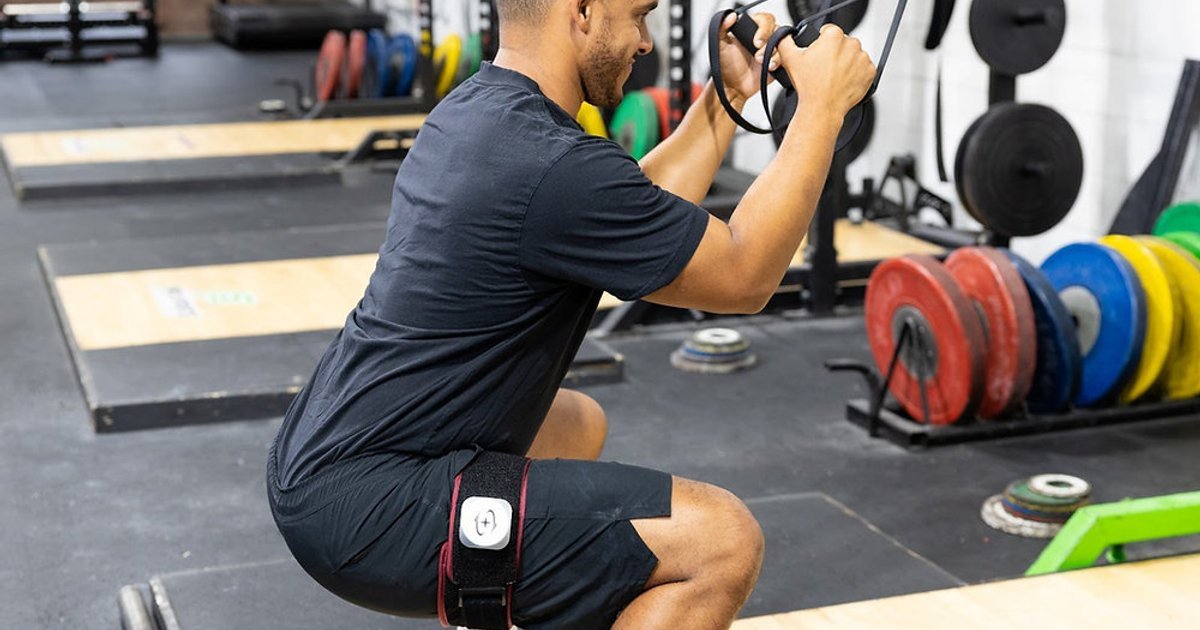
Blood-flow-restriction training, often shortened to BFR, uses a purpose-designed cuff positioned high on a limb. Properly regulated external pressure changes blood flow during exercise, creating a substantial local effort with relatively light resistance. It is not the same as wearing knee sleeves or wrapping an elastic band around the calf. Cuff width, placement, limb size and individualized pressure all affect the stimulus.
With ordinary resistance training, load, sets, repetitions, proximity to failure and recovery determine how demanding a workout becomes. BFR adds a separate physiological constraint. Light leg extensions or supported squats may feel surprisingly hard even though the weight is modest. That discomfort is not a reliable measure of superior gains, so effort, technique and recovery still matter.
The attraction is greatest when heavy loading is temporarily undesirable or when an athlete needs an accessory stimulus without more high-load joint stress. The technique cannot teach a sprinter to accelerate, repair a poor lifting pattern or replace the coordination required for heavy squats. It can, however, be a deliberate addition to a larger program when professionally indicated.
Any description of a cuff protocol must distinguish a general exercise example from a medical or clinical prescription. Never copy a stranger’s cuff tightness, use improvised tourniquets or assume one pressure fits two people. If qualified supervision is unavailable, use conventional light-to-moderate resistance exercises instead.
2. What ten randomized trials and 181 athletes actually show
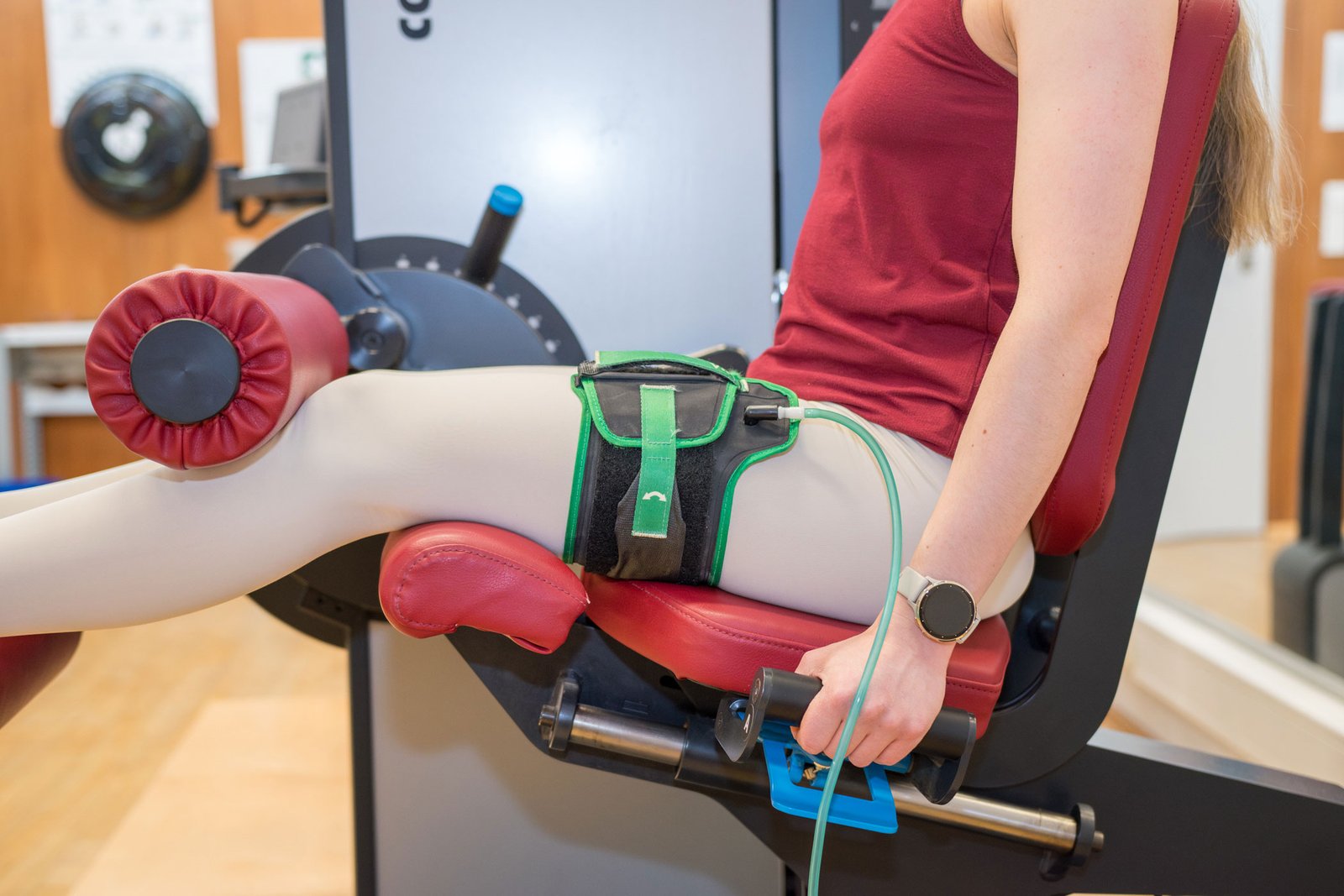
The combined athlete evidence included ten randomized trials: 91 athletes assigned to restricted resistance training and 90 in comparison groups. On average, the restricted-training combinations produced larger improvements on measured lower-body strength tests. The pooled standardized strength effect was 1.09, with a 95 percent confidence interval from 0.52 to 1.66. That is promising, but a standardized effect is not a guaranteed increase in kilograms on your own squat.
The analysis also reported an advantage for measured muscle hypertrophy, with a mean difference of 1.09 and a 95 percent confidence interval from 0.10 to 2.09. The exact meaning of that difference depends on the measurements combined. An increase in thigh circumference, for example, does not establish an equally sized increase in contractile muscle tissue in every athlete.
Importantly, statistical heterogeneity was high for strength outcomes: I-squared was 75 percent. In plain gym language, the included results varied considerably. Different sports, cuff approaches, exercise selection and durations can all complicate a single average. Some comparisons used regular resistance training as a control, while others used normal practice, so it is not a simple head-to-head test of every possible heavy-training plan.
The reported improvement in field-based performance was not statistically convincing: standardized effect 0.11, 95 percent confidence interval from minus 0.18 to 0.40, and p approximately 0.46. That does not prove the method can never improve a sprint or jump; it means these pooled data did not demonstrate such an improvement. Small studies and varied interventions make individual predictions uncertain.
3. Bigger or stronger muscles do not guarantee quicker feet
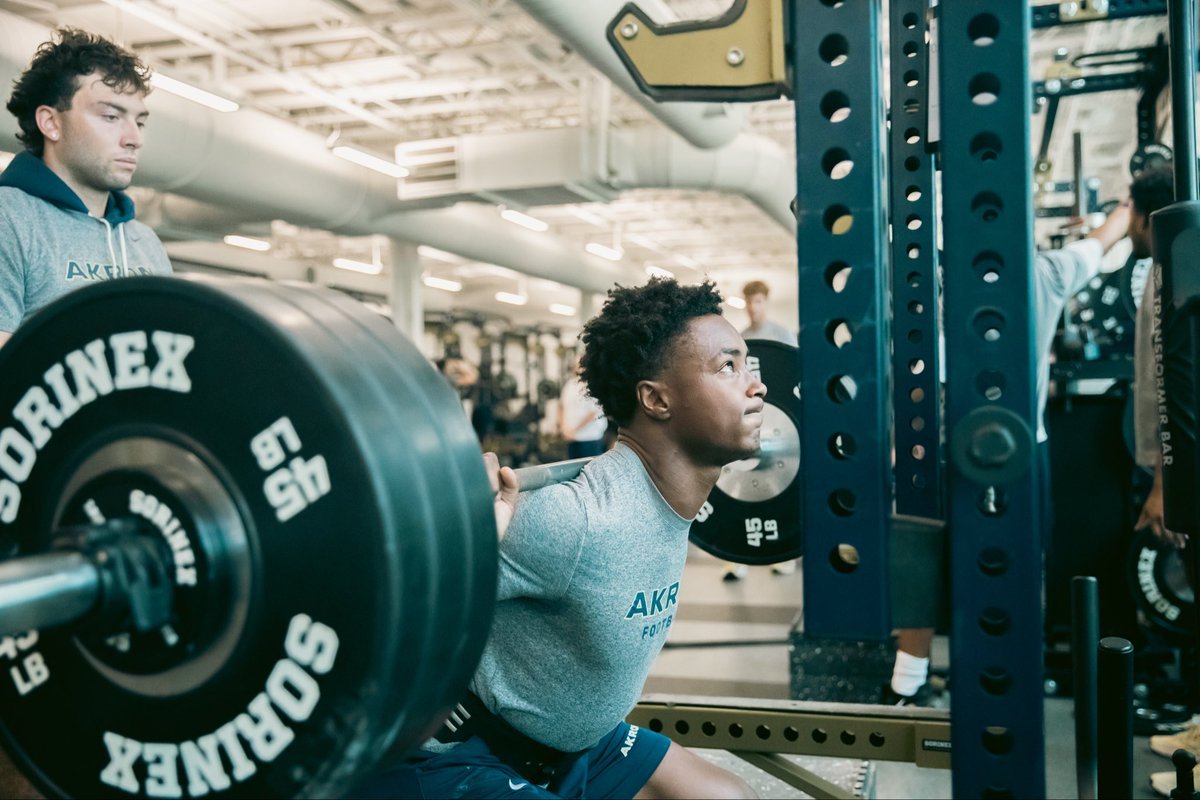
Leg strength provides a foundation for acceleration, jumping and contact sports, but expressing force quickly is a skill. Sprinting requires positioning, rhythm and force application over very short contact times. Jumping requires explosive coordination at relevant joint angles. Changing direction includes braking mechanics, deceleration capacity and decision making. None of those qualities is tested fully by a seated leg-extension strength score.
One reason restriction can help strength or muscle size without moving a performance test is that the work is often slow and locally fatiguing. You can accumulate an effective stimulus at a lighter external load, but that does not make the movement resemble a fast sprint. It is sensible to separate the goal of maintaining muscle from the goal of becoming more explosive.
Practically, a team-sport athlete might use regular squats or split squats for general strength, low-volume jumps for power, and short acceleration efforts for speed, adjusting all of them around competition. Carefully prescribed BFR can sometimes sit in an accessory or rehabilitation slot. It should not displace the only high-speed practice in the week simply because it creates a stronger burn.
Track the outcomes you care about. If improving change-of-direction speed is the headline goal, measure a repeatable change-of-direction drill as well as gym performance. If preserving quadriceps muscle during reduced loading is the priority, assess tolerable exercise volume and relevant muscle function. A training method wins only when it serves the actual objective.

Equipment Worth Exploring
Explore equipment, accessories and gear from our carefully selected range.


HUSLA Leg Extension Pad
Pad attachment designed to increase usable range of motion on compatible leg-extension machines.


Belt Squat Collar
Heavy-duty collar adapter for compatible belt-squat and landmine bar setups.

Squat Harness
Wearable harness for hands-free cable squats, sled work, and lower-body training.

GymPin Squat Wedges
Non-slip 15-degree squat wedges help elevate the heels for deeper quad-focused squats.



4. Build the main program around conventional strength work
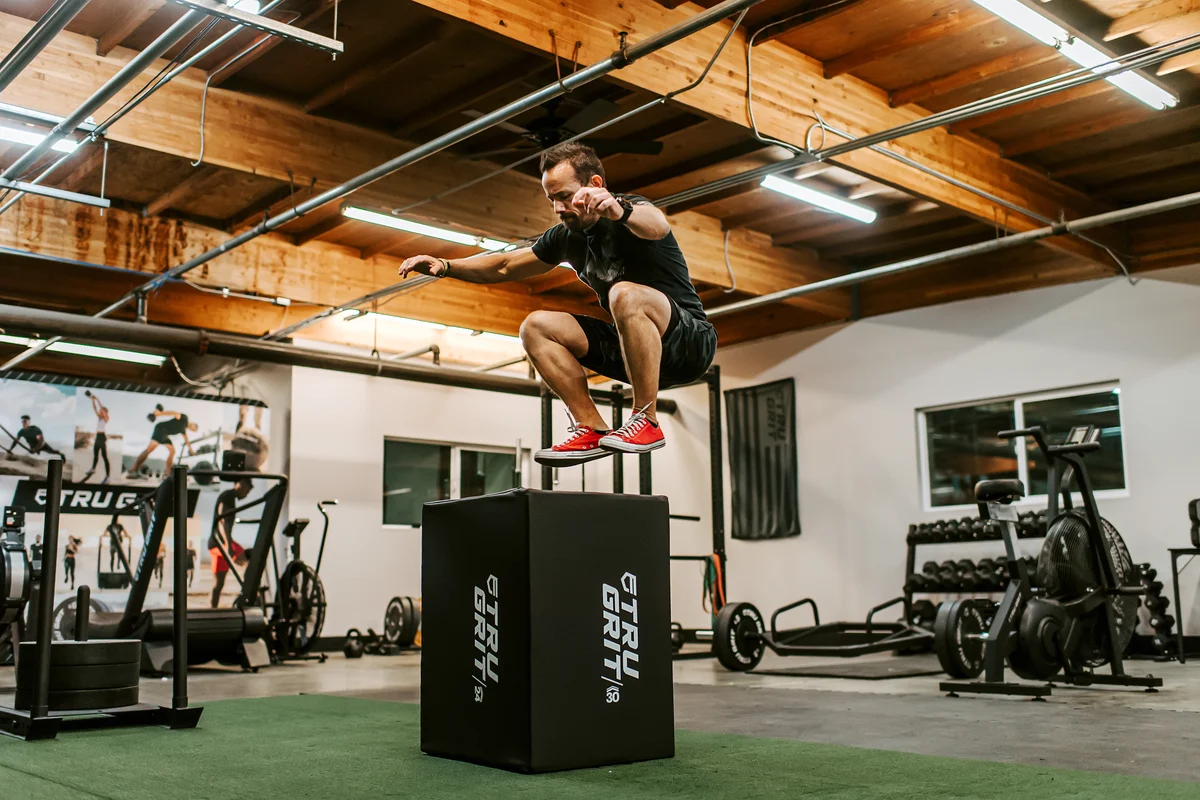
For a healthy lifter without a reason to avoid heavy resistance, conventional lifting remains a dependable default. A squat pattern, a hip hinge, unilateral work and a hamstring exercise cover much of the lower-body strength task. Use loads that let you complete controlled repetitions while gradually improving either the weight or the number of good repetitions over time.
Start with your highest-priority lifts while you are fresh. An athlete focusing on squatting could work through two to four challenging squat sets, then a supported single-leg exercise and a hamstring movement. Add jumps or sprints at the appropriate point in the schedule rather than tacking exhaustive explosive attempts onto the end of every leg session.
When the objective is muscle growth, total hard weekly sets and your ability to recover from them are more informative than chasing one magical rep range. A demanding set of eight and a well-controlled set of fifteen can both contribute. There is no reason to treat every low-load accessory as a reason to wear a cuff.
Do not assume BFR allows limitless extra work. Even with lighter loads, perceived exertion and local fatigue may rise. If the next field practice or heavy squat session deteriorates, reduce accessory work. A technique that seems time-efficient inside one session can still be costly if it disrupts the rest of the week.

Functional Fitness Shirts & Workout Gear
Functional-fitness shirts, tanks and workout gear for athletes who train strength, conditioning and everything in between.

Viva La Resistance Bands , Meme Shirt, Top T-Shirt
Make gym days more fun with “Viva La Resistance Bands” style.


Shirt Hybrid Cycle Gear Run Trains Swim In Pussy T-Shirt
Heavy lifts, good laughs, and a little “for Hybrid Athletes” energy.

Vitruvian Kettlebell Tee
Heavy lifts, good laughs, and a little “Vitruvian Man With Kettlebells” energy.


Atlas Kettlebell Earth Lifting – Meme Top T-Shirt
Rep “Atlas Kettlebell Earth Lifting Graphic” humor in and out of the gym.

Gym Equation Kettlebell Makes Me Happy Meme Crewneck an T-Shirt
Bring “Gym Equation” humor to your everyday gym style.

Happy Kettlebell Emoji Smiley Kettlebell Fitness Decal Sticker
Give your everyday gear a playful “Happy Kettlebell Emoji” twist.

Gym Is My Happy Place Happy Kettlebell Emoji Hoodie
Show off your gym-girl humor in a laid-back “Gym Is My Happy Place” hoodie.
5. Two sample training days without improvised cuff protocols
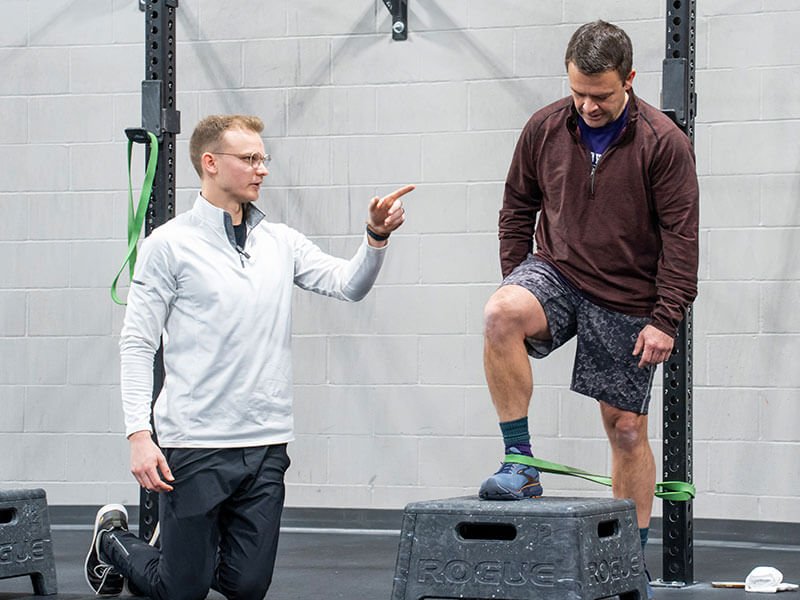
Here is a conventional two-day template for an athlete who wants stronger legs while preserving speed practice. Day A begins with a thorough warm-up, then three sets of five to eight squat repetitions with adequate rest and no rushing. Follow with two or three sets of a supported split squat for eight to twelve repetitions per side and two sets of a controlled leg curl for ten to fifteen repetitions. Keep technique consistent before increasing load.
Day B separates heavy lifting from the highest-speed tasks. After an appropriate warm-up, perform a small number of fresh, high-quality jumps or short accelerations only if they fit your sport, health and coaching plan. Then complete a hinge or trap-bar pattern for three sets of five to eight, an easy-to-control step-up for two sets of eight to twelve per side, and calf work. This is a general structure, not a medical rehabilitation program.
Where a qualified clinician or coach has already prescribed BFR, a low-load cuffed accessory may replace one compatible accessory slot as directed by that person’s individualized plan. The exercise selection, cuff fit, amount of occlusion, total work and rest should be supervised or specified by that qualified professional. The example deliberately gives no DIY pressure or constriction target.
Where screening or calibrated equipment is unavailable, keep the accessory conventional. You can make it productive through good range of motion, moderate loading and measured progression. For many recreational athletes, consistency with these basics will matter more than introducing an extra technique.
6. Cuff pressure, screening and warning signs are not optional details
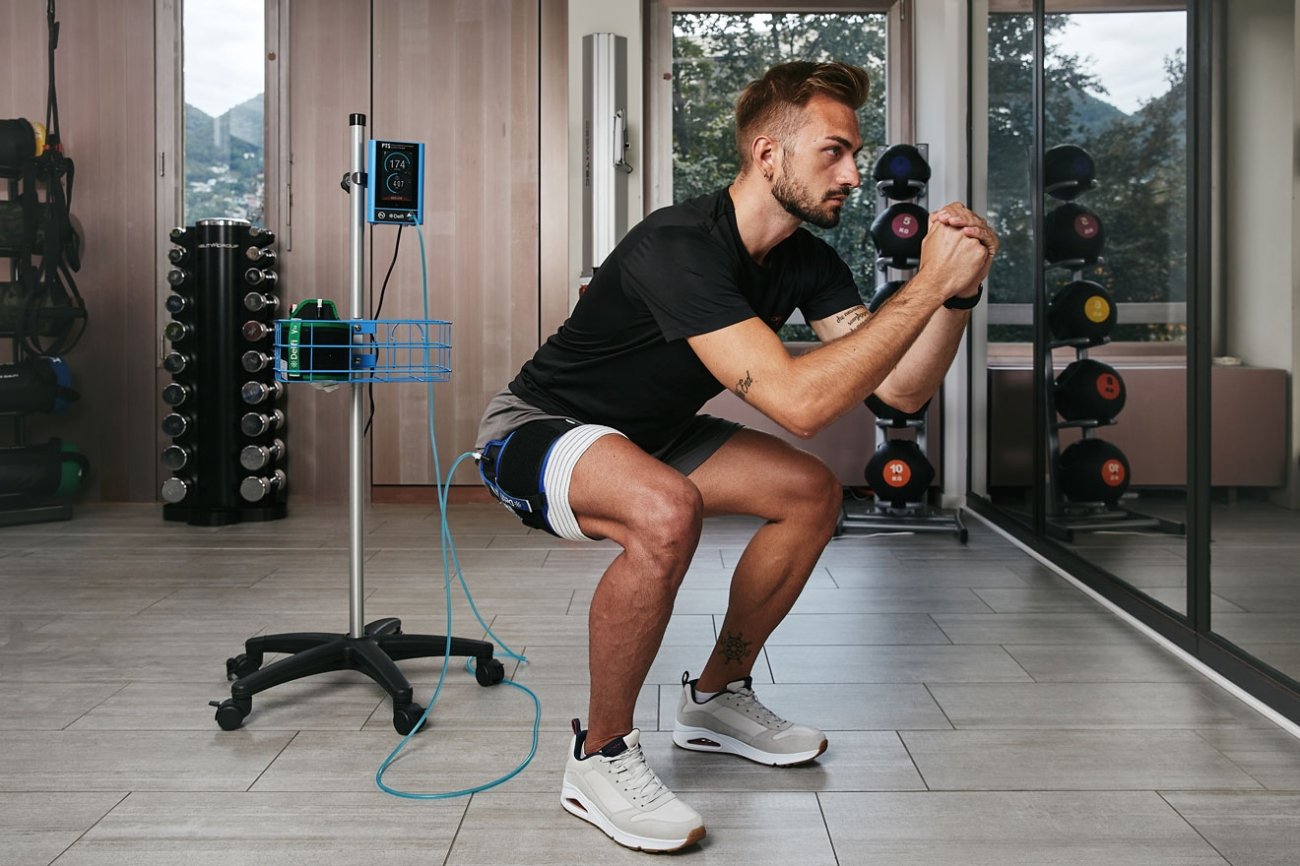
Blood-flow restriction changes circulation by design. Appropriate use therefore begins with screening for conditions that may make the method unsuitable. A history of blood clots, vascular disease, certain cardiovascular conditions, pregnancy or other medical concerns may require professional assessment or avoidance. An ordinary gym article cannot determine an individual’s eligibility from a paragraph.
Qualified practitioners normally account for limb size, cuff characteristics and individualized arterial occlusion pressure rather than borrowing an arbitrary tightness score. Cuffs should be positioned correctly and monitored throughout the exercise. Simply tying resistance bands around the legs is not a safe substitute for a regulated system.
Stop the activity and seek appropriate medical assessment for unusual pain, numbness, marked color change, faintness or concerning symptoms. Do not confuse an unpleasant sensation with proof the session worked. Sensible programming should always retain the ability to terminate a set and adjust the plan without treating discomfort as a badge of honor.
The safest way to use these findings is as a discussion point with a sports physiotherapist, medical professional or appropriately qualified coach. If they identify a role for restriction during recovery or load management, it should complement a broader return-to-performance strategy. If they do not, ordinary supervised resistance exercise remains a valuable choice.
Equipment Worth Exploring
Explore equipment, accessories and gear from our carefully selected range.
VOLTRA
Compact digital cable trainer with smooth, adjustable resistance.

Go-Tone Pro
Portable digital cable trainer with up to 66 lb (30 kg) of adjustable resistance.


FID Bench MAX
Adjustable bench offering flat, incline, and decline positions + adjustable headrest.


7. Run a four-week performance audit before changing methods
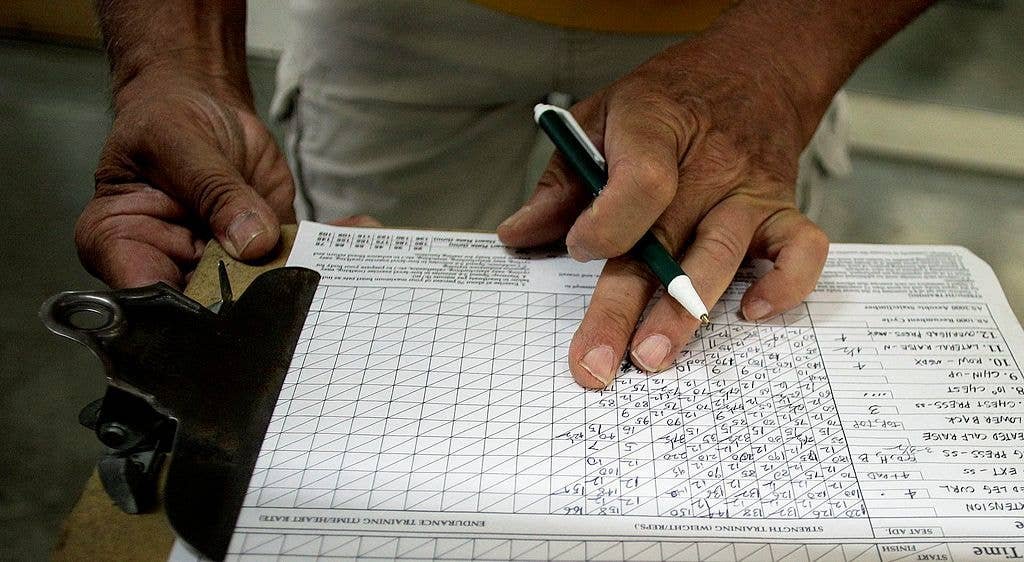
Choose a primary outcome before the first session: a repeatable squat set, leg-extension strength measure, jump height, short sprint split or a rehabilitation milestone appropriate to your situation. Record a baseline under similar conditions. Add a simple training log with loads, repetitions, estimated effort, session duration and soreness or fatigue before the next practice.
In week one, establish the schedule and avoid adding new variables. In week two, try a small improvement in load or repetitions where technique remains stable. In week three, decide whether an extra accessory set is actually recoverable. In week four, repeat your chosen performance check under conditions as close to the baseline as possible.
Do not judge a muscle-growth intervention after three days of soreness, or a sprint intervention after one unusually fast practice attempt. Weekly changes in sleep, sport training volume and previous-day fatigue influence performance. A reliable trend across several sessions beats one dramatic measurement.
The bottom line is conditional, not sensational. Restricted resistance training appears capable of adding useful lower-limb strength and size stimulus for some athletes, but the available pooled evidence does not show a reliable extra benefit for sprinting, jumping or changing direction. Keep sport skills and conventional strength work in the plan. Use professional BFR support only when its specific tradeoff makes sense.
Bodybuilding Shirts & Workout Gear
Bodybuilding shirts, tanks and gym gear for lifters chasing muscle, size, symmetry and the pump.

Deadlift Bloody Skull Graphic , Hardcore Horror Gym Shi T-Shirt
Rep “Deadlift” humor in and out of the gym.

E=mclift Albert Einstein Science Based Lifting Bro Scie T-Shirt
For laid-back days and powerlifting humor: “E=mclift”.

Lightning Skull Gym Pullover Training Gift Uplift Iron Hoodie
Bring “Hoodie Lightning Skull” gym humor to lazy days and post-workout plans.

Pre-Workout Cosmic Muscle Shirt , Caffeine Gym Workout Tank Top
Bring “Pre-Workout” humor to your next lifting session.

Gym Skull Weightlifting Decal for Powerlifters Bodybuil Sticker
Stick a little “Skull Weightlifting” humor on your favorite gear.

Guns Gains Glory Eagle , Gymbro & T-Shirt
Show some powerlifting attitude with a playful “Guns Gains Glory” tee.

Beast – Beast Mode & Meme Fans – Top Gains T-Shirt
Rep “Gym Beast” humor in and out of the gym.

Shirt Lovers – I Love Valentine'S Day – Dumbbell & T-Shirt
Rep “for Gym Lovers” humor in and out of the gym.

Mind Muscle Perfection Embroidered Brain and Biceps Gym Hat
A playful “Mind Muscle Perfection Embroidered Dad” cap for workouts and weekends.

Among Gymbros Skipping Is Betrayal – Meme – Crew Top T-Shirt
Show some gaming attitude with a playful “Among Gymbros Skipping Gym is Betrayal” tee.