Advertising disclosure: This page includes affiliate product links that may earn us a commission, as well as products from our own store.
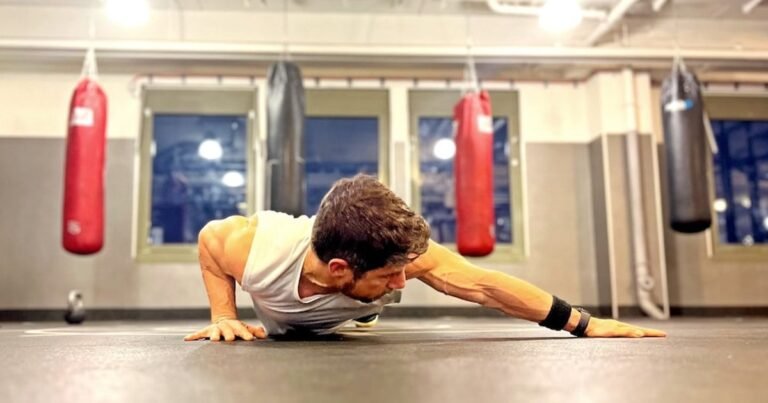
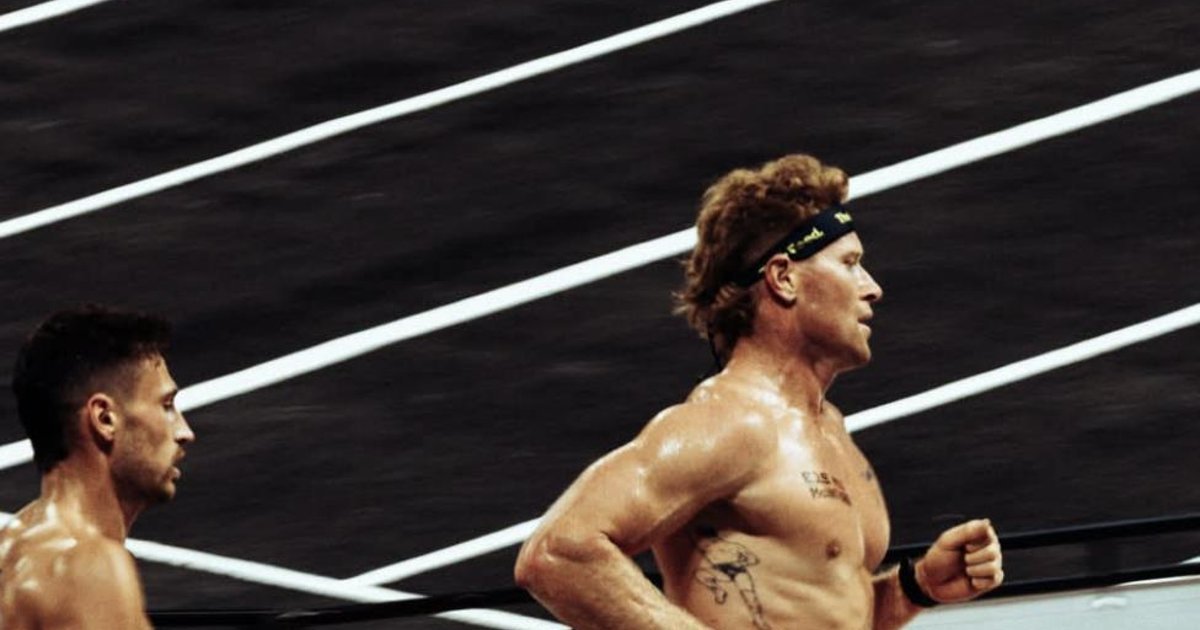
Hunter McIntyre makes strength and endurance look like natural training partners. The temptation is to copy every habit that surrounds an impressive athlete. His earlier interview, on a page last updated in July 2023, makes a better conversation starter: he described self-directed training, unwarmed strength challenges, unconventional food choices and little sleep. Those are historical personal accounts, not a verified current routine or a controlled test of what made him successful. Here is a practical way to evaluate an athlete’s example without turning personality into a prescription.
Borrow the training purpose before borrowing the week
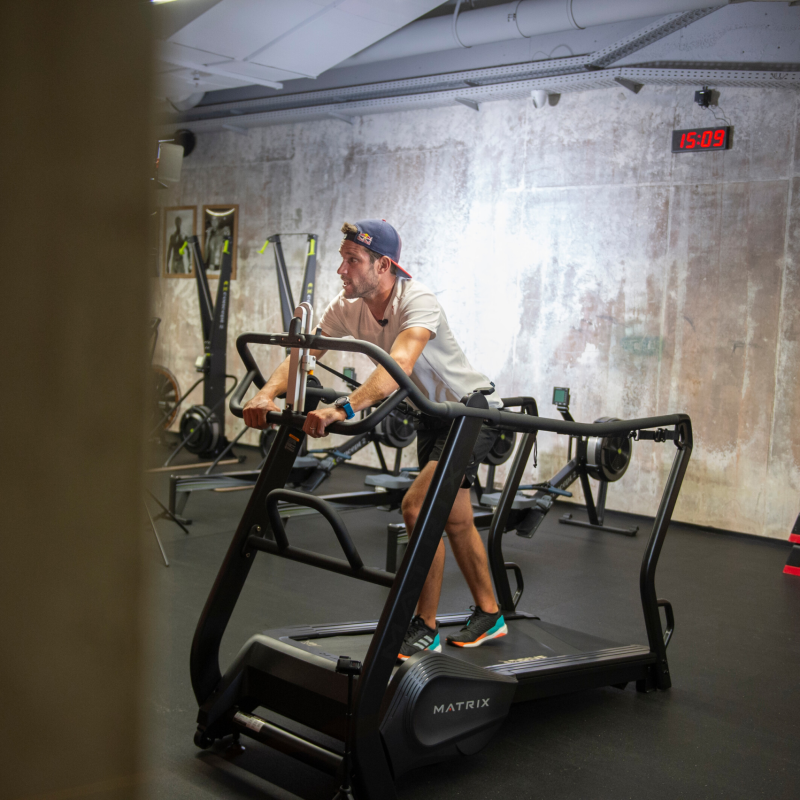
Start with the question a session answers. Are you developing strength, practicing running pace, improving repeatability under fatigue or learning a movement? These goals can coexist across a training plan, but that does not mean every workout needs to chase all of them at once. A session can feel brutally difficult while giving you little useful information about the quality you intended to improve.
For a recreational lifter adding conditioning, an illustrative starting point is to keep familiar strength sessions recognizable while introducing manageable aerobic work. This is an editorial planning example, not McIntyre’s program. Write down which sessions matter most, where they fit around work and which activities you already tolerate. A complicated calendar is not automatically more effective than a modest one you can repeat.
Current resistance-training guidance emphasizes consistent participation and an approach suited to the person’s goals. That general message is useful here, although competitive athletes need sport-specific preparation beyond a general fitness recommendation. You do not need to reproduce an elite schedule to take your own training seriously. You do need a reasonable relationship between what you practice and what you want to improve.
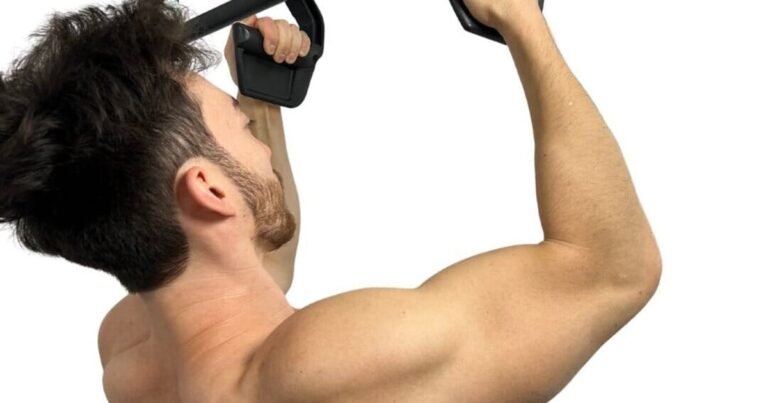
Separate the tool from the purpose, too. Pull-up stations, rings, dumbbells, barbells and kettlebells offer different loading and movement options; none makes a session athlete-approved. Choose equipment that allows controlled practice and appropriate progression. Buying a more demanding implement before identifying the problem it solves can add complexity without improving the plan.

Equipment Worth Exploring
Explore equipment, accessories and gear from our carefully selected range.

Power Tower
Freestanding pull-up and dip station with adjustable handles for bodyweight training.


Cast Iron Kettlebells
Textured cast-iron kettlebells for swings, squats, carries, and full-body training.


A strength stunt is not a warm-up recommendation

An impressive lift shows an outcome. It does not reveal everything that happened before the camera started, the athlete’s accumulated experience or how often similar attempts went badly. Even when someone explicitly describes performing without a warm-up, that account does not establish that skipping preparation helped. Success and preparation choices have to be considered separately.
General warm-up guidance supports gradually increasing activity rather than abruptly demanding maximum effort. For lifting, distinguish becoming generally ready to move from rehearsing the exact loaded task. If your session includes heavy squats, our guide to progressive squat warm-up sets explains that distinction with exercise-specific examples. It does not establish a universal preparation sequence for stones, fingers or every sport.
Consider a weighted pull-up. The useful questions include whether ordinary repetitions are controlled, whether the loading arrangement is secure and whether the intended range is familiar. Progressively challenging practice is a different task from an abrupt test for a video. A history of successful bodyweight repetitions does not automatically establish readiness for an unfamiliar additional load.
Readiness also changes during a workout. Moving from a run to an awkward loaded object introduces different demands, even if you already feel warm. Check the actual movement instead of treating sweat as proof of preparation. No warm-up guarantees freedom from injury, and increasing discomfort is not a challenge to prove your commitment. The objective is to arrive at the planned work prepared enough to perform it well.
Fueling a demanding session and building a diet are different jobs
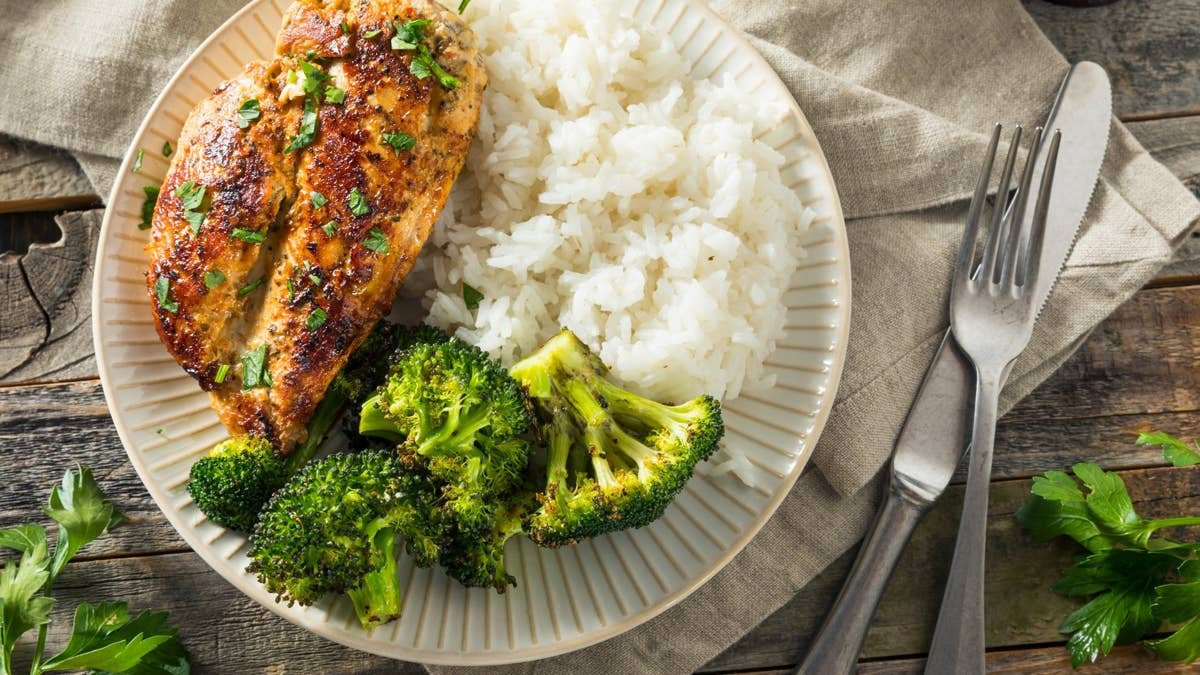
A memorable food anecdote can hide the question that matters: what does this person need to eat, given their activity, goals and overall diet? An endurance athlete’s intake cannot be transplanted into the life of someone who lifts after a mostly sedentary workday. Nor can a training result tell you whether an entire eating pattern supports long-term health.
Keep carbohydrates and free sugars distinct. Free sugars include sugars added to foods and drinks, along with those in honey, syrups and fruit juices; the term does not include sugars naturally contained in intact fresh fruit or milk. General public-health guidance recommends limiting free sugars. That is a population-level health recommendation, not an individualized race-day fueling plan.
There is no need to turn this into a choice between performance and ordinary meals. Ask separate questions about total food intake, protein-containing foods, carbohydrate sources, produce and practical meal timing. If demanding training makes eating enough difficult, that deserves attention. It does not follow that removing vegetables or copying an eye-catching sugar total is the solution.
A useful comparison begins with your actual week. How much exercise are you completing, what foods do you reliably eat and what problem are you trying to solve? Persistent low energy, digestive problems or a complicated competition schedule call for individualized advice from a qualified professional. Do not use an athlete’s physique as a shortcut for evaluating nutrition claims. Appearance cannot tell you which parts of a diet are necessary, optional or unhelpful.
Protect sleep opportunity instead of copying an exception

Someone performing well while reporting little sleep has not demonstrated that less sleep produces better performance. You do not observe the alternative version of that athlete with a different schedule. Training history, ability, nutrition and many other factors remain mixed together. A vivid personal story cannot isolate the effect of any one habit.
For adults aged 18–60, general sleep guidance recommends at least seven hours per night. Duration and quality both matter, and that recommendation is not a claim that seven hours optimizes recovery for every athlete. Treat it as a broad reference point rather than a personalized target calculated from your training volume. Your daytime functioning and recurring difficulties also deserve attention.
Before buying another recovery tool, look at the opportunity your schedule actually provides. Note when you get into bed, roughly when you fall asleep and when you wake. Time spent scrolling beneath the duvet is not automatically sleep. A wearable can help you notice patterns, but its score is not a direct measurement of how much muscle you will gain.
Our analysis of sleep extension and naps in athlete trials explores why different performance tests can produce different results. For your own log, compare several similar workouts rather than crediting one excellent session to one good night. Persistent insomnia, breathing interruptions or overwhelming daytime sleepiness deserve clinical attention. Adding training intensity is not a substitute for addressing a recurring sleep problem.
Build a repeatable plan you can judge honestly
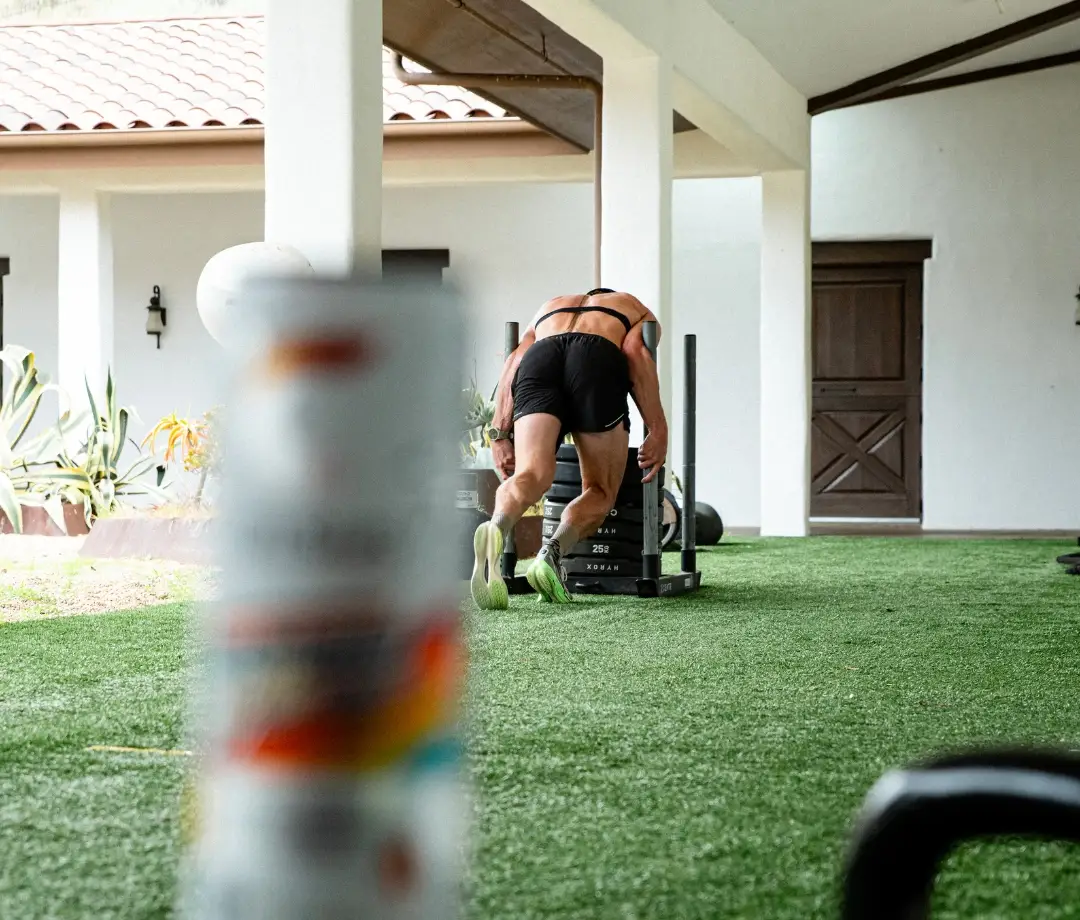
Choose a small number of outcomes that reflect your goal. A lifter might track controlled repetitions or a familiar kettlebell carry; a runner might compare a repeatable route at a similar effort. Someone combining both can record each separately. Compressing strength, endurance, soreness and mood into one vague readiness verdict makes it harder to see what is actually changing.
Keep the comparisons fair. Changing a treadmill, running surface, sled, load and interval format at the same time creates a different task. A lower sled weight on a grippier surface can feel harder without proving you lost fitness. Write down enough context to explain the result later, including an unusually stressful week or a change in session order.
For example, keep one ordinary strength session and one conditioning benchmark broadly stable for several weeks while you test a more consistent schedule. Record completed work and perceived effort, including neutral or disappointing days. If you simultaneously add a new diet, double your running and change every exercise, you cannot sensibly assign the outcome to better organization alone. This kind of personal log is useful feedback, not a controlled experiment or proof that the approach will work for somebody else. Make the next adjustment small enough that you can explain why you made it.
Equipment Worth Exploring
Explore equipment, accessories and gear from our carefully selected range.


Pro Sled System
Heavy-duty push-pull training sled for loaded conditioning, speed, and strength work.


A training partner or coach can contribute another perspective, especially when enthusiasm exceeds judgment. Useful feedback is specific: a shortened range, a changed pace or an overlooked recovery problem. It is more actionable than simply being told to want success more. You can enjoy competitive company while keeping loads and expectations appropriate to your own experience.
For conditioning, a runner, rower, ski trainer, bike, climber, sled or jump rope may serve different practical needs. They are options, not interchangeable tests, and none of the products below is presented as McIntyre’s equipment. Choose the task you can perform consistently, record it clearly and improve it gradually. Admiration becomes useful when it sharpens your decisions; copying every visible habit only makes those decisions harder to evaluate.

Functional Fitness Shirts & Workout Gear
Functional-fitness shirts, tanks and workout gear for athletes who train strength, conditioning and everything in between.

Hybrid Athlete – Strength & Endurance Crewneck for Func T-Shirt
For laid-back days and lifting humor: “Hybrid Athlete”.


Hybrid Athlete – HYROX Workout Checklist Gym Decal for Sticker
Give your everyday gear a playful “Hybrid Athlete” twist.

HYROX High Rocks Functional & CrossFit Hooded Hoodie
Stay casual and show some lifting attitude with “HYROX High Rocks”.

Lift Together Grow Stronger for Gym Buddies and Lifting Tank Top
Bring “Lift Together Grow Stronger” humor to your next lifting session.

Meme – You May Delay Time Will Not Next Cult Brand T-Shirt
Heavy lifts, good laughs, and a little “You May Delay Time Will Not” energy.

Vive La Resistance Bands – Resistance Bands Warmup Reha Sticker
Bring “Vive La Resistance Bands” attitude to your water bottle or laptop.

OnlyGains Kettlebell Meme Meme Athletic Shirt Tank Top
Train hard, laugh a little, and rep “OnlyGains”.

Kettlebell Heartbeat Hooded Pullover Workout Fans Hoodie
Keep it laid-back with a little “Kettlebell Heartbeat” attitude.

Heavy Metal Skull Kettlebell | Rock Music Lifting Graph T-Shirt
Show some metalhead attitude with a playful “Heavy Metal Skull Kettlebell” tee.