Advertising disclosure: This page includes affiliate product links that may earn us a commission, as well as products from our own store.
Athletes often track every kilogram on a bar but cannot say how many hours they slept the night before. A November 2026 research synthesis of 15 controlled interventions puts that imbalance in perspective. Creating extra nighttime sleep opportunity generally lined up with better tested performance; restricting sleep tended to worsen it, while daytime naps produced mixed results. The lesson is not a universal percentage improvement in squat strength. It is a reason to treat sleep as a practical variable and measure performance without confusing isolated research outcomes with guaranteed muscle growth.
Why the evidence is promising but not one big experiment
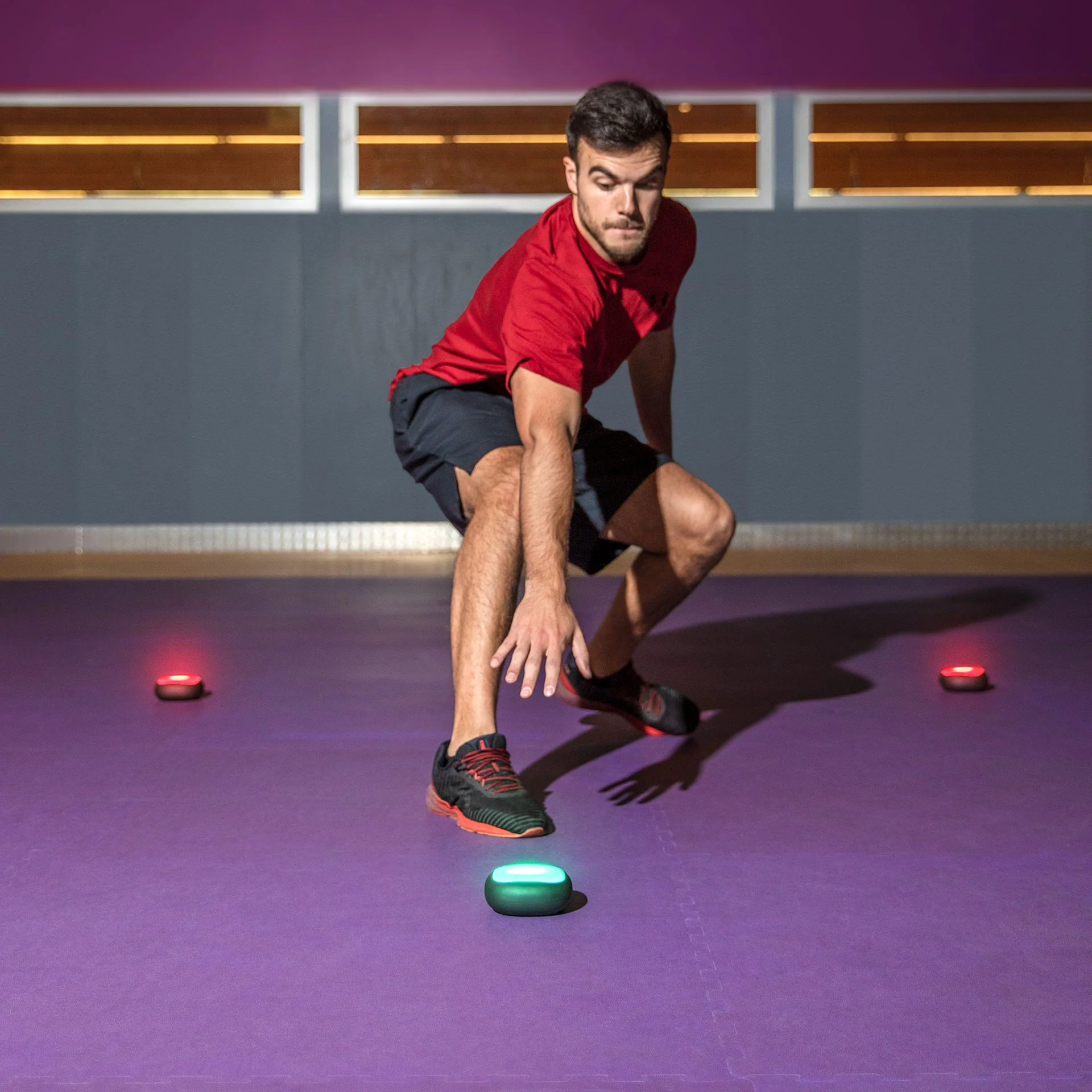
Sleep is a training variable that rarely appears in the logbook. A recent review evaluated 15 controlled or crossover interventions that changed athletes’ sleep opportunities through extension, restriction or daytime naps. Investigators started with 1,586 records and selected experiments from 2011–2025. Tests included running, agility, reaction time, accuracy, maximum voluntary force, fatigue and perceived sleepiness. They did not all use barbells, and they did not all recruit the same population.
The researchers chose a structured narrative synthesis, rather than one pooled estimate, because participants, sleep protocols and performance measures varied substantially. That matters when interpreting the headline numbers. An improvement in sprint time cannot simply be transferred to a one-repetition-maximum bench press. Likewise, lower fatigue on an experimental scale does not establish a measurable increase in muscle size. A precise result in one setting can still be informative without becoming universal.
The broad directional finding was that more nightly sleep opportunity was generally associated with better physical or cognitive performance, while restriction often hurt the tests. Naps were less predictable. The contrast is relevant for busy lifters, especially those who meticulously plan exercise volume but change their bedtime every night. It offers a good reason to measure sleep alongside workouts; it does not prove that sleeping longer will set an immediate personal record.
A useful way to read the findings is to ask what each study actually measured, how long the sleep change lasted, whether participants were already sleeping enough and how soon after waking they were tested. Those factors explain why two apparently contradictory findings can both be true. Training advice becomes better when it preserves the limits of each experiment.
Sleep extension improved different tests in different ways
Sleep extension means allocating more time to sleep across consecutive nights. Some of the selected trials reported 9.5 meters more distance in a shuttle test, an 8.1% lower fatigue index, a 43.6-millisecond reduction in reaction time, a 0.7-second faster sprint and approximately 9% greater accuracy. An endurance comparison suggested around 3% improvement. Each number refers to a particular test and protocol; these are examples, not an average expected result for every athlete.
Better attention and quicker responses may matter when you are learning difficult movements or coordinating a demanding session. An alert lifter can notice a slipping brace, an unusually poor bar path or the point where a set stops resembling the intended exercise. This is a plausible performance advantage rather than a proven guarantee of safer lifting. Neither better concentration nor a faster shuttle run demonstrates additional hypertrophy by itself.
To test a sleep extension habit, first measure your typical schedule for several ordinary nights. The gap between lying down and falling asleep is important. If your routine routinely leaves you short of sleep, consider creating 30–60 extra minutes of opportunity with an earlier consistent bedtime, instead of expecting a dramatic change overnight. Maintain a practical wake time and reduce distractions that routinely push sleep later.
Most adults require at least seven hours of nightly sleep, but individual needs vary and some athletes may benefit from more. Avoid treating a specific number as a guaranteed dose. If you already sleep comfortably for a sufficient duration, trying to force an additional hour may not reproduce the reviewed experiments. Look for sustainable sleep quality, daytime functioning and consistent training, not perfection in an app’s nightly score.
Restriction can worsen performance without destroying gains overnight
Sleep restriction moved several tested outcomes in the opposite direction. Some endurance testing showed a roughly 3% decrease along with more fatigue and poorer cognitive responses. In a near-maximal session a small decline can feel significant. A lifter might take longer to warm up, lose their normal pace between sets, report greater effort at the same load or struggle with planned work. None of these signs is uniquely caused by one bad night.
Training outcomes also depend on nutrition, illness, psychosocial stress, recent fatigue and the demands of the exercise. A disappointing squat set after short sleep could reflect several overlapping factors. Conversely, an unusually strong session after a good night may reflect weeks of practice or adaptation. Use repeated observations rather than a single success story to estimate the practical influence of sleep.
Short-term performance and long-term muscle gain are not interchangeable. A test involving reaction speed or endurance cannot determine how much muscle someone will build over six months. That would require controlled resistance programs, longer follow-up, consistent diet and direct changes in muscle measurements. Claims that losing one hour of sleep cancels a workout or guarantees muscle loss go far beyond these studies.
After a severely shortened night, the sensible response is not automatically skipping all exercise. Consider choosing a manageable session, using moderate loads or postponing a technically demanding maximum. Keep the decision based on your training experience and actual symptoms, not a hard-coded readiness threshold. Repeated overwhelming daytime sleepiness, possible breathing interruptions and persistent insomnia are reasons to seek clinical advice rather than inventing more training hacks.
Daytime naps are conditional, not a substitute for nighttime sleep
Napping sounds like an easy recovery intervention because it can fit around work and training. The review, however, found mixed results. Certain interventions involving 60–90-minute naps reported greater maximum voluntary force, longer achieved distance, less fatigue and less sleepiness. Other experiments involving approximately 20-minute naps found little meaningful benefit or a very small slower sprint result, about 0.026 seconds. Those outcomes describe different protocols, not a clean head-to-head verdict.
The length of the nap is only one part of the story. Someone who wakes from a deeper stage of sleep might feel sluggish for a period, while another athlete may feel refreshed. The time of day, the gap between waking and competition, baseline sleep debt and even whether the person normally naps can all change the outcome. A longer nap may increase total rest but also interfere with the subsequent night’s routine.
Broader randomized trial summaries have sometimes found improved physical and cognitive performance after afternoon naps, especially when testing happened at least an hour after waking. That context helps explain why the newer review did not describe naps as uniformly ineffective. But many controlled nap studies focus on small samples of young, physically active participants, so applying their effect sizes to every lifter or older adult would be unjustified.
For a practical experiment, choose an ordinary afternoon, keep the nap opportunity consistent, and note whether you feel alert when it is time to train. Try a short rest before experimenting with long naps. If the nap routinely makes you groggy or pushes bedtime later, it may not serve your purpose. A convenient daytime rest cannot be assumed to compensate fully for a repeatedly truncated night of sleep.
Lifting, cardio and reactions need different measures
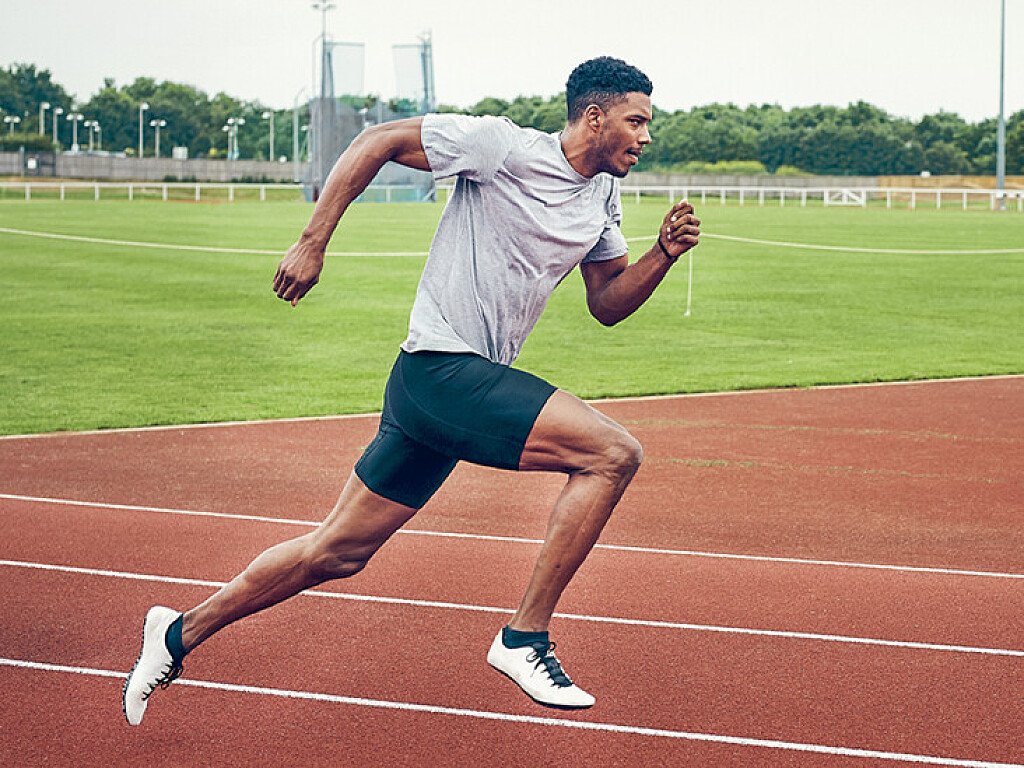
The training objective determines what an improvement would even look like. For a strength session you might note completed repetitions at a familiar load, bar-control quality and subjective effort. For conditioning, record a repeatable distance, pace or interval result. A reaction-based skill session may be better evaluated through task accuracy or concentration. Those measures should not be combined into one vague claim of better recovery.
Consider a lifter following the same squat and row program each week. A particularly good day could be explained by practice, stress reduction, nutrition or sleep. The most useful comparison holds the workout structure reasonably steady and looks for trends across multiple sessions. Record the previous night’s sleep next to sets, reps, loads and the time of day. When possible, note unusually disruptive events so that they do not vanish when interpreting the numbers.
Recovery tools and home-gym equipment can still have an ordinary place in the plan. Adjustable resistance allows familiar loading, a consistent bench provides a known setup, and a foam roller may suit someone’s preferred cooldown routine. None replaces sufficient sleep, and these studies did not test whether a specific accessory changes sleep quality. Equipment choices should make training simpler, not turn an unrelated scientific paper into a product claim.
Focus on the distinction between an experiment that is suggestive and a result you can reproduce. If you can sleep more reliably without compromising your schedule and your workouts feel consistently better, that is actionable for you. If performance barely changes, the habit may still benefit general functioning, but it is fair to report a neutral athletic result.

Equipment Worth Exploring
Explore equipment, accessories and gear from our carefully selected range.


VOLTRA
Compact digital cable trainer with smooth, adjustable resistance.


Rubber Hex Dumbbells
Rubber-coated hex dumbbell pairs with a stable shape for home and commercial strength training.


FID Bench MAX
Adjustable bench offering flat, incline, and decline positions + adjustable headrest.


Cast Iron Kettlebells
Textured cast-iron kettlebells for swings, squats, carries, and full-body training.

Powerbeats Fit
Secure-fit wireless workout earbuds with active noise cancellation and a charging case.
Run a four-week sleep-and-training check
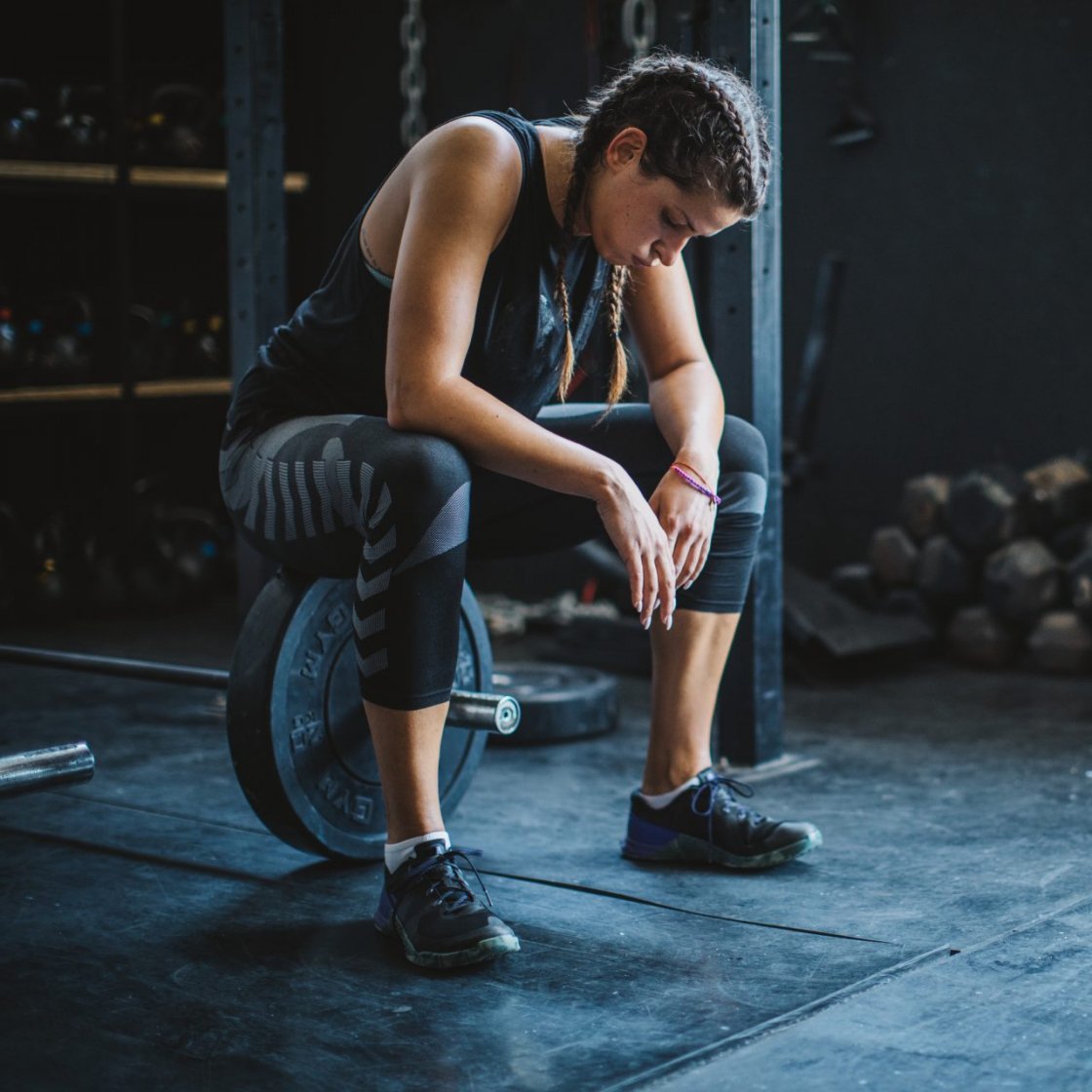
Week one is a baseline, not a challenge. Record approximate sleep start and waking times for at least several nights, perceived fatigue and the outcome of two comparable workouts. Pick an outcome that is easy to repeat: repetitions at a fixed load, a submaximal cycling benchmark or the effort required for a standard warm-up. Note heavy caffeine use, travel, stress and illness in the same log.
In weeks two and three, create an extra 30–60 minutes of sleep opportunity on most nights if your baseline suggests you need it. Try to keep your lifting program, exercise order, rest periods and food intake reasonably consistent. Avoid starting a radical calorie deficit, new supplement stack or unusually hard training block at the same time. Changing everything makes it impossible to interpret the outcome.
During week four, review all comparable sessions rather than cherry-picking the best one. Did you complete planned sets more consistently? Did warm-ups feel easier across several days? Was your daytime energy more predictable? A clear pattern is more meaningful than one excellent workout, but your four-week self-check is not a randomized clinical trial and cannot establish causal changes in muscle growth.
Track naps separately from nighttime sleep. Record their duration, timing and whether you felt sluggish upon waking. A nap that preserves your evening schedule may be more useful than one that delays bedtime, even if a laboratory test sometimes favors a longer nap. If adding a short nap reduces fatigue without disrupting your night, keep that observation without claiming the same effect for everyone.
The durable lesson is not to hack recovery. Across the controlled interventions, extra nighttime sleep opportunity had a more consistently favorable association with the measured outcomes than assorted nap protocols. Use that direction to guide a sustainable routine, keep training measurements specific, and acknowledge when the data are inconclusive. You do not need to promise bigger muscles from one earlier bedtime to make sleep worth tracking.

Funny Gym Shirts & Workout Gear
Funny gym shirts, tanks, hoodies and workout gear for lifters who like training hard.

Off Season Rest Day – Meme , Gymbro, – Relaxing T-Shirt
Show some lifting attitude with a playful “Off Season Rest Day” tee.

Everything Hurts And I'M Tired Duck Meme Decal Sticker
Bring “Everything Hurts And I'm Tired” attitude to your water bottle or laptop.


Caffeine Skull Hardcore Coffee Gym Pullover Crazy Worko Hoodie
Show off your powerlifting humor in a laid-back “Caffeine Skull” hoodie.

Coffee and Weights for Coffee Lovers, Lifters and Gym G Sticker
Give your everyday gear a playful “Coffee and Weights” twist.

More Rest More Test Meme Testosterone Bro Tank Top
Bring “More Rest More Test Gym Meme Testosterone” humor to your next lifting session.

Slim Shady Recovery Album Parody | & Workout Pullover T-Shirt
Keep things casual with a little “Slim Shady Recovery Album Parody” attitude.

Endurance Stoic Tee
Bring “Endurance Stoic Sigma Greek God Marble” humor to your next gym day.

Pre-Workout Gym Cosmic Decal , Caffeine Workout Energy Sticker
Give your everyday gear a playful “Pre-Workout” twist.

Rest Day Sloth – Essential T-Shirt
Show some bodybuilding attitude with a playful “Rest Day Sloth” tee.