Advertising disclosure: This page includes affiliate product links that may earn us a commission, as well as products from our own store.
A hamstring workout can leave your legs sore for days without proving where the muscle actually grew. A July 2026 scientific review tried to move beyond soreness and electromyography by examining trials that used MRI or ultrasound to measure hamstring changes after strength training. Its findings are useful for both home-gym lifters and athletes, but they are far less simplistic than the claim that one exercise is the undisputed king.
Across 14 studies and 382 participants, the clearest recurring response to eccentric exercise was a change in muscle architecture—not necessarily the largest gain in total muscle volume. Here is what the imaging results say, how they relate to injury prevention, and how to put the evidence to work without overcrowding your leg day.
Fourteen trials did not measure the same kind of growth
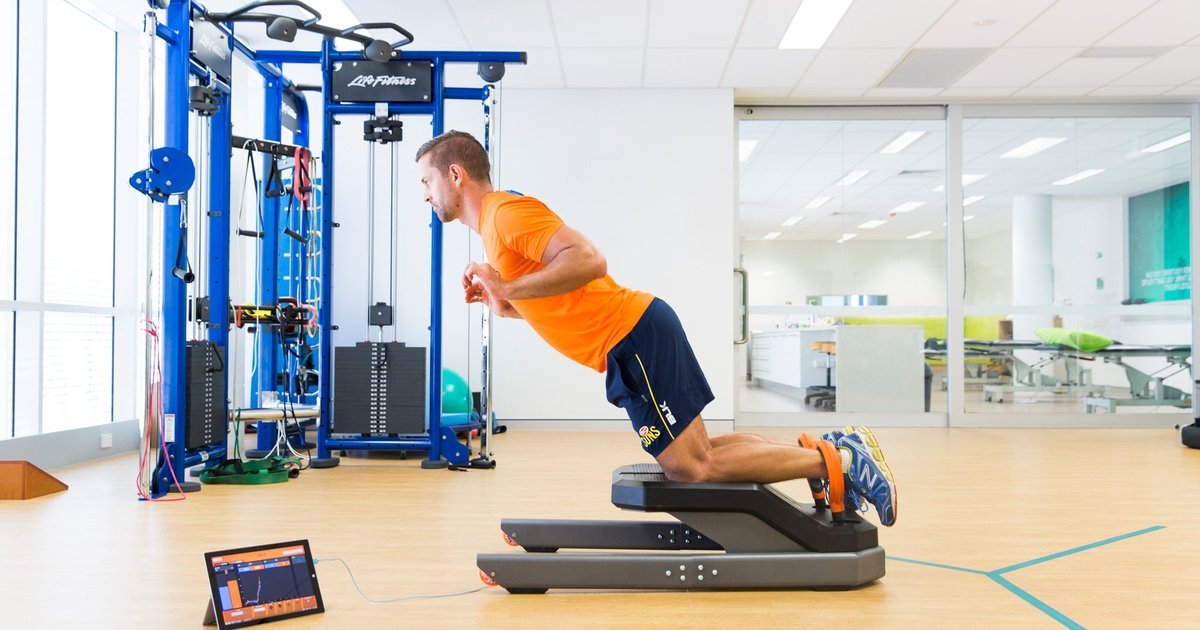
The July 2026 research review selected 14 randomized training trials involving 382 adults. Researchers required before-and-after hamstring imaging using MRI or ultrasound and searched the evidence through December 2024. Most participants were young men, and training lasted between four and twelve weeks. That makes the review useful but not an exhaustive test of every modern gym exercise or of long-term outcomes in experienced bodybuilders.
Ultrasound commonly measures fascicle length, pennation angle and local muscle thickness. Fascicles are bundles of muscle fibers; their estimated length and orientation can adapt to training without directly revealing the total weight or volume of a muscle. MRI, meanwhile, is particularly useful for estimating muscle volume and cross-sectional area. Those two imaging approaches illuminate related but different adaptations, so their outcomes cannot simply be compared as if they were one score.
Eccentric training produced the most consistent architectural changes, especially longer fascicles and lower pennation angles in the biceps femoris long head. The evidence for increases in total muscle volume or cross-sectional area was less uniform. This distinction is why a study showing favorable fascicle remodeling does not automatically establish that a given exercise grows the biggest hamstrings.
The original authors did not pool all the outcomes into one universal winner because exercise types, imaging tools, populations and training prescriptions differed too much. Treat their synthesis as guidance for building complementary movements, not a ranking of machines. Even trials called randomized controlled studies vary in quality and supervision; a strong average research signal is still not a promise about any single lifter’s response.
Why Nordics changed hamstring architecture consistently
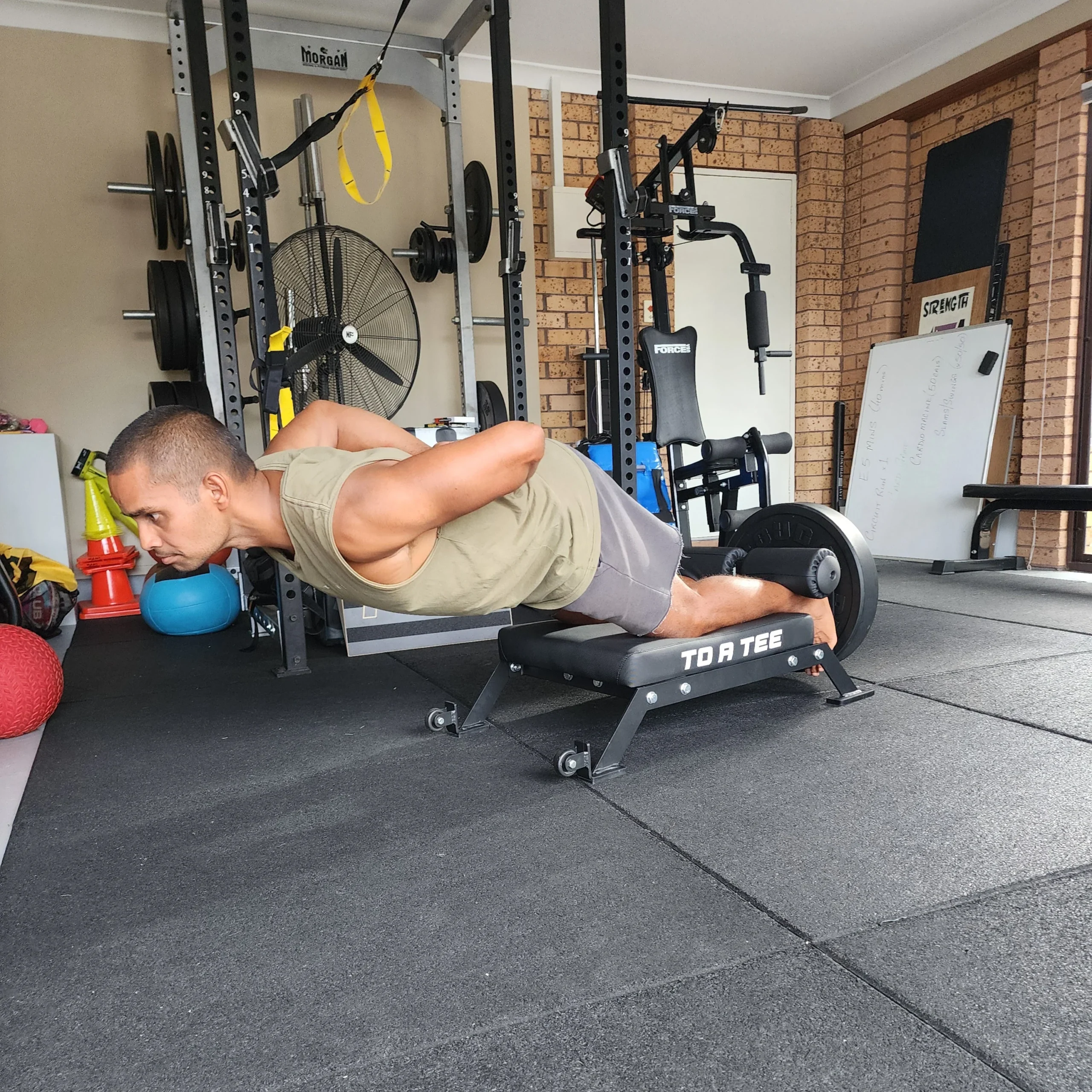
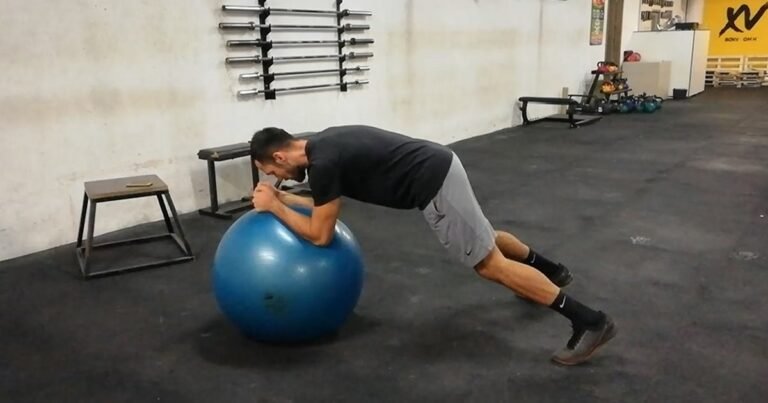
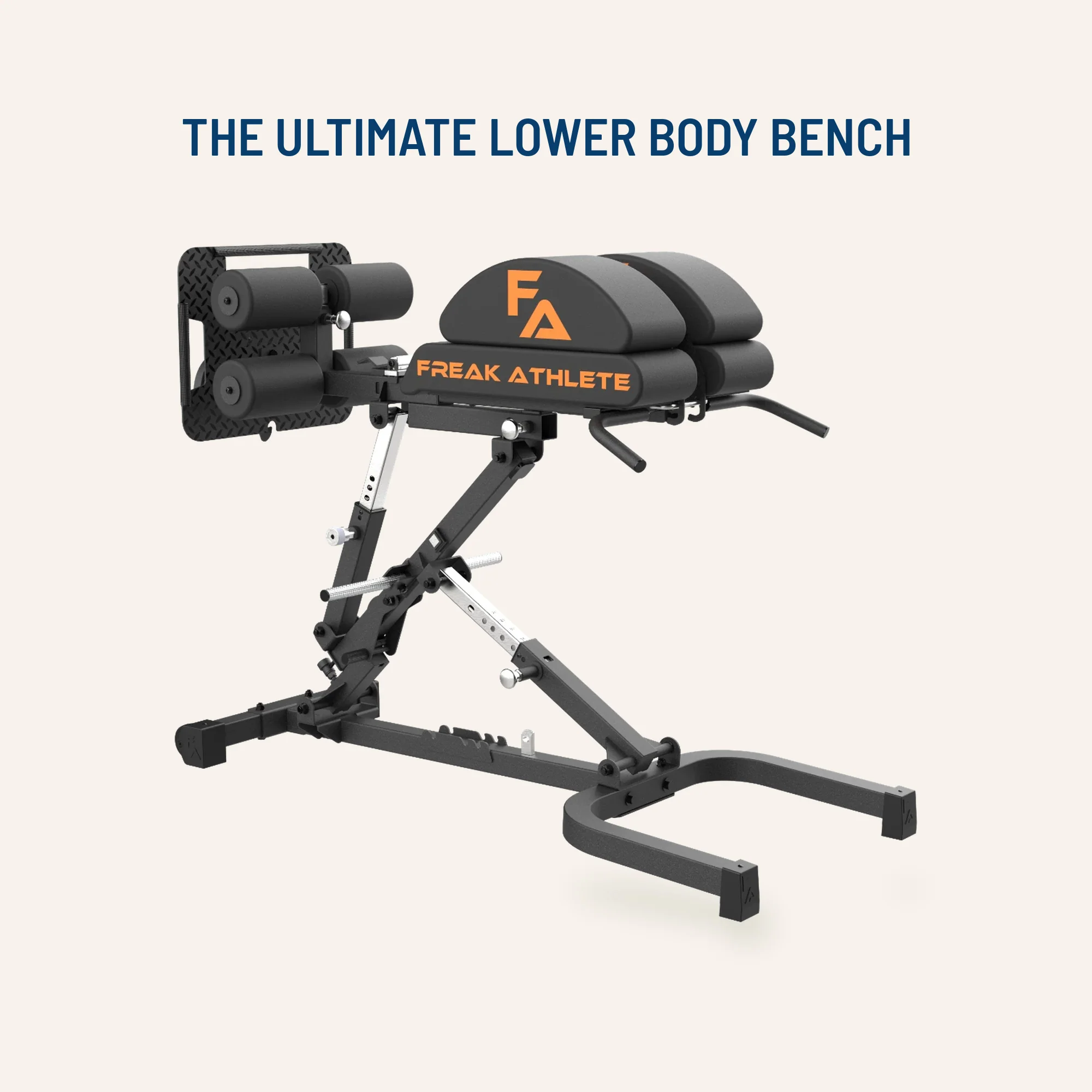
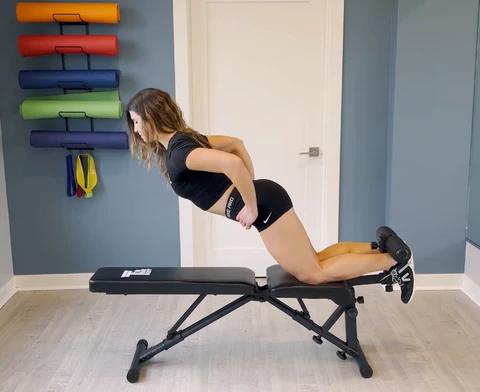
The Nordic hamstring curl anchors your ankles while you lean forward from a kneeling position, resisting the descent as your knees straighten. That lengthening phase places a substantial eccentric demand on the hamstrings. A proper Nordic is not just a bodyweight leg curl: your own body becomes a long lever, making full unassisted repetitions unusually demanding even for otherwise strong people.
Nordic-based interventions repeatedly increased fascicle length in the biceps femoris long head in the trials reviewed. These changes matter to researchers investigating muscular architecture and sprinting demands, yet they do not imply that Nordics outgrow every other knee-flexion exercise. The review found different adaptation patterns across muscle heads, and its MRI size results were not uniform enough to justify one-size-fits-all conclusions.
Beginners should earn the difficult range gradually. Pad your knees, verify that the ankle support cannot shift, and use a band, hands or an elevated landing target when needed. Try short controlled descents before chasing a strict full-range curl. Lowering with control is the key task; returning with hand assistance is completely reasonable when the hamstrings cannot yet produce enough concentric force.
Start with two manageable sets of three to six assisted repetitions once or twice weekly. Keep a few repetitions in reserve, and allow for extra soreness when introducing a new eccentric stimulus. Nordics can fill a gap in a small home gym where a full seated or prone curl machine would be impractical, but they need a stable setup and an achievable progression rather than an ego-driven test.

Equipment Worth Exploring
Explore equipment, accessories and gear from our carefully selected range.



HUSLA Leg Extension Pad
Pad attachment designed to increase usable range of motion on compatible leg-extension machines.

Studio Glute Drive
Plate-loaded hip-thrust machine with supported back pad and adjustable foot platform.


Standing Abductor
Plate-loaded standing hip abductor for targeted outer-glute and hip-stability training.
Muscle size, curl position and the missing hip hinge
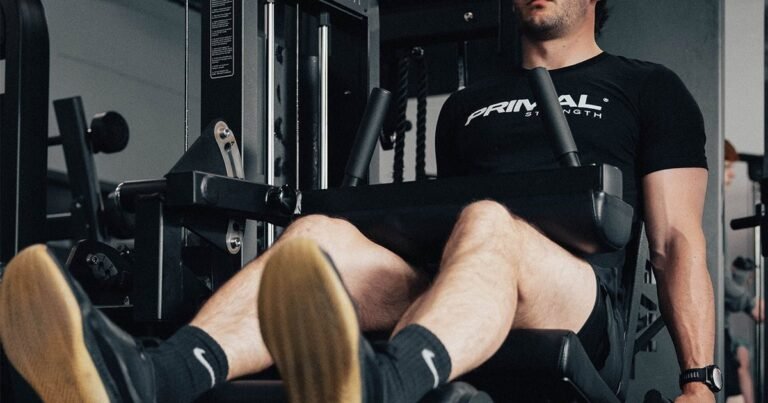
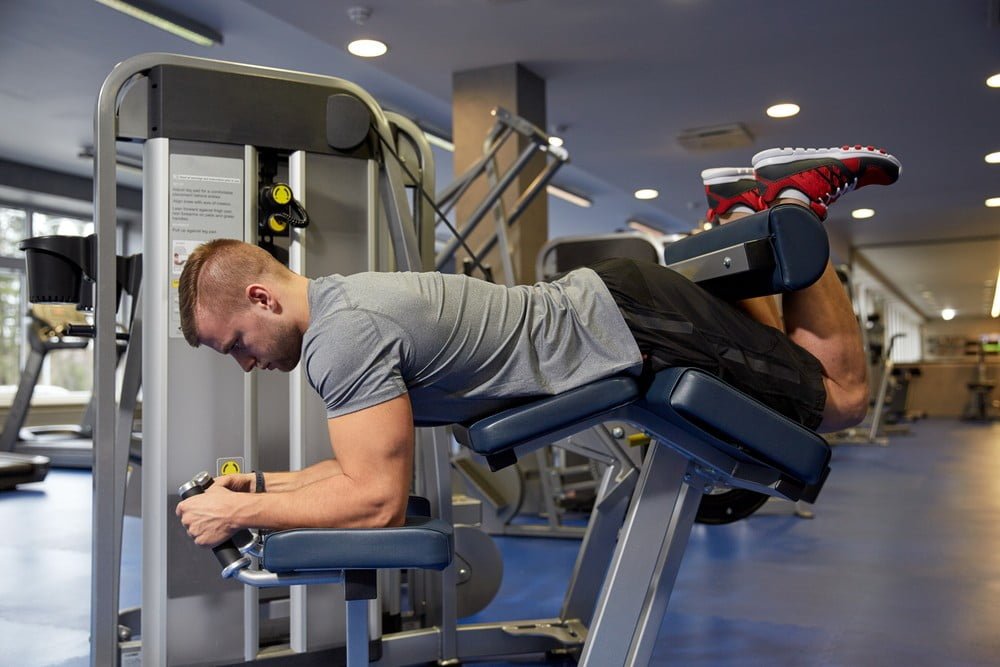
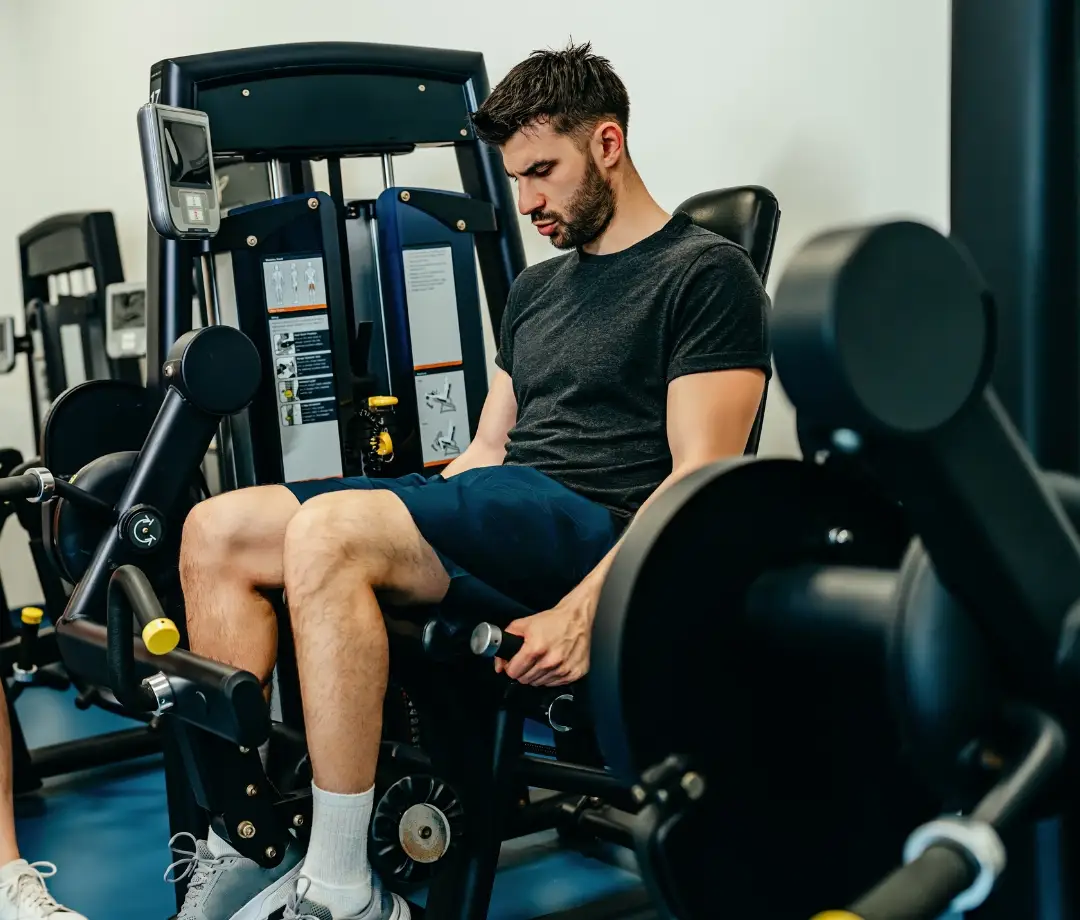
The hamstrings include muscles that cross both the hip and knee. As a result, changing hip position alters their starting length during knee flexion. In a separate twelve-week experiment, twenty adults trained seated curls with one leg and prone curls with the other. MRI showed approximately fourteen percent whole-hamstring volume growth in the seated condition versus nine percent prone. Those are outcomes of that particular protocol, not percentages anyone can guarantee.
The seated position typically places the biarticular hamstrings at a longer length than lying face down. This supports considering seated curls when the goal is muscle growth, but it does not make lying curls useless. Equipment adjustment, comfort, strength through the range and repeatable progressive loading still matter. A compact home gym may not have both machines, so the best option is often the one you can perform safely and progressively.
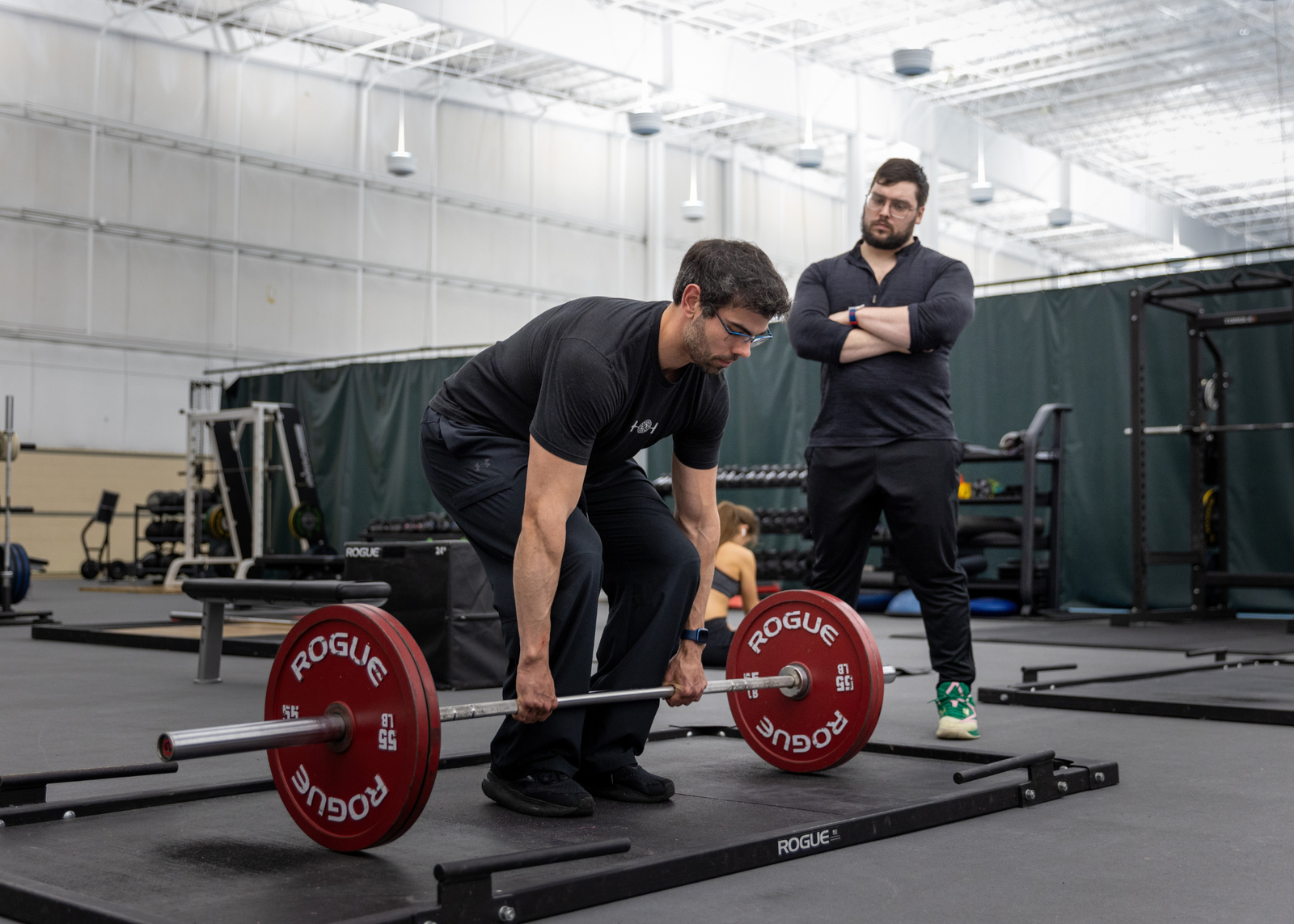
Hip-hinge movements provide another stimulus. Romanian deadlifts and stiff-leg deadlifts challenge the posterior chain through hip extension while the knees remain relatively steady. The accompanying training photograph depicts a conventional deadlift, which is not identical to a Romanian deadlift; it simply illustrates loaded barbell pulling. Heavy hinging and direct knee curls train overlapping but not identical capabilities.
For a deeper look at this distinction, an earlier MMP comparison of Nordic curls and stiff-leg deadlifts discusses a separate 2026 experiment. Our seated-versus-lying leg-curl analysis explains the single 20-person MRI trial. Together, they help put the wider 14-study review in context: exercise choice is about desired adaptations, not selecting one miracle move.
Does the imaging evidence also prove fewer injuries?
Muscle architecture and injury prevention are different outcomes. The July 2026 review measured changes in tissue after strengthening interventions; it did not directly establish that each architectural change prevented a strain. A separate 2019 systematic review considered hamstring injuries across 8,459 athletes and found that programs incorporating Nordics were associated with roughly half the hamstring injury rate compared with controls.
An earlier large randomized soccer study enrolled 942 players across 50 teams. Its progressive Nordic program produced substantially fewer recorded hamstring injuries than ordinary training alone over a season. These are meaningful results, especially for field sports, but they do not mean every lifter who owns a Nordic bench automatically cuts personal injury risk in half.
Study populations, sprint exposure, compliance and total training programs differ. Injury prevention is multifactorial, and increasing a single measured fascicle length does not create a shield against fast sprinting, accumulated fatigue or poor preparation. The safest way to apply the lesson is to build strength gradually and keep the exercise alongside appropriate running, lifting and recovery work.
Someone returning from an actual hamstring tear may need individualized rehabilitation rather than this generic training plan. Sudden pain, recurrent focal symptoms or a substantial strength deficit justify assessment by a qualified clinician. For healthy people, reasonably dosed eccentric work plus traditional strength training is useful, but the dose should complement existing running and leg sessions rather than bury them under soreness.
Equipment Worth Exploring
Explore equipment, accessories and gear from our carefully selected range.


Open Hex Bar
Open-frame trap bar with multiple handles for deadlifts, carries, and lower-body training.


Rubber Hex Dumbbells
Rubber-coated hex dumbbell pairs with a stable shape for home and commercial strength training.


Cast Iron Kettlebells
Textured cast-iron kettlebells for swings, squats, carries, and full-body training.


Competition Plates
Competition-style bumper plates for Olympic lifts and loaded strength training.

Leather Lifting Straps
Padded leather straps support grip during heavy rows, deadlifts and pulling exercises.

GymPin Squat Wedges
Non-slip 15-degree squat wedges help elevate the heels for deeper quad-focused squats.
A four-week home-gym hamstring plan
Train the hamstrings twice weekly with at least a day between demanding sessions. On day one, choose a Romanian deadlift or dumbbell hinge for three sets of six to ten, stopping with one to three good repetitions in reserve. Follow with two or three sets of a leg-curl variation for eight to fifteen repetitions. Record load, movement range and repetitions so progression is based on repeatable work instead of how sore you feel.
On day two, perform your usual squat or split-squat work and then add two or three sets of assisted Nordic descents for three to six controlled repetitions. A stable padded ankle anchor is essential. If you use a rack or bench, inspect the setup before loading it; do not improvise around a sliding weight, loose strap or unsecured door. Add a light curl set only if recovery allows.
Week one is about technique and an assistance level you can reproduce. Week two adds a repetition or a little more lowering control without pushing to failure. Week three can add modest load to your hinge or knee curl; the Nordic may stay equally assisted. Week four is a chance to compare range, technique, performance and recovery, not a compulsory max test.
Place unfamiliar heavy eccentric work away from your hardest sprinting sessions. If your recovery deteriorates, cut the Nordic volume before abandoning the entire plan. A home gym can cover the essentials with a secure Nordic station, an adjustable curl attachment and free weights, without buying three large machines. The review’s defensible conclusion is to train varied hamstring functions consistently, not to claim any single product guarantees the most muscle growth.

Leg Day Shirts & Workout Gear
Leg-day gym shirts and workout gear for lifters who never skip squats, lunges and lower-body punishment.

4 Plates Deadlift Club – Motivational & Gymbros T-Shirt
Make gym days more fun with “4 Plates Deadlift Club” style.

Leg Day Gains | LEGO Workout Sweater For Squats & Deadl T-Shirt
For laid-back days and leg-day humor: “Leg Day Gains”.

Leg Day Decal Water Bottles & Equipment Meme Sticker
A fun “Leg Day” touch for bottles, laptops, and lockers.

Never Skip Leg Day Gym | LEGO Workout For Squat & Deadl Hoodie
Bring “Never Skip Leg Day” gym humor to lazy days and post-workout plans.

Squat Here | Edgy Workout | Gym Meme Hooded Jumper Hoodie
Make your off-duty look more fun with “Squat Here”.

Shirt Meme – Leg Day Yesterday Wheelchair Top T-Shirt
Rep “Funny Gym Shirt Meme” humor in and out of the gym.

Squats Leg Day Heavy Weights Meme – Essential Top T-Shirt
Bring “Squats Leg Day Heavy Weights” humor to your next gym day.

3 Plates Squat Club : Essential Meme & Leg Day T-Shirt
Make gym days more fun with “3 Plates Squat Club” style.

I Love Squats Valentine'S Day Shirt Meme & T-Shirt
Bring “I Love Squats Valentine's Day” humor to your next gym day.

Deadlift Addict & Barbell Cigarettes Can'T Quit T-Shirt
Show some deadlift attitude with a playful “Deadlift Addict & Barbell Cigarettes” tee.