Advertising disclosure: This page includes affiliate product links that may earn us a commission, as well as products from our own store.
Twenty-four bench press repetitions sound like eight times the work of three. At the same bar weight, the difference in total lifted load really is that large. But does it follow that the longer workout must produce eight times the fatigue, or require a much longer recovery? A February 2026 experiment tested that assumption by changing the rest between individual repetitions whenever the bar began to slow down. Its results offer a useful way to think about chest training, particularly if you like heavy pressing but struggle to maintain consistent technique across sets.
What changed between three, fifteen and twenty-four repetitions?
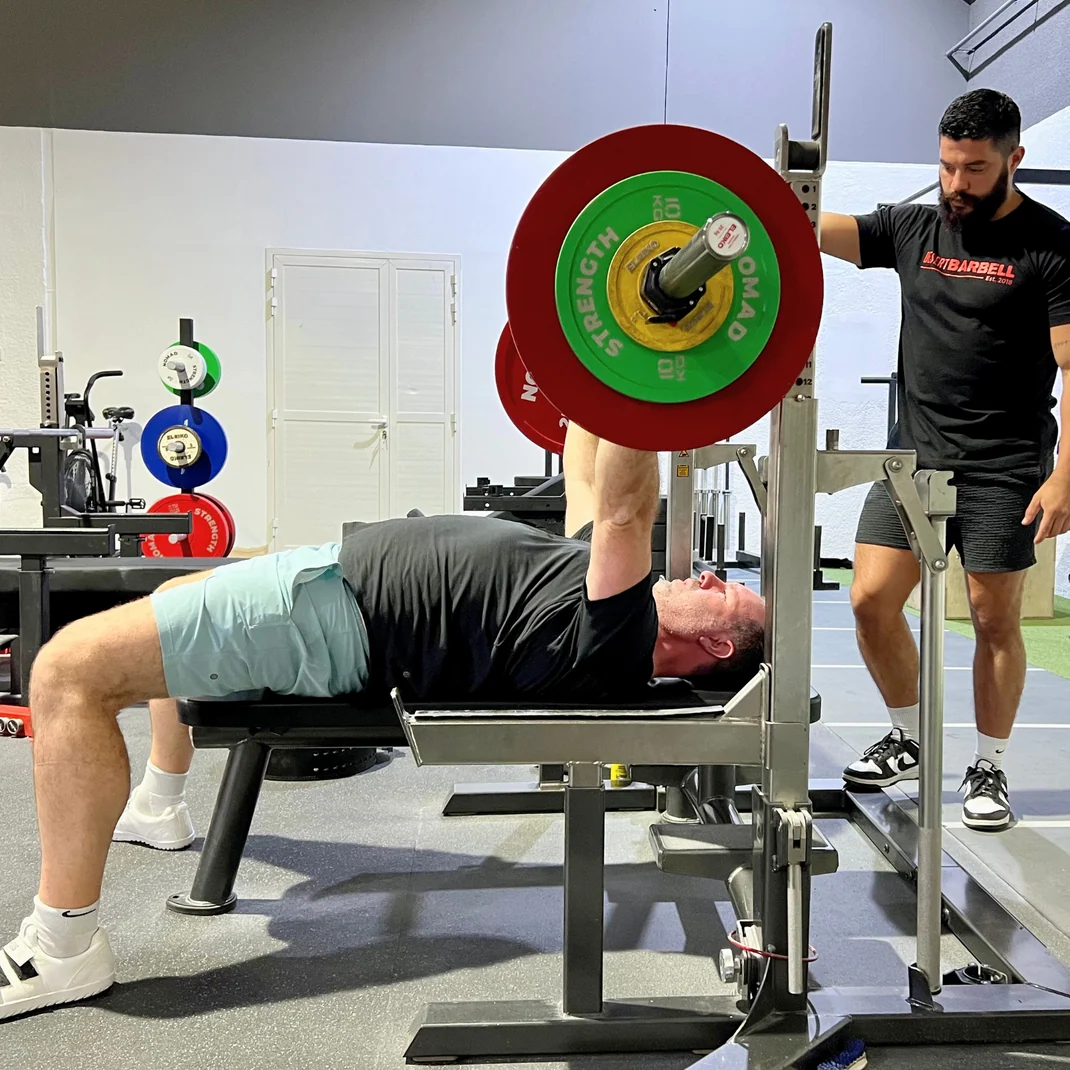
Fourteen moderately resistance-trained men completed three different bench press sessions in a randomized crossover design. That means the same lifters experienced all three conditions rather than three separate groups being compared. Sessions were separated by a week. The conditions involved three, fifteen or twenty-four repetitions at 70% of each participant’s one-repetition maximum. The average training load was around 45 kg. The important detail is that these were not ordinary continuous sets taken to failure.
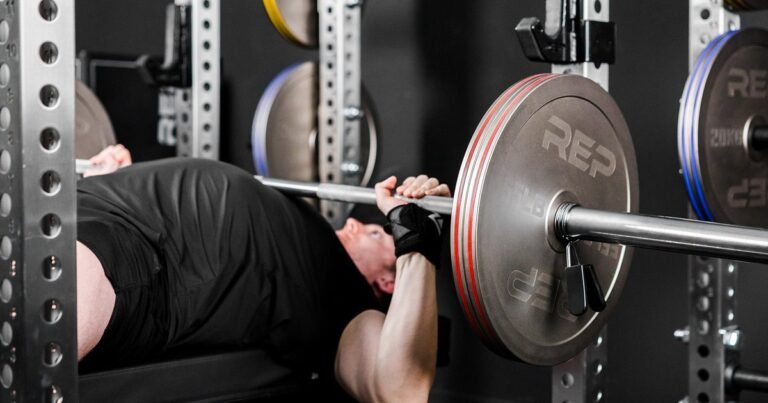
Participants pressed with their feet on the bench, paused the bar on their chest for approximately one second and attempted to accelerate the bar as fast as possible on the upward phase. They had ten seconds between repetitions initially. The researchers monitored the speed of each repetition and extended the recovery interval whenever velocity fell by the specified amount. A loss of around 0.04 to 0.06 metres per second, for example, called for twenty seconds of rest. Larger losses called for longer intervals.
The result was an experiment where the number of repetitions differed substantially, but the lifters were given an opportunity to recover some of their performance between attempts. It is not a comparison of a three-repetition maximum against a twenty-four-repetition maximum. It is also not a comparison of three regular sets against eight regular sets. The load was controlled and the rest was deliberately manipulated to prevent a predictable accumulation of fatigue.
At a hypothetical load of 70 kg, the three conditions would amount to 210, 1,050 and 1,680 kg of external volume respectively. That calculation helps explain why tonnage alone cannot describe the experience of a training session. It says nothing about how fast each repetition moved, how difficult the final repetition felt, how much rest was available or how much effort was required to finish.

Equipment Worth Exploring
Explore equipment, accessories and gear from our carefully selected range.

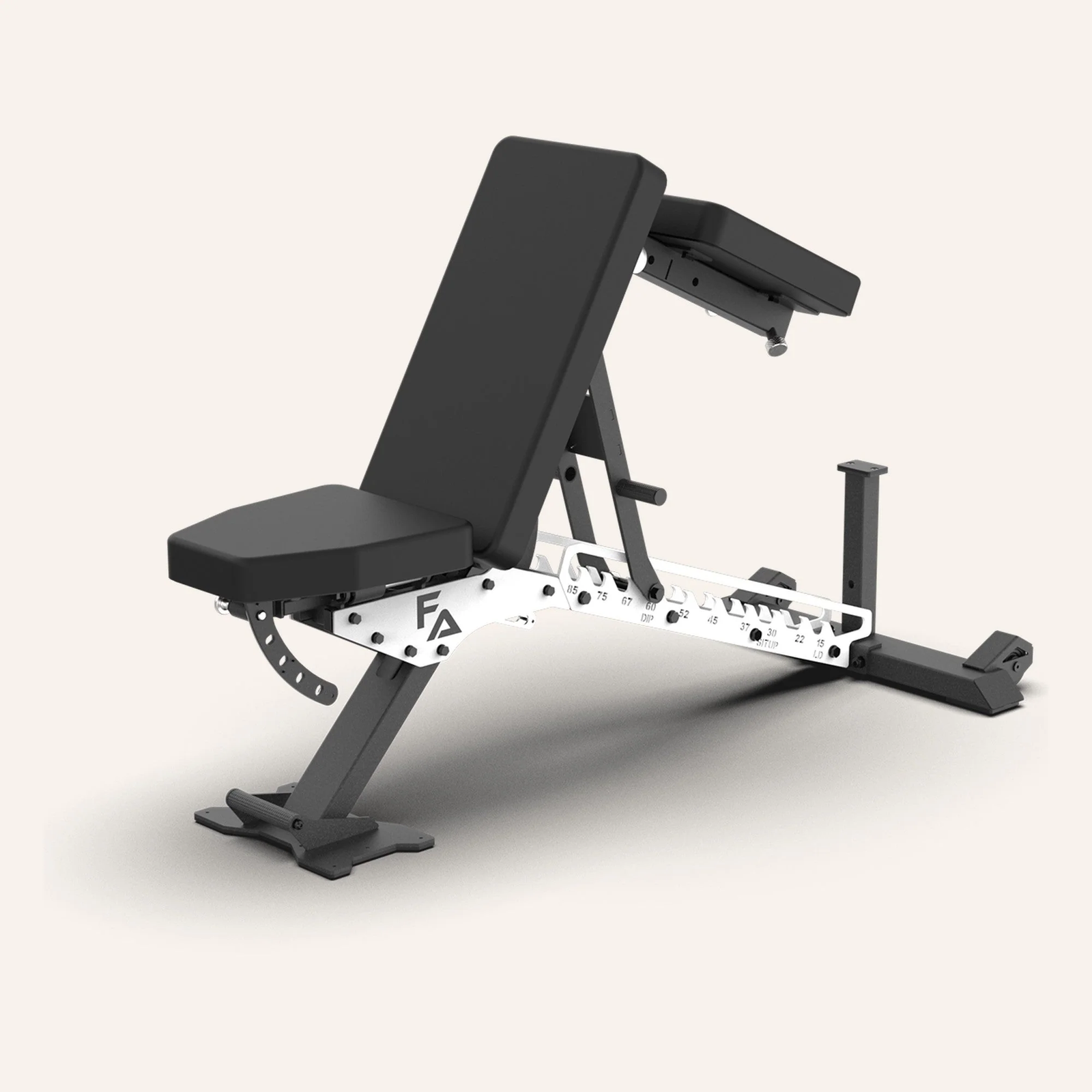


FID Bench MAX
Adjustable bench offering flat, incline, and decline positions + adjustable headrest.

Competition Plates
Competition-style bumper plates for Olympic lifts and loaded strength training.


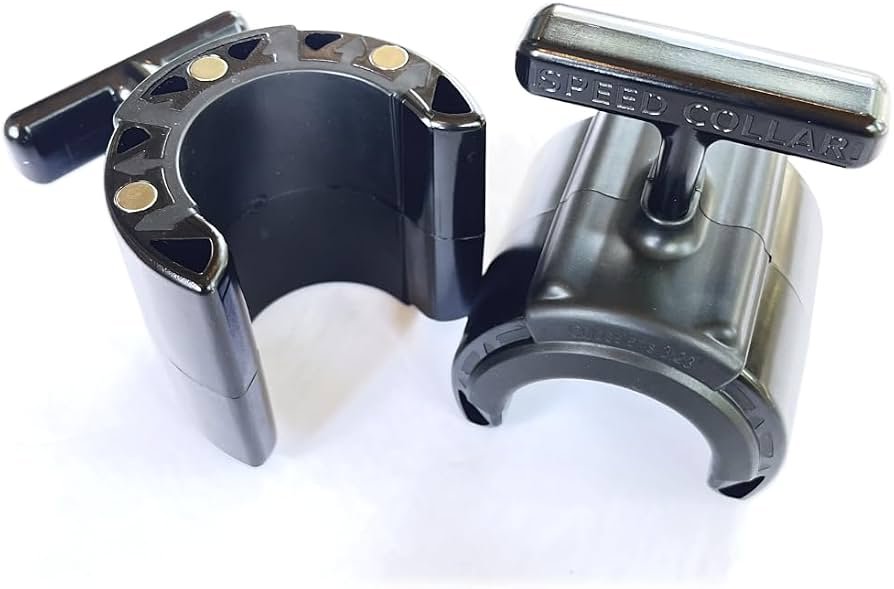
Speed Collar
Quick-release collars designed to secure weight plates on standard two-inch Olympic bars.
Why extra rest changes the meaning of volume
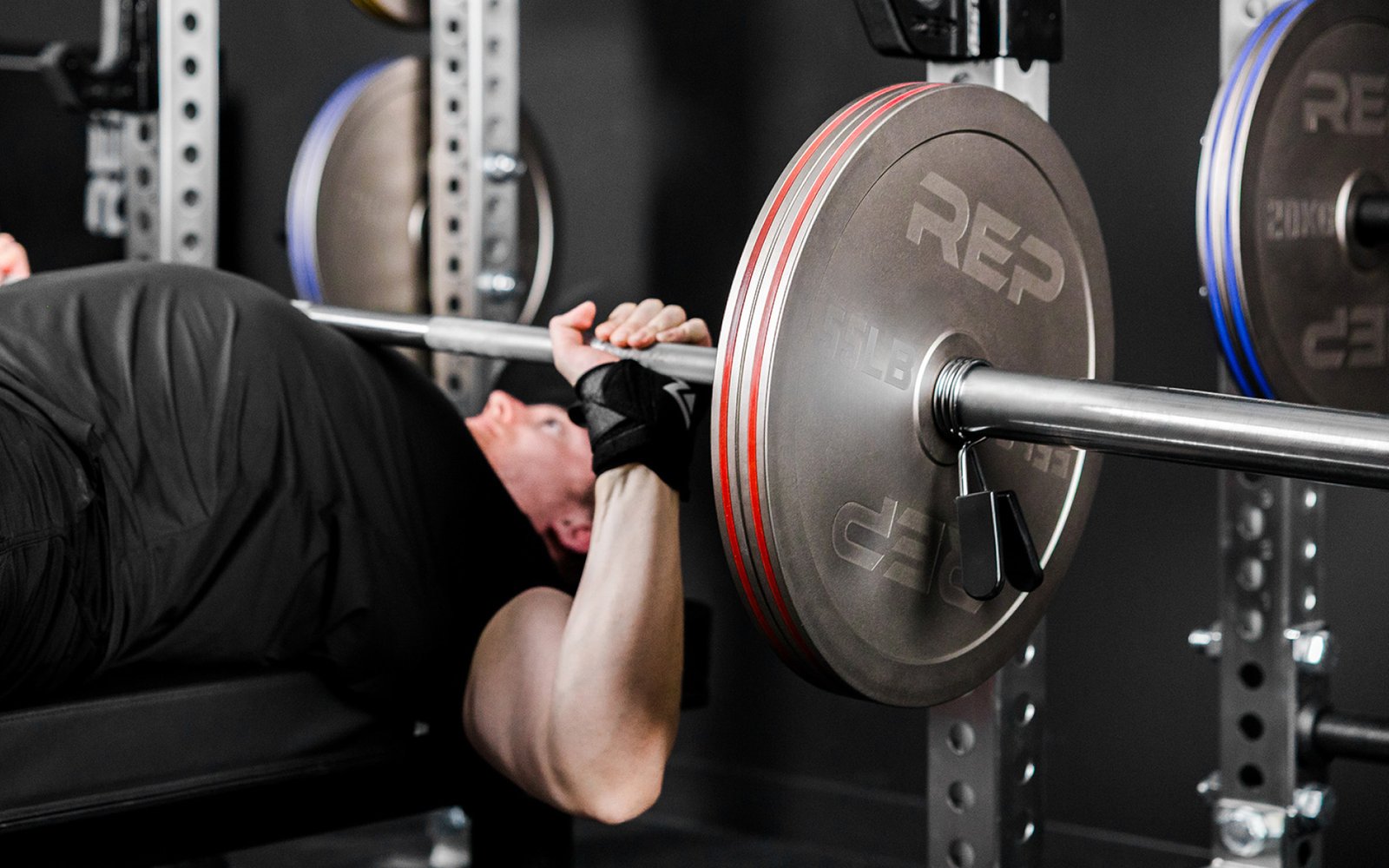
Bar speed is a useful performance signal when the load and movement are standardized. When you attempt to press a fixed weight as fast as possible, a substantial decline in speed can indicate that your ability to produce force is being impaired by fatigue. It can also be influenced by technique, attention and measurement error, so it should not be treated as a perfect reading of what is happening inside a muscle.
In this experiment, the average best repetition velocity was approximately 0.57 metres per second, the average repetition velocity was around 0.52, and the final repetition velocity was around 0.51. The investigators did not find meaningful statistical differences between the conditions in those velocity outcomes or in velocity loss. Despite the different amounts of work, adjusting the rest allowed the participants to preserve a relatively similar mechanical performance profile.
Imagine doing eight repetitions without putting the bar down. The seventh and eighth may be much slower than the first because there has been little opportunity to recover between them. Now imagine doing those same repetitions as separate singles with a brief rest after each one. The load and total repetitions can be identical while the last repetition looks and feels very different. The second approach also takes more time, which is a genuine cost rather than a free improvement.
This is the central trade-off behind cluster-style training. Distributing rest can make a session more suitable for practicing fast, repeatable repetitions. It does not make the work disappear. The time spent setting up, maintaining concentration, recovering and handling the load still matters. A lifter who has forty-five minutes to complete an entire upper-body session may prefer fewer clusters and more conventional sets.
What happened immediately and over the next 48 hours?

The researchers also looked beyond bar speed. Heart rate and blood lactate rose after the sessions, but there were no statistically significant differences between the three volume conditions in those responses. Post-exercise blood pressure and other physiological measurements likewise did not establish a clear advantage for one protocol. These findings describe the particular short-term measurements and the small group studied; they are not proof that cardiovascular stress is identical under every possible bench press routine.
To investigate recovery, participants performed a separate bench press test at 60% of their maximum, using the fastest of three repetitions as the performance measure. Testing occurred before the session, shortly afterward and again at twenty-four and forty-eight hours. The high-volume condition showed an immediate performance decrease, whereas improvements at later time points appeared in the lower and moderate conditions. Crucially, the overall interaction between protocol and time was not statistically significant. It would therefore be too strong to declare that twenty-four repetitions necessarily delay recovery more than fifteen when rest is adjusted in this manner.
Recovery also depends on the type of training being compared. In a separate experiment involving twenty-six men, repeated sets to failure produced soreness and changes in force-related measurements that persisted over several days. Another experiment comparing ten squat and bench press protocols found that taking sets to failure could slow recovery for up to forty-eight hours. Those findings are compatible with the idea that the way repetitions are organized matters, not just their number.
A third experiment involving twenty-five trained men explored light recovery work following a demanding bench session. It found faster recovery of some performance measures with the particular active recovery approach tested. None of these experiments proves that a light workout, a certain rest interval or a certain number of days off is universally optimal. They demonstrate why a single rule based solely on repetitions or soreness is too simplistic.

Powerlifting Shirts & Lifting Gear
Powerlifting shirts and gym gear for squat, bench and deadlift lifters who live for heavy numbers.

8 Plates Bench Club Meme & Gymbro Top T-Shirt
Make gym days more fun with “8 Plates Bench Club” style.

I Want You To Bench Press Uncle Sam – 4th of July Patri Sticker
Stick a little “I Want You To Bench Press Uncle Sam” humor on your favorite gear.

If You're Reading This Its Chest Day | Drake Album Cove Hoodie
Bring “If You're Reading This Its Chest Day” gym humor to lazy days and post-workout plans.

for Chest Day | I Love Bench Press Muscle Shirt with Pi Tank Top
Add some lifting attitude to training with “for Chest Day”.

I Love Bench Press Shirt | Red Heart Weight Plate Graph T-Shirt
Show some gym-girl attitude with a playful “I Love Bench Press” tee.

Squat Bench Deads Shirt – Gains & Meme Top T-Shirt
Bring “Squat Bench Deads” humor to your next gym day.

My Bench Press Is Stuck Horror Movie Meme Scary Vest Tank Top
Bring “My Bench Press Is Stuck” humor to your next lifting session.

Gym Sir Swole of Benchalot Medieval Knight Chest Day Cr T-Shirt
Show some gym-day personality with “Sir Swole of Benchalot Medieval Knight”.


Chest Day Decal Water Bottles & Equipment Meme Sticker
Bring “Chest Day” attitude to your water bottle or laptop.
What this experiment cannot tell you about muscle growth
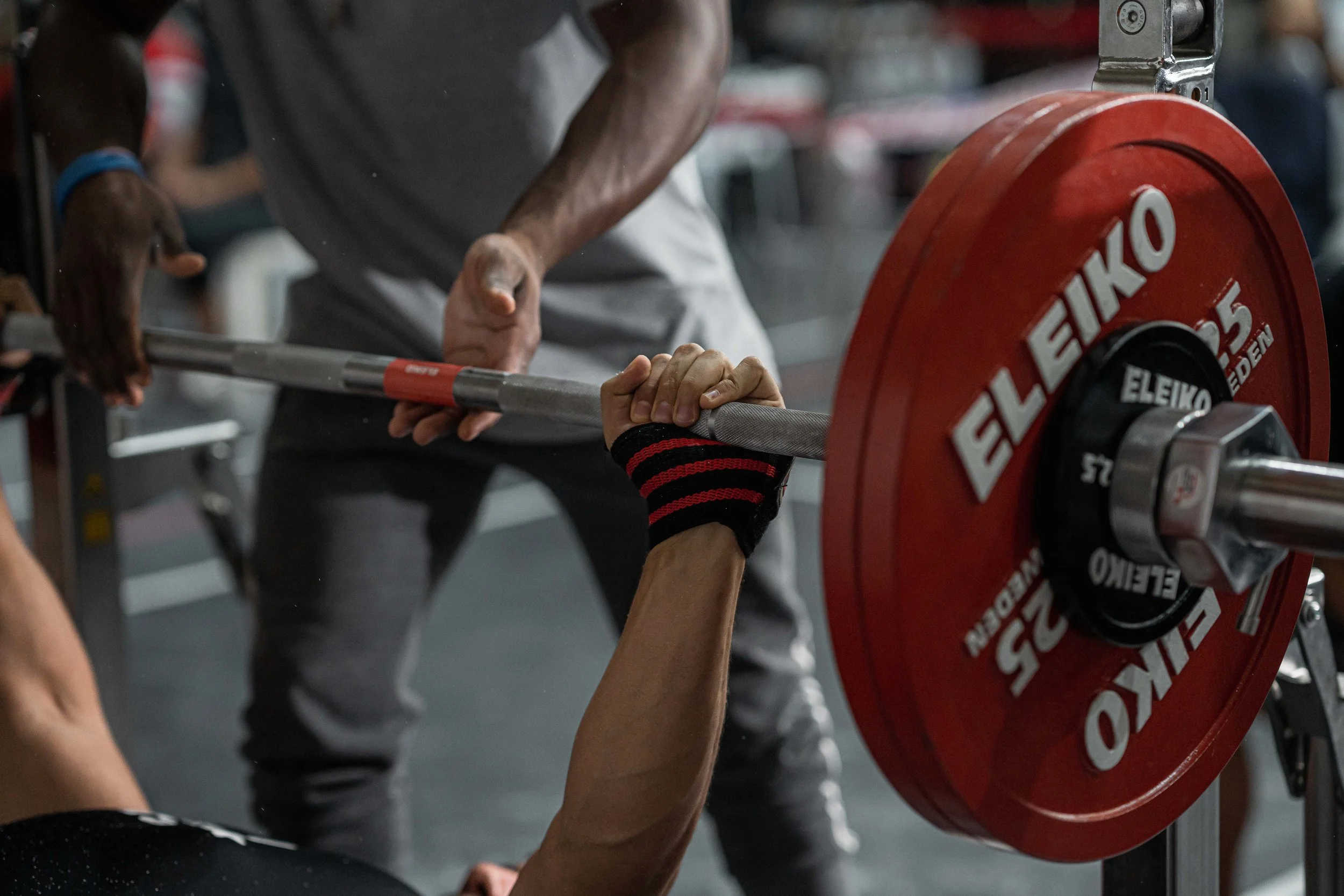
There is an important distinction between preserving performance today and building muscle over the next six months. This was an acute experiment. It did not follow participants through a long-term hypertrophy program, measure changes in chest muscle size or establish an ideal weekly training volume. If you want a bigger chest, the findings cannot tell you whether three, fifteen or twenty-four repetitions would produce the most growth over a training block.
The specific bench technique also matters. Feet on the bench and a deliberate pause reduce some of the variation that occurs when different lifters use different degrees of leg drive, arch and touch-and-go technique. A competitive powerlifter performing a legal competition-style bench press, or a bodybuilder using a controlled dumbbell press, may experience a different pattern of fatigue. The small sample and moderate average strength level limit how far the results can be generalized to elite lifters, beginners or other populations.
There is no reason to interpret the experiment as a recommendation to avoid conventional sets. A typical moderate-repetition chest exercise can be an effective and time-efficient way to accumulate challenging work. Equally, a strength-focused lifter may prefer to retain a greater margin from failure during technical practice. Each approach has a place. The important distinction is the purpose of the work, not a competition between training styles.
Finally, statistical nonsignificance does not mean two conditions are proven equivalent. Small samples can miss real differences. A well-designed training program should respond to your actual performance, recovery and progression rather than relying on a single laboratory result as a guarantee.
Equipment Worth Exploring
Explore equipment, accessories and gear from our carefully selected range.

Rubber Hex Dumbbells
Rubber-coated hex dumbbell pairs with a stable shape for home and commercial strength training.


Multi Bench MBX-650 2.0
Adjustable multi-bench with roller adjustment, 15 backrest positions and accessory mounts.

Standing Chest Press SCP-760
Standing chest-press machine with adjustable handle positions for chest and close-grip pressing.

Lever Arm Multi Press LMP-650
Multi-press with independent lever arms and an integrated adjustable bench for upper-body training.


Foldable Wall Rack
Wall-mounted folding squat rack designed to save floor space between workouts.
Build a bench session around the quality you want
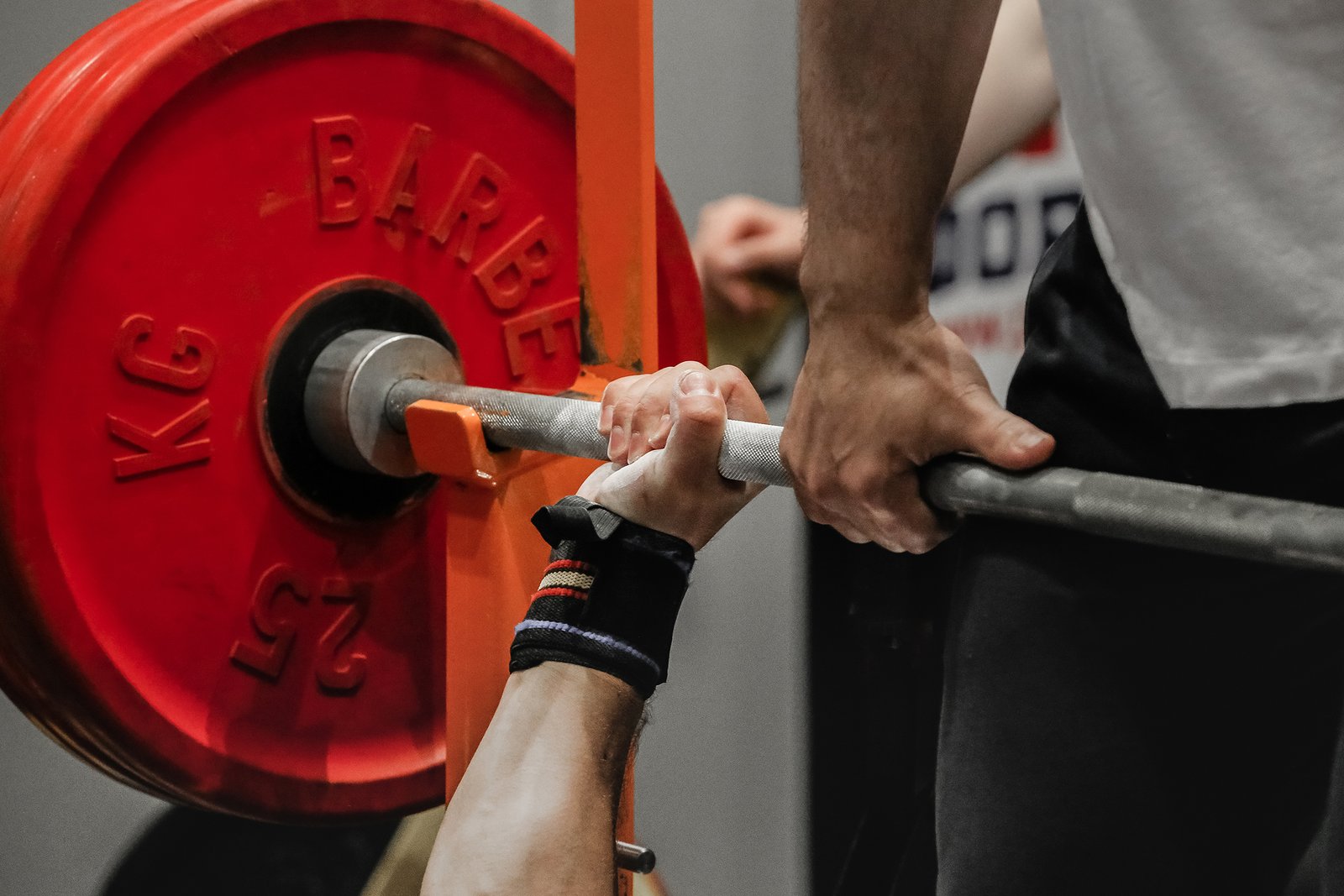
For someone benching twice weekly, a practical application is to separate the goals of the two sessions. On the first day, prioritize technique and strength. After an appropriate warm-up, use a manageable load for several short groups of repetitions, leaving enough rest to keep the movement consistent. If the repetitions become noticeably slower or your touch point and bar path start to drift, rest longer or finish the group. You do not need to reproduce the laboratory velocity thresholds to apply that principle.
On the second day, prioritize muscle-building work with conventional sets. For example, perform three sets of six to ten bench repetitions with a controlled descent, a consistent range of motion and a reasonable margin before failure. Add two or three sets of an incline dumbbell press or another chest exercise if your current workload and recovery support them. These are illustrative sessions, not the protocol tested in the experiment or a universal prescription.
Record the load, repetitions, rest intervals and an estimate of how many more repetitions you could have completed. A phone video can help you compare technique, although it is not a substitute for a calibrated velocity measurement. Evaluate the first working set of your next session alongside your usual performance. If it repeatedly deteriorates, reduce the demanding work or increase recovery rather than automatically adding more sets.
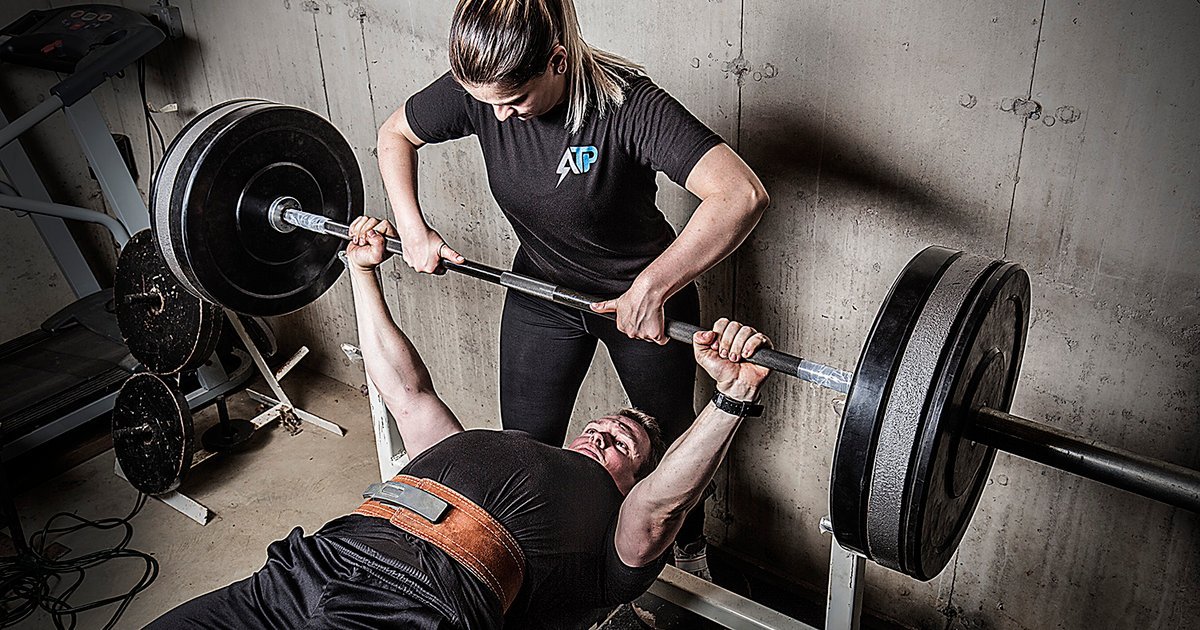
Use a stable bench, secure the load appropriately, and set rack safeties or enlist a competent spotter when needed. The goal of a cluster is repeatable work, not the opportunity to attempt an unsafe weight more frequently. If pressing causes persistent pain or unusual symptoms, stop and seek appropriate professional advice.
The useful lesson is that a repetition count is only one part of the training dose. Rest distribution, proximity to failure, technique and the purpose of the session all influence what that dose means. Choose the arrangement that makes the work productive for your goals and sustainable within your week, then judge it by your progress over time.