Advertising disclosure: This page includes affiliate product links that may earn us a commission, as well as products from our own store.
A cable tower can look compact in a product photograph while demanding more room than expected once you sit down, pull a handle forward or assemble the frame. The Rogue CTM-1 makes that distinction especially useful: its front trolley and dedicated pulldown and low-row ports offer different loading arrangements within one station.
The buying decision starts with three questions. Which cable outlet will carry your heaviest work? Can the machine be assembled in the intended room? And does the space accommodate your body and attachments as well as the frame? This is a specification-led planning guide, without a claim of hands-on MMP testing.
Choose the configuration before measuring the room
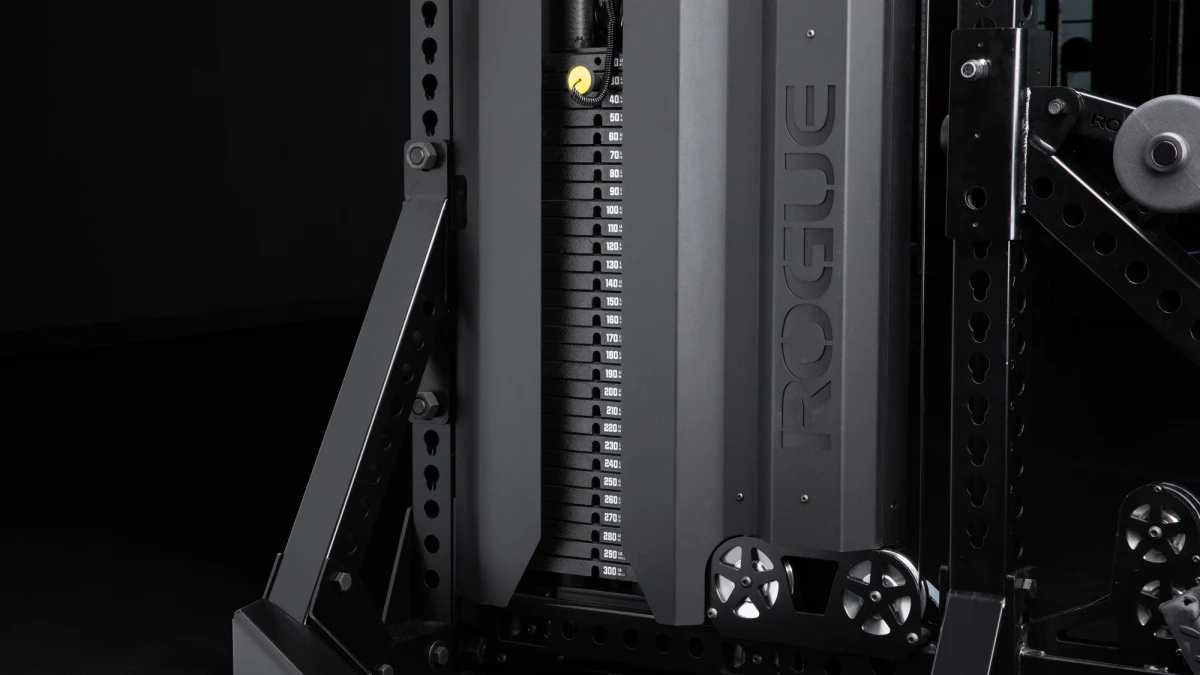
The CTM-1 is offered in standalone and rack-attached configurations, with 250 lb or 300 lb stacks. Its nominal 90-inch and 100-inch height options correspond to listed overall heights of 91.5 and 101.5 inches. Listed assembly clearance rises to 96.5 and 106.5 inches respectively. A ceiling that clears the finished machine can therefore still leave insufficient space to put it together.
Measure the lowest obstruction above the intended location, including lights, pipes and an opening garage door. Then consider the route from delivery to that location. A staircase turn, narrow doorway or low basement landing belongs on the same planning sheet as the training area. Ask for the exact configuration’s delivery and assembly information before assuming an apparently accessible room will work.
Keep a separate sketch for any rack-attached layout. The rack already occupies space, but that does not make the added station spatially free. Barbell access, storage pegs and your normal route around a bench still matter. The useful question is whether the combined setup supports the sessions you actually perform, including the movements immediately before and after cable work.
Floor attachment is another decision to resolve before checkout: the CTM-1’s assembly guidance requires floor anchoring. Confirm the installation requirements for the exact model and your floor with the manufacturer and a suitable installer. Treat that as part of the purchase, rather than assuming a heavy machine can simply remain unanchored wherever it fits.
Read handle resistance alongside the stack label
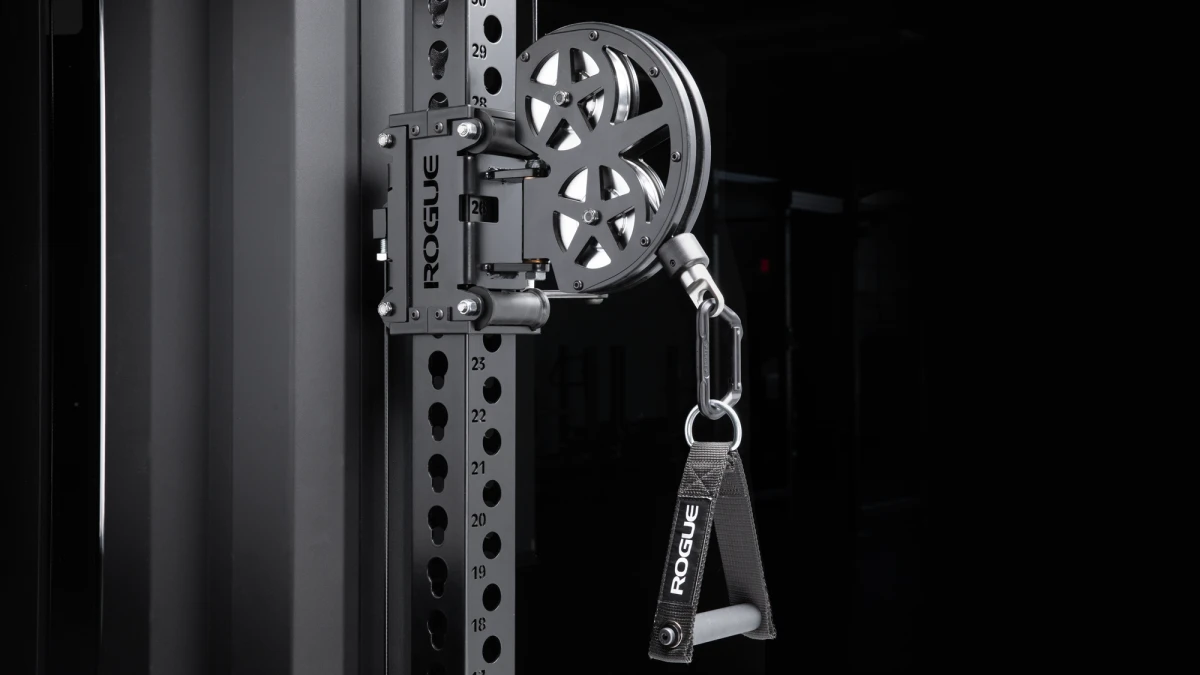
The adjustable front trolley uses a 2:1 ratio; the dedicated lat-pulldown and low-row ports use 1:1. In an idealized example, selecting 100 lb gives approximately 50 lb at a 2:1 handle and approximately 100 lb at a 1:1 handle. Those calculations explain the pulley arrangement; they are not calibrated measurements of force throughout a repetition.
That distinction changes how a stack upgrade should be evaluated. Think about your expected working load at the outlet you intend to use, rather than comparing the biggest printed number with a different machine. Friction, cable routing and the specific movement also affect how a real set feels. A familiar pin setting from another gym is not a reliable starting prescription.
Use the same logic for progression. A nominal stack increment translates differently through different ratios. Log the port, attachment, trolley position and selected weight together, then compare like with like across sessions. Switching between the front cable and fixed row outlet while recording only the plate number would make your training log harder to interpret.
For example, a lifter might want fine adjustments for lateral raises but substantial resistance for rows. Write down both requirements before choosing a stack. Also check the configured cable travel, which varies with tower height and stack choice. Enough resistance is only useful when the cable permits the intended movement without running out of travel.
The following equipment selection offers related cable-training options to compare. It is not a ranking or a claim that the machines have interchangeable specifications.

Equipment Worth Exploring
Explore equipment, accessories and gear from our carefully selected range.

VForce Lat Tower
Wall-mounted cable tower with pivot arms and adjustable 1:1 or 2:1 pulley ratios.

VForce Wall Trainer
Space-saving wall-mounted functional trainer with pivoting cable arms and variable resistance ratios.


Trinity Lat Machine LSW-850
Weight-stack pulldown tower offering three cable directions and adjustable seated support.

VForce 2IN1
Half rack and pivot-arm functional trainer with switchable 1:1 and 2:1 pulley ratios.

VForce 3IN1
All-in-one rack combining an adjustable Smith machine, functional trainer, and free-weight station.

VForce 3IN1 Max
Six-post all-in-one rack with Smith machine, functional trainer, and variable-force cables.


A single station is different from a wide dual-cable setup
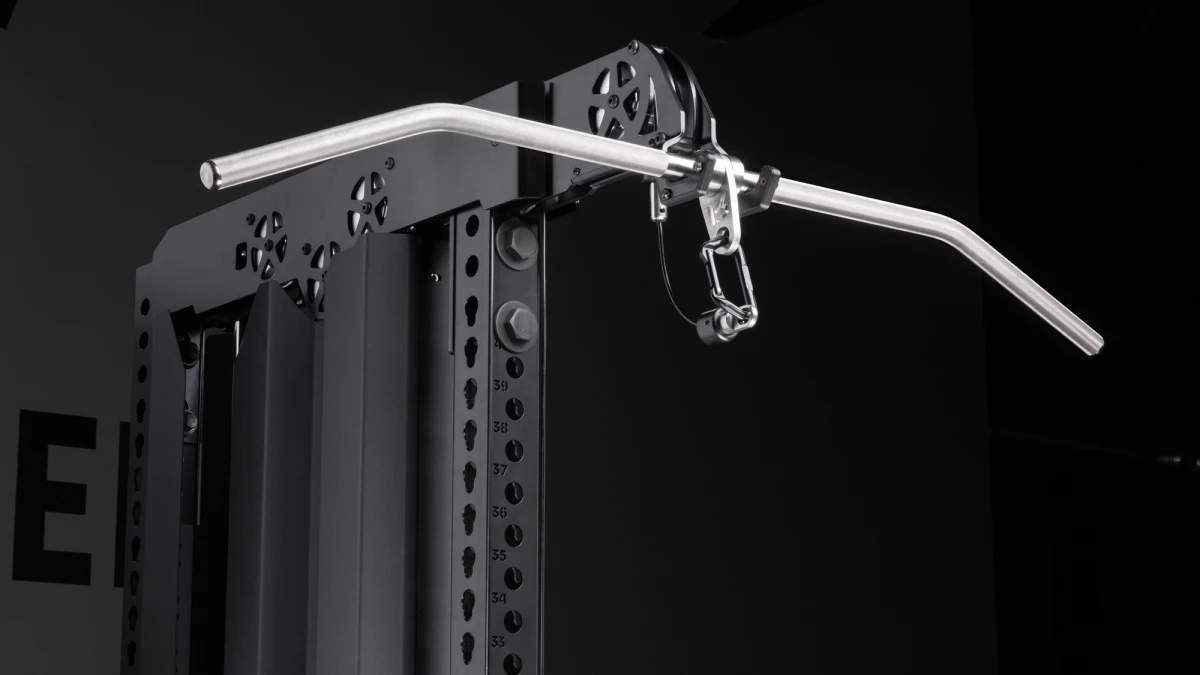
The CTM-1 combines an adjustable front outlet with dedicated upper and lower ports, all using one weight stack. Start by matching that arrangement to your exercise list. A pulldown, a low row and a standing single-handle movement can each ask something different of the station, even when they appear together in a general list of cable exercises.
Do not read multiple cable positions as a promise of two independently adjustable towers. If wide bilateral flyes or two people using separate stacks are priorities, compare a genuinely dual-station layout. Two handles attached at one central point do not recreate the starting width of two spaced towers. The distinction concerns the training arrangement, not whether one format is universally better.
A useful exercise audit separates must-have movements from occasional variations. Put your regular pulldown, row, pressdown and curl setups first. Then consider whether an alternative stance or unilateral version would be acceptable for less frequent exercises. Avoid buying a station around an impressive demonstration that does not resemble the way you want to train.
Rack-based alternatives introduce another set of tradeoffs, including how cable work shares space with barbell lifting. Our guide to the Rogue FM-6 Twin’s ratios and installation space provides a useful comparison when deciding between a dedicated tower and a larger integrated setup. Compare the entire arrangement you would install, rather than treating one cable ratio as a verdict on the whole machine.
Include the seat and your body in the footprint
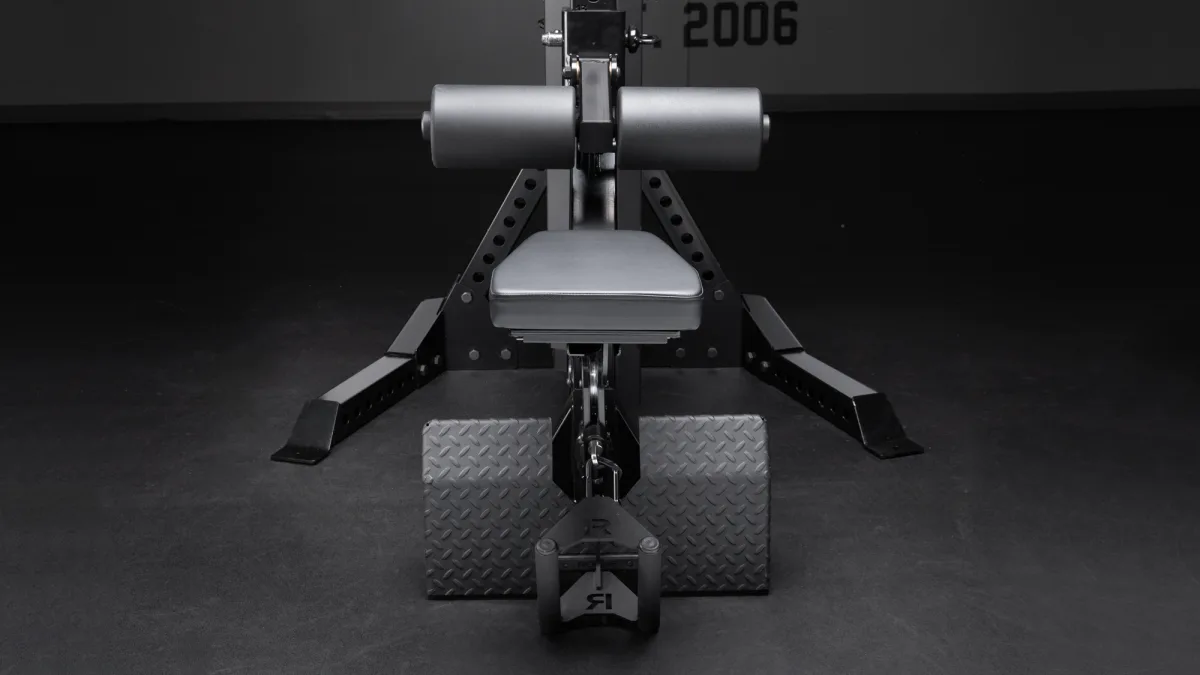
For the listed standalone layout, the CTM-1 measures 52 inches wide and 50 inches deep without the lat seat, with depth increasing to 63 inches with it. The optional seat needs to be considered as part of the configured purchase. A frame measurement is a starting boundary, not a promise that every exercise fits inside that rectangle.
Make two outlines on the floor: the equipment outline and the working area. The second should account for approaching the seat, placing your feet, extending your arms and returning an attachment without hitting other equipment. Check both the beginning and end of a movement. Space that accommodates a seated torso may still put the handle or elbows against something nearby.
Taller lifters should be especially deliberate about seated and overhead positions. A taller tower is not automatically a guarantee of comfortable movement for every body or attachment. Compare your likely seated reach, the chosen handle’s length and the configured cable travel. If a demonstration or showroom trial is available, use it to resolve those specific questions rather than relying on height alone.
Plan where removable pieces will live between exercises, too. A seat, handles and longer bars can create clutter even when the tower itself stays in one place. The most convincing compact setup is one you can enter, adjust and tidy without moving half the room. Back-training apparel below reflects the pulldown and rowing theme; it does not imply an equipment endorsement.

Funny Gym Shirts & Workout Gear
Funny gym shirts, tanks, hoodies and workout gear for lifters who like training hard.

Gym Dost Thou Even Pull Medieval Knight Lat Pulldown Hoodie
Show off your medieval humor in a laid-back “Dost Thou Even Pull Medieval Knight Lat” hoodie.

Shirt Pull Day – Back & Biceps Meme Top T-Shirt
Heavy lifts, good laughs, and a little “Pull Day Graphic” energy.

Wide Privilege – Wide Back Meme Hooded Pullover Hoodie
Make your off-duty look more fun with “Wide Privilege”.


Lat Man Big Back – Jumper With Huge Lats – Back Day T-Shirt
Add a playful “Lat Man Big Back” touch to your casual rotation.

Demon Back Big Back Decal Weight Plates & Water Sticker
Bring “Demon Back” attitude to your water bottle or laptop.


Unbreakable Gains Back Tee
Make gym days more fun with “Unbreakable Gains: Strong Back Greek God” style.


Strong Back Bodybuilder Tee
Show some lifting attitude with a playful “Strong Back Bodybuilder” tee.
Build the purchase checklist around a normal session
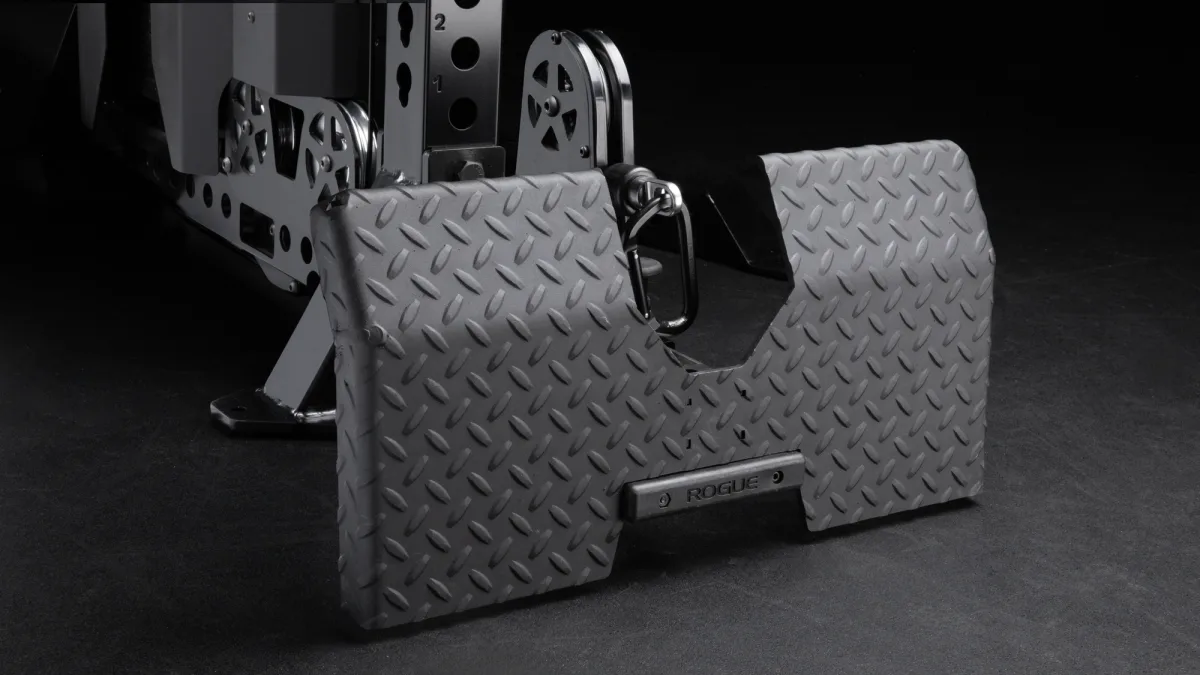
Walk through a hypothetical session before finalizing the cart. Imagine arriving with the station set for a different movement, adjusting it, warming up, changing attachments and putting everything away. Each step exposes a practical question: whether a handle is included, where the seat goes, how you reach the selector and whether the next exercise uses the same outlet.
Separate confirmed inclusions from optional accessories. A photograph showing a seat or bar does not establish what your selected package contains. Save the configured parts list, installation requirements and relevant dimensions together. Include delivery access and assembly arrangements in the budget alongside equipment, without assuming that another owner’s order represents the same configuration.
If you are also considering a freestanding dual-cable machine, the REP Arcadia Max guide to cable ratio and workout fit offers another planning reference. Compare usable positions, working area and the exercises you value. A longer feature list does not answer whether a machine suits your particular room or training partner arrangement.
The CTM-1 deserves consideration when its outlet layout matches your priorities and its installation requirements fit the room. Resolve the ratio, assembly height and occupied working space first; accessory choices become clearer after that. The following cable handles and bars are related browsing options. Confirm attachment suitability and clearance individually rather than assuming cross-brand compatibility.
Equipment Worth Exploring
Explore equipment, accessories and gear from our carefully selected range.

48in Aluminum Lat Bar
48-inch aluminum lat pulldown bar with knurled grip and rotating center swivel.


GymPin D Handle Bar
Multi-use steel D-handle bar for cable rows, pulldowns and other cable exercises.

GymPin Ergo Handles
Pair of ergonomic cable handles shaped for comfortable triceps and pulling exercises.

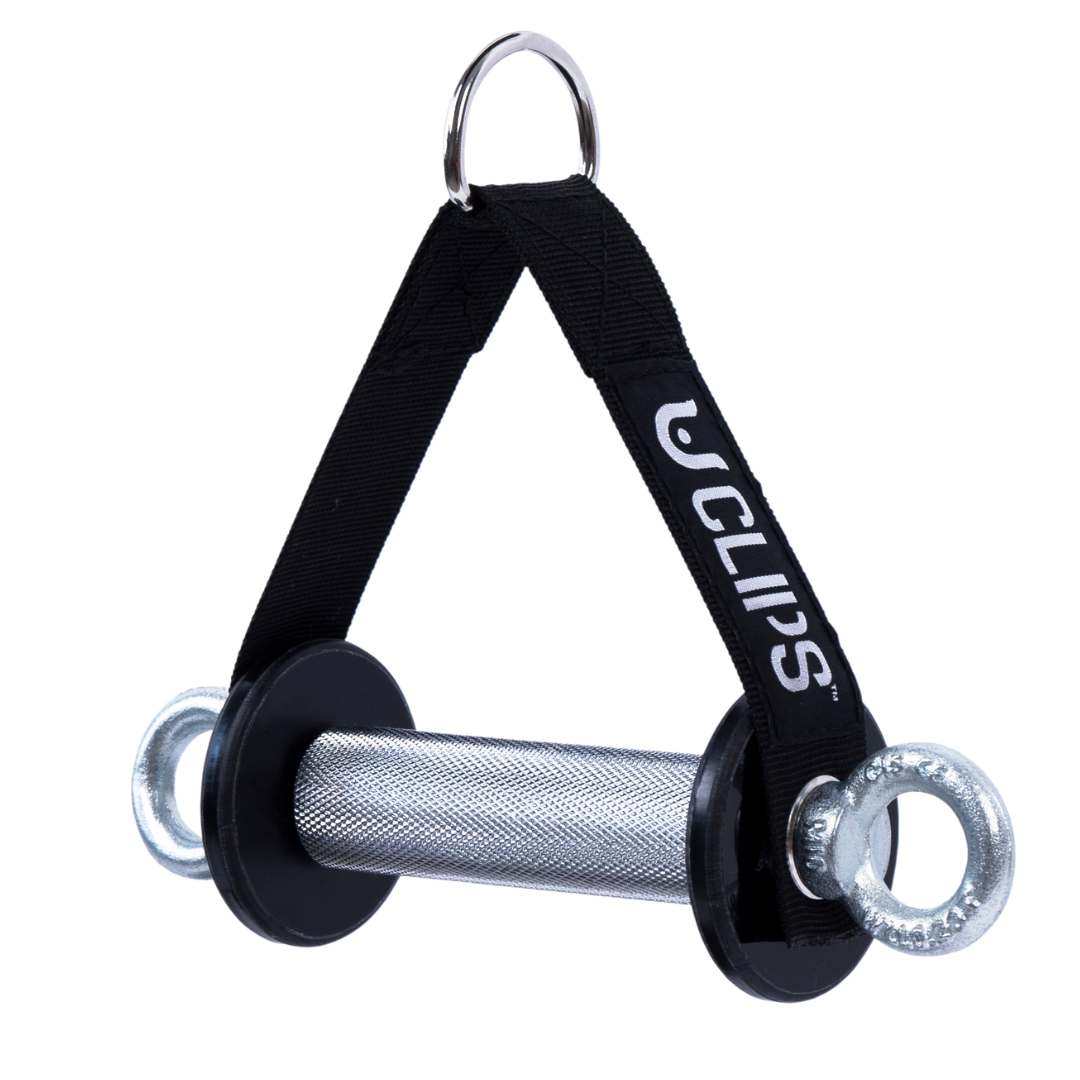
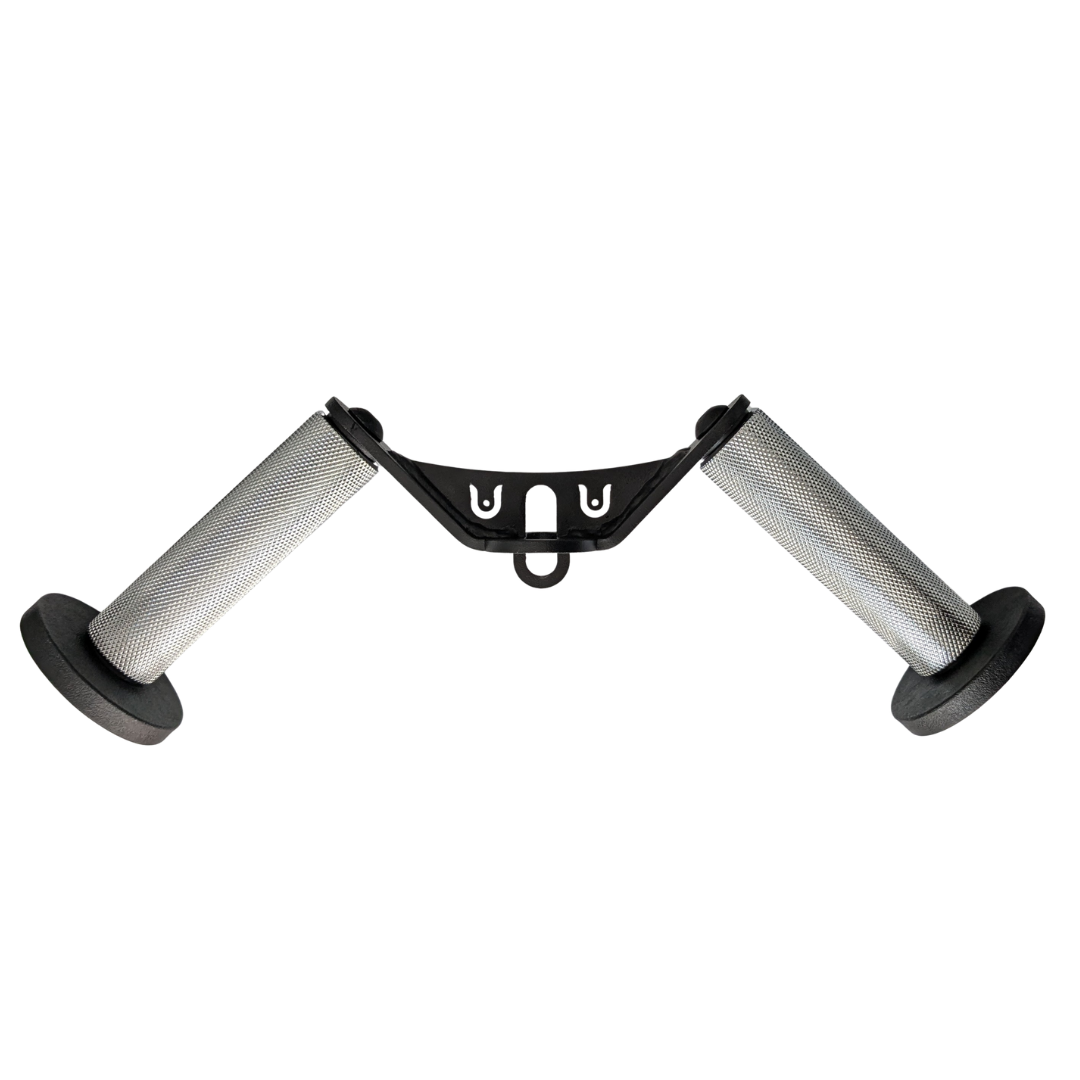
W Grip
Angled cable grip for comfortable rows, pushdowns, and curls.
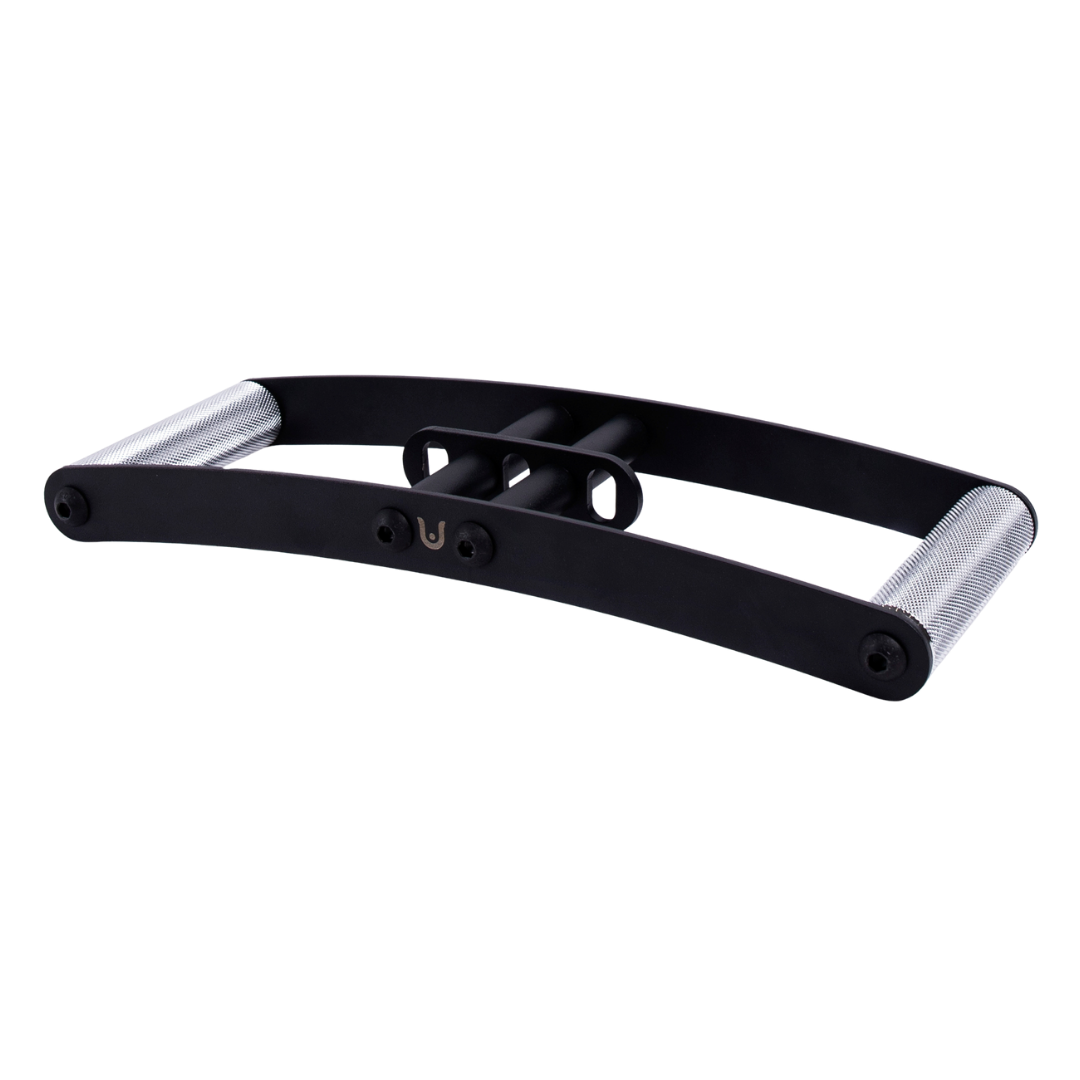
Horizon Grip
Ergonomic V-style cable grip for rows and back training.
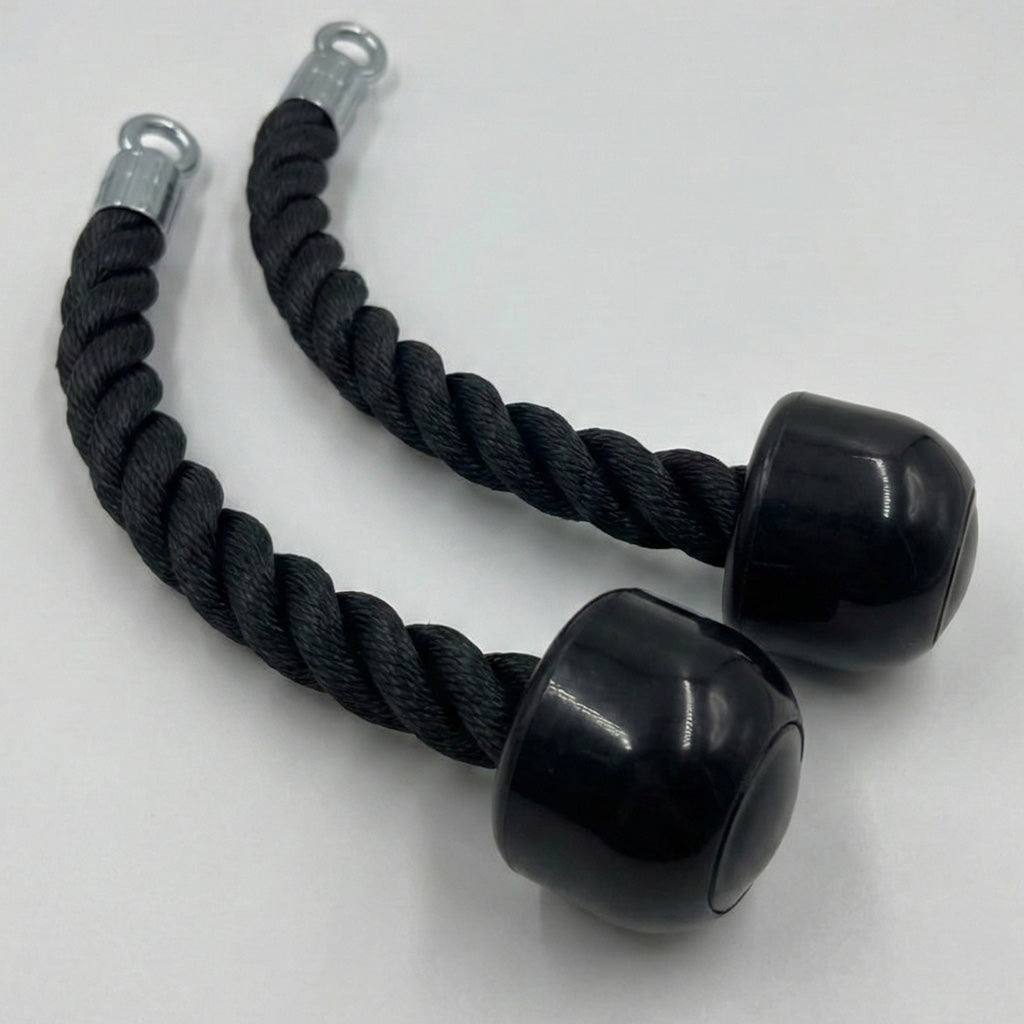
Individual Tricep Ropes
Pair of individual cable ropes for triceps pressdowns and cable hammer curls.

Angles 90 Grips
Flexible grip attachments that allow natural wrist movement during pulling exercises.