Cable lateral raises often feel harder near the bottom, while dumbbells tend to challenge the shoulder most as the arm approaches horizontal. That difference has inspired a familiar gym argument: does one version build wider shoulders faster, or does the resistance curve matter less than lifters think?
An eight-week comparison in resistance-trained men and women put both options into a tightly matched program. Both groups of arms grew, but neither implement established a clear advantage. The useful question is not which exercise wins an internet debate. It is how to use the equipment you have to train the side deltoid consistently, comfortably and progressively.
What the eight-week lateral-raise comparison actually tested
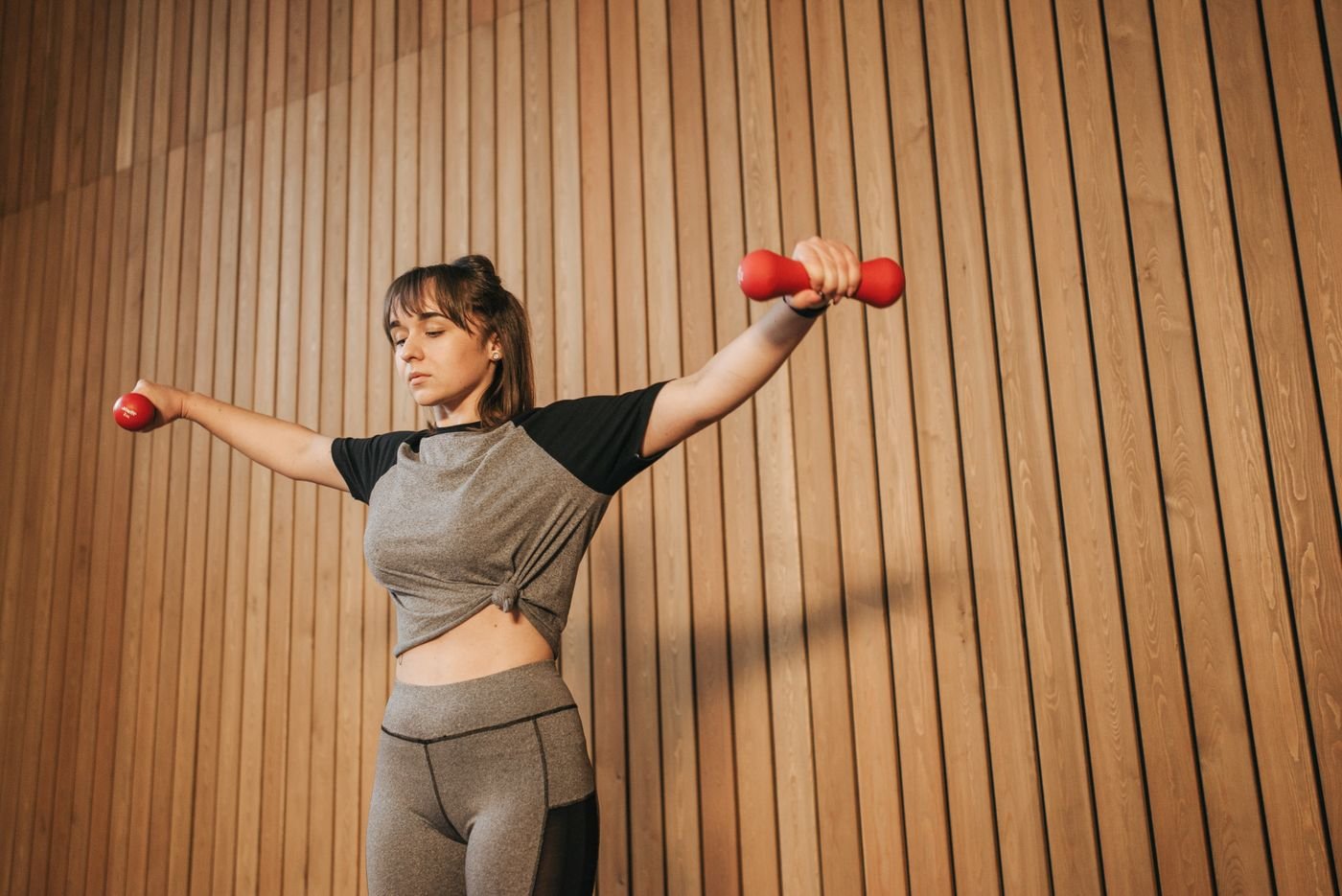
The experiment enrolled 24 resistance-trained adults and used a within-person design: one arm was assigned to cable lateral raises and the other to dumbbell lateral raises. Participants trained twice weekly for eight weeks, performing five sets per arm per session to momentary failure. That amounted to ten demanding weekly sets of the assigned variation, rather than a casual comparison of a few warm-up repetitions.
The researchers matched the shoulder movement range between conditions and used ultrasound to measure muscle thickness at two locations along the lateral deltoid. Across the measured sites, thickness increased by approximately 3.3–4.6 percent during the intervention. The statistical analyses favored no systematic difference between cable and dumbbell conditions. That is useful evidence against a large, inevitable advantage for either tool under these specific conditions.
It is not proof that the exercises are interchangeable in every situation. Eight weeks is short for detecting small differences in trained lifters; ultrasound changes are modest; and the protocol standardized range, volume and effort more closely than most people do outside a study. It also did not test every cable height, lean-away setup, hand path or rep tempo. The finding is narrower and more helpful: when lifters train hard with matched movement, both approaches can grow the side delts.
The design also highlights why anecdotes can mislead. A lifter might switch to cables, add more weekly sets, improve technique and then credit the entire result to the pulley. To compare exercises fairly, keep the actual training dose in view: hard sets, range, proximity to failure, frequency and progression.
Why the resistance feels different with cables and dumbbells
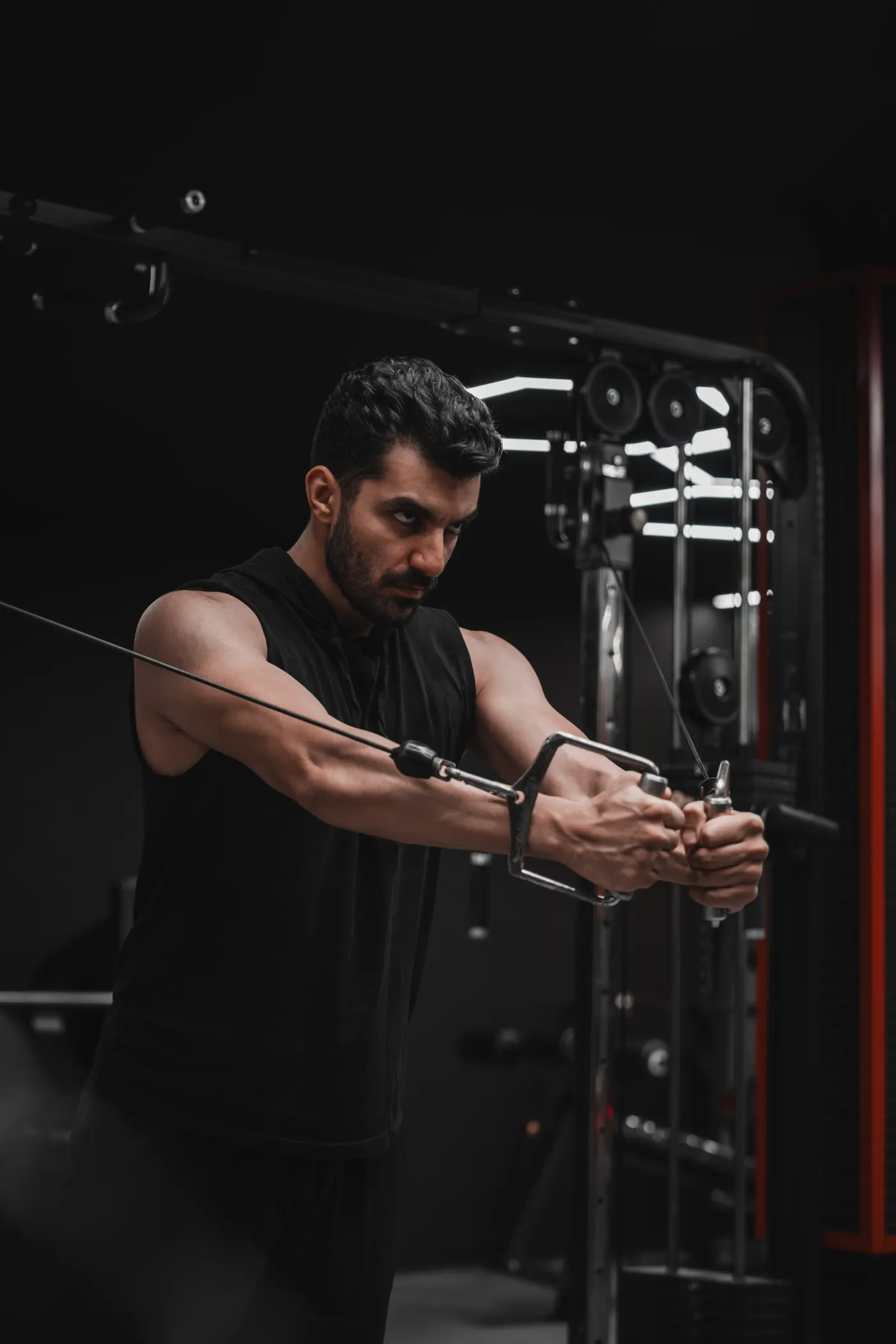
A dumbbell pulls straight down because gravity acts vertically. When the arm hangs close to the body, the weight has a short horizontal distance from the shoulder joint and therefore produces relatively little external shoulder-abduction torque. As the arm moves outward, that moment arm generally increases. The exercise can feel light at the start and hardest nearer shoulder height, even though the dumbbell itself weighs the same throughout.
A cable pulls toward its pulley, not necessarily straight down. If the pulley is positioned low and to the side, the line of force can create a meaningful shoulder moment earlier in the lift. The exact challenge depends on pulley height, distance from the stack, arm position and whether the cable crosses in front of or behind the body. Saying cables always load the stretch is too broad: changing the setup changes the resistance profile.
Neither sensation is a direct measurement of muscle growth. A greater external moment at one joint angle can affect how difficult that part of a repetition feels, but muscle force also depends on joint geometry, changing muscle lengths, coordination and fatigue. You can make either variation more or less demanding with technique and loading choices. The study compared specific implementations, not every possible resistance curve.
The practical lesson is to stop treating a strong burn near the bottom as a guaranteed hypertrophy bonus. Use the profile that allows controlled repetitions, a comfortable shoulder path and enough high-quality effort to progress. Cables may make a long-range setup convenient; dumbbells make loading and setup exceptionally simple.

Equipment Worth Exploring
Explore equipment, accessories and gear from our carefully selected range.
VOLTRA
Compact digital cable trainer with smooth, adjustable resistance.

Go-Tone Pro
Portable digital cable trainer with up to 66 lb (30 kg) of adjustable resistance.



GymPin D Cuffs
Adjustable wrist cuffs with textured grips for supported cable-machine exercises.
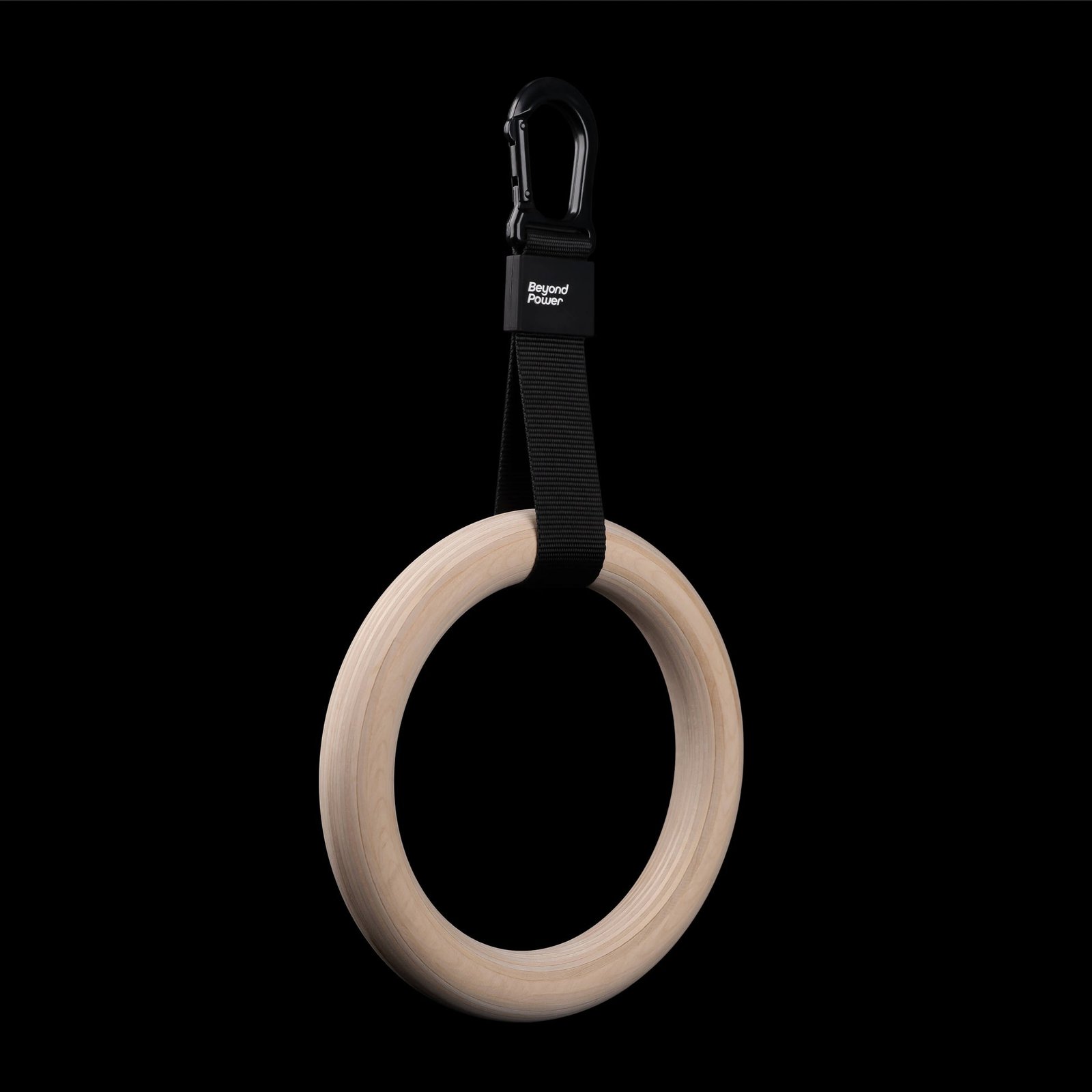

GymPin Ergo Handles
Pair of ergonomic cable handles shaped for comfortable triceps and pulling exercises.

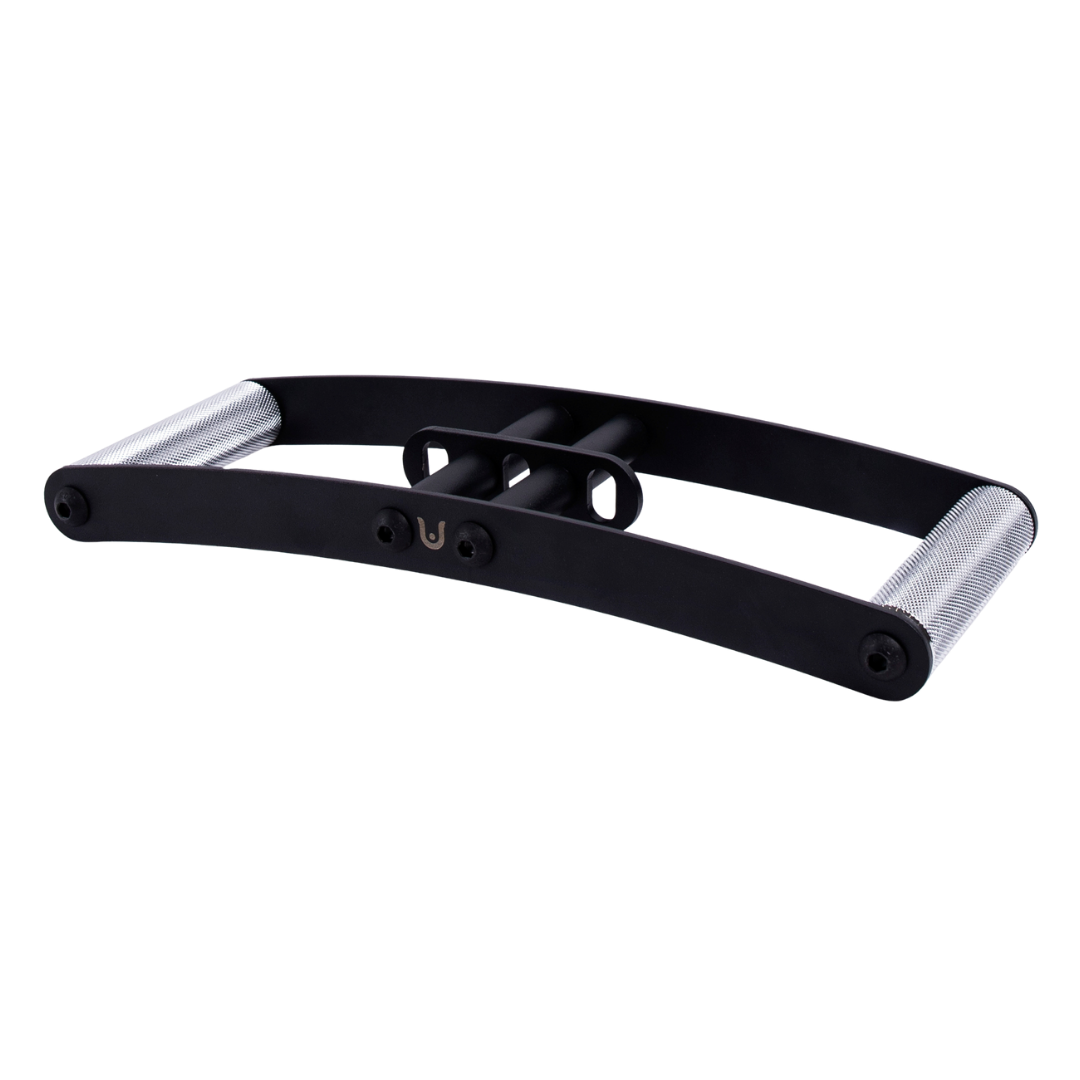
Horizon Grip
Ergonomic V-style cable grip for rows and back training.

How to make dumbbell lateral raises productive
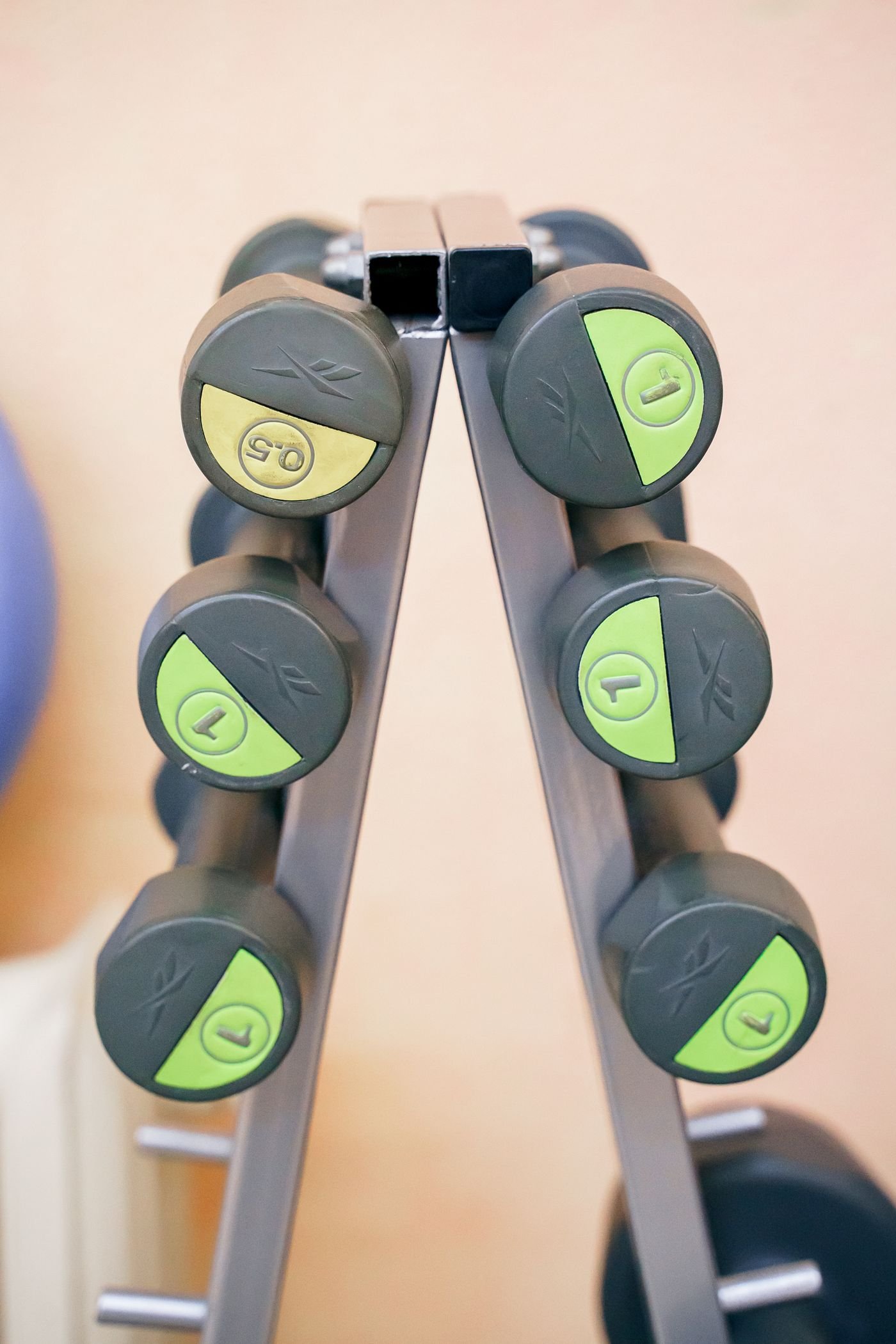
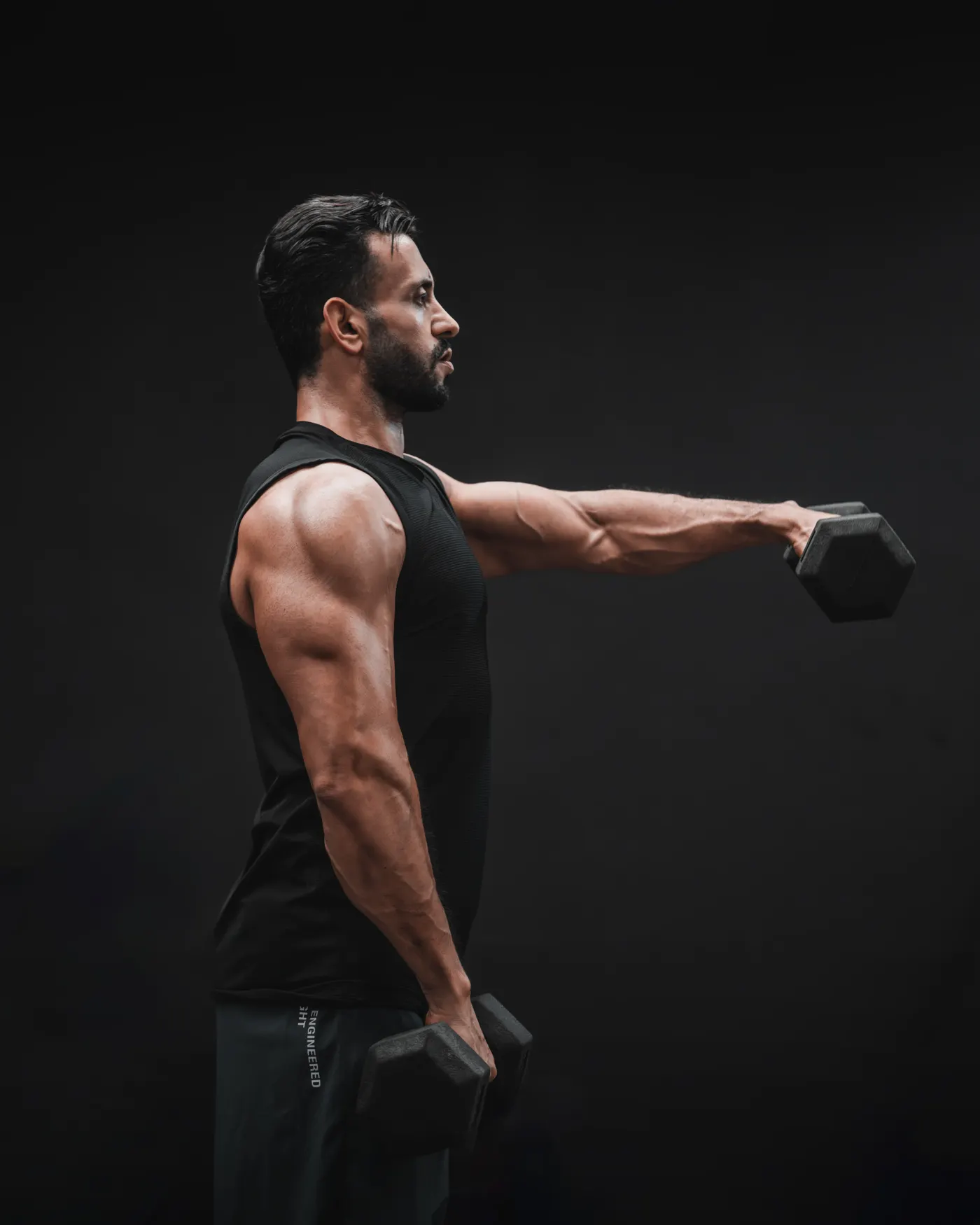
Start with a weight you can move without swinging your torso. Stand tall or sit upright, let the arms hang naturally and keep a soft elbow bend. Raise the upper arms out and slightly forward in a comfortable plane rather than forcing the shoulders into an exaggerated straight-side path. A neutral or mildly turned thumb position is often more comfortable than aggressively pouring the imaginary pitcher at the top.
Lift only as high as you can control without turning the movement into a shrugging contest. For many lifters, roughly shoulder height is a useful endpoint; some prefer a little less range because of discomfort or equipment limitations. Lower deliberately, keeping the shoulder moving rather than letting the body rock. The goal is a repeatable shoulder-abduction pattern, not a competition to move the heaviest dumbbell in the rack.
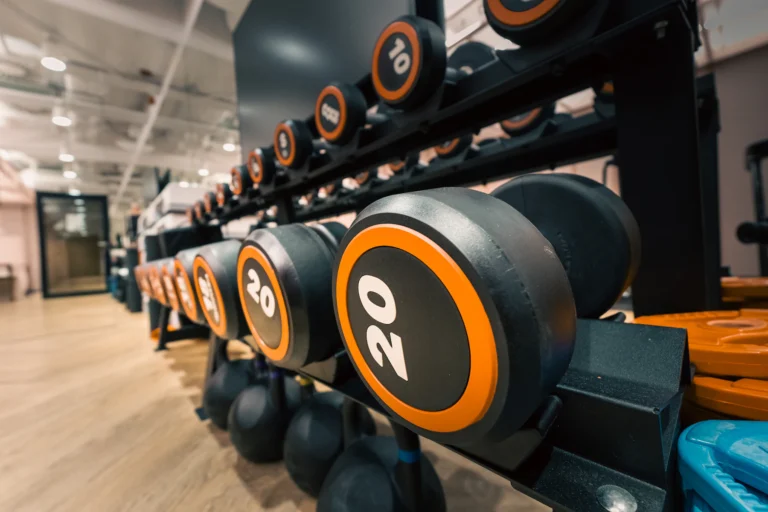
Choose a rep range that keeps the movement honest. Sets of roughly 10–20 repetitions are convenient for many people, but lower or higher repetitions can work when the set is sufficiently challenging and technique remains consistent. If you can add clean repetitions at the same load over several sessions, that is progress. When a heavier pair forces a large change in form, keep the lighter pair and build quality first.
A common mistake is turning the first half of the lift into a violent swing so the dumbbells coast through the hardest range. Some body movement can occur naturally on demanding sets, but momentum should not replace the work you are trying to give the delts. Film a set occasionally from the front and side to see whether the motion you think you perform matches what actually happens.

Bodybuilding Shirts & Workout Gear
Bodybuilding shirts, tanks and gym gear for lifters chasing muscle, size, symmetry and the pump.


Doctor Delts Gym Villain Funny Gym Hoodie
Show off your superhero humor in a laid-back “Doctor Delts Gym Villain” hoodie.

Dumbbell Heartbeat Decal for Water Bottles Laptops Gym Sticker
Bring “Dumbbell Heartbeat” attitude to your water bottle or laptop.

Dumbbell Meme Shirt – Essential & Gymbros Seeking T-Shirt
Make gym days more fun with “Dumbbell Gym Meme” style.

Break The Stereotype Gym | Feminist Workout Muscle Shir Tank Top
Train hard, laugh a little, and rep “Break The Stereotype”.

Heart And Brains Dumbbell Meme : The Ultimate T-Shirt
Make gym days more fun with “Heart and Brains Dumbbell Gym Meme” style.


Installing Muscles Meme – Vest Tank Top
Show some personality between sets with “Installing Muscles Gym Meme”.

Funny I Love Gym Valentine's Day – Gym Lovers Workout P T-Shirt
Show some gym-day personality with “I Love Gym Valentine's Day”.
How to set up cable lateral raises without chasing tricks
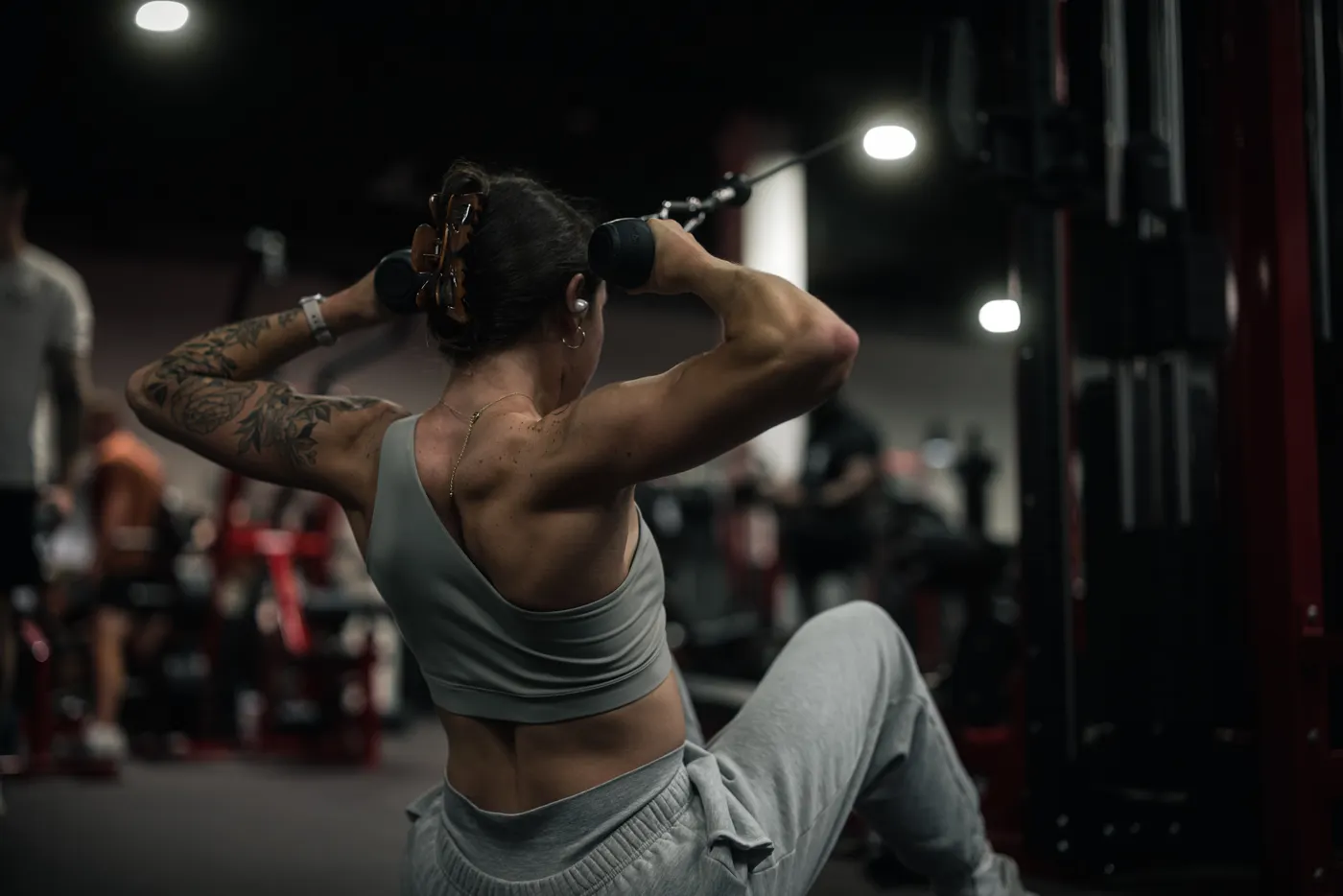
Set a single handle on a low pulley and stand far enough away to maintain cable tension through the intended range. Keep your trunk stable, use a relaxed grip and raise the arm outward in a comfortable path. A handle held across the body can change the starting angle, while a cable that runs behind the body changes both clearance and line of pull. Neither setup is automatically superior for every shoulder.
Check where the cable travels relative to your forearm and torso. If the handle or cable rubs against you, reposition rather than twisting the shoulder to escape the equipment. If the stack touches down before the arm reaches the desired bottom position, step away or adjust the starting point. If the stack is so heavy that the first repetition becomes a whole-body lean, reduce the load.
Unilateral cables can be particularly useful when you want to compare the right and left sides or work around a limited dumbbell increment. Keep the setup symmetrical, record the same stance and pulley height, and do not let a stronger side steal extra repetitions. A cuff may reduce grip demand for some lifters, but it is an optional attachment, not a necessary upgrade. A standard handle works well for most.
For progression, write down the actual cable station and settings alongside the weight. Two machines marked with the same stack number may feel different because of pulley ratios, friction and geometry. The repeatable reference is your own machine, movement and performance. A stable setup beats changing the pulley angle every session in search of a theoretically perfect curve.
Does loading the stretched position guarantee more growth?
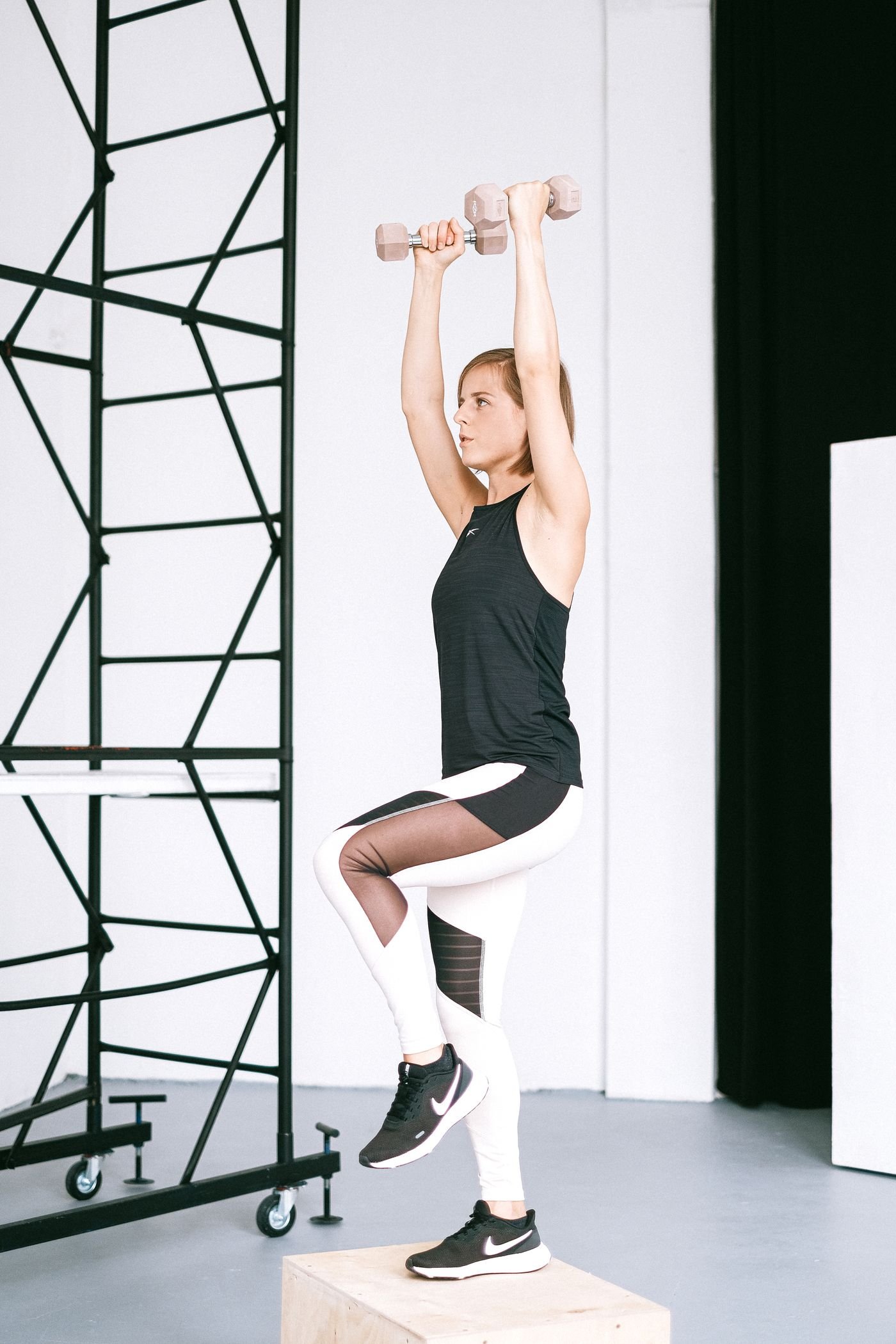
Training at longer muscle lengths can be a useful idea in exercise selection, but it does not translate into a rule that every movement with more bottom-range resistance must outperform every movement with more top-range resistance. Muscle length, external torque and muscle activation are related but distinct. A cable can change the resistance profile without automatically creating a larger hypertrophic stimulus across the entire set.
Research comparing different training modes often finds that both free weights and machines can build muscle when effort and programming are appropriate, even though strength improvements can favor the exact exercise used in testing. Broader evidence on training length and range is mixed and depends on the muscle, exercise and measurement location. The side-deltoid comparison adds a direct test of one practical question rather than settling the whole muscle-length debate.
There are also measurement limitations worth respecting. The trial assessed lateral-deltoid thickness at two sites, not three-dimensional shoulder shape, every muscle region or long-term appearance. A small study may fail to detect a subtle true difference; conversely, a difference in how two exercises feel is not proof of a real difference in growth. Both statements can be true without contradiction.
The best use of the evidence is to avoid unnecessary certainty. If a cable variation lets you train through a comfortable range and maintain tension, keep it. If dumbbells allow stronger effort, easier tracking and better adherence, keep those. Changing exercises simply because a social-media diagram shows a more attractive resistance curve is not a substitute for progressive training.
Equipment Worth Exploring
Explore equipment, accessories and gear from our carefully selected range.

FID Bench MAX
Adjustable bench offering flat, incline, and decline positions + adjustable headrest.

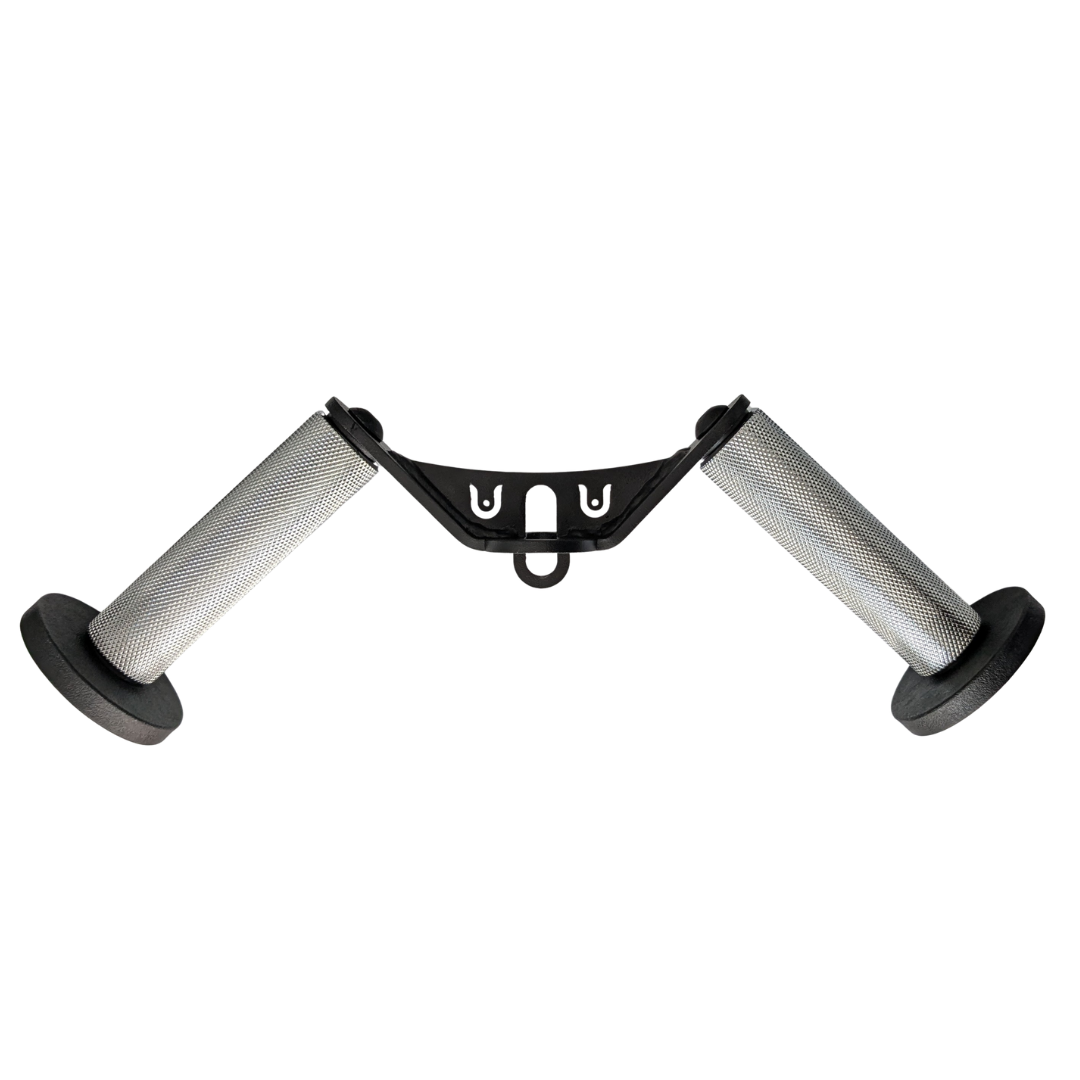
W Grip
Angled cable grip for comfortable rows, pushdowns, and curls.

Leather Wrist Grips
Padded leather lifting grips help support the hands and wrists on heavy pulling exercises.

Angles 90 Grips
Flexible grip attachments that allow natural wrist movement during pulling exercises.

GymPin D Handle Bar
Multi-use steel D-handle bar for cable rows, pulldowns and other cable exercises.

Leather Lifting Straps
Padded leather straps support grip during heavy rows, deadlifts and pulling exercises.


Original GymPin
Adds Olympic plates to compatible cable-machine weight stacks for extra resistance.
A practical two-day side-delt plan
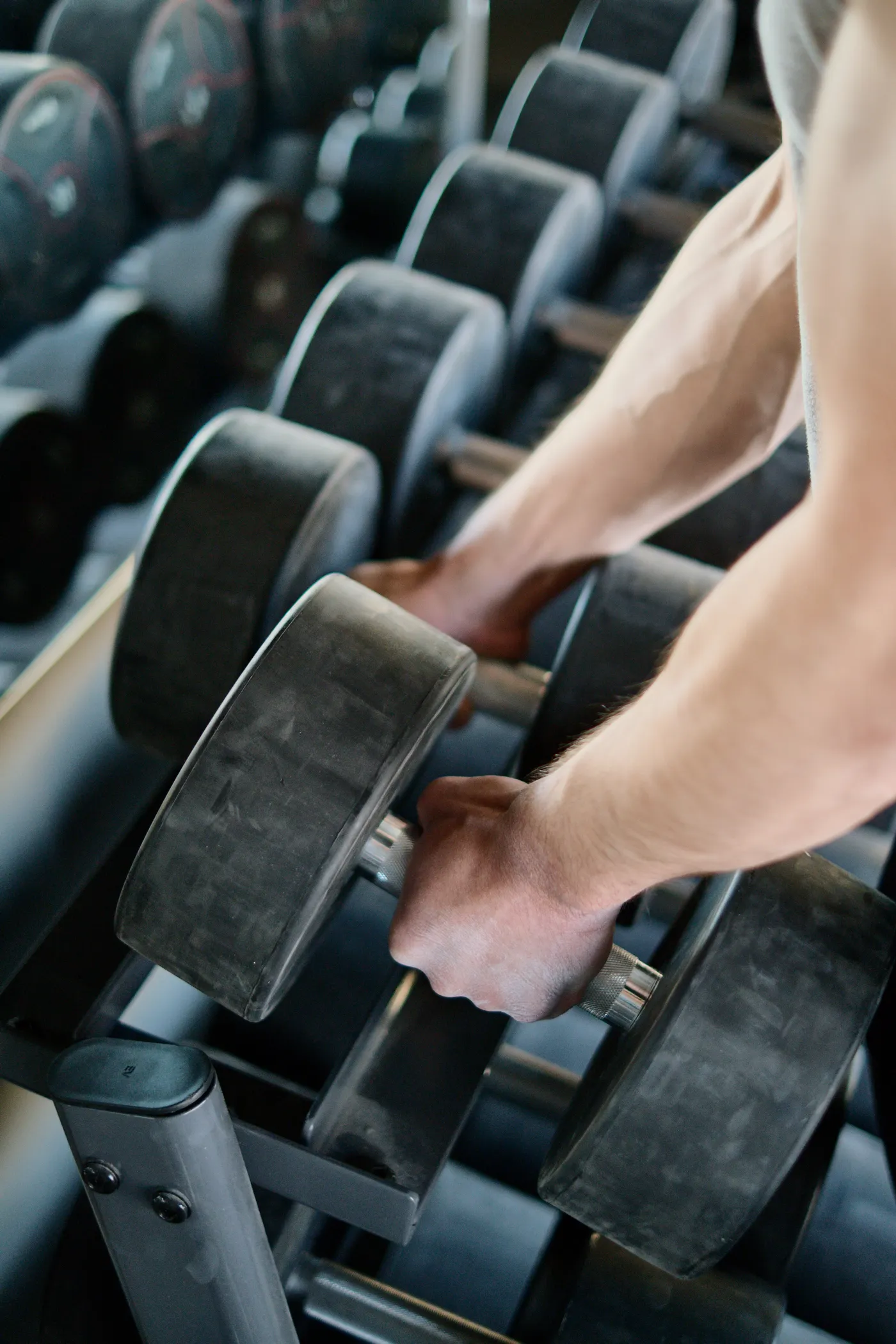
Start by considering the shoulder work already in your program. Overhead presses train several shoulder muscles, but a lateral raise is a more direct way to emphasize shoulder abduction. If side delts are a priority, give them their own sets rather than assuming every pressing set is identical to an isolation set. Do not add volume mechanically if you are already progressing and recovering well.
A simple two-day example is three controlled dumbbell lateral-raise sets on the first upper-body day and three cable lateral-raise sets on the second. Keep roughly two or three days between those sessions if your schedule allows. Use an effort level that leaves perhaps one or two clean repetitions in reserve on early sets, and work closer to your practical limit on the last set when technique remains stable. This is an illustrative starting point, not a mandatory prescription.
Record the load, clean repetitions and any discomfort. Suppose you achieve 14, 12 and 11 repetitions on dumbbells this week. Your next target can be 15, 13 and 12 with the same form. On cables, record pulley height and stance as well as the stack setting. Increase load only when the current setting has become consistently manageable. A training log is more useful than guessing whether one exercise gave a bigger pump.
If the shoulder feels irritated, reduce the range or load, try a more comfortable arm path, or temporarily use the variation that does not provoke symptoms. Pain is not a growth signal. Persistent pain, marked weakness or a sudden loss of range deserves individual assessment. The program should serve your joints and goals, not force you to perform both tools regardless of response.
Funny Gym Shirts & Workout Gear
Funny gym shirts, tanks, hoodies and workout gear for lifters who like training hard.

Meme Pink Dumbbells Top & Gymbros T-Shirt
Rep “Pink Dumbbells” humor in and out of the gym.

Rainbow Dumbbell Pride Shirt – LGBTQ+ Meme & Top T-Shirt
Rep “Rainbow Dumbbell Pride” humor in and out of the gym.

GymRat Ingredients Label Meme Vest Tank Top
Show some personality between sets with “GymRat Ingredients Label”.

Anti Social Gymrat Club – Meme , , & – T-Shirt
Show some lifting attitude with a playful “Anti Social Gymrat Club” tee.

Gymhead Skull Lifting Is On My Mind , & Meme T-Shirt
Heavy lifts, good laughs, and a little “Gymhead” energy.

Gymbros Meme – Buddies & – Gains & T-Shirt
Bring “Gymbros Meme” humor to your next gym day.

OnlyGains Only Gains Meme – , Top & T-Shirt
Bring “OnlyGains Only Gains Gym Meme” humor to your next gym day.

Fight Your Inner Demon , Meme Top T-Shirt
Heavy lifts, good laughs, and a little “Fight Your Inner Demon” energy.


Vitruvian Man With Dumbbells Shirt: Leonardo Da T-Shirt
Bring “Vitruvian Man With Dumbbells” humor to your next gym day.
Cable or dumbbell: which should you actually choose?
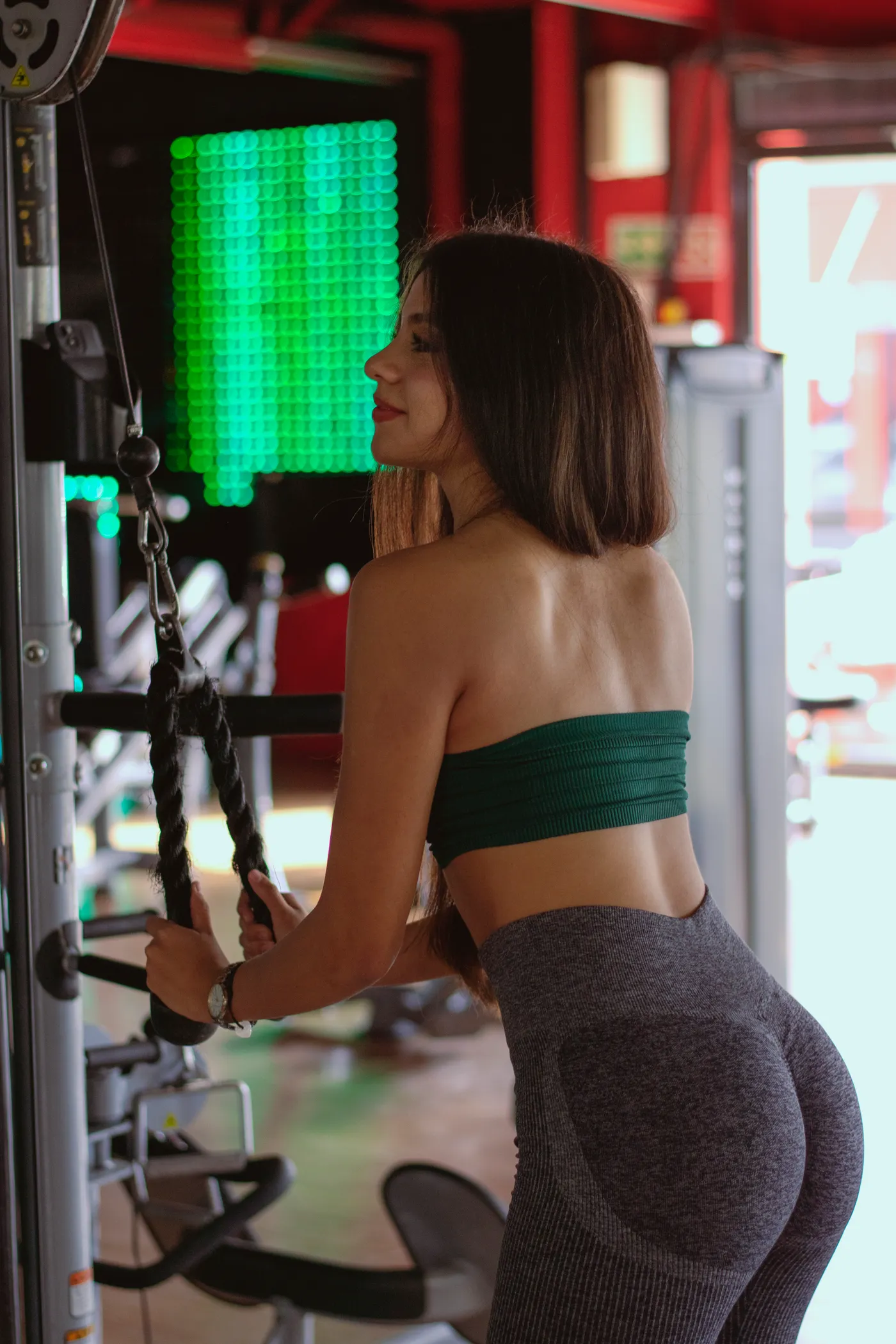
Choose dumbbells when you value quick setup, portability and easy access to a simple movement. Choose cables when you want finer loading increments, a different line of pull or a comfortable single-arm setup. If both are available, alternating them can add variety without turning your training into an endless exercise rotation. If only one is available, the evidence does not suggest you are missing a guaranteed shoulder-growth advantage.
Make the decision with four questions. Can you reproduce the movement each week? Can you train hard without uncontrolled swinging? Does your shoulder tolerate the path and range? Are your repetitions or loads gradually improving? A yes to those questions matters more than an elaborate explanation of why a particular cable angle is supposed to be optimal.
Do not confuse the absence of a clear group difference with a promise that every individual responds identically. Some lifters prefer a low cable because it feels smooth; others find dumbbells more natural. Small individual differences may exist, but the trial was not designed to identify the perfect option for each person. Your own progress over several training blocks is a useful practical check.
For most lifters, the conclusion is refreshingly ordinary: train side delts directly, use a controlled range, take sets close enough to your limit to be challenging, recover, and progress. Cables and dumbbells are both legitimate tools. The exercise you can perform well for months is usually a better bet than the one you choose only because its resistance curve sounds impressive.