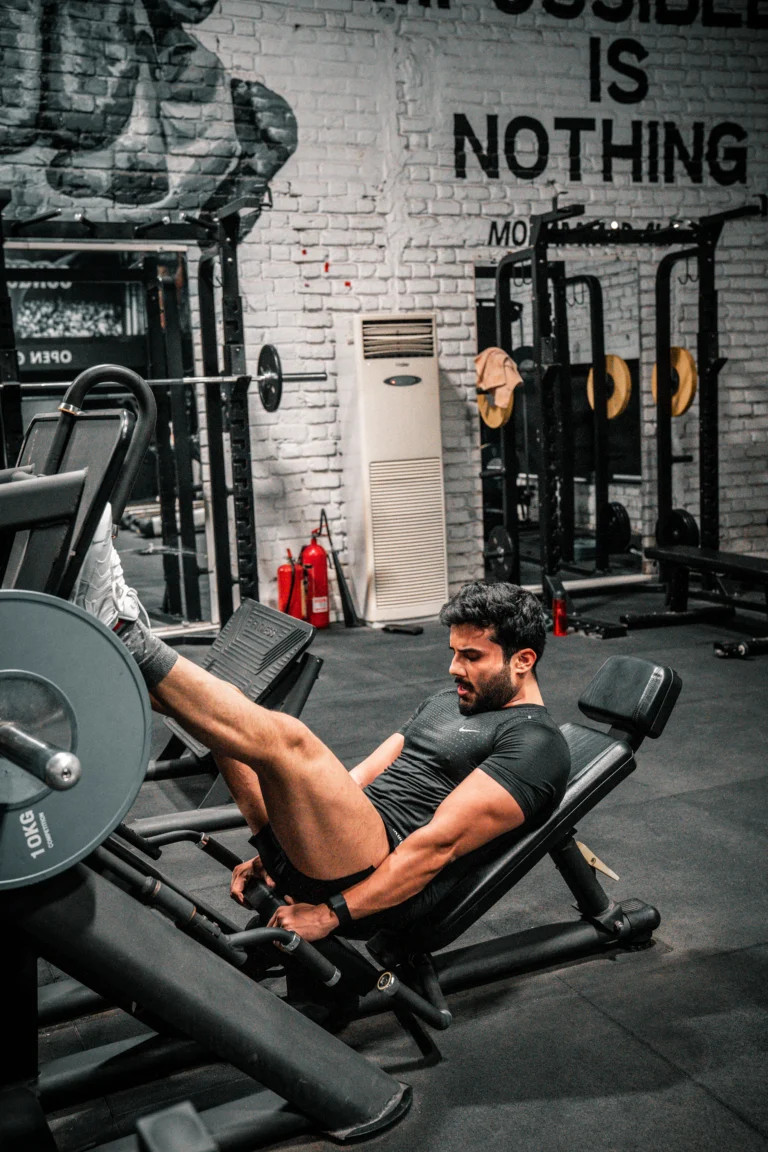
Your first warm-up can make a session feel smooth, but what happens when the workout changes direction? A lifter might begin with bench presses, spend twenty minutes on upper-body work, and then step under a heavy squat bar. Their pulse may still be elevated, yet the legs and squat pattern have received little recent rehearsal. A mid-session re-warm-up is a targeted way to bridge that gap.
Controlled evidence suggests the answer depends on the next lift. An additional warm-up improved squat mechanics when squats followed bench pressing, while the same idea did not clearly improve bench-press mechanics after squats. That difference is more useful than an absolute rule to warm up again before everything. Here is how to decide when extra preparation earns its time, how to keep it from becoming fatigue, and how to test the approach in your own training.
Why a Warm-Up Can Expire During a Workout
Most lifters warm up at the beginning of a session, then treat that preparation as a permanent permission slip for everything that follows. But a warm-up is specific to what you are about to do. A few minutes of cycling and a progression of bench-press sets may prepare the shoulders and pressing pattern well, without doing much to rehearse a heavy squat performed half an hour later. The question is not whether you are still sweating. It is whether your next demanding movement has been prepared.
General preparation and specific preparation solve different problems. Easy movement can raise temperature and make the first few minutes of training feel less abrupt. Specific sets let you feel the bar path, bracing, range of motion and loading pattern you are actually about to use. Neither needs to become a tiring workout of its own. The aim is to arrive at the first work set feeling coordinated and capable, not to collect warm-up volume for its own sake.
Time between exercises matters, but so does the difference between them. Moving from a heavy bench press to a light triceps extension usually requires less rebuilding than switching from upper-body pressing to a heavy squat. Long conversations, equipment queues or extended rest can also change how ready you feel. Re-warming up is therefore best understood as a small, targeted transition, not as restarting the entire session.
What a Squat-and-Bench Experiment Actually Found
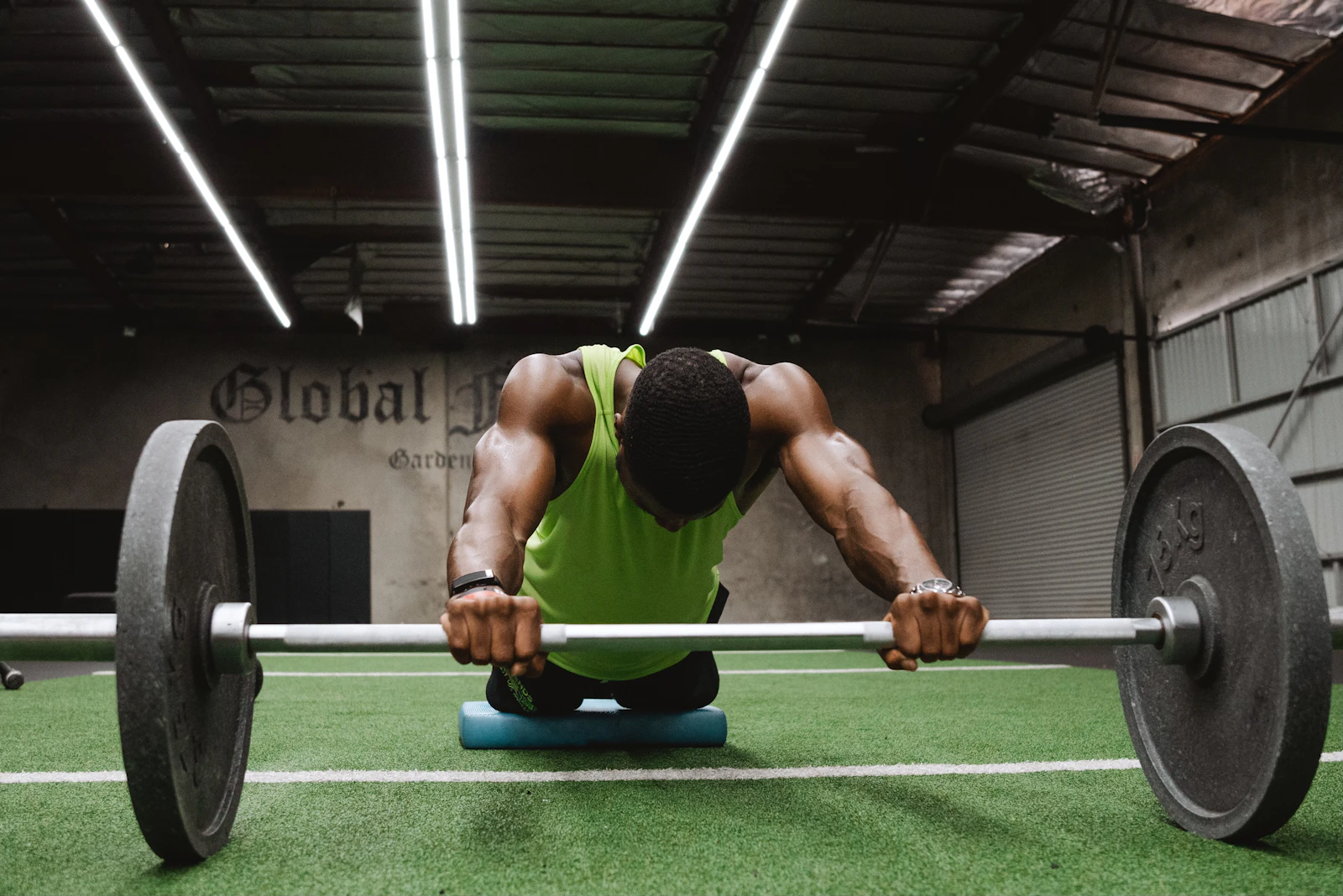
A controlled experiment involving 22 recreationally trained men compared sessions that changed the order of bench presses and squats, with or without an additional movement-specific warm-up before the second exercise. Researchers tracked bar speed, power, velocity loss, effort and physiological responses. That design is useful because it tests a real gym decision: after completing one major lift, should you take a few preparatory sets before the next?
When squats came after bench pressing, the additional warm-up improved squat mean propulsive velocity and power relative to moving straight into squats. The measured effects were moderate rather than enormous. When bench pressing followed squats, the extra warm-up did not produce a similarly clear improvement in bench-press mechanical performance. Some fatigue-related bench measures differed across conditions, but heart-rate, lactate and perceived-effort measures did not reveal a universal physiological reset.
The result is narrower than a blanket claim that every exercise needs a fresh warm-up. The participants were young men with some training experience, the outcomes were acute performance measurements, and the comparison concerned two particular compound lifts. It did not measure injury prevention or long-term muscle growth. Still, it gives a useful reason to treat a heavy lower-body exercise after upper-body work differently from an ordinary accessory exercise later in the session.

Equipment Worth Exploring
Explore equipment, accessories and gear from our carefully selected range.


FID Bench MAX
Adjustable bench offering flat, incline, and decline positions + adjustable headrest.


Safety Squat Handles
Barbell squat handles that reduce shoulder positioning demands during high-bar squats.

GymPin Squat Wedges
Non-slip 15-degree squat wedges help elevate the heels for deeper quad-focused squats.
Why the Second Squat Deserves Special Attention
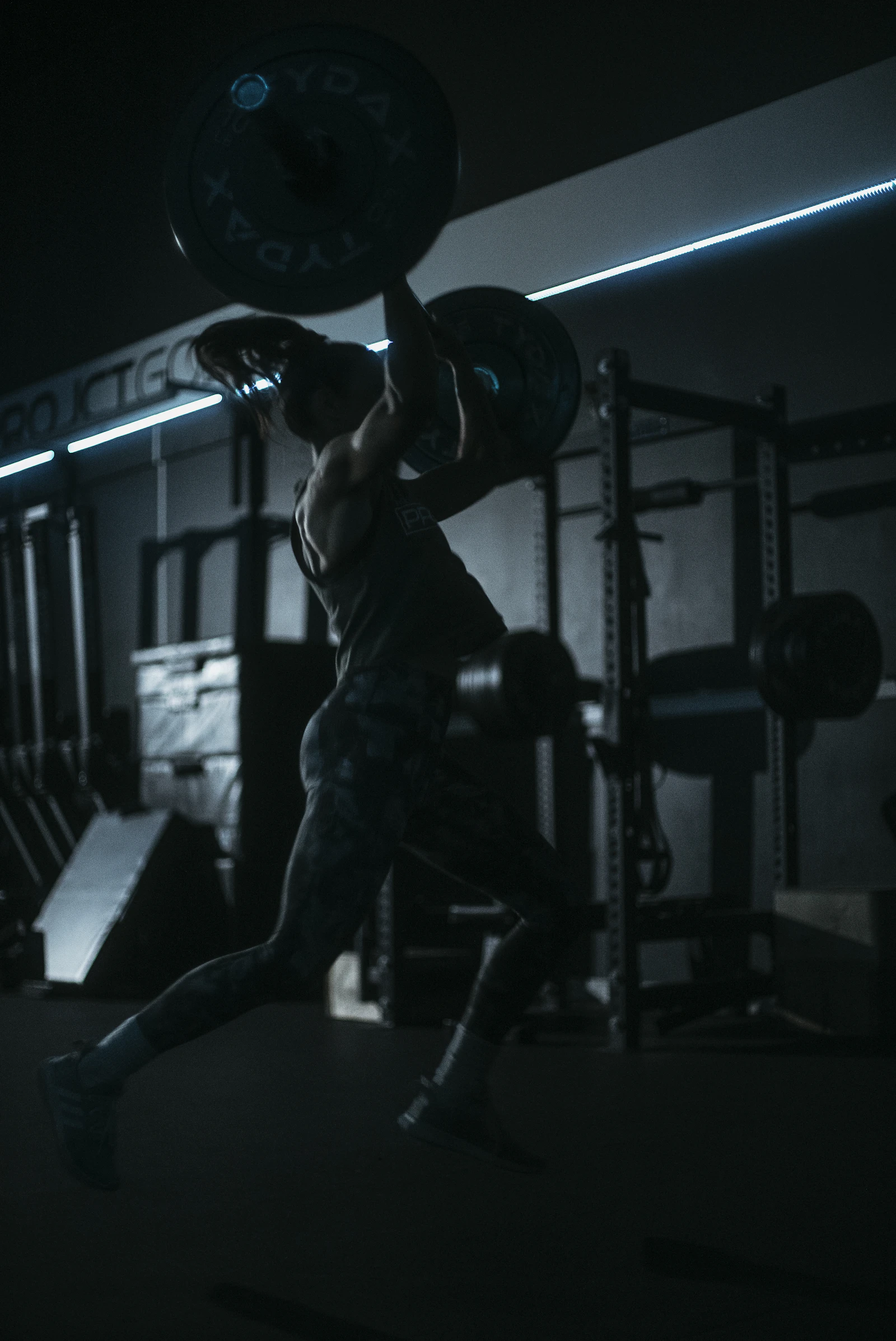
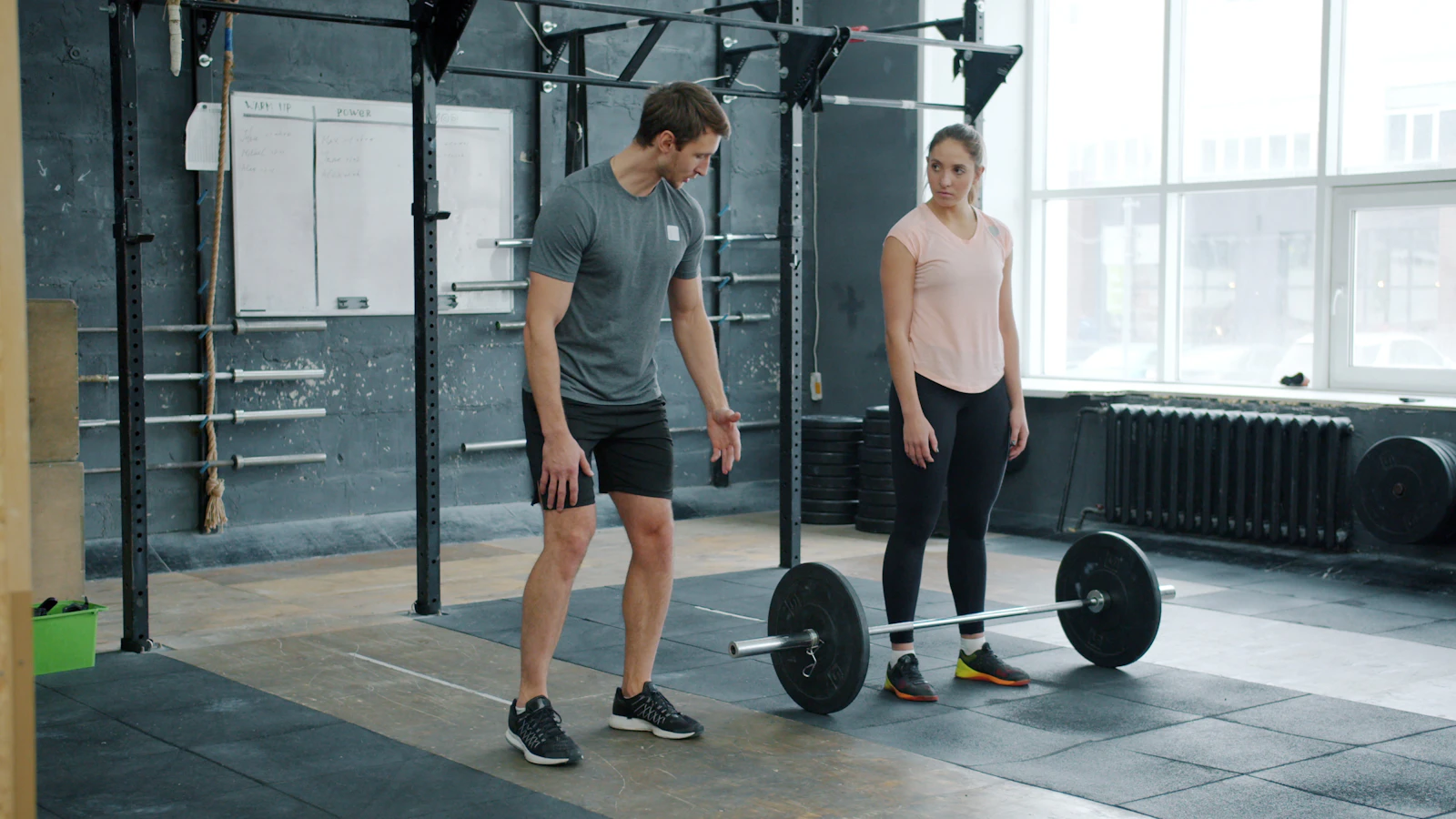
A squat demands more than warm legs. The lifter must establish stance, balance, trunk pressure, depth and a repeatable descent while managing a load that may be much heavier than anything handled during the previous exercise. Even if bench pressing raised your heart rate, it did not provide much practice for coordinating the hips, knees and trunk under a barbell. A short squat-specific ramp can restore that task familiarity before the work sets begin.
For example, imagine a session that starts with three challenging bench sets and then moves to squats at 100 kilograms. After setting the rack height and safeties, the lifter might perform five controlled repetitions with the empty bar, three with 50 kilograms and one or two with 75 kilograms. These are illustrative loads, not a validated prescription. Someone squatting 200 kilograms, someone new to squatting and someone recovering from a long break will need different steps. The important pattern is gradually increasing specificity while decreasing unnecessary repetitions as load rises.
Watch the first work set for evidence that the ramp was sufficient. Did the descent feel controlled? Was depth consistent? Did the first rep move unexpectedly slowly, or did the lifter need to correct their brace mid-set? Those observations are more informative than whether a fixed number of minutes has passed since the original warm-up. If the pattern still feels unfamiliar, a further low-fatigue preparation set may be worthwhile.
Bench Press Is Not Simply the Mirror Image
The same experiment did not show a comparable mechanical benefit when a bench-specific re-warm-up was added after squats. That does not mean bench pressing never needs preparation. It means the value of additional preparation depends on what has already happened, the exercise order and the outcome being measured. A person who warmed up their pressing earlier, then completed squats, may retain enough familiarity with the bench pattern to perform well without an elaborate second ramp.
Other resistance-training experiments also caution against simplistic formulas. In one study of 40 resistance-trained men, heavier exercise-specific preparation tended to favor squat propulsive velocity, while a two-load progression supported aspects of bench-press performance better than the lightest warm-up alone. A separate trial found that a relatively high-load, low-volume warm-up before training could improve session work compared with lighter preparations. Neither finding justifies performing near-maximal, exhausting sets before every exercise. The useful lesson is that load selection and fatigue both matter.
For a heavy bench press later in a session, start with one comfortable rehearsal set and evaluate shoulder position, grip, bar path and speed. Add another progression set if the first feels stiff or if the planned work weight is demanding. For light chest accessories after benching, repeating a full bench-style ramp usually adds little. The best warm-up is the least tiring preparation that makes the upcoming task feel technically dependable.

Powerlifting Shirts & Lifting Gear
Powerlifting shirts and gym gear for squat, bench and deadlift lifters who live for heavy numbers.

Breathe In Between Sets Pink Floyd Rock Music Meme & T-Shirt
Heavy lifts, good laughs, and a little “Breathe In Between Sets” energy.


Bending Bars Meme – Barbell Squat Bench Deadlift, & T-Shirt
Heavy lifts, good laughs, and a little “Bending Bars Gym Meme” energy.


Legday Gains – Squats & Deadlifts , Top Gymbros & T-Shirt
Heavy lifts, good laughs, and a little “Legday Gains” energy.

Nice Try Gravity Astronaut Deadlift – , Gymbros & T-Shirt
Rep “Nice Try Gravity Astronaut Deadlift” humor in and out of the gym.

4 Plates Deadlift Club – Motivational & Gymbros T-Shirt
Make gym days more fun with “4 Plates Deadlift Club” style.

One More Rep Shirt: Motivational & T-Shirt
Make gym days more fun with “One More Rep” style.
General Heat, Specific Practice and Fatigue
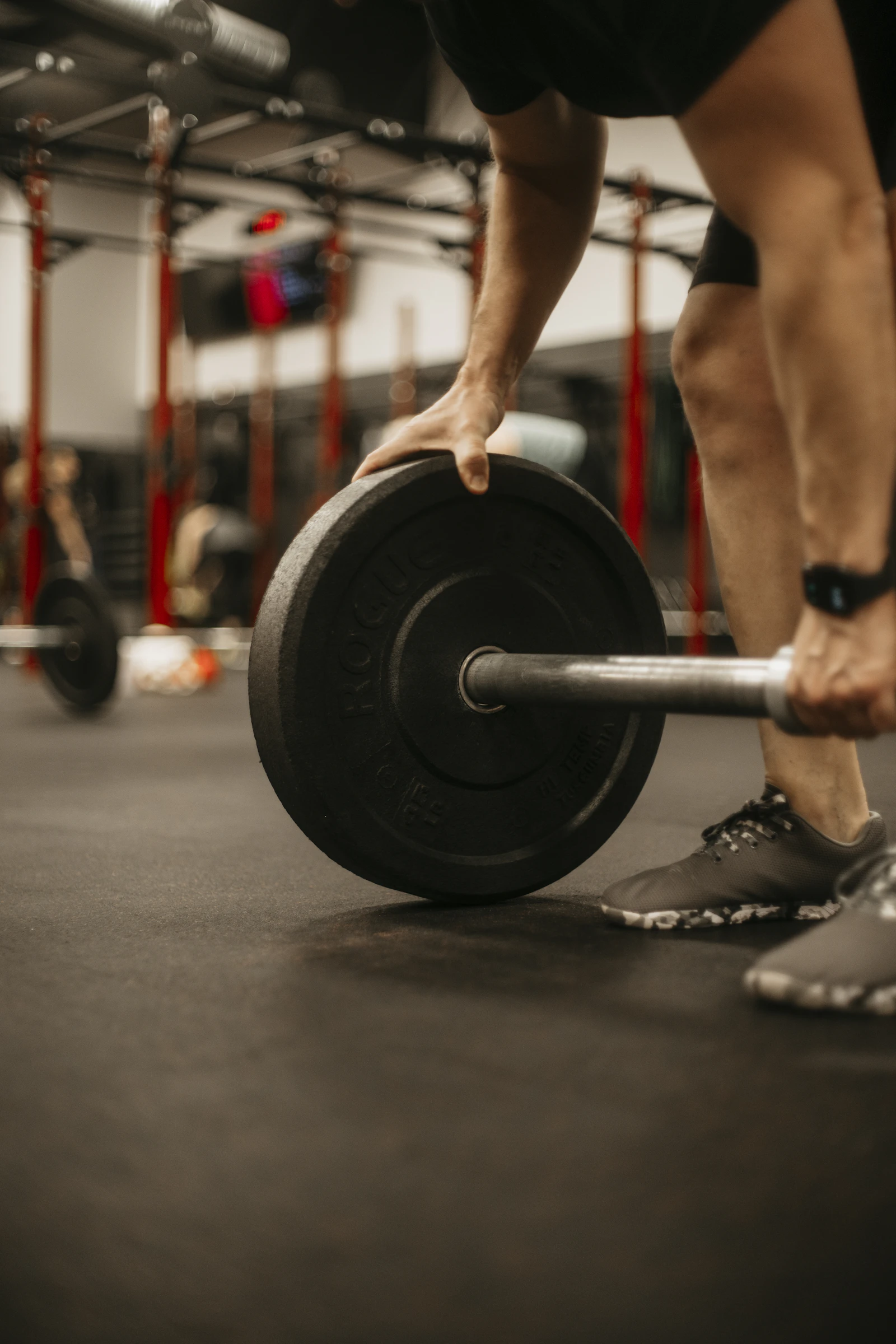
A broader review of resistance-training warm-up research found mixed results rather than one universally superior protocol. Some studies favored exercise-specific work, others found little difference, and results depended on whether the outcome was a maximum lift or repetitions performed. That variability makes sense: warming up is a balancing act between becoming ready and using energy you would rather save for the work sets.
General activity can help when you enter the gym cold, after sitting for hours or in a chilly training environment. In a small leg-press study, adding a substantial general warm-up to specific preparation produced a higher measured one-repetition maximum than specific preparation alone. But that experiment used 13 participants and a 20-minute cycling protocol before maximal testing. It is not proof that every hypertrophy session needs twenty minutes of cardio, especially if that cardio itself becomes tiring.
Specific rehearsal matters most when the exercise is technically demanding, heavy or unfamiliar. A squat, deadlift or Olympic lift places a premium on reproducing a stable movement pattern under load. By contrast, a familiar cable curl after several pulling exercises may need only a brief feeler set. The correct dose is contextual: more preparation for heavy and complex tasks, less for familiar low-risk accessories, and no unnecessary fatigue. The aim is not a dramatic pump or breathlessness; it is a confident first working repetition.
Equipment Worth Exploring
Explore equipment, accessories and gear from our carefully selected range.


VOLTRA
Compact digital cable trainer with smooth, adjustable resistance.

Go-Tone Pro
Portable digital cable trainer with up to 66 lb (30 kg) of adjustable resistance.


GymPin Mag Pin V2
Magnetic selector pin designed to secure weight selection on compatible pin-loaded machines.
A Practical Mid-Session Re-Warm-Up Decision Tree
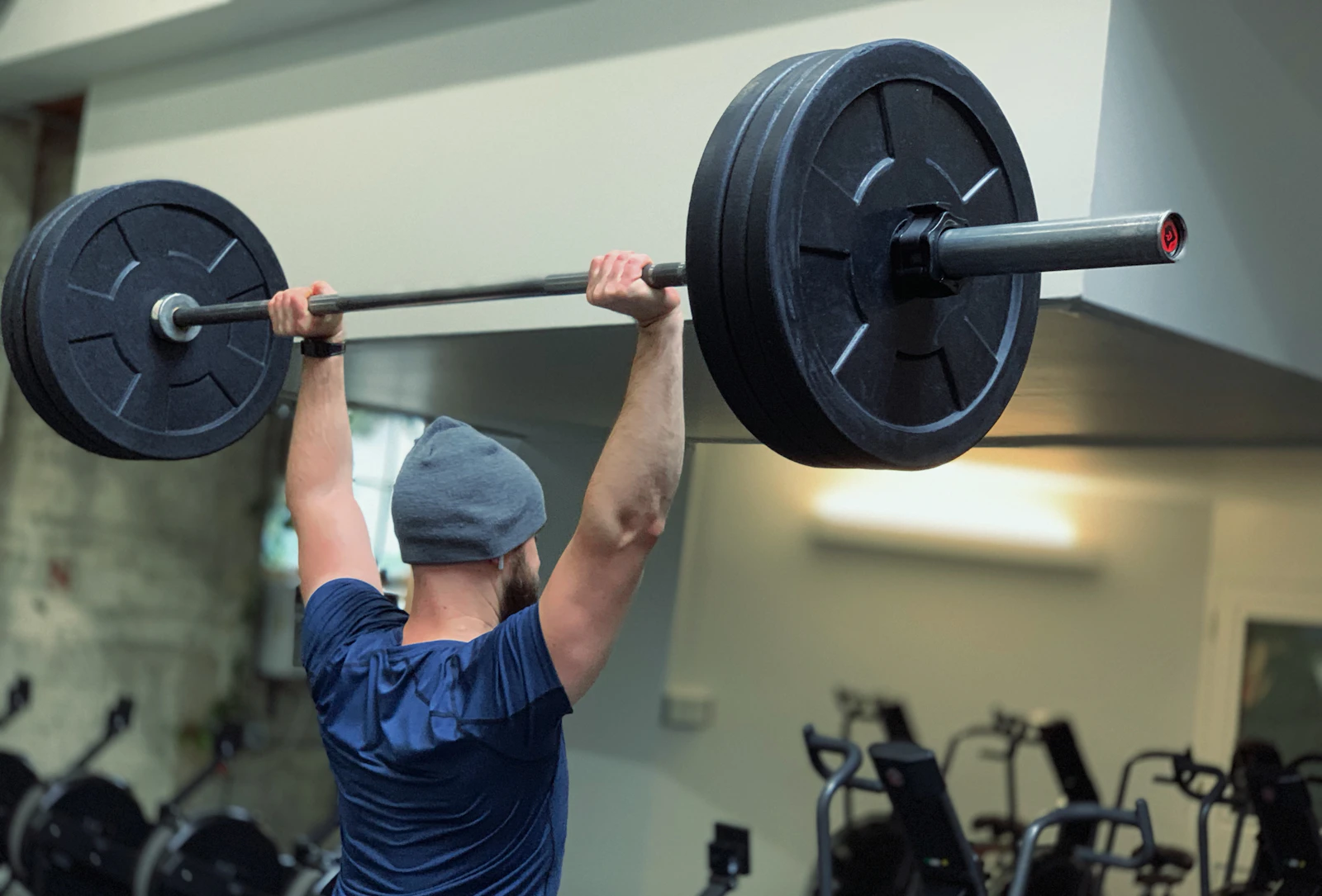
Before the next exercise, ask three questions. First, is the movement pattern substantially different from the one just trained? Second, will the next work set be heavy or technically demanding? Third, have you been inactive long enough to feel noticeably less ready? A clear yes to more than one question is a strong practical reason to perform a brief specific progression. A no to all three usually means a single easy rehearsal, or even a direct transition for a light isolation movement, may be enough.
Use the first warm-up set as a diagnostic. Choose a load that permits comfortable technique, keep repetitions well short of fatigue and note whether the range of motion feels natural. If the movement is crisp, make a small jump toward working weight. If it is awkward, repeat or slightly increase the preparatory load rather than immediately attempting the hardest set. This is a readiness check, not a hidden extra training set to failure.
For example, a lifter switching from bench press to heavy squats could use two or three ascending sets. Moving from rows to pulldowns might call for one lighter set to confirm shoulder comfort and the cable path. Moving from leg extensions to a moderate leg curl may require very little. None of these examples is a rigid percentage formula. Your strength level, exercise complexity, previous activity, temperature and joint comfort determine how much rehearsal is useful. Sharp pain, instability or a suddenly unfamiliar movement is a reason to reduce or stop loading, not to force more warm-up reps.
How to Test the Right Amount in Your Own Program
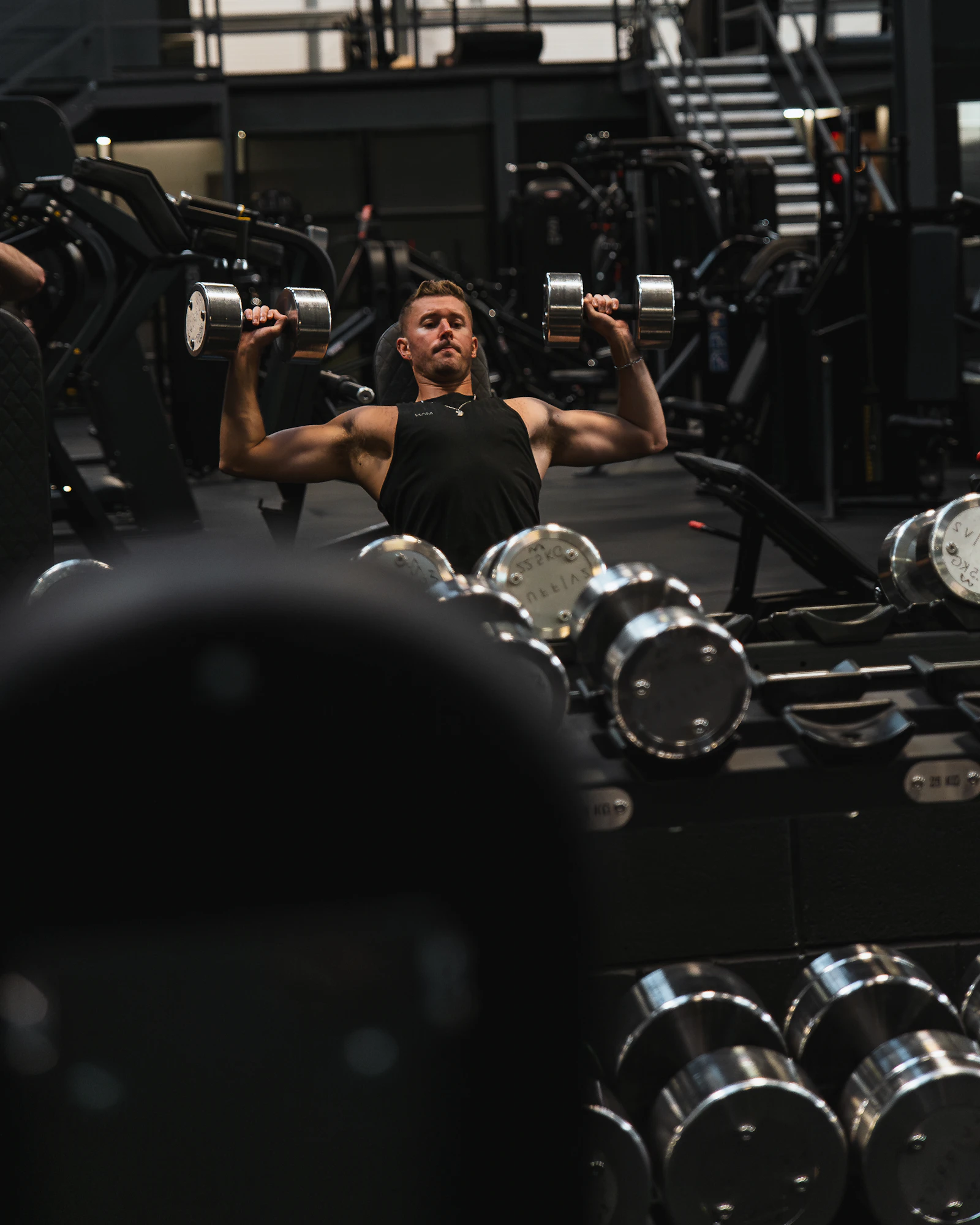
Choose one repeated exercise transition rather than changing your whole program. For two weeks, record the same second exercise after approximately the same first exercise, using your normal preparation. Note the working weight, first-set clean repetitions, subjective readiness, rest duration and whether bar speed or technique deteriorates. For the next two weeks, add one or two short specific warm-up sets before that second exercise while keeping work-set loads, rest periods and exercise order as similar as practical.
Compare the results with modest expectations. If the extra sets consistently make the first work set smoother without reducing later performance, they may be worth keeping. If they add time and leave you more tired with no noticeable benefit, scale them back. One excellent day is not proof; sleep, food, motivation and ordinary variation can change a session. The experiment is a personal programming check, not a substitute for controlled research.
For strength testing or unusually heavy singles, use a more deliberate progression and appropriate spotting or safeties. For normal hypertrophy work, prioritize repeatable hard sets over a complicated pre-lift ritual. Above all, do not confuse a better acute bar-speed measurement with guaranteed long-term gains. The sensible takeaway is simple: warm up for the movement you are about to perform, revisit that preparation when the task changes substantially, and stop adding sets once they cease to help.
Funny Gym Shirts & Workout Gear
Funny gym shirts, tanks, hoodies and workout gear for lifters who like training hard.

Shirt – I Want You To Do One More Rep Uncle Sam T-Shirt
Make gym days more fun with “I Want You To Do One More Rep Uncle Sam” style.

Platehead Powerlifting Tee
Heavy lifts, good laughs, and a little “Platehead Gym Skull” energy.

Gymhead Skull Plate – , Meme Shirt Bros & T-Shirt
Make gym days more fun with “Gymhead Skull Plate” style.


Shirt – Squat Bench Deads Gains T-Shirt
Heavy lifts, good laughs, and a little “Squat Bench Deads” energy.

Squat Bench Deadlift Read Shirt Literary Bookworm Top T-Shirt
Bring “Squat Bench Deadlift Read” humor to your next gym day.

Motivation – Barbell Meme Strong , Leg Day Squats & T-Shirt
Make gym days more fun with “Gym Motivation” style.

Shirt: Good Argument But I Bench More Than You – T-Shirt
Make gym days more fun with “: Good Argument But I Bench More Than You” style.

Spit Preworkout In My Mouth Meme Weightlifting, & T-Shirt
Show some lifting attitude with a playful “Spit Preworkout In My Mouth Meme” tee.

99.1% Pure Preworkout – Meme Lovers, & Gymbros – T-Shirt
Show some lifting attitude with a playful “99.1% Pure Preworkout” tee.