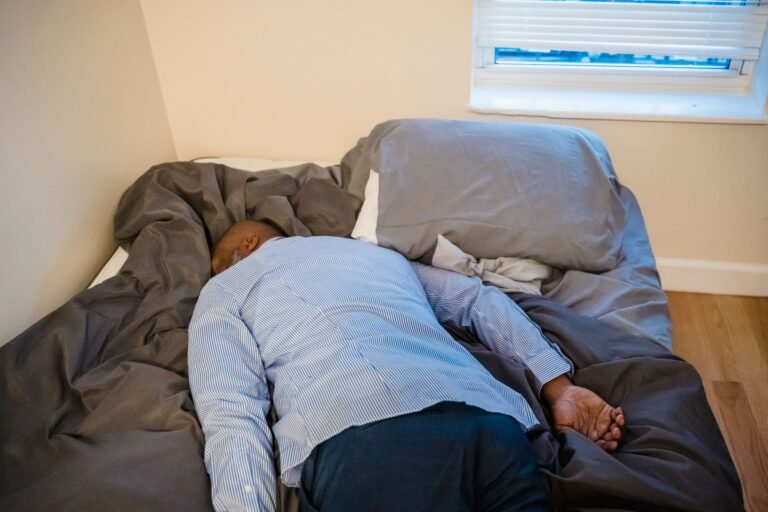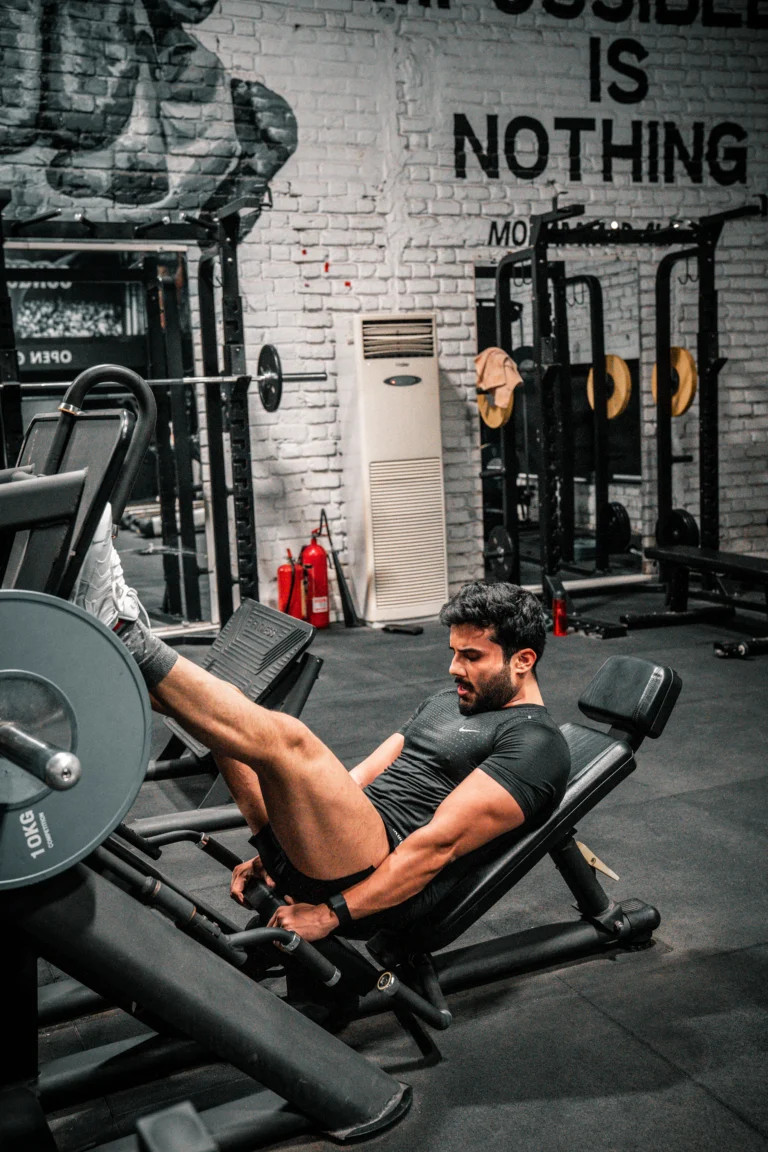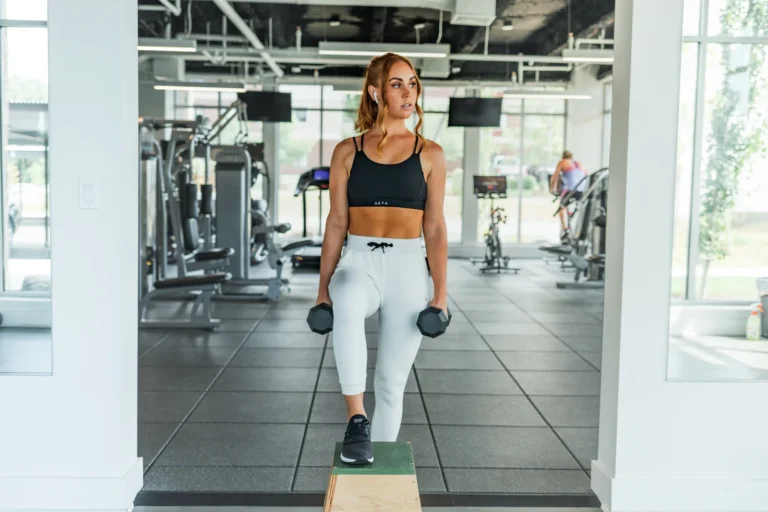
There is a familiar trap after a demanding lifting session: if your legs hurt on the stairs the next morning, the workout must have worked. If you feel almost normal, perhaps you did not push hard enough. Neither conclusion follows. Muscle soreness is a real response to training, but it is an unreliable score for muscle growth, strength gains or programming quality.
What matters is the pattern behind the discomfort: whether the exercise was unfamiliar, how much work you added, whether normal movement returns and whether you can perform the next planned session. A useful recovery plan treats soreness as one signal among several, not a trophy to collect or a sensation to ignore.
What muscle soreness tells you – and what it cannot measure
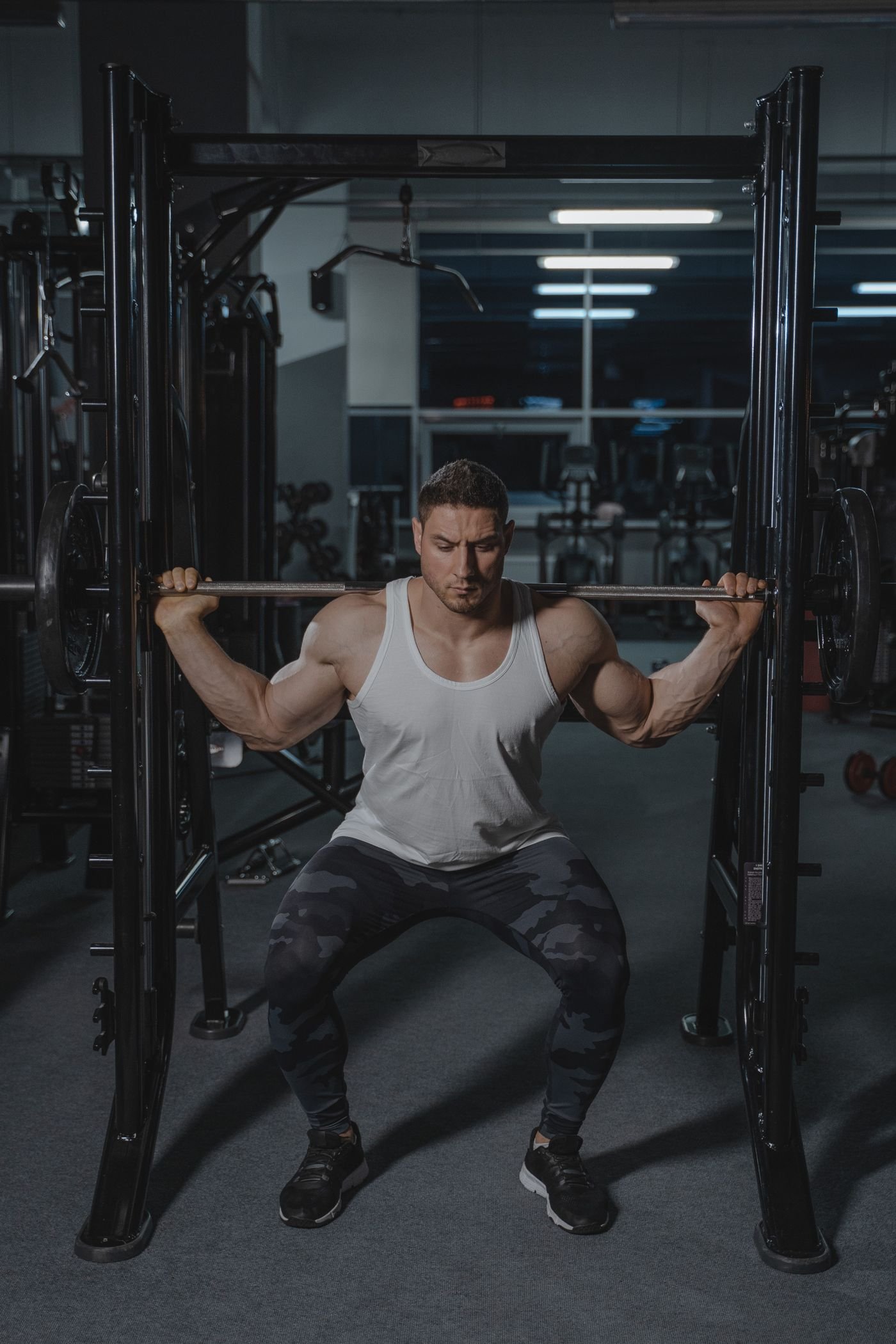
Delayed-onset muscle soreness, or DOMS, is the tenderness and stiffness that often appears after a demanding or unfamiliar workout. It may begin the following day, feel strongest within roughly one to three days, and gradually settle over several more. The experience can include sensitivity when you touch a muscle, discomfort while lowering into a chair, or a temporarily reduced range of motion. That is different from sharp pain that begins during a repetition.
DOMS is associated with the response to exercise-induced muscle disruption and the body’s subsequent repair processes. But soreness is a sensation, not a direct measurement of microscopic damage, protein synthesis or future growth. Two people can complete the same session and report very different soreness. The same person can also become less sore while progressing to heavier loads and more repetitions over a training block.
That distinction matters because the best training stimulus is not the one that leaves you least able to move. The productive session is one you can recover from, repeat and progressively improve. If a new squat variation leaves your quads tender for two days, that tells you the exposure was unusual or challenging. It does not tell you that the variation is automatically superior to your usual squat.
Instead of rating the session by next-day pain, track the exercises performed, hard sets, repetitions, resistance and technique. Look for trends over several weeks. Soreness can help you identify an excessive jump in workload, but it cannot replace objective performance and consistency.
Why new exercises and lowering phases create more soreness
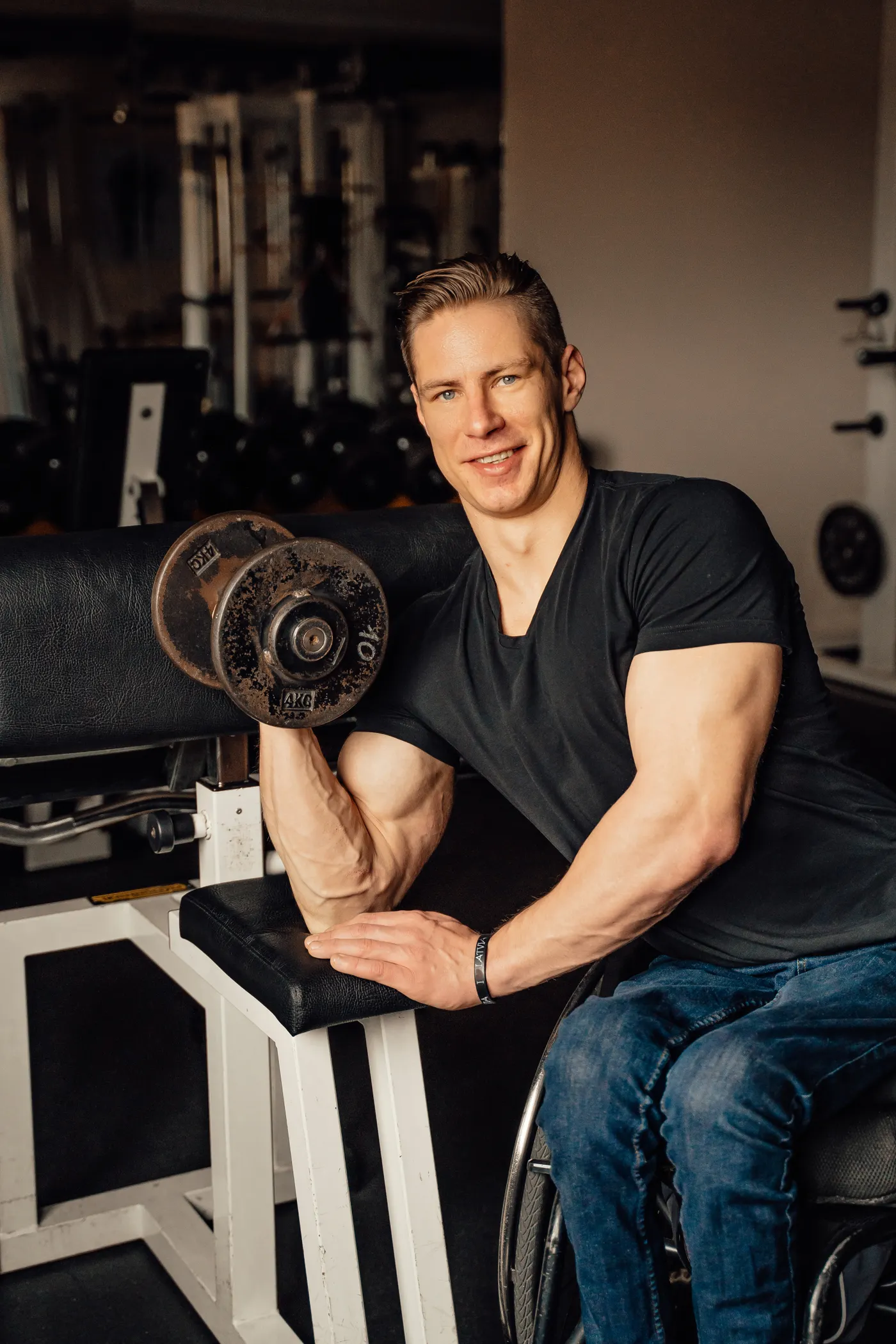
The lowering phase of a lift asks the working muscle to produce force while lengthening. This is called an eccentric contraction. Think of lowering a dumbbell during a curl, descending into a split squat, or controlling the bar toward your chest. Eccentric work can create substantial muscle tension, and unfamiliar doses often produce more soreness than movements your body already knows.
Novelty is just as important as absolute difficulty. A trained lifter who regularly squats might feel little discomfort after a hard but familiar session, yet experience strong hamstring soreness after adding Romanian deadlifts for the first time. That does not mean the new exercise instantly built more muscle. It means the tissues were exposed to a different range, loading pattern or distribution of stress.
Range of motion, total repetitions, proximity to failure and the number of hard sets also influence how demanding a session feels afterward. A sudden jump from six working sets to twelve, especially with slow negatives, increases recovery demands without guaranteeing a proportionate increase in adaptation. Very high soreness may actually reduce the quality of the next training day.
A practical introduction is to start an unfamiliar movement with one or two controlled working sets, leaving a few repetitions in reserve. Add sets or load across subsequent sessions after you learn how you recover. You do not need exaggerated five-second negatives on every repetition to make ordinary resistance training effective. Use a controlled descent, stable technique and a repeatable workload first.

Equipment Worth Exploring
Explore equipment, accessories and gear from our carefully selected range.


VOLTRA
Compact digital cable trainer with smooth, adjustable resistance.

Go-Tone Pro
Portable digital cable trainer with up to 66 lb (30 kg) of adjustable resistance.

FID Bench MAX
Adjustable bench offering flat, incline, and decline positions + adjustable headrest.


The repeated-bout effect: less soreness can mean better adaptation
One of the clearest findings in exercise physiology is that repeating a similar demanding movement usually produces a smaller soreness response than the first exposure. This is the repeated-bout effect. Your muscles and nervous system become better prepared for a familiar stress, even when the later session still requires meaningful effort.
In a 2026 synthesis of twelve studies on repeated eccentric exercise, average reported soreness and strength loss were smaller after the second bout. The authors also emphasized uncertainty about which neural changes actually cause that protection. Separate controlled experiments have observed changes in motor-unit behavior alongside faster recovery, but that does not prove any single mechanism explains the whole effect.
For training, the practical lesson is reassuring. If your first Bulgarian split squat session causes three days of soreness and your fifth causes only mild stiffness, you have not necessarily stopped challenging your legs. You may simply be tolerating that movement better. That tolerance lets you perform high-quality sessions more regularly, which is valuable for building strength and muscle over time.
The effect is also specific enough that switching every exercise every week can keep bringing back novelty-related soreness. Variety has a place, but constant rotation makes it harder to compare performance and can add recovery costs. Keep a core of repeatable lifts, introduce accessories gradually, and judge whether progress continues rather than trying to recreate the soreness of your first session.

Leg Day Shirts & Workout Gear
Leg-day gym shirts and workout gear for lifters who never skip squats, lunges and lower-body punishment.

My Leg Hurts Leg Day & Squat Meme Fans Vest Tank Top
Train hard, laugh a little, and rep “My Leg Hurts”.

Leg Day No Thanks Skip Leg Day Meme Sweater Squats T-Shirt
Show some gym-day personality with “Leg Day No Thanks”.

Never Skip Leg Day | LEGO Muscle Shirt For Squats & Dea Tank Top
Train hard, laugh a little, and rep “Never Skip Leg Day”.

Negative Leg Day Review Not Recommended 1 Star T-Shirt
Keep things casual with a little “Negative Leg Day Review” attitude.

Quadzilla Massive Quads Decal Leg Day Squat Meme Sticker
Stick a little “Quadzilla” humor on your favorite gear.

Leg Day Gains Gym | LEGO Parody Workout For Squat & Dea Hoodie
Show off your leg-day humor in a laid-back “Leg Day Gains” hoodie.

Squat
Show some rock-and-lifting attitude with a playful “I Can’t Get No Squat-isfaction Rolling” tee.

Deadlift Lovers Grim Reaper Skeleton Decal Water Sticker
Bring “Deadlift Lovers” attitude to your water bottle or laptop.


OnlyGains Only Gains Meme – Booty & Leg Day Squats, T-Shirt
Show some leg-day attitude with a playful “OnlyGains Only Gains” tee.
Use three recovery signals before deciding how hard to train
A more useful readiness check combines location, movement and performance. First, locate the discomfort. Generalized tenderness in the muscles you trained is more consistent with ordinary DOMS than a sharp, pinpoint sensation in a joint, tendon or one small area. Symptoms that worsen rapidly, come with major swelling or change the way you walk deserve a different response.
Second, test movement gently. Walk for a few minutes, perform a few bodyweight squats or move through the unloaded range of the exercise you plan to do. Mild stiffness that eases as you warm up is different from pain that increases with each repetition or forces you to compensate. You do not have to become completely pain-free before doing any activity, but you should not use a warmup to push through escalating pain.
Third, compare performance with your normal baseline. If warmup sets feel unusually heavy, technique becomes inconsistent, or your planned easy effort feels like a maximal one, the previous workload may still be affecting you. A single off day is not proof of overtraining. It is a reason to consider adjusting that day’s dose instead of mechanically following the spreadsheet.
Think of this as a traffic-light decision. Green: mild, symmetrical muscular tenderness, normal movement and stable warmups. Amber: noticeable soreness, reduced range or clear performance drop; reduce load or volume and choose easier work. Red: sharp or worsening pain, substantial swelling, loss of function or systemic symptoms; stop the provoking activity and seek appropriate assessment. The categories are coaching aids, not medical diagnoses.
Should you lift again while you are still sore?
Not every sore muscle requires complete rest. If discomfort is mild and your movement remains controlled, a lower-intensity session may be reasonable. For example, after a hard leg day you might train upper body, perform a relaxed walk, or use lighter lower-body work that does not aggravate the soreness. The point is to preserve useful movement without stacking another maximal stress on top of poor recovery.
When the same muscle group is scheduled again, use the warmup as a decision point. Begin with unloaded or very light repetitions, then a couple of gradual ramp-up sets. If your range of motion and bar speed return close to normal, you can often proceed conservatively. If a planned set of eight feels like a grind at a load that is usually easy, reduce the working weight, cut one or two sets, or substitute a simpler movement.
Be especially cautious with demanding eccentric exercises after an unfamiliar first session. Heavy Romanian deadlifts, deep lunges and downhill running can all make already tender tissue work hard while lengthening. You do not need to prove toughness by repeating the exact trigger before you can move comfortably. Equally, total inactivity is not a magic recovery treatment; easy movement can help you feel less stiff without necessarily accelerating tissue repair.
A sensible week protects the sessions that matter most. If Monday’s new split squats compromise Wednesday’s planned heavy squats, the better long-term solution may be fewer initial split-squat sets, not a heroic Wednesday. Training quality is cumulative. One session that leaves you sore for four days is not automatically worth more than two well-executed sessions you can recover from.
Equipment Worth Exploring
Explore equipment, accessories and gear from our carefully selected range.



Squat Harness
Wearable harness for hands-free cable squats, sled work, and lower-body training.


GymPin Squat Wedges
Non-slip 15-degree squat wedges help elevate the heels for deeper quad-focused squats.


Recovery basics: what helps, what only changes how you feel

Sleep, adequate food and manageable training load are the foundations. Regular sleep gives your body time to recover from training and helps maintain concentration and performance. Eating enough overall, with protein distributed across the day and carbohydrates appropriate to your training, supports repair and replenishes fuel. Hydration matters for normal function, but drinking extra water does not erase DOMS.
Light walking, easy cycling and gentle mobility may temporarily make stiff muscles feel better. A short warmup can improve comfort and movement before deciding whether to train. Foam rolling and massage may offer short-term symptom relief for some people, but a change in perceived soreness is not the same as faster muscle growth or restored maximal force. If a tool feels useful and does not cause pain, treat it as an optional comfort strategy rather than a requirement.
Stretching is another area where expectations should stay modest. Gentle stretching can feel pleasant and help you explore comfortable movement, but forcing a sore muscle into aggressive end-range positions is not necessary. Evidence does not support the idea that a few minutes of post-workout stretching reliably prevents next-day soreness. The better prevention strategy is to introduce unfamiliar work gradually and let repeated exposure build tolerance.
Be cautious about using medication or extreme recovery rituals simply to make every hard session painless. Persistent reliance on symptom suppression can hide a training-load problem. If your recovery routine is elaborate but your sleep is short and every session adds more sets, address the schedule first. A sustainable plan usually needs fewer tricks and more consistency.
Funny Gym Shirts & Workout Gear
Funny gym shirts, tanks, hoodies and workout gear for lifters who like training hard.

Everything Hurts And I'M Tired Duck Meme Vest Lovers Tank Top
Your gym-day look, with a playful “Everything Hurts And I'm Tired” twist.

Dino Sore Dinosaur With Sore Muscles Meme Vest Tank Top
Your gym-day look, with a playful “Dino Sore” twist.

Sleeping Booty Bootybuilding Meme Hooded Princess Hoodie
Make your off-duty look more fun with “Sleeping Booty”.

Funny Hardcore Gains Gym | No Pain No Gain Workout | Fi Hoodie
Keep it laid-back with a little “Hardcore Gains” attitude.

Funny Pain Train Gains Gym | Thomas The Tank Engine Mem T-Shirt
Add a playful “Pain Train Gains” touch to your casual rotation.

Off-Season Rest Day Decal Water Bottles & Gear Meme Sticker
Put “Off-Season Rest Day” gym humor on your laptop, bottle, or gym gear.


Rest Day Sloth – Essential T-Shirt
Show some bodybuilding attitude with a playful “Rest Day Sloth” tee.

More Rest More Test Meme Testosterone Bro T-Shirt
Heavy lifts, good laughs, and a little “More Rest More Test Gym Meme Testosterone” energy.

Rap God Recovery Gym | Funny Workout & Bodybuilding Par Sticker
Stick a little “Rap God Recovery” humor on your favorite gear.
Progress without chasing pain – and recognize the warning signs
For the next month, choose a few repeatable performance measures: your working weights, repetitions at a consistent effort, exercise range of motion and whether you arrive at the next session ready to train. Write down soreness briefly on a simple zero-to-ten scale if it helps, but treat it as context. An improving squat with low soreness is progress. A workout that produces dramatic soreness but steadily worse performance deserves reconsideration.
When adding a new exercise, keep the first exposure modest. In week one, use fewer sets than you ultimately intend and avoid grinding repetitions. In week two, add a small amount of work if movement and recovery are normal. In weeks three and four, progress resistance or repetitions according to your plan. If a movement repeatedly causes disruptive soreness, check its novelty, depth, technique, total weekly volume and placement next to other hard sessions.
Ordinary DOMS usually improves over several days. Pain that is sharp, worsening, concentrated in a joint, accompanied by significant swelling, or severe enough to prevent normal use is not a cue to chase more training stress. Very severe muscle pain with unusual weakness or dark urine warrants urgent medical attention. A recovery checklist cannot rule out injury or a serious medical problem.
The final rule is simple: train to create adaptation, not to create soreness. Good programming gives your muscles enough challenge to grow stronger while preserving the ability to practice, recover and return. Soreness can tell you that something changed. Your performance across the next several weeks tells you much more about whether that change was useful.