Advertising disclosure: This page includes affiliate product links that may earn us a commission, as well as products from our own store.
Bench, parallel-bar and ring dips all train upper-body pushing, but they are not interchangeable. A comparison involving thirteen experienced men found different shoulder motion and muscle-activity patterns. The useful lesson is not to crown one variation. It is to choose a version you can control, load and recover from.
Why thirteen experienced lifters matter more than a viral dip ranking
A dip is not one fixed movement. You can support yourself on a bench with your feet on the ground, suspend your body between parallel bars, or hold yourself above freely moving gymnastics rings. The elbow straightens during the press in each version, but your shoulders, balance demands and the amount of weight you actually support differ. That makes direct comparisons more interesting than an argument about which variation looks hardest.
In an October 2022 laboratory comparison, thirteen men who regularly performed dips completed four repetitions of the bench, parallel-bar and ring versions. Researchers measured three-dimensional joint motion and surface electrical activity from upper-body muscles. Two men lacked the required ring-dip experience and were omitted from that variation. This was an acute movement comparison, not a months-long muscle-growth trial. It tells us how those specific repetitions differed, not what each person’s chest or triceps will look like after a training cycle.
The clearest practical finding was that bench dips involved more shoulder extension, while measured peak triceps activity was higher with parallel bars and rings. Group means for peak triceps electrical amplitude were approximately 0.83 millivolts with bench dips, 1.04 with bars and 1.05 with rings. These measurements are useful clues about exercise demand, but differences in electrode readings do not establish a corresponding percentage difference in hypertrophy. Repetitions, technique, joint tolerance and progressive loading still decide whether a movement fits your program.
Bench dips: the shoulder-range tradeoff
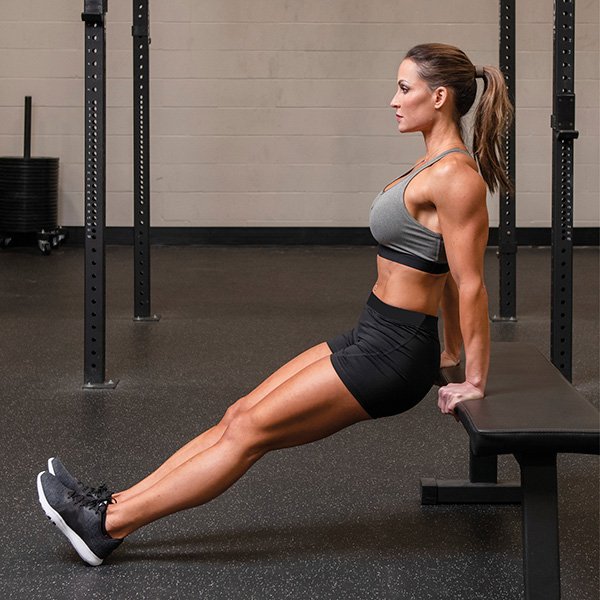
A bench dip looks approachable because your feet can help. Sit at the edge, place hands beside the hips, move your hips forward and bend the elbows as you lower. With feet closer to the bench and knees bent, the legs can take more of the workload. Extend the legs and the exercise becomes harder. But support from the feet should not be confused with an automatically shoulder-friendly position.
At the bottom, your upper arms move behind your torso. The more aggressively you descend, the further the shoulders may be driven into extension. That greater extension range was a defining feature of the bench version in the small comparison. For some lifters this position is uncomfortable, especially when combined with a forced deep stretch. There is no special reward for driving the shoulders below a comfortable depth.
If you use bench dips, keep the shoulders controlled rather than letting them roll forward, choose a range you can own, and stop the set when the front of the shoulder feels pinched or unstable. Start with bent knees and light assistance. A stable pair of parallel bars with assistance, a close-grip push-up or a cable triceps movement may be a better choice when bench dips irritate the shoulder. The practical question is not whether bench dips are ‘bad’ for everyone; it is whether they load your intended muscles well while remaining tolerable and repeatable for you.

Equipment Worth Exploring
Explore equipment, accessories and gear from our carefully selected range.

Power Tower
Freestanding pull-up and dip station with adjustable handles for bodyweight training.


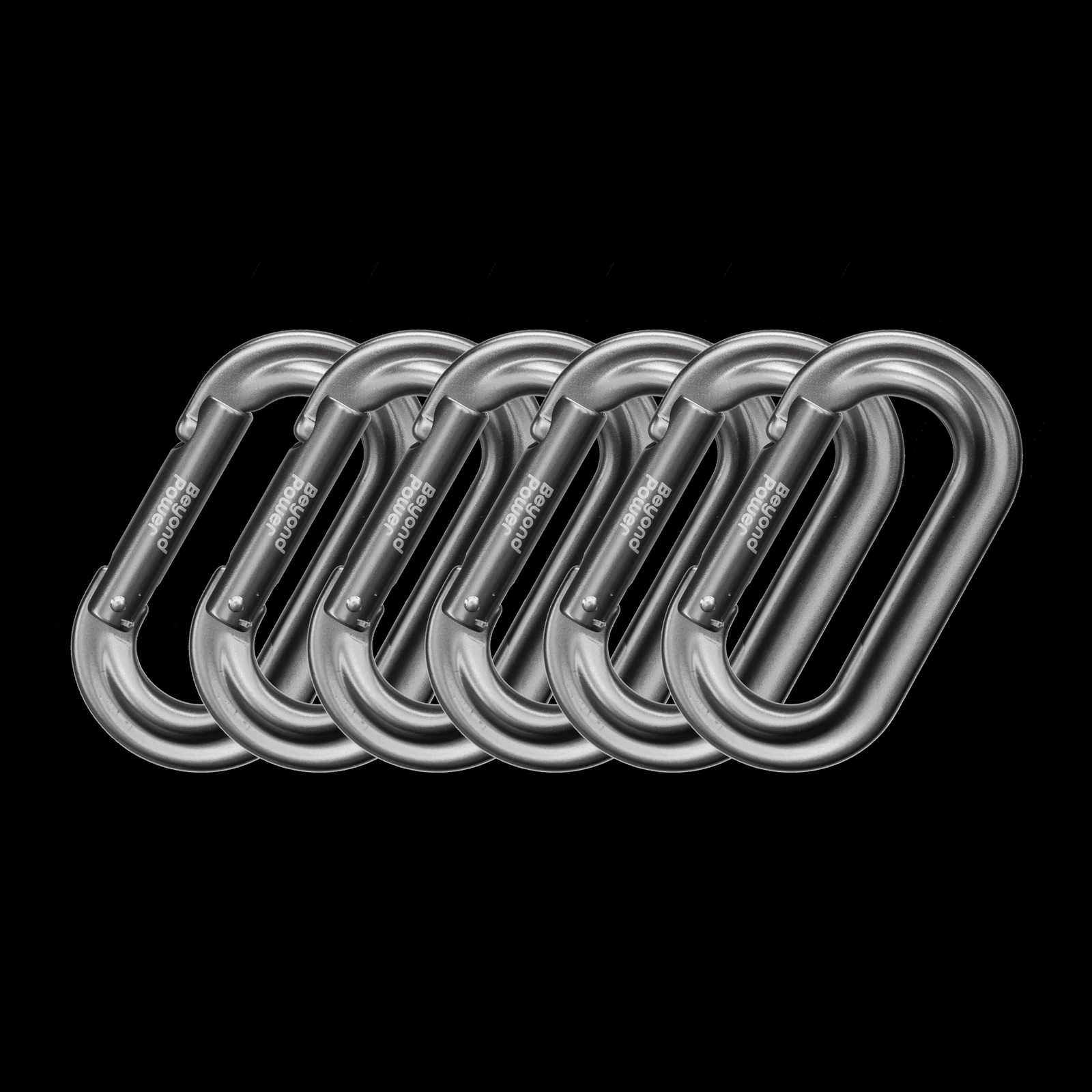
Premium Carabiner
Durable carabiner for connecting cable attachments and training accessories.

Competition Plates
Competition-style bumper plates for Olympic lifts and loaded strength training.


Foldable Wall Rack
Wall-mounted folding squat rack designed to save floor space between workouts.
Parallel-bar dips: build a controlled foundation
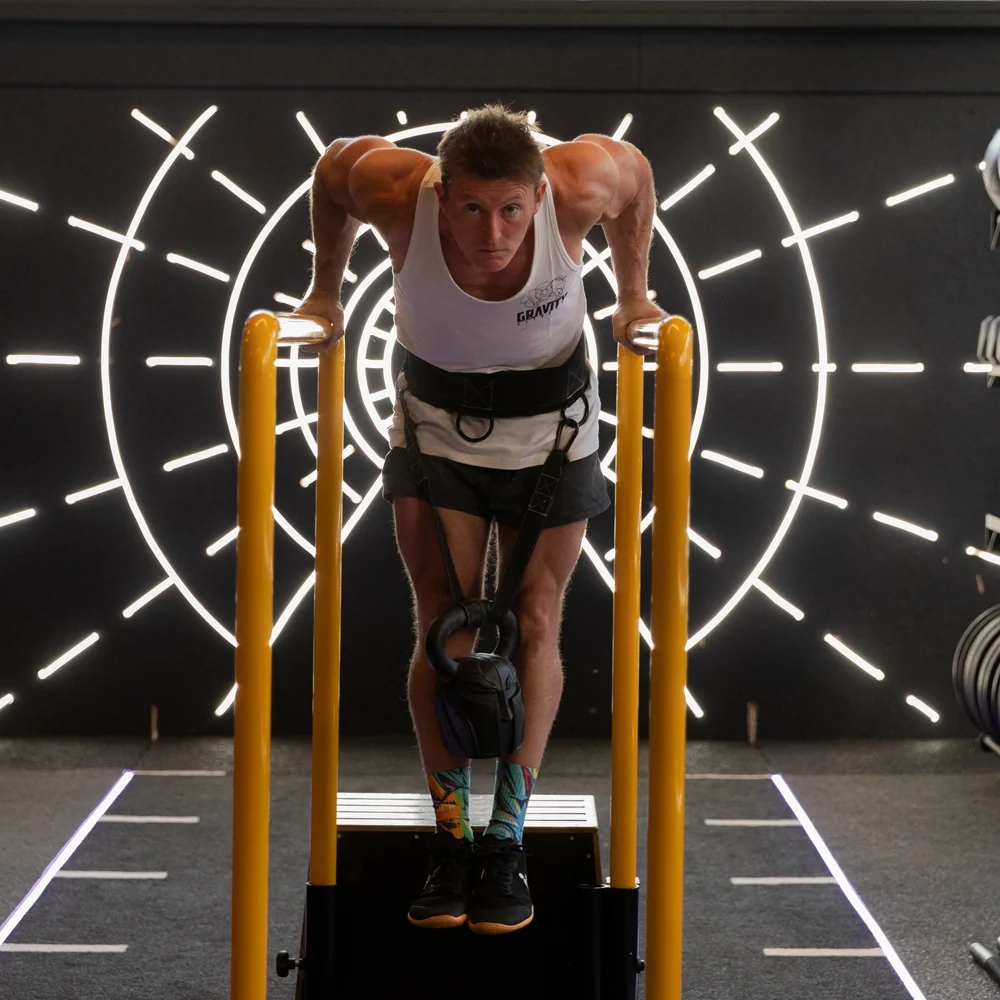
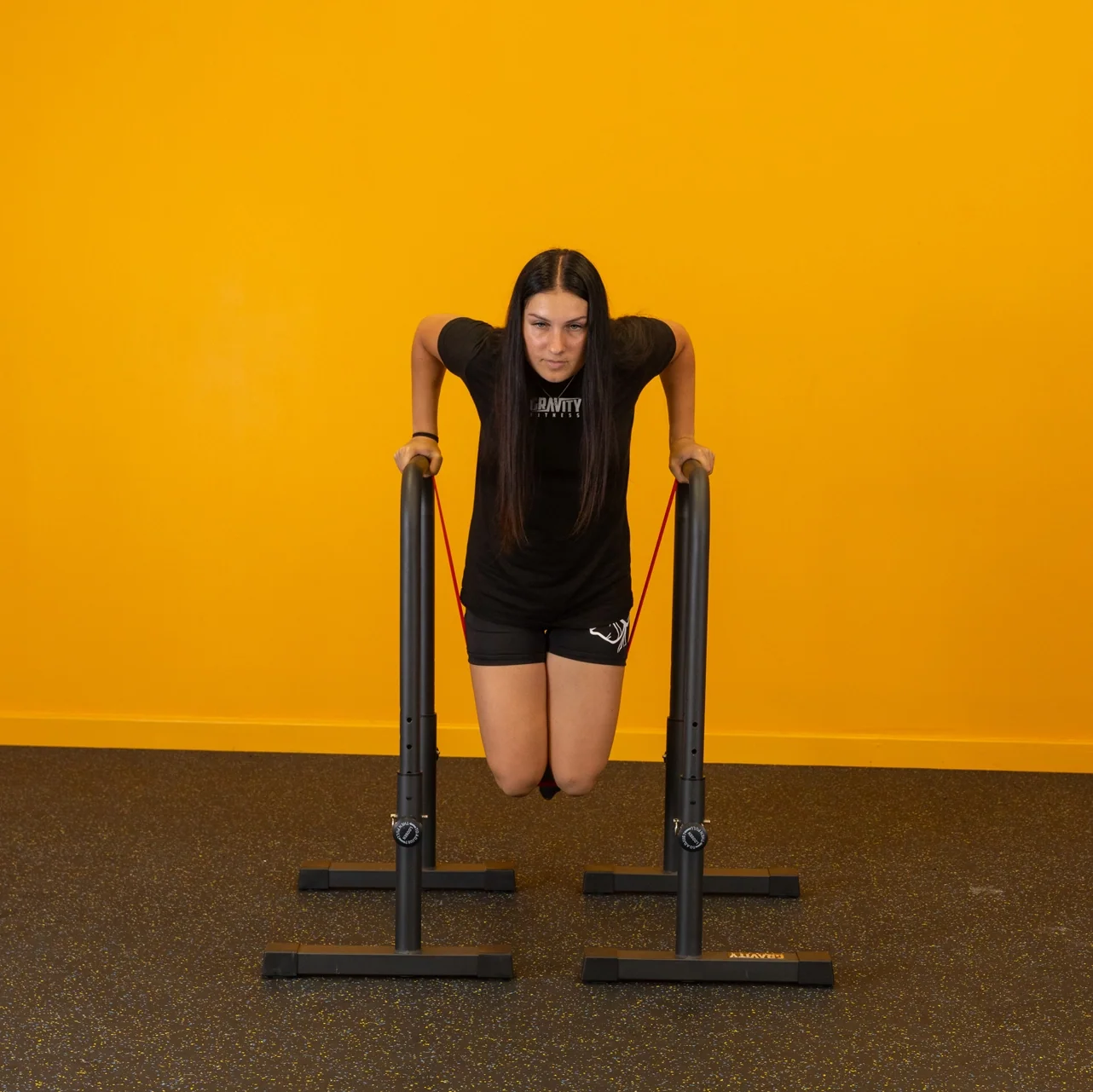
On fixed parallel bars, your feet leave the ground and your arms support your bodyweight. Begin with elbows straight but not violently locked, shoulders active and torso balanced between the handles. Breathe in, bend the elbows with control and descend to a depth that does not provoke shoulder discomfort. Press back to the top without kicking or using a bouncing reversal. If you cannot perform smooth repetitions, reduce the effective load with a supported dip machine or a carefully arranged assistance setup.
Bar dips offer a repeatable starting point because the handles do not drift sideways. Compared with bench dips, the 2022 measurements found higher average peak triceps activity in this small group. That finding does not mean a person who cannot safely handle full bodyweight should immediately move from a bench to unassisted bars. Progression must account for relative strength. A heavier beginner may need substantial assistance while a lighter experienced athlete can perform challenging sets without extra weight.
Keep your hands at a comfortable width; an excessively wide station can make the position harder to manage. Leaning somewhat forward can shift how the chest experiences the movement, but there is no scientifically established universal torso angle that isolates the pecs. If you are training for size, favor a repeatable rep path and enough total hard sets over theatrically deep or heavy dips. Record reps and range of motion along with external load. A slightly lighter set with consistent bottom position is easier to progress than a heavier set whose depth shrinks each week.
Ring dips: stability changes the task
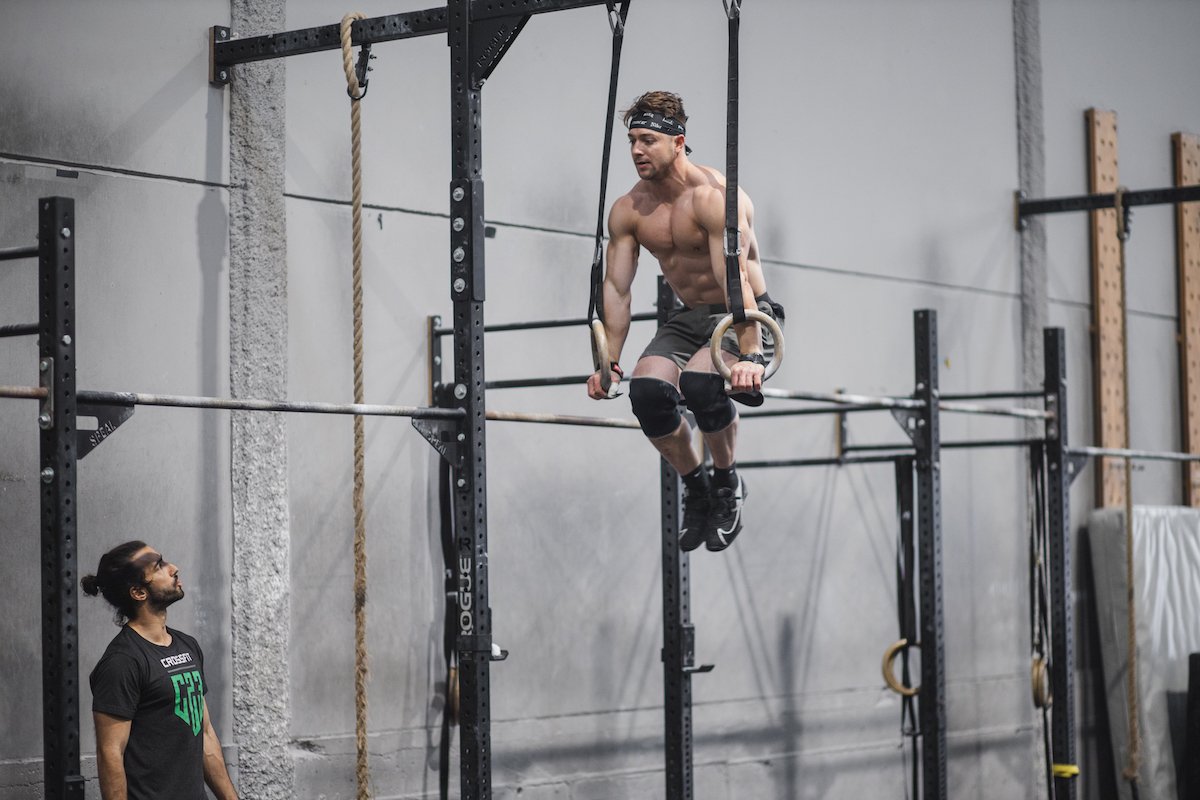
Rings add a second problem to an already difficult push: keeping each handle stable. With the rings suspended freely, they can swing or separate as the athlete lowers, and that creates a coordination demand alongside pressing strength. The study found ring dips broadly comparable to bar dips in peak activity for the main pushing muscles, with some additional increases in other measured muscles. It did not prove that ring dips produce faster chest or triceps growth.
Before attempting ring dips, establish a quiet top support on low rings. Keep the rings close enough to control, elbows straight, shoulders active and feet ready to assist. Practice short supported holds, then shallow assisted descents. Only add a deeper range when the rings stay under control and your shoulders feel good. Ring height should allow a safe step down if balance breaks. Beginners who shake uncontrollably in the support position should develop that skill before chasing full repetitions.
Ring dips are compelling for athletes who want gymnastic strength and whole-body coordination. They are not mandatory for someone primarily trying to add pressing muscle. If you can challenge your chest and triceps more predictably on bars or with a press, keep those as the foundation and treat rings as a technical accessory. What matters most is whether the target muscles receive a suitable training stimulus without the session being limited entirely by handle control.

Calisthenics Shirts & Street Workout Gear
Calisthenics and bodyweight-training gear for pull-ups, dips, handstands and street-workout athletes.


Lord of the Calisthenics Rings Gandalf | LOTR Workout P T-Shirt
Show some gym-day personality with “Lord of the Calisthenics Rings Gandalf”.

Calisthenics Heartbeat Muscle Shirt Athletic Vest Human Tank Top
Bring “Calisthenics Heartbeat” humor to your next lifting session.

T-Rex Hates Push Ups Crewneck Pullover Sweater for Cali T-Shirt
For laid-back days and bodybuilding humor: “T-Rex Hates Push Ups”.

Be Stronger Than Your Excuses Motivational Workout Pull Hoodie
Make your off-duty look more fun with “Be Stronger Than Your Excuses”.

Turn Off Gravity Funny Calisthenics Gym Muscle Shirt fo Tank Top
Bring “Turn Off Gravity Funny Calisthenics” humor to your next lifting session.

Human Flag Calisthenics Decal Workout for Water Bottles Sticker
A fun “Human Flag” touch for bottles, laptops, and lockers.

Calisthenics Evolution Hoodie
Bring “Calisthenics Evolution” gym humor to lazy days and post-workout plans.

Calisthenics Hanging Out Tank
Show some personality between sets with “Calisthenics Is My Idea of Hanging Out”.

Funny Calisthenics Gym Hooded Pullover for Bodyweight W Hoodie
Stay casual and show some lifting attitude with “Calisthenics”.
Chest versus triceps: what angle and elbow path really change
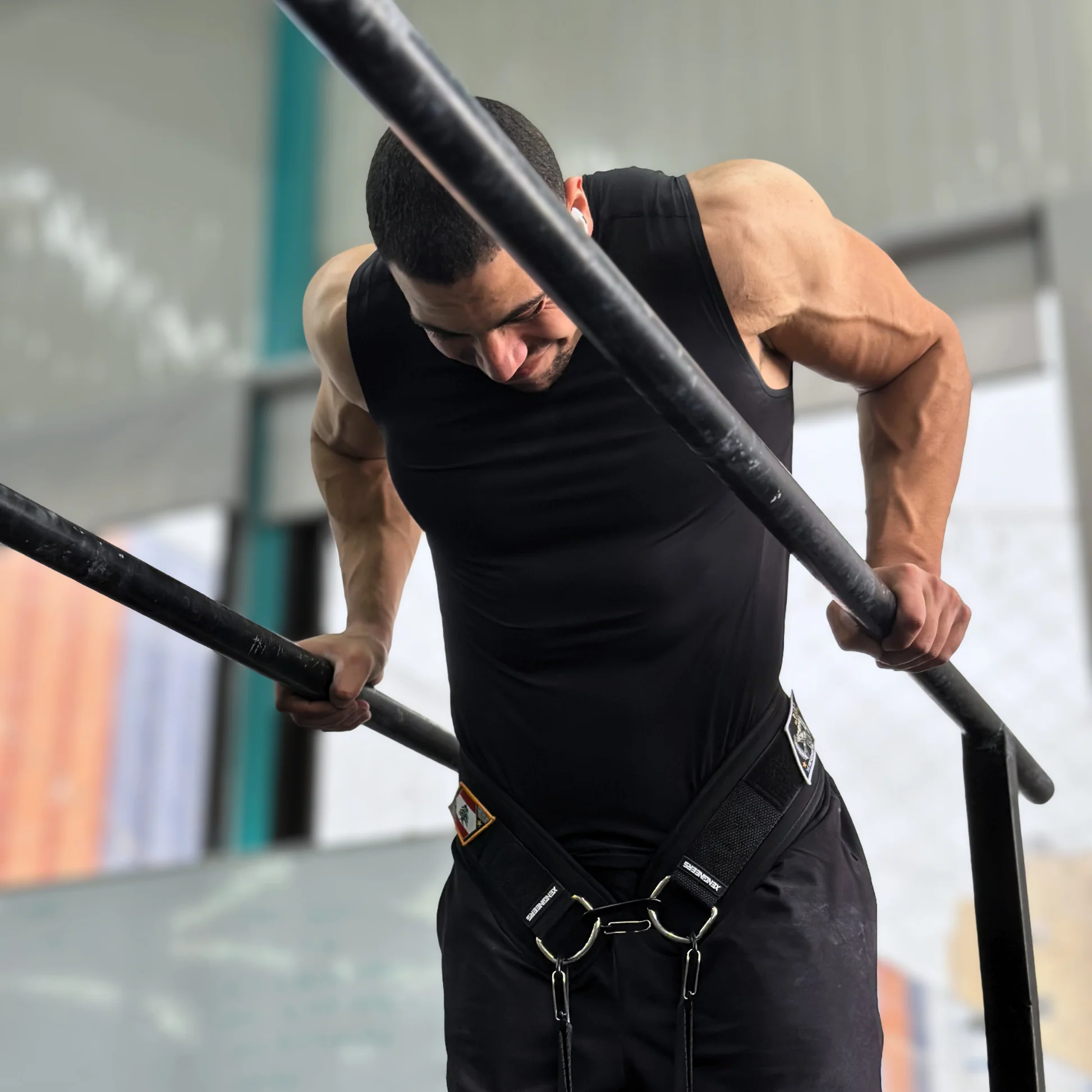
Dips use the triceps to extend the elbows and the chest and shoulder muscles to help move and stabilize the upper arms. You cannot completely turn one of those muscle groups off by changing the torso angle. A modest forward lean often makes a dip feel more chest dominant, while a relatively upright posture can make elbow extension feel more prominent. Those are coaching cues and changes in relative emphasis, not switches that isolate one muscle.
To compare your own technique, film a side view of a moderate set. Look at the torso angle, how far the elbows travel behind the body, the depth of the bottom position and whether the shoulders elevate or roll forward when fatigued. Keep the first repetition similar to the last. Shorter range may allow a bigger number on a weighted dip belt while reducing the work performed through the target portion of the movement. Conversely, dropping deeper than your shoulder can tolerate is not a sign of better training.
The study’s peak electrical readings were taken during a few repetitions. They cannot measure recovery cost, joint stress over months or eventual muscle gain. A useful training comparison is therefore much more ordinary: can you progress load or reps across several weeks with consistent technique and no worsening symptoms? If your pressing progress stalls while your shoulders feel battered, substitute a close-grip bench press, push-ups on handles or controlled cable pressing rather than defending a favorite dip variation at any cost.
Adding load without rushing into weighted dips
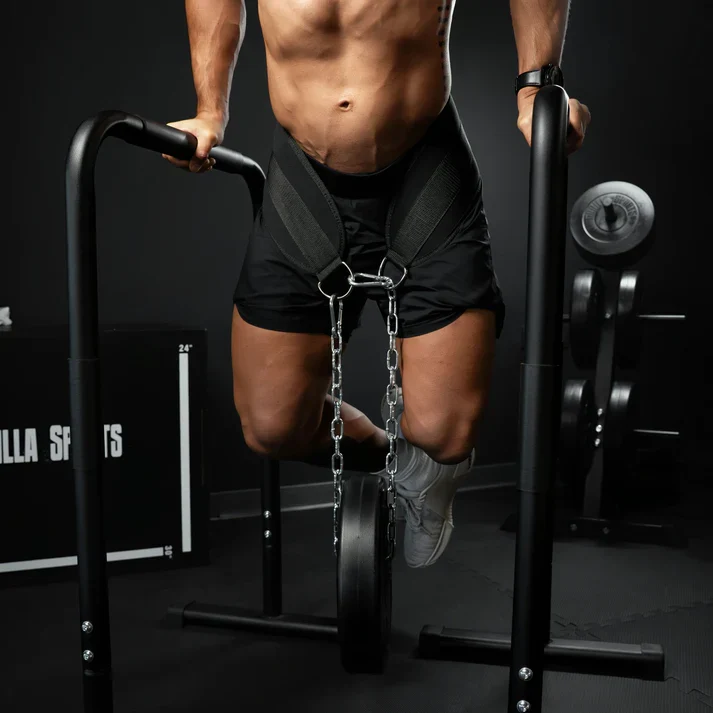
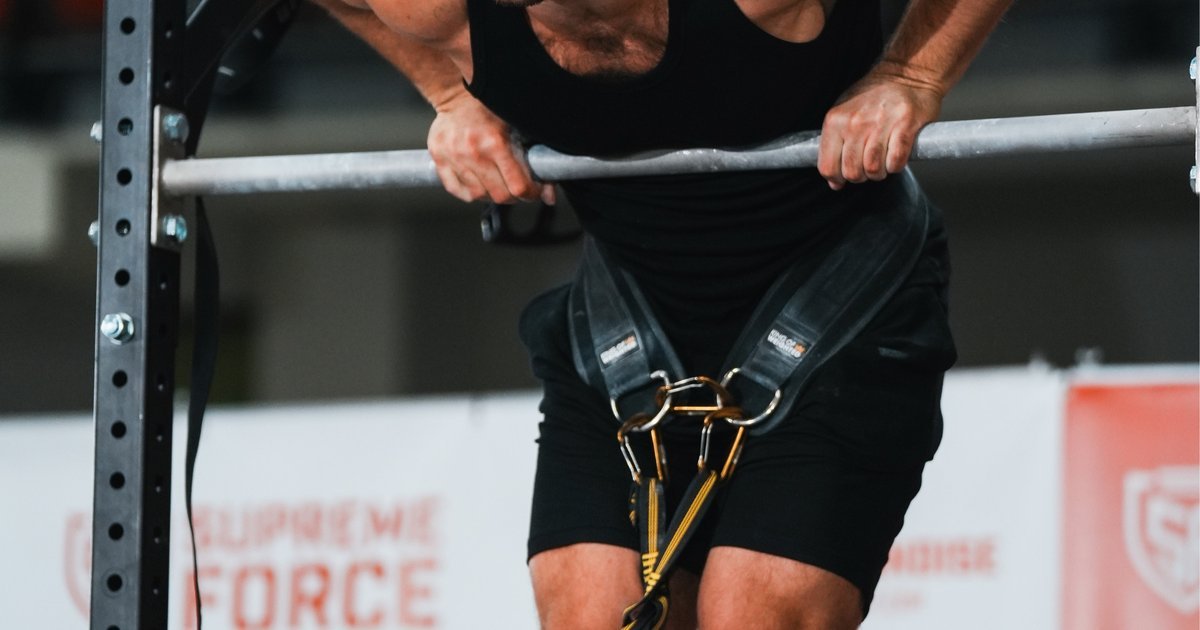
Weighted dips are a progression, not a requirement. First establish a reliable bodyweight baseline, such as repeated sets of six to ten controlled reps with no shoulder discomfort and no loss of range. That is a coaching benchmark rather than a research-derived threshold. When it is easy, add the smallest practical load with a well-fitted belt or vest. Make sure plates cannot swing into the knees and that the loading method cannot snag the station or interfere with a safe exit.
A simple double-progression method works: choose a weight you can lift for three controlled sets of six; over subsequent sessions build toward three sets of ten; then increase the load modestly and return to the lower end of the rep range. Keep one or two good repetitions in reserve on most sets. Rest enough between hard sets that fatigue does not force you to shorten the descent. Athletes who prefer heavy low-rep dips should earn that exposure slowly, because the exercise loads more than just the triceps.
Count weighted dips toward your weekly pressing volume. If you already train bench press, incline dumbbell press and overhead press heavily, adding several maximal dip sets may simply compete for recovery. Begin with a couple of hard dip sets in one or two weekly sessions and adjust based on progress. Supporting work can include cable pressdowns, push-ups, controlled chest presses and upper-back training. A dip belt, weighted vest, rings or dip station can make the setup convenient, but buying accessories will not replace a sensible progression or shoulder tolerance.
Equipment Worth Exploring
Explore equipment, accessories and gear from our carefully selected range.

Long Tricep ERGO Ropes
Extended triceps ropes with ergonomic grips for cable pressdowns and overhead extensions.
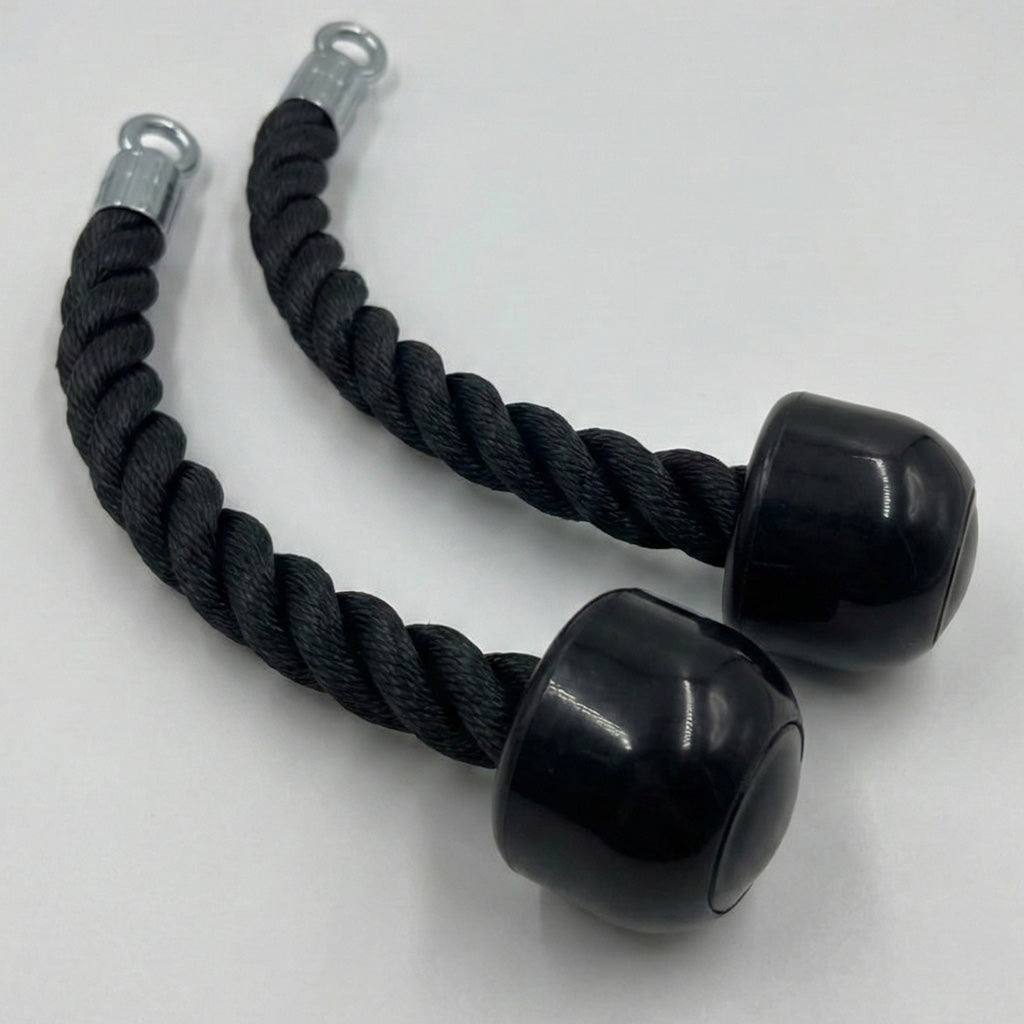
Individual Tricep Ropes
Pair of individual cable ropes for triceps pressdowns and cable hammer curls.
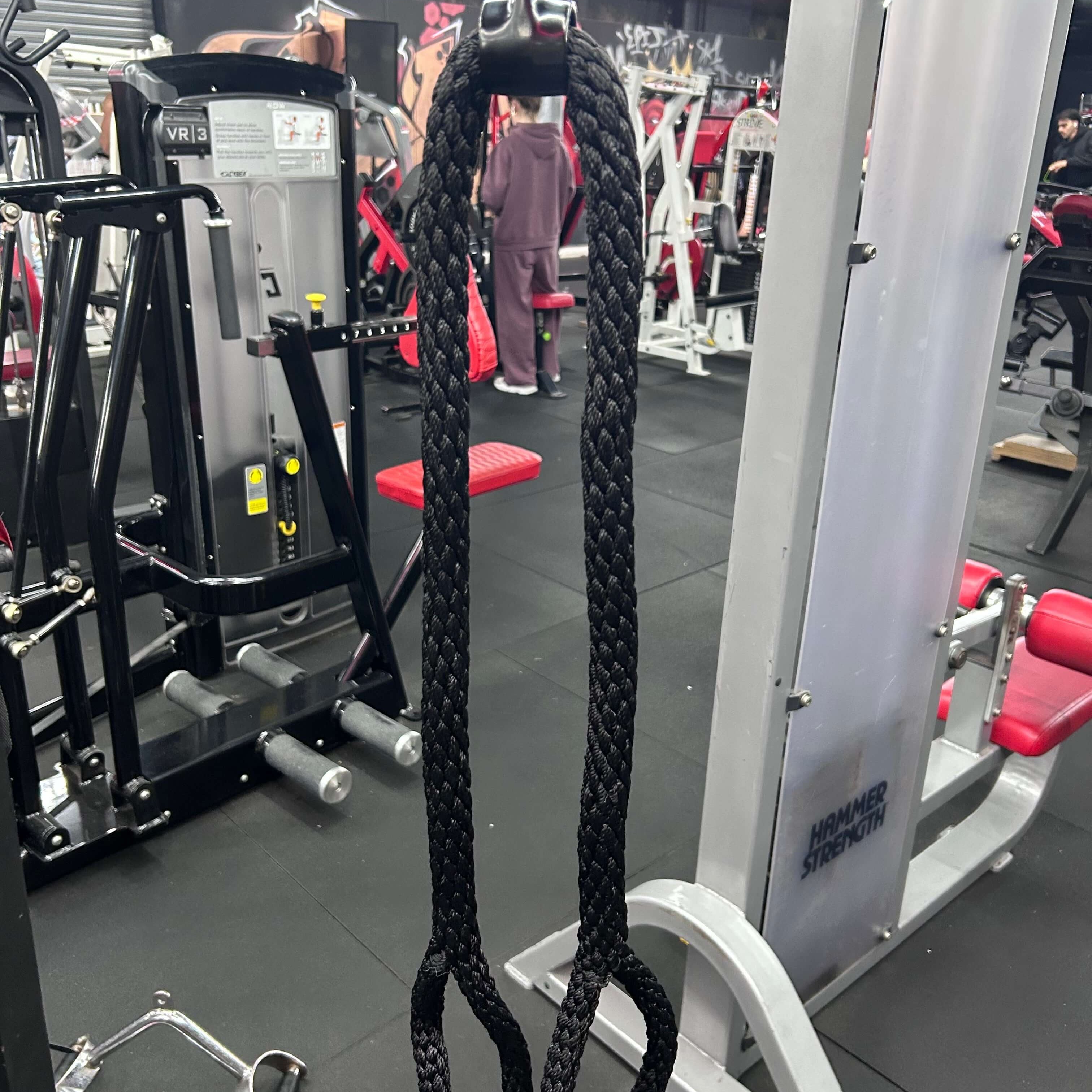
Super Long Tricep Rope
Extra-long looped cable rope for triceps pressdowns and overhead extensions.
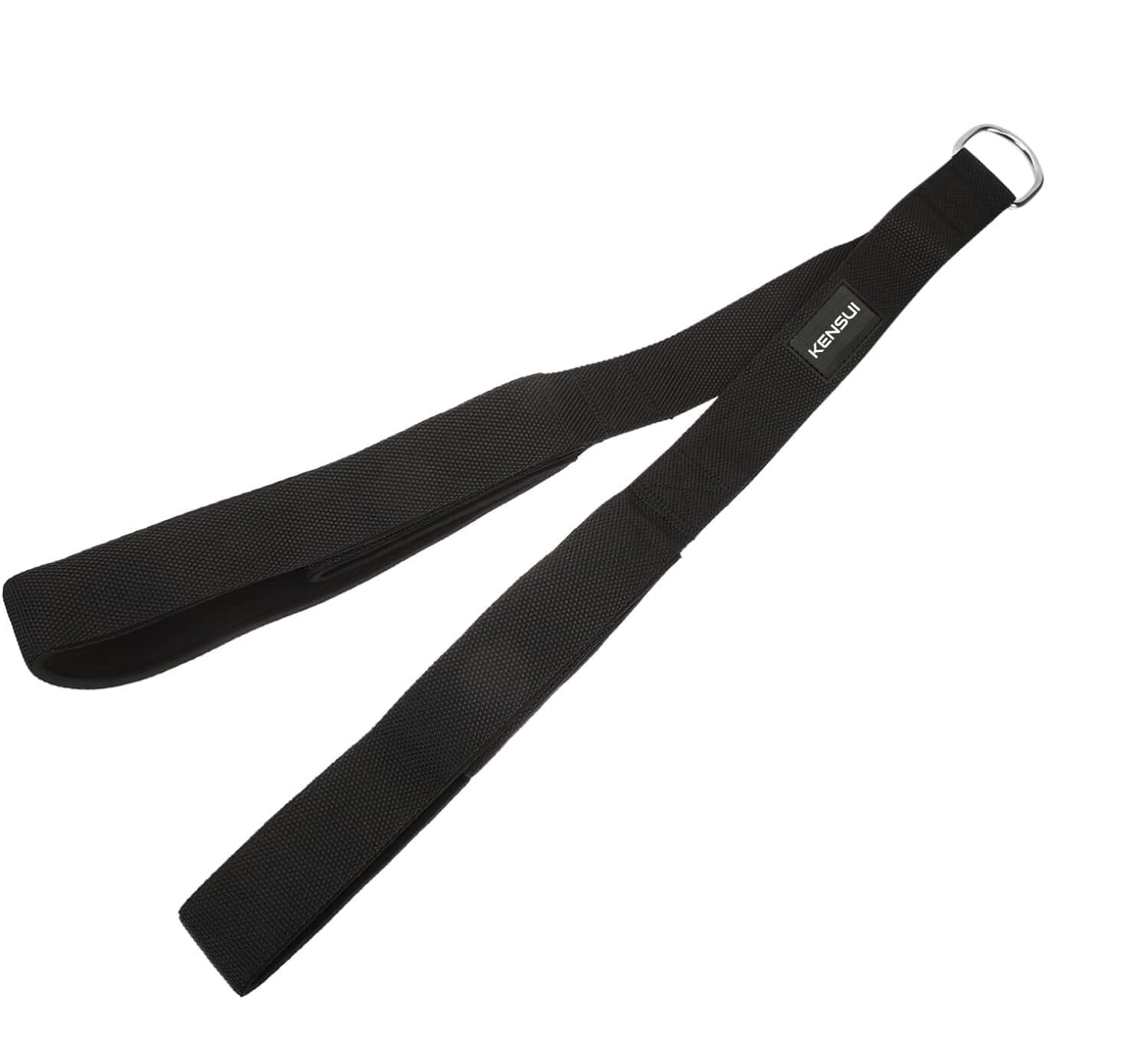
Multi-Length Tricep Strap
Adjustable-length cable strap for triceps, biceps and upper-body cable exercises.
VOLTRA
Compact digital cable trainer with smooth, adjustable resistance.

Go-Tone Pro
Portable digital cable trainer with up to 66 lb (30 kg) of adjustable resistance.




GymPin Ergo Handles
Pair of ergonomic cable handles shaped for comfortable triceps and pulling exercises.
A four-week progression and shoulder-smart alternatives
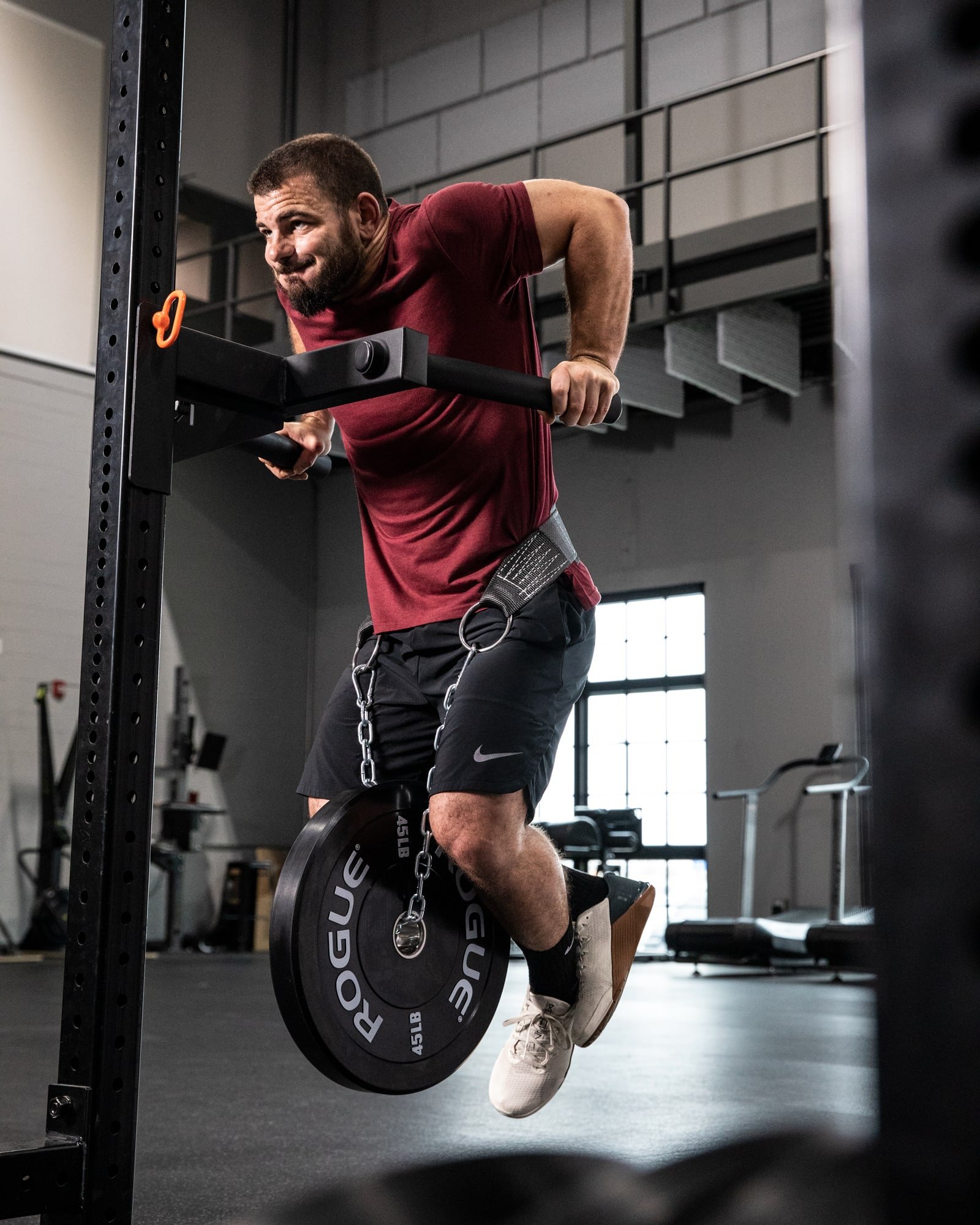
Here is a practical four-week example, not a validated medical protocol. It assumes you are free of painful shoulder symptoms and have already learned a controlled assisted or bodyweight dip. Use bars as the main lift; treat bench dips as optional assistance and rings as an advanced skill. If you are not ready for full bodyweight, apply the same rep targets with assistance that allows the technique to stay steady.
Week 1: Perform two sessions of two sets of five to eight quality bar dips, or assisted equivalents. Find a comfortable range and note the amount of assistance. Week 2: Keep two sessions and add a repetition where form allows, without changing the depth. Week 3: Work toward three sets in your stronger session, retaining the original range and controlled tempo. Week 4: If you can complete the top of your rep range consistently, reduce assistance slightly or add a very small external load; otherwise repeat the previous week’s prescription and improve the reps.
Include a shoulder-friendly warm-up with light pressing, scapular control and a few shallow practice reps. You can pair dips with a row or pull-up, but do not let a superset turn your pressing technique into a race. Stop when a distinct sharp sensation, loss of control or repeated front-shoulder pinch appears; pain that persists warrants advice from a qualified clinician. If dips remain awkward, close-grip push-ups, chest pressing and cable triceps work can train many of the same muscles without forcing a specific shoulder position. The best dip is the one you can repeat, progress and recover from.
Bodybuilding Shirts & Workout Gear
Bodybuilding shirts, tanks and gym gear for lifters chasing muscle, size, symmetry and the pump.


The Chestfather Sticker
Put “The Chestfather” gym humor on your laptop, bottle, or gym gear.

If You're Reading This Its Chest Day Gym | Drake Meme W Tank Top
Train hard, laugh a little, and rep “If You're Reading This Its Chest Day”.

Ultimate Bench Press Tee
Heavy lifts, good laughs, and a little “Ultimate Bench Press” energy.

I Love Bench Press Gym | Funny Bench Press Meme Crewnec T-Shirt
For laid-back days and gym-girl humor: “I Love Bench Press”.

Gym Dost Thou Even Fly Medieval Knight Chest Fly Muscle Tank Top
Bring “Dost Thou Even Fly Medieval Knight Chest” humor to your next lifting session.

Gym Sir Swole of Benchalot Medieval Knight Bench Press Sticker
Give your everyday gear a playful “Sir Swole of Benchalot Medieval Knight” twist.