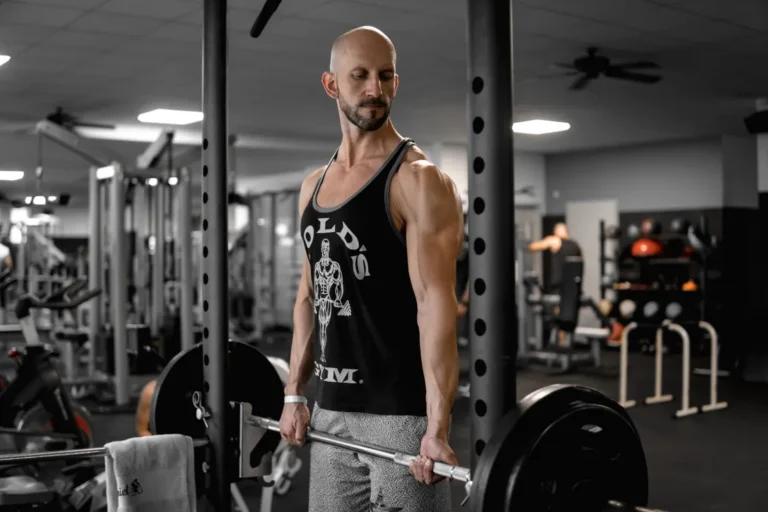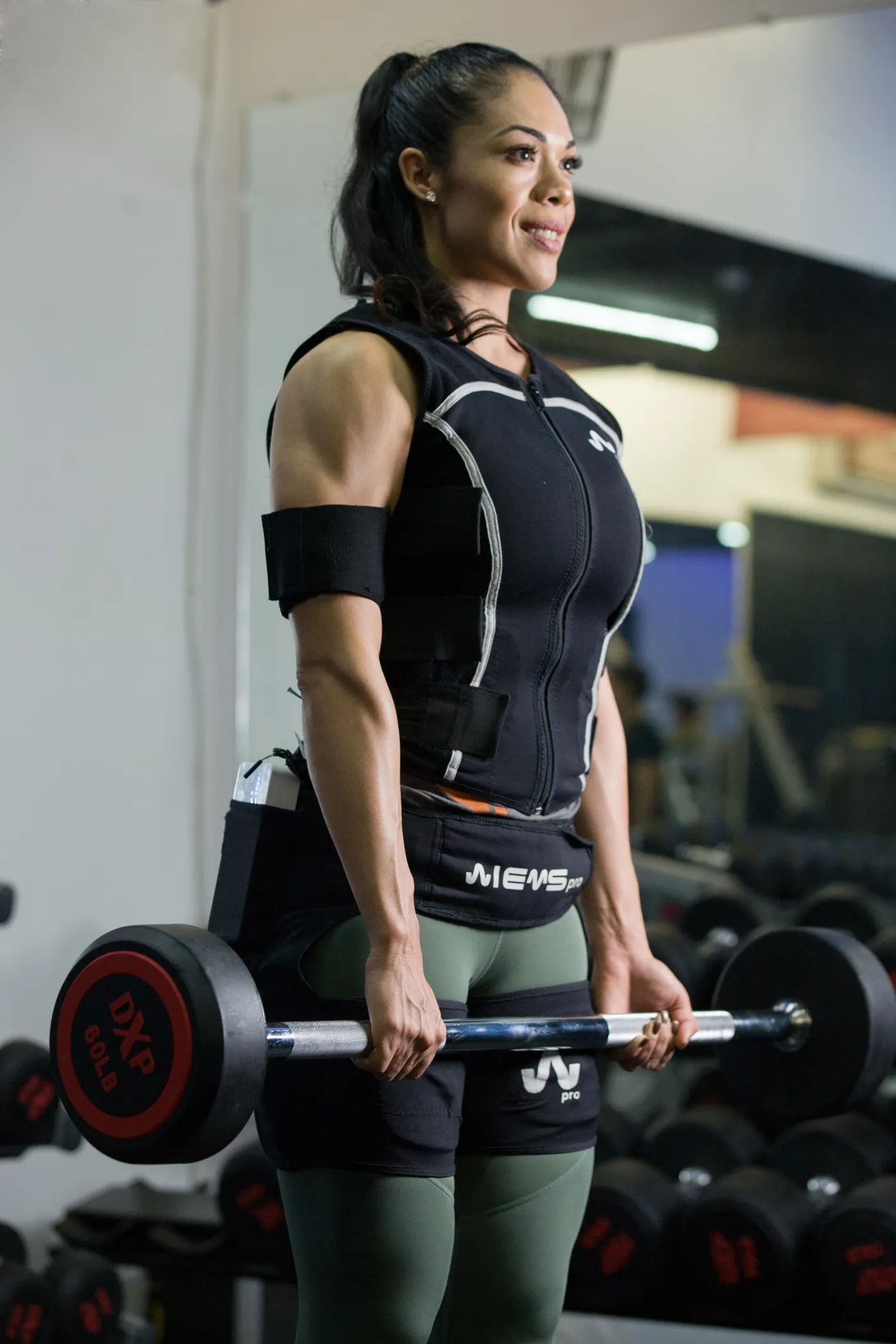
When people are told to exercise for better metabolic health, the advice often collapses into one word: cardio. A new synthesis of 42 randomized trials makes the case for a broader conversation. Walking, cycling, interval training and resistance exercise can each contribute, but the most useful program may combine movement that challenges the heart with work that challenges the muscles.
That does not mean one magic workout has been discovered. The review involved 3,998 adults with metabolic syndrome, compared several different exercise approaches and found that the apparent winners varied by outcome. Much of the evidence was uncertain. The practical opportunity is to build a sustainable routine around the results without mistaking a statistical ranking for a medical prescription.
1. Metabolic syndrome is a cluster of risks, not a fitness score

Metabolic syndrome describes a combination of cardiometabolic risk factors rather than a single disease. Common components include increased waist circumference, elevated blood pressure, unfavorable triglycerides and HDL cholesterol, and elevated fasting glucose. The precise diagnostic thresholds depend on the clinical definition and population. A person may be strong, active or relatively lean and still need to monitor blood pressure or blood tests; appearance and gym performance cannot diagnose the condition.
The October 2026 network meta-analysis drew on 45 publications representing 42 unique randomized controlled trials. Across 3,998 participants with metabolic syndrome, the investigators compared moderate continuous aerobic training, high-intensity intervals, resistance training, combinations of cardio and lifting, whole-body electromyostimulation, and stretching-toning-balance programs. The outcomes included waist size, blood pressure, insulin-resistance estimates, blood lipids and a composite metabolic-syndrome severity score.
A network meta-analysis can compare interventions even when some pairs have not been tested directly against each other. That increases the scope of a review, but also makes the assumptions important: the participants, exercise doses, study durations and control groups must be sufficiently comparable. A ranking is a probability-based summary of the network, not a guarantee that the top-ranked approach will outperform every alternative for a particular person.
The useful question is therefore not whether a single modality “wins” metabolic health. It is which parts of the evidence support a practical, safe and repeatable combination of strength and aerobic activity, and where the uncertainty should keep our expectations modest.
2. What the 42 trials actually ranked highest

The combination of high-intensity interval training and resistance training ranked highest for waist-circumference reduction. The reported mean difference was about 7.09 centimeters lower, with a 95% confidence interval extending from 13.41 to 0.77 centimeters lower. Moderate continuous aerobic training combined with resistance training ranked highest for systolic blood pressure, with a mean difference of about 14.22 mmHg lower, and for diastolic pressure, about 6.96 mmHg lower, in the network comparisons.
The moderate-cardio-plus-lifting combination also ranked highest for the homeostatic model assessment of insulin resistance, or HOMA-IR, and for a composite metabolic-syndrome severity score. A stretching-toning-balance category ranked highest for triglyceride reduction and HDL cholesterol increase. That last result is a useful reminder not to cherry-pick a single “best” intervention: small or unusual study networks can produce surprising rankings, and the confidence behind them matters as much as the ordering.
Here is the crucial qualifier: most of the network estimates had low or very low certainty, and approximately half of the included reports were judged at high risk of bias. The numerical differences should not be presented as what a typical reader will lose from their waist or blood pressure after joining a gym. They describe estimates across selected trials, with different participants and interventions. They do not establish that interval training is mandatory, that stretching replaces exercise, or that combining two modalities cures metabolic syndrome.
The sensible interpretation is narrower and more useful. Combining resistance exercise with aerobic training looks promising across several metabolic outcomes. There is not enough reliable head-to-head evidence to prescribe the same intensity, duration or exercise order to everyone. Consistency, safety and a progression you can maintain deserve more weight than the exact position of an intervention in a ranking table.

Equipment Worth Exploring
Explore equipment, accessories and gear from our carefully selected range.


Apple Watch Ultra 3
Rugged 49 mm smartwatch with cellular connectivity, GPS and fitness tracking.

Power Tower
Freestanding pull-up and dip station with adjustable handles for bodyweight training.


3. Why resistance training belongs in a metabolic-health plan

Strength work is sometimes treated as an optional extra after someone has completed their cardio minutes. That misses important adaptations. Progressive resistance exercise helps maintain or increase muscle strength, supports muscle mass, and can improve several cardiovascular risk factors. An American Heart Association scientific statement describes favorable effects on blood pressure, glucose regulation, lipid profiles and body composition, with potential benefits from combining lifting and aerobic activity.
Muscle is not a simple switch that automatically “burns off” glucose whenever it grows. Exercise-related improvements in glucose handling involve multiple processes, and they depend on the training stimulus, health status and other factors. Nor should a few extra kilograms of muscle be sold as a dramatic resting-calorie-burn hack. The more defensible reasons to lift are improved capacity, strength, function and the cardiometabolic effects observed in training studies.
A practical session can cover five movement patterns: squat or sit-to-stand, hip hinge, push, pull and loaded carry or trunk stabilization. A beginner might use a chair squat, a light Romanian deadlift, an incline push-up, a band row and a short carry. A more experienced lifter can use machines, barbells, dumbbells or cable resistance. Equipment choice is less important than a tolerable range of motion, sufficient effort and a load that progresses gradually.
Two full-body strength sessions per week are a sensible starting point for many adults, with a day between demanding sessions. The goal is not to finish breathless at any cost. Start with one or two controlled sets per movement, stop with a few technically sound repetitions still available, and build toward additional work as recovery permits. For people with uncontrolled hypertension, cardiovascular symptoms or relevant complications, medical clearance and individualized exercise advice take priority over a generic template.

Cardio Shirts & Workout Gear
Cardio and conditioning gym gear for runners, endurance athletes and anyone who earns the sweat.

Cardio Heartbeat for Runners, Cyclists, Rowers and Fitn Sticker
Give your everyday gear a playful “Cardio Heartbeat” twist.


Running Dost Thou Even Trot Medieval Knight Treadmill D Sticker
Give your everyday gear a playful “Running” twist.

Cardio Is Hardio – Workout Meme Decal for Water Bottles Sticker
Put “Cardio Is Hardio” gym humor on your laptop, bottle, or gym gear.

Cardio Speed Superhero Gym Funny Treadmill Runner Crewn T-Shirt
Bring “Cardio Speed Superhero” humor to your everyday gym style.

Hero Jump Rope Cardio Speed Flash Inspired Gym Pullover Hoodie
Keep it laid-back with a little “Gym Hero Jump Rope Cardio Speed” attitude.

Jump Rope Wonder Woman Tee
Show some superhero attitude with a playful “Jump Rope Wonder Woman” tee.

Iron Man Triathlon Crewneck Pullover Sweater for Swim B T-Shirt
Add a playful “Iron Man Triathlon” touch to your casual rotation.

Track Panther Crewneck Pullover for Running Workout Fan T-Shirt
Keep things casual with a little “Track Panther” attitude.

Triathlon – Iron Man Medieval Knight Crewneck for Swim T-Shirt
Show some gym-day personality with “Triathlon”.
4. Steady cardio or intervals? Choose the version you can repeat

Moderate continuous exercise is often easier to introduce and sustain. Brisk walking, stationary cycling, swimming and elliptical work can raise breathing and heart rate without requiring maximal efforts. A useful conversational check is that you can still speak in short sentences. Start with a duration you can recover from, even if that means ten or fifteen minutes, and add time gradually before adding intensity.
Intervals can be useful too, but the word HIIT covers very different protocols. Some studies use short near-maximal bursts; others use longer vigorous efforts separated by easy recovery. A separate systematic review of interval training in people with metabolic syndrome found improvements in several cardiometabolic measures compared with non-exercise controls, while differences from moderate continuous training were not consistently significant. In other words, harder is not automatically better for every outcome.
For someone already comfortable with steady exercise and cleared for vigorous work, a gentle interval introduction could be four to six rounds of one minute at a noticeably challenging but controlled pace followed by two minutes easy. Warm up first and cool down afterward. That is a practical coaching example, not the exact protocol from the 42-trial review. Anyone with exertional chest pain, fainting, unusual breathlessness or poorly controlled cardiovascular disease should not use a high-intensity template without professional evaluation.
Steady cardio has an underrated advantage: it is easier to accumulate without undermining strength training or everyday recovery. Walking after meals, commuting on foot or cycling at a manageable pace can add meaningful weekly movement. If interval sessions leave you exhausted, make you skip lifting, or cause you to dread the next workout, a less intense plan is probably the more effective long-term choice.
5. A weekly strength-and-cardio plan that fits real life

The most useful translation of the research is a schedule you can keep for months. For a generally healthy adult beginning structured exercise, start with two nonconsecutive full-body lifting sessions and three manageable aerobic sessions. Those sessions do not need to be long, and the aerobic work can be split into shorter bouts. This is an example framework, not a treatment plan for someone with diagnosed metabolic syndrome or medication-related exercise restrictions.
Monday — full-body strength: chair squat or goblet squat, hip hinge, row, press and carry. Perform one or two sets of roughly six to twelve controlled repetitions per lift, using an effort that leaves about two to four good repetitions in reserve. Carries can be timed for twenty to forty seconds. Rest enough to maintain technique instead of racing between sets.
Tuesday — easy-to-moderate cardio: walk or cycle for fifteen to thirty minutes. Wednesday — recovery or relaxed movement: choose mobility, a short walk or rest. Thursday — full-body strength: repeat the movement patterns with small variations, such as step-ups instead of squats and a pulldown instead of a row. Friday — moderate cardio: another fifteen to thirty minutes. Weekend — optional longer walk or bike ride: keep the pace conversational and take at least one easier day.
Over time, many adults can work toward public-health guidance of 150–300 minutes of moderate aerobic activity per week, or an appropriate vigorous equivalent, plus muscle-strengthening work on at least two days. That is a destination, not a first-week test. People with low fitness or medical complexity may need a slower progression. If time is tight, prioritize showing up for a shorter session rather than abandoning the week because the ideal schedule is impossible.
Equipment Worth Exploring
Explore equipment, accessories and gear from our carefully selected range.
VOLTRA
Compact digital cable trainer with smooth, adjustable resistance.

Go-Tone Pro
Portable digital cable trainer with up to 66 lb (30 kg) of adjustable resistance.




FID Bench MAX
Adjustable bench offering flat, incline, and decline positions + adjustable headrest.


6. Progress four weeks without turning every workout into HIIT
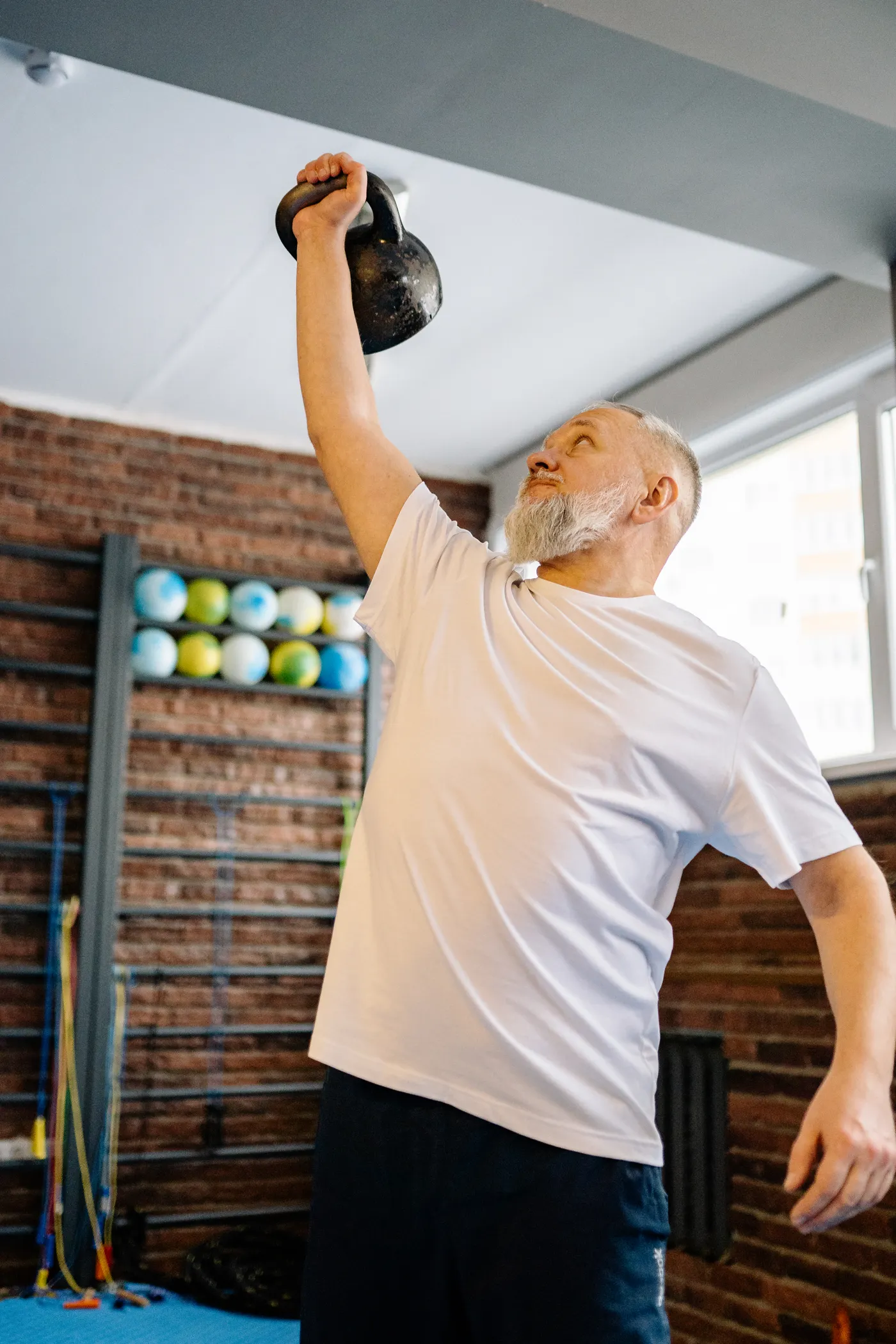
Week one: establish a baseline. Record how long you can walk at a comfortable brisk pace, the exercises you can perform with good technique and how hard each session feels. Keep the first lifting workouts deliberately manageable. For aerobic sessions, choose a pace that does not leave you wiped out for the rest of the day.
Week two: add a little total work. That could be five minutes to one or two walks, one extra controlled set for a major lift, or a small load increase when all planned repetitions are comfortable. Change one variable at a time. A dramatic increase in both cardio intensity and lifting volume makes it harder to tell what is causing soreness or poor recovery.
Week three: if your schedule and recovery are stable, consider replacing part of one aerobic session with controlled intervals. Keep the other aerobic sessions easier. You do not need intervals to make progress; the option is useful only when it fits your health status and preferences. Continue prioritizing consistent lifting technique and gradual overload rather than chasing a higher heart-rate number.
Week four: repeat the baseline checks under similar conditions. Compare walking pace at the same perceived effort, resistance loads at the same repetition quality, and your ability to complete the planned week. If progress has stalled but you feel well, consider a small adjustment. If you feel run down, sleep poorly or have persistent pain, hold the workload steady or reduce it. The plan succeeds when the next month is easier to sustain, not when the fourth week is the most punishing.
7. Track outcomes that matter, and respect the uncertainty
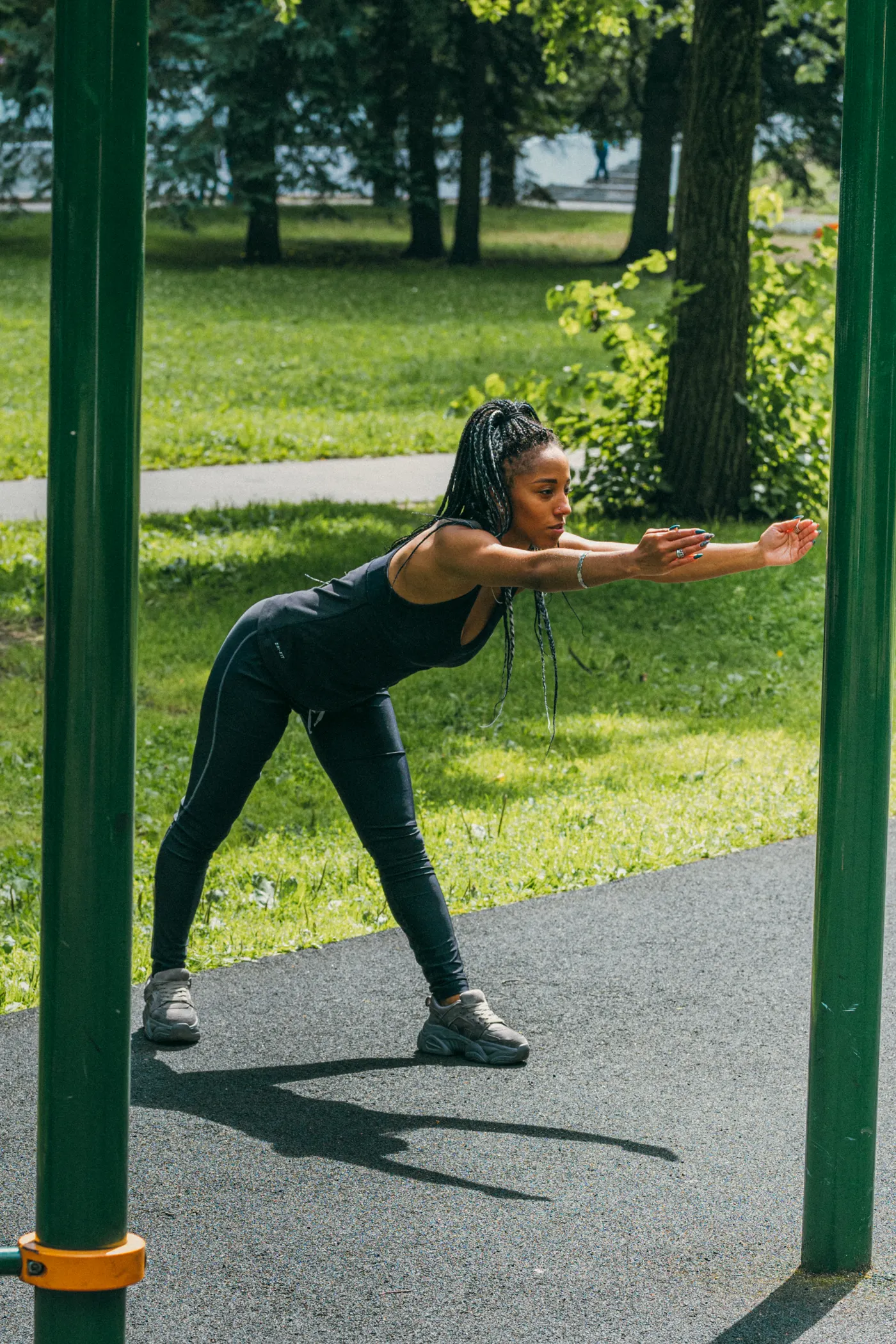
A wearable’s calorie estimate or a single intense workout is not a metabolic-health diagnosis. Useful training measures include completed sessions, walking time, a repeatable fitness test, weights lifted and perceived effort. Clinical measures such as blood pressure, fasting glucose or HbA1c, triglycerides and HDL cholesterol should be interpreted with a qualified healthcare professional. Waist circumference can be tracked consistently if useful, but daily fluctuations are not proof of a meaningful physiological change.
One smaller randomized trial involving 85 older adults with metabolic syndrome compared aerobic, resistance and combined programs over twelve weeks. The combined approaches improved several glucose, lipid and functional measures, lending context to the larger network review. But the groups were small and supervised, and neither study establishes that a particular mix of exercises is universally superior. Medication use, baseline fitness, nutrition, sleep and adherence can all change the real-world picture.
There are also safety boundaries. People with diagnosed cardiovascular disease, diabetes complications, severe hypertension, or symptoms during exertion may need individualized intensity targets and medication-related precautions. Heavy breath-holding during lifting and sudden maximal intervals are poor default choices for an unscreened beginner. If chest pressure, severe dizziness or unusual shortness of breath occurs, stop exercising and seek appropriate medical care.
The bottom line is refreshingly ordinary. The 42-trial review gives combined cardio and resistance training a promising place in metabolic-health programming, but its low-certainty rankings are not a prescription to train harder at all costs. Build a routine that includes both kinds of work, increase it gradually, and use objective health follow-up rather than a single workout’s sweat level to judge whether it is helping.
Funny Gym Shirts & Workout Gear
Funny gym shirts, tanks, hoodies and workout gear for lifters who like training hard.

Be Stronger Than Your Excuses Motivational Workout for Sticker
A fun “Be Stronger Than Your Excuses” touch for bottles, laptops, and lockers.

Be Happy Lift Heavy – Motivational & Gymbros – Meme T-Shirt
Make gym days more fun with “Be Happy Lift” style.

Live Love Lift – Beer Donuts Lifting Meme Gymbros, T-Shirt
Heavy lifts, good laughs, and a little “Live Love Lift” energy.


Progress Stoic Sigma Greek God Marble Sculpture – T-Shirt
Rep “Progress Stoic Sigma Greek God Marble” humor in and out of the gym.


Funny Train Hard Gains Gym | Thomas The Tank Engine Wor T-Shirt
Show some gym-day personality with “Train Hard Gains”.

Lift Together Grow Stronger for Gym Buddies Who Train T T-Shirt
Show some gym-day personality with “Lift Together Grow Stronger”.

Never Skip Mass Day Greek Mythology Booty T-Shirt
Make gym days more fun with “Never Skip Mass Day” style.
Lift Heavy – Hardcore Heavy Metal Gym Shirt for Powerli T-Shirt
A t-shirt featuring the Lift Heavy – Hardcore Heavy Metal Gym Shirt for Powerlifting and Bodybuilding artwork, bringing lifting-inspired humor and distinctive gym graphics to your everyday gear.