Advertising disclosure: This page includes affiliate links that may earn us a commission at no additional cost to you.
Buckwheat gives a meal a different flavour and texture without requiring you to rebuild the rest of your eating plan. Cooked groats can sit beside eggs, fish, meat, tofu or beans, take the place of rice in a bowl, or become a warm breakfast. The useful question for lifters is where it fits on the plate, rather than whether it deserves a superfood label.
Start by choosing the right form. Whole groats, roasted kasha, flour and buckwheat-containing noodles are different shopping decisions. They need different preparation, and the word buckwheat on the front does not describe every ingredient in the bag.
1. Get to know groats and roasted kasha
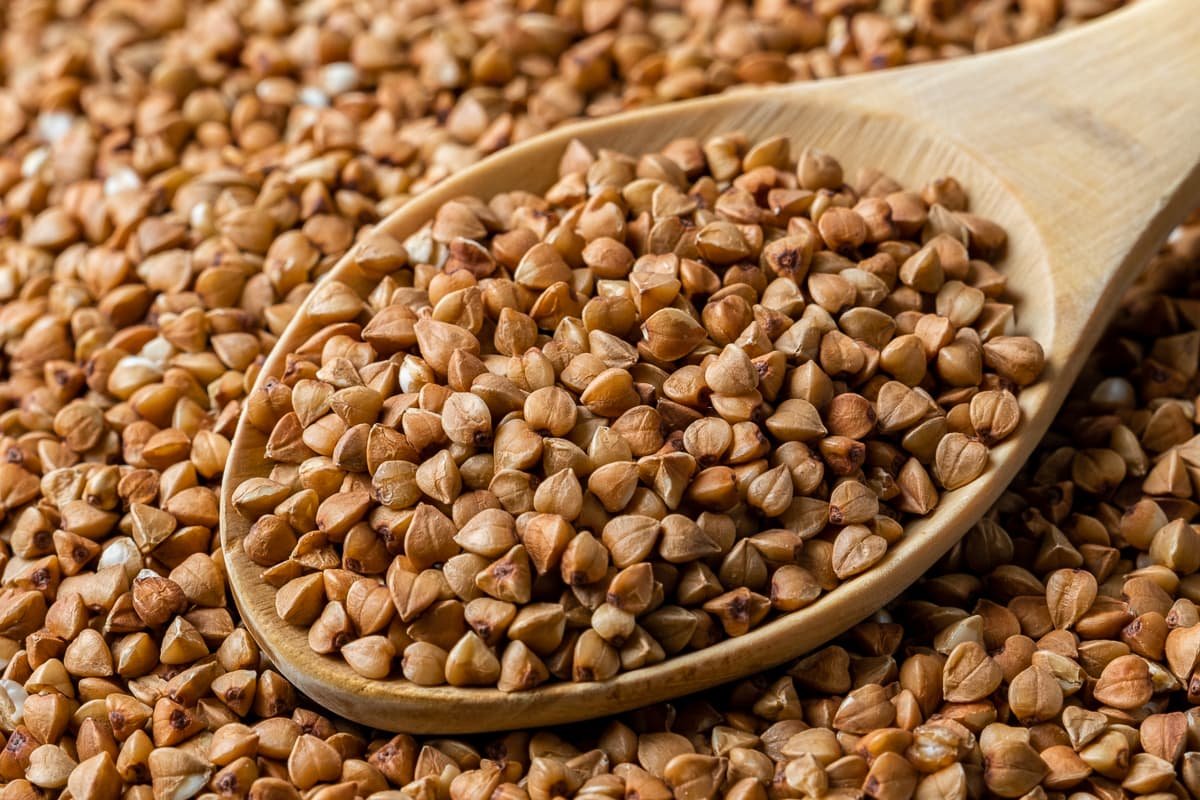
Despite its name, buckwheat is not wheat. It is a seed commonly used like a grain, often described as a pseudocereal. The edible whole kernels are called groats. Their small, angular shape is quite different from a rice grain, while their cooked texture can range from separate, tender kernels to a softer porridge.
Groats are sold unroasted or roasted. Roasted buckwheat is commonly called kasha and has a more pronounced toasted flavour. Look at the actual product description before choosing a recipe: a bag of roasted groats and a bag of finely broken pieces should not automatically be treated the same way.
For your first try, choose the form that matches a meal you already enjoy. Someone who likes a nutty, savoury side might start with roasted groats. Someone interested in a breakfast bowl might prefer a recipe designed for a softer texture. Neither requires a claim that one version is universally better.
Buy a modest amount until you know which version you like. A large cupboard supply is only useful if it becomes meals. Store the dry product as directed on its pack, keep it dry and sealed, and retain the label if you transfer it to another container.
2. Flour and noodles need their own label check
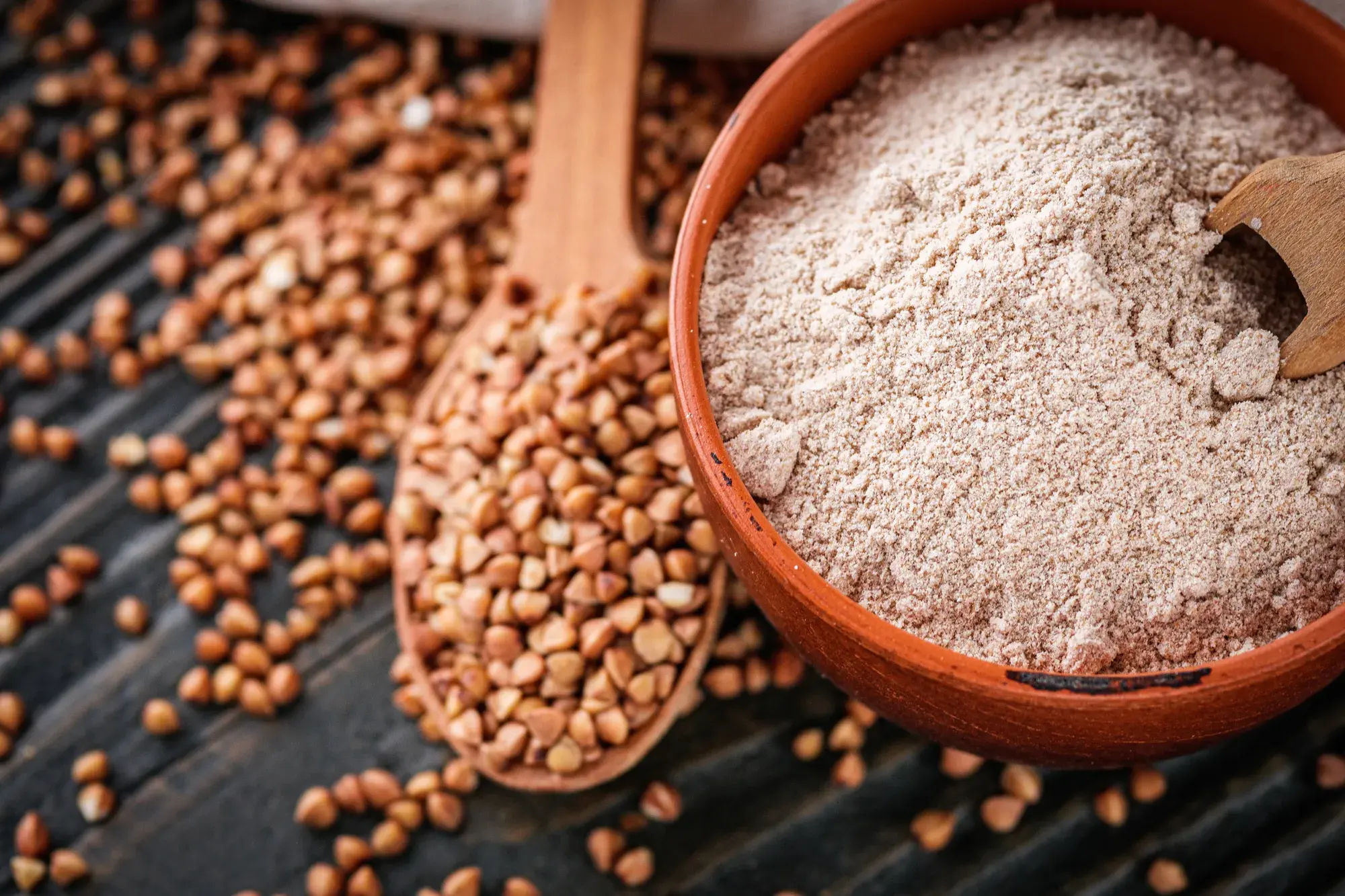
Buckwheat flour opens up pancakes, crepes and other baking possibilities, but it is not a bag of whole groats in a different package. Milling changes how you use the ingredient. Follow a recipe developed for the flour rather than assuming it can replace another flour in any recipe without changing the result.
The same care applies to noodles and prepared mixes. Soba can contain both buckwheat and wheat flour. A pancake mix may include other flours, sugar or additional ingredients. Read the ingredient list and nutrition panel for that particular product instead of borrowing an entry for plain cooked groats.
Buckwheat itself is naturally gluten-free, but a buckwheat-containing food is not automatically gluten-free. If you need to avoid gluten, choose a product labelled appropriately for that need and check the complete ingredients. Do not rely on the large word on the front of the packet.
This is also a useful way to compare convenience. Groats, noodles and a ready-made mix solve different kitchen jobs. Choose the form that fits the dish and the time you have, rather than expecting one product to work equally well as a side, a noodle bowl and a baked breakfast.
3. Decide whether you want separate kernels or porridge
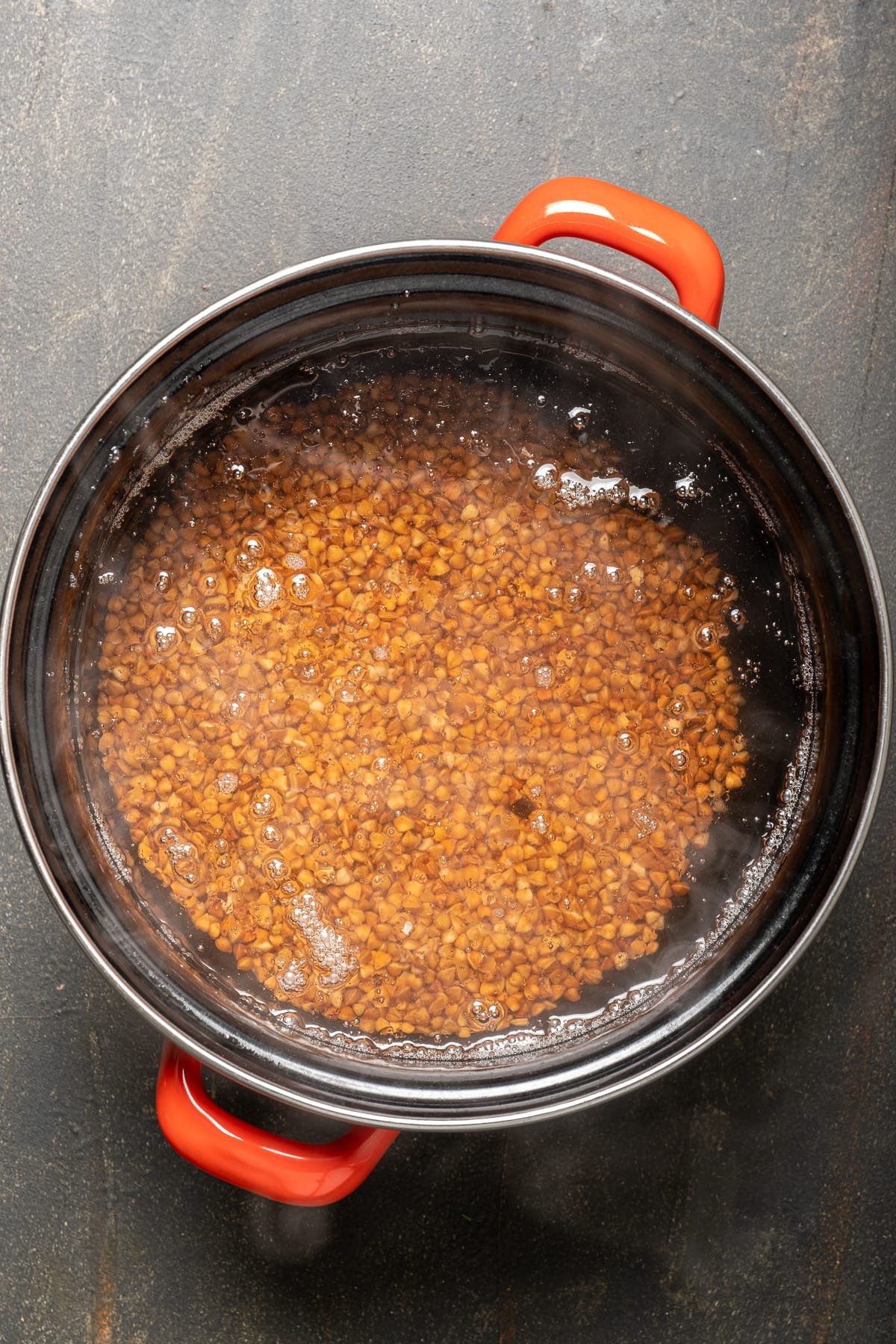
Texture is often what decides whether someone wants to cook buckwheat again. A soft breakfast can be pleasant; the same texture may disappoint when you wanted distinct kernels in a salad. Name the intended result before you start, then use the packet instructions or one coherent tested recipe.
Cooking guides differ in their liquid quantities, heat and timing. Those differences are a reason to follow the method for the product and result you have chosen, not to combine a water ratio from one guide with a cooking time from another. Check whether the recipe specifies roasted groats, unroasted groats or a cracked product.
For a side or salad, pay attention as the groats approach tenderness. Avoid continuing to cook them simply because a different recipe gave a longer time. Handle cooked kernels gently when fluffing or mixing them; vigorous stirring can break them down when the aim is to keep them separate.
Make a small first batch and note the product, method and texture. That short record is more useful than deciding buckwheat is always mushy after one attempt. If the result is softer than intended, use an appropriate porridge-style serving idea and adjust the next batch rather than forcing it into a crisp salad.
4. Treat it as part of the meal, not the entire protein plan
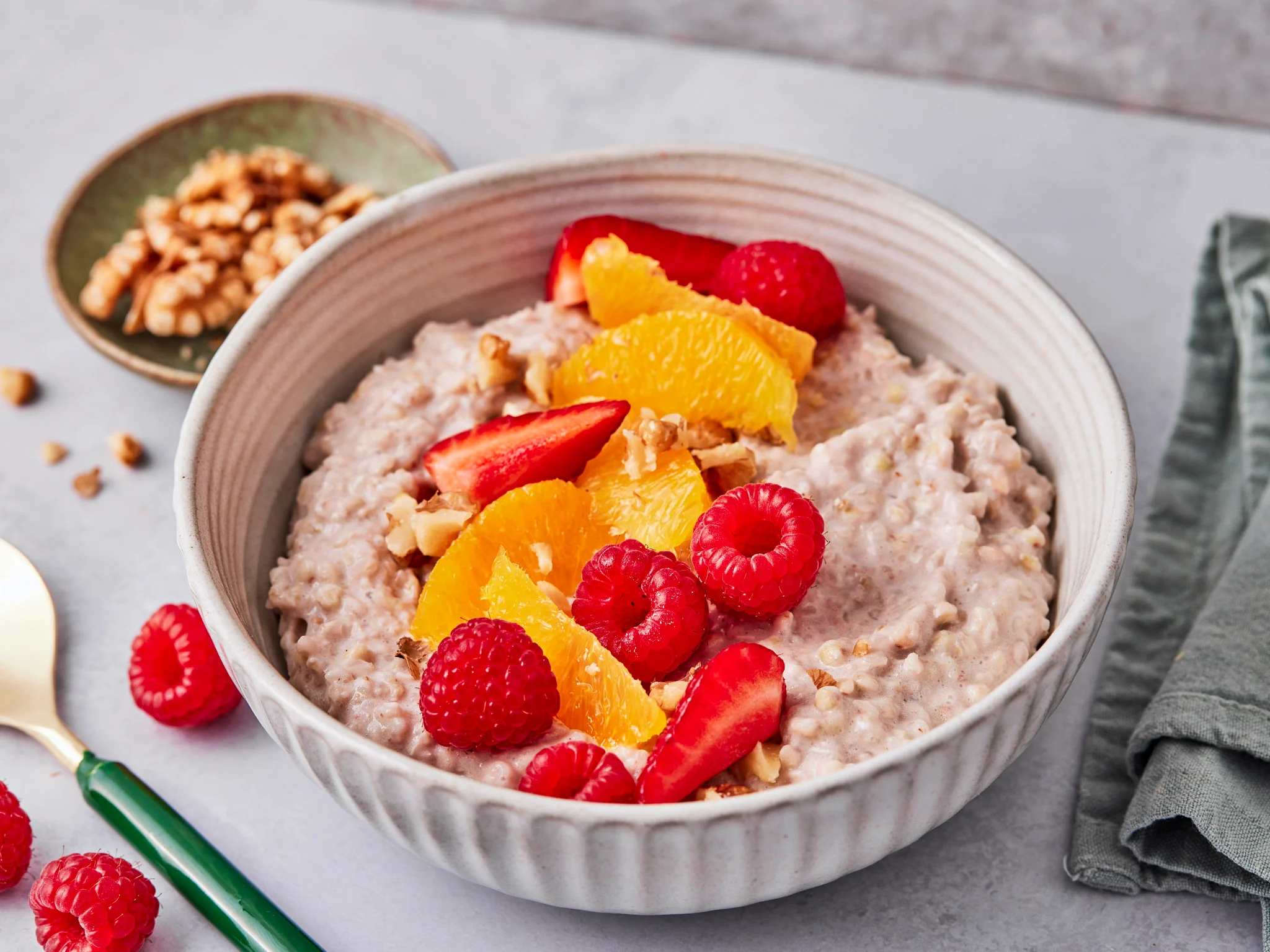
Buckwheat supplies carbohydrate, some protein and fibre. That makes it a useful food ingredient, but it does not mean a plain bowl automatically provides the protein you intended for lunch. Think about the complete meal and the portion you actually eat.
One reference portion of cooked groats, about 170 grams, supplies roughly 34 grams of carbohydrate and 6 grams of protein. Those are approximate reference figures for plain cooked buckwheat, not a promise about every brand, dry serving or finished recipe. Use your own label when available and keep its dry or cooked basis clear.
For a savoury plate, pair the groats with a protein food you enjoy and vegetables. Lentils can be part of that choice; our guide to lentil portions and meal planning explains why their preparation and label basis matter too. There is no requirement to combine these foods in one exact ratio.
A breakfast version can use milk or yogurt alongside fruit, depending on the recipe and your preferences. Nuts, syrup, butter and oil also contribute to the meal. If you track food, include those additions rather than logging only the plain buckwheat beneath them. A photograph cannot tell you the total calories or protein.

Bodybuilding Shirts & Workout Gear
Bodybuilding shirts, tanks and gym gear for lifters chasing muscle, size, symmetry and the pump.

Weights Breakfast Pancake Weight Plates Morning Hoodie
Bring “Weights For Breakfast” gym humor to lazy days and post-workout plans.

Lift Eat Repeat & Weightlifting Meme Vest Tank Top
Add some lifting attitude to training with “Lift Eat Repeat”.

I'M A Rice-Ist Sweater & Rice Lovers Meme T-Shirt
Show some gym-day personality with “I'm A Rice-ist”.

Chicken Broccoli Rice Breaking Bad Parody Decal Sticker
Give your everyday gear a playful “Chicken Broccoli Rice” twist.

Protein Power Cereal Tee
Heavy lifts, good laughs, and a little “Protein Power Cereal” energy.


Broccolift Eat Broccoli Lift Hooded Gains Meme Jumper Hoodie
Keep it laid-back with a little “Broccolift” attitude.

Brotein Bar Gym | Funny Protein Bar Meme Workout For Gy Hoodie
Stay casual and show some bodybuilding attitude with “Brotein Bar”.

Shirt – Eat Your Chicken – Meme & Gains T-Shirt
Rep “Eat Your Chicken” humor in and out of the gym.
5. Build a few meals you will actually repeat
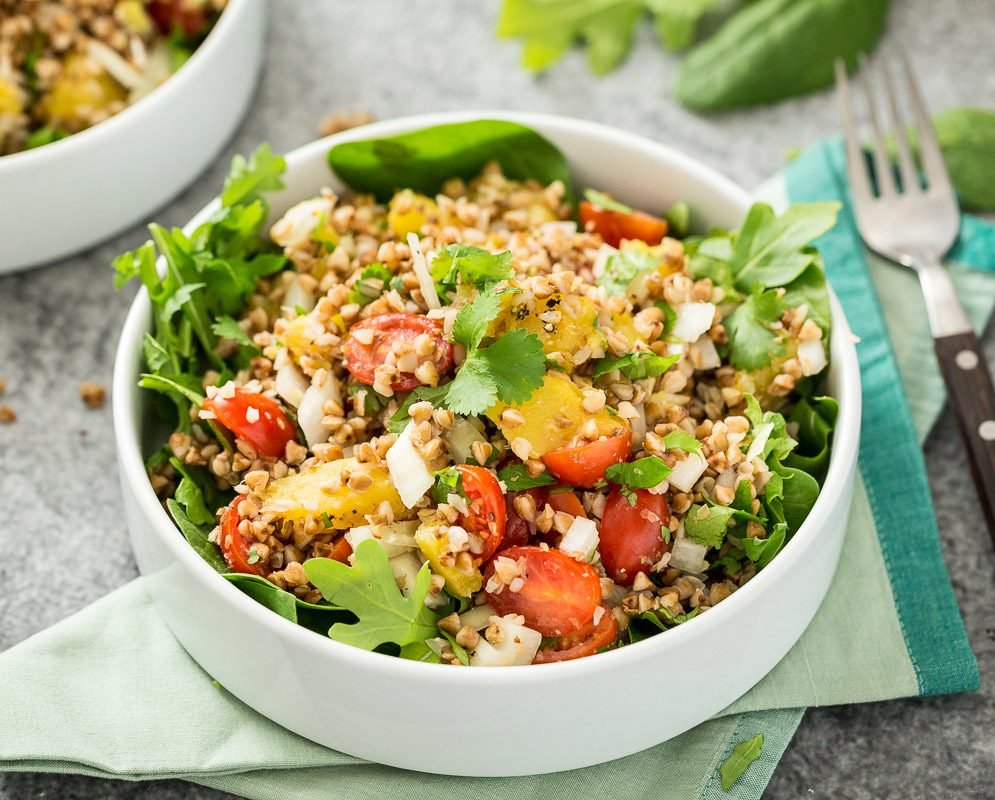
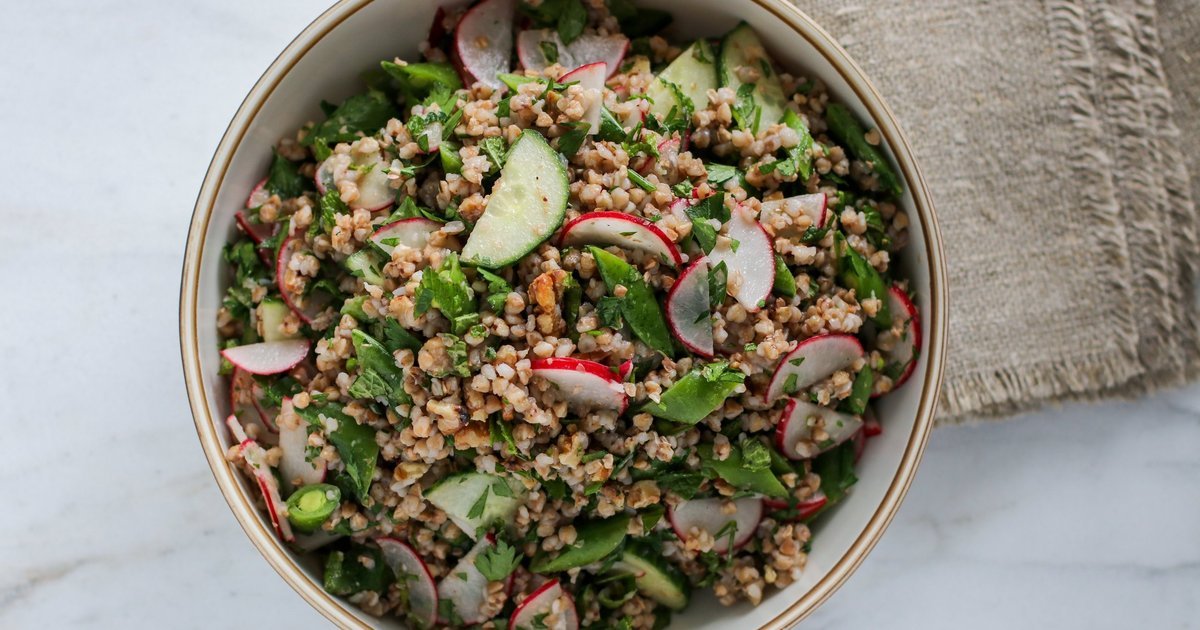
Use buckwheat to vary an existing meal structure. A warm side with mushrooms and a protein food feels different from a cold bowl with crunchy vegetables and herbs. A softer breakfast with fruit is another job again. These are serving ideas, not a copied recipe or a claim about the macros of the photographs.
A bowl can combine cooked groats, chickpeas, vegetables and a dressing you like. Our chickpea and hummus meal guide offers ways to vary that component. Start with ingredients you already use so that trying a different base does not require several unfamiliar purchases.
Consider the practical comparison with rice or another usual side: did you enjoy the taste, was cooking manageable, and did the portion fit the meal? There is no need to declare a winner for every person or training goal. Keeping several options available can be more useful than replacing everything with the newest ingredient you have read about.
Prepare only what you can store and use appropriately, following the recipe and food-storage directions relevant to the dish. Buckwheat earns a place through enjoyable meals and a manageable routine. Choose the form, cook for the texture you want, and give the rest of the plate equal attention.