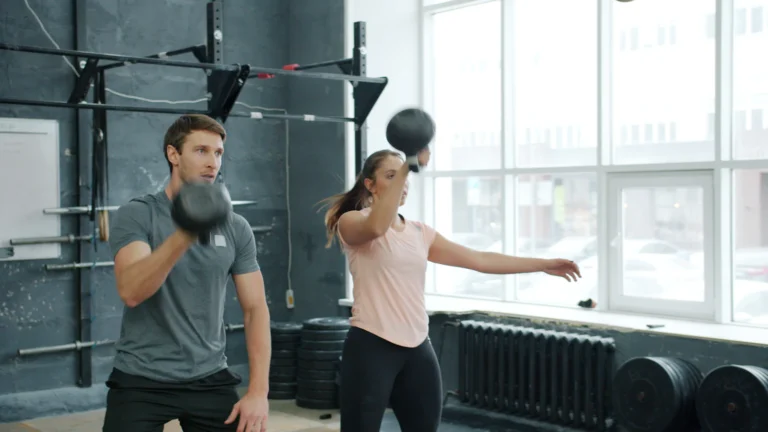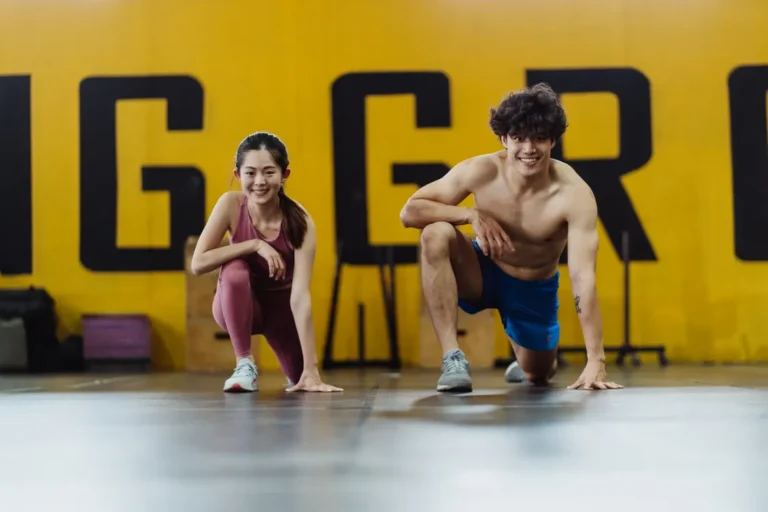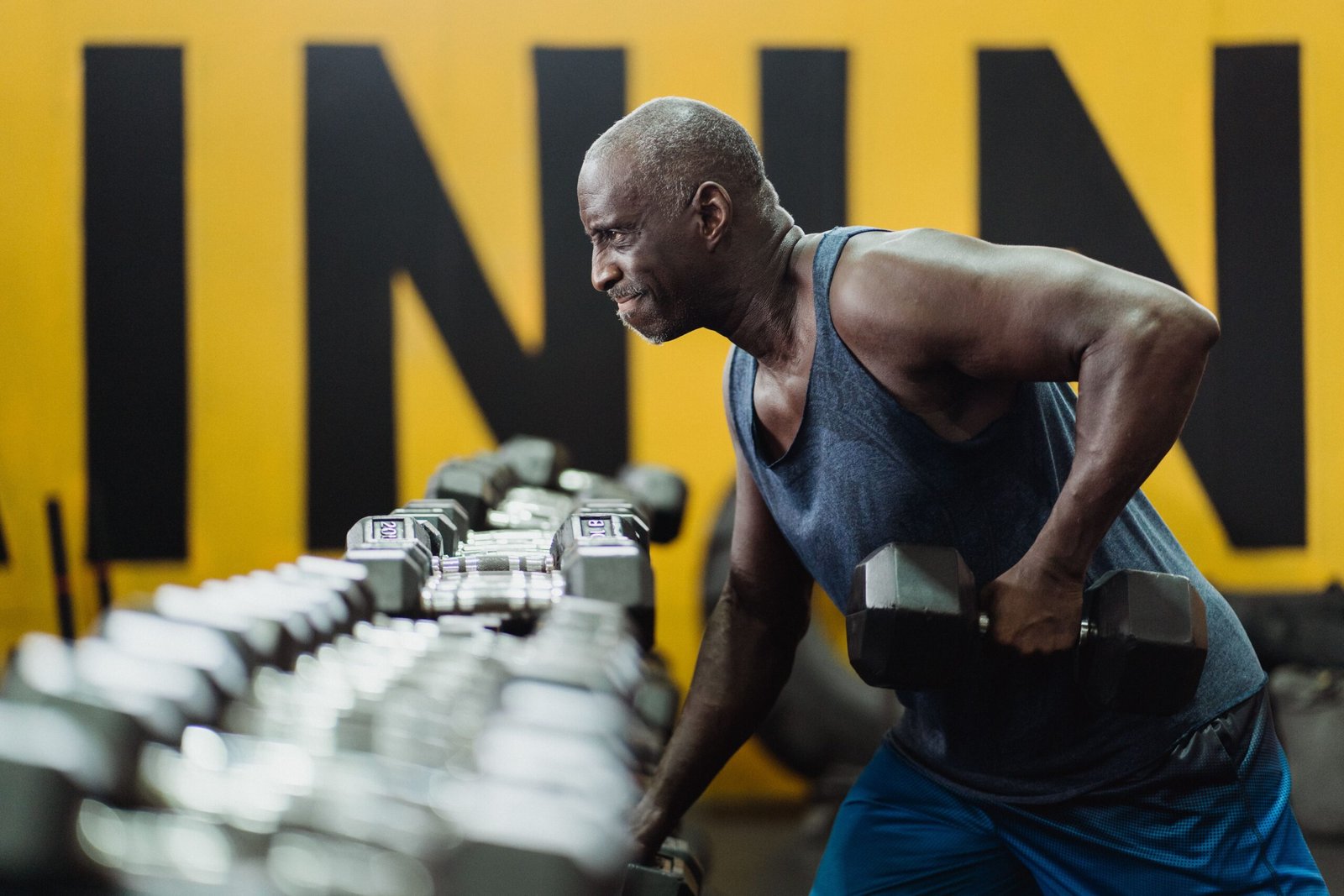
How quickly should you lift a weight as you get older? Slow, deliberate repetitions are often presented as the safer choice, while faster lifting is promoted as a way to preserve power for getting out of a chair, climbing stairs and catching yourself when balance slips. The useful answer is more nuanced: both approaches can improve function, and the right speed depends on the person, load and movement.
A 2026 randomized trial compared slower and faster resistance training in adults over 50 who had both low muscle mass and excess body fat. Its results are worth reading carefully, especially because a modest change on a body-composition scan is not the same as becoming more capable in everyday life. Here is what the experiment found, what it did not establish and how to translate its lessons into sensible training.
1. What the 16-week trial actually tested
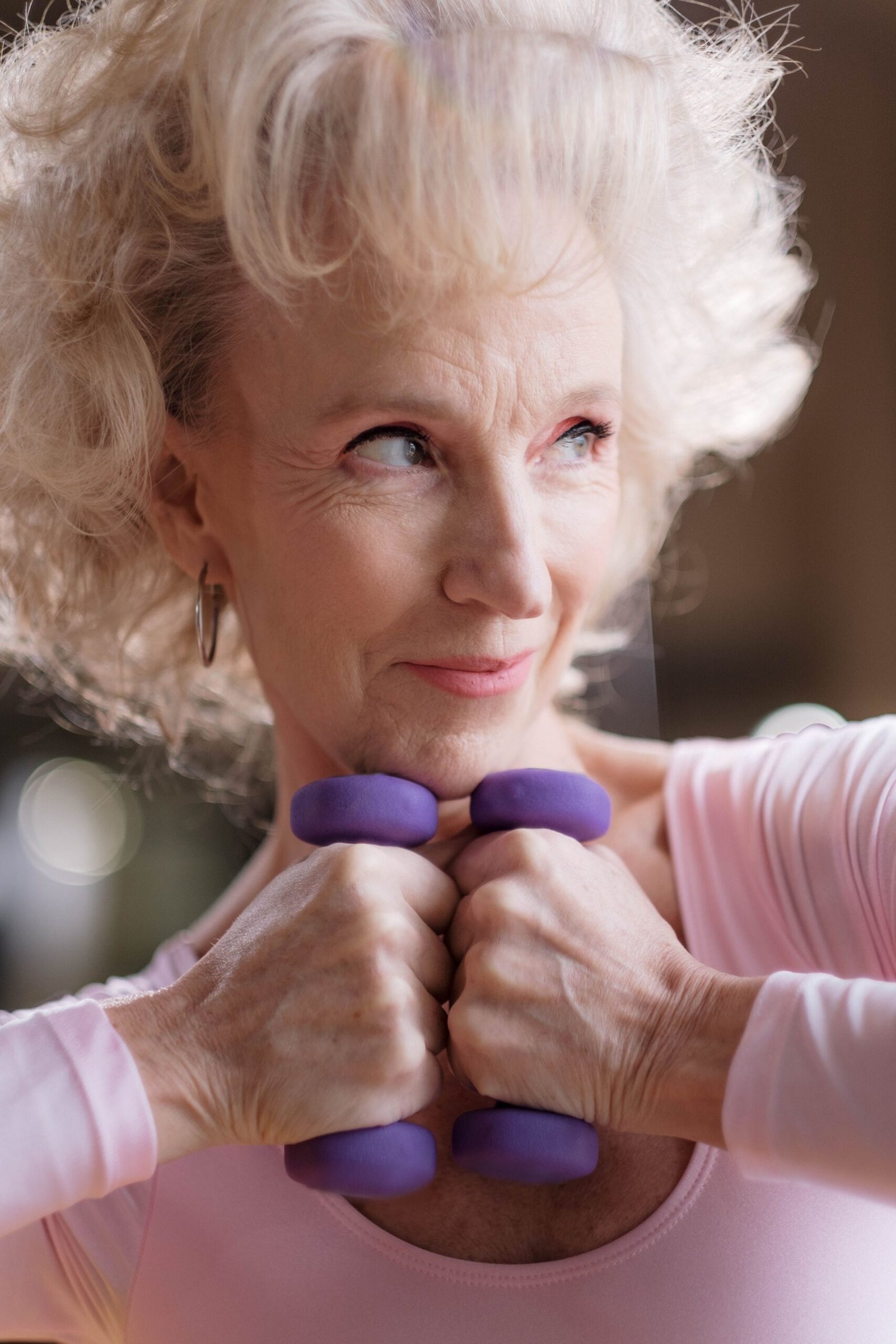
The trial enrolled 73 adults older than 50 with sarcopenic obesity, a condition in which low muscle mass coexists with elevated body fat. The participants were not a representative sample of all people over 50: 63 were women and 10 were men, and the average age was about 66. That matters when interpreting the findings for younger athletes or already strong lifters.
Researchers allocated 26 people to a usual-lifestyle control group, 24 to slower resistance training and 23 to faster resistance training. Both exercise groups trained under one-to-one supervision twice per week for 16 weeks. The programs used progressive resistance exercise at a prescribed 70% of one-repetition maximum, with the intended speed of the lifting, or concentric, phase as the key distinction. The lowering phase was not an invitation to drop weights or sacrifice control.
Tests covered body composition, physical function and several salivary hormones. Functional tests were repeated at week eight as well as at the end. Training attendance was very high in both exercise groups, above 96%, so this was a closely supervised intervention rather than a casual suggestion to move faster.
The practical comparison is therefore not heavy powerlifting versus easy rehabilitation. It is two organized resistance programs differing primarily in how the working portion of each repetition was performed. That narrow design helps isolate speed, but it also means the findings cannot tell us which approach is best at every possible load, exercise or experience level.
2. Both lifting speeds improved real-world physical function
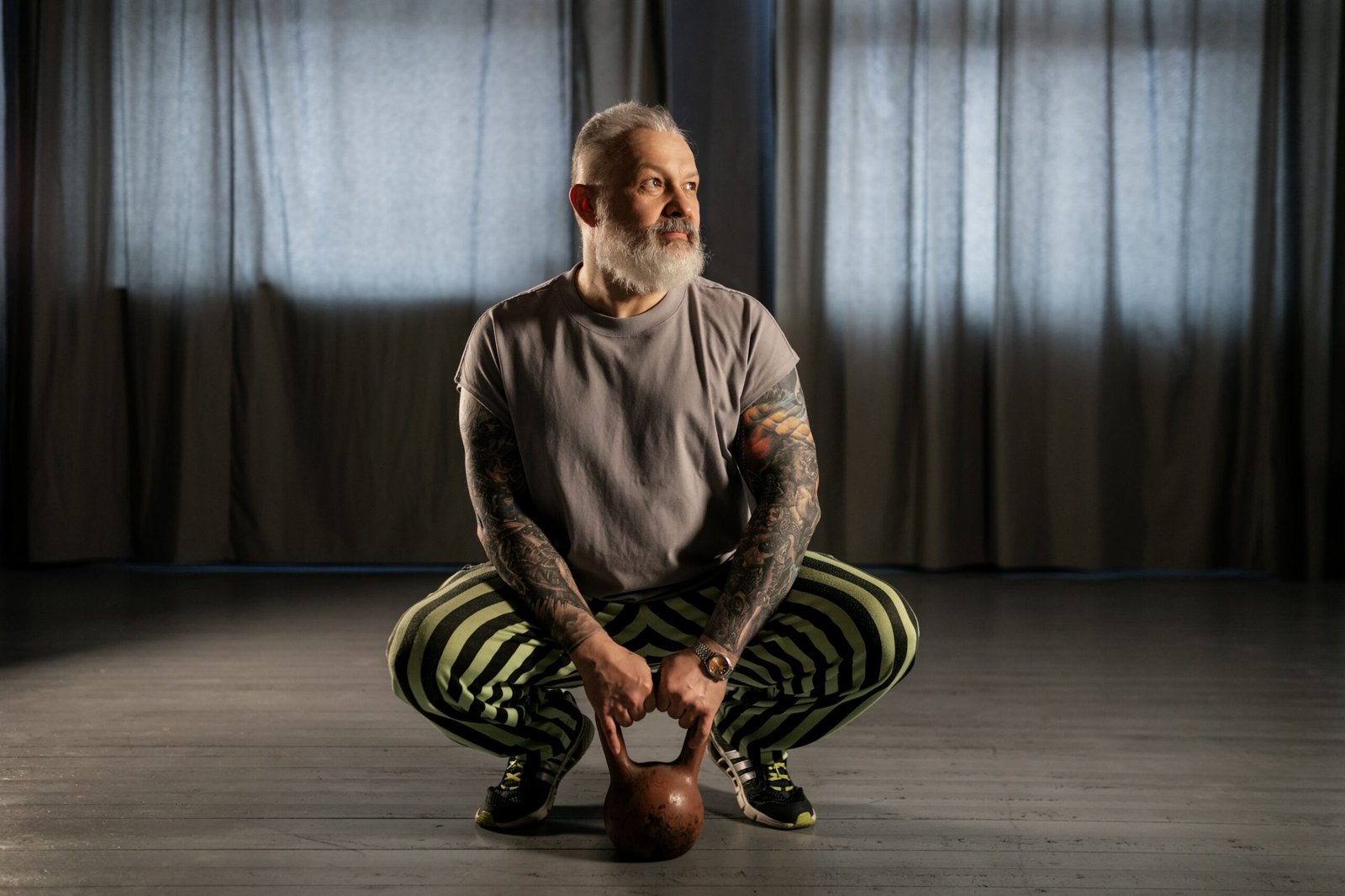
The clearest outcome was functional performance. Compared with the control group, both training groups improved their chair-stand, timed up-and-go and stair-climbing results at eight and sixteen weeks. These are useful measures because they represent tasks that matter to independence, not just the ability to move a heavier weight once.
At week eight, the slower-training group improved chair-stand performance by about 16.9%, while the faster-training group improved it by about 12.6%. Timed up-and-go performance improved by roughly 5.8% and 5.6%, respectively; stair-climbing performance improved by about 7.7% and 7.1%. The improvements were maintained at week sixteen, with some further gains in certain measures. These percentages describe this trial’s group averages, not a promised result for a particular reader.
It is tempting to look at the larger chair-stand percentage and declare slow lifting the winner. That would overstate the evidence. Both interventions produced meaningful improvement against doing no structured resistance training, and the study was not a definitive demonstration that one speed dominates across every functional outcome.
Consider what a chair stand requires: leg force, coordination, trunk control and enough confidence to move without excessive hesitation. A progressive squat pattern can improve several of those qualities regardless of whether each repetition is performed with a deliberately slow lift or a controlled, more purposeful push upward. The lesson is that consistent, challenging strength work is a stronger starting point than obsessing over a single repetition tempo.
3. What happened to muscle mass and body composition?
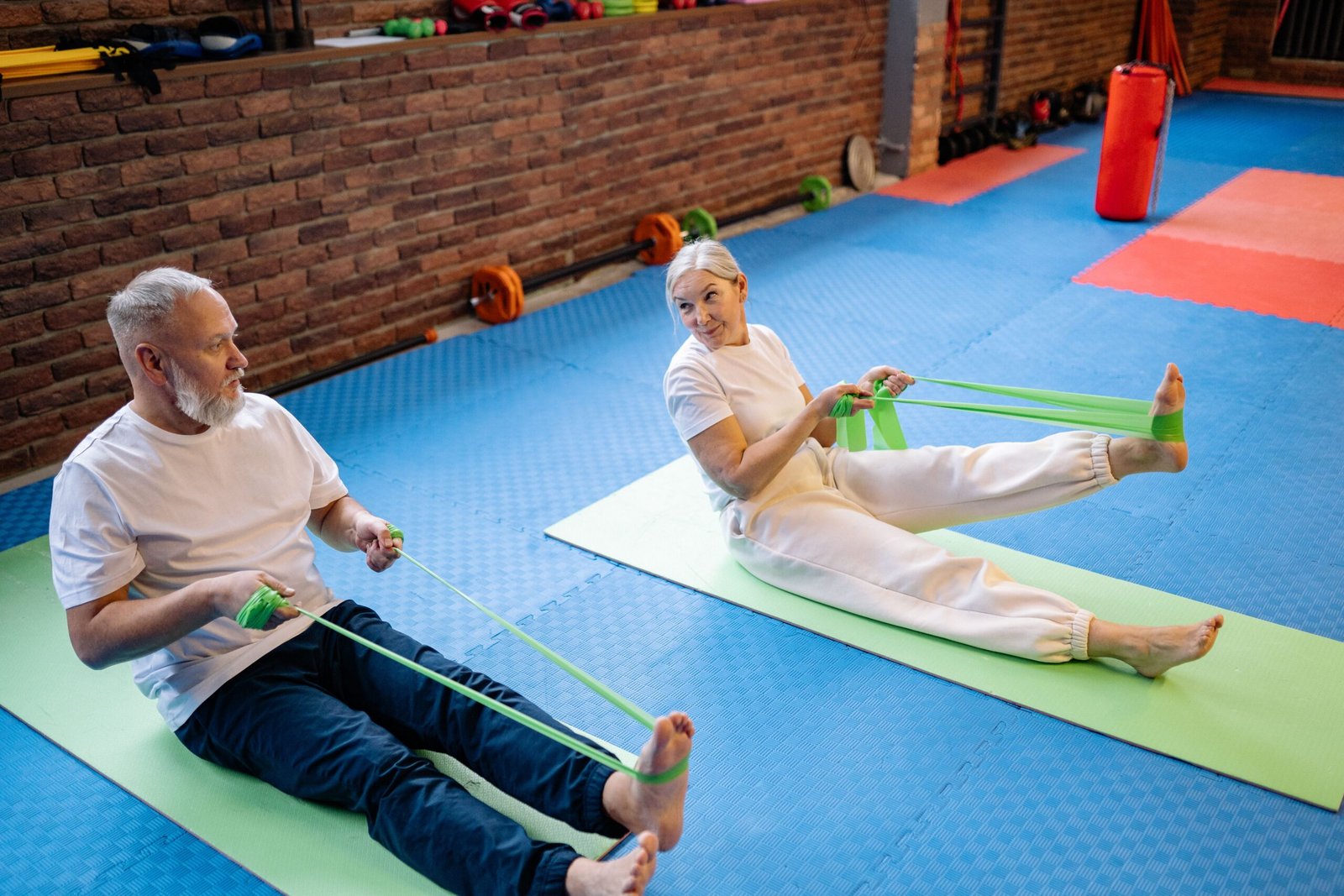
Body-composition results were more restrained than the functional improvements. Total body muscle mass increased by approximately 1.14% in the slow group and 0.35% in the fast group, while the control group decreased by about 0.70%. Only the slow group showed a statistically significant within-group increase in total muscle mass. The authors characterized that gain as trivial in magnitude.
That distinction matters. A statistically detectable change can still be small in everyday terms, and a result that reaches significance in one group but not another does not automatically establish a large, reliable superiority between those training methods. Appendicular muscle mass, meaning muscle in the limbs, did not show a significant group-by-time interaction. Measures of regional and total fat mass also did not show clear group-by-time differences.
The participants were exercising, not following a controlled weight-loss intervention. Diet, supplements and medication were not strictly controlled, so this study should not be treated as evidence that a particular lifting tempo burns more fat. Neither training method should be sold as a shortcut around adequate nutrition, recovery or a consistent exercise habit.
Broader exercise evidence in people with sarcopenic obesity also shows a recurring pattern: physical function often improves more clearly than body composition. In a 2025 synthesis of seven trials involving 303 older women, resistance exercise improved several measures of mobility and chair-rise performance, while changes in muscle and fat measurements were more variable. A larger 2026 synthesis of twenty trials reported benefits for several functional and composition outcomes but emphasized limits in the certainty of evidence.
For someone rebuilding capacity, walking more comfortably, climbing stairs with less effort and getting up from a low chair are valid successes even when a scan or bathroom scale barely changes.

Equipment Worth Exploring
Explore equipment, accessories and gear from our carefully selected range.


FID Bench MAX
Adjustable bench offering flat, incline, and decline positions + adjustable headrest.

4. Fast lifting means intent and control, not rushing
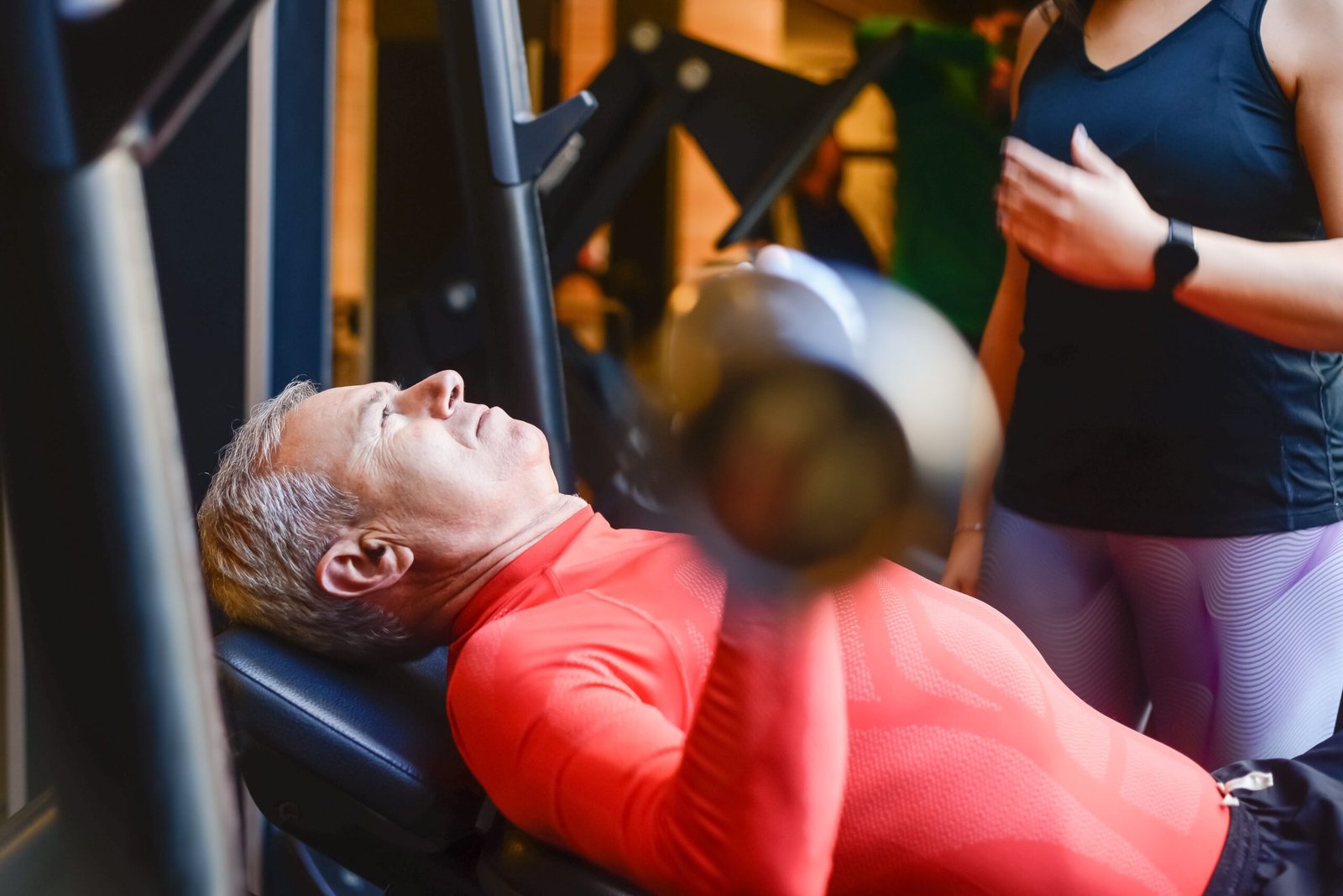
In resistance training, concentric speed refers to the phase in which a muscle shortens while producing force. Standing up from a squat or pushing a dumbbell away during a press are common examples. The eccentric phase is the controlled return. A faster concentric effort can be useful for power, but a weight that is genuinely challenging will often move slowly even when the lifter intends to move it quickly.
This is why movement intent and visible speed should not be confused. An older adult can practice an assertive but controlled stand from a chair without jumping, bouncing or using a dangerously heavy load. Another person may need a slower rise because of pain, balance limitations or unfamiliarity with the pattern. Both can train productively.
Useful cues are simple: establish a stable starting position, breathe normally rather than straining through long breath holds, push through the intended range without jerking, and control the return. If the movement becomes uneven, painful or hard to stop, reduce the load or choose an easier variation. A fast rep is not a successful rep if it requires throwing the weight or losing balance.
Supervision in the trial is important. Participants had instructors monitoring exercise performance and load progression. Readers with cardiovascular disease, uncontrolled blood pressure, recent falls, significant joint problems or other medical restrictions should have their training plan adapted by an appropriate clinician or qualified professional. The trial does not establish that fast lifting is universally safe for every older adult.
The most transferable principle is not a mandatory stopwatch tempo. It is to choose an effort that challenges the muscles while leaving enough control to repeat the movement consistently and recover for the next session.

Powerlifting Shirts & Lifting Gear
Powerlifting shirts and gym gear for squat, bench and deadlift lifters who live for heavy numbers.

Leg Day Thou Shalt Not Skip Leg Day Medieval Gym Crewne T-Shirt
Show some gym-day personality with “Leg Day”.

Gym Sir Swole of Benchalot Medieval Knight Bench Press Hoodie
Show off your medieval humor in a laid-back “Sir Swole of Benchalot Medieval Knight” hoodie.

Muscle Daddy Pink Barbell Plate Gym Vest for Men Who Li Tank Top
Add some lifting attitude to training with “Muscle Daddy”.

I Love Deads Shirt – Valentine'S Day Deadlift Meme T-Shirt
Show some deadlift attitude with a playful “I Love Deads” tee.

I Want You To Break Your PR – Patriotic Uncle Sam Jumpe T-Shirt
For laid-back days and powerlifting humor: “I Want You To Break Your PR”.

Lord Help Me Lift Sweatshirt
Show some gym-day personality with “Lord Help Me With This Lift”.

5 Plates Bench Club Chest Day Meme T-Shirt
Bring “5 Plates Bench Club” humor to your next gym day.

3 Plates Squat Club – Motivational Meme & Ultimate T-Shirt
Rep “3 Plates Squat Club” humor in and out of the gym.

Ultimate Meme Shirt Strong & Gymbros T-Shirt
Show some powerlifting attitude with a playful “Ultimate” tee.

Gym The Bar Does Not Lie Medieval Knight Lifting Shirt T-Shirt
Make gym days more fun with “The Bar Does Not Lie Medieval Knight” style.
5. Muscle size, strength and power are different goals
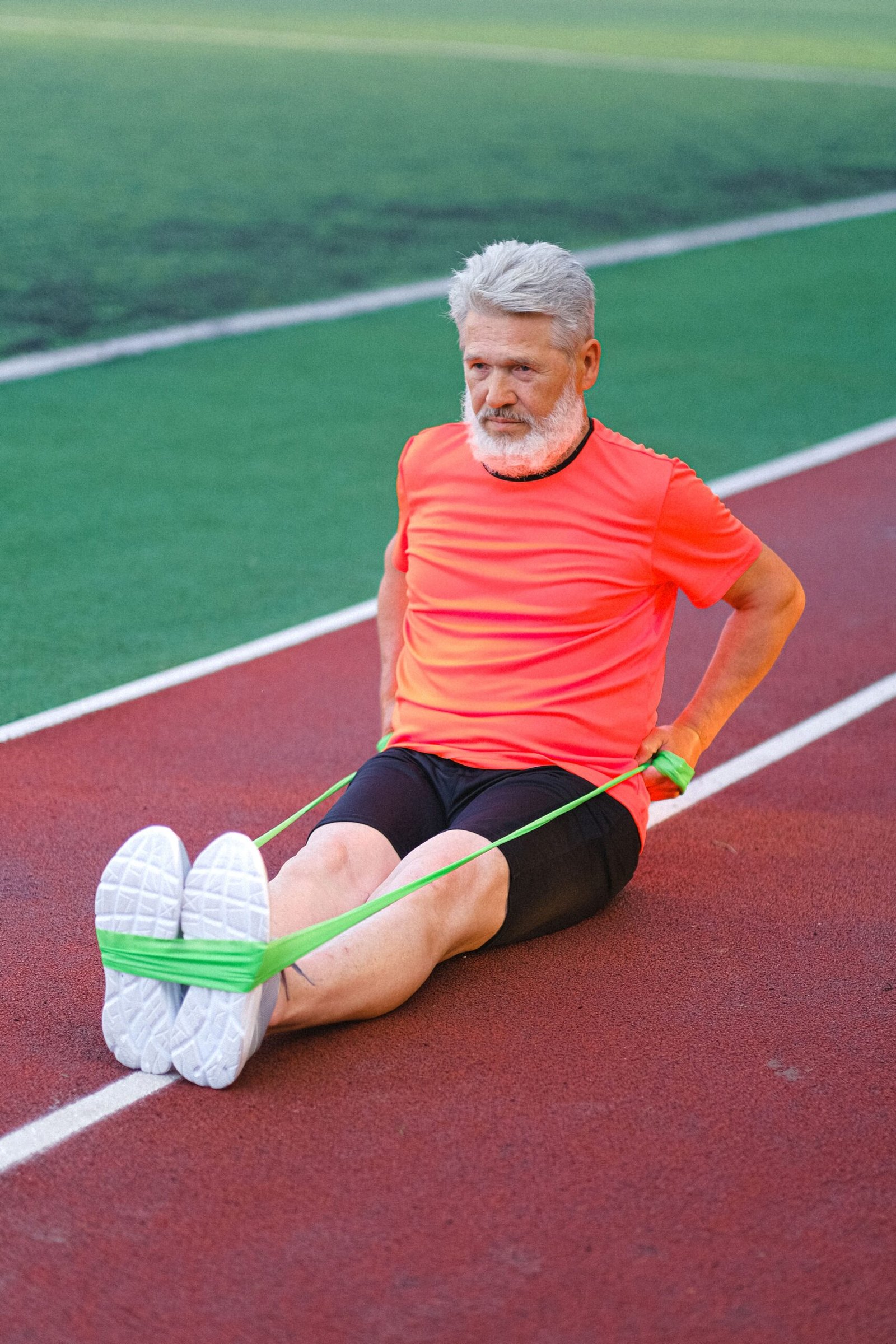
Strength describes the ability to generate force; power adds a speed component. Muscle size is related to both but is not interchangeable with either. Someone may improve chair-rise time by learning the movement, coordinating their muscles better and developing more force without a dramatic increase in measured muscle mass.
This helps explain why high-speed training has attracted attention in active aging. Everyday challenges such as stepping over an obstacle or recovering from a stumble often demand timely force production. Yet preserving muscle mass remains important, and a controlled slower tempo can be practical for learning technique and keeping tension on the intended muscles.
A 2026 synthesis of resistance-training trials in adults aged sixty and older found that resistance exercise improved muscle mass, strength and functional performance overall. Its exploratory comparisons suggested that maximal intended lifting speed may favor functional outcomes in some settings, while submaximal speed may perform well for strength or muscle outcomes. Such subgroup findings should guide questions rather than dictate a universal prescription.
Other syntheses focused specifically on sarcopenic obesity have reported improvements in functional measures after resistance training while noting inconsistent changes in biomarkers and body composition. This is a reason to track more than one result. Recording the number of controlled chair rises, the load used for a squat variation and how confidently someone climbs stairs may reveal useful progress that a bodyweight reading misses.
There is also no need to turn every set into a power drill. A sensible session can include deliberate strength repetitions for learning and building capacity, then a few lower-risk movements performed with crisp, controlled intent. Which comes first depends on fatigue, safety and the individual’s priority.
6. A practical twice-weekly strength template
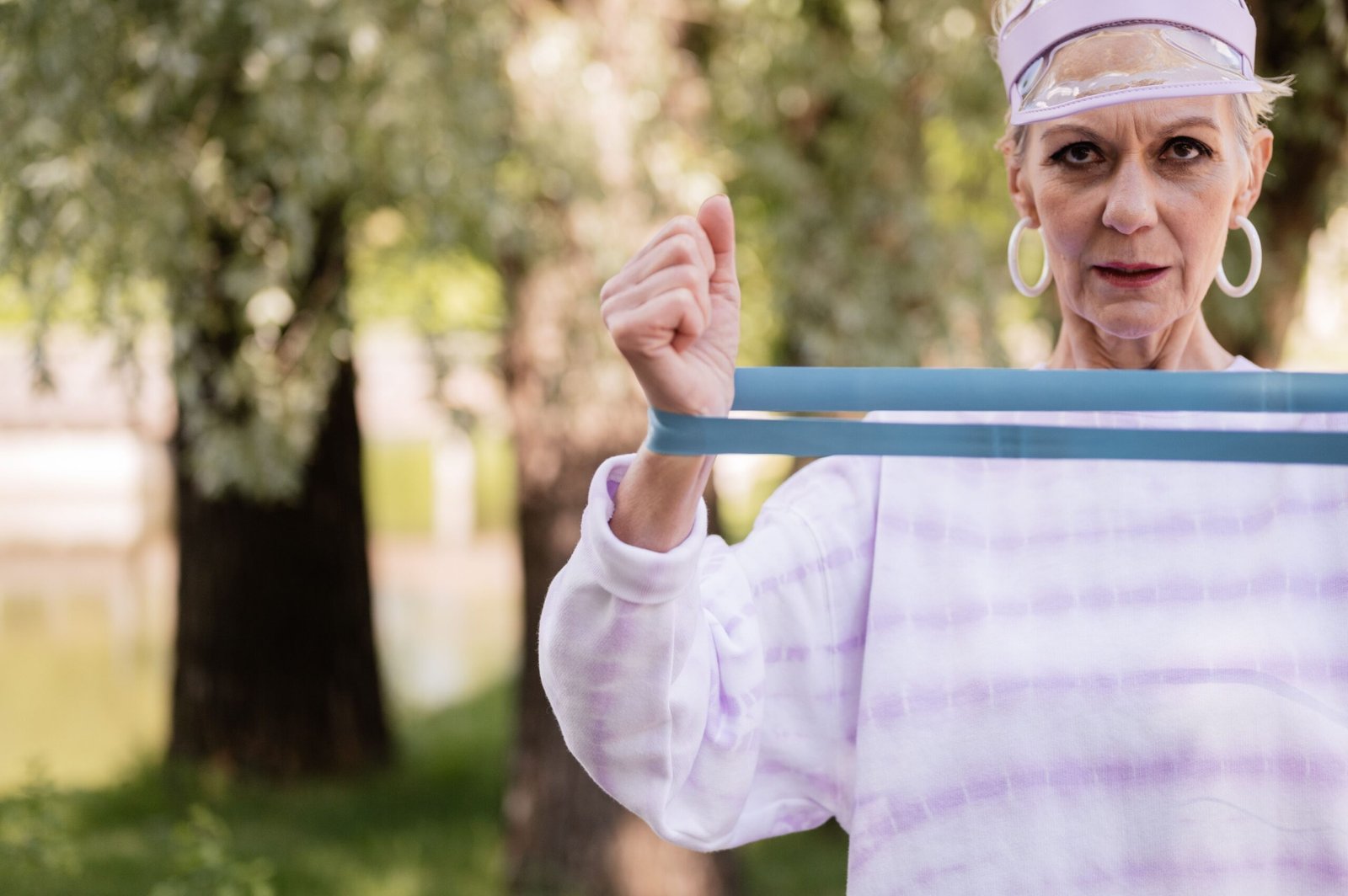
For a generally healthy older beginner, two nonconsecutive resistance sessions can be a manageable starting structure. The following is an illustrative template, not the exact intervention from the trial and not an individualized rehabilitation prescription. Select a load and range that allow stable technique; start conservatively and progress gradually.
Session A: Begin with a supported squat or chair stand for two sets of six to ten controlled repetitions. Add a row using a cable, machine or band for two sets of eight to twelve; a supported hip hinge for two sets of eight to ten; and a chest press or wall push-up for two sets of eight to twelve. Finish with a short balance drill near stable support, if appropriate.
Session B: Use a step-up to a low stable platform or a leg press for two sets of six to ten. Follow with a pulldown or assisted row, a light hip-hinge variation and a press, again for roughly two sets each. A comfortable carry or sit-to-stand practice can finish the session if balance and grip permit.
For the first few weeks, focus on controlled repetitions and consistent attendance. When technique becomes reliable, some concentric phases may be performed with a slightly more purposeful upward intent while keeping the return deliberate. Do not use maximal-speed cues on an exercise that is already unstable or painful. Rest long enough to preserve quality, often around one to two minutes for moderate sets, and longer when needed.
Progress one variable at a time: a little more range, one or two additional clean repetitions, or a small increase in resistance. Track function separately from the load. A person who can stand from a lower chair without using their hands has made meaningful progress even if the dumbbell weight has not changed.
Funny Gym Shirts & Workout Gear
Funny gym shirts, tanks, hoodies and workout gear for lifters who like training hard.

Dost Thou Even Pull Tee
Make gym days more fun with “Dost Thou Even Pull Medieval Knight Lat” style.

Leg Press Dost Thou Even Press Medieval Knight Gym Pull Hoodie
Show off your medieval humor in a laid-back “Leg Press” hoodie.

Trap Bar Deadlift Behold Thee Trap Bar Medieval Knight T-Shirt
Show some gym-day personality with “Trap Bar Deadlift”.

Gym Iron Before Honor Medieval Knight Lifting Shirt for T-Shirt
Make gym days more fun with “Iron Before Honor Medieval Knight Lifting” style.

LiftIn Professional Lifter Gym Parody for Bodybuilders T-Shirt
For laid-back days and lifting humor: “LiftIn”.

Coffee and Weights for Caffeine Lovers, Lifters and Har T-Shirt
Show some gym-day personality with “Coffee and Weights”.

Matcha and Weights , Green Tea Fans and Workout Days Tank Top
Bring “Matcha and Weights” humor to your next lifting session.

For Whom the Bell Curls Tee
Show some metalhead attitude with a playful “For Whom The Bell Curls Kettlebell” tee.


OnlyGains Kettlebell Meme Meme Athletic Shirt Tank Top
Train hard, laugh a little, and rep “OnlyGains”.
7. What this trial cannot settle, and the useful takeaway
The trial was relatively small and involved mostly women with a specific combination of low muscle mass and elevated body fat. It did not blind the functional assessors, did not strictly control diet or medication and used diagnostic thresholds relevant to its study population. Those factors limit how confidently its results can be extended to younger athletes, people with very different health profiles or highly trained lifters.
The intervention also lasted sixteen weeks. It cannot tell us which speed produces the best results over several years, or whether a hybrid of controlled slow work and carefully introduced power exercises would outperform either approach alone. It did not compare every possible load or training frequency, and its small body-composition differences should not be inflated into promises of rapid muscle growth.
Still, the central result is useful: twice-weekly progressive resistance training improved practical movement ability in both speed conditions. For adults concerned about preserving independence, that is more actionable than declaring all slow reps outdated or all fast reps superior. First establish a safe, repeatable program. Then adjust movement speed according to the exercise, objective and level of control.
Measure what matters. Keep a log of comfortable chair rises, a repeatable row or press load, balance confidence and how stairs feel. Add sensible progression when recovery and technique allow. If mobility or medical issues complicate training, seek individualized guidance rather than copying an experimental protocol. A stronger, more capable body is built through repeated practice, not by chasing one supposedly magical tempo.
Equipment Worth Exploring
Explore equipment, accessories and gear from our carefully selected range.
VOLTRA
Compact digital cable trainer with smooth, adjustable resistance.

Go-Tone Pro
Portable digital cable trainer with up to 66 lb (30 kg) of adjustable resistance.


Safety Squat Handles
Barbell squat handles that reduce shoulder positioning demands during high-bar squats.

GymPin Squat Wedges
Non-slip 15-degree squat wedges help elevate the heels for deeper quad-focused squats.