Does a beer after the gym erase the work you just put in? No controlled experiment has established that one occasional drink wipes out muscle gains. But the opposite claim—that alcohol cannot matter unless you are visibly intoxicated—is too confident as well. Dose, drinking frequency, sleep, food intake and the demands of your next session all change the practical picture.
The strongest laboratory warning comes from high-dose experiments, while lower-dose experiments give a less dramatic answer. That difference is worth understanding before turning an isolated percentage into a prediction about your physique. Here is how to separate what has been measured from what is still uncertain—and how to make choices that protect the training habits doing most of the work.
What alcohol can change after a hard training session
Resistance exercise raises the demand for muscle repair and remodeling. Protein from food supplies amino acids; training provides the stimulus. Muscle protein synthesis, often abbreviated MPS, is one measurable part of that process. It is not a direct meter of how many grams of new muscle you will have three months later, because muscle growth depends on repeated sessions, protein breakdown, total energy intake and many other factors.
In one tightly controlled experiment, eight physically active men completed a demanding combination of resistance and endurance exercise. They then received either protein alone, alcohol with protein, or alcohol with carbohydrate. The alcohol dose was 1.5 grams per kilogram of body mass—about 120 grams of pure alcohol for an 80-kilogram participant, roughly eight to nine US standard drinks. That is far more than a casual post-workout beer.
Over the measured recovery period, MPS was approximately 24% lower with alcohol plus protein than with protein alone, and approximately 37% lower when alcohol was paired with carbohydrate rather than protein. These were differences in short-term synthesis under an unusually heavy drinking protocol, not proof that every lifter loses 24% of long-term gains after drinking. The study was small, included men only, and combined several types of exercise. It nevertheless provides a plausible reason not to pair heavy drinking with important training days.
Other experiments suggest alcohol can alter muscle-building signaling after resistance exercise, but signaling molecules are not themselves muscle size. Think of the evidence as a caution about recovery physiology rather than a precise calculator of lost hypertrophy.

Equipment Worth Exploring
Explore equipment, accessories and gear from our carefully selected range.
VOLTRA
Compact digital cable trainer with smooth, adjustable resistance.

Go-Tone Pro
Portable digital cable trainer with up to 66 lb (30 kg) of adjustable resistance.


FID Bench MAX
Adjustable bench offering flat, incline, and decline positions + adjustable headrest.


One drink, two drinks or a heavy night: dose changes the question
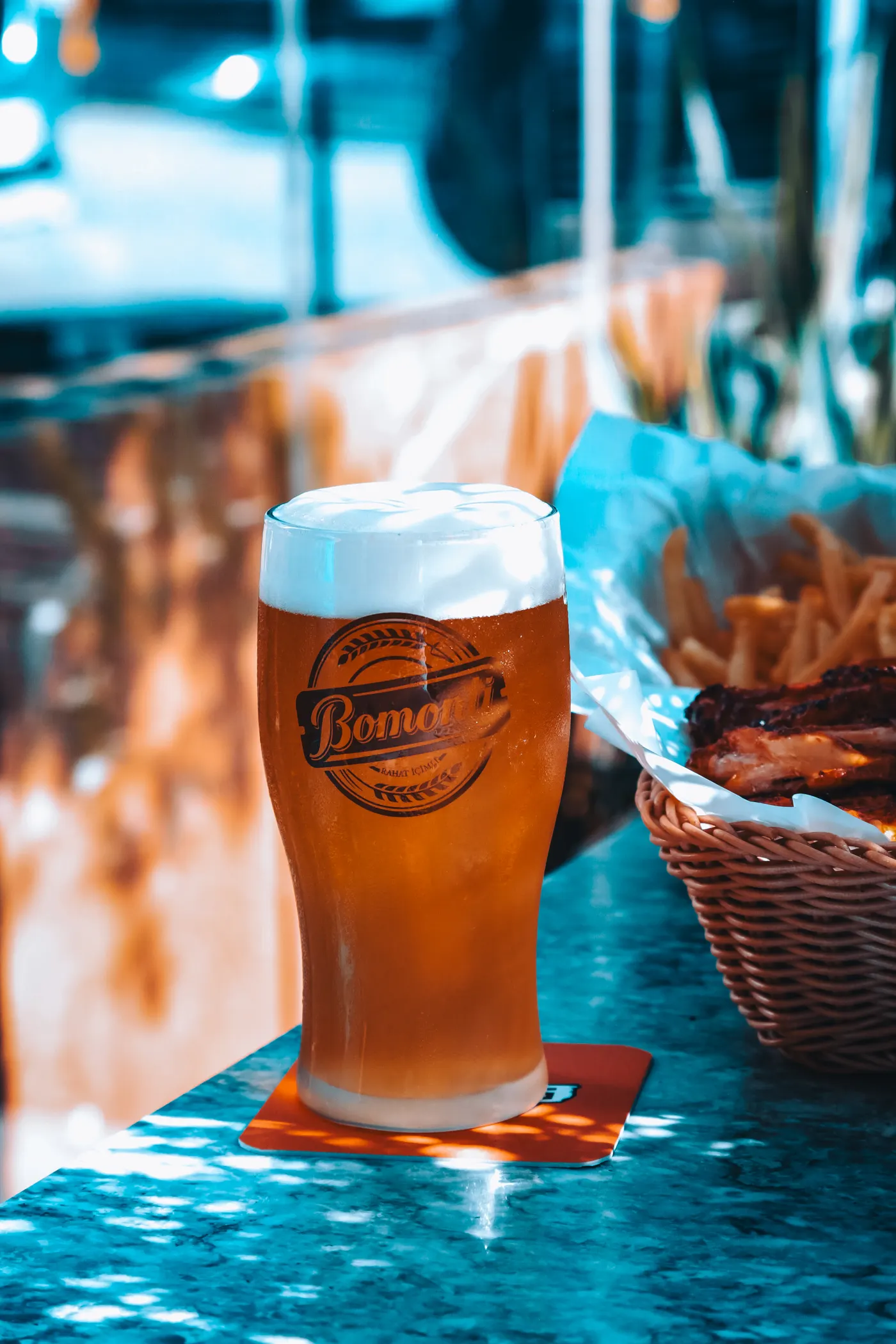
People often talk about alcohol as a binary variable: either you drink or you do not. Researchers instead use doses in grams of ethanol per kilogram of body mass. A US standard drink contains about 14 grams of pure alcohol. For an 80-kilogram person, 0.5 grams per kilogram equals 40 grams—just under three US standard drinks. A pint of strong beer or a generously poured glass of wine can exceed what the label casually calls one drink.
A small crossover experiment involving ten men tested 0.5 grams per kilogram after a demanding eccentric quadriceps workout. The researchers measured strength 36 and 60 hours later and found no statistically clear difference between the alcohol and nonalcohol conditions. A separate experiment using a larger dose of roughly 1 gram per kilogram reported a greater loss of force after damaging exercise. The protocols and endpoints differed, so this is not a clean dose-response curve.
There are two important limits to that reassurance. First, a study that fails to detect a difference in ten participants has not proved that the effect is exactly zero. Second, post-exercise force recovery and muscle growth over a training block are different outcomes. Neither experiment establishes a universal safe threshold for muscle-building adaptation.
For a practical comparison, a single occasional standard drink after an ordinary lifting session is not equivalent to a binge after a marathon-length workout. Repeated heavy drinking, however, can disrupt multiple recovery inputs at once. The better question is not ‘Did I ruin my gains?’ but ‘Did this choice interfere with the next meal, sleep window or workout?’ Those effects accumulate through habits rather than one dramatic moment.
Why a protein shake does not cancel out heavy drinking
Getting adequate protein remains valuable whether or not someone drinks. It does not operate like an antidote to ethanol. In the high-dose experiment, protein intake supported a greater muscle protein synthesis response than carbohydrate alone, yet the alcohol-plus-protein condition still produced a smaller response than protein without alcohol. The combination matters: eating well can protect against missing nutrients without guaranteeing that alcohol has no physiological effect.
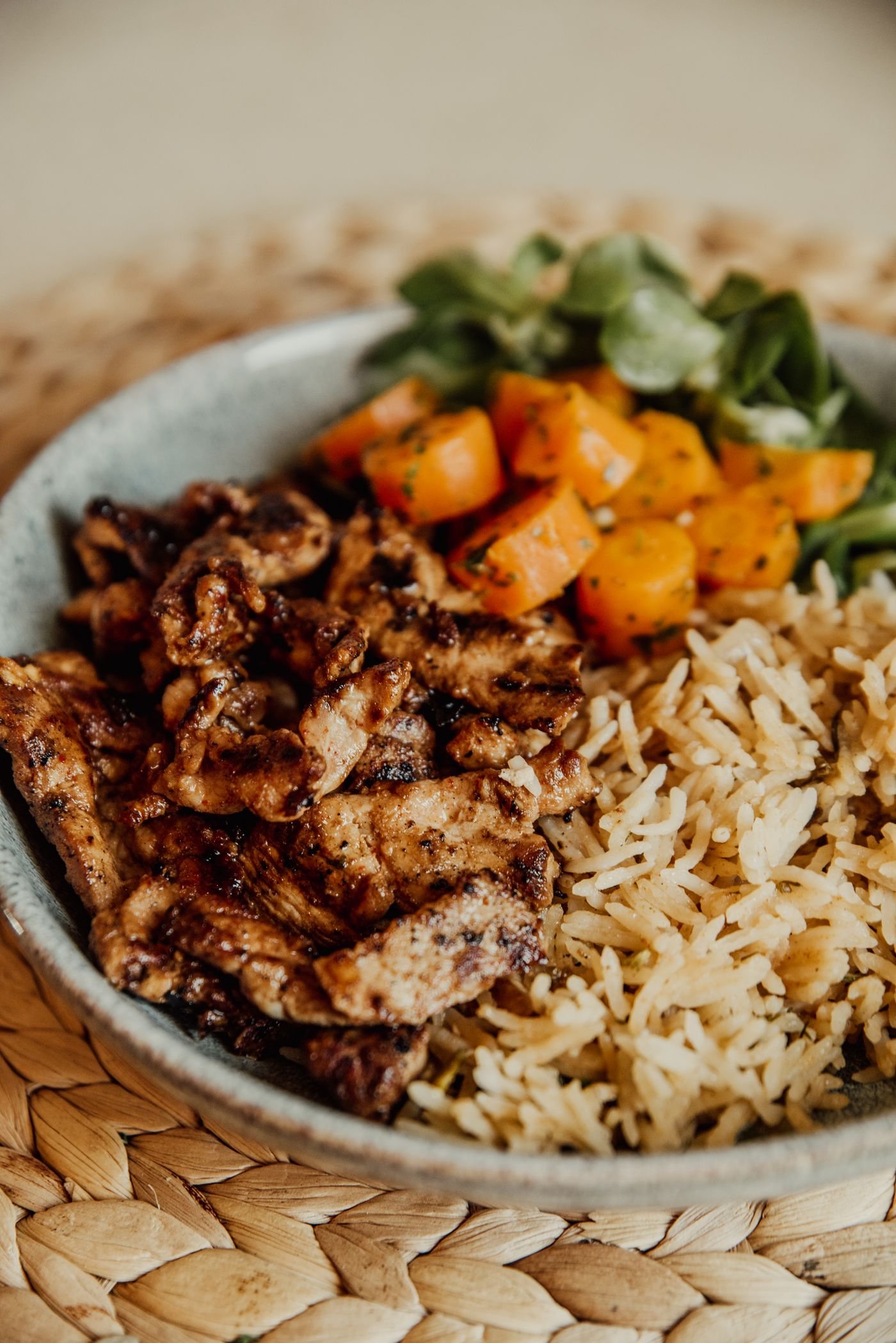
After training, start with an ordinary meal containing a substantial protein source, carbohydrate if the session was demanding, vegetables or fruit, and fluid. An example is chicken, rice and vegetables; another is tofu, potatoes and a mixed salad. The precise menu matters less than enough total daily protein and energy. A protein shake is useful when convenient, not mandatory after every session.
For most active adults trying to gain muscle, daily protein around 1.4–2.0 grams per kilogram is a reasonable evidence-informed range, adjusted for individual circumstances. An 80-kilogram lifter might therefore aim for roughly 112–160 grams over the day, not a single enormous post-workout serving. Distributing that intake over several meals is usually easier than trying to rescue a low-protein day at midnight.
Alcohol also brings energy without replacing the protein, fiber and micronutrients in food. Skipping dinner to ‘save calories’ for drinks can undermine recovery through the missing meal itself. Likewise, adding a large late-night meal after drinking is not a magic reset if sleep and next-day readiness suffer. Build the recovery meal first, and make the drinking decision separately.

Bodybuilding Shirts & Workout Gear
Bodybuilding shirts, tanks and gym gear for lifters chasing muscle, size, symmetry and the pump.

Bulking Season Bulk T-Shirt
Heavy lifts, good laughs, and a little “Bulking Season” energy.

Work Hard Eat Hard Bulk T-Shirt
Heavy lifts, good laughs, and a little “Work Hard Eat Hard” energy.

Bro – Powered By Rice Chicken Broccoli Meme Top & T-Shirt
Make gym days more fun with “Gym Bro” style.

Shirt Protein Addicts – , Meme , Top Gymbros T-Shirt
Heavy lifts, good laughs, and a little “for Protein Addicts” energy.

Swole Foods Groceries Meme Whole Foods Parody T-Shirt
Make gym days more fun with “Swole Foods Groceries” style.

Weights Breakfast Pancake Weight Plates Morning Hoodie
Bring “Weights For Breakfast” gym humor to lazy days and post-workout plans.

Protein Monster Gym Hoodie for Protein Lovers
Bring “Protein Monster” gym humor to lazy days and post-workout plans.

Funny Brotein Bar Gym | Protein Bar Meme Muscle Shirt F Tank Top
Your gym-day look, with a playful “Brotein Bar” twist.

Protein Gym Cosmic Decal , Workout Macros Energy Design Sticker
Give your everyday gear a playful “Protein” twist.

Bulking Season KFC Chicken Wings Sweater Meme T-Shirt
Add a playful “Bulking Season” touch to your casual rotation.
Sleep may be the bigger practical recovery cost
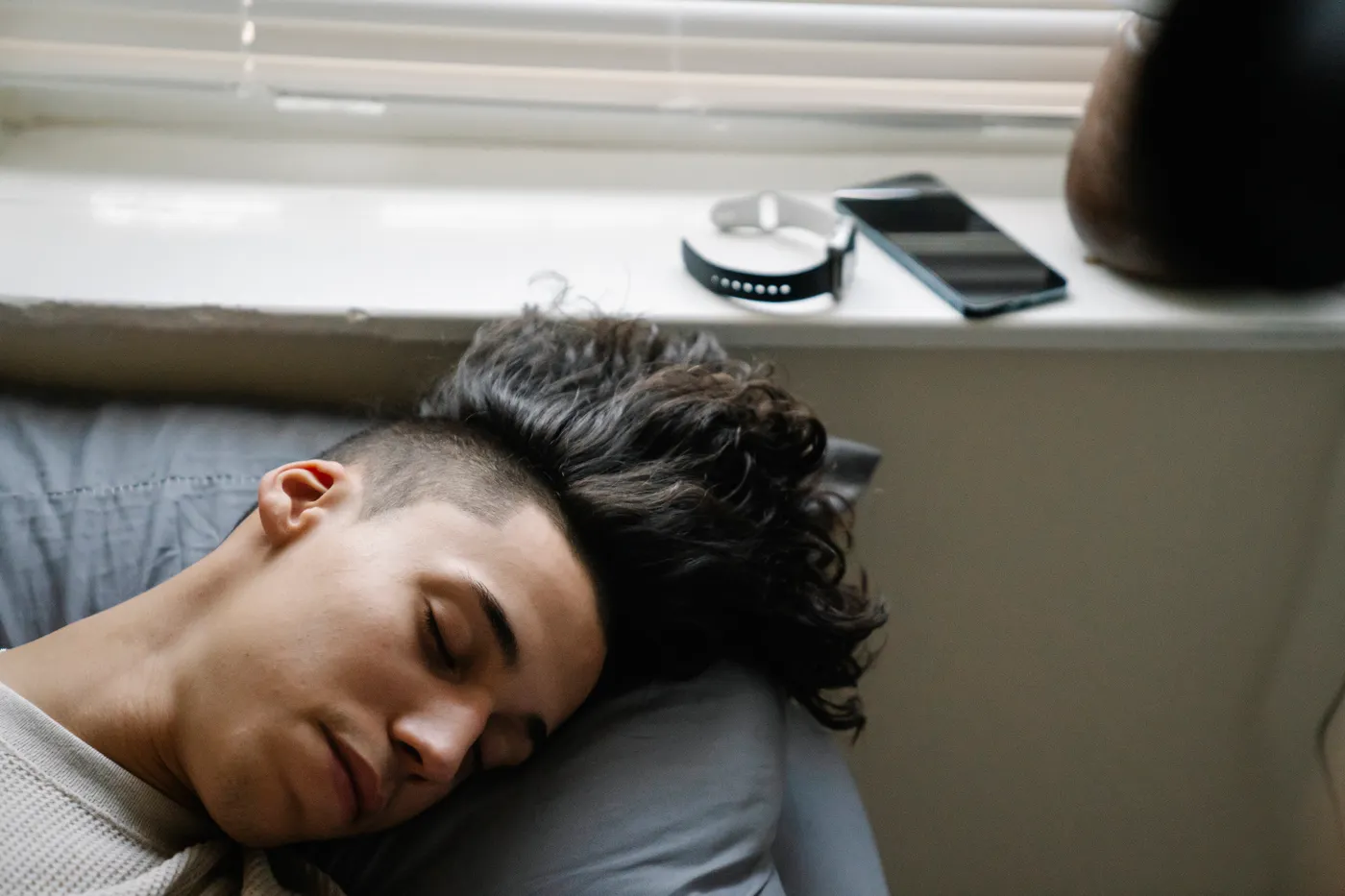
Sleep is when the body continues much of its repair and adaptation work, and it also shapes attention, mood and training performance. Alcohol may make someone feel sleepy at first, but that sensation is not the same as high-quality sleep. A synthesis of 27 controlled studies found that alcohol delayed the start of rapid-eye-movement sleep and reduced its duration. REM changes appeared even at lower doses, with larger disturbances as intake increased.
That does not mean a small REM change after one drink translates directly into a measurable loss of muscle. The causal chain from a specific drink to sleep architecture to months of hypertrophy has not been established. Still, a pattern of late drinking that repeatedly shortens or fragments sleep is an avoidable obstacle for anyone trying to train consistently.
Large real-world wearable data also point in the same general direction. In an observational analysis of more than 20,000 adults and millions of person-days, higher-than-usual alcohol intake was associated with higher nighttime resting heart rate, lower heart-rate variability, shorter sleep and less activity the following day. Associations do not prove that alcohol caused every difference: social events, bedtime, meals and other behaviors may change together. Yet the consistency of the signal makes sleep a useful thing to monitor.
Protecting a predictable bedtime, leaving sufficient time between drinking and sleep, and choosing alcohol-free evenings before demanding sessions are sensible options. If your watch reports a poor recovery score, use it as a prompt to review sleep, stress and how you feel—not as a diagnosis or an automatic command to cancel training.
Hydration, appetite and next-day training readiness
Alcohol can increase urine production in some circumstances, but the size of the effect depends on dose, hydration status and what else is consumed. It is misleading to assume every drink causes severe dehydration. The more common practical problem after a long evening is the combination of missed fluids, disrupted meals, later bedtime and less willingness to prepare for the next session.
After a sweaty workout, rehydrate according to thirst and the conditions of the session. If you trained for a long time in the heat, replacing sodium and fluids may matter more than after a brief session in a cool gym. Eating a normal meal can help supply both fluid and electrolytes. Do not try to ‘flush out’ alcohol with excessive water: water does not accelerate alcohol metabolism and overdrinking water can itself be unsafe.
Use tomorrow’s session as a reality check. Are you alert enough to lift safely? Does the planned load feel unusually difficult during warm-up? Is your balance or coordination impaired? If you are hungover or still affected by alcohol, heavy free-weight work, maximal attempts and risky technical lifts are poor choices. Choose a rest day, easy walking or a lower-risk session instead. Never drive or train with equipment while impaired.
Recovery tools can feel pleasant, but a foam roller, massage device or supplement cannot reverse alcohol’s effects on sleep or judgment. The basics—food, fluids, sufficient rest and an appropriate next-day workload—have priority over gadgets. A consistent weekly program has far more influence on progress than any single ritual performed after a night out.
Funny Gym Shirts & Workout Gear
Funny gym shirts, tanks, hoodies and workout gear for lifters who like training hard.

Shirt – I'M Into Fit'Ness Beer In My Belly Gymbros, T-Shirt
Make gym days more fun with “I'm Into Fitness Fit'ness Beer in My Belly” style.

Shirt – Check Out My Six Pack Beer – & Meme Lovers T-Shirt
Bring “Check Out My Six Pack Beer” humor to your next gym day.

Shirt – Call Me Beercules – Gymbro Meme & Gains T-Shirt
Rep “Call Me Beercules” humor in and out of the gym.

Live Love Lift – Beer Donuts Lifting Meme Gymbros, T-Shirt
Heavy lifts, good laughs, and a little “Live Love Lift” energy.

Beer and Weights – Vintage Skull Gym Crewneck and Beer T-Shirt
Show some gym-day personality with “Beer and Weights”.

Whiskey and Weights Funny Crewneck Gym Party Balance Pu T-Shirt
Show some gym-day personality with “Whiskey and Weights”.

Shirt – Eat More Whole Foods Donuts – Meme Gymbros & T-Shirt
Make gym days more fun with “Eat More Whole Foods Donuts” style.

I Like Because I Love Eating Meme Shirt Foodie T-Shirt
Bring “I Like Exercise Because I Love Eating” humor to your next gym day.

Pizza Cheat Day – Pizza Weight Plate , Meme Top T-Shirt
Heavy lifts, good laughs, and a little “Pizza Cheat Day” energy.

Beer and Weights Retro Cartoon Decal and Beer Fans Sticker
Give your everyday gear a playful “Beer and Weights Retro Cartoon” twist.
How to plan social nights without derailing your training week
Most lifters do not live in a laboratory. Birthdays, dinners, weddings and weekends happen. A workable strategy is to make the highest-value training decisions before the event rather than trying to compensate afterward. Put demanding sessions on days when you expect normal meals and reliable sleep. If you know an evening may run late, avoid scheduling a personal-record attempt at dawn.
For example, someone training four days per week might lift Monday and Tuesday, take Wednesday lighter, lift Thursday and Saturday, and leave Friday evening flexible. This is only an illustration: shift the schedule to match work, family and recovery. The aim is not to punish yourself with extra cardio for calories consumed or to double your training volume the next morning. That often compounds fatigue.
If you choose to drink, consider a smaller amount, pace yourself, eat beforehand and alternate with nonalcoholic beverages. Avoid turning a ‘recovery meal’ into a justification for a binge. The least disruptive option for recovery is not drinking, especially around a key training block. But a realistic plan can distinguish occasional choices from a pattern that repeatedly crowds out sleep and nutrition.
Track what actually changes over a month: training attendance, repetitions at a fixed load, appetite, sleep duration and subjective energy. If progress stalls, examine the whole pattern before blaming one beverage. If alcohol use feels difficult to control, seeking support is more useful than attempting to optimize supplement timing around it.
Equipment Worth Exploring
Explore equipment, accessories and gear from our carefully selected range.


Leather Lifting Straps
Padded leather straps support grip during heavy rows, deadlifts and pulling exercises.


Power Tower
Freestanding pull-up and dip station with adjustable handles for bodyweight training.


GymPin Ergo Handles
Pair of ergonomic cable handles shaped for comfortable triceps and pulling exercises.


A simple recovery checklist for lifters

After your next hard session, ask four questions. Did I complete an appropriately challenging workout? Will I eat enough protein and energy today? Can I give myself a realistic sleep opportunity? Am I likely to be ready for the next session? Those questions target behaviors with clearer links to consistent progress than a hypothetical ‘percentage of gains lost’ from a single drink.
On an ordinary training day, prioritize a balanced meal and hydration, then wind down for sleep. If a social event includes alcohol, keep the dose modest if you choose to participate, and be especially cautious about drinking late or heavily. If the next morning feels rough, reduce training risk rather than forcing a maximal workout to prove discipline.
Remember the evidence hierarchy. A small high-dose laboratory experiment can show that a biological response changed; it cannot establish the exact long-term effect of one beer. A low-dose experiment that finds no clear strength difference is encouraging but cannot certify that all moderate drinking is consequence-free. Large wearable datasets describe associations rather than proving why each participant slept or trained differently.
The bottom line is measured rather than moralistic: heavy drinking after strenuous exercise is a poor recovery strategy, and frequent drinking that compromises sleep or meals can make progress harder. An occasional drink is not a reason to abandon a training plan. Consistent lifting, adequate nutrition, sensible workload and enough sleep remain the foundations of muscle growth—and the best place to focus your effort.