Advertising disclosure: This page includes affiliate product links that may earn us a commission, as well as products from our own store.
Want wider lats? The usual advice is to change grips, change machines and hunt for the one pull that lights up your back the most. A synthesis of 23 exercise experiments offers a less glamorous, more useful lesson: movement path and elbow direction can matter, but most grip tweaks do not create a reliable hierarchy of muscle activation. And electrical activation measured during a set is not the same thing as muscle growth measured months later.
Here is what the findings mean for pulldowns, rows, pull-ups and pullovers—plus a way to organize your training without treating every attachment as a scientific breakthrough.
1. What 23 EMG studies actually measured
Back-training advice often turns into a contest over which attachment produces the biggest muscle-activation number. Yet the latissimus dorsi is a broad muscle that helps move the upper arm toward and behind the torso; it does not operate alone. Your elbow path, shoulder position, load, range of motion and support change the task shared by the lats, biceps, upper-back muscles and trunk. A set that feels more dramatic is not automatically a superior growth stimulus.
A 2026 synthesis examined 23 experimental studies of pulling movements, including pulldowns, seated and free-weight rows, pull-ups, inverted rows and pullovers. The main signal was surface electromyography, or EMG: an electrical measurement taken during individual exercise sessions. The review did not combine all the studies into one giant numerical ranking, because the protocols, grips, loads and measurement methods differed too much. It also did not establish which exercises produced the biggest lats after months of training.
That limitation changes how a sensible lifter should use the findings. EMG can suggest where a movement places excitation under particular conditions, but electrode placement, nearby-muscle interference, movement speed and effort can shift the reading. Mechanical tension through a useful range, sufficient hard sets, repeatable technique and long-term progression still matter. Think of the numbers as clues to investigate, not permission to abandon every exercise whose bar chart looks smaller.
2. Front pulldowns beat behind-neck hype, not every other grip
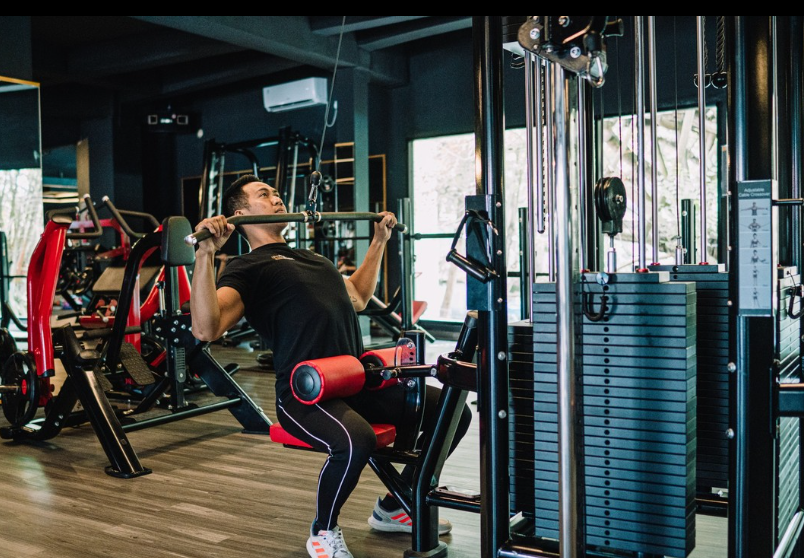
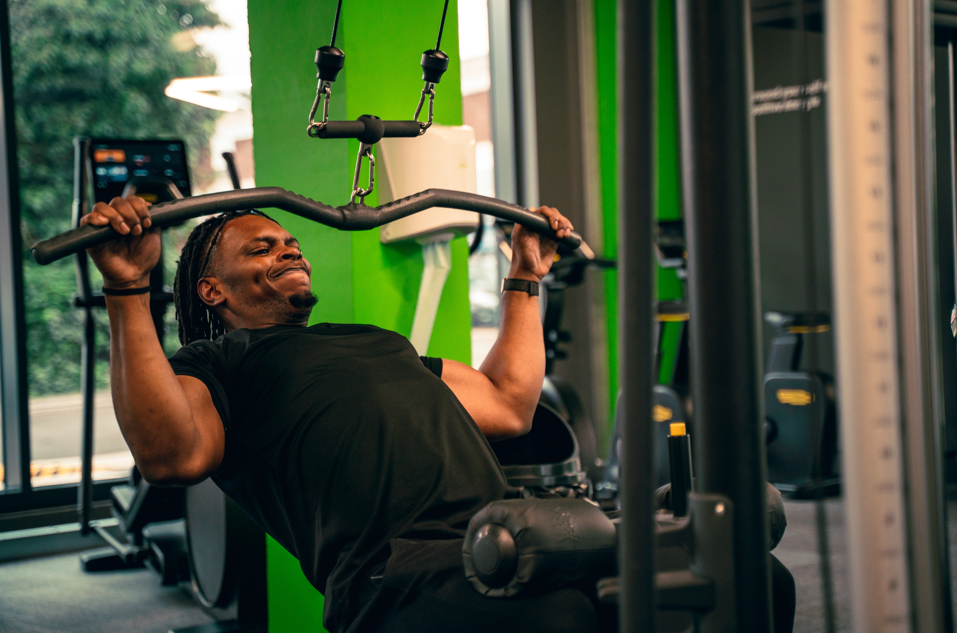
The clearest recurring pulldown observation favored drawing the bar down in front of the head rather than behind the neck. That does not mean every lifter must use the exact same handle, elbow spacing or torso angle. It means the front path was associated with higher lat EMG more consistently than its behind-neck counterpart in the eligible comparisons. It also offers a straightforward setup in which the bar approaches the upper chest without forcing the neck forward to make space.
Grip-width mythology is shakier. An older controlled comparison used narrow, medium and wide pronated grips in 15 men; whole-repetition lat excitation was broadly similar, while the narrow and medium positions allowed slightly more six-repetition-max load than the widest grip. A later experiment with 40 experienced men compared seven pulldown arrangements and likewise found no significant overall difference in lat activity across the tested grip variations. These were short-term EMG tests, not muscle-growth competitions.
For a repeatable starting point, anchor your thighs, reach overhead without losing control of your rib cage, and initiate a smooth pull that brings your elbows down toward the sides of your body. Let the shoulder blades move naturally; don’t turn every repetition into an exaggerated backward lean and cable row. If a neutral handle or moderate overhand grip allows more comfortable range and consistent load, that practical advantage can outweigh an unproven claim that an extremely wide grip must build more width.
Behind-neck pulldowns are not proven to injure everyone, either. Shoulder mobility, tolerance and setup differ. But the behind-head route has not shown compelling evidence of better long-term lat gains, so it is difficult to justify using it solely for a supposed activation advantage. Choose a controllable front path, vary handles when it serves your joints and progression, and judge success over training blocks rather than isolated signals.

Equipment Worth Exploring
Explore equipment, accessories and gear from our carefully selected range.

Trinity Lat Machine LSW-850
Weight-stack pulldown tower offering three cable directions and adjustable seated support.

VForce Lat Tower
Wall-mounted cable tower with pivot arms and adjustable 1:1 or 2:1 pulley ratios.
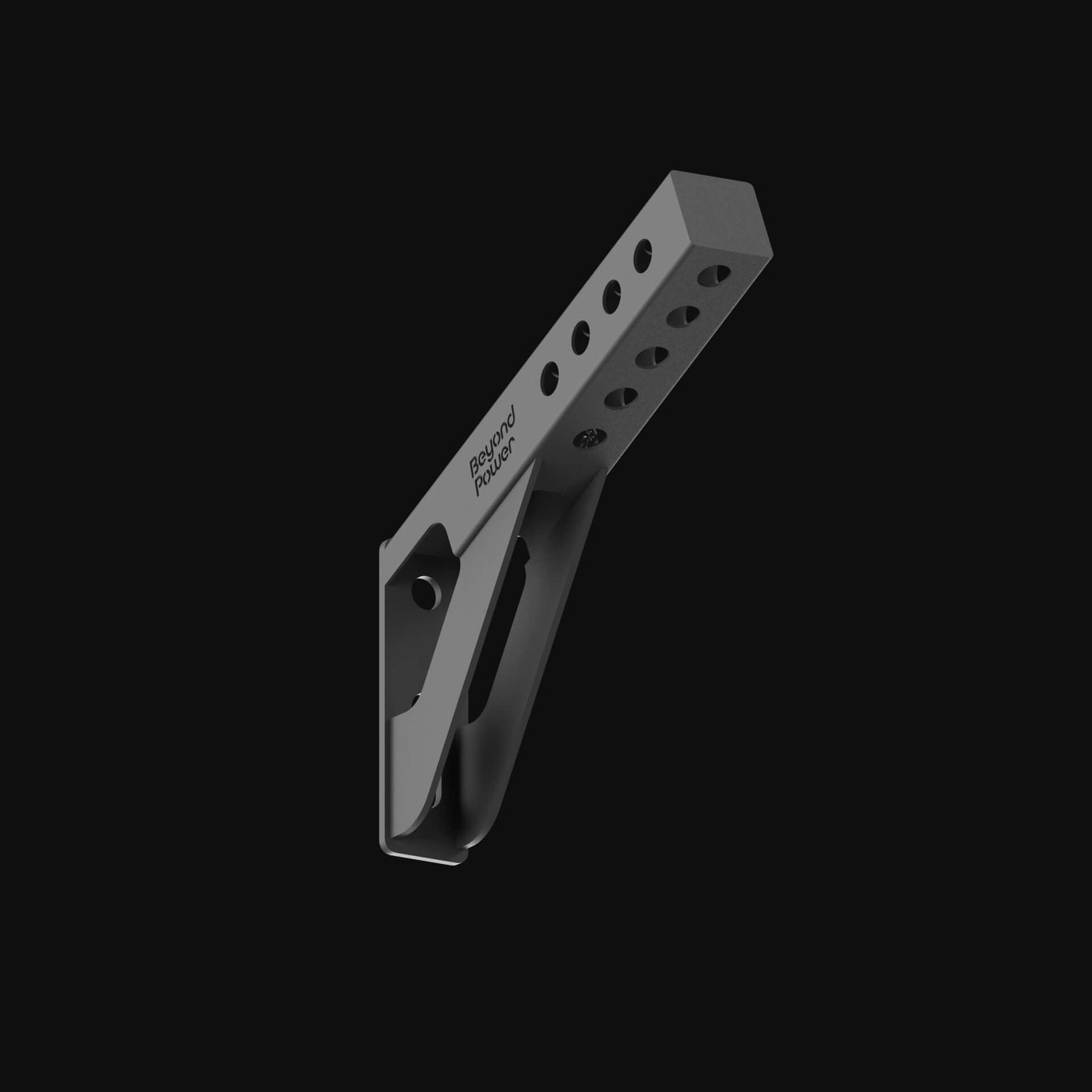

VForce Lat Seat
Rack-mounted seat attachment for supported lat pulldowns and seated cable exercises.

48in Aluminum Lat Bar
48-inch aluminum lat pulldown bar with knurled grip and rotating center swivel.

Lat Pulldown Set
Multi-grip cable attachment set for pulldowns, rows, and varied upper-body training.

Linear Row LRX-750
Dual-sided rowing machine for supported rows, bent-over rows and varied pulling movements.

Lateral Row Machine LRM-720
Rowing machine with independent lever arms, an adjustable seat and chest support.

GymPin Ergo Handles
Pair of ergonomic cable handles shaped for comfortable triceps and pulling exercises.

3. Seated rows: elbow angle may matter more than the handle
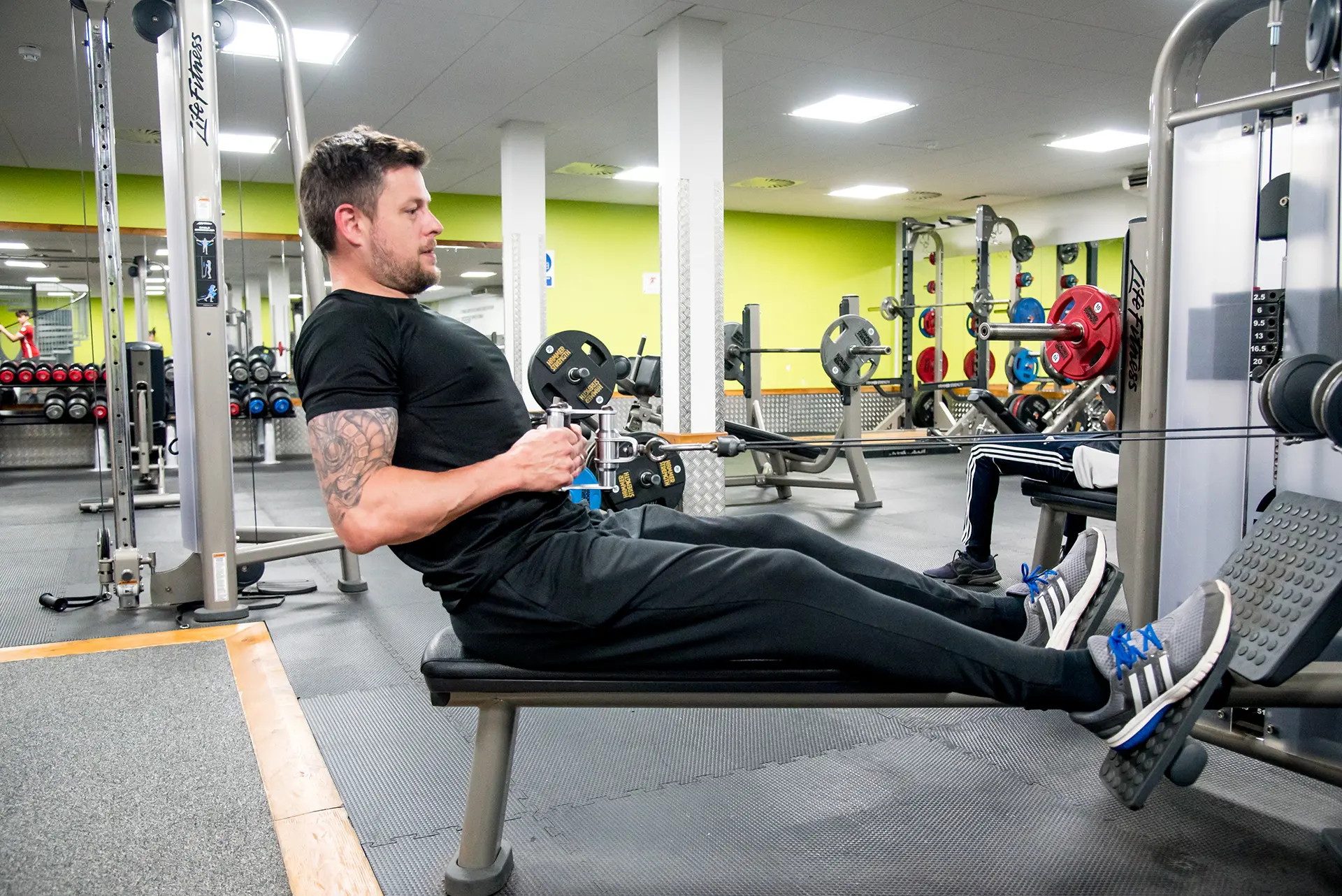
Rows are not simply pulldowns performed horizontally. In a seated cable row, you can tuck the upper arms close to the trunk, flare them farther out, pull toward the waist or pull higher toward the chest. Those changes redistribute work among the lats, rhomboids, trapezius, rear delts and elbow flexors. A back program benefits from understanding that variation rather than pretending every row is the same exercise with a different grip.
In the reviewed evidence, a narrower seated-row grip produced greater lat EMG in one comparison, while a lower shoulder-abduction angle did so in a separate comparison. This distinction is important: the two features were not experimentally combined into one scientifically validated magic row. You cannot multiply two independent findings and declare that a narrow, low-elbow cable row is proven to maximize growth. They are reasonable starting ideas to test while keeping total effort and range comparable.
Try bracing your feet, starting with an honest reach, and pulling your elbows toward your hips without yanking your torso backward. Control the eccentric until your shoulders can move forward again, unless discomfort limits that position. If you want more upper-back emphasis, a slightly wider elbow track and a higher pull may be useful, even if it changes measured lat excitation. That is not a failed exercise: it is a different distribution of work.
Choose cable, chest-supported or free-weight rows for the situation you actually train in. A cable gives smooth resistance and easy load jumps; a supported machine reduces the demand on your lower back; a hinged barbell row teaches trunk stiffness but is harder to standardize as fatigue accumulates. Your ability to keep tension on target muscles through consecutive sets matters more than a handle advertised as universally optimal.

Calisthenics Shirts & Street Workout Gear
Calisthenics and bodyweight-training gear for pull-ups, dips, handstands and street-workout athletes.

Pull Up Or Shut Up Crewneck Pullover Sweater for Calist T-Shirt
Keep things casual with a little “Pull Up Or Shut Up” attitude.

Always Pull Yourself Up Calisthenics Decal for Water Bo Sticker
A fun “Always Pull Yourself Up” touch for bottles, laptops, and lockers.

Pull Up Not Out Hoodie
Show off your bodybuilding humor in a laid-back “Pull Up Not Out” hoodie.

Pullups Heartbeat Tank
Train hard, laugh a little, and rep “Calisthenics Pullups Heartbeat”.


Calisthenics Evolution Hoodie
Bring “Calisthenics Evolution” gym humor to lazy days and post-workout plans.

Calisthenics Hanging Out Hoodie
Make your off-duty look more fun with “Calisthenics Hanging Out”.

Be Stronger Than Your Excuses – Motivational T-Shirt
Rep “Be Stronger Than Your Excuses” humor in and out of the gym.


Turn Off Gravity Funny Calisthenics Gym Decal for Water Sticker
Give your everyday gear a playful “Turn Off Gravity Funny Calisthenics” twist.
4. Pull-ups, chin-ups and inverted rows do not have one winner
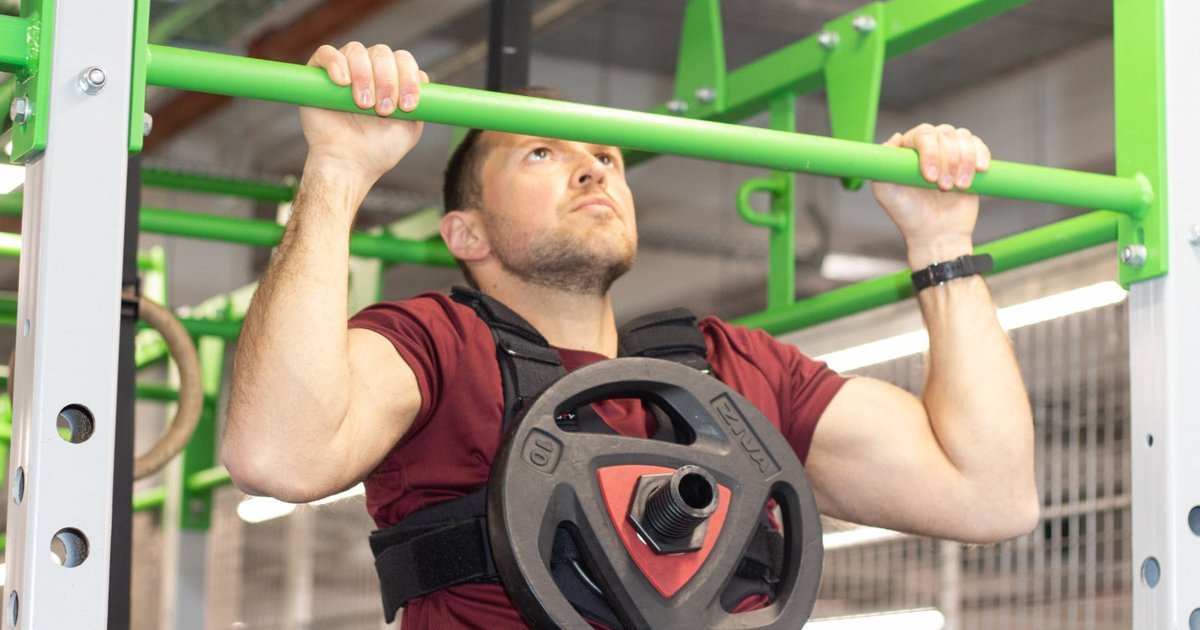
Pull-ups make grip debates particularly loud because body weight, skill and equipment all change how difficult the exercise feels. Across four reviewed grip-variation studies, lat EMG tended to be broadly similar despite changes in hand orientation. Other muscles could still respond differently, and grip comfort could substantially affect how many clean repetitions an individual completed. Similar electrical activity does not make pronated, supinated and neutral grips identical in practice.
A separate experiment in 19 resistance-trained men compared pull-up grips and found that some upper-back and forearm muscles changed their excitation across conditions, while overall patterns were less dramatically separated than popular grip charts suggest. For a lifter who can do six crisp neutral-grip pull-ups but only three painful wide-overhand repetitions, the comfortable version is the more useful training baseline. Load the pattern progressively with repetitions, controlled assistance or small weight increases.
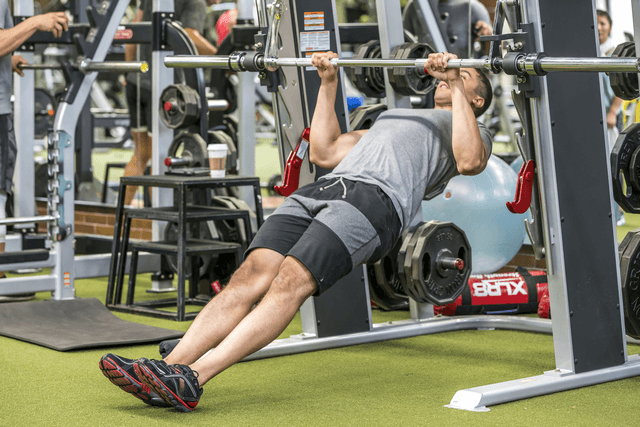
One small preliminary comparison gave the inverted row the largest lat amplitude among several rowing options, but it involved only seven participants and cannot settle a universal ranking. Inverted rows have obvious practical advantages: you can adjust body angle, foot position and bar height to control difficulty; they also add a horizontal pulling option when machines are busy. Their measured advantage in a tiny study is not proof they beat weighted pull-ups or rows for growth.
Treat pull-ups and bodyweight rows as complementary. Use the vertical pattern for overhead pulling strength and the horizontal pattern for an accessible row with scalable leverage. Keep ribs and pelvis reasonably controlled, let the shoulders move rather than locking everything stiff, and stop a set when you can no longer repeat the agreed movement standard. Skill, progression and weekly volume are more actionable than obsessing over whether palms face you.
5. Barbell rows and pullovers reveal the limits of a lat-only story
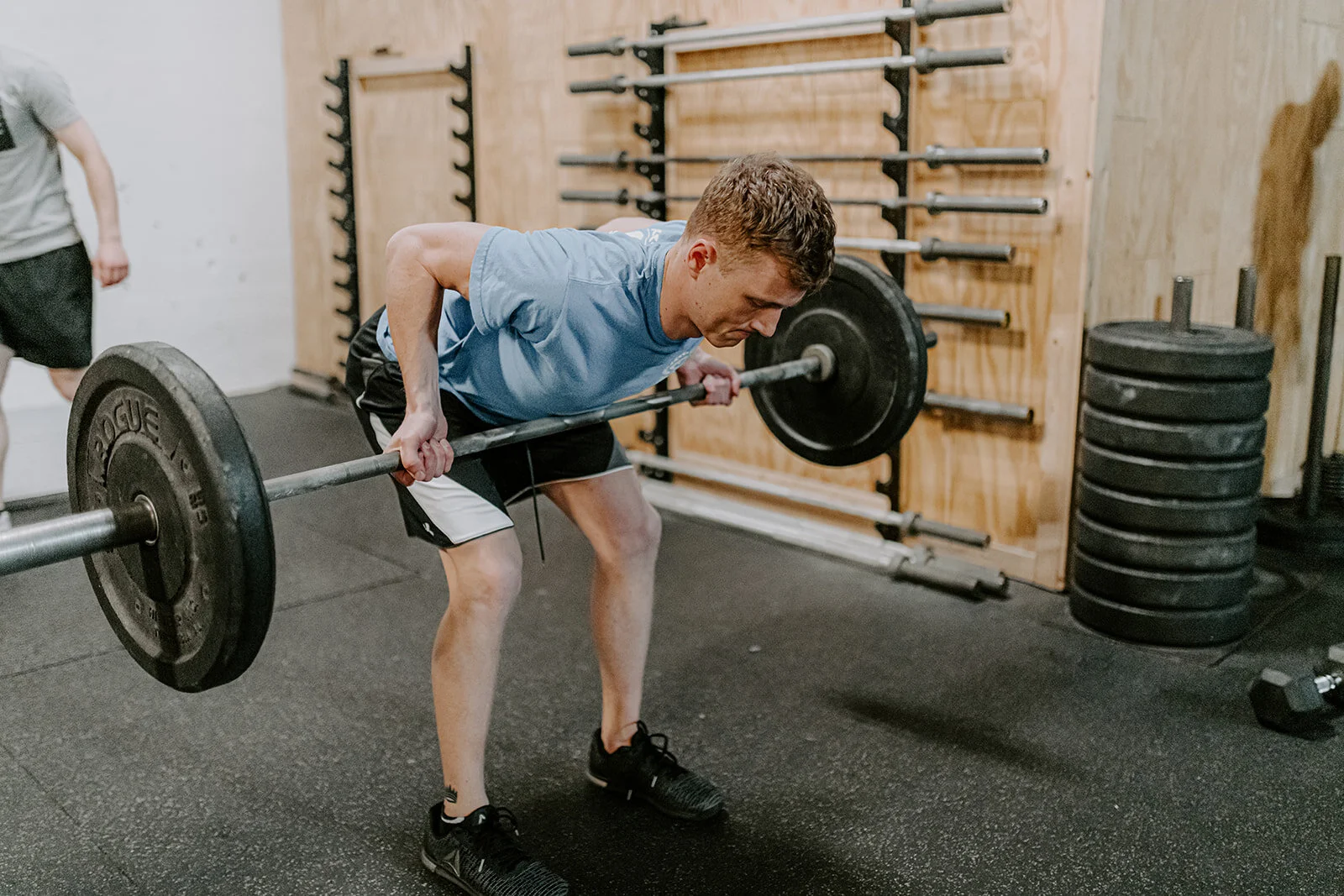
Heavy barbell rows can train substantial back musculature, but they also demand a stable hip hinge and trunk. Moving the torso more upright, pulling to a different contact point or increasing body English changes both joint mechanics and how much load the target muscles experience. The evidence on specific row posture and range effects is comparatively thin, and some appealing findings come from one small experiment. Do not treat a photograph of a certain elbow position as proof of superior hypertrophy.
If a bent-over row becomes limited by lower-back fatigue rather than your pulling muscles, a chest-supported row or cable row is a productive substitution. If you enjoy barbell rows and can keep the hinge consistent, they remain a legitimate main lift. Both options can be progressed by recording load, repetitions and an agreed range; differences in stabilization demands are programming considerations, not a contest for an imaginary back-exercise crown.
The dumbbell or cable pullover is another example of misleading isolation language. Arm movement around the shoulder gives the lats a role, but available activation work also shows substantial pectoralis-major contribution in some configurations. Altering the shoulder angle can change which muscle contributes most. A pullover can be a useful accessory, particularly if it provides a tolerable long-arm movement, but it should not automatically replace rowing or pulldown work.
Use a load that lets you move deliberately through a shoulder range you own, keep elbow bend relatively consistent, and avoid forcing a heavy dumbbell past a comfortable endpoint. Record whether the set is limited by shoulder comfort, upper-body control or genuine target-muscle fatigue. A movement is valuable because it adds useful, recoverable training stress within your program—not because its marketing copy promises to isolate one muscle completely.
Equipment Worth Exploring
Explore equipment, accessories and gear from our carefully selected range.

GymPin Barbell Row Handle
Heavy-duty handle attachment for barbell, landmine and T-bar rows.

T-Bar Row Attachment
Welded barbell attachment that connects a D-handle bar for landmine and T-bar rows.

Power Tower
Freestanding pull-up and dip station with adjustable handles for bodyweight training.


VForce 2IN1
Half rack and pivot-arm functional trainer with switchable 1:1 and 2:1 pulley ratios.
VOLTRA
Compact digital cable trainer with smooth, adjustable resistance.
Back Bar
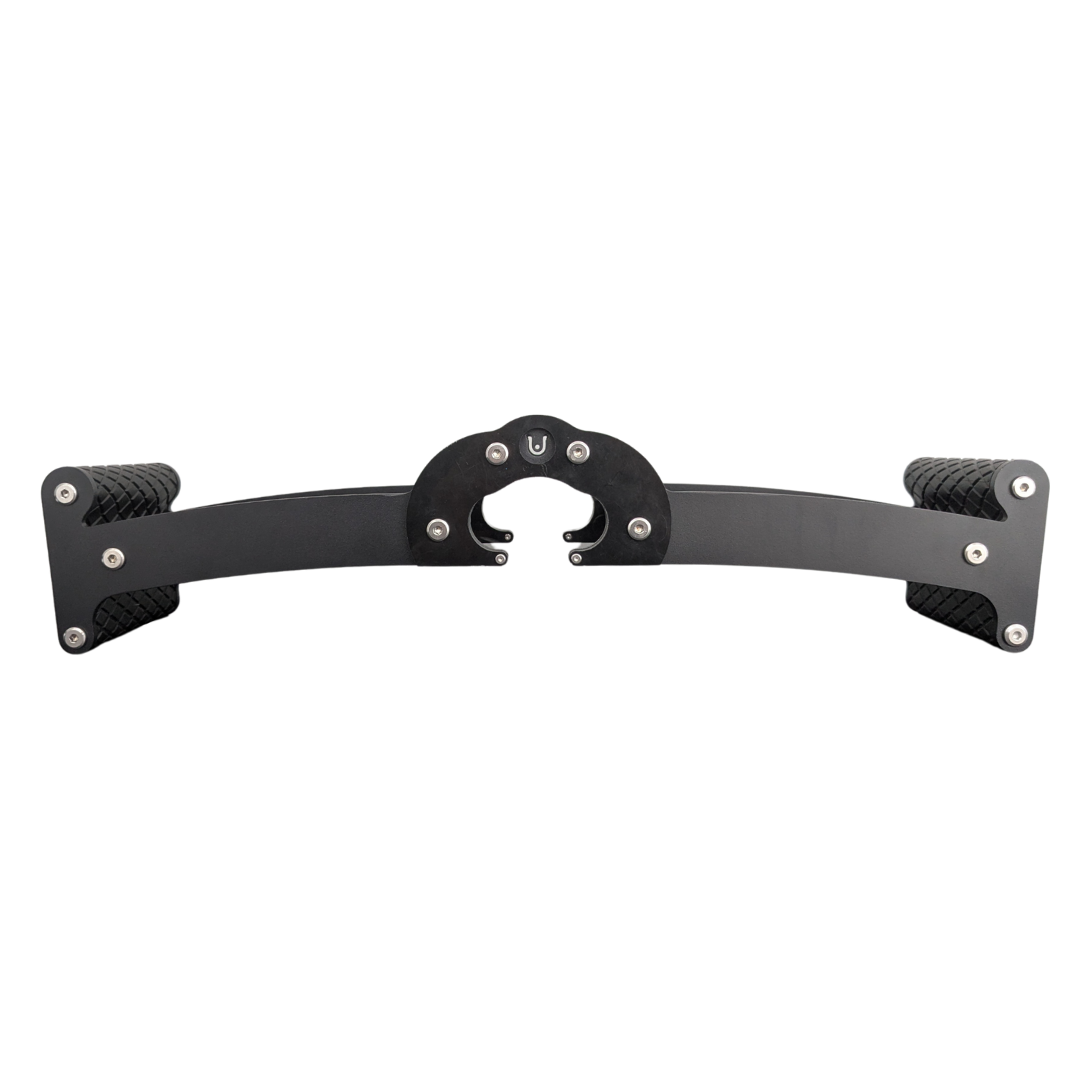
Multi-grip cable and landmine bar with a built-in deadlift jack.

Angles 90 Grips
Flexible grip attachments that allow natural wrist movement during pulling exercises.

VForce Wall Trainer
Space-saving wall-mounted functional trainer with pivoting cable arms and variable resistance ratios.
6. Build a better back week without chasing EMG peaks
A practical back plan starts with coverage. Pick one vertical pull such as a front pulldown or pull-up, one horizontal row such as a seated cable row or chest-supported row, and optionally one complementary movement that fits your goals. If you already perform challenging deadlifts, hinges or carries, account for the fatigue they add rather than blindly stacking more lower-back-intensive pulling. There is no need to rotate five almost identical grips simply to chase every theoretical fiber.
For example, on the first weekly back session you might perform pulldowns for three sets of eight to twelve repetitions, supported rows for three sets of eight to twelve, and an optional pullover for two moderate sets. On a second session, weighted or assisted pull-ups for three sets of five to ten and barbell or inverted rows for three sets of six to twelve offer different practice. Those are starting examples, not a magic dose; adapt them to your existing training history and ability to recover.
Keep one or two repetitions in reserve on most early work sets, then progress within the chosen repetition range before increasing resistance. Track how consistently you reach the same elbow path and controlled end positions, not just how exhausted you feel. For bodyweight pulling, make progress measurable with band assistance level, added plate weight, lever angle or total clean reps. For cables, note the exact attachment and seat setup so your comparisons stay meaningful.
After four to six weeks, review the evidence that actually matters to you: stronger full-range sets, improved pull-up performance, better control, stable joints, and—over longer periods—changes in the back musculature you are trying to build. EMG can guide an exercise experiment, but it cannot replace that longer training record. Use the 23-study picture to question overconfident grip folklore, then spend your effort doing enough well-executed pulling to grow.
Bodybuilding Shirts & Workout Gear
Bodybuilding shirts, tanks and gym gear for lifters chasing muscle, size, symmetry and the pump.


Lat Man Big Back – Hooded With Huge Lats – Jumper Hoodie
Stay casual and show some superhero attitude with “Lat Man Big Back”.

Demon Back Big Back Bodybuilders & Meme Hoodie
Stay casual and show some lifting attitude with “Demon Back”.

Strong Back Bodybuilder | Meme Sweater | The Simpsons W T-Shirt
Keep things casual with a little “Strong Back Bodybuilder” attitude.


Wide Privilege – Wide Back Meme Vest Muscle Shirt for A Tank Top
Show some personality between sets with “Wide Privilege”.

Gym Dost Thou Even Pull Medieval Knight Lat Pulldown Hoodie
Show off your medieval humor in a laid-back “Dost Thou Even Pull Medieval Knight Lat” hoodie.

Shirt Pull Day – Back & Biceps Meme Top T-Shirt
Heavy lifts, good laughs, and a little “Pull Day Graphic” energy.

Nice Traps Big Back – Halloween Horror Jigsaw Meme Deca Sticker
Put “Nice Traps Big Back” gym humor on your laptop, bottle, or gym gear.

Big Back SpongeBob Bodybuilders Back Day Vest Tank Top
Show some personality between sets with “Big Back”.