Advertising disclosure: This page includes affiliate product links that may earn us a commission, as well as products from our own store.
Should you squat before jumping, or jump before squatting? An eight-week comparison in trained men offers a useful reason to be cautious about declaring a universal winner. The more practical questions concern the exercise version, recovery, session priority and how you measure progress. Here is how to keep those decisions connected to the work you actually want to improve.
What the eight-week comparison actually tested
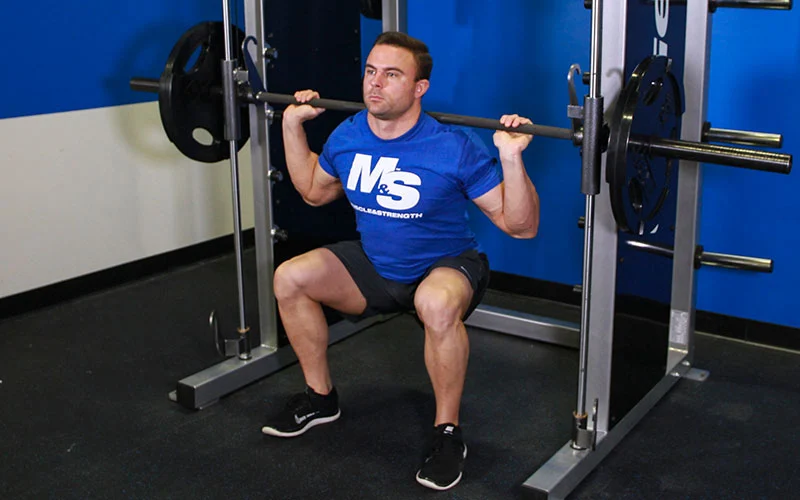
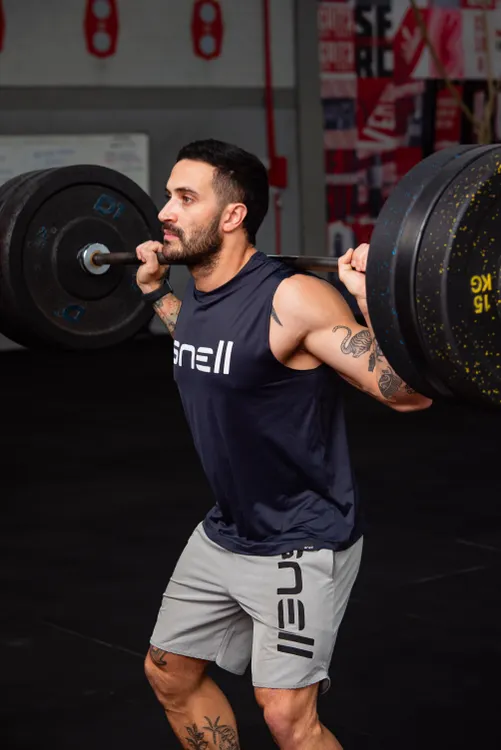
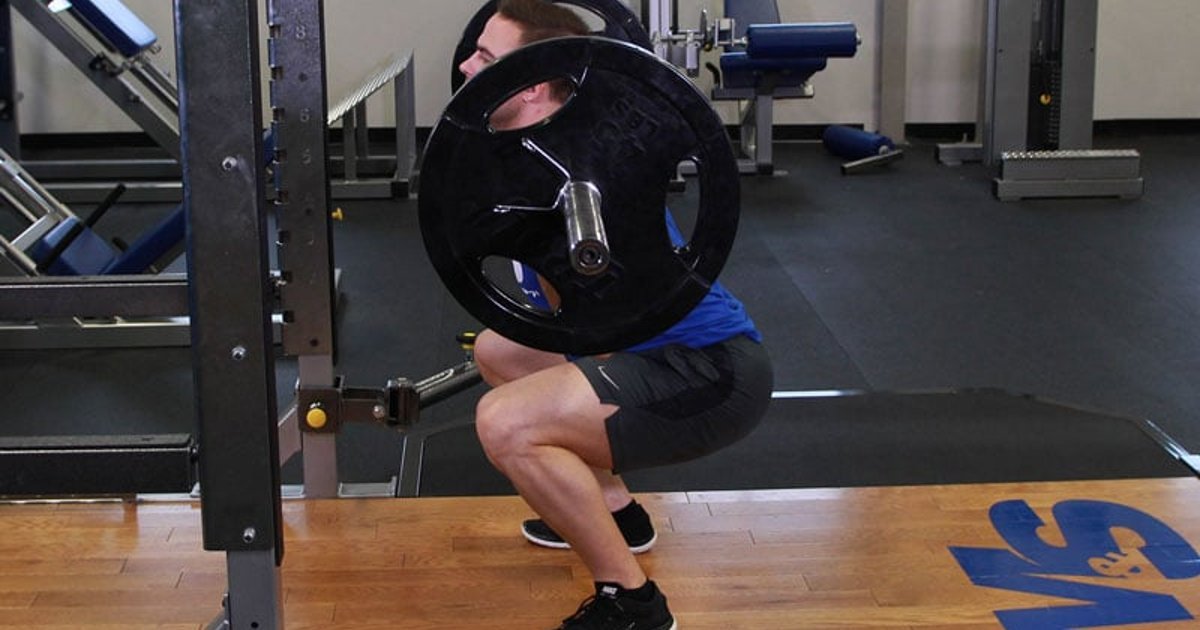
A trial published on 29 October 2026 assigned 24 resistance-trained men to two exercise orders for eight weeks. Both groups trained twice weekly, completing three rounds of Smith-machine back squats and countermovement jumps. One group squatted first; the other jumped first. Each squat set contained three repetitions at 85% of one-repetition maximum, each jump set contained four maximal jumps, and the exercises were separated by three minutes of recovery. There were four minutes between rounds.
Both groups improved their measured strength, jumping, sprinting and change-of-direction performance. There was no clear between-group advantage for the jump or running outcomes. A strength advantage for the jumps-first group appeared in the main analysis but was not consistently supported by the additional analyses. The study therefore offers limited support for choosing one order as a general winner. It also did not directly monitor jump output or bar speed within the training sessions.
The practical interpretation is narrower than a promise that order never matters. The comparison held the exercise dose and recovery reasonably consistent. It does not tell you what happens when you reverse the order while doubling the repetitions, cutting the rest or replacing the exercises. Those changes would create a different training question. Treat the result as useful context for planning a session, rather than permission to ignore the quality of either movement.
Notice the equipment detail, too. A Smith-machine squat follows a guided bar path. A free-barbell squat is a different task, even when the load is written as the same percentage of a maximum. Keep that distinction when discussing the findings or borrowing the session structure. The result is most directly relevant to the tested setup; transferring it to another squat requires judgement rather than assuming that every exercise called a squat is interchangeable.
Know which jump you are practicing
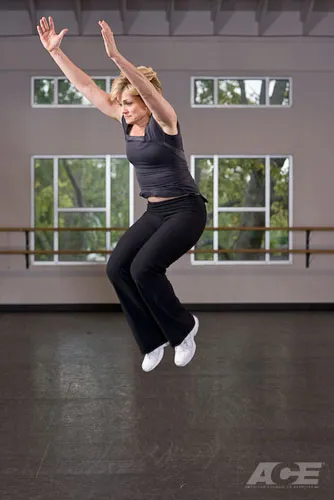
A countermovement jump begins upright, includes a downward movement and then reverses into take-off. A squat jump test usually starts from a held squat position and attempts to remove that preceding dip. The terms are easy to blur because both involve bent knees and an upward jump. They are different tasks, and changing from one to the other can change the result you record without showing any change in your underlying fitness.
Arm position matters as well. Hands held on the hips create a different task from a jump with an arm swing or a reach toward an overhead target. Choose the version that serves your purpose and describe it clearly in the training log. A reaching jump can be useful for a sport-specific goal, but its score should not be treated as the same measurement as a hands-on-hips countermovement jump on a force platform.
Learn the landing before chasing maximum height. Begin with manageable jumps on an appropriate clear surface, and aim to absorb the landing with controlled hip and knee movement. Avoid turning the finish into a rigid-legged collision or a scramble for balance. If you cannot land consistently, adding height, repetitions or an external load makes the task more demanding without resolving the basic skill problem. A qualified coach can help establish an appropriate starting level.
Keep the test and the training exercise distinct when needed. A standardized assessment might constrain the arms to make repeat measurements easier to compare. A coached training jump may use the arms as part of the whole movement. Neither needs to be presented as universally superior. The useful question is whether the movement matches the goal and whether you can perform and describe it consistently enough to judge progress.
Protect recovery instead of turning the pair into a race
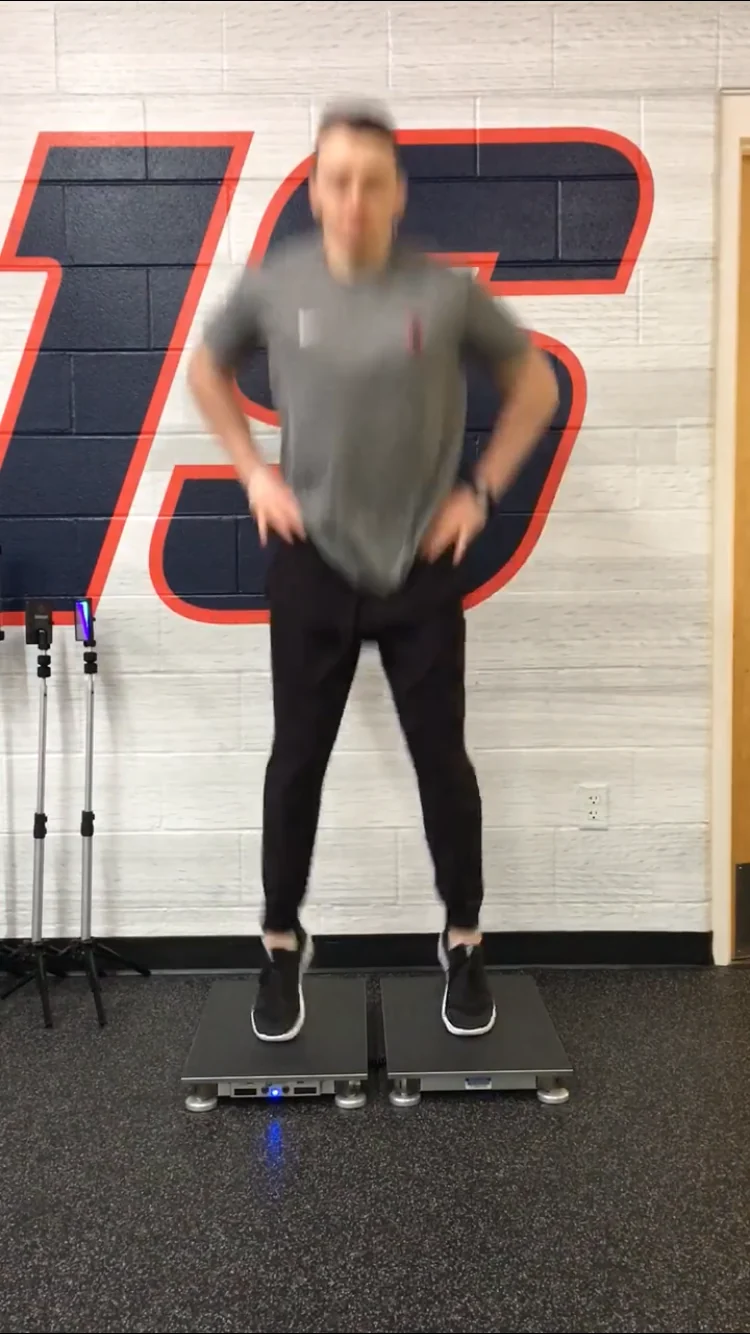
Pairing two exercises does not mean they must be performed without a break. Heavy squats and maximal jumps both deserve enough recovery to preserve useful execution. If a session is intended to train high-quality force and speed, rushing from one effort to the next can change its character. A workout that feels more exhausting is not automatically a better version of the workout you planned.
Use a timer rather than estimating a pause that includes changing the plates, answering a message and finding a clear jumping area. Record the actual rest convention you use: after the squat set, after the jump set and between rounds. A consistent convention makes a repeated session easier to interpret. It also exposes a common problem: adding more exercises during the rest may quietly remove the recovery the paired work was supposed to receive.
Short-term performance after a heavy lift and adaptation after weeks of training are separate questions. You may have heard that a heavy squat can prime a later jump. That is not a reason to assume every person will immediately jump higher, especially when fatigue is present. If acute readiness is important, measure the relevant output under an appropriate protocol instead of inferring a benefit from how heavy or impressive the conditioning exercise looked.
Build the total week around what you can recover from. Jump training adds take-offs and landings to the lower-body work already coming from lifting, sport and running. More is not automatically better when these exposures accumulate. Leave suitable recovery between demanding sessions and adjust the dose to your experience. An experimental session performed by trained volunteers is useful research information, not a mandatory starting workload for someone newly learning to jump or squat.

Equipment Worth Exploring
Explore equipment, accessories and gear from our carefully selected range.

Multi Pull Smith Rack MPHR-780
All-in-one rack with a Smith machine, functional trainer, lat pulldown and low row.


Foldable Wall Rack
Wall-mounted folding squat rack designed to save floor space between workouts.

Competition Plates
Competition-style bumper plates for Olympic lifts and loaded strength training.

Grip Plates
Rubber-coated weight plates with handholds for loading barbells and machines.
Choose the order around the work that matters most
Start by naming the session's main purpose. If you are practicing jump technique or assessing a jump while fresh, perform that task under conditions that protect the assessment. If the priority is a demanding squat session, arrange the work so you can complete it with the intended technique and effort. These are practical programming decisions. They should not be presented as proof that one sequence produces the best long-term results for everyone.
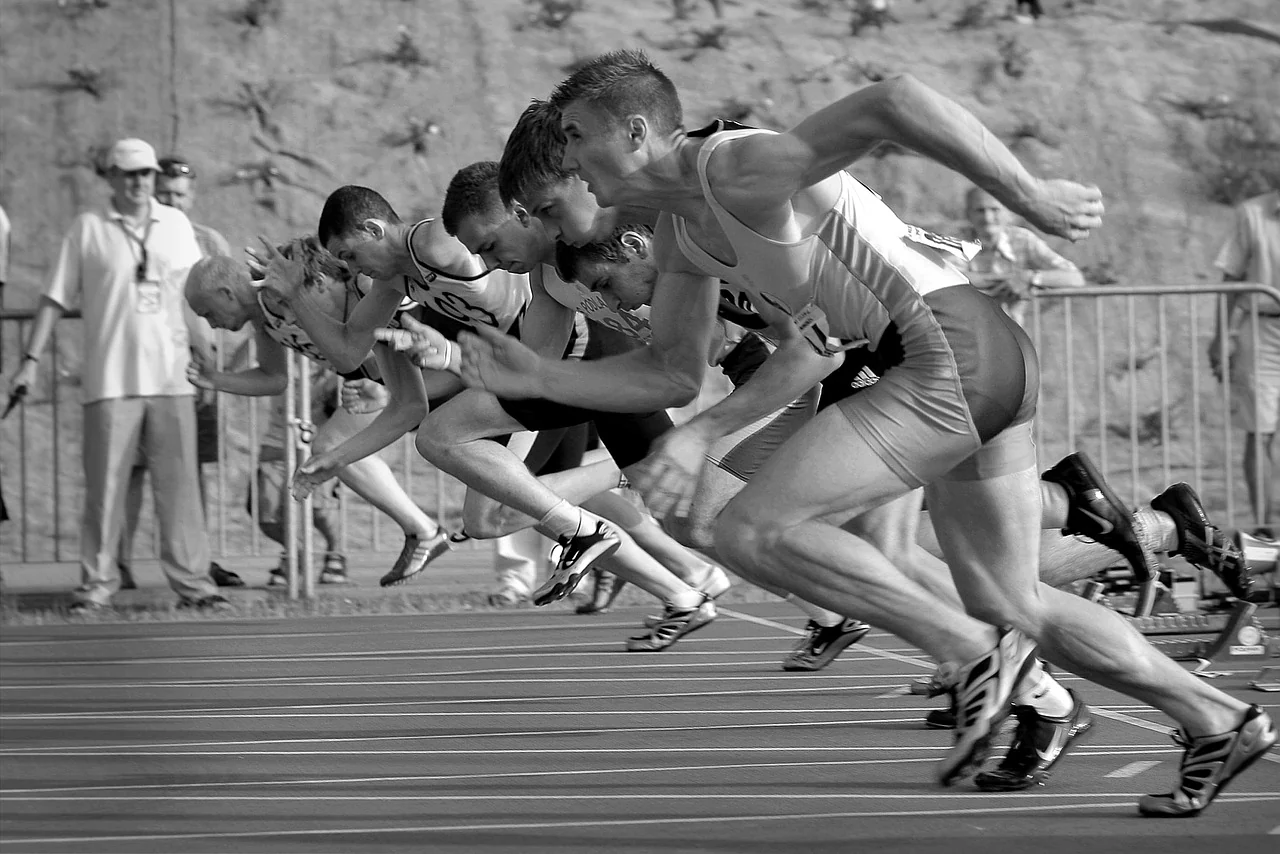
For an athlete whose main concern is speed, the same principle applies to sprint practice. A race start or a timed running effort is a distinct skill and test, with its own warm-up, surface and fatigue considerations. Do not add maximal sprints simply because a squat-and-jump study measured running performance. Include them when they belong in the athlete's plan, and keep them clear of a crowded lifting or jumping area.
Try one order consistently before making comparisons. Keep the exercise versions, set structure and rest arrangement stable enough that you can identify what actually changed. If you reverse the order, reduce the load and add new jumps simultaneously, a better or worse session cannot be assigned confidently to the order alone. A small, deliberate adjustment is usually easier to learn from than a complete rearrangement every time you train.
Use the practical response to guide a discussion with your coach: were the jumps repeatable, did the squat technique remain consistent, and could you complete the planned work without rushing? An order that fits equipment access and preserves execution can be a sensible choice even if it is less dramatic than a supposedly optimal sequence. Keep the decision connected to the actual goal and the training environment.
Measure progress with the same test each time
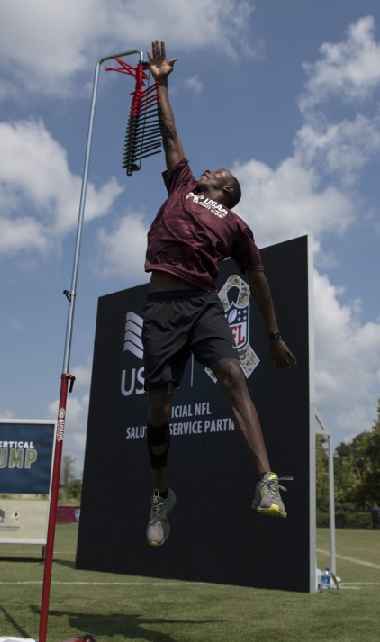
Choose a repeatable assessment before starting the training block. Record the jump type, arm action, surface, shoes, warm-up and measurement device. Changing those conditions can change the score. If you switch from a reach-based test to a flight-time estimate, start a new comparison rather than treating the two numbers as one continuous record. More digits on a screen do not remove differences between testing methods.
Decide how you will summarize attempts. For example, you might use a consistent number of trials and record both the best result and whether the remaining attempts were close to it. Use the same approach at the next assessment. A single unusually good effort can be interesting, but a set of broadly repeatable results is easier to interpret than a personal best achieved after an unrecorded number of attempts.
Track strength with the same equipment and technique as well. Identify the Smith machine when that is the exercise, or identify the free-weight squat if that is your chosen lift. Record the load convention clearly, because different machines and bar setups can make apparently identical numbers misleading. You do not need to test a maximum every week to keep a useful training record. Consistent work-set performance can also help explain how the block is progressing.
Review the whole block rather than one exciting session. Look at completed training, recovery, movement quality and the standardized assessment together. If performance is flat, first ask whether the plan was actually followed and the test remained comparable. Squats and jumps can share a program without a universal rule about which must come first. The useful sequence is one you can execute, recover from and evaluate honestly over time.

Bodybuilding Shirts & Workout Gear
Bodybuilding shirts, tanks and gym gear for lifters chasing muscle, size, symmetry and the pump.

Legday – Squats & Deadlifts , Meme Top Bros & T-Shirt
Bring “Legday” humor to your next gym day.

Never Skip Leg Day Chicken Legs Meme & Bros Hoodie
Show off your leg-day humor in a laid-back “Never Skip Leg Day” hoodie.

Leg Day Is Calling You Decal Water Bottles & Sticker
Bring “Leg Day Is Calling You” attitude to your water bottle or laptop.

Negative Leg Day Review 1 Star Not Recommended Tank Top
Train hard, laugh a little, and rep “Negative Leg Day Review”.


I Love Squats Gym | Valentine's Workout Pullover with F T-Shirt
For laid-back days and leg-day humor: “I Love Squats”.

Squats Leg Day Heavy Weights Meme – Essential Top T-Shirt
Bring “Squats Leg Day Heavy Weights” humor to your next gym day.


Consistency Is Key Stoic Greek God Marble Sculpture T-Shirt
Make gym days more fun with “Consistency is Key Stoic Greek God Marble” style.

Mind Muscle Perfection Brain and Biceps Gym for Science T-Shirt
Show some gym-day personality with “Mind Muscle Perfection Brain and Biceps”.