Advertising disclosure: This page includes affiliate product links that may earn us a commission, as well as products from our own store.
Rest between sets is tempting space to fill. If your hamstrings feel tight, adding a stretch can seem like a way to improve flexibility without extending the workout. But getting more from the break depends on what you want the next set to deliver. A small experiment in trained men found a tradeoff between immediate range of motion and repetition performance. That is a reason to choose a priority, not to declare stretching either essential or useless. Keep the training goal visible before turning recovery time into another task.
What the hamstring experiment actually compared
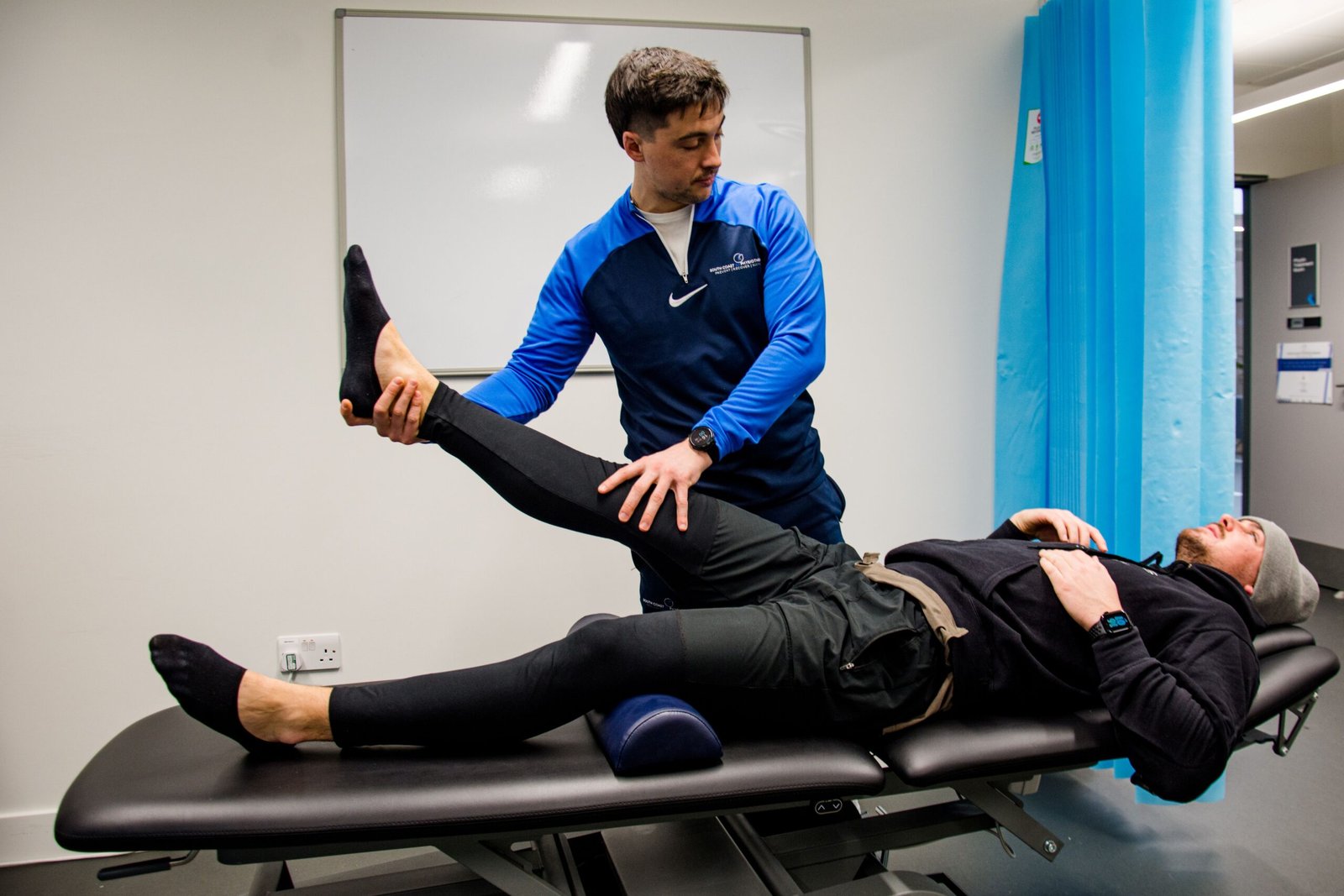
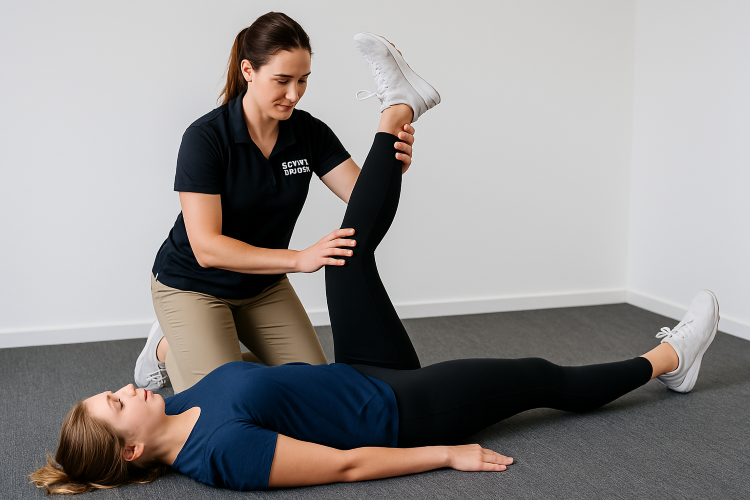
A study published in 2026 compared inter-set static stretching with passive rest in 17 trained men. The stretching protocol used passive hip flexion with the knee extended, with four 45-second stretches at maximum perceived discomfort. Those are research conditions, not a recommendation to copy an intense stretch between your own sets.
The immediate question was whether the additional activity changed exercise performance and hamstring range of motion. It was not a long training block measuring muscle growth. Keep that time frame attached to the result. An intervention can change what happens during one session without establishing what will happen to strength, size or flexibility after months of practice.
For a lifter, the first useful distinction is between a break that feels empty and a break that has a purpose. If you are resting to prepare for another demanding set, adding activity changes the conditions under which that set begins. A stretch may be worthwhile for a different goal, but it does not become free simply because it fits on the same stopwatch.
Imagine planning a session around consistent leg-curl performance. Your target is a series of comparable sets with a familiar machine setup. If you introduce a demanding stretch between sets, the next entry in the log now reflects that changed routine as well as the exercise itself. Write down the addition instead of treating the later repetition count as a direct comparison with your usual workout.
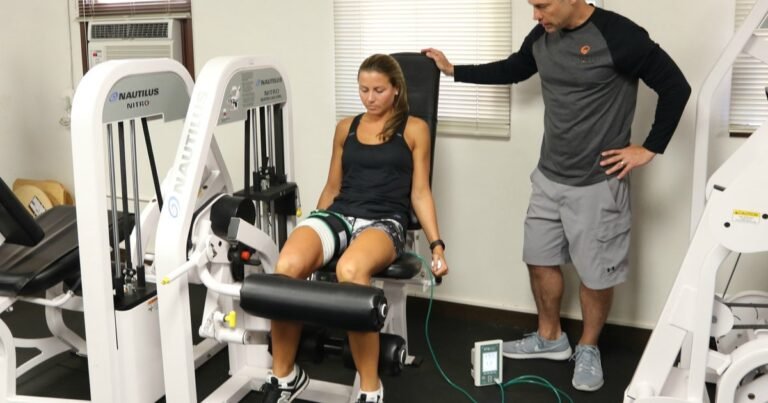
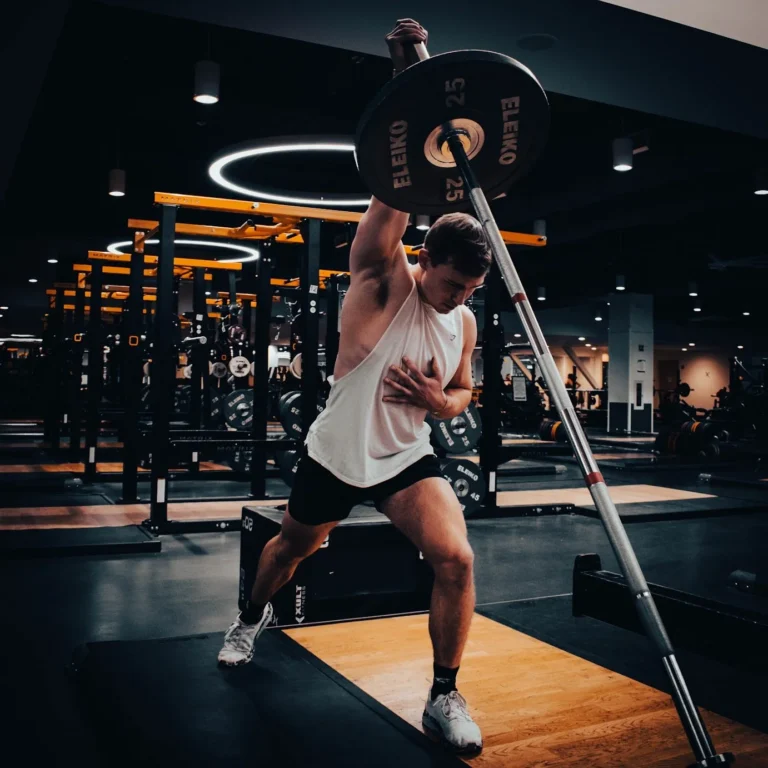
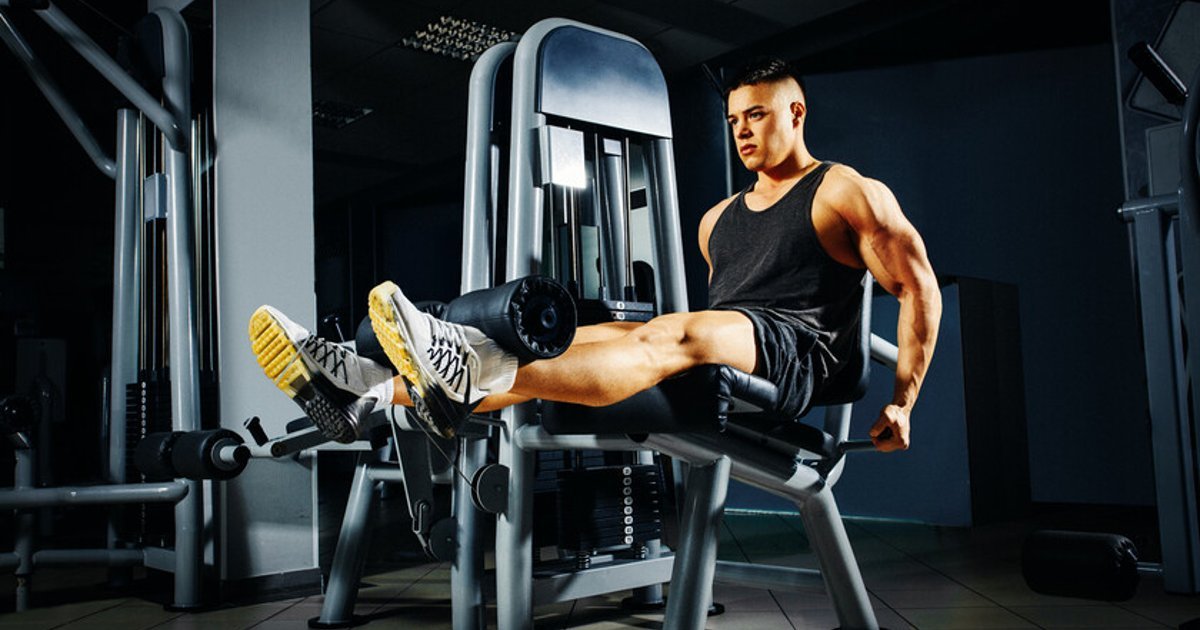
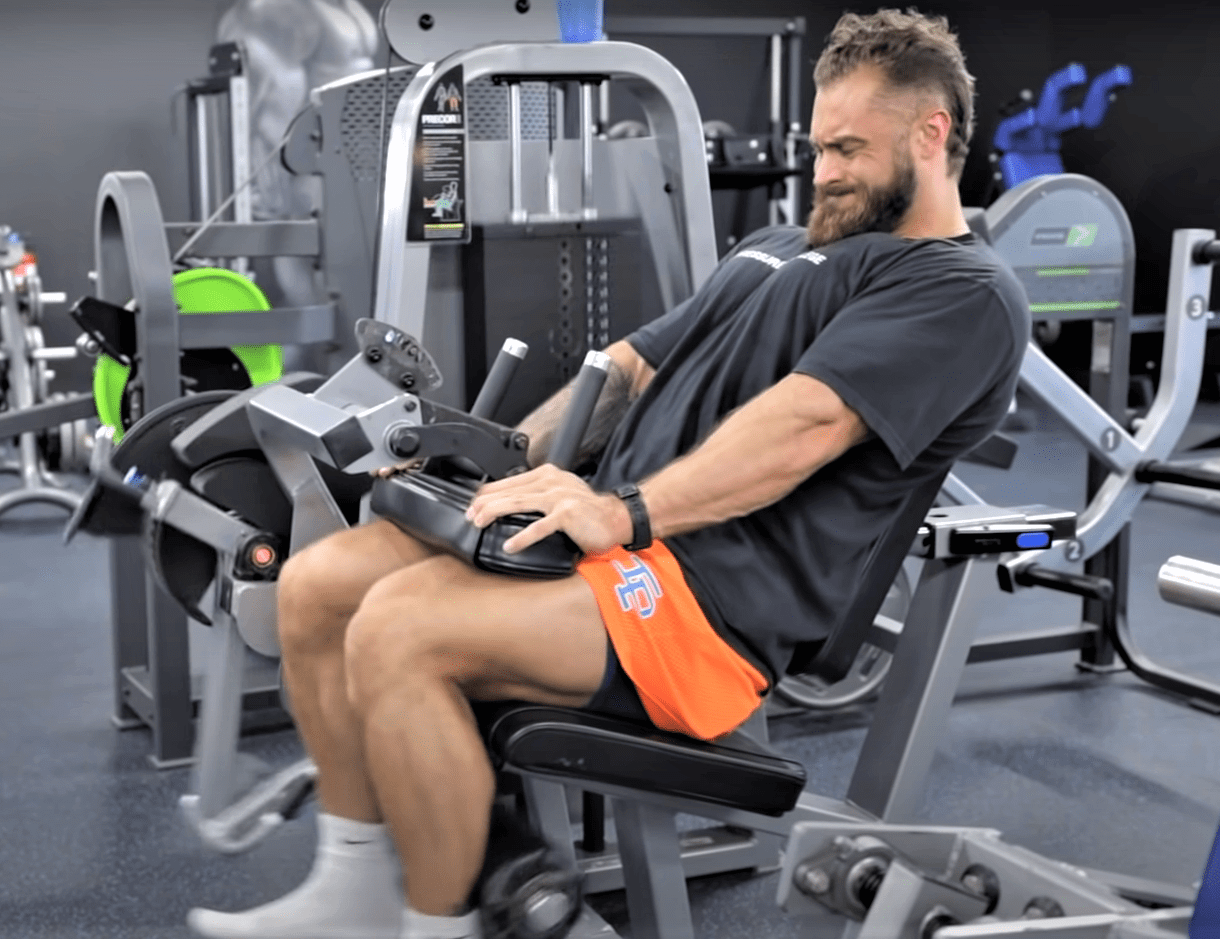
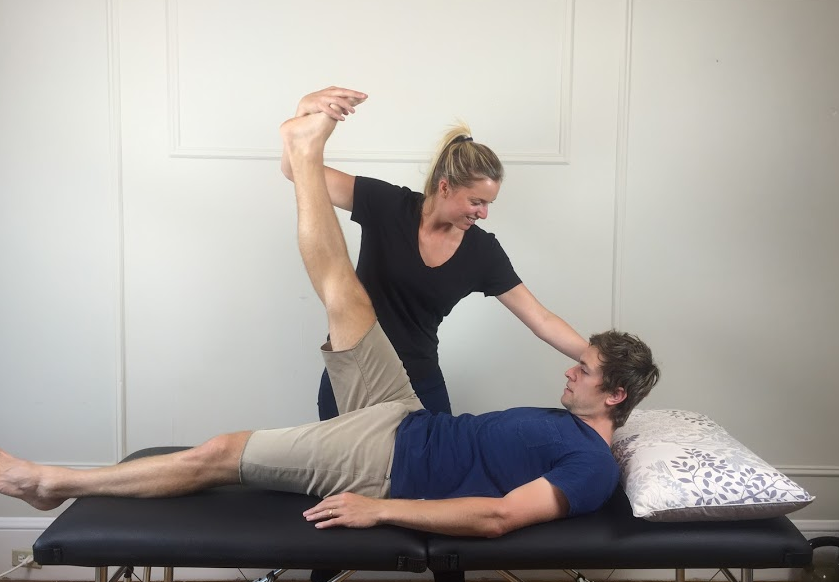
The photographs here illustrate hamstring assessment, stretching and gym exercise. They do not show the study participants or establish that the pictured machines were used in the experiment. The relevant starting point is the comparison and its limits, rather than the appearance of a particular gym setup.
More movement range did not mean more repetitions
The stretching condition produced fewer repetitions, and the report described lower total training volume than passive rest. Both conditions increased range of motion immediately, with a larger improvement after stretching. The practical result was a tradeoff across outcomes, not one intervention winning every measure.
That distinction matters when reading a headline about flexibility. A larger measured movement range tells you something about the mobility assessment at that moment. It does not automatically tell you that the next hard set will be better. Equally, a lower repetition count does not mean the session had no value. The question is whether the outcome supports the reason you chose the intervention.
Suppose your planned set is ten controlled repetitions at a familiar load. After changing the between-set routine, you complete eight. That hypothetical example does not identify a mechanism or prove that stretching caused the difference in your case. It does identify information worth recording. If the change repeats under comparable conditions, you have a practical reason to reconsider the routine when repetition performance is the priority.
Keep total volume in perspective too. Load multiplied by completed repetitions can summarize work within a consistent exercise, but it is not a universal score for muscle growth. Different machines, movement ranges and execution standards complicate comparisons. Do not compensate for a disappointing number by shortening repetitions or rushing the return just to make the spreadsheet look better.
A useful response is to keep the goal and the measure aligned. If you want to protect your working sets, evaluate the quality and quantity of those sets. If you want flexibility practice, evaluate that separately. Combining the two goals in one short interval can be convenient, but convenience is not evidence that neither goal pays a cost.
An immediate flexibility change is not a permanent adaptation
The study assessed acute range of motion. It did not establish lasting flexibility gains, reduced injury risk or superior hamstring growth. None of those longer-term outcomes follows automatically from a favorable measurement taken around a single exercise session.
A broader review of 55 studies found that resistance training with external loads can improve range of motion over time. That is a different question from whether a stretch inserted into a particular rest interval improves the next set. It also means that improving flexibility need not be framed as choosing between lifting and doing nothing else for your movement range.
For your own reviews, distinguish a session observation from a training trend. You might notice that a movement feels easier after warming up or stretching. Record that experience without relabeling it as a permanent change. If flexibility is a goal, use a consistent assessment routine over time, preferably with guidance when you are unsure how to perform or interpret the measurement.
Avoid mixing tests without noticing. A straight-leg raise assessed with another person's assistance is not interchangeable with how far you can reach toward your toes while sitting. Differences in position, assistance and measurement can change what the result represents. Choose one suitable reference for the question you are asking, and keep its conditions recognizable.
You also do not need to pursue maximum discomfort to make flexibility a legitimate goal. The experiment's intensity describes what was tested. It does not establish the best starting point for every lifter, nor does it make pain a target. Individual tolerance and appropriate exercise selection still belong in the decision.
Do not turn one protocol into a rule for every stretch
A separate small experiment in 15 men examined 30-second inter-set stretching during maximal isokinetic knee extensions. Its statistical comparisons found no significant between-protocol differences in torque or muscle architecture, despite favorable-looking effect-size patterns. Different muscles, durations and tasks deserve separate interpretation.
That is why broad claims such as stretching always ruins strength, or stretching always improves recovery, are too blunt. The hamstring experiment tested a specific intervention under specific conditions. A brief comfortable movement, a dynamic warm-up and an intense passive hold are not interchangeable simply because people may call all of them stretching.
For a practical decision, name the actual activity. What position will you use? How long will it take? How demanding is it? Where does it sit relative to the working exercise? These descriptions are more useful than arguing over a category label. They also help a coach understand what changed if the next sets stop resembling your normal performance.
Keep equipment changes separate from timing changes. A seated leg curl, a lying leg curl and a Nordic variation are different tasks with different setup requirements. A hip-hinge or back-extension pattern adds another exercise category. They can all have a place in a broader lower-body program, but switching among them does not reproduce the study or solve the timing question by itself.
Use equipment that lets you perform the intended task consistently. Record the machine settings, support and movement standard that matter for your exercise. The retail options accompanying this article illustrate training categories, not tested devices or an endorsement of combining a particular product with the research protocol.

Equipment Worth Exploring
Explore equipment, accessories and gear from our carefully selected range.

Seated Leg Combo BCO-680
Adjustable seated leg extension and leg curl machine with band pegs for added resistance.

Leg Extension/Curl BCO-780
Leg extension and lying leg curl combo with plate loading, band pegs and a cable-loading option.




Glute Ham Developer GHD-820
Adjustable glute-ham developer with contoured pads and a fold-out knee support.

45° Hyperextension HPX-650
Angled back-extension trainer with split padding, a ribbed footplate and resistance-band pegs.

Multi Bench MBX-650 2.0
Adjustable multi-bench with roller adjustment, 15 backrest positions and accessory mounts.


Choose a place for flexibility work that matches the session
Start with the main purpose of the workout. If the priority is repeatable hard hamstring sets, leaving the rest interval for recovery is a straightforward baseline. If flexibility is an important separate goal, consider giving it a clearly defined place in the session or elsewhere in the week rather than assuming an intense between-set hold is the best compromise.
This is a planning option, not proof that moving a stretch to the end guarantees a better result. Keep the change modest enough to evaluate. Record what you did, the working-set performance and any relevant comfort observations. Altering the exercise, load, stretching intensity and rest duration all at once makes the next comparison harder to understand.
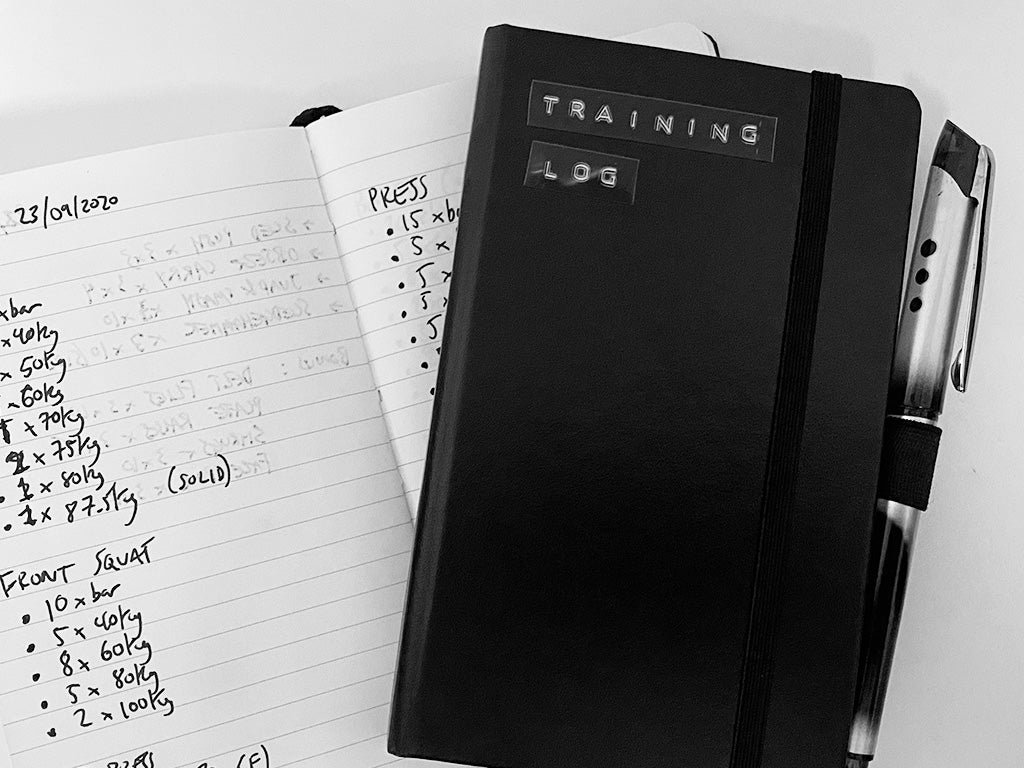
A short log can capture the essentials: exercise and setup, load, completed repetitions, intended rest and the activity performed during that rest. Add a separate entry for a flexibility assessment if it is part of your plan. You can then review two outcomes without forcing one to stand in for the other or hiding the extra work between sets.
Regular training tailored to your goals is more useful than chasing a complicated routine that you cannot maintain. There is no requirement to fill every pause with another exercise. If a simple recovery interval helps you perform the planned work consistently, it is doing a job even when it does not look busy.
The small hamstring study gives you a reason to ask what an added stretch is meant to achieve. Protect repetition quality when that is the priority, assess flexibility on its own terms and keep acute findings separate from long-term promises. The most useful routine is one whose purpose you can explain and whose results you can review honestly.

Funny Gym Shirts & Workout Gear
Funny gym shirts, tanks, hoodies and workout gear for lifters who like training hard.

Anti Stretching Stretching Club Meme Shirt – T-Shirt
Bring “Anti Stretching Stretching Club” humor to your next gym day.

Never Skip Leg Day Chicken Legs Meme & Bros Hoodie
Show off your leg-day humor in a laid-back “Never Skip Leg Day” hoodie.

Everyday Is Leg Day Octopus Meme & Top T-Shirt
Show some leg-day attitude with a playful “Everyday Is Leg Day Funny Octopus” tee.

Never Skip Leg Day Flamingo – Fitness Meme Vest Muscle Tank Top
Train hard, laugh a little, and rep “Never Skip Leg Day Flamingo”.

Negative Leg Day Review 1 Star Not Recommended Decal Sticker
Stick a little “Negative Leg Day Review” humor on your favorite gear.

Bro Science Graph Shirt – Essential Maximum Rizz & T-Shirt
Bring “Bro Science Graph” humor to your next gym day.

Mind Muscle Perfection Brain and Biceps Gym for Science Hoodie
Show off your lifting humor in a laid-back “Mind Muscle Perfection Brain and Biceps” hoodie.

Repetition Stoic Sigma : Meme & Greek God T-Shirt
Rep “Repetition Stoic Sigma” humor in and out of the gym.

Lift Eat Sleep Repeat Meme & Lifting Vest Tank Top
Show some personality between sets with “Lift Eat Sleep Repeat”.

Safety Practice Safe Sets Sweater Jumper T-Shirt
Show some gym-day personality with “Gym Safety”.