Advertising disclosure: This page includes affiliate product links that may earn us a commission, as well as products from our own store.
Should every lifting set end when the next rep becomes impossible? Or can you stop short, catch your breath inside a set, and make the same progress? A recent umbrella review covering 33 earlier research reviews examined a related group of training decisions: sets taken to muscular failure, sets ended before failure, velocity-loss thresholds, and short breaks inserted between reps. The result was not a universal verdict in favor of either training harder or resting more. Immediate fatigue behaved differently from muscle growth and strength adaptations, and the quality of the review evidence imposed important limits on certainty.
That distinction matters in a home gym. With limited time, a single rack or adjustable dumbbells, fatigue influences not only one hard set but the useful work you can complete afterward. Instead of treating intensity as an identity test, the practical goal is to choose the level of effort that fits the exercise, the session and what you need to improve. Here is how to interpret the evidence without pretending that every comparison used the same people, loading or volume.
1. What 33 reviews can—and cannot—tell us
The researchers did not recruit 33 groups of new lifters. They examined 33 previous systematic reviews covering different resistance-training comparisons, then assessed whether the available findings could be meaningfully put beside each other. The searches ran across seven databases, with the latest search in September 2026. The main comparisons were failure versus stopping before failure, and conventional continuous sets versus clusters or redistributed rest. Velocity-based stopping was a related but separate question. For chronic outcomes, the review required training interventions lasting at least six weeks.
The headline number, 33, should not be mistaken for 33 equally strong answers. Thirty reviews were rated as having critically low methodological confidence and the remaining three as low. Only ten supplied the main set of 69 quantitative and 16 narrative evidence units, with some estimates dependent on overlapping underlying studies. The review also explored 13 selected combinations of immediate fatigue and longer-term adaptation; none justified a joint interpretation across the necessary conditions. That is a statement about those selected combinations, not proof that acute fatigue never affects subsequent adaptation.
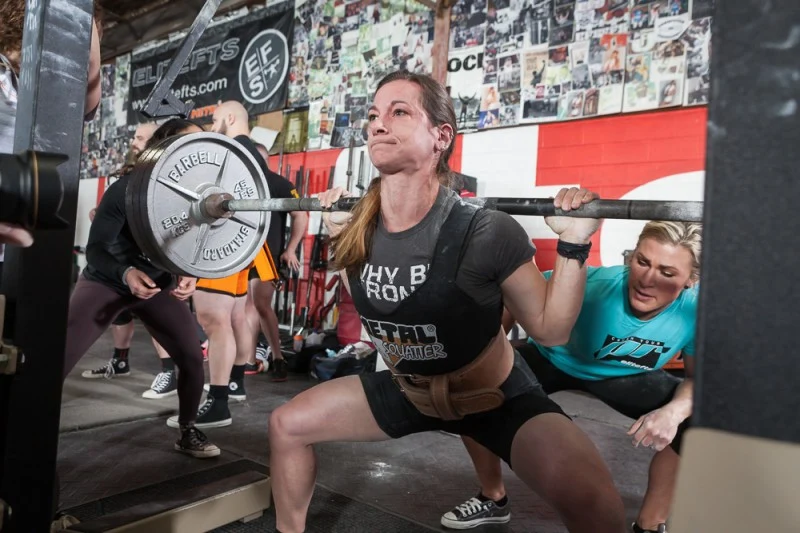
Think of this as a map showing which questions research has actually tested. A maximal squat set with one rep left, a leg-extension set to technical failure and a power clean split into mini-sets are not interchangeable exposures. The population, load, exercise, rest distribution, total repetitions and outcome must line up before anyone can confidently declare one setup superior. The useful lesson is to separate the result measured today from the result built over weeks.
2. Why stopping short often makes the next set feel better
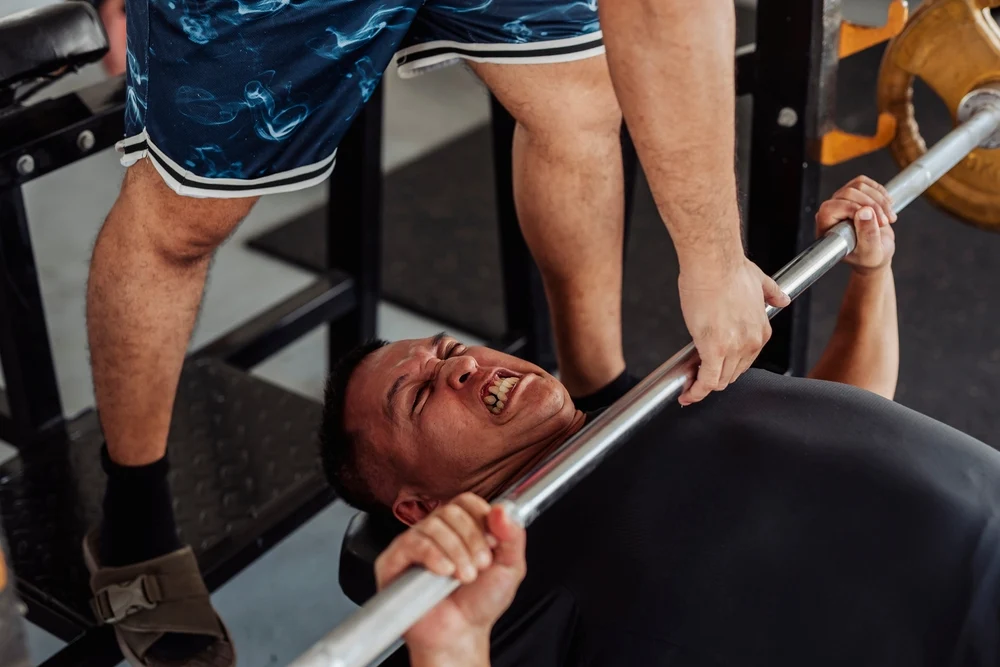
Leaving one, two or three repetitions in reserve—usually called RIR—means ending a set while you believe that many additional technically acceptable reps remain. Reaching momentary failure means you cannot finish another concentric repetition with the intended form and range. Technical failure is a different, potentially earlier boundary: the rep could be forced through somehow, but the standard has already changed. Confusing these boundaries is a major reason two people can claim to train “to failure” while doing very different work.
The umbrella review found selected immediate neuromuscular-fatigue and effort-rating results that favored stopping before failure. That is intuitive if you have ever ground through the last squat repetition and then watched your next set collapse. Near-limit repetitions cost time, concentration and recovery capacity. With two RIR, you might still generate a substantial stimulus while keeping enough energy to perform the programmed sets with comparable technique.
But less immediate fatigue is not the same as guaranteed equal or superior growth. If stopping earlier reduces your useful weekly work too much, the tradeoff can change. Likewise, a controlled isolation exercise near the end of a session may tolerate more hard-end effort than a heavy barbell lift performed without a spotter. For a practical experiment, hold the exercise and load steady for a couple of sessions. Compare the quality of your second and third working sets when the first stops at about two RIR versus zero RIR. Record the difference before making it a permanent rule.

Equipment Worth Exploring
Explore equipment, accessories and gear from our carefully selected range.


FID Bench MAX
Adjustable bench offering flat, incline, and decline positions + adjustable headrest.

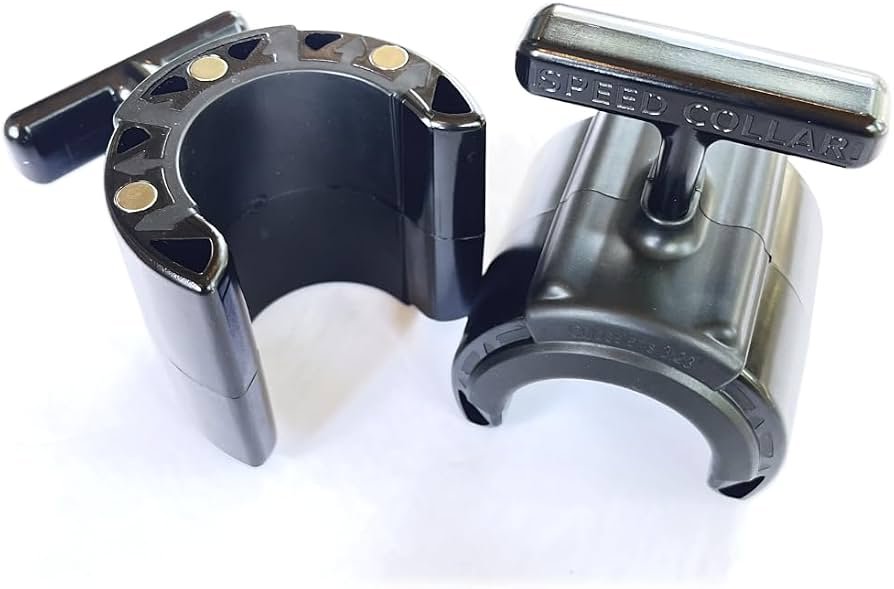
Speed Collar
Quick-release collars designed to secure weight plates on standard two-inch Olympic bars.


Multi Pull Smith Rack MPHR-780
All-in-one rack with a Smith machine, functional trainer, lat pulldown and low row.

Multi Bench MBX-650 2.0
Adjustable multi-bench with roller adjustment, 15 backrest positions and accessory mounts.

Competition Plates
Competition-style bumper plates for Olympic lifts and loaded strength training.

Foldable Wall Rack
Wall-mounted folding squat rack designed to save floor space between workouts.
3. Muscle size and strength do not give a single winner
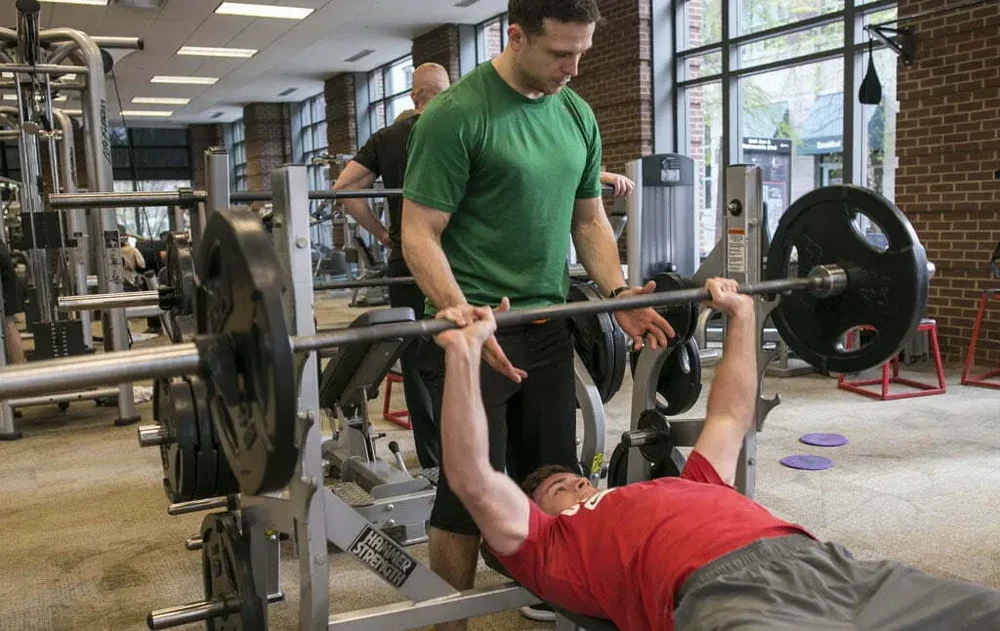
For long-term adaptations, the review was deliberately more cautious. Some selected muscle-growth estimates favored reaching failure, or allowing greater repetition-speed loss, particularly in specific groups and training prescriptions. Other comparisons found little useful distinction. There was no sound basis for translating every acute fatigue saving into an equal muscle-building result. In at least some comparisons, the amount of work actually completed was not equivalent between groups, making it difficult to isolate the effect of the stopping rule itself.
This is why the slogan “never train to failure” is too sweeping, while the opposite instruction—take every working set to failure—is just as hard to defend. Training hard enough is necessary to produce meaningful tension, but fatigue accumulated on the way to that effort also affects subsequent exercises. A lifter trying to improve three barbell lifts may value consistently crisp sets, whereas a bodybuilder finishing cable curls may accept a final high-effort set if technique remains controlled.
Compare weeks rather than single dramatic sets. Did total high-quality repetitions at a given load improve? Were you able to raise the load without shortening the range? Did the target muscle have enough weekly challenging work? Did the schedule allow you to repeat the session? The ability to keep progressing is more important than how heroic an individual rep looked. There is also a recovery ceiling: work that repeatedly trashes your next training day is not automatically more productive just because it feels harder.

Powerlifting Shirts & Lifting Gear
Powerlifting shirts and gym gear for squat, bench and deadlift lifters who live for heavy numbers.

: Dropsets Are Tough & Gymbros Meme T-Shirt
Show some powerlifting attitude with a playful “: Dropsets Are Tough” tee.


Listen Heavy Lift Heavy Shirt | Heavy Metal Lifting Sku T-Shirt
Bring “Listen Heavy Lift” humor to your next gym day.


No Days Off for Fitness Motivation and Lifting Culture Sticker
Put “No Days Off” gym humor on your laptop, bottle, or gym gear.

Anti Social Lifting Club Powerlifters & Fans Vest Tank Top
Your gym-day look, with a playful “Anti Social Lifting Club” twist.

Dadlift Dad Gains Meme Hooded Hoodie
Stay casual and show some powerlifting attitude with “Dadlift”.

No Excuses Mermaid Strong Motivational Hooded Hoodie
Bring “No Excuses Mermaid” gym humor to lazy days and post-workout plans.

Girl Meme – Let'S Go Girls Top Strong & Gains T-Shirt
Bring “Gym Girl Powerlifting Meme” humor to your next gym day.

Shirt – I Want You To Lift Heavy Uncle Sam – T-Shirt
Heavy lifts, good laughs, and a little “I Want You to Lift Heavy Uncle Sam” energy.
4. Bar speed is useful feedback, not a universal stopping law
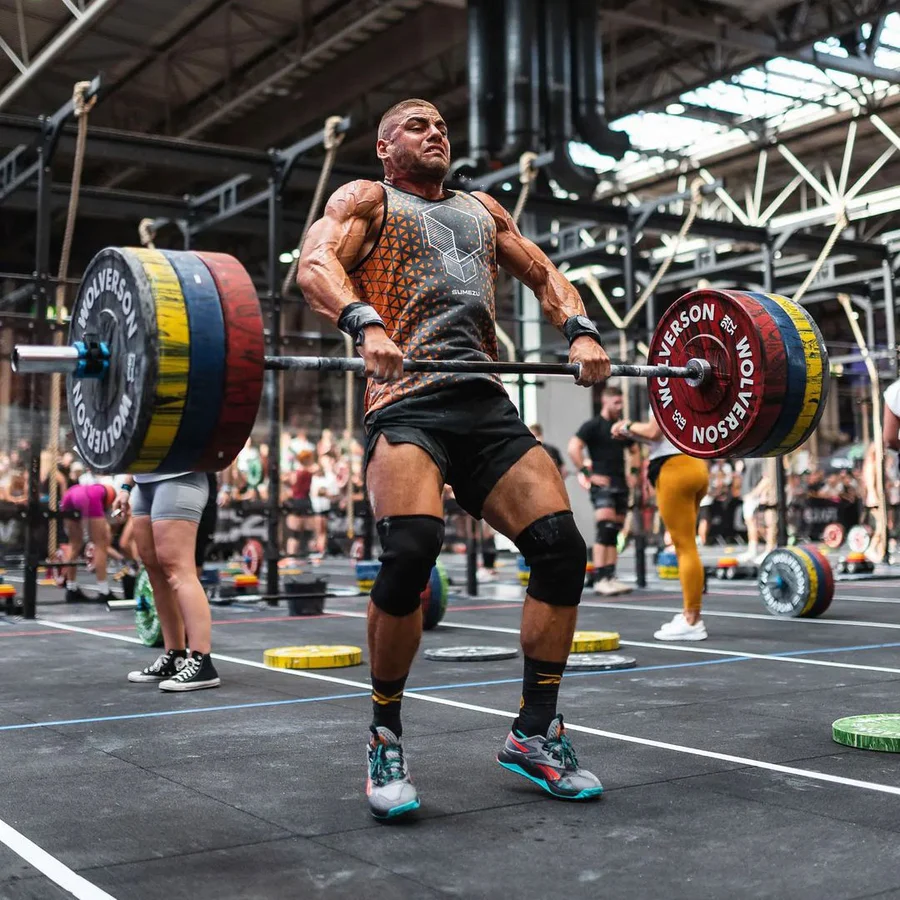
Velocity loss refers to how much slower repetitions become within a set relative to an earlier, typically faster rep. It can be estimated with a bar-speed device, but a lifter also recognizes the visible change when smooth reps turn into grinding ones. Researchers have studied ending sets after specified percentages of velocity loss as an alternative to an RIR-based or failure-based stopping point. The 33-review synthesis treated this as a supplementary branch rather than pretending it was identical to failure.
There are two traps. First, slower movement can reflect fatigue, but load, intent, technique, exercise and the measuring device also affect velocity. Second, allowing more slowing often changes how many repetitions and how much work get performed. If one group completes more hard repetitions, a later difference in growth cannot automatically be credited to the magical superiority of a particular velocity-loss percentage.
You do not need a sensor to use the principle. On heavy squats and deadlifts, set a clear technical standard and end the set when bracing or bar path begins deteriorating. On deliberate power training, protect speed and stop much earlier than failure. For hypertrophy-focused accessories, controlled slower late reps may be acceptable when the range and target-muscle action stay consistent. Keep the goal of the lift in view rather than using one stopping threshold for everything.
5. Cluster sets put tiny rests inside the work
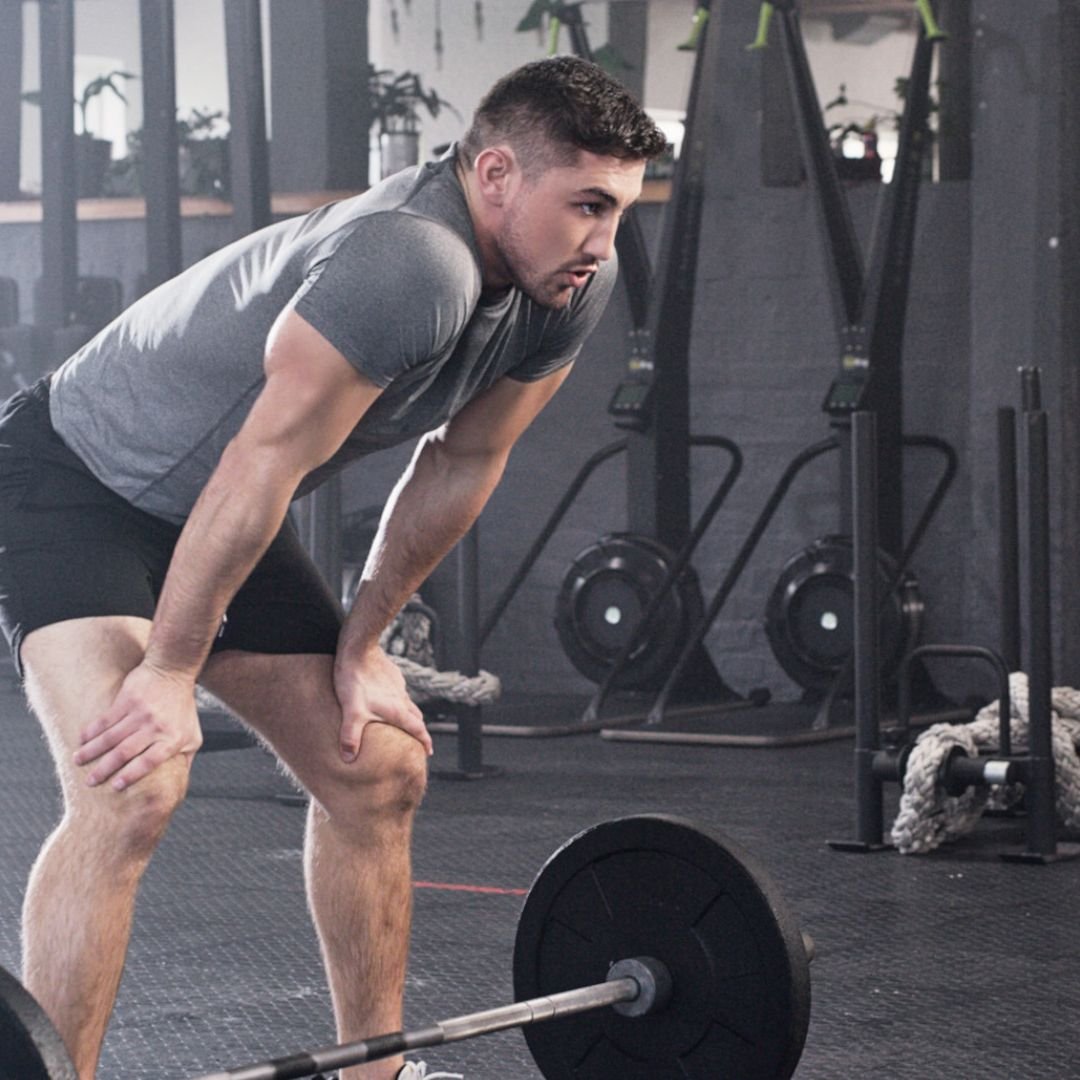
A traditional set of six repetitions usually means six uninterrupted repetitions, followed by a longer break. A cluster example might split the same six into three groups of two with fifteen or twenty seconds between groups. Rest redistribution reorganizes a given rest allowance over the session. These methods are related, but not identical: cluster protocols may add extra total rest while redistribution protocols attempt to move existing rest around. That difference matters when you compare their results.
Separate research syntheses have found that these alternative set structures can preserve rep speed and power during training while limiting some markers of immediate fatigue and perceived effort. The newer umbrella review confirms that acute results vary by outcome and exact rest structure. It does not establish that clusters automatically build more muscle, improve every strength outcome, or outperform conventional sets when time and work are controlled. A set can look faster because you rested more, and resting more may lengthen the session.
Clusters can nevertheless solve real programming problems. If you are practicing a technically demanding lift, two crisp reps repeated with short pauses may be more useful than six repetitions that progressively lose coordination. If a rack is shared, a cluster format may require additional logistics, so weigh efficiency against the intended quality. For a home cable system or dumbbell station, a mini-set approach can be straightforward: maintain a fixed load, split the repetitions, record the short pause and compare total session time against the conventional version.
Equipment Worth Exploring
Explore equipment, accessories and gear from our carefully selected range.
VOLTRA
Compact digital cable trainer with smooth, adjustable resistance.

Go-Tone Pro
Portable digital cable trainer with up to 66 lb (30 kg) of adjustable resistance.


VForce 3IN1
All-in-one rack combining an adjustable Smith machine, functional trainer, and free-weight station.

VForce Wall Trainer
Space-saving wall-mounted functional trainer with pivoting cable arms and variable resistance ratios.

Compact Leg Press CLP-700
Compact reverse-style leg press with a moving seat carriage and an adjustable footplate.

Standing Chest Press SCP-760
Standing chest-press machine with adjustable handle positions for chest and close-grip pressing.

Open Hex Bar
Open-frame trap bar with multiple handles for deadlifts, carries, and lower-body training.

6. A four-week test for your own home-gym program
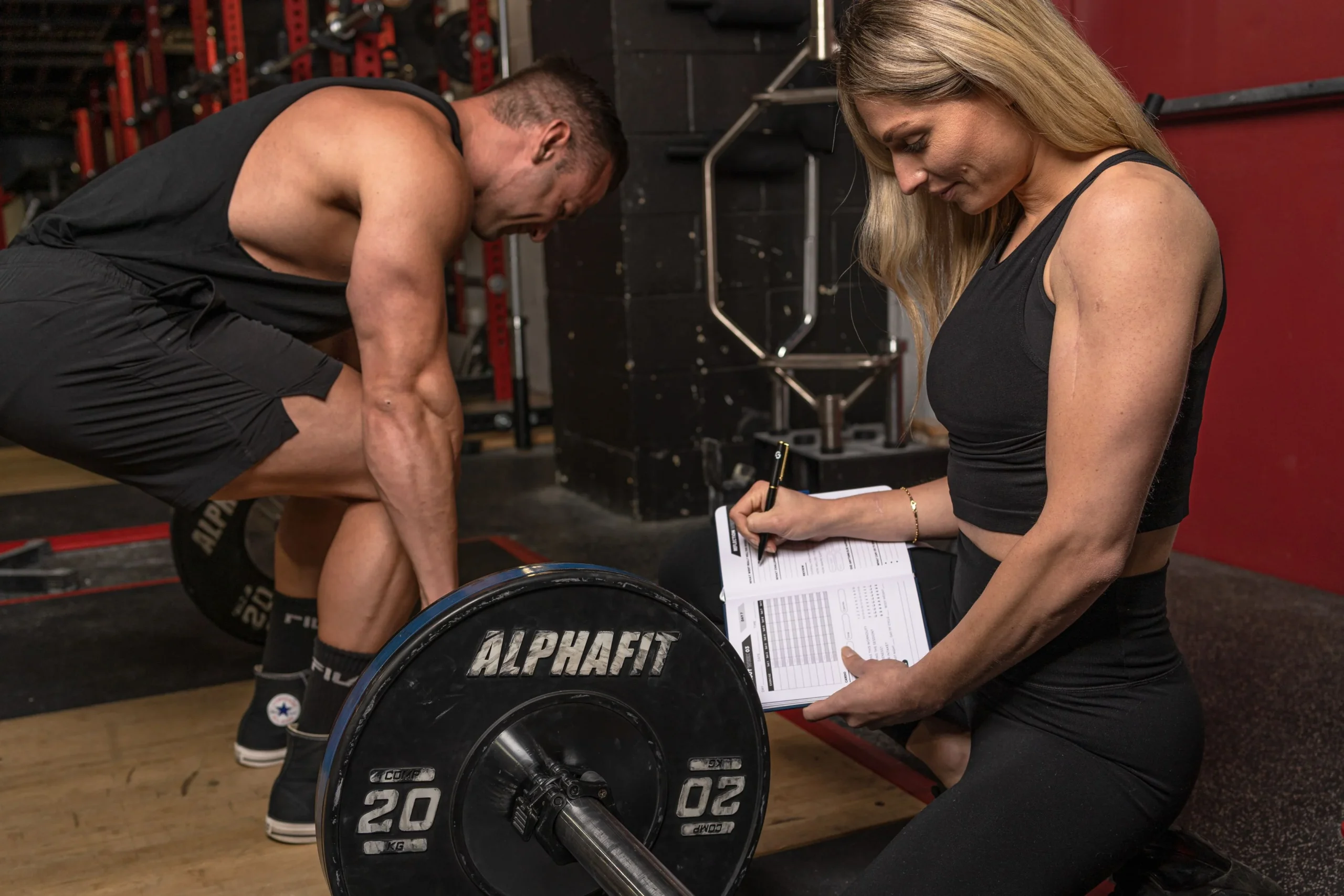
Start by selecting one primary lift and one lower-risk accessory that you already perform consistently. Do not change all your exercises, weekly sets, rest periods and effort targets at once. In week one, keep the primary lift at approximately two repetitions in reserve for three working sets, and let the accessory finish nearer one repetition in reserve if your technique remains stable. Record load, reps, range of motion, estimated effort and the ordinary rest between sets. Use proper rack safeties or a spotter for heavy barbell lifts; do not test absolute failure under an unsafe load.
In week two, keep the same loads and total set targets, but try ending the first primary-lift set a little earlier if the following sets were deteriorating. Compare the number of technically consistent repetitions completed across all working sets. For the accessory, you can try a final controlled set to technical failure, keeping the rest of the plan consistent. The comparison is informative only when you remember that any added or removed reps change training volume.
In week three, experiment with clusters on a single suitable movement: for example, replace one uninterrupted six-rep set with three two-rep clusters separated by fifteen to twenty seconds. Keep the overall load and completed reps comparable, and log the added rest. Avoid treating the two methods as time-equivalent if the clustered option takes longer. In week four, return to your preferred arrangement and judge the accumulated training results: rep quality, load progression, soreness, readiness for the next session and whether the plan fits your schedule.
One warning matters more than any RIR target: stop immediately for sharp pain, faintness, or technique that you cannot restore safely. Never chase true failure in an unstable setup simply to satisfy a spreadsheet. This is a self-observation protocol, not a miniature clinical trial. Four weeks cannot establish a hypertrophy effect from appearance alone. It can, however, expose a useful truth about your routine: a stopping rule is only valuable if it helps you complete repeatable, productive training.
Bodybuilding Shirts & Workout Gear
Bodybuilding shirts, tanks and gym gear for lifters chasing muscle, size, symmetry and the pump.

Mike Mentzer Heavy Duty Old School Bodybuilding Gym Shi T-Shirt
Heavy lifts, good laughs, and a little “Mike Mentzer Heavy Duty” energy.

Work Hard Eat Hard Bulk T-Shirt
Heavy lifts, good laughs, and a little “Work Hard Eat Hard” energy.

Bodybuilding Meme – Light Weight Baby Crewneck and Ronn T-Shirt
Show some gym-day personality with “Bodybuilding Meme”.


Ronnie Coleman King Of Shirt Royal Meme T-Shirt
Bring “Ronnie Coleman King of Bodybuilding” humor to your next gym day.

Shirt Rats – , With Meme , Gymbro Top T-Shirt
Heavy lifts, good laughs, and a little “for Gym Rats” energy.

Bob The Bodybuilder Sweater & Meme Fans T-Shirt
For laid-back days and lifting humor: “Bob The Bodybuilder”.

Bodybuilder LEGO Gym | Funny Workout Decal for Water Bo Sticker
Bring “Bodybuilder LEGO” attitude to your water bottle or laptop.

Sigma Stoic Bodybuilder – Meme Shirt T-Shirt
Show some lifting attitude with a playful “Sigma Stoic Bodybuilder” tee.

Train Hard Eat Trash Raccoon Shirt – Meme & Top T-Shirt
Bring “Train Hard Eat Trash Raccoon” humor to your next gym day.