Advertising disclosure: This page includes affiliate product links that may earn us a commission, as well as products from our own store.
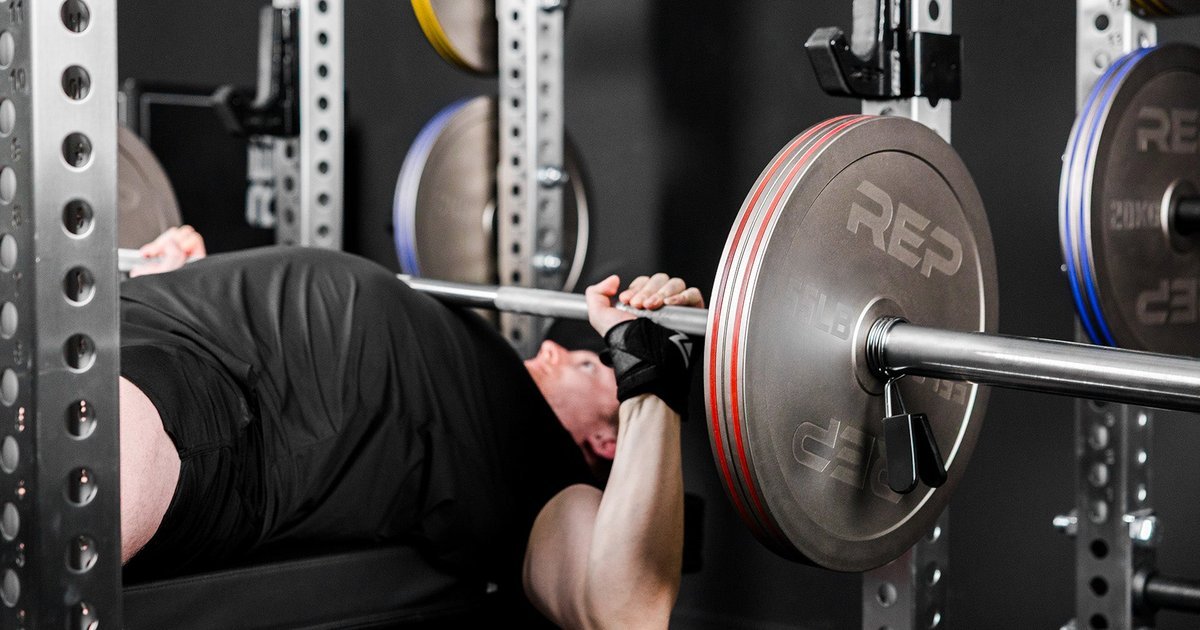
The Spoto press looks like a normal bench rep until the bar stops an inch or two above your chest and stays there. That floating pause removes the option of relaxing onto your torso or bouncing out of the bottom. It also exposes bad bar control quickly. Here is a practical way to set the height, keep the shoulders stable, select a useful load and turn this demanding bench variation into a repeatable training tool—not a test of how much weight you can barely keep suspended.
What makes a Spoto press different from an ordinary bench rep
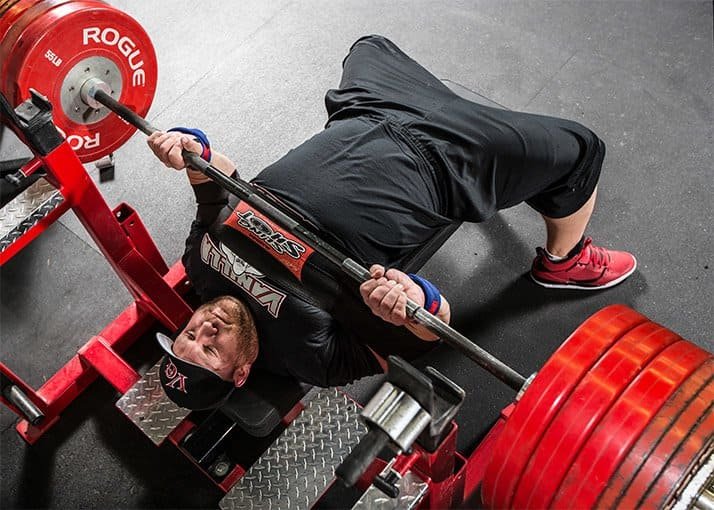
The defining feature is a motionless barbell pause just above the chest. Lower the bar along your normal bench path, brake its descent before contact, maintain your upper-back position and then press to lockout. Roughly one to two inches, or about 2.5–5 centimeters, is a useful starting reference; the exact gap is less important than repeating the same low hover on every rep. A pause four or five inches high trains a different portion of the press.
The lift is associated with Eric Spoto, but you do not need to copy an elite powerlifter’s exaggerated arch, grip width or training load. Your setup should still resemble the bench press you are trying to improve. Keep the chest elevated by setting your upper back firmly on the pad, use a wrist-stacked grip you can repeat, and place both feet securely. A controlled hover demands sustained effort from the chest, triceps and shoulders.
Distinguish this from a competition-style paused bench: there the bar contacts the chest before a press command; here it remains unsupported. A pin press is different again because the safeties can briefly take the bar’s weight. The differences matter when you assess progress. Do not compare a touch-and-go personal record directly with a stricter Spoto set and conclude that you lost strength.
Build the setup around repeatable bar control
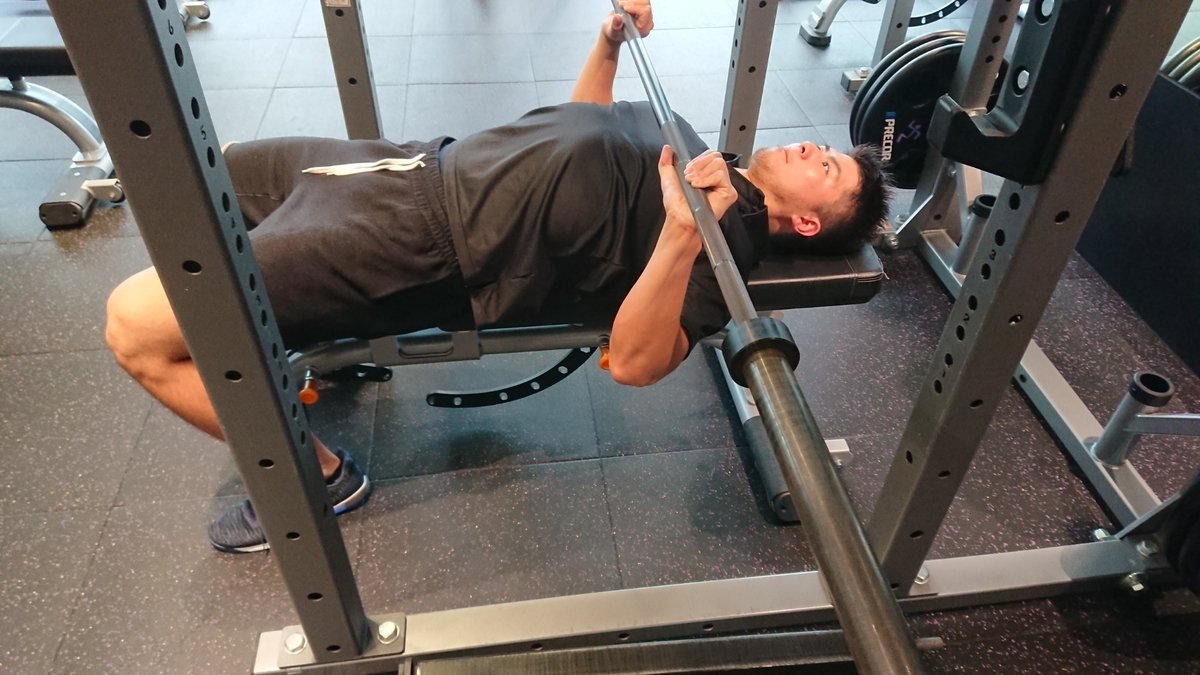
Set a stable flat bench inside a rack with correctly adjusted safeties, or work with a competent spotter. Place your eyes approximately under the racked bar, pinch and settle your shoulder blades against the pad, and choose a grip that lets forearms remain reasonably vertical near the bottom. A grip change can alter the challenge and your shoulder comfort, so keep it consistent throughout a training block.
Unrack without reaching your shoulders forward. Pause at straight arms to settle the bar. Lower under control toward your usual lower-chest touch point; then stop with a small visible air gap. From a side video, the bar should be clearly above the shirt, not compressing fabric. Keep wrists over forearms rather than allowing the bar to fold the hands backward. Aim for a smooth press that travels slightly back toward the shoulders as it rises.
Train the technique with an empty bar first. If your sternum rises dramatically to meet the bar, your feet shuffle or your pelvis leaves the pad, the rep is no longer comparable with the previous one. Set the safeties low enough to permit the hover but high enough to catch a failed repetition without trapping you. Empty-bar practice also lets you check that a normal chest touch would not collide with those safeties.

Equipment Worth Exploring
Explore equipment, accessories and gear from our carefully selected range.


FID Bench MAX
Adjustable bench offering flat, incline, and decline positions + adjustable headrest.

Multi Bench MBX-650 2.0
Adjustable multi-bench with roller adjustment, 15 backrest positions and accessory mounts.


Grip Plates
Rubber-coated weight plates with handholds for loading barbells and machines.
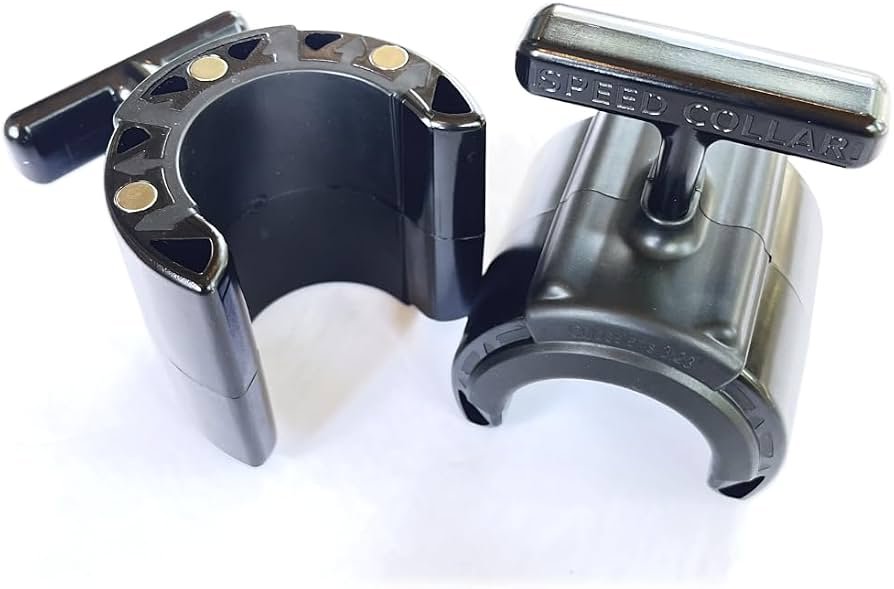
Speed Collar
Quick-release collars designed to secure weight plates on standard two-inch Olympic bars.

Foldable Wall Rack
Wall-mounted folding squat rack designed to save floor space between workouts.

Own the hover instead of chasing a theatrical pause
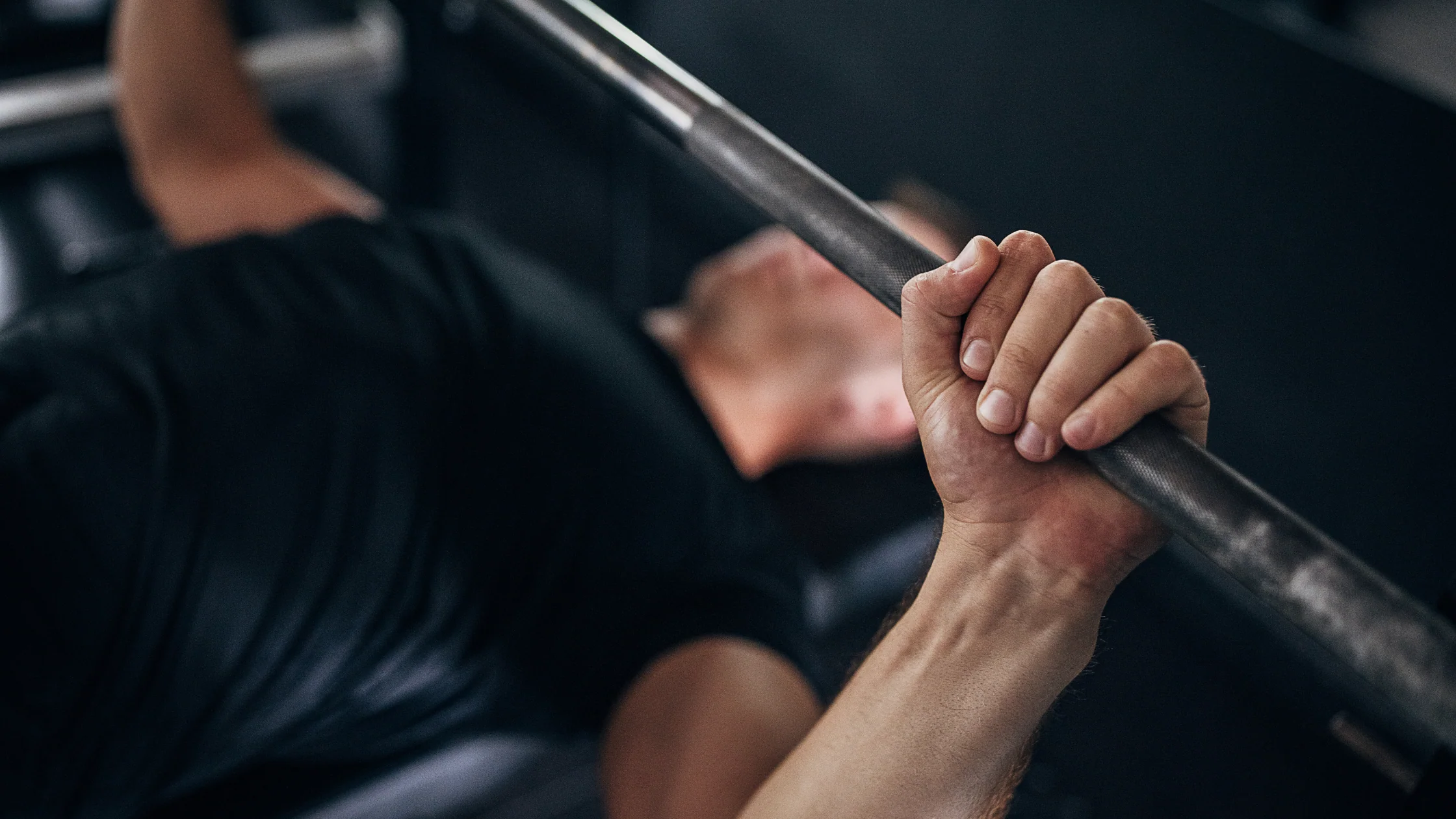
Count approximately one to two honest seconds at the bottom. The bar should visibly stop moving rather than sink slowly throughout the count. The pause is not an opportunity to exhale, relax the lats or let elbows drift farther out. Maintain pressure through your feet and upper back, keep your forearms under the bar and begin the upward drive without first dipping toward the chest.
If the first rep looks crisp but the next three turn into soft chest touches, the working weight is too high for the prescribed pause. Decrease it rather than treating accidental touch-and-go reps as completed Spoto presses. Starting around ten to twenty percent below the load you normally use for comparable bench reps is a conservative experiment, not a universal strength ratio; adjust by technique and perceived effort.
Watch for a second error: stopping so high that the movement becomes a partial bench press. A high stop may be useful for a deliberately different drill, but it does not train control near the chest in the same way. Film from the side once per week, then compare gap, pause duration and bar drift. You need one reliable reference point, not laboratory precision or a new piece of equipment.
What the variation can—and cannot—prove about strength
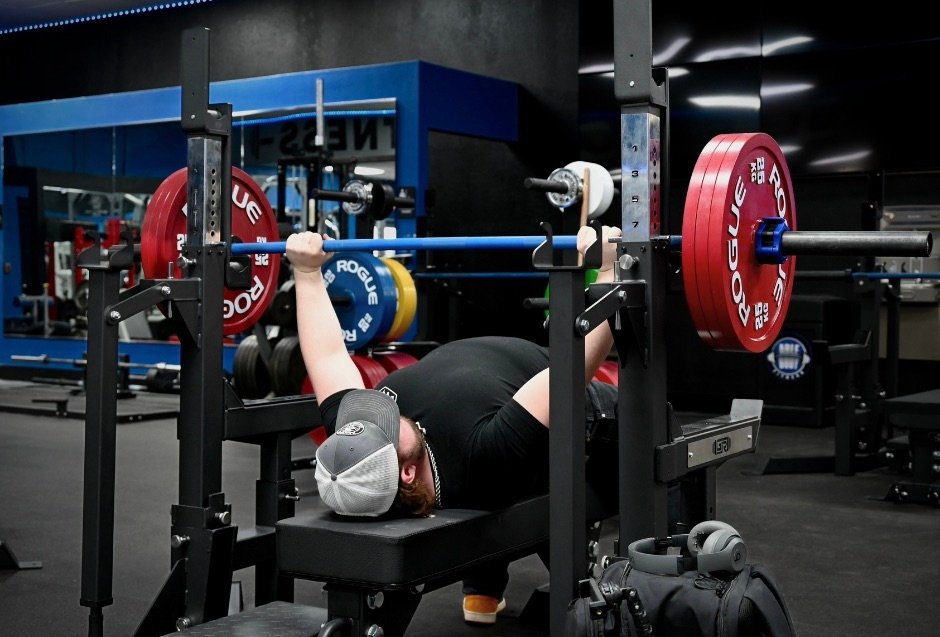
A floating pause creates more time under tension at one particular bar position and prevents a rebound off the torso. Those are clear mechanical differences. They do not by themselves prove that Spoto presses build more muscle than ordinary bench pressing, protect every shoulder, or guarantee a bigger competition lift. The carryover depends on whether your actual limitation is controlling and accelerating the bar near the bottom.
Consider two lifters. One loses upper-back position and bounces the weight off the chest to escape the first few centimeters: a paused hover may provide valuable feedback. The other maintains a stable bottom but regularly misses near lockout: a close-grip press, triceps work or different loading plan might be more targeted. Training variation is a means of addressing a need, not an obligation to cycle every trendy exercise.
Use your primary competition or standard bench to assess the outcome. If a month of Spoto work produces neater descent control and firmer pauses while your normal bench holds steady or improves, that is a meaningful sign. If shoulder discomfort grows, pressing performance falls or the hover becomes increasingly erratic, reassess load, frequency and exercise selection. Pain is not a required stimulus.
Equipment Worth Exploring
Explore equipment, accessories and gear from our carefully selected range.


Multi Pull Smith Rack MPHR-780
All-in-one rack with a Smith machine, functional trainer, lat pulldown and low row.


Lever Arm Multi Press LMP-650
Multi-press with independent lever arms and an integrated adjustable bench for upper-body training.

Standing Chest Press SCP-760
Standing chest-press machine with adjustable handle positions for chest and close-grip pressing.

VForce 3IN1
All-in-one rack combining an adjustable Smith machine, functional trainer, and free-weight station.

Rubber Hex Dumbbells
Rubber-coated hex dumbbell pairs with a stable shape for home and commercial strength training.


Program sets, reps and a load you can actually pause
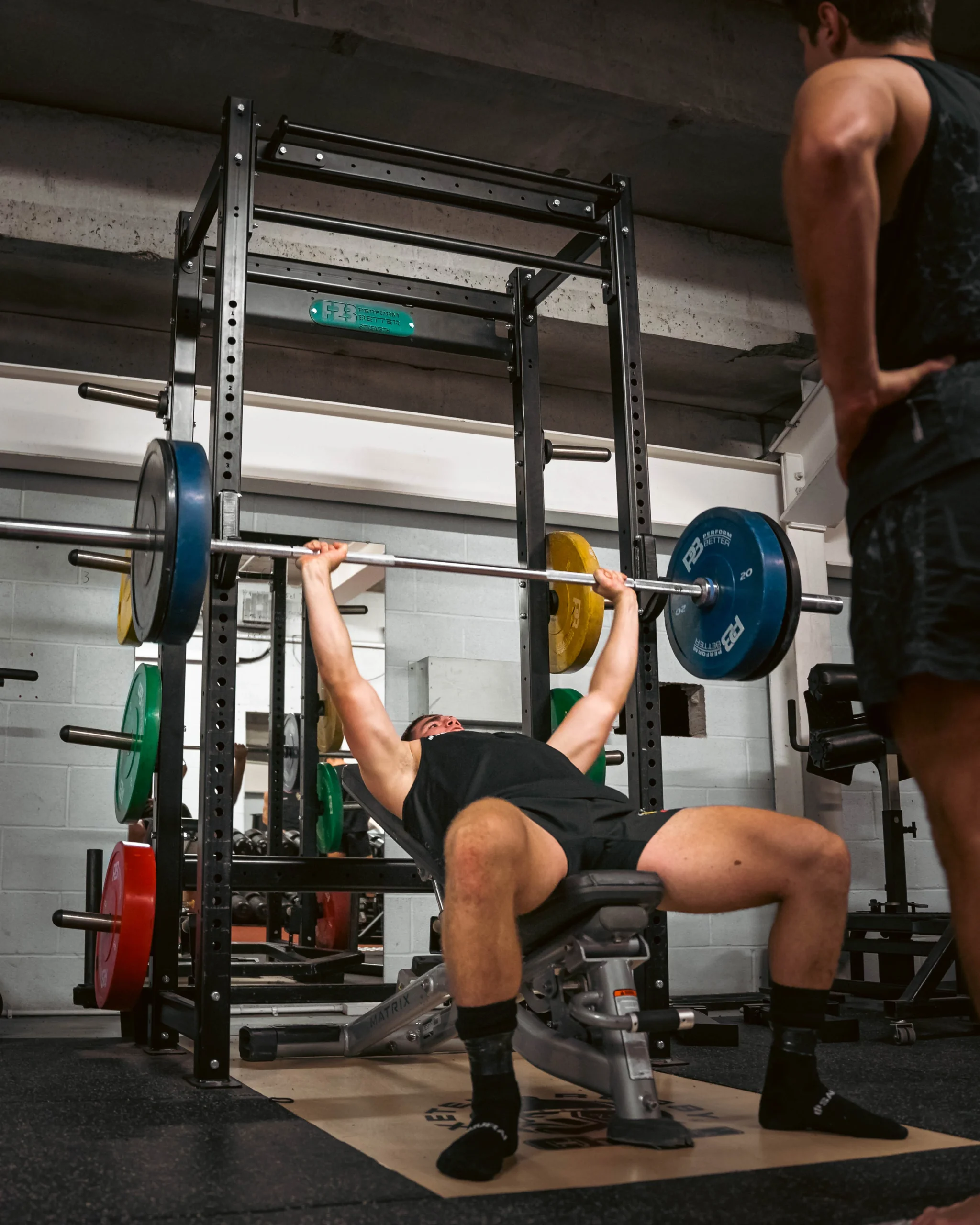
For strength-focused work, start with three sets of four to six reps at a load that leaves about two technically sound reps in reserve. Rest two to four minutes between sets. For general muscle-building work, two to four sets of six to eight controlled reps can fit after your main bench exposure. The bar should remain absolutely under control during the hover; a set that ends in a half-rep is not a valid reason to increase next week’s load.
Place the Spoto press after your main bench when technique quality remains high, or make it the main lift in a lighter bench session. Do not automatically add every Spoto set on top of unchanged high-volume chest work. If elbows, shoulders or recovery are already strained, substitute some conventional pressing volume rather than stacking another taxing variation. Pair it with rowing or upper-back work, but keep the goal of this pressing slot specific.
The accessories that matter most are the boring ones: a stable bench, a standard straight bar, appropriate plates, secure collars and safeties. Alternate-grip bars and specialty chest machines can be useful additions to a program, but they cannot reproduce the exact open-air barbell hover without changing the movement. You do not need a product purchase to fix a pause that is too brief.

Powerlifting Shirts & Lifting Gear
Powerlifting shirts and gym gear for squat, bench and deadlift lifters who live for heavy numbers.


Bending Bars Meme – Barbell Squat Bench Deadlift, & T-Shirt
Heavy lifts, good laughs, and a little “Bending Bars Gym Meme” energy.


Shirt: Good Argument But I Bench More Than You – T-Shirt
Make gym days more fun with “: Good Argument But I Bench More Than You” style.

Four Plates Bench Club Tee
Show some powerlifting attitude with a playful “4 Plates Bench Club” tee.

My Bench Press Is Stuck Horror Movie Meme Sweater T-Shirt
Show some gym-day personality with “My Bench Press Is Stuck”.

I Love Bench Press | Red Heart Weight Plate Decal Sticker
Put “I Love Bench Press” gym humor on your laptop, bottle, or gym gear.

Gym Sir Swole of Benchalot Medieval Knight Bench Press Hoodie
Show off your medieval humor in a laid-back “Sir Swole of Benchalot Medieval Knight” hoodie.

Four weeks of progression and the mistakes to audit
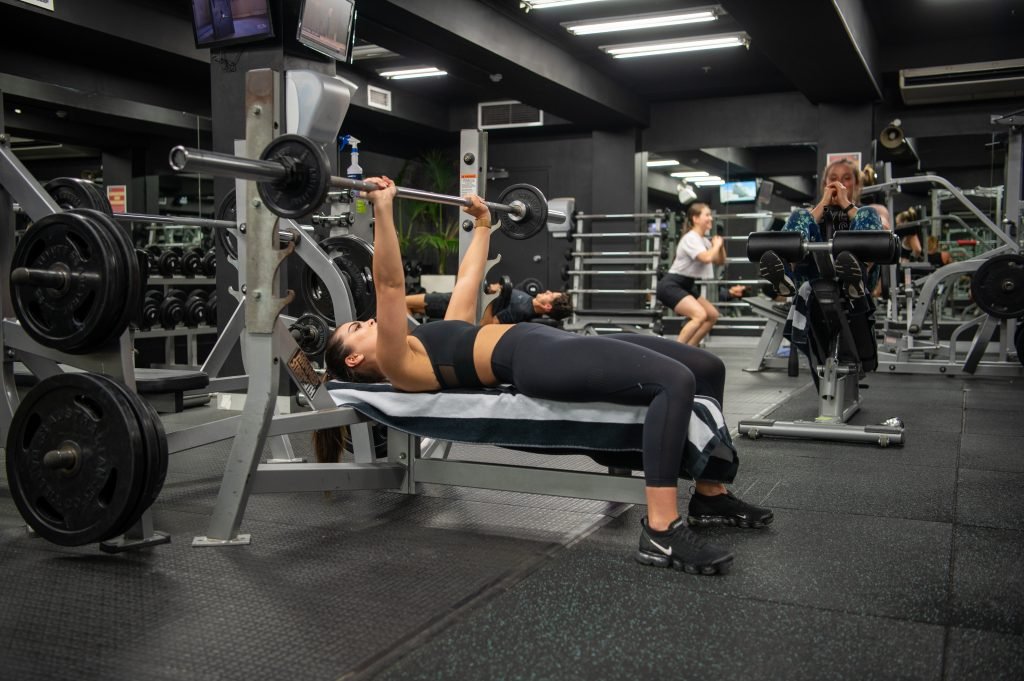
Week one is a technique baseline. Work with a manageable bar, choose a repeatable low hover and film a side-angle set. Record load, reps, approximate pause seconds and whether the bar drifts forward. In week two, add one rep to each set only when the full pause stays motionless. In week three, increase the bar by its smallest practical increment if all sets met your form target; otherwise keep the same weight and make the pause more consistent.
Week four is a comparison week, not an all-out one-rep-max test. Repeat a representative week-one load and compare video quality, effort and total clean repetitions. If you can suspend the bar without shaking or touching your chest and press along a controlled path, the block achieved its immediate purpose. Your standard bench press can then be evaluated separately rather than assuming automatic transfer.
Audit common faults in order: first a drifting stop height, then a sinking bar, then changing elbow position, and finally collapsing shoulder or foot tension. A spotter who knows that the bar should hover can give useful feedback; a spotter who grabs every slow rep makes training data worthless. Do not use a painful range or risky failure reps to prove toughness. Progress the movement only as quickly as your control allows.
For a fair progress comparison, standardize the bench, hand spacing and pause count before changing weight. Keep one reference camera angle and distinguish a successful rep from an attempted one in your log. Bench strength responds to many variables, including sleep, food and overall pressing workload; better control is worth recording even when the weight on the bar changes slowly.