Advertising disclosure: This page includes affiliate links that may earn us a commission at no additional cost to you.
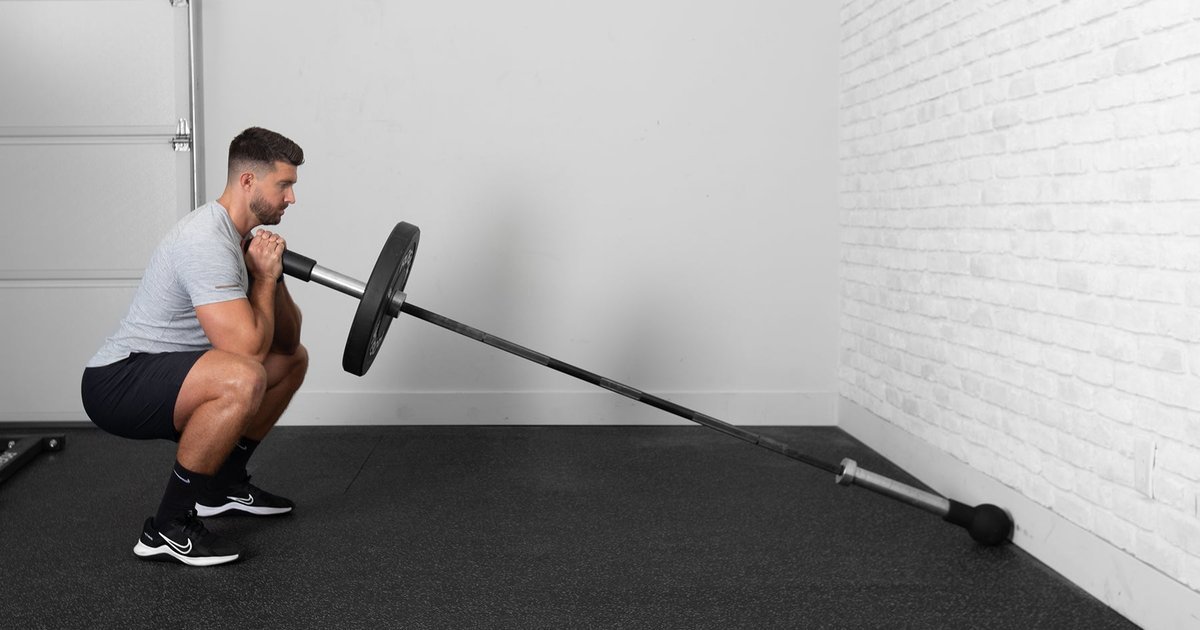
The AbMat Barbell Bomb HD puts a heavier rubber body around the idea of a portable landmine base. Instead of fastening a pivot to a rack, you slide the attachment onto one end of a compatible barbell and train from the opposite end. The appeal is straightforward: a small accessory can create a useful station without dedicating part of the rack to it.
The important question is what the heavier version changes in your setup. Added mass and a rubber exterior are tangible differences from the original foam model. They do not make the base a bolted anchor, establish a universal working-load limit or tell you how it will behave on your particular floor. This is a specification-based buying and setup guide, rather than an MMP durability test.
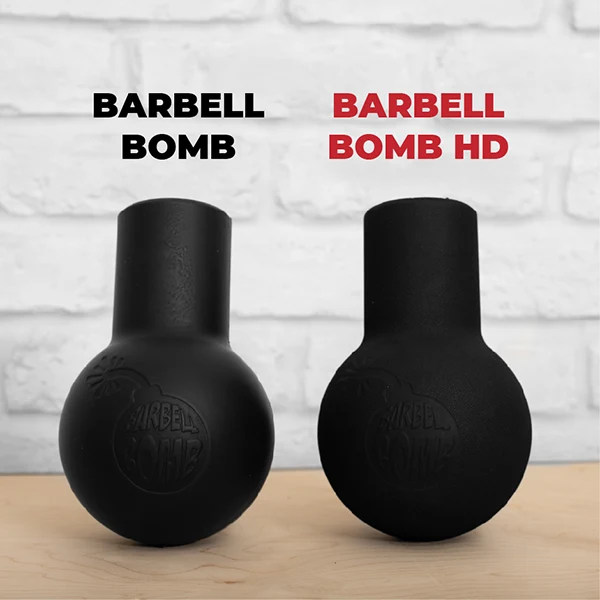
The HD changes material and weight, not the whole idea
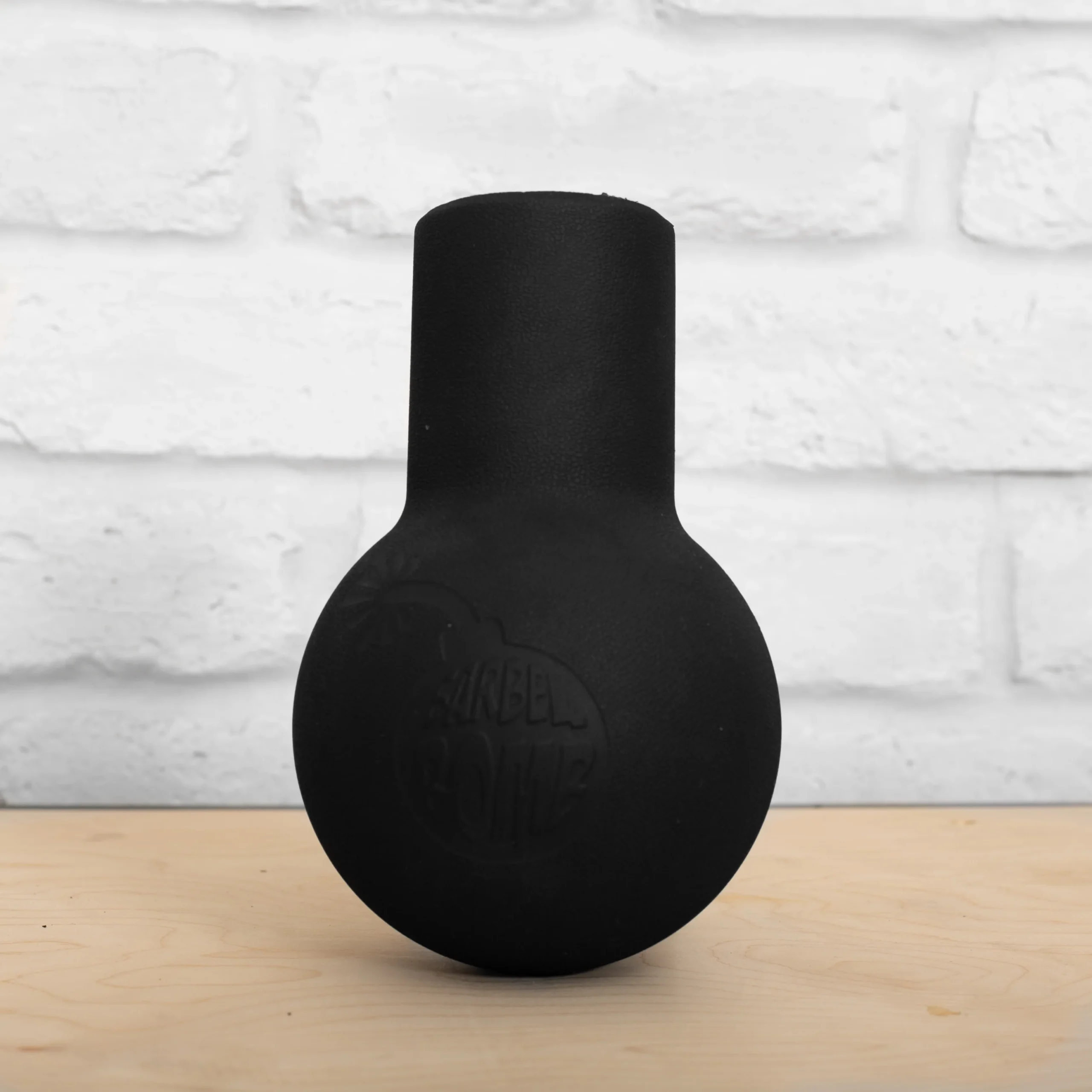
The HD uses solid molded rubber and weighs 2.5 pounds. Its listed overall length is seven inches, with a two-inch internal opening for Olympic barbell sleeves. The original Barbell Bomb uses foam and weighs four ounces. The HD therefore weighs ten times as much, calculated from the listed weights, while retaining the same basic slip-on concept.
That comparison describes the attachment itself. It does not mean the HD supports ten times the training load or offers ten times the stability. Those would require evidence about the complete arrangement, including the floor and exercise. Treat the extra weight as a design difference to evaluate, rather than a performance multiplier.
Our original Barbell Bomb setup guide covers the lighter foam version. Keeping the models separate matters when buying, particularly if a shop uses similar photographs or a shortened product name. Check the selected model, material and weight together before ordering.
Measure your actual barbell sleeve too. A two-inch opening is intended for an Olympic-style sleeve, not a one-inch standard bar. Specialty bars and unusual end caps deserve an explicit compatibility check. Fit includes removal after the session: an attachment that is awkward to take off may be inconvenient even if it stays on securely during a set. Confirm the recommended fitting and removal method before applying force.
Rubber grip still depends on the training surface
The HD is positioned for heavier lifts and busy training environments. Its grippy exterior and added weight are intended to help it remain in place. That is a sensible design aim, but the gym floor remains part of the equipment system. A smooth, dusty or uneven surface presents a different situation from a clean, level rubber training area.
Before loading, inspect where the rounded base will sit. Clear loose objects, check mat edges and make sure the bar can settle without resting across a transition between surfaces. Then rehearse the planned movement with a manageable setup. Watch the base during the lift and the return, rather than checking only its starting position.
If it migrates, stop and change the arrangement. Do not use a foot to pin it down while another person lifts, or compensate by standing in an awkward position. The appropriate response may be another surface or a purpose-built fixed pivot. Portability is useful only when the station stays predictable through the complete repetition.
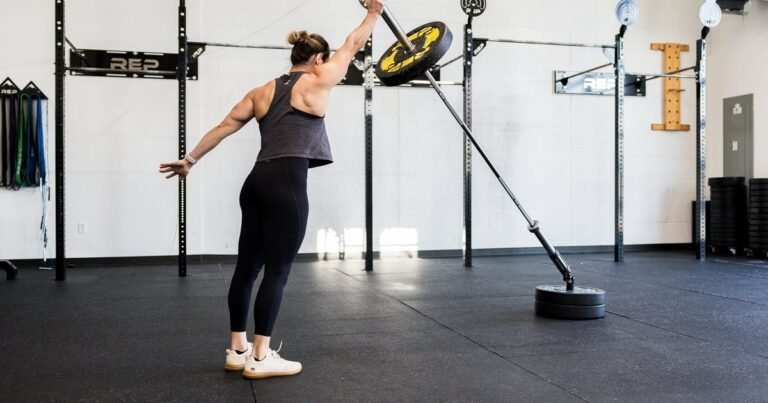
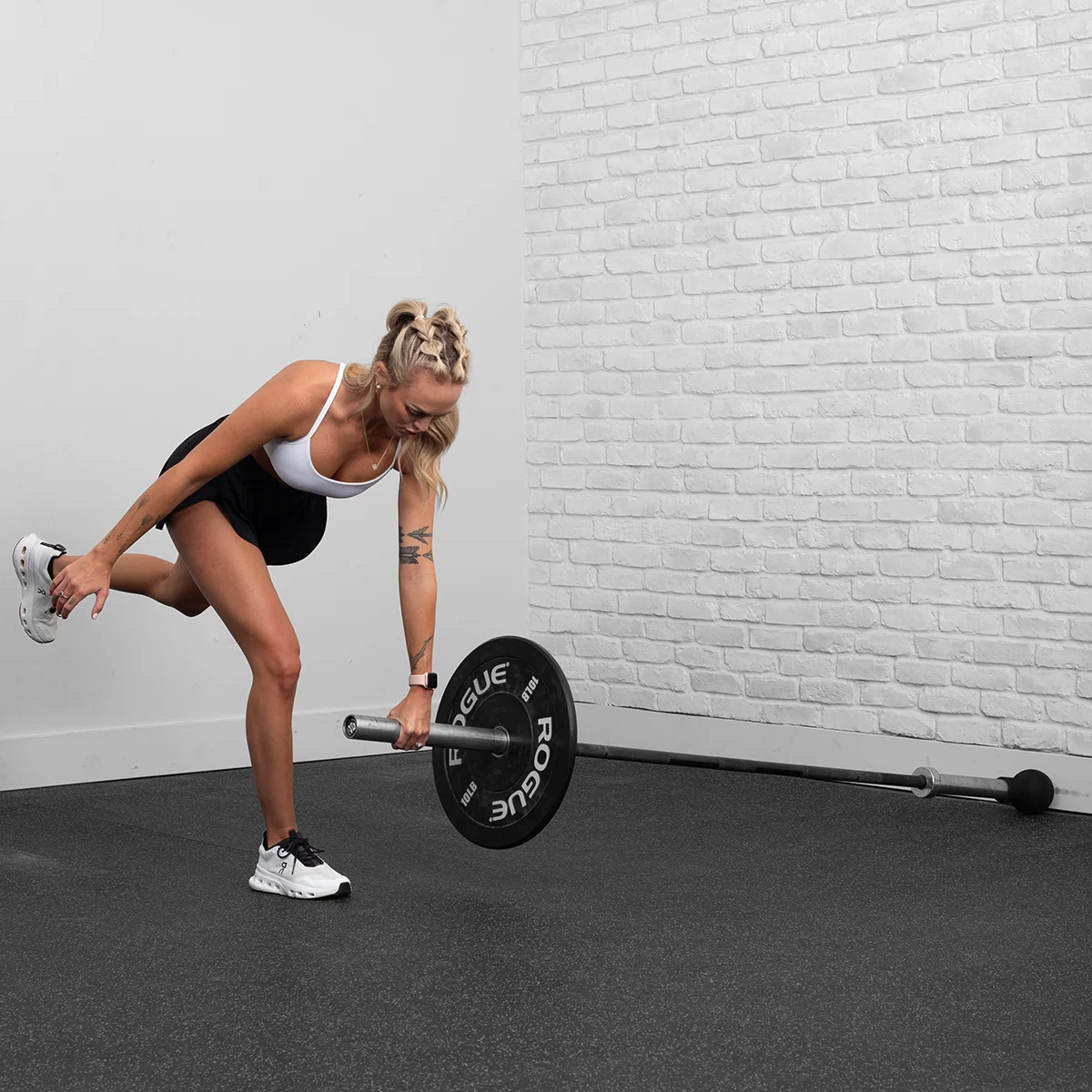
The single-leg movement pictured here also illustrates why a photograph is not a universal setup prescription. Balance, stance and the direction of force all change the task. Establish a stable basic movement before adding a balance challenge. A successful demonstration on one floor cannot establish suitability for every other room or every load.
Build a row station around the complete movement
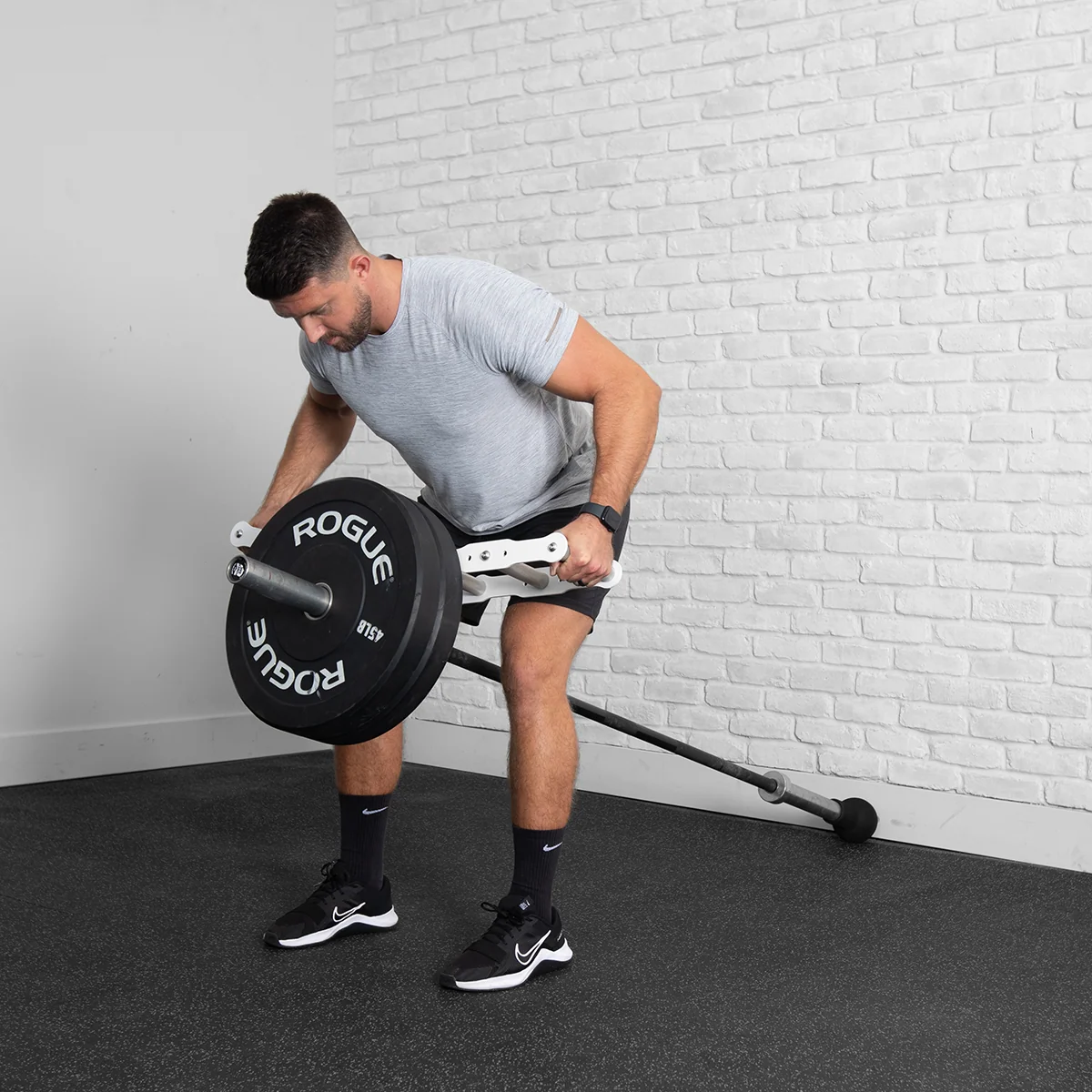
A landmine row is an obvious use for the HD, especially when a lifter wants to move the station between sessions. Start by checking both ends: the base must be correctly fitted, and the moving sleeve needs room for plates, the chosen handle and any required retention hardware. More room around the base will not fix a handle that collides with your legs.
Choose a manageable load and establish the hinge before comparing handle options. The plate diameter can affect the resting height and available travel. Changing the handle, stance and plate size at once makes it harder to understand why a row suddenly feels different. Keep those details consistent while you assess the station.
Our guide to landmine row grips and repeatable technique develops the exercise side in more detail. The equipment decision comes first here: can the pivot, bar and handle support the movement you intend to practise? A small base does not remove the need for a controlled pickup and finish.
Record the plates used, handle position and working range in your log. Plate weight alone is not a direct measurement of resistance at your hands, because the other end is supported and the bar changes angle. Consistent setup details make progress easier to interpret. If the base starts moving when you increase the load, treat that as a setup problem to resolve rather than a challenge to overcome by pulling harder.

Home Gym Shirts & Garage Gym Gear
Home, garage and basement gym shirts and workout gear for lifters who built their own place to train.

Funny Home Gym Gym Crewneck Pullover Sweater for Garage T-Shirt
For laid-back days and lifting humor: “Funny Home Gym Gym Sweatshirt Crewneck”.

Funny Garage Gym Hooded Pullover Garage Workout Gymbros Hoodie
Bring “Garage” gym humor to lazy days and post-workout plans.

Basement Gym Muscle Shirt Athletic Vest for Home Gym Li Tank Top
Show some personality between sets with “Basement”.

Anti Gym Home Gym Club Decal for Garage Gym Equipment W Sticker
Bring “Anti Gym Home Gym Club” attitude to your water bottle or laptop.

Anti Social Home Club – Meme & Gymbros – Shirt Gains T-Shirt
Bring “Anti Social Home Gym Club” humor to your next gym day.


Shirt Home Owners – Garage , Basement & – Meme T-Shirt
Bring “for Home Gym Owners” humor to your next gym day.

Home Gym Hero Crewneck Pullover Sweater for Garage Gym T-Shirt
Keep things casual with a little “Home Gym Hero” attitude.

Home – Home Built Not Bought , Gymbros & Garage Gains T-Shirt
Rep “Funny Home Gym” humor in and out of the gym.

No Cars Allowed In My Garage Gym Decal for Garage Gym E Sticker
Stick a little “No Cars Allowed In My Garage” humor on your favorite gear.
Presses need clearance above and around the bar
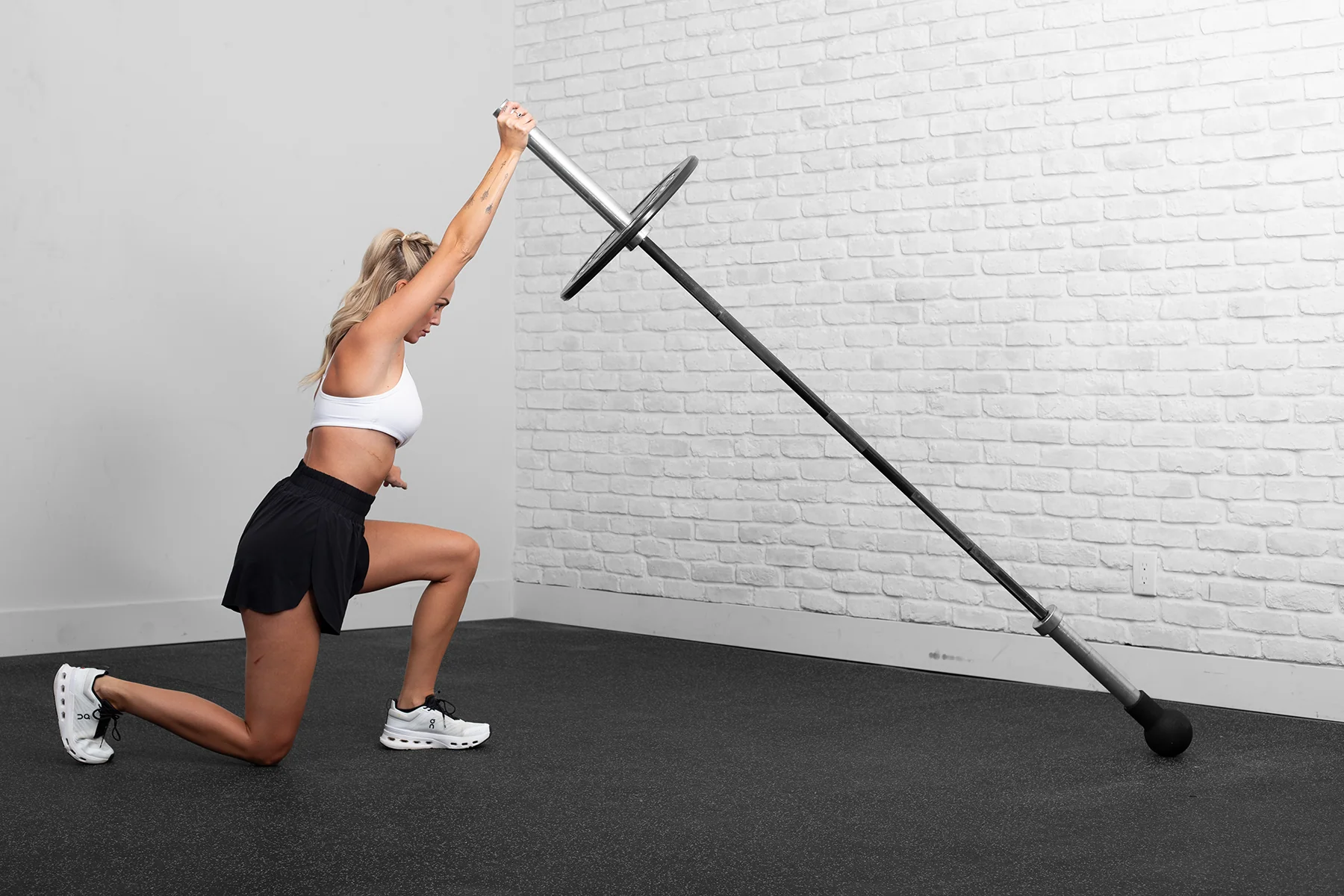
A press moves the free end through an arc. Check the whole path, including the plates and your hands, before deciding where the base belongs. A clear starting position can still lead to a collision with a rack upright, shelf or nearby lifter as the bar rises. Leave space to get into position and return the weight without improvising.
The half-kneeling photograph shows one possible arrangement. It is not a requirement to kneel, nor evidence that the same position suits every lifter. Choose an established variation that you can control with your available equipment. Rehearse the start and finish lightly before adding plates, particularly when you have changed the base position or bar length.
Also distinguish the base from a grip accessory at the moving end. A separate handle may change wrist position or make holding the sleeve more comfortable, but it does not secure the pivot to the floor. Check each accessory’s intended use rather than assuming that any attachment with a suitable-looking opening is compatible.
In a shared home or garage gym, practical clearance includes other activities. Someone opening a door, moving a bench or walking to storage can enter the bar’s path. Mark out the station for the session and keep the loading area accessible. Convenience means being able to repeat the arrangement without rebuilding the room every time you change exercises.
Decide between a portable base and a fixed pivot
A rack-mounted landmine and a slip-on rubber base solve the same broad problem through different interfaces. The former connects the pivot to a supporting structure; the latter depends on its interaction with the floor. Rack attachments introduce their own compatibility questions, including hole size, mounting hardware and the space around the upright.
For example, Bells of Steel offers different landmine versions for racks with five-eighths-inch or one-inch holes. That is a reminder to compare mounting systems rather than buying around a generic landmine label. A fixed accessory that does not fit your rack is no more useful than a portable base unsuited to your floor.
The HD also appears as the base of the Spud Inc Kickstand chest-support system. That is a separate designed assembly, not permission to improvise a similar support from unrelated parts. If an accessory system interests you, check the complete package and instructions. Owning the base alone does not establish compatibility with whatever equipment is nearby.
Choose the HD when its fitting method, floor requirements and pack-away convenience match the station you actually want. Prefer a fixed alternative when that better suits the movements and environment. Before purchasing, confirm sleeve fit, permitted use, any stated load guidance and the current warranty terms; the live product page displays conflicting warranty durations, so do not rely on a single badge.
The useful upgrade is a setup you can repeat confidently. Heavier rubber may be the right part of that arrangement, but the final decision should account for the bar, surface, handle, clearance and changeover together.