Advertising disclosure: This page includes affiliate links that may earn us a commission at no additional cost to you.
Abebe Bikila’s bare feet are among the most recognizable images in Olympic running. In Rome in 1960, the Ethiopian won the marathon without shoes. Four years later, he won it again in Tokyo, this time wearing them. Remembering both victories gives a much richer picture of the athlete than treating the first as an equipment experiment.
The extraordinary part is not simply that he raced barefoot. It is that he became the first runner to retain the Olympic marathon title, succeeding across two Games and two very different racing settings. This is a historical analysis of those performances and what fitness readers can reasonably learn from them—not a reconstruction of his training diary or a recommendation to copy his footwear.
Rome made Bikila unforgettable
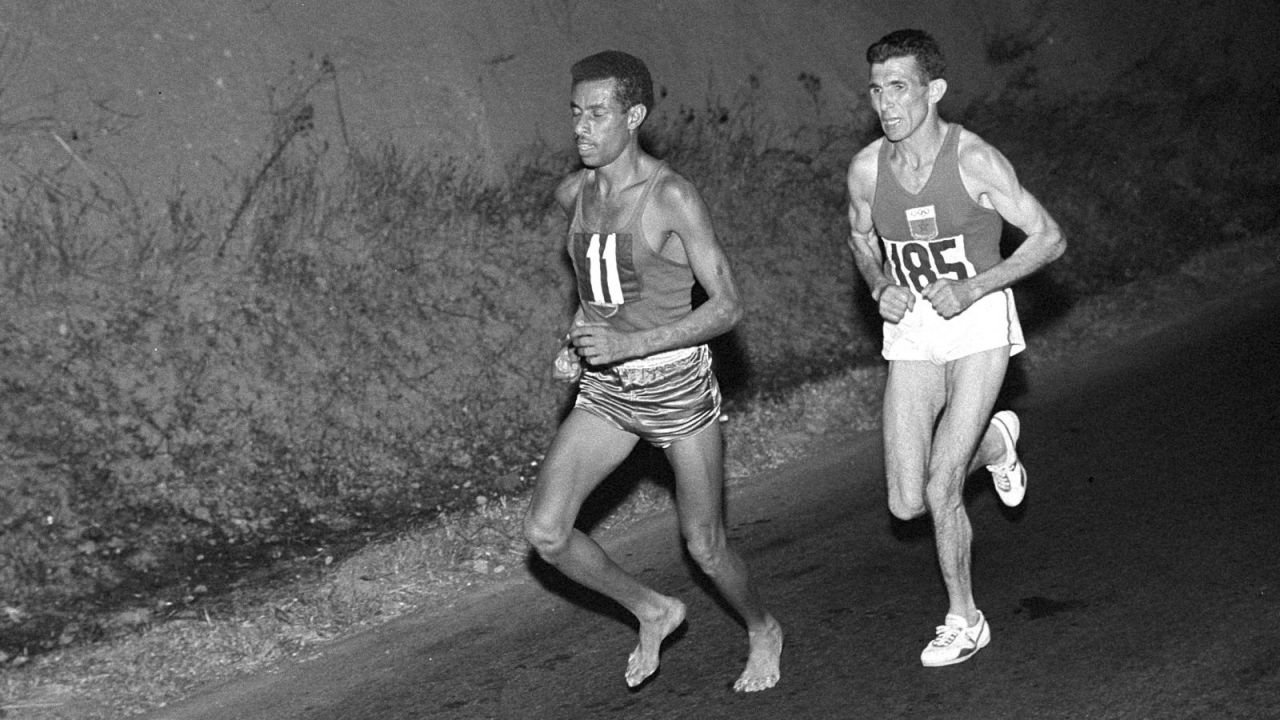
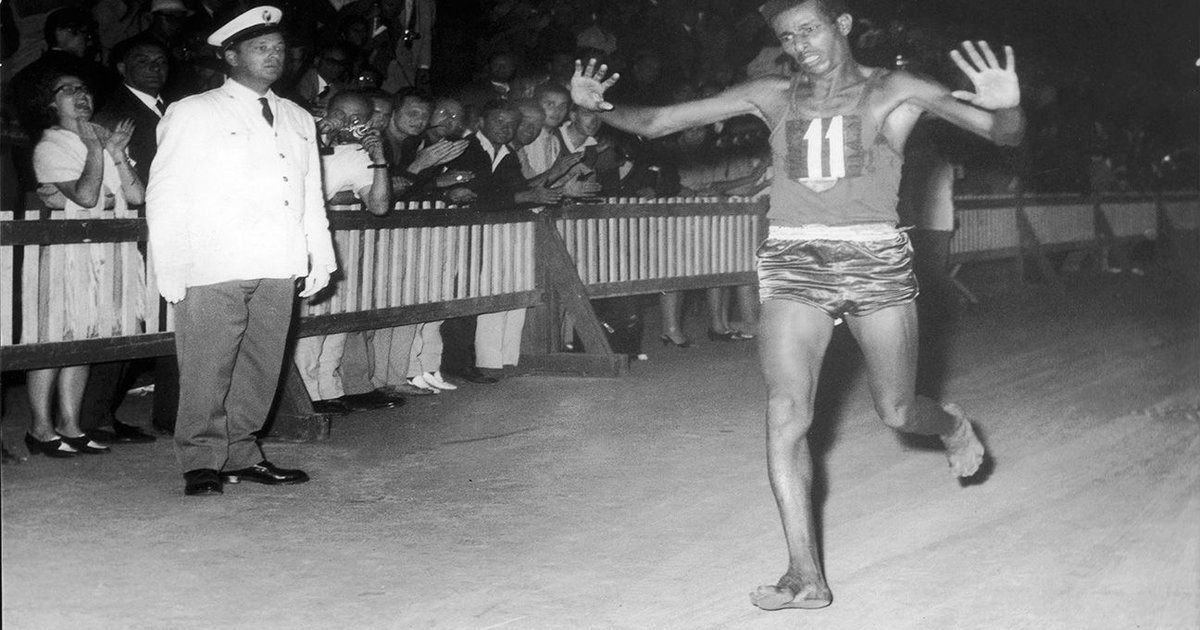
On 10 September 1960, Bikila won the Olympic marathon in Rome in 2:15:16.2. The race took place into the night, and his barefoot run became the defining image of the victory. The photographs show more than an unusual choice of equipment: they show a runner competing directly with rivals through a complete marathon.
That distinction matters. A still photograph can make the feet the entire story, while the contest itself was about sustaining performance over 42.195 kilometres and reaching the finish ahead of everyone else. The result required an athlete capable of winning that race. Removing the shoes from the picture does not explain where that capacity came from.
Bikila’s success was also a landmark for African athletics. He became the first Black athlete representing an African nation to win Olympic gold. The achievement belongs to a wider sporting history, not merely to debates about running technique. Reducing it to a minimalist-footwear advertisement misses much of why it mattered.
It is useful to separate what is visible from what we infer. We can see that Bikila ran without shoes, and we can verify the result. A race photograph cannot tell us how much each part of his preparation contributed, what another shoe would have changed or how a different runner would have performed in the same circumstances.
That is a familiar problem in fitness storytelling. One memorable detail becomes a proposed secret: a grip, a shoe, an exercise or a warm-up ritual. Sometimes the detail matters. The mistake is deciding that its visibility proves it caused the whole performance. Bikila deserves to be remembered as the champion, not as a demonstration prop for that argument.
Tokyo confirmed that the champion was more than the barefoot image
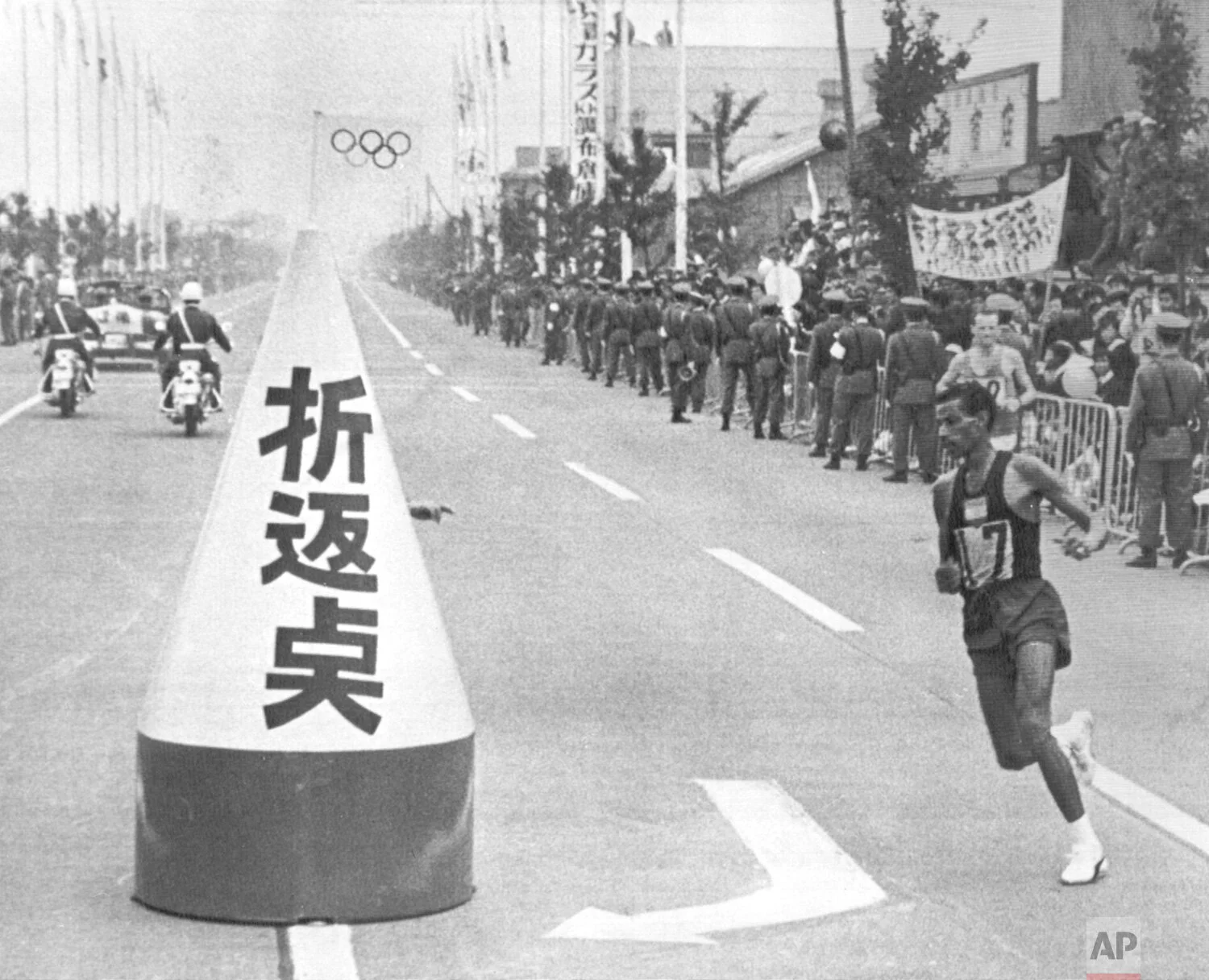
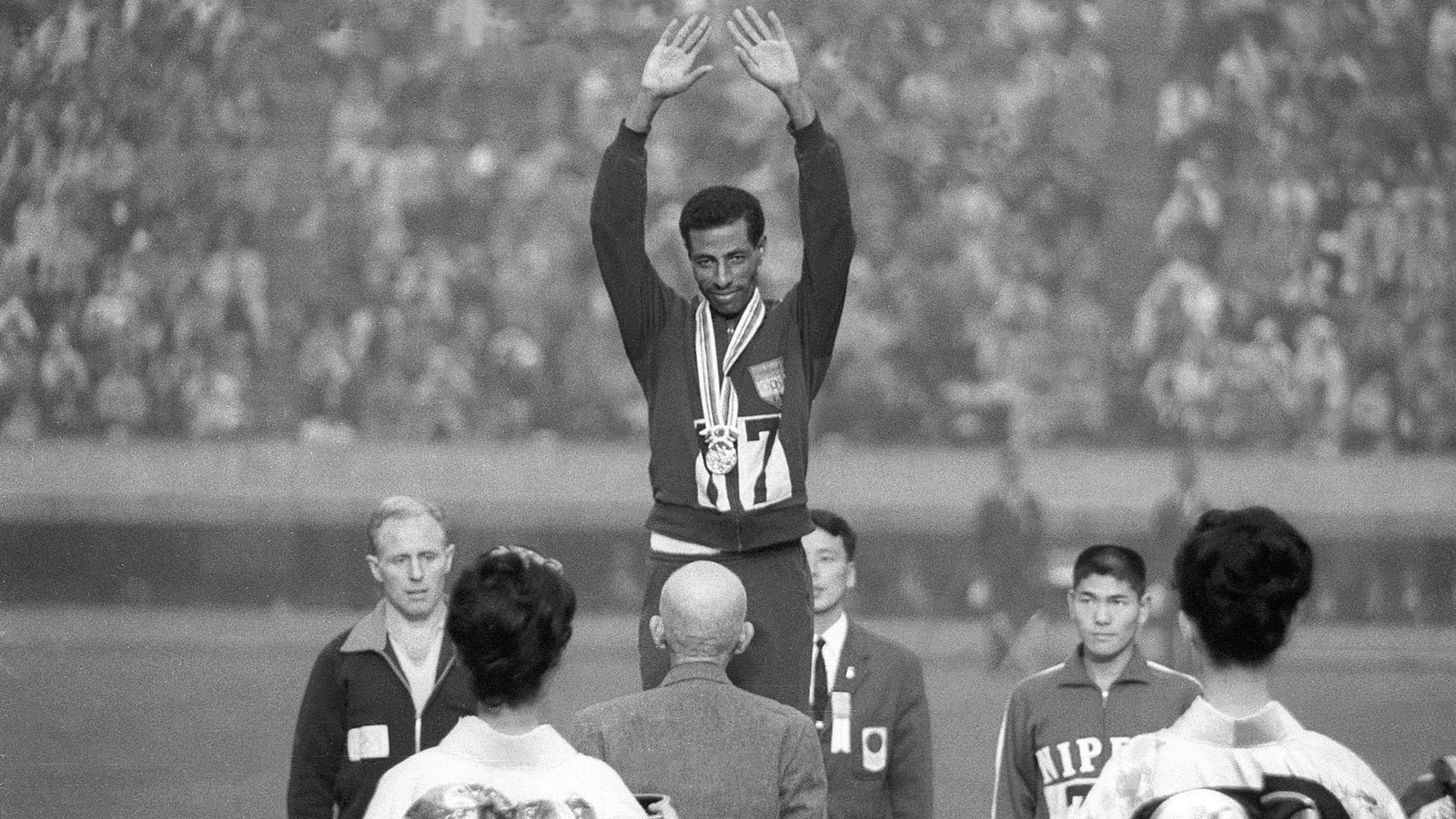
At the Tokyo Olympics on 21 October 1964, Bikila won again, recording 2:12:11.2. He wore running shoes for this victory. Becoming the first athlete to win consecutive Olympic marathons put the earlier achievement into a longer competitive story: Rome was followed by another championship performance four years later.
The Tokyo course and competition were different from Rome’s. The race was held during the day on an out-and-back route, with the finish in the stadium. The photograph at the turnaround captures a particular point in that event, rather than a generic image of a marathoner. Keeping those settings distinct helps avoid mixing two races into one vague legend.
Both winning times were exceptional in their own period. Their difference is interesting, but it is not a controlled comparison of barefoot running against shoes. Four years separated the performances, alongside changes in course, conditions, opponents and the athlete himself. The faster Tokyo result cannot isolate the contribution of footwear any more than the Rome result can.
What the pair of victories establishes more clearly is competitive range over time. Bikila returned as a defending champion and won under a new set of circumstances. That is a different accomplishment from producing one surprising result. A successful first performance creates expectations; repeating success requires another complete performance, not simply repeating the image everyone remembers.
For a viewer, this is a reason to watch beyond the highlight. Follow the athlete through different events or seasons before forming a theory about what makes them effective. A wider sample can complicate an attractive explanation, which is often exactly what makes it more useful.
Two victories are evidence of achievement, not a footwear prescription
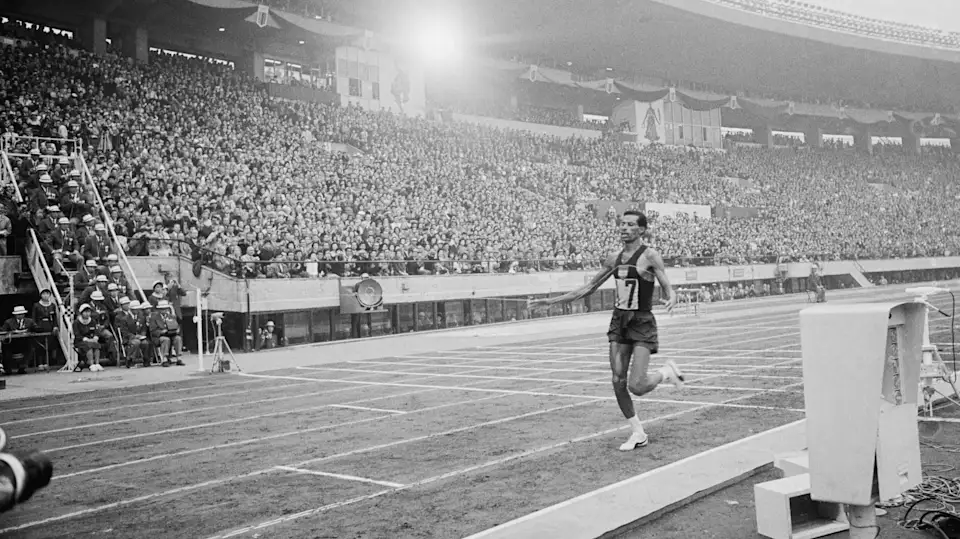
It would be easy to build opposing slogans around these races. One could celebrate the barefoot win as proof that shoes are unnecessary. Another could point to the faster second win as proof that shoes were the decisive improvement. Both arguments ask two historical results to answer a question they were not designed to test.
A more careful reading keeps several questions separate. What did the runner wear? What happened in the race? What preparation made the performance possible? What would suit another runner now? The first two have direct historical answers. The others require different evidence and individual context.
The same caution applies to copying a champion’s stride from a photograph. A snapshot freezes one instant and hides the movement before and after it. It cannot establish a complete technique prescription. Our running-form guide on cadence and stride provides a separate practical discussion; it should not be mistaken for an analysis of Bikila’s personal mechanics.
For an ordinary runner, the useful habit is to define the actual problem before changing equipment. Are you trying to make training more comfortable, prepare for a particular event or understand an inconsistent performance? Those are specific questions. Choosing a change because it resembles a famous photograph skips that first step.
Admiration does not require imitation. You can appreciate the scale of Bikila’s achievement while keeping your own decisions grounded in your circumstances. His history is compelling enough without turning either Olympic win into a promise about what a particular pair of shoes—or their absence—will do for you.
Bring the principle back to a week you can repeat
The practical lesson is an editorial one, not a claim about Bikila’s actual weekly program: evaluate preparation through the goal it serves. If your target is a running event, the week should make room for purposeful running and enough recovery to keep that work useful. A spectacular individual session is not automatically a coherent plan.
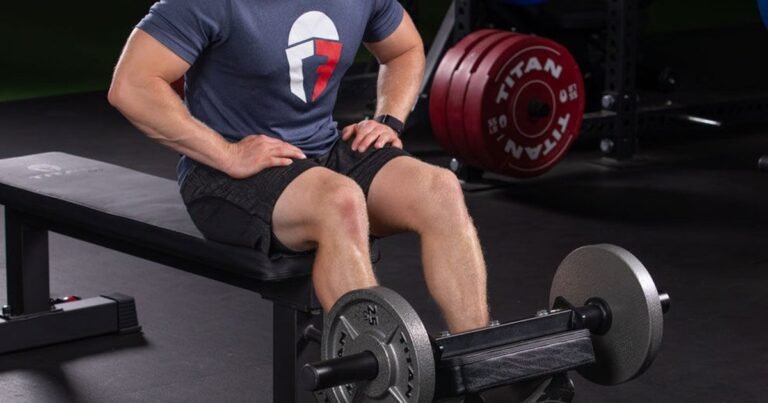
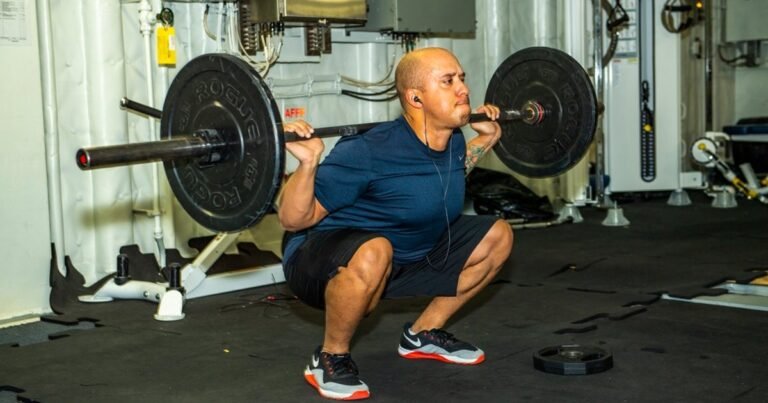
General strength work can have a place without pretending that a modern equipment list recreates an Olympic champion’s preparation. Dumbbells or kettlebells offer familiar options for controlled squats, hinges and carries. A stable bench can support appropriate exercises, while a Nordic setup or weighted vest serves a more specific purpose when it fits the person and program. None is essential just because it is available.

Equipment Worth Exploring
Explore equipment, accessories and gear from our carefully selected range.


Rubber Hex Dumbbells
Rubber-coated hex dumbbell pairs with a stable shape for home and commercial strength training.


Cast Iron Kettlebells
Textured cast-iron kettlebells for swings, squats, carries, and full-body training.



FID Bench MAX
Adjustable bench offering flat, incline, and decline positions + adjustable headrest.

Our half-marathon running and strength plan explores that scheduling question in a modern context. It is a separate guide, not Bikila’s routine. The useful connection is making complementary work fit around the primary goal instead of allowing every interesting exercise to compete for the same time and energy.
For lifters adding cardio, preferences and jokes about running can be part of gym culture. They should not become the program’s decision rule. Whether cardio feels hard, whether you prefer lifting or whether you enjoy both, judge a session by its role and whether you can recover well enough to continue.

Cardio Shirts & Workout Gear
Cardio and conditioning gym gear for runners, endurance athletes and anyone who earns the sweat.

Cardio Is Calling Decline Decal Water Bottles Meme Sticker
A fun “Cardio Is Calling” touch for bottles, laptops, and lockers.

Cardio Is Hardio – Workout Meme Pullover Jumper T-Shirt
For laid-back days and cardio humor: “Cardio Is Hardio”.

Negative Cardio Review Cardio Sucks Running , Meme T-Shirt
Heavy lifts, good laughs, and a little “Negative Cardio Review” energy.

Anti Running Club Tee
Heavy lifts, good laughs, and a little “Anti Running Running Club” energy.

Cardio Sucks Negative Review 1 Star Hooded Hoodie
Show off your cardio humor in a laid-back “Cardio Sucks” hoodie.

Death By Cardio Shirt Meme & Top T-Shirt
Bring “Death By Cardio” humor to your next gym day.

Cardio Kills Gains Shirt 'S Meme & Top T-Shirt
Rep “Cardio Kills Gains” humor in and out of the gym.

Shirt: Does Running Out Of F*Cks Count As Cardio? & T-Shirt
Heavy lifts, good laughs, and a little “: Does Running Out Of F*cks Count As” energy.

Meme Shirt – Two Things I Like Lifting Weights Not T-Shirt
Make gym days more fun with “Two Things I Like Lifting Weights Not” style.

Shirt Hybrid Cycle Gear Run Trains Swim In Pussy T-Shirt
Heavy lifts, good laughs, and a little “for Hybrid Athletes” energy.
A simple record helps: what you intended to do, what you completed and how the next relevant session went. That is more informative than labeling a workout successful only because it felt extreme. Keep the goal visible while allowing the details to adapt when circumstances change.
Remember the second gold as well as the first
Bikila’s Olympic story did not consist only of victories. He started the marathon at the 1968 Games but did not finish. Including that result does not diminish the earlier titles; it reminds us that an elite career contains changing circumstances rather than an uninterrupted sequence of perfect performances.
That longer view protects the history from becoming a motivational caricature. The same athlete can be extraordinary and still encounter limits. A champion’s best day is evidence of what happened on that day, not a guarantee that determination produces the same outcome every time.
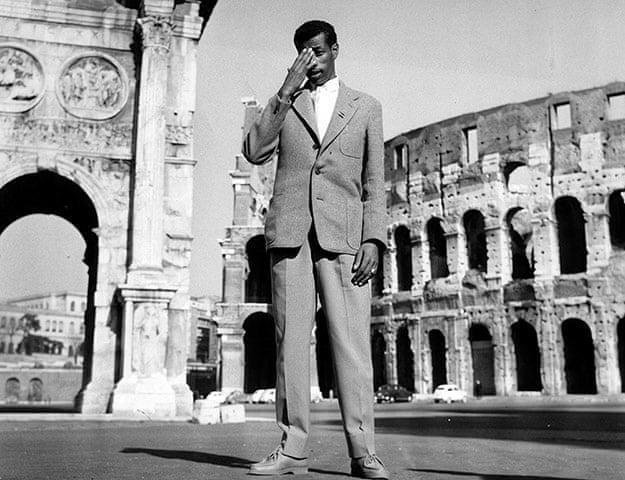
The formal portrait in Rome shows another side of the person behind the racing photographs. The competition images belong to identifiable events, while the wider legacy belongs to an athlete whose success changed how distance running was seen. We do not need to invent private thoughts, quotes or secret sessions to make that story meaningful.
Remember Rome for its unforgettable barefoot victory. Remember Tokyo because the champion returned in shoes and won again. Taken together, the two golds offer something more durable than a training shortcut: a reason to distinguish the visible detail from the whole performance, and to judge athletic achievement across more than one iconic image.