Trying to get faster over 13.1 miles while keeping the strength you have built can feel like two training plans competing for the same calendar. The usual response is to cram every run and every lift into the week. That often makes the most important sessions feel harder than they need to be.
A more productive approach is to give running the larger share of training resources during a half-marathon build, then keep strength work targeted, progressive and recoverable. You do not have to abandon weights. You need to stop treating every gym day as an opportunity to set a new personal record while mileage is climbing.
The real conflict is fatigue, not running versus lifting

Endurance and resistance exercise can coexist. Combining them is commonly called concurrent training, and research in recreationally trained adults suggests both aerobic fitness and strength can improve in the same program. The more practical obstacle is how much hard work you can recover from between sessions. A heavy squat workout that leaves you sore for three days may reduce the quality of your next hill session even if the two training methods are not inherently incompatible.
Decide which outcome matters most for the next eight to twelve weeks. If your priority is a half-marathon finish time, protect the long run and one purposeful faster session first. If your priority is maximal lower-body strength, accept that rapid mileage increases may need to wait. For a runner who also loves lifting, a useful compromise is four runs and two short full-body strength sessions each week, with at least one genuinely easy day.
That is a template rather than a rule. An experienced runner may handle more frequency; a beginner may need only three runs and one lift. What matters is that the hardest sessions have a reason to exist and the easy sessions remain easy enough to support them.
Increase running volume in steps, not in a panic

Before adding speed, make ordinary running feel routine. If you currently run twice a week, adding a third easy run can be more useful than making both existing runs much longer. Once that feels manageable, extend one midweek run or the long run in small increments. The extra distance should feel like a training opportunity, not a weekly survival test.
The familiar ten-percent mileage rule is not a universal injury-proof formula. Studies examining mileage changes and running injuries have produced mixed results, and individual training history matters. A runner moving from 10 to 12 miles per week is not in the same situation as someone jumping from 45 to 54 miles while adding intervals and heavy leg work. Treat the total change in stress as the real variable: mileage, speed, hills, lifting volume, sleep and life demands all count.
One workable progression is to hold a new weekly distance for two or three weeks before adding more, then include a lighter week when fatigue begins to accumulate. You might move from 18 miles to 20, hold near 20, then briefly reduce to 17–18 before progressing again. Those numbers are illustrations, not thresholds guaranteed to prevent injury.
Keep the majority of miles conversational. A comfortable run should allow you to speak in full sentences, even if the pace looks slow on your watch. On hills or in warm weather, pace may fall while the same effort feels harder. Resist the urge to chase yesterday’s number. Better aerobic fitness comes from repeatable work over months, not from winning every Tuesday.

Cardio Shirts & Workout Gear
Cardio and conditioning gym gear for runners, endurance athletes and anyone who earns the sweat.


Anti Running Club Tee
Heavy lifts, good laughs, and a little “Anti Running Running Club” energy.

Negative Cardio Review Cardio Sucks Running , Meme T-Shirt
Heavy lifts, good laughs, and a little “Negative Cardio Review” energy.

Cardio Is Calling You , Meme Top Answer Or Decline? T-Shirt
Make gym days more fun with “Cardio Is Calling You” style.

Shirt – Cardio Is Hardio – & Gymbros T-Shirt
Show some cardio attitude with a playful “Cardio is Hardio” tee.

Don'T Tread On My Gains Shirt Snake Meme & Top T-Shirt
Show some lifting attitude with a playful “Don't Tread On My Gains” tee.

Hybrid Athlete – Iron Man Medieval Triathlon Gym Shirt T-Shirt
Make gym days more fun with “Hybrid Athlete” style.

with Shark Meme – Motivation Finds You Workout Pullover T-Shirt
Show some gym-day personality with “with Shark Meme”.

Two compact strength sessions can do meaningful work
Strength training is not merely insurance against injury. Research syntheses in distance runners suggest that heavy-load and mixed strength methods can improve running economy and some performance outcomes. Running economy describes the energy cost of moving at a given speed. The effect varies across athletes, and a gym program does not guarantee a faster race, but it gives resistance training a legitimate role beyond maintaining muscle.
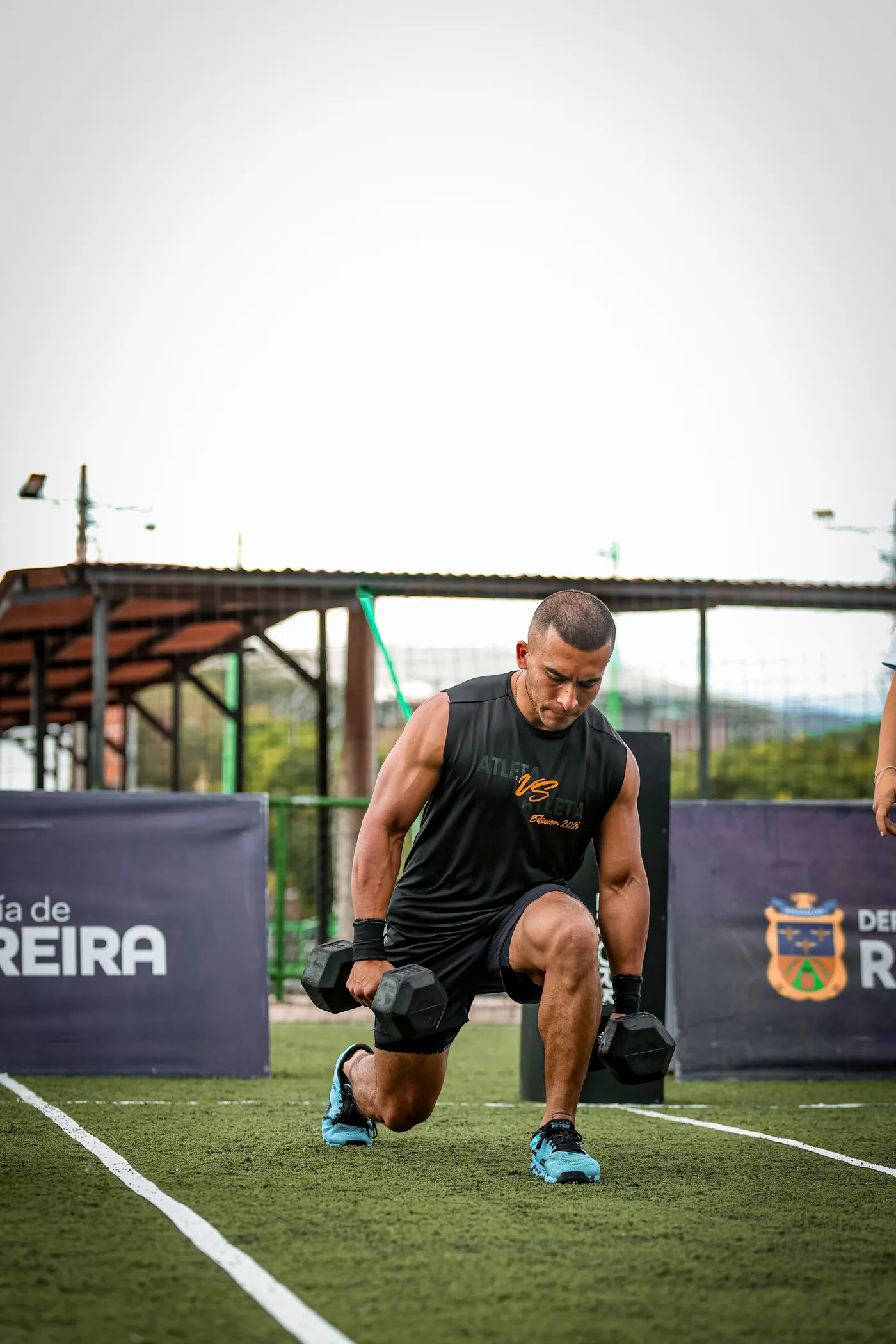
During a running-focused block, choose a small number of movements that cover the major patterns: squat or split squat, hinge, calf work, horizontal or vertical pull, and a push or trunk exercise. You do not need six variations of each. A simple first session could be a squat for three sets of five to eight, a row for two sets of eight to twelve, a calf raise for two sets of ten to fifteen, and a short core exercise. A second session could use a Romanian deadlift, step-up, press and single-leg calf raise.
Keep one to three good repetitions in reserve on most working sets rather than grinding every set to failure. Use loads that demand attention but leave your gait and stride reasonably normal the next day. If you are new to lifting, start lighter and learn the movement before adding load. If you already lift heavy, consider reducing the number of hard sets rather than immediately stripping away all intensity.
Thirty to forty-five minutes is often enough for a maintenance-oriented session. For a runner increasing mileage, consistency beats a heroic leg day. Equipment can be simple: adjustable dumbbells, a kettlebell, a sturdy bench or a cable setup can cover much of the work. A weighted vest is optional, not a requirement for running performance, and should not be added to long runs just because it is available.

Equipment Worth Exploring
Explore equipment, accessories and gear from our carefully selected range.


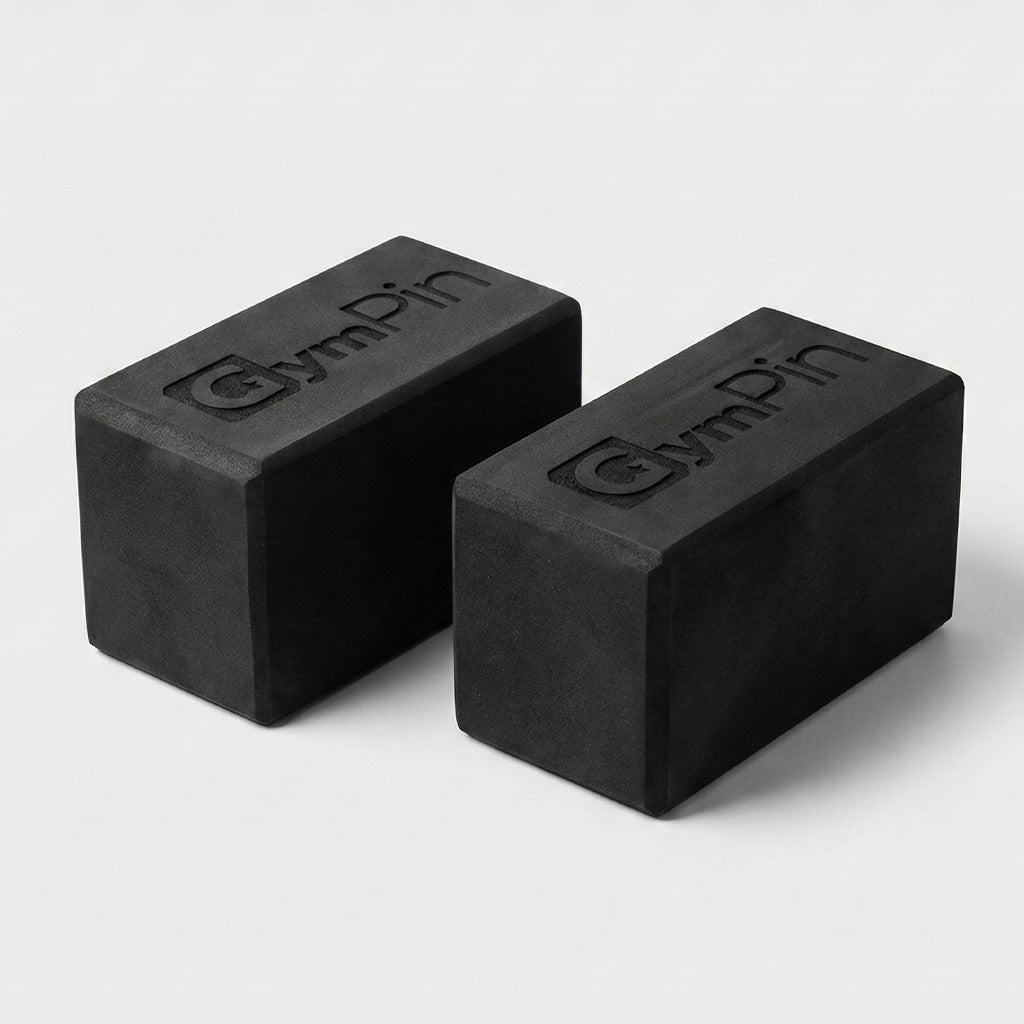
GymPin Starting Blocks
Portable high-density foam blocks for adjusting machine starting positions and range of motion.


Apple Watch Ultra 3
Rugged 49 mm smartwatch with cellular connectivity, GPS and fitness tracking.

Powerbeats Fit
Secure-fit wireless workout earbuds with active noise cancellation and a charging case.
Place the hardest workouts where they do the least damage
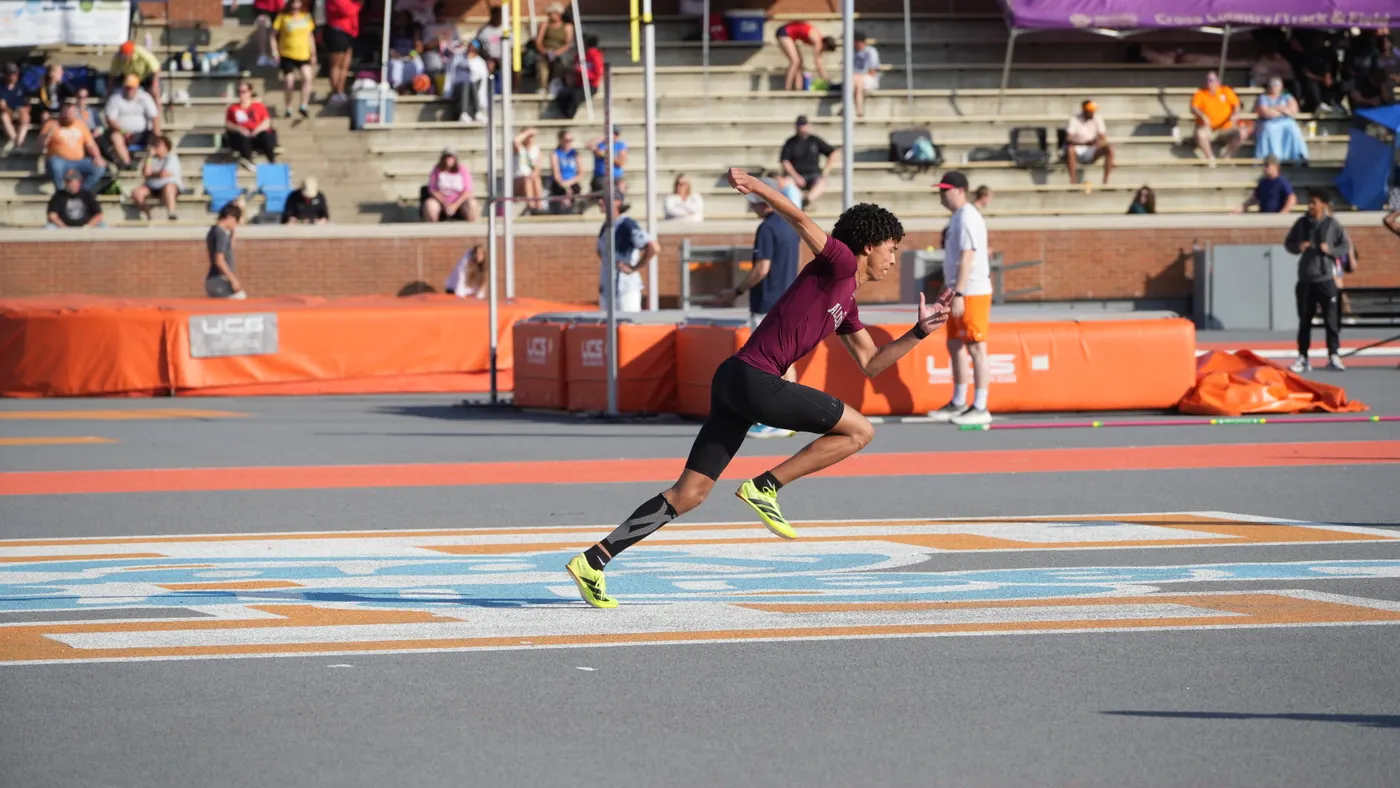
Scheduling matters because fatigue carries into the next session. If Wednesday is your key interval workout, a high-volume squat and lunge session on Tuesday evening is an avoidable complication. You may be able to complete both, but the run can become an exercise in managing sore quadriceps instead of practicing fast, controlled running.
A useful strategy is to cluster some demanding work on the same day and preserve easier days between them. For example, complete a quality run in the morning and a brief strength session later, with several hours between them if your schedule allows. Another option is to lift after an easy run, provided the next day is genuinely light. Neither arrangement is magically superior for everyone; the right choice depends on which session needs your freshest legs.
When two hard sessions must share a day, perform the priority workout first. For a half-marathon build, that usually means the interval or tempo run. For a strength-priority block, the order may reverse. A 2026 synthesis of concurrent-training studies found that combining endurance and resistance work can develop both capacities, while evidence for one universally best sequence remains limited. That is a reason to use sensible scheduling rather than treating exercise order as a rigid law.
Give yourself a margin around the long run. Avoid scheduling your most damaging lower-body workout the day before it. If you race on Sunday, do not chase a new deadlift maximum on Friday. Preserve enough freshness to run with good mechanics, and remember that the final weeks before a race are for expressing fitness, not proving how much gym fatigue you can tolerate.
Use fatigue signals instead of pretending every week is identical

Some weeks you will feel strong enough to run and lift exactly as planned. Others bring poor sleep, work stress, a lingering cold or unusually sore calves. A plan that cannot respond to those conditions is brittle. Use a simple traffic-light check before the day’s workout rather than waiting until a minor problem becomes a full training interruption.
Green: You slept reasonably well, soreness is mild, easy running feels easy and warm-up movements are smooth. Follow the plan. Yellow: Your legs feel heavy for several sessions, pace is unusually slow at the same effort, or you have persistent soreness that changes your stride. Reduce accessory sets, skip optional plyometrics or swap a harder run for an easy one. Red: You have sharp or worsening pain, limping, dizziness, chest symptoms or illness that makes exercise unsafe. Stop the provoking activity and address the issue rather than trying to train through it.
Track trends, not a single bad number. A slower easy run after a short night does not prove overtraining. Repeatedly missing target efforts, losing motivation, unusually prolonged soreness and declining gym performance together are stronger reasons to lighten the week. Heart rate and wearable recovery scores can be useful context, but they are not substitutes for symptoms and performance.
Most importantly, avoid making up for a missed run by doubling the next day’s mileage. The body responds to the load you actually perform, not to a spreadsheet’s sense of unfinished business. If you need to remove something from a crowded week, cut optional lifting accessories before sacrificing sleep or the key running session.
Functional Fitness Shirts & Workout Gear
Functional-fitness shirts, tanks and workout gear for athletes who train strength, conditioning and everything in between.

Hybrid Athlete Strength Tee
Show some lifting attitude with a playful “Hybrid Athlete” tee.


Anti HYROX HYROX Club Meme Shirt Gymbro T-Shirt
Make gym days more fun with “Anti HYROX HYROX Club” style.

Gym Equation Makes Me Happy Kettlebell Meme Graphic Fit T-Shirt
Heavy lifts, good laughs, and a little “Gym Equation” energy.

Gym Is My Happy Place Happy Kettlebell Emoji Graphic Wh T-Shirt
Make gym days more fun with “Gym Is My Happy Place” style.

Kettlebell Heartbeat Crewneck Pullover Sweater Workout T-Shirt
For laid-back days and bodybuilding humor: “Kettlebell Heartbeat”.

Lift Together Grow Stronger Buddies Friendship Workout T-Shirt
Make gym days more fun with “Lift Together Grow Stronger” style.

Cheeseburger Kettlebell – Burger Swings Meme Jumper Pul T-Shirt
Keep things casual with a little “Cheeseburger Kettlebell” attitude.

Muscle Mommy Pink Kettlebell Gym Graphic for Women & Fe T-Shirt
Show some gym-girl attitude with a playful “Muscle Mommy” tee.
A practical four-run, two-lift half-marathon week
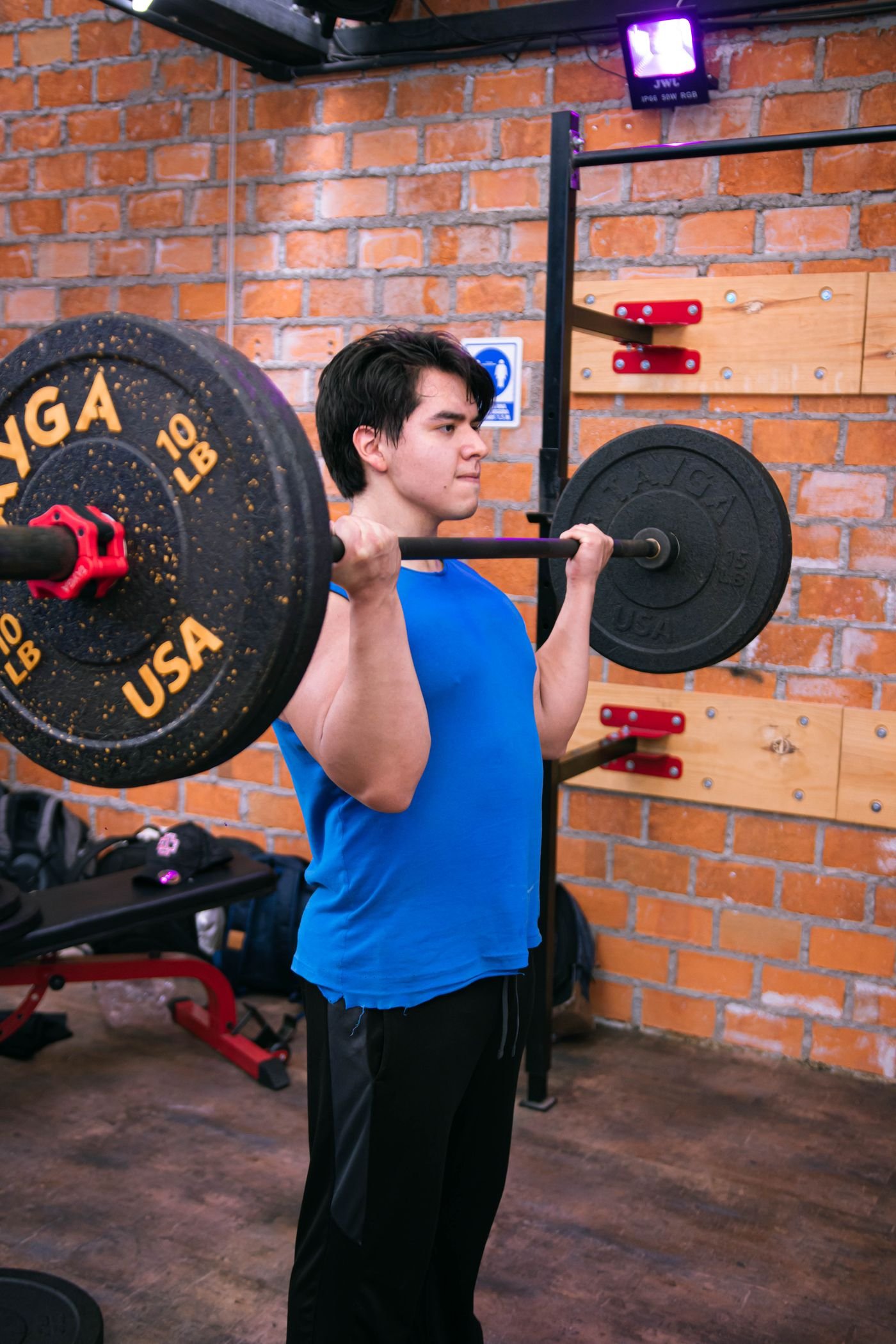
The following example is designed for someone who already tolerates four weekly runs and has basic lifting experience. It is not a first-week prescription for a complete beginner. Distances should be scaled to your existing volume, and the faster workout should match your current fitness rather than an ambitious race goal.
| Day | Main session | Purpose |
|---|---|---|
| Monday | Easy run, 30–45 minutes + short lift A | Aerobic work and basic strength |
| Tuesday | Rest, walk or gentle mobility | Absorb Monday’s work |
| Wednesday | Tempo intervals or controlled hills | One focused quality run |
| Thursday | Easy run, 30–50 minutes + short lift B | Low-intensity volume and strength |
| Friday | Rest or relaxed cross-training | Freshen up for the long run |
| Saturday | Long conversational run | Build endurance and confidence |
| Sunday | Short recovery jog or complete rest | Optional low-stress movement |
Lift A might include a goblet squat, single-arm row, calf raise and plank. Lift B might include a Romanian deadlift, split squat, overhead press and side plank. Start with two or three working sets for the first movement and one or two for the rest. Add load gradually only when the sessions are not disrupting running.
If you prefer a long run on Sunday, move the week around while keeping the same principle: avoid heavy lower-body fatigue immediately beforehand. If four runs plus two lifts is too much, use three runs and one or two shorter lifts. The right plan is the one you can complete repeatedly while still having enough energy for work, family and ordinary life.
Equipment Worth Exploring
Explore equipment, accessories and gear from our carefully selected range.
VOLTRA
Compact digital cable trainer with smooth, adjustable resistance.

Go-Tone Pro
Portable digital cable trainer with up to 66 lb (30 kg) of adjustable resistance.


FID Bench MAX
Adjustable bench offering flat, incline, and decline positions + adjustable headrest.

GymPin Squat Wedges
Non-slip 15-degree squat wedges help elevate the heels for deeper quad-focused squats.

How to progress for eight weeks without sacrificing the race

Think of an eight-week block as a series of small decisions. In weeks one and two, establish the schedule and keep gym volume conservative. In weeks three and four, add a little easy mileage or extend the long run if recovery is good; do not simultaneously add more lifting sets, more hills and more speed. In week five, consider a lighter total week if fatigue has been building. In weeks six and seven, make the key run specific to your event while maintaining strength with modest volume. In the final race week, reduce overall training stress and avoid unfamiliar hard leg work.
Use a short weekly review: Did the long run feel controlled? Could you complete the quality run without struggling through the warm-up? Were your lifting loads reasonably stable? Did soreness resolve before the next demanding session? If the answer to most of those questions is yes, you are probably balancing the ingredients better than someone who simply accumulates the most sessions.
Do not treat a single runner’s improvement as proof that a specific weekly split produces a fixed number of minutes saved. Race performance also depends on pacing, course elevation, weather, fueling, previous fitness and experience. Strength training may help running economy, but it cannot replace the aerobic work required for a half marathon. Likewise, running more does not automatically make you faster if the extra volume consistently prevents recovery.
The bottom line is simple: make running the priority when running is the goal, then use strength work to support it. Keep a few useful lifts, leave room for easy miles and adjust before fatigue forces the issue. The best hybrid plan is not the busiest one. It is the one that leaves you ready to train well again next week.