Advertising disclosure: This page includes affiliate product links that may earn us a commission, as well as products from our own store.
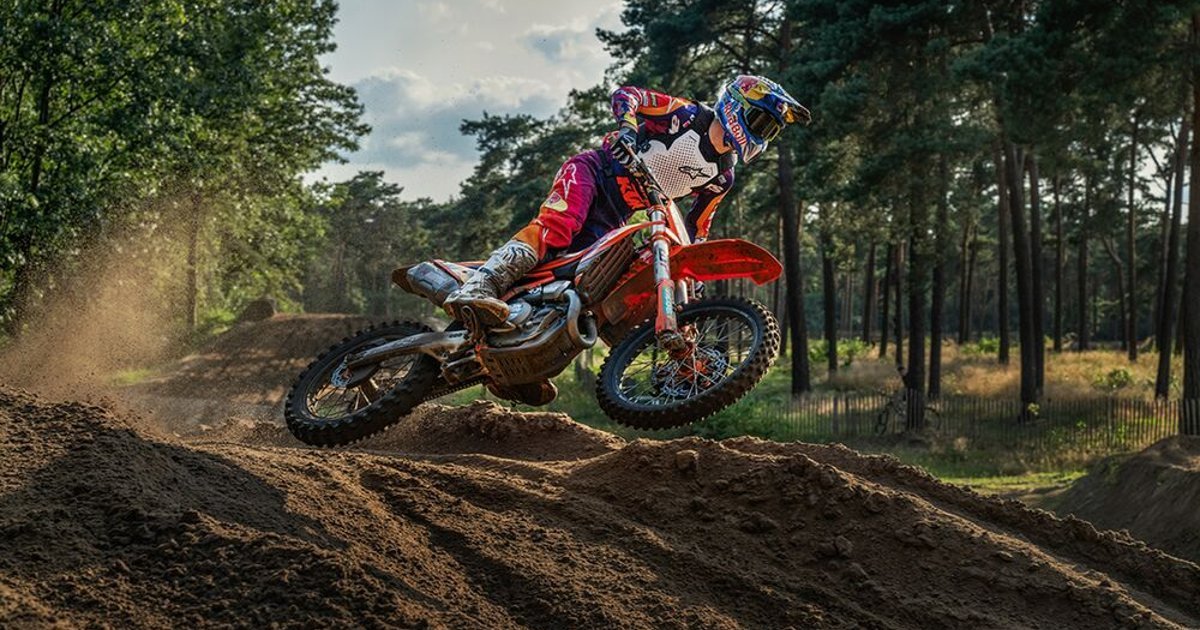
Motocross can make a strong athlete feel surprisingly weak. The bike supplies the horsepower, but the rider has to absorb bumps, steer, brake, change position and maintain control while the terrain keeps changing. Those demands accumulate long before the engine runs out of fuel. A useful gym program should increase the amount of work you can tolerate on the bike without making your next practice session worse. That means building grip capacity, aerobic fitness and general strength while managing fatigue deliberately.
What a 20-minute motocross session does to your grip
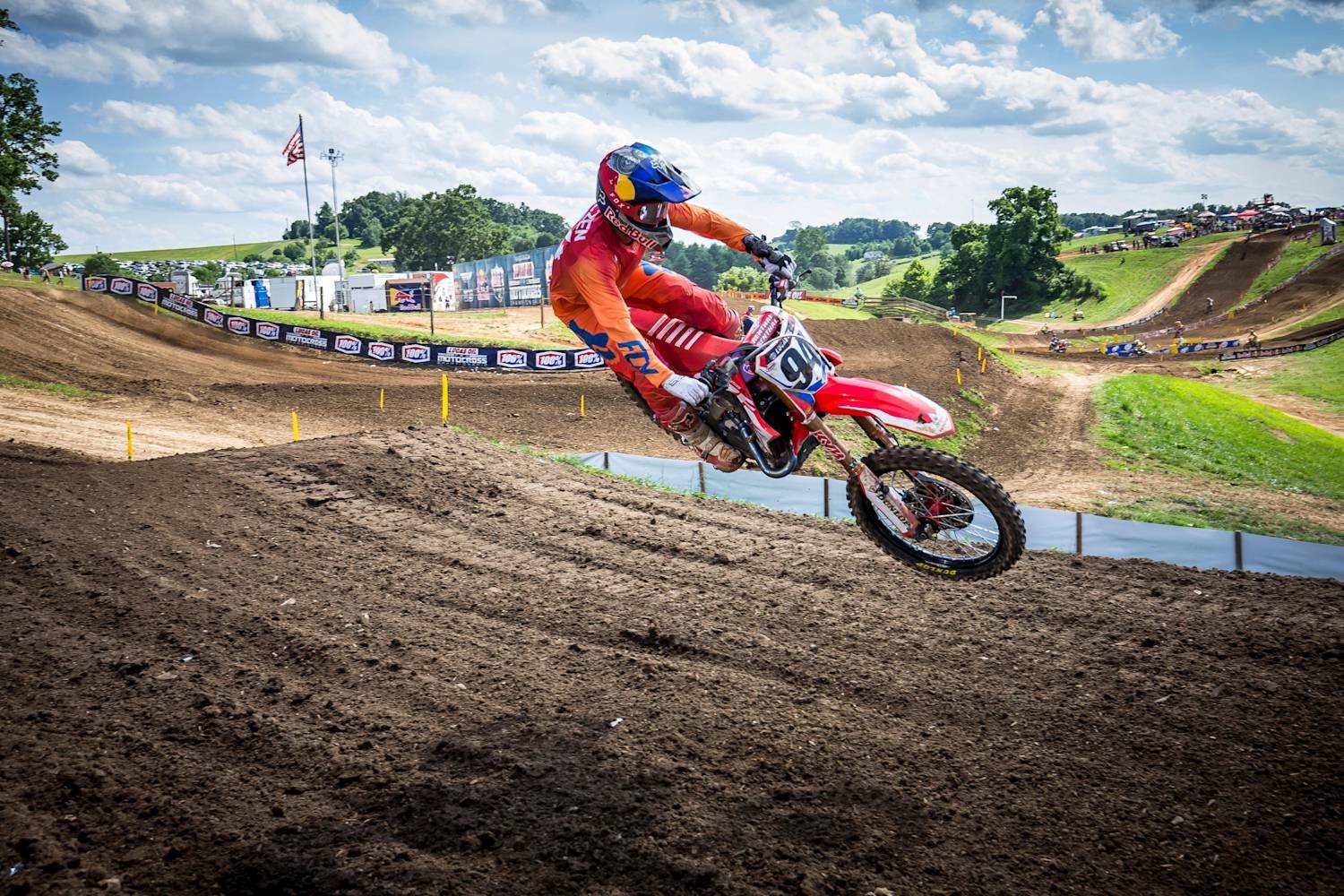
A study published in 2016 tested nine male amateur motocross riders before and after a 20-minute riding session. The researchers measured handgrip strength, horizontal jump performance and blood lactate. Ten minutes after riding, average right-hand grip strength had fallen from 52.2 to 46.2 kilograms and left-hand strength from 48.0 to 43.6 kilograms. That is a reduction of approximately 11.5% and 9.2%, respectively. Horizontal jump performance did not change significantly, while blood lactate increased. The findings suggest that even a relatively short ride can leave a measurable deficit in the hands after the session ends.
The study is small, and a handheld dynamometer is not the same as controlling a motorcycle. There was no strength-training intervention, so it cannot tell us which exercise will improve lap times or prevent forearm fatigue. The absence of a statistically significant change in the jump test also does not prove that the legs were unaffected. The practical observation is narrower: your grip may still be compromised when you feel ready to go again, and different performance tests can reveal different aspects of fatigue.
A separate study of nine high-level riders during a 15-minute ride found average oxygen consumption around 71% of maximum, alongside much higher relative heart rates and a reduction in grip strength. Motocross is demanding enough to require both cardiovascular capacity and local muscular endurance. Heat, excitement and sustained contractions can make heart rate difficult to interpret in isolation. Consider how well you maintain control and concentration, not just the number on your watch.
Build grip capacity without chasing arm pump
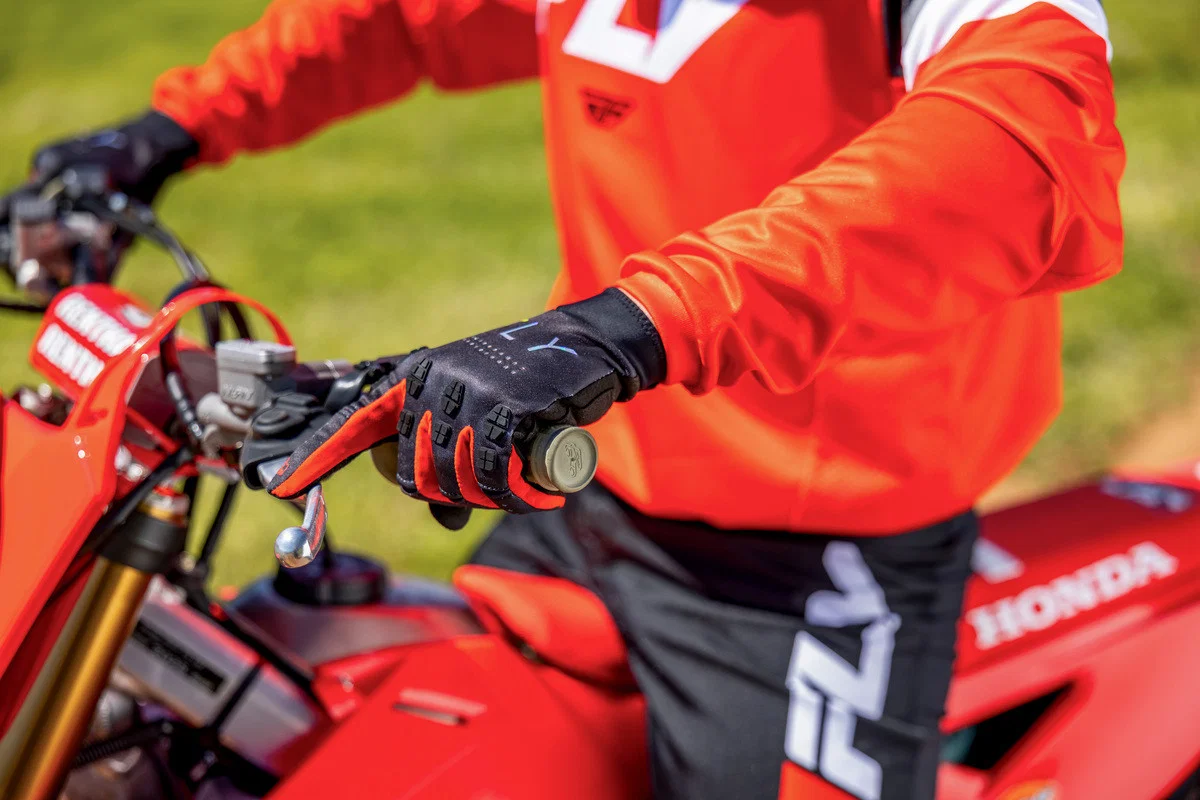
Grip training does not have to mean squeezing until your fingers refuse to move. A rider needs a reserve of strength so that an ordinary steering or braking demand represents a smaller fraction of maximum effort. The goal is also to recover between contractions and relax the hands when the terrain permits. Practising efficient technique with a qualified riding coach remains essential; the gym cannot teach the precise timing of throttle and brake inputs.
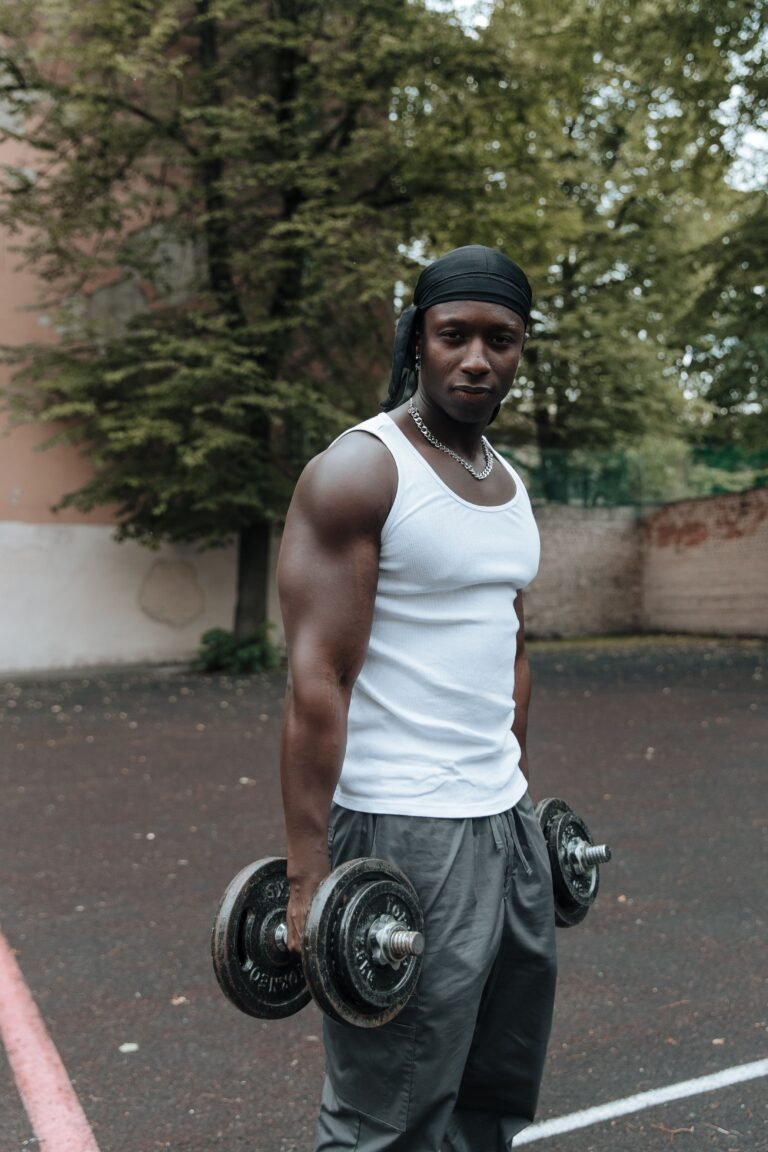
Start with farmer carries using dumbbells or kettlebells. Choose a load you can carry for 20 to 40 seconds with level shoulders and normal breathing. Perform two or three sets, stopping before your grip opens involuntarily. Once you can complete every set with a comfortable reserve, increase the duration or load modestly, not both. A thicker handle can add variety but should not be mandatory. If it forces you to hold an awkward wrist position, use an ordinary handle instead.
Rows, pull-ups and controlled wrist extension can complement carries. A light wrist-extension exercise for 12 to 20 repetitions trains a movement that is often neglected when every exercise involves closing the hand. Avoid stacking maximal hangs, heavy deadlifts, grippers and carries in the same session if you are not accustomed to them. Track the total work rather than assuming that a small forearm exercise cannot produce meaningful soreness.
There is an important distinction between normal muscular fatigue and symptoms that warrant assessment. Recurrent severe forearm pain, tightness, weakness or altered sensation during riding can occur with chronic exertional compartment syndrome and other conditions. Do not try to train through these symptoms or rely on a grip program to treat them. Seek a sports-medicine assessment; sudden severe pain, persistent numbness or weakness after an injury requires urgent evaluation. No study of ordinary post-ride grip fatigue establishes that a specific exercise prevents compartment syndrome.
Conditioning for repeated hard efforts
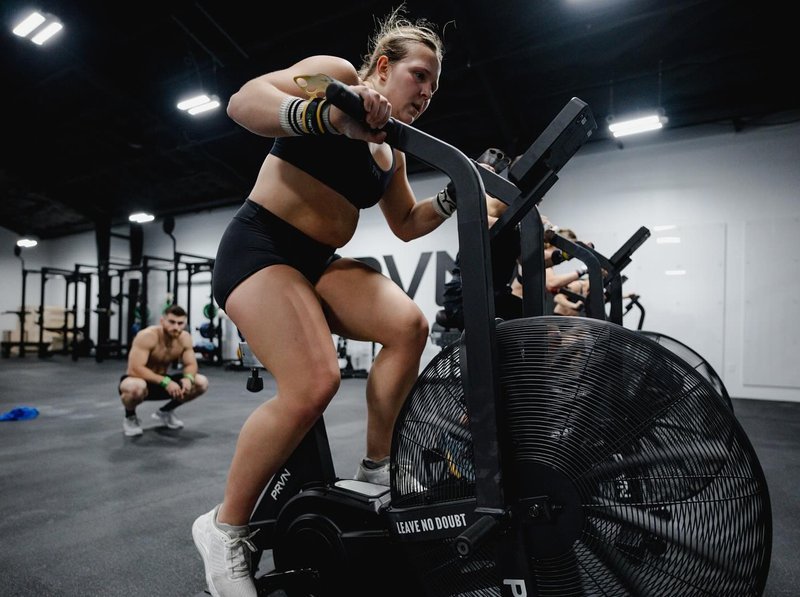
Aerobic conditioning helps support repeated work and recovery between demanding efforts. Begin with two sessions of 25 to 40 minutes on a bike, rower or other low-impact machine at a pace that allows you to speak in sentences. A stationary bike is especially useful when your hands are already tired because you can keep upper-body loading low. Increase total duration gradually as your riding and recovery allow. Consistency matters more than turning each session into a test of toughness.
After several weeks of comfortable aerobic work, consider one interval session in place of one easy session. Warm up for at least five minutes, then perform four rounds of two minutes at a challenging but sustainable pace with two minutes of easy movement between rounds. Cool down. The effort should be repeatable; if your output collapses from the first interval to the last, reduce the intensity. This is a general conditioning example, not a protocol proven to improve motocross results in the nine-rider study.
When practice already includes multiple demanding rides, count that work as part of your conditioning load. Adding intervals simply because the calendar says so may make the overall week too hard. Use easy sessions to accumulate aerobic work when the track sessions are intense. Do not try to recreate the riding position on every cardio machine; its value comes from developing fitness, not from pretending to ride a motorcycle.

Equipment Worth Exploring
Explore equipment, accessories and gear from our carefully selected range.


Rubber Hex Dumbbells
Rubber-coated hex dumbbell pairs with a stable shape for home and commercial strength training.

Cast Iron Kettlebells
Textured cast-iron kettlebells for swings, squats, carries, and full-body training.


Power Tower
Freestanding pull-up and dip station with adjustable handles for bodyweight training.


Strength training that transfers to riding
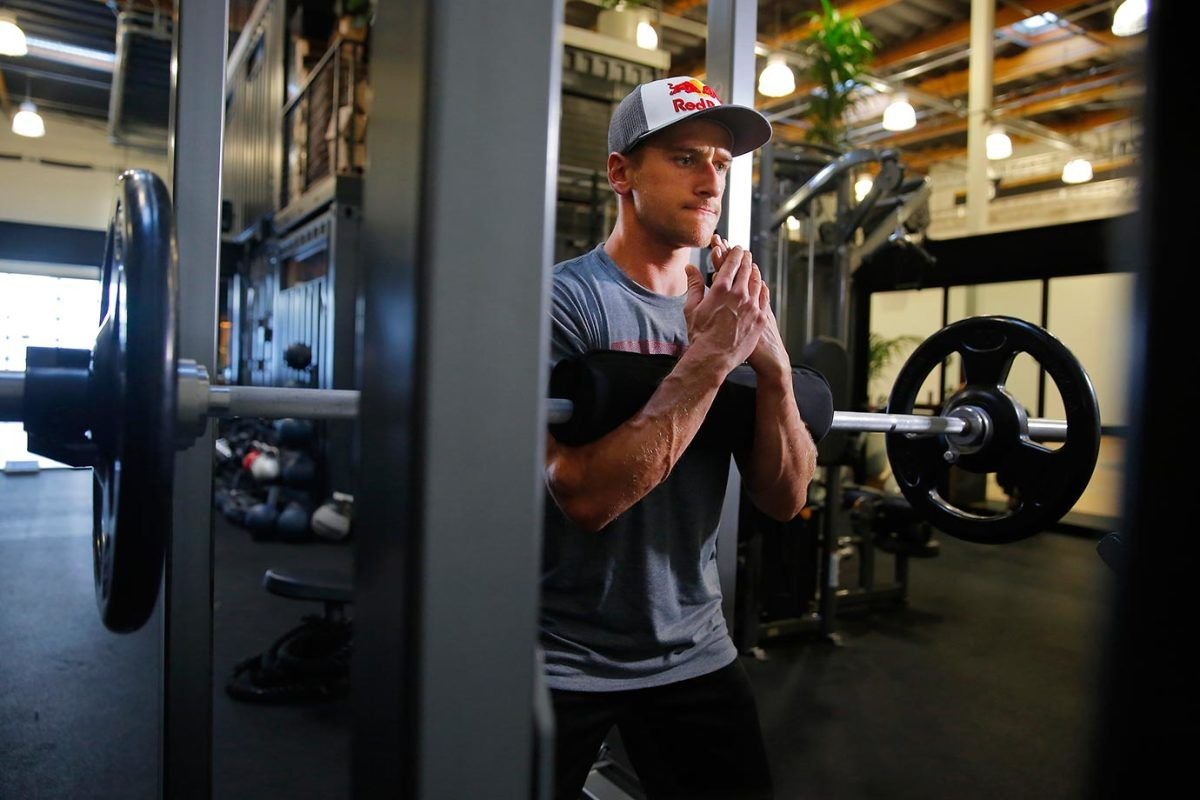
Riding requires the ability to change body position while maintaining control of the bike. A well-rounded strength plan can develop the legs, hips, trunk and upper back without resorting to unstable exercises that imitate riding. Squats or split squats develop lower-body strength, while Romanian deadlifts train the hip hinge. Rows strengthen the upper back, and push-ups or dumbbell presses provide a complementary pushing movement. A side plank or controlled suitcase carry challenges trunk stability without needing to twist under a heavy load.
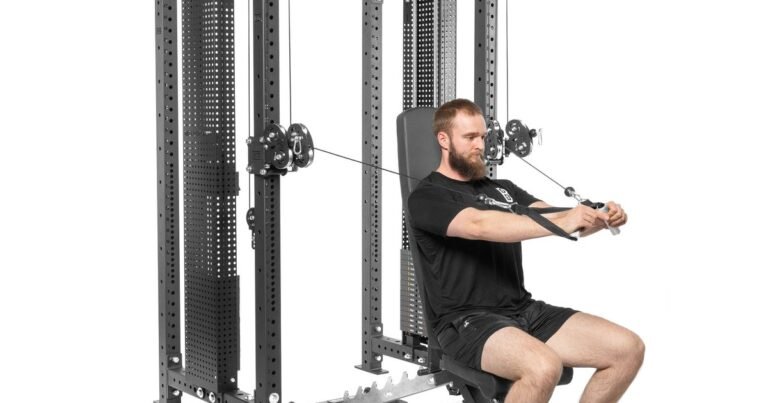
Use two or three sets of six to ten repetitions for most of these exercises initially. Leave two or three repetitions in reserve so that the last repetition is controlled rather than desperate. When the same weight becomes consistently easier and your riding is unaffected, add a small amount of load. If you train at home, adjustable dumbbells, a kettlebell and a pull-up station can cover much of this program. A cable row is another option when available.
Strength and muscle growth can be worthwhile goals, but extra training volume is not automatically useful to a rider. Heavy leg sessions that leave you unable to move comfortably for days compete with the time you need to develop riding skill. If your schedule is tight, prioritise one squat or split-squat pattern, one hip hinge, one pull, one push and a short trunk exercise. Keep repetitions deliberate, and schedule the most demanding work when you have time to recover.

Functional Fitness Shirts & Workout Gear
Functional-fitness shirts, tanks and workout gear for athletes who train strength, conditioning and everything in between.

Hybrid Athlete Strength & Endurance Tank
Add some lifting attitude to training with “Hybrid Athlete”.

Gym Dost Thou Even Pedal Medieval Knight Air Bike Parod Hoodie
Show off your medieval humor in a laid-back “Dost Thou Even Pedal Medieval Knight Air” hoodie.

Rowing – Dost Thou Even Row Medieval Knight Crewneck fo T-Shirt
Show some gym-day personality with “Rowing”.

Vive La Resistance Bands – Resistance Bands Warmup Mobi T-Shirt
Rep “Vive La Resistance Bands” humor in and out of the gym.

Skull Kettlebell Gym | Heavy Metal Lifting Funny Workou Tank Top
Add some metalhead attitude to training with “Skull Kettlebell”.


Lift Together Grow Stronger for Gym Buddies Who Train T T-Shirt
Show some gym-day personality with “Lift Together Grow Stronger”.

Live Love Lift Decal for Water Bottles Laptops Gym Gear Sticker
Put “Live Love Lift” gym humor on your laptop, bottle, or gym gear.

Meme – You May Delay Time Will Not Next Cult Brand T-Shirt
Heavy lifts, good laughs, and a little “You May Delay Time Will Not” energy.

Hells Kettlebells Hells Bells Parody AC/DC Heavy Metal Sticker
Bring “Hells Kettlebells” attitude to your water bottle or laptop.
A weekly plan that protects your next ride
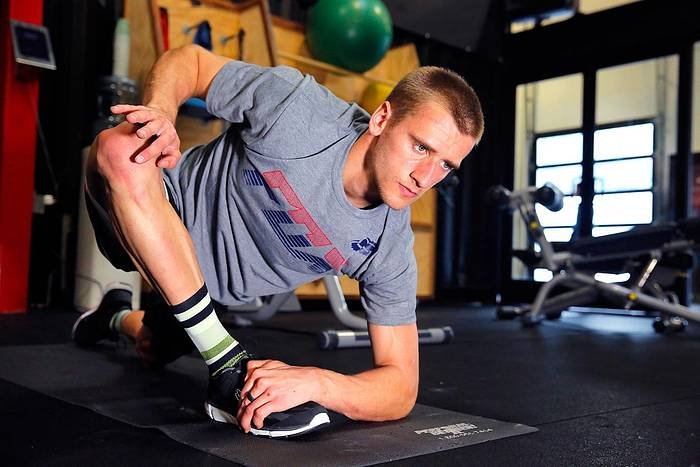
Suppose your main track session is on Saturday. On Monday, perform a full-body session: split squats, dumbbell rows, Romanian deadlifts, presses and two sets of carries. On Tuesday, ride a stationary bike at an easy pace for 30 minutes. Wednesday can be a second full-body session with slightly lighter loads, followed by two sets of wrist extensions. On Thursday, choose easy cardio or rest depending on how you feel; experienced athletes who recover well may substitute a short interval session. Friday should be light, with a walk or gentle mobility if desired. Saturday is for riding and Sunday is for recovery or another easy session depending on the demands of practice.
During the first week, establish loads and times that feel manageable. In week two, add five minutes of easy conditioning or a small increase to one strength exercise. In week three, progress another exercise only if you are recovering well. In week four, keep the movements but reduce the number of sets if fatigue has accumulated. This is a flexible starting framework, not a mandatory four-week cycle. A race weekend, illness, travel or an unusually demanding ride may require changes sooner.
Use three simple checkpoints: whether your hands feel recovered before riding, whether your normal strength loads remain stable and whether the quality of practice is improving. If you repeatedly begin sessions with tired forearms, reduce dedicated grip work first. If your legs remain sore, trim the lower-body volume. If everything feels harder, consider the combined workload alongside sleep, nutrition and hydration. Give yourself time to adapt rather than treating every bad day as evidence that you need another exercise.
The takeaway is not that motocross riders need unusually elaborate workouts. It is that the demands of riding must be counted alongside the work performed off the bike. Build enough strength to handle ordinary tasks with reserve, enough aerobic capacity to support repeated work and enough recovery to practise effectively. A gym session has done its job when it supports the riding that matters, not when it leaves your arms too exhausted to control the bike.