Advertising disclosure: This page includes affiliate product links that may earn us a commission, as well as products from our own store.
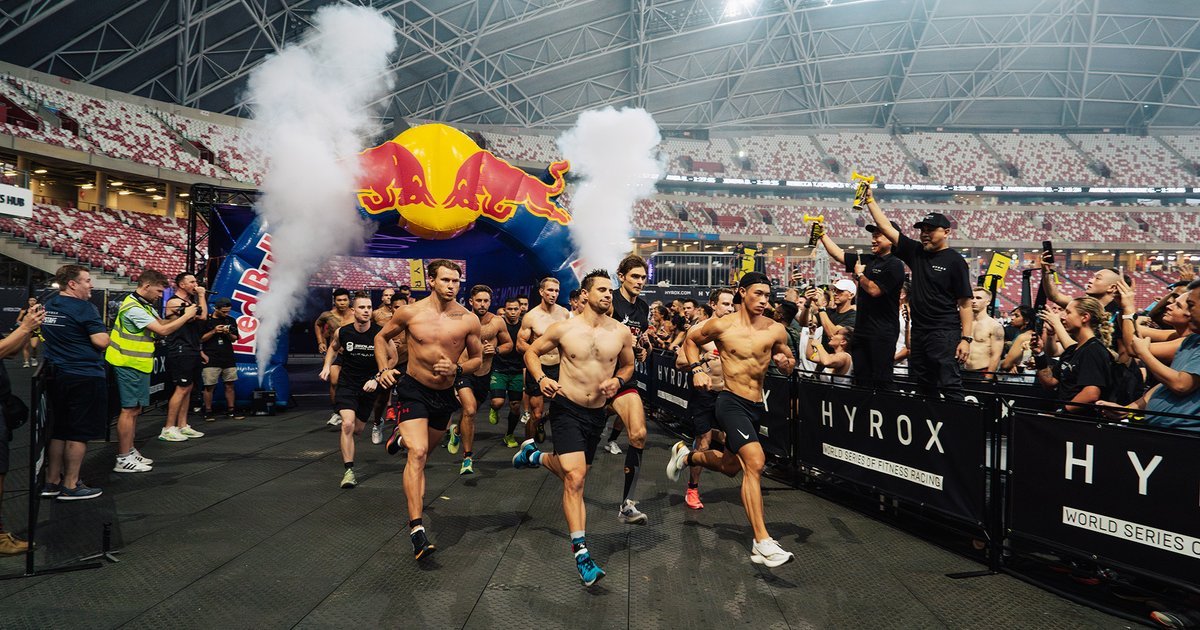
HYROX Singapore returns November 26–29, 2026 for four days at Singapore EXPO, with eight one-kilometre runs and eight workout stations between start and finish. The combination sounds straightforward until tired legs, slower transitions and grip fatigue change how the next kilometre feels.
For strength-trained athletes, this is a different challenge from a fresh heavy set or a standalone 5K. The details of the sleds, running pace and final wall balls can matter more than a gym personal record. Here is the actual event plan and a realistic race-week preparation guide, with no invented results from a competition that has not started.
Singapore EXPO is the November venue, not the earlier stadium
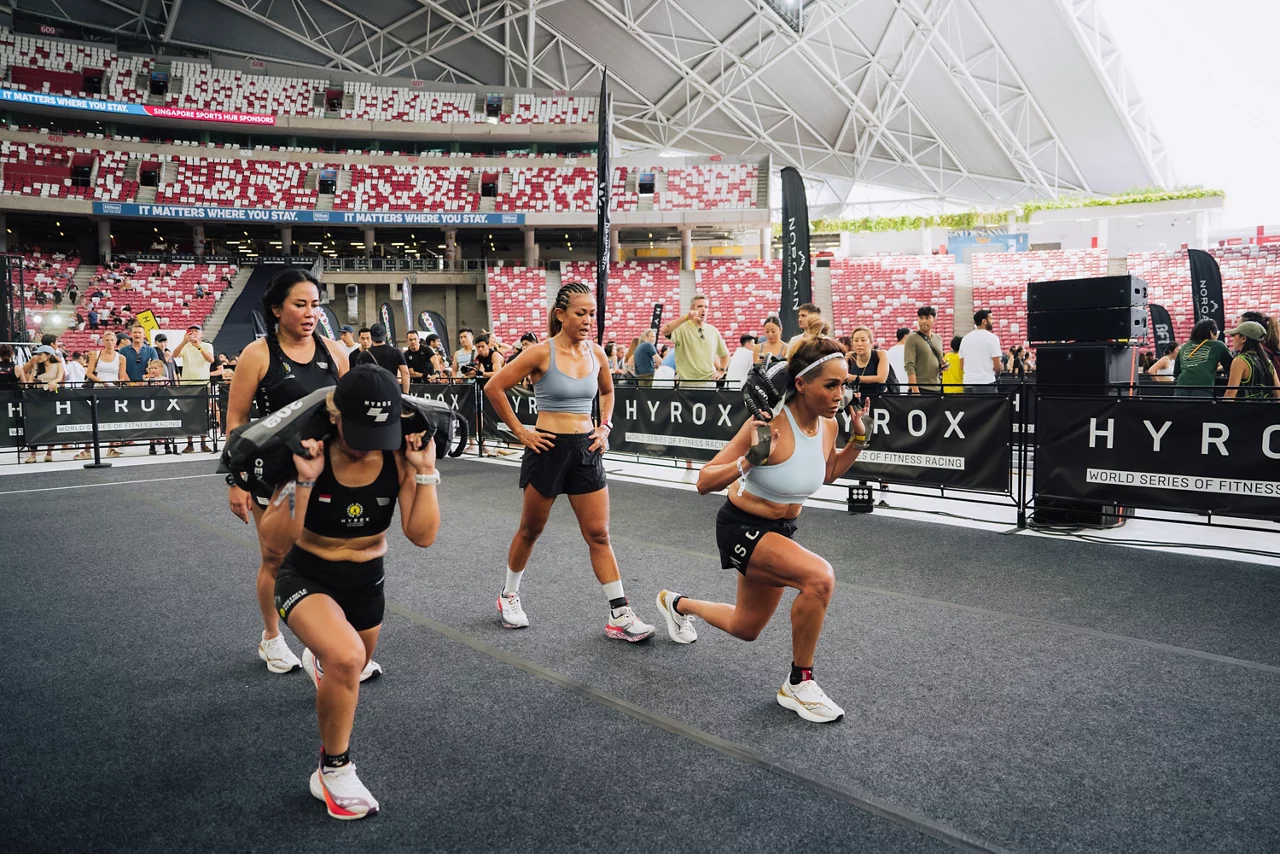
AIA HYROX Singapore is scheduled for November 26–29, 2026 at Singapore EXPO, 1 Expo Drive. The venue lists Halls 3–6A. That matters because photographs and reports of earlier Singapore races show a different venue: the National Stadium. Do not plan your travel from an old stadium image or mistake a previous podium for a result from a race that has not begun.
The programme includes Singles Open and Pro, Doubles, Doubles Pro and four-person Relays, as well as Youngstars activities for younger entrants. Solo racers perform all eight stations. Doubles pairs run together and divide work within the stations. Relay athletes split the course into assigned legs. Those differences affect both fatigue and any meaningful comparison of finishing times.
Check the start wave and athlete registration instructions for your exact division. Early registration is scheduled on November 24 at VivoCity and November 25 at EXPO, with separate race-day windows. Bring identification; confirm the hall entrance, bib requirements and how entry works on days other than your own. Public event opening hours are not a substitute for an individual athlete briefing.
This is an event preview, not a retrospective. No 2026 race results, winning times or podium positions exist yet for these November dates. The sensible story for lifters right now is how to prepare to execute a familiar but deceptively punishing format.
Eight kilometres of running become a pacing test under fatigue
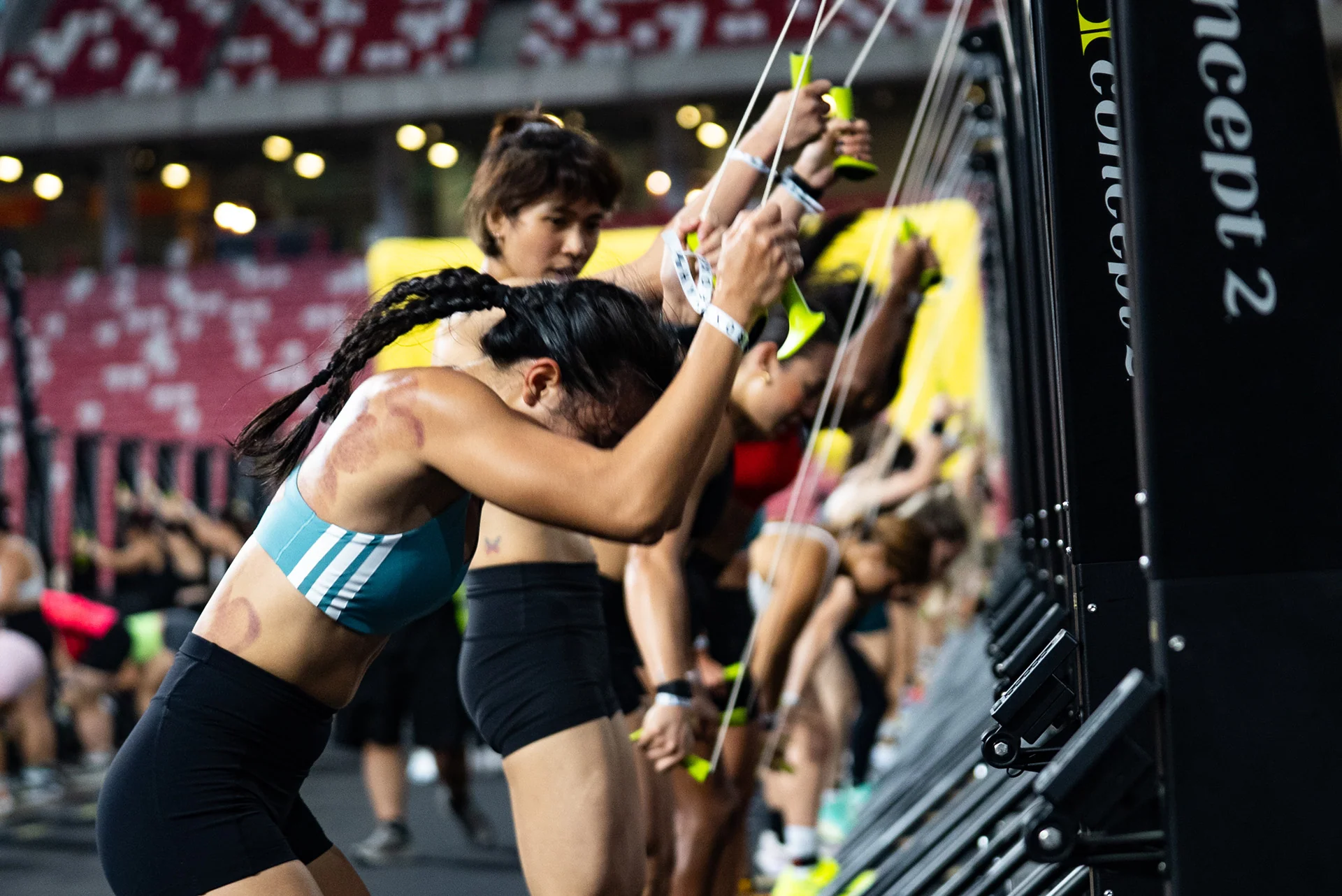
HYROX alternates eight one-kilometre runs with eight workout stations. The first station is a 1,000-metre SkiErg. It can feel tempting to attack the opening kilometre and the ski because breathing is still manageable and the legs are fresh. That is exactly where an optimistic pace can become expensive.
The real challenge is holding useful running form after the sleds, burpees, rowing and loaded carries. A runner who performs the first kilometre like a personal-best time trial may give much of that time back over the final three. Think in terms of repeatable kilometre effort, not eight separate attempts to set a record.
A productive rehearsal is three cycles of a moderate one-kilometre run followed by two to four minutes of machine work or carries. Watch how much the second and third runs slow without turning the session into an all-out race simulation. A small controlled decline is more useful information than one brilliant opening split.
The Roxzone transition also adds to elapsed time. Learn which arches are entrances and exits, how the laps are counted and where the assigned equipment is placed. Indoor watches are imperfect; use the official course and briefing rather than hoping an improvised route is faster. An athlete who saves unnecessary wandering can improve a finish without increasing fitness at all.
Sled friction and rope control punish ego lifting
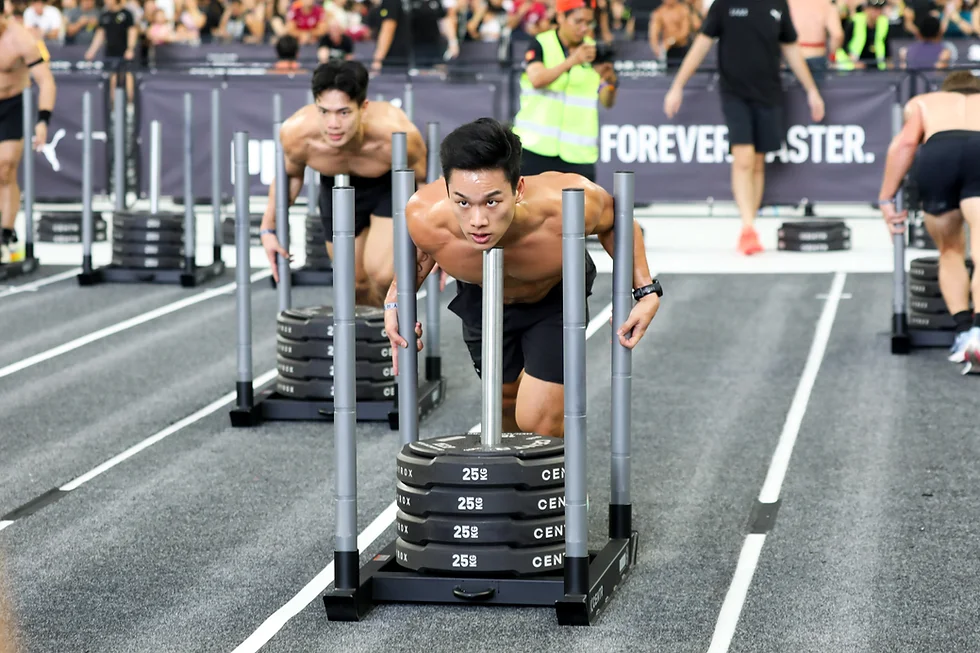
The second and third stations demand a 50-metre sled push and 50-metre sled pull. For the 2026/27 Singles Men Open and Women Pro divisions, the published standards are 152 kilograms for the push and 103 kilograms for the pull, including the sled. Other divisions have different loads. These are race specifications, not a recommendation to copy the same absolute weight into every training session.
A sled on smooth indoor turf and the same sled on rough outdoor turf can behave like two very different exercises. Friction, rope length, pulling angle, shoes and how quickly the sled starts moving all change the task. Being able to push a heavy gym sled once does not guarantee efficient repeated lengths after running.
On the push, commit to short, powerful steps with a braced torso and consistent pressure through the handles. On the pull, establish a stable working position, manage rope slack and avoid frantic hand-over-hand bursts that force long pauses. The best technique is the one that meets the actual race rules and permits a return to running rather than collapsing afterward.
With the event only days away, a final training session should reinforce technique rather than chase a sled personal best. Use a modest amount of work at familiar effort, and leave the legs and lower back fresher than they were after your last demanding gym day.

Equipment Worth Exploring
Explore equipment, accessories and gear from our carefully selected range.

Pro Sled System
Heavy-duty push-pull training sled for loaded conditioning, speed, and strength work.


Competition Wall Ball
Competition-style weighted wall ball for HYROX, wall-ball shots, and functional conditioning.

Cast Iron Kettlebells
Textured cast-iron kettlebells for swings, squats, carries, and full-body training.


Rubber Hex Dumbbells
Rubber-coated hex dumbbell pairs with a stable shape for home and commercial strength training.
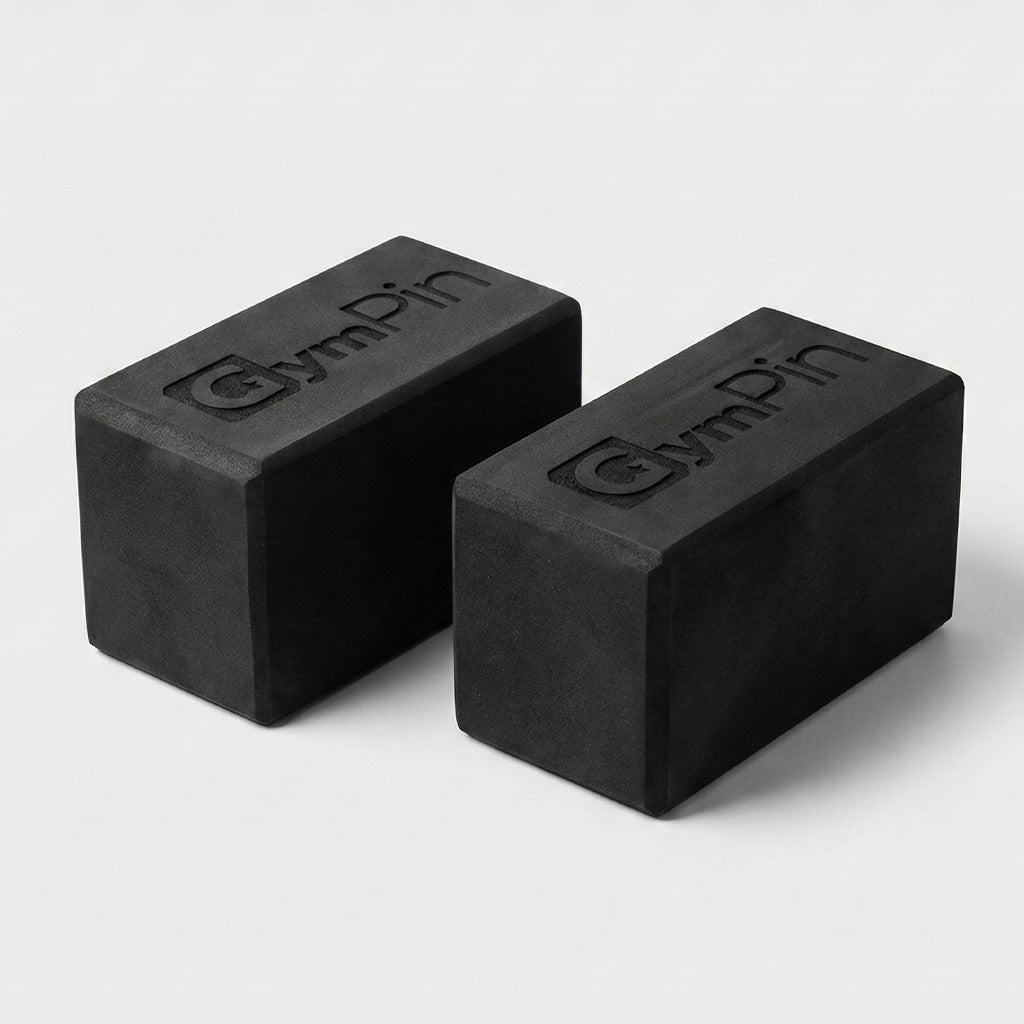
GymPin Starting Blocks
Portable high-density foam blocks for adjusting machine starting positions and range of motion.
Burpees, the rower and farmers carries reveal different weak links
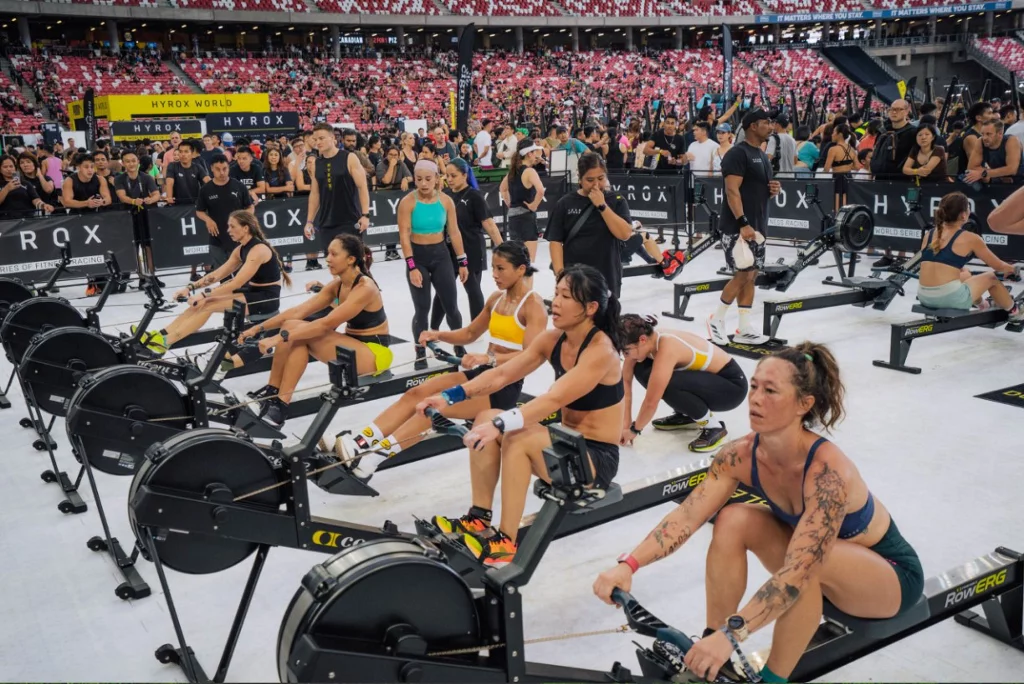
After the sled pull comes 80 metres of burpee broad jumps, followed later by a 1,000-metre row and a 200-metre farmers carry. These stations reward three different abilities: sustainable bodyweight rhythm, controlled cardiovascular effort and grip endurance under locomotion. A lifter can be excellent at one and much less efficient at another.
On the burpees, a spectacular single leap is less important than steady progression and a movement pattern the judges accept. Oversized jumps can leave a racer standing still to recover. Use practice to find a rhythm of floor contact, jump and landing that stays legal and repeatable over the entire distance.
Rowing is not an automatic recovery station. Wildly powerful strokes can raise heart rate and destroy breathing rhythm before the next run. Aim for a smooth cadence and effective leg drive, rather than targeting a fresh 1,000-metre personal best. The session already includes several bouts of sustained effort.
Men Open and Women Pro carry two 24-kilogram implements, with lighter or heavier pairs elsewhere in the divisions. Walk with controlled steps, let the arms hang and avoid wasting grip on excessive squeezing. An athlete who never needs to set the weights down may make up time on someone who attacks the first half too aggressively and then takes repeated long breaks.
Sandbag lunges and 100 wall balls make the final minutes count
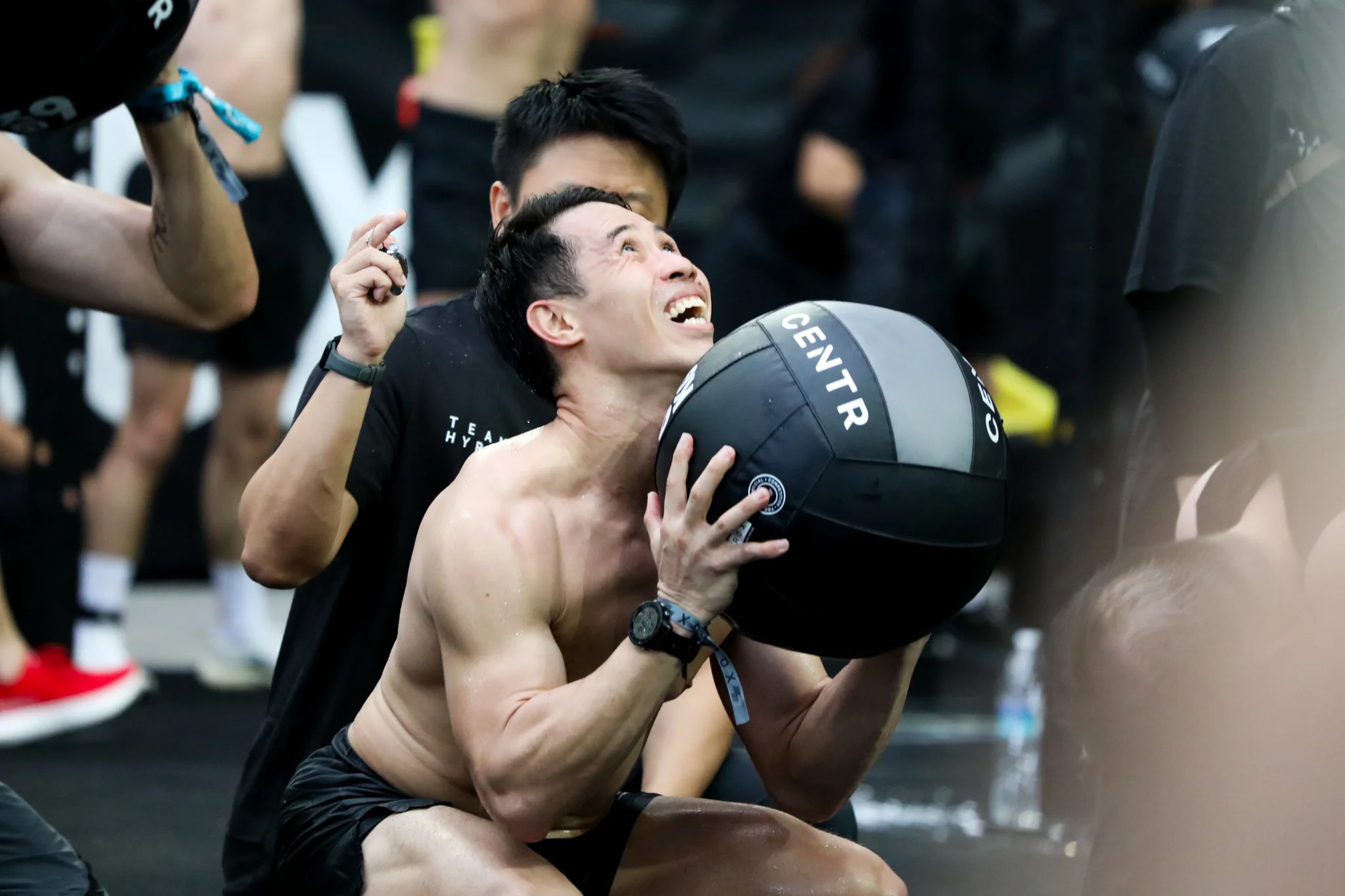
The last two stations are 100 metres of sandbag lunges and 100 wall balls. That order is a cruel test of patience: the quadriceps have already worked through running, sleds and burpees before the racer repeatedly squats and throws a medicine ball at a marked target.
For Men Open and Women Pro, the 2026/27 sandbag is 20 kilograms and the wall ball is 6 kilograms. Men Pro and Women Open have different prescribed loads. The target height is 3.0 metres for men and 2.7 metres for women. Check the race division and current technical standards instead of assuming any home-gym wall target is suitable.
The smartest wall-ball plan is not necessarily one enormous first set. Decide on sustainable batches and short breaths ahead of time. A clean squat depth and obvious target contact matter more than raw repetition speed if questionable reps are rejected. Practise standing in a repeatable position and catching the ball without chasing it away from the target.
Do not cram several hundred wall-ball repetitions into the final training days. A few technically clear sets with generous rest are enough to remind the body of the pattern. The ability to arrive with recovered legs could be more valuable than one final fatigue-building workout.

Functional Fitness Shirts & Workout Gear
Functional-fitness shirts, tanks and workout gear for athletes who train strength, conditioning and everything in between.

High Rocks Functional Fitness Tee
Show some lifting attitude with a playful “Hyrox High Rocks Gym Bro” tee.


Rowing – Dost Thou Even Row Medieval Knight Gym Decal f Sticker
Give your everyday gear a playful “Rowing” twist.

Anti HYROX HYROX Club Meme Shirt Gymbro T-Shirt
Make gym days more fun with “Anti HYROX HYROX Club” style.

Kettlebell Skull Tee
Heavy lifts, good laughs, and a little “Kettlebell Skull Gym Meme” energy.


Kettlebell Heart X-Ray – Valentine's Workout Hooded Hoodie
Bring “Kettlebell Heart X-Ray” gym humor to lazy days and post-workout plans.

Gym Is My Happy Place Happy Kettlebell Emoji Smiley Fac T-Shirt
Show some gym-day personality with “Gym Is My Happy Place”.

Gym Equation Makes Me Happy Kettlebell Meme Graphic Fit T-Shirt
Heavy lifts, good laughs, and a little “Gym Equation” energy.

Your race-week checklist: sharpen, recover and arrive informed
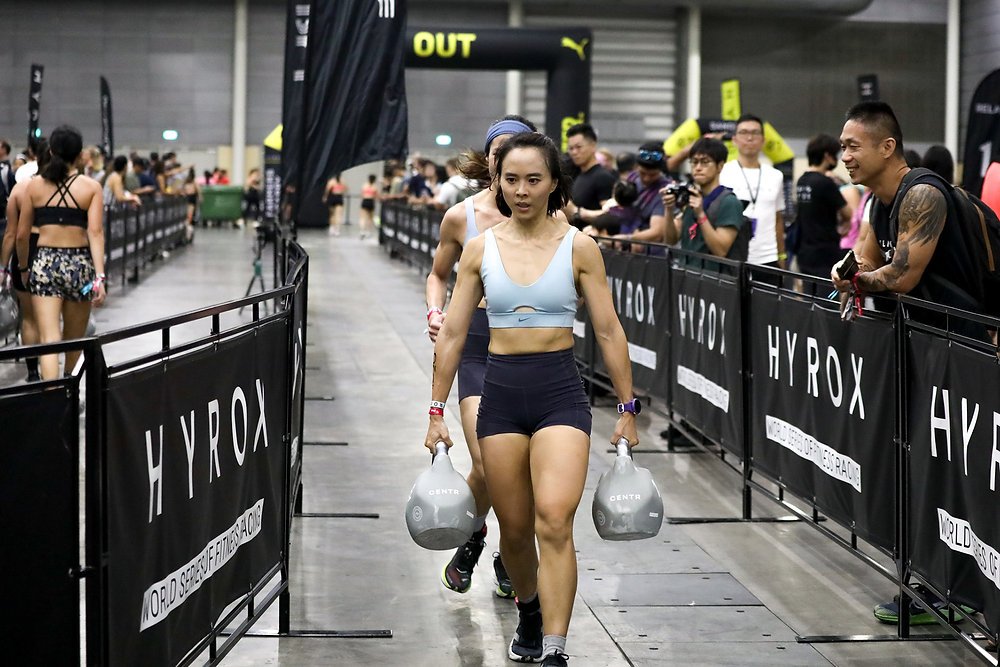
Four days out is too late to build much strength or aerobic capacity. A better objective is reducing accumulated fatigue while keeping the movement patterns familiar. If you have one last equipment session, touch only a little of what challenges you most: a few sled lengths, short easy runs, a modest carry and clean wall balls. Stop before technique starts deteriorating.
Check the specific division, check-in slot, race start wave, venue and travel route. Lay out shoes already tested on running and functional movements, familiar socks and clothing, identification, hydration and your ordinary pre-event meal. An athlete should not be experimenting with brand-new footwear or a large unfamiliar caffeine dose because race day feels important.
Doubles partners should agree in advance on how they will share the station effort while both maintaining the required running route. Relay teams should know the exact handover and leg order. Solo athletes should memorise the eight-station sequence but still follow race officials for equipment assignments and course direction.
During the race, favour a first kilometre you can repeat, controlled movements at the sled and a wall-ball strategy that permits good repetitions. The event is not eight workouts with convenient jogs between them. It is one continuous test of pacing, grip, breathing and judgment. Execute the whole race rather than trying to win the opening ten minutes.