Advertising disclosure: This page includes affiliate product links that may earn us a commission, as well as products from our own store.
Reverse-Grip Bench Press: Learn the Grip Before Loading the Bar
Turning your hands around changes more than the name of a bench press. The reverse-grip version uses an underhand hold, and the unfamiliar grip makes the handoff, wrist position and return to the rack worth learning before you think about working weights. It is an optional pressing variation, not an automatic upgrade over the exercise you already perform well.
The useful starting question is practical: can you establish a secure hold and move a light bar through a comfortable path with appropriate assistance? If not, keep a familiar press in your programme. There is no prize for making chest training more complicated than it needs to be.
1. Separate the reverse grip from a normal bench press
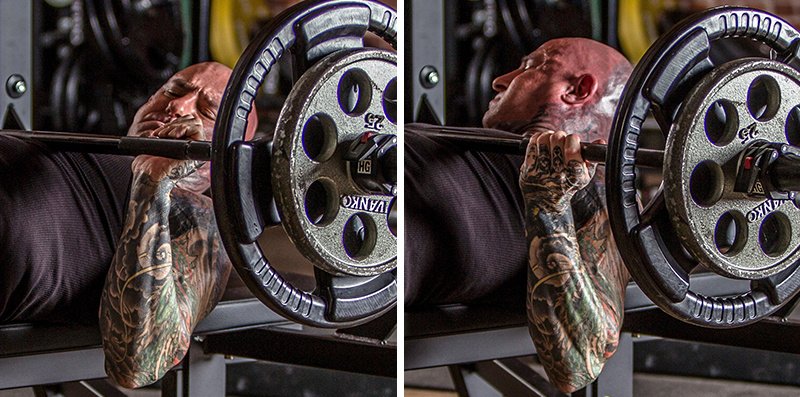
With an underhand grip, your palms face towards your head rather than towards your feet as they do in a conventional overhand bench press. Your chest, front shoulders and triceps still contribute to the press. The altered hand position changes the arrangement of the arms and the pressing path, but it does not turn the exercise into isolated upper-chest training.
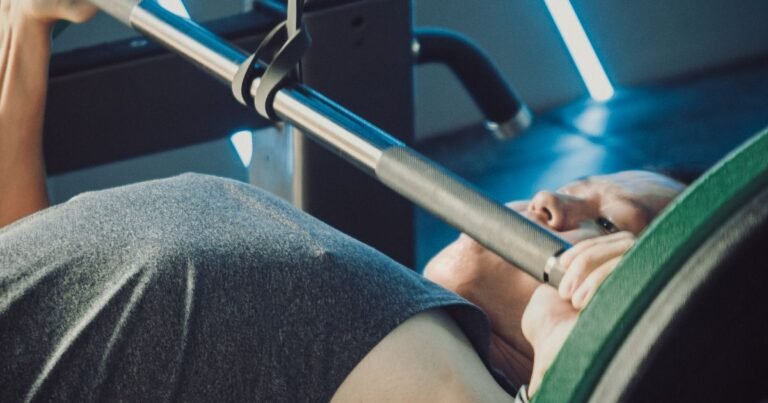
Use a closed grip with your thumbs wrapped around the bar. A photograph comparing overhand and underhand holds illustrates the difference between positions; it is not an instruction to rotate your hands while a loaded bar rests on your chest. Establish the intended grip before the handoff and keep it throughout the repetition.
Start by exploring a comfortable hand spacing on a securely racked, unloaded bar. Do not assume the grip width you use for ordinary benching will transfer unchanged. Equally, do not force an extremely narrow or wide position because somebody else’s photograph looks that way. Your hold needs to remain secure while the wrists and elbows tolerate the movement.
Claims about greater muscle activity should not be treated as a guaranteed percentage increase in muscle growth. An acute measurement and a long-term training result answer different questions. A variation earns its place through tolerable technique, progressive training and a programme you can sustain, not through an impressive number attached to one exercise.
2. Make the handoff and rack setup part of the lift
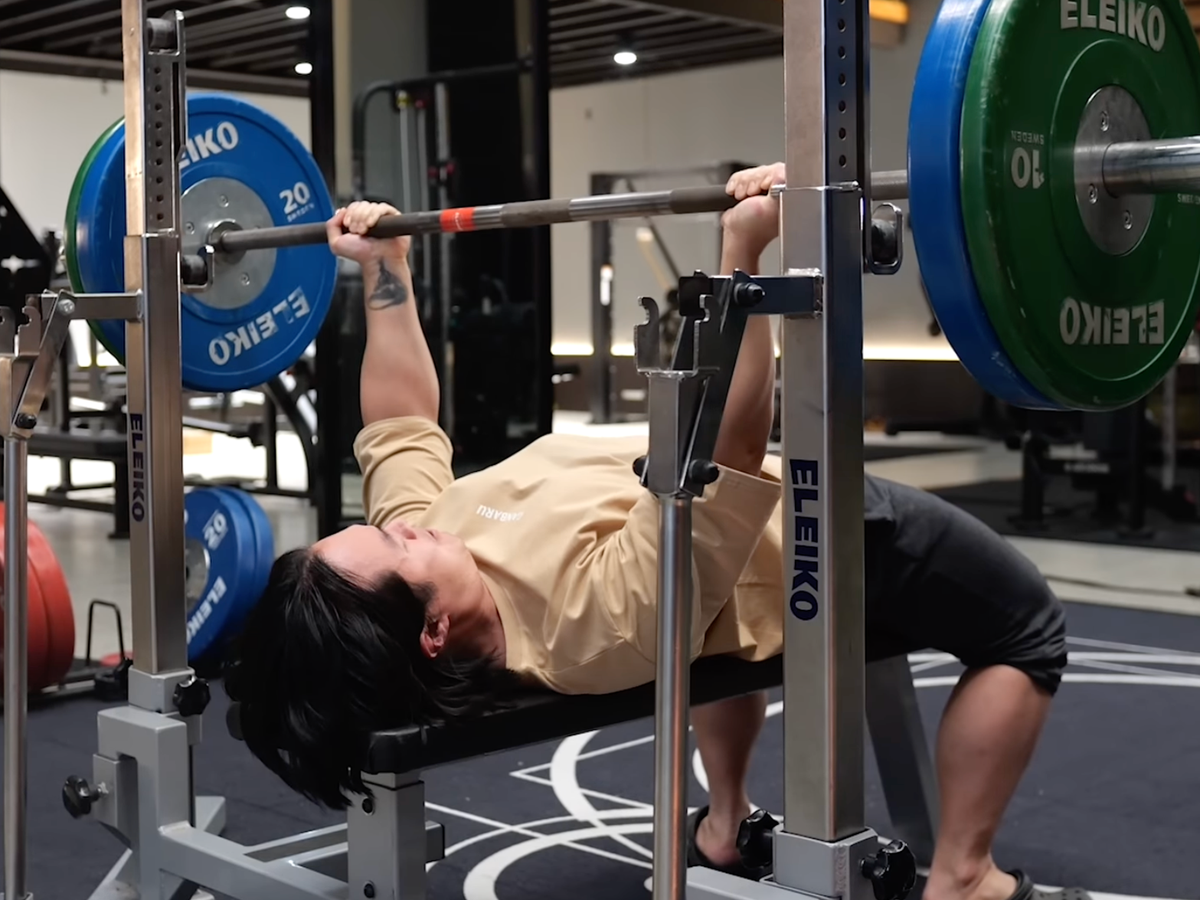
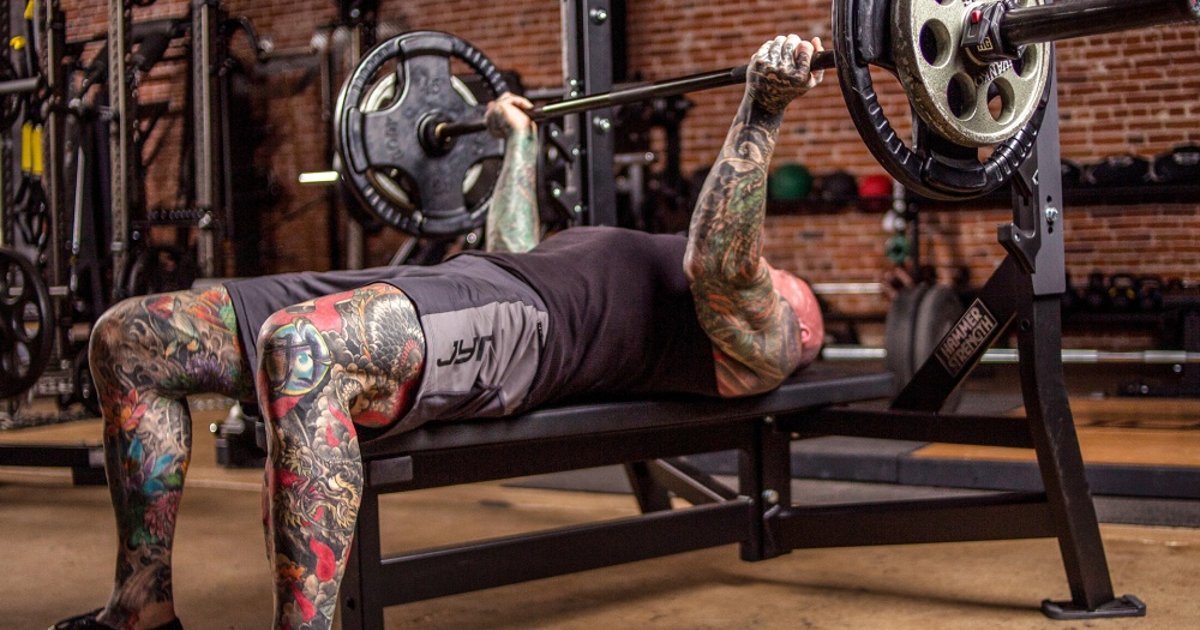
Use a stable flat bench inside an appropriate bench station or power rack, and have a competent spotter assist while you learn this variation. Arrange the hooks so you can receive the bar without reaching far backwards or lifting your shoulders away from their supported position. Rehearse the handoff with an unloaded training bar first.
Check the safety catches as well. They should allow your intended repetition while catching a failed bar before it can trap your neck or chest. Test their position with an empty bar in the setup you will actually use. A spotter and correctly adjusted catches have different jobs; neither makes careless handling acceptable.
Agree on simple instructions before the set: when you want assistance, where the bar will be steadied and when you are ready to receive its full weight. The lifter should have a secure grip before the spotter releases support. If the exchange is awkward, put the bar back and adjust rather than trying to solve it during the first descent.
Keep your feet planted, your head supported and your torso stable. Position the bench and rack before selecting plates. Appropriate equipment includes a straight bar, suitable plates and collars, and a bench that fits the rack securely. Dumbbells are a separate pressing alternative, not a way to reproduce the barbell handoff.
A useful first-session goal is a smooth handoff and return with a light bar. That is already a meaningful skill. Do not load your usual bench-press working weight just because the movement still involves lying on a flat bench.
Before starting, check that both sides are loaded equally and the collars are secured. Remove loose plates or bags from the spotter’s standing area. When the set ends, keep communicating until the bar is settled on both hooks. These ordinary preparations matter more than buying a special accessory marketed for a new exercise variation.

Equipment Worth Exploring
Explore equipment, accessories and gear from our carefully selected range.


FID Bench MAX
Adjustable bench offering flat, incline, and decline positions + adjustable headrest.


Multi Bench MBX-650 2.0
Adjustable multi-bench with roller adjustment, 15 backrest positions and accessory mounts.


Competition Plates
Competition-style bumper plates for Olympic lifts and loaded strength training.

Grip Plates
Rubber-coated weight plates with handholds for loading barbells and machines.

3. Find a controlled pressing path
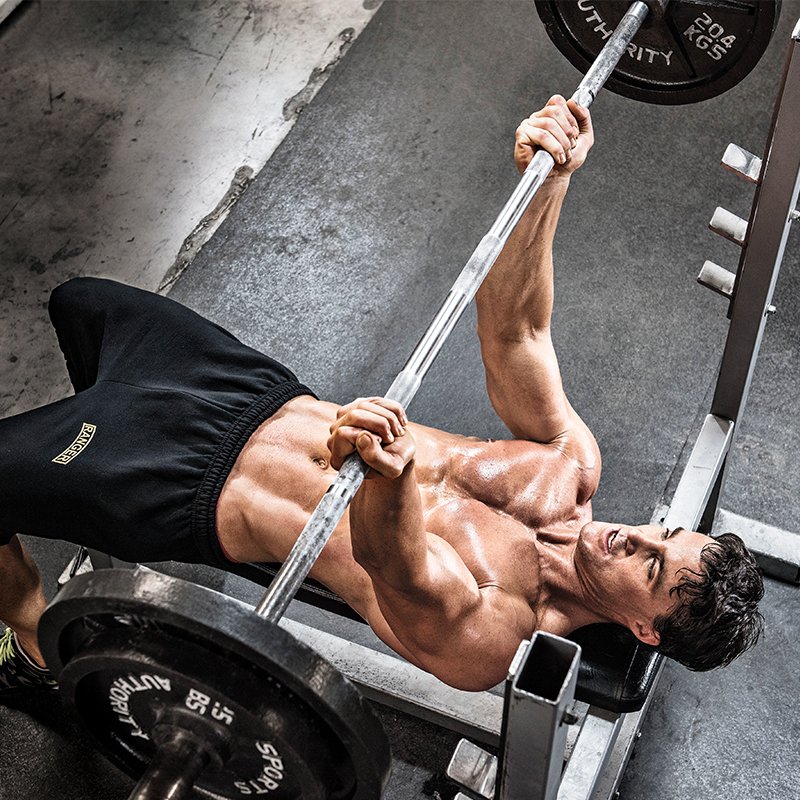
Once the bar is steady above you, lower it deliberately towards the lower chest along a path you can control. The elbows will generally remain closer to your torso than in a wide overhand press. Avoid forcing them tightly against your ribs if that creates an uncomfortable wrist or shoulder position.
The bar should remain supported in the hands rather than rolling towards your fingertips. Some wrist extension is normal when holding a barbell; the aim is a stable position you can maintain, not an exaggerated bend or a demand that every wrist look perfectly vertical. Reduce the load if the grip feels uncertain.
Press back to a stable position above the torso without bouncing off the chest or throwing the bar towards your face. The exact touch point and amount of horizontal travel vary with your proportions and setup. Treat the lower-chest cue as a starting reference, not permission to lower a heavy bar onto your abdomen.
Maintain enough control to stop and seek help if the grip shifts. A repetition that reaches the top only after the bar rolls in your hands is not a successful practice repetition. End the set, re-rack with assistance and change the setup or load before continuing.
The return to the hooks deserves the same attention as the press. Establish a stable extended-arm position, then guide the bar back with your spotter’s help until both sides are securely supported. Do not release your grip merely because one end has touched a hook.
4. Judge the repetition, not just the weight
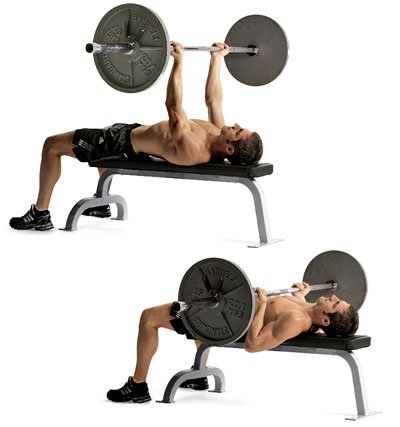
Compare your early and late repetitions using the same criteria. Did the grip remain secure? Did the descent stay controlled? Did the bar follow a repeatable path? Could you finish and re-rack without a scramble? Those observations are more informative during learning than how close you came to your ordinary bench-press numbers.
Record the hand spacing, rack height, load and whether you used an assisted handoff. For example, “light bar, three controlled repetitions, return to rack still awkward” gives you a clear task for next time. A single total such as “three reps” hides the handling problem you actually need to improve.
A short side-view recording can help compare bar travel and torso position between repetitions. Keep the camera clear of walkways and other gym users. It cannot diagnose a painful wrist or prove that one grip is safer for your shoulder, and a flattering camera angle should not override what the lift feels like.
If your wrists, elbows or shoulders hurt, stop that set. Do not assume the reverse grip will cure discomfort from normal benching, and do not push through pain to make the exercise work. Persistent symptoms or uncertainty about your setup are reasons for individual assessment and coaching.
Changing the load, hand spacing and bench arrangement at once makes comparisons difficult. Adjust one useful detail, repeat the light practice and reassess. That gives you a clearer explanation for an improvement than simply hoping the movement feels less unfamiliar next week.
5. Keep a familiar pressing option available
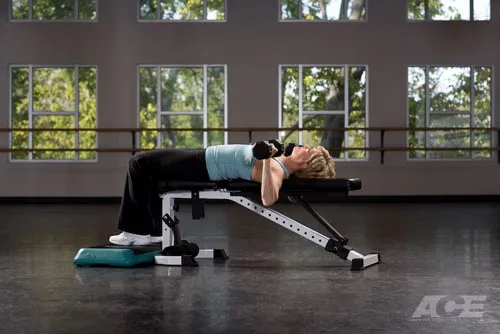
A conventional dumbbell chest press is a distinct alternative if a straight bar’s underhand position does not suit you. Independent handles allow a different hand position, but getting dumbbells into place is its own skill. Choose a grip and range that are comfortable rather than forcing a fully supinated position just to preserve the word “reverse”.
For a healthy lifter trying the barbell variation, an illustrative practice session might involve a few short, easy sets with a training bar and an assisted handoff. Stop well before fatigue compromises handling. This is a technique example, not an optimal muscle-building prescription or a requirement to add the exercise to every chest day.
Keep the main pressing work familiar while you learn. Once receiving, pressing and returning the bar are consistently controlled and comfortable, consider a small load increase while retaining a generous effort margin. If the next increase makes the grip unstable, repeat the previous load or choose another press.
Measure the decision against your actual goal: a useful, repeatable chest-training movement. You can build a productive programme without reverse-grip bench presses. If the variation feels comfortable and you can handle it reliably, it may provide another option; if not, there is no need to negotiate with a grip that does not suit you.

Powerlifting Shirts & Lifting Gear
Powerlifting shirts and gym gear for squat, bench and deadlift lifters who live for heavy numbers.

Gym Sir Swole of Benchalot Medieval Knight Chest Day Cr T-Shirt
Show some gym-day personality with “Sir Swole of Benchalot Medieval Knight”.


I Love Bench Press | Heart Weight Plate Hooded For Ches Hoodie
Keep it laid-back with a little “I Love Bench Press” attitude.

Bench Press and Chill Funny Gym T
Make gym days more fun with “Bench Press and Chill” style.

Shirt: Good Argument But I Bench More Than You – T-Shirt
Make gym days more fun with “: Good Argument But I Bench More Than You” style.

Squat Bench Deadlift Read Shirt Literary Bookworm Top T-Shirt
Bring “Squat Bench Deadlift Read” humor to your next gym day.

5 Plates Bench Club Chest Day Meme T-Shirt
Bring “5 Plates Bench Club” humor to your next gym day.

Bending Bars Meme – Barbell Squat Bench Deadlift, & T-Shirt
Heavy lifts, good laughs, and a little “Bending Bars Gym Meme” energy.


Lift Together Grow Stronger Buddies Friendship Workout T-Shirt
Make gym days more fun with “Lift Together Grow Stronger” style.