Advertising disclosure: This page includes affiliate product links that may earn us a commission, as well as products from our own store.
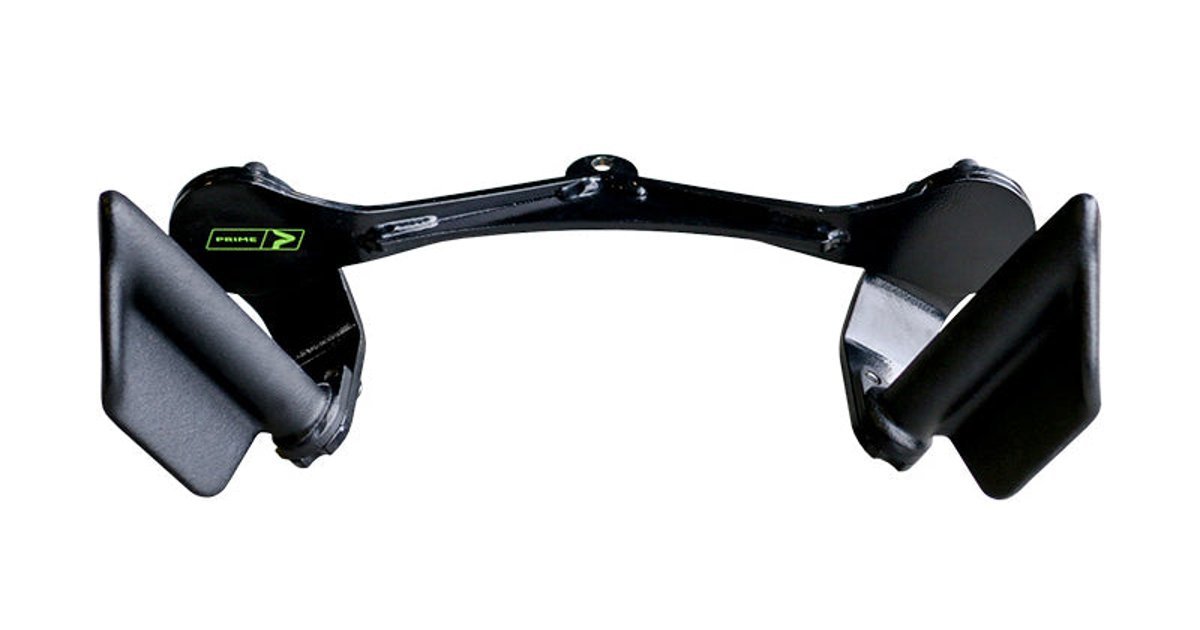
A cable handle changes the point where your hands meet the resistance. It can make a familiar row easier to set up, offer a useful wrist position or simply duplicate an attachment you already own. PRIME’s RO-T8 3N1 combines its paddle-style grips with three selectable positions on a connected attachment. Choosing it well means separating grip angle, grip width and freedom of movement, rather than treating every RO-T8 product as the same tool.
Start by separating the three RO-T8 formats
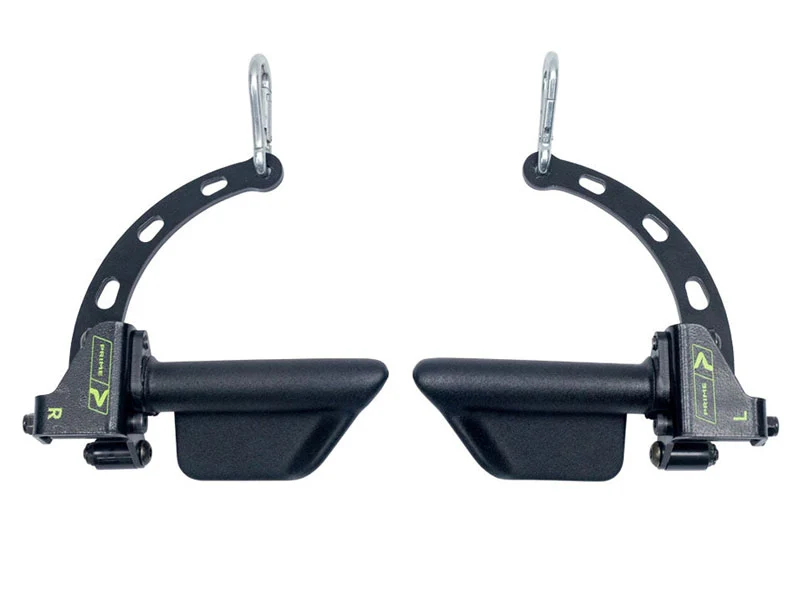
The RO-T8 name covers several arrangements. The individual handles come as a pair with separate cable connections. The 3N1 connects two grips on one attachment and offers three settings. The 4N1 is another connected attachment with an additional fully pronated position. These differences affect how you arrange a workout before you consider claims about comfort or muscle recruitment.
A pair of separate handles allows the hands to travel on separate connections when the machine provides them. A connected attachment sets the relationship between the two hands differently. Neither arrangement automatically improves every exercise. Decide whether you want independent hand paths or a repeatable two-handed start from one cable before buying a particular format.
This matters when comparing an existing handle drawer with a new purchase. Two ordinary single handles, a narrow rowing attachment and a wide pulldown bar do different jobs. Count the tasks you actually perform, not just the number of grips in the product name. Replacing several attachments is useful only when the replacement preserves the positions you use.
Keep model names in your notes. A review or photograph of the individual pair does not establish the exact behavior of a 3N1. Equally, an observation about the larger 4N1 should not be transferred to the smaller attachment without checking the difference. The family resemblance is real, but the working arrangement is part of the product.
Choose width before chasing a new grip angle
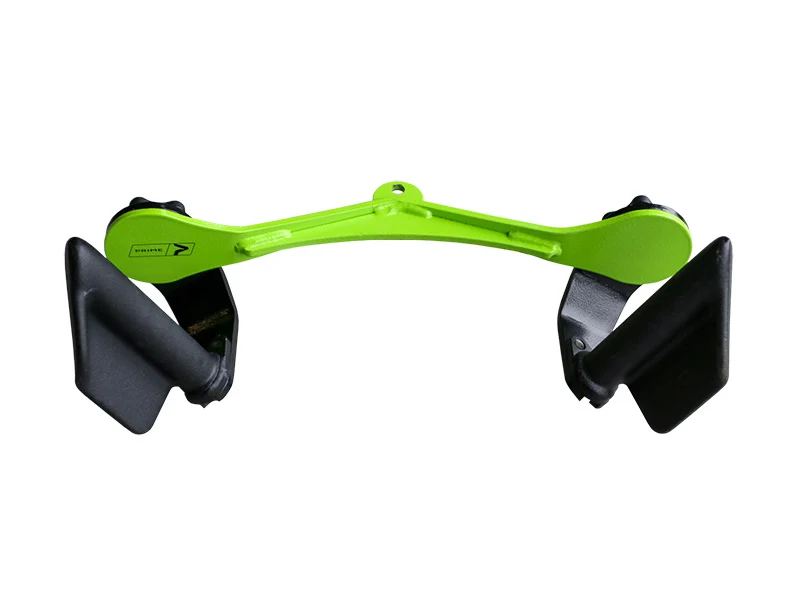
The 3N1 family has 6-inch and 14-inch width options. The 4N1 is 20 inches wide. Those are distinct product widths, rather than three settings on one attachment. A setting that turns the grip does not also make a narrow connected handle wide. Start by identifying the width that gives your intended exercise a workable hand and elbow relationship.
For a seated cable row, establish a stable torso position and check where the attachment arrives without having to lean backward to finish. For a pulldown, consider clearance as the attachment approaches the upper body. A wide handle that looks impressive on a wall is not an improvement if its shape prevents a controlled path on your machine.
Your body and the station both matter. Seat position, pulley height, cable reach and any thigh restraint influence the starting position. There is no reliable way to decide the best width from a product photograph alone. If you can try the attachment, rehearse the full movement with an easy load and observe where the hands and elbows actually travel.
Changing width and angle together can make a comparison hard to interpret. If a new setup feels different, identify which variable changed. Write down the model and width instead of calling every connected accessory a neutral-grip handle. That simple record makes future load comparisons more useful and prevents a familiar exercise name from hiding a different setup.
Treat the three settings as repeatable setup choices
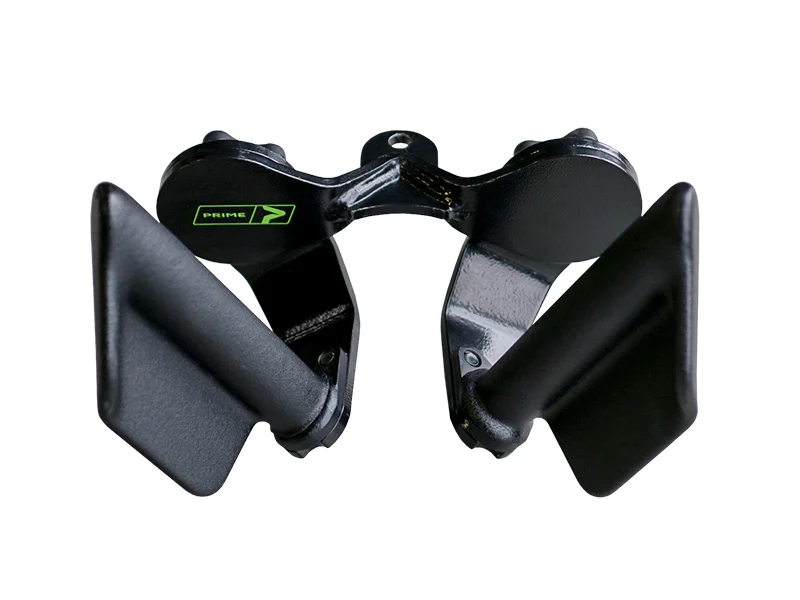
The 3N1 provides three selectable grip positions around a neutral option. The wider RO-T8 range distinguishes semi-turned positions from the fully pronated fourth setting on the 4N1. Do not read a generic description of pronation as proof that every model reaches the same angle. Check the exact product and its adjustment before treating two positions as equivalent.
Choose a setting while the attachment is unloaded and follow the supplied adjustment instructions. Before pulling, check that both grips are deliberately set and secure. The useful feature is a position you can reproduce; an uncertain setting adds another variable to a movement that already involves the bench or seat, torso position and cable height.
Begin with the position that lets you hold the handles comfortably through the intended range. Then evaluate it with ordinary repetitions. Watch for an increasing need to bend the wrists awkwardly, shrug the shoulders or move the torso to finish. These observations are reasons to revisit the setup or load, rather than proof that a named grip is unsuitable for everyone.
A handle can change how an exercise feels without proving that it produces more growth. A strong sensation, a different load or less perceived grip fatigue is an individual observation. Keep those observations separate from long-term progress. No attachment removes the need for consistent technique, appropriate effort and enough recovery to repeat productive training.
Understand what the 4N1 adds and what it leaves unchanged
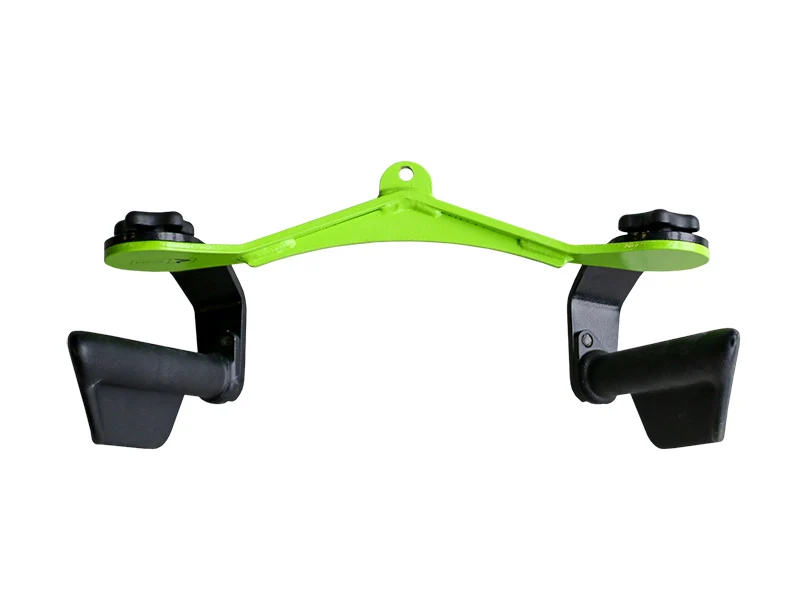
The 4N1 adds a fully pronated setting and uses a 20-inch width. Its other listed options are semi-pronated, neutral and semi-supinated. That makes it a different combination of width and settings, not a small upgrade that turns every 3N1 task into a better version. The larger footprint may be useful for one row or pulldown and unnecessary for another.
A fourth setting does not create a fourth muscle. The back and arms still work within the movement you perform, while the hand position can alter how you organize it. Choose a variation for a clear purpose, such as finding a repeatable path you tolerate well. Avoid changing attachments every session simply because more positions are available.
The same caution applies to manufacturer claims about reduced fatigue or strain. They describe intended benefits, not a guarantee that every lifter will be comfortable or able to train heavier. If a position produces persistent discomfort, stop forcing it and reassess the exercise and setup. A more expensive accessory is not a diagnosis or treatment.
Compare cable attachments as equipment options. Different grips, bars, cuffs and compatible cable stations can support different tasks; their presence beside this guide does not certify that they behave like an RO-T8 or connect correctly to every machine. Check the actual connection, clearance and instructions for each component before adding resistance.

Equipment Worth Exploring
Explore equipment, accessories and gear from our carefully selected range.

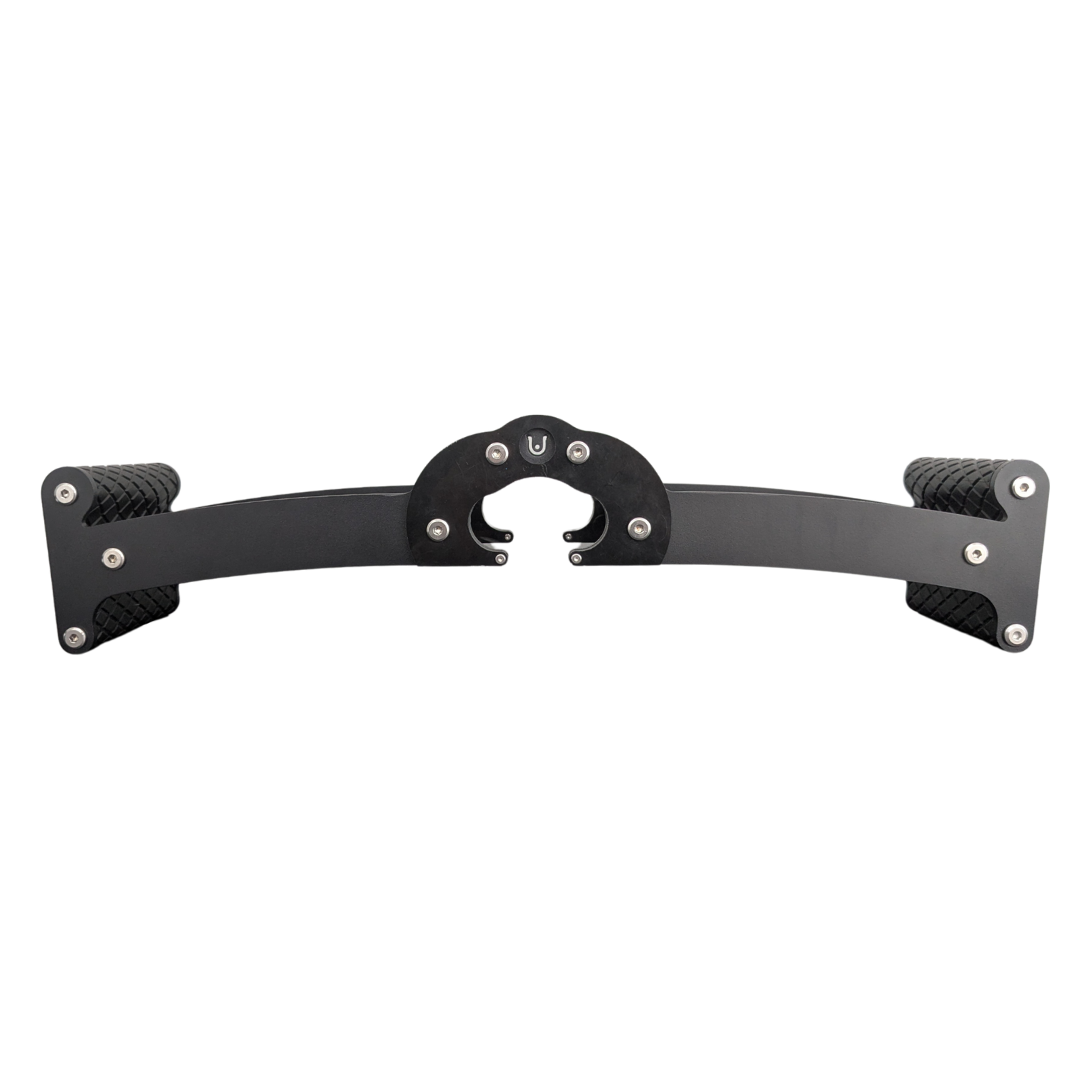
Back Bar
Multi-grip cable and landmine bar with a built-in deadlift jack.

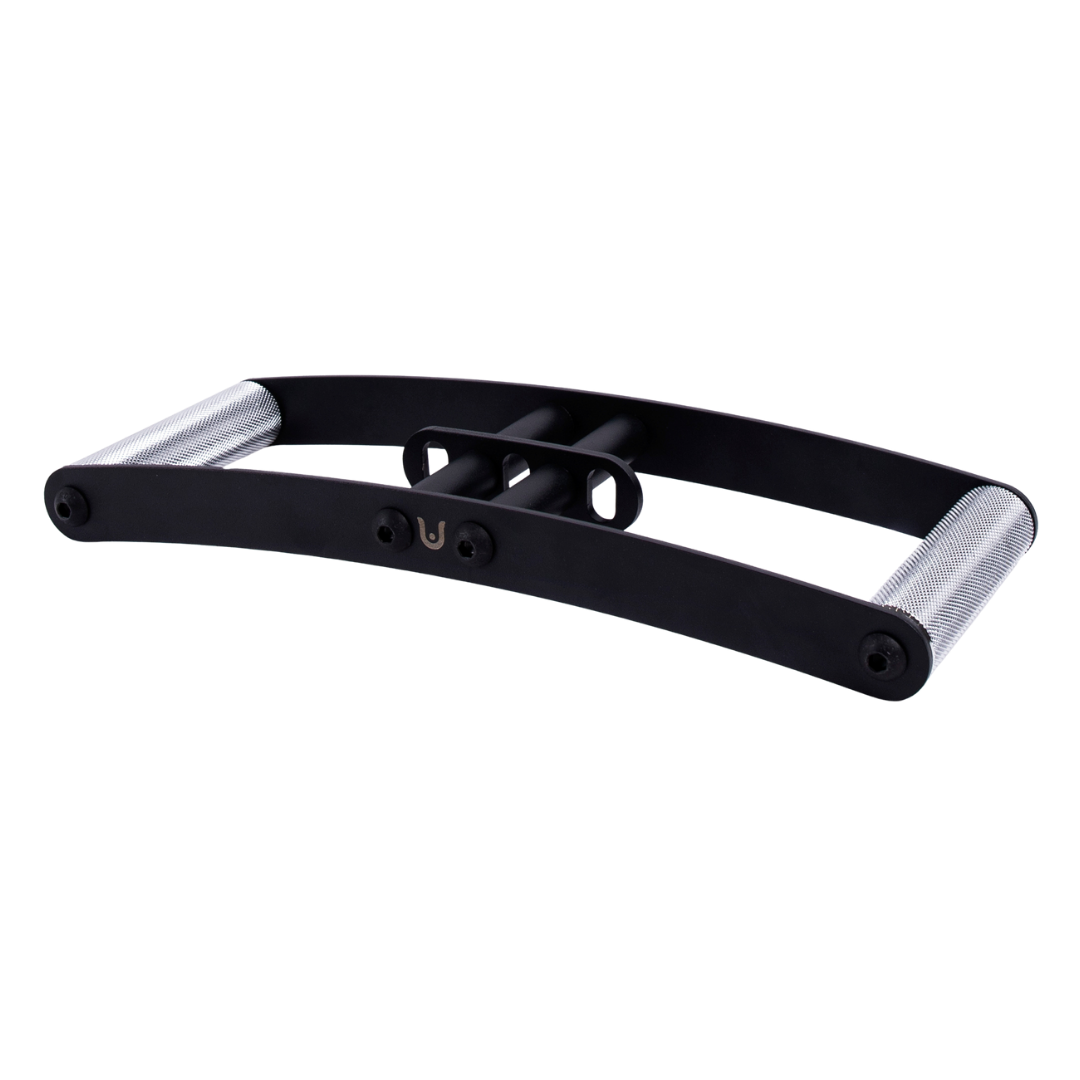
Horizon Grip
Ergonomic V-style cable grip for rows and back training.
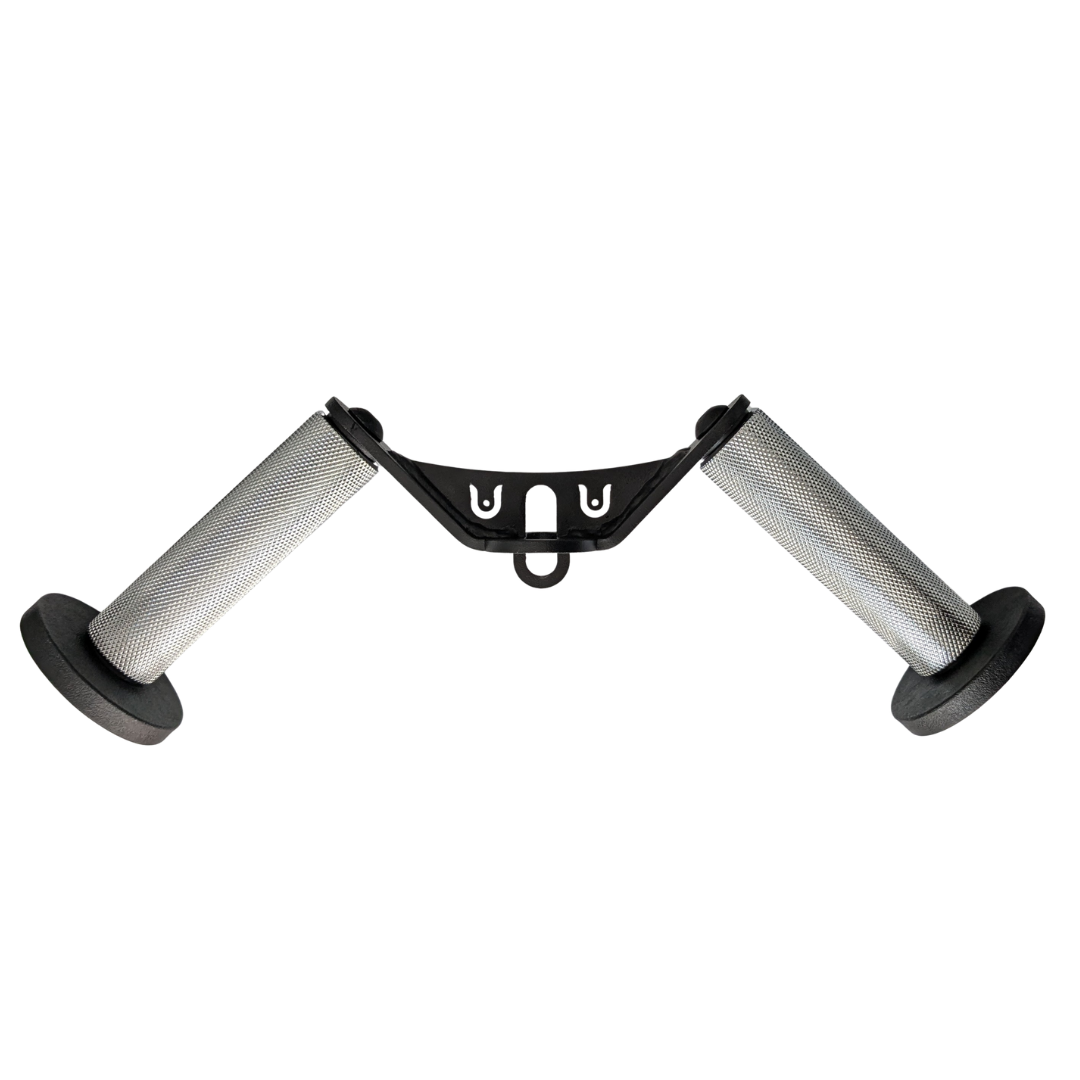
W Grip
Angled cable grip for comfortable rows, pushdowns, and curls.

GymPin Ergo Handles
Pair of ergonomic cable handles shaped for comfortable triceps and pulling exercises.

Angles 90 Grips
Flexible grip attachments that allow natural wrist movement during pulling exercises.

48in Aluminum Lat Bar
48-inch aluminum lat pulldown bar with knurled grip and rotating center swivel.

GymPin D Handle Bar
Multi-use steel D-handle bar for cable rows, pulldowns and other cable exercises.

Run a simple comparison before replacing your current handles
Choose one familiar row or pulldown and keep the rest of the session recognizable. Record the machine, seat and pulley settings, attachment model, width, grip position, load and repetitions. Note whether your torso stayed stable and whether the full return remained controlled. This gives the new attachment a fairer test than comparing unrelated exercises on different machines.
Use several normal sessions rather than one maximal attempt. For example, retain your existing working-set structure while trying a single grip choice at a manageable load. If the setup works consistently, progress it within the program you already use. This is a practical comparison method, not a special protocol that has been shown to make the handle more effective.
Pay attention to what ends each set. If grip gives out while the target pulling movement remains controlled, a different handle may be worth evaluating. If every extra repetition comes from leaning back and shortening the return, the bigger number does not establish an improvement. Repeatable back training, sound grip choices and focused repetitions matter more than winning a one-session comparison.
The 3N1 is most compelling when its width and three settings solve a real problem in your routine. The individual pair remains a distinct option for separate connections, while the wider 4N1 offers another combination. Keep an attachment that earns its place through consistent use, rather than collecting positions that never appear in your training log.

Funny Gym Shirts & Workout Gear
Funny gym shirts, tanks, hoodies and workout gear for lifters who like training hard.

Shirt Pull Day – Back & Biceps Meme Top T-Shirt
Heavy lifts, good laughs, and a little “Pull Day Graphic” energy.


Grip Training Get A Grip Hoodie
Show off your lifting humor in a laid-back “Grip Training” hoodie.

Gymhead Mind Muscle Connection Sweater Meme T-Shirt
Bring “Gymhead” humor to your everyday gym style.

Gym Dost Thou Even Pull Medieval Knight Back Day Crewne T-Shirt
Show some gym-day personality with “Dost Thou Even Pull Medieval Knight Back”.

Lift Smart Brain Weight Plate Mind Muscle Connection 45 Tank Top
Add some lifting attitude to training with “Lift Smart Brain Weight Plate”.

Consistency Is Key Stoic Greek God Marble Sculpture T-Shirt
Make gym days more fun with “Consistency is Key Stoic Greek God Marble” style.

Brain and Biceps Tee
Make gym days more fun with “Mind Muscle Perfection Brain and Biceps” style.


Anti Rowing Rowing Club Shirt – Meme & Top T-Shirt
Show some cardio attitude with a playful “Anti Rowing Rowing Club” tee.