Advertising disclosure: This page includes affiliate product links that may earn us a commission, as well as products from our own store.
Extra weight during the dip sounds like a direct route to a stronger jerk. A small weightlifting trial offers a more measured answer. Its findings make a useful starting point for understanding eccentric overload, separating mechanical changes from performance and deciding when a more complicated method deserves space in a training program.
What the weightlifting trial actually tested
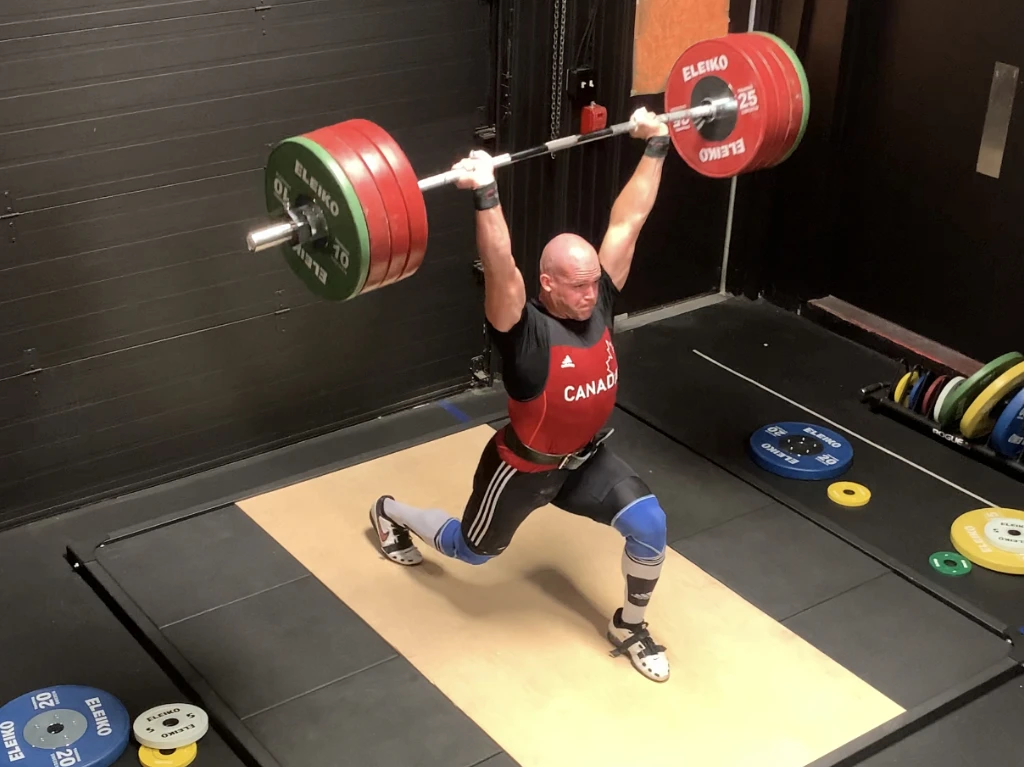
An eight-week exploratory trial followed 18 competitive weightlifters assigned to eccentric-overload or traditional split-jerk training. Both groups trained the lift twice weekly with five working sets per session. The overload group used weight releasers that detached at the bottom of the dip; the comparison group used constant loading and also performed jerk dips. This was a comparison against an active, lift-specific training approach.
Both approaches produced broadly similar changes in the measured jerk and countermovement-jump mechanics. The pooled difference across jerk variables after training was close to zero, with uncertainty extending in both directions. Most changes concerned the dip phase. The results support caution about claiming that the extra loading equipment offers a clear advantage. They do not establish that the methods are identical for every athlete, and they do not demonstrate a general muscle-building benefit.
For a coach, that finding creates a useful decision question: what problem would the additional method solve? A lifter whose bar moves forward before the drive needs a technical diagnosis. A lifter who consistently reaches a good position but cannot maintain it as the load rises presents a different problem. Naming that problem first makes the training choice easier to evaluate.
Keep the comparison honest in your own training. If you add a new drill, extra coaching and more weekly practice simultaneously, a better lift cannot be credited entirely to the drill. Write down the change, its intended purpose and the observation that would make you keep it. That turns an interesting training idea into a decision you can review.
Eccentric overload is a loading change, not a slower rep
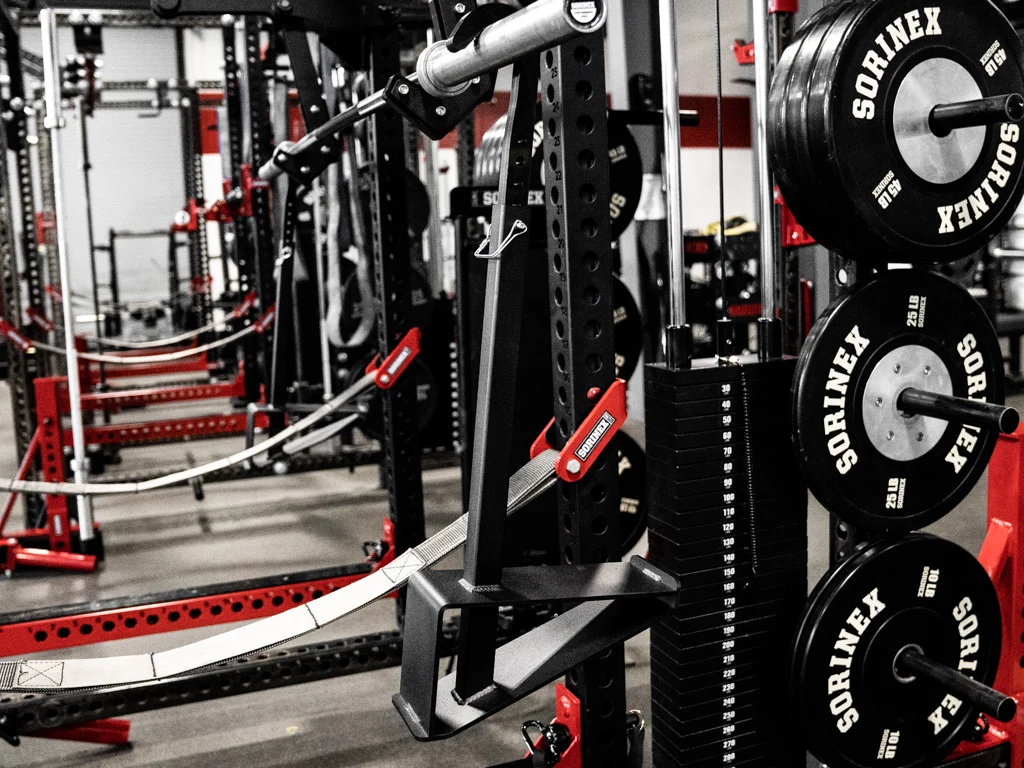
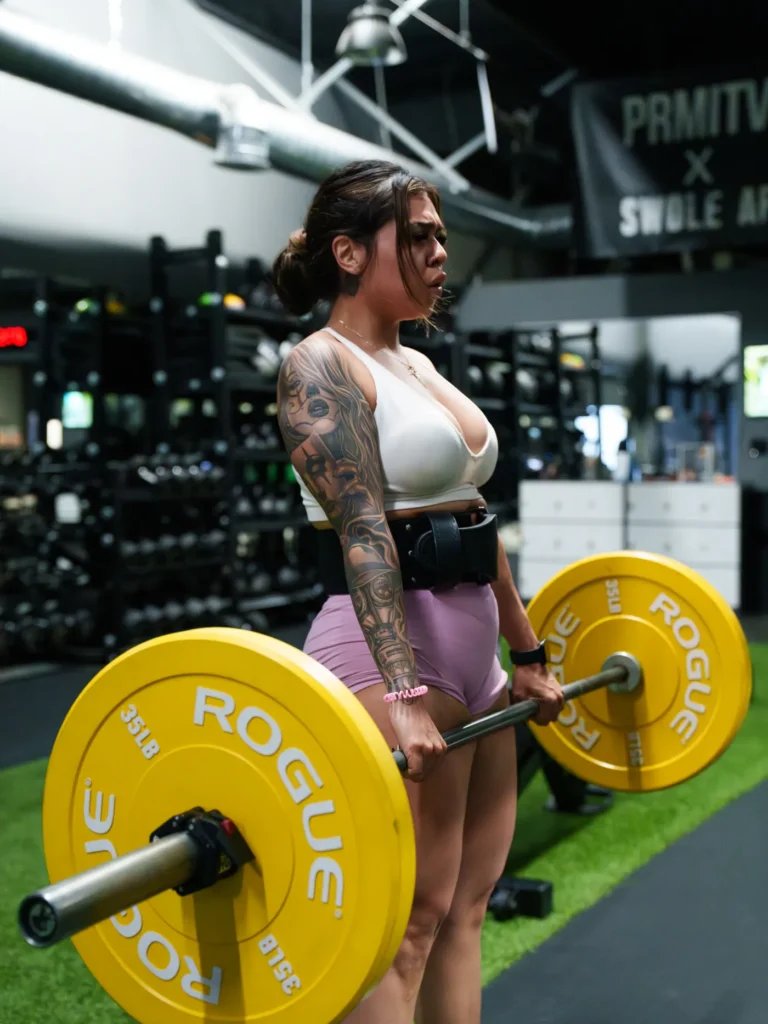
In a jerk, the legs yield during the dip before driving upward. Accentuated eccentric loading adds more external resistance during that lowering phase than remains during the subsequent drive. Weight releasers create that difference by detaching. A deliberately slow dip with the same barbell load throughout changes tempo instead. Both can make a session feel demanding, but they alter different parts of the task.
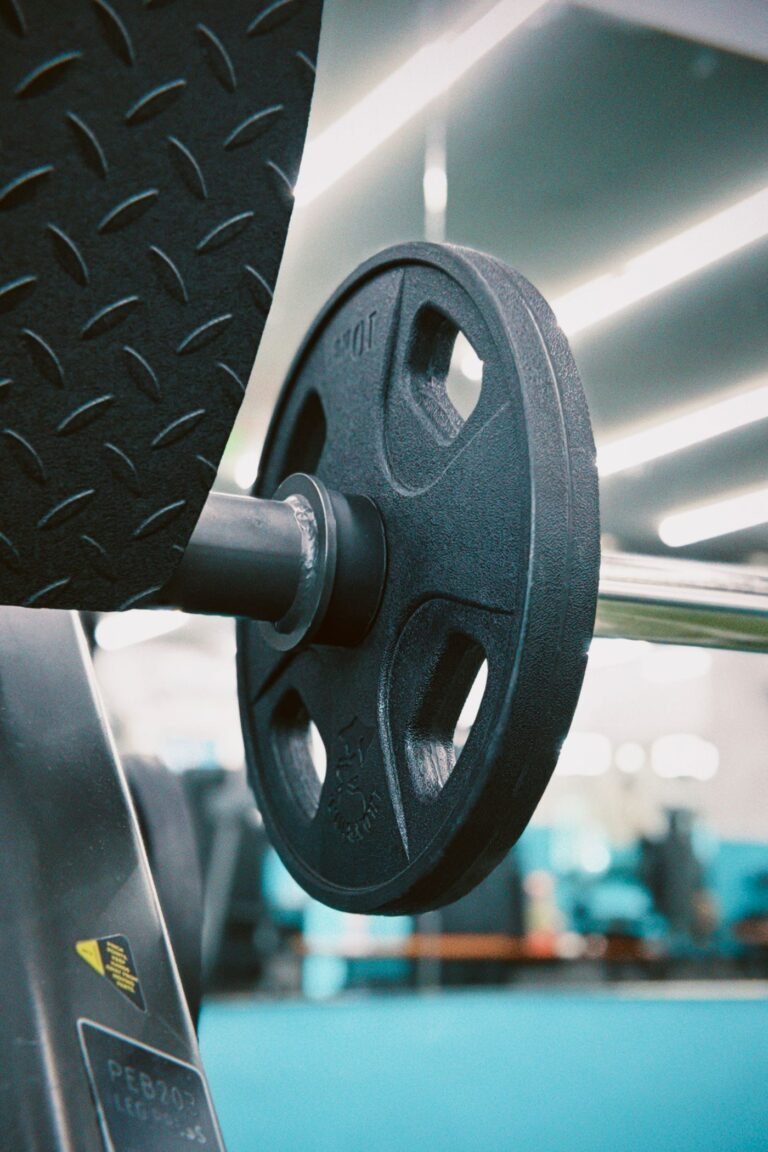
That distinction matters when comparing gym videos. A heavy barbell, a dramatic pause or an athlete struggling to stand does not prove that eccentric overload occurred. You need to know the load during each phase and how the transition was arranged. The photograph here shows real weight-releasing equipment in a rack; it does not identify the apparatus used by the trial participants or demonstrate their training session.
Introducing a release mechanism also adds practical variables: attachment length, clearance, floor contact, symmetry and the space needed for detached equipment. Those details belong in a supervised setup check. A mechanism that releases at an unsuitable point changes the exercise, even if the arithmetic on the loading sheet looks correct. Do not improvise release devices or treat ordinary collars, plates or rack accessories as substitutes for purpose-built equipment.
For example, a training log could separate bar weight, additional lowering load, release point and successful repetitions into different entries. Record the usual movement without releasers as the reference. That makes a later comparison interpretable. The goal is a useful adaptation in the lifter, not the largest combined number that can be written beside an unfamiliar exercise.

Equipment Worth Exploring
Explore equipment, accessories and gear from our carefully selected range.


Competition Plates
Competition-style bumper plates for Olympic lifts and loaded strength training.


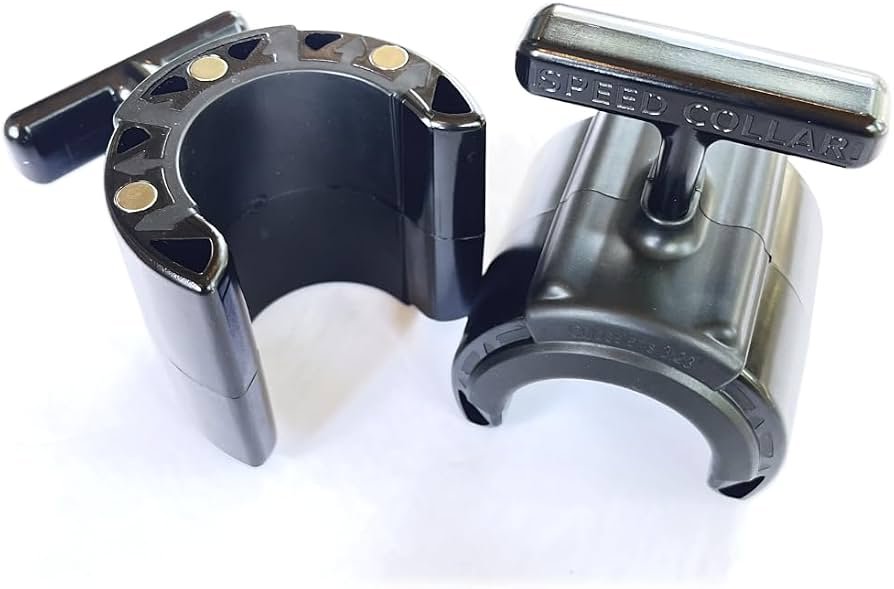
Speed Collar
Quick-release collars designed to secure weight plates on standard two-inch Olympic bars.
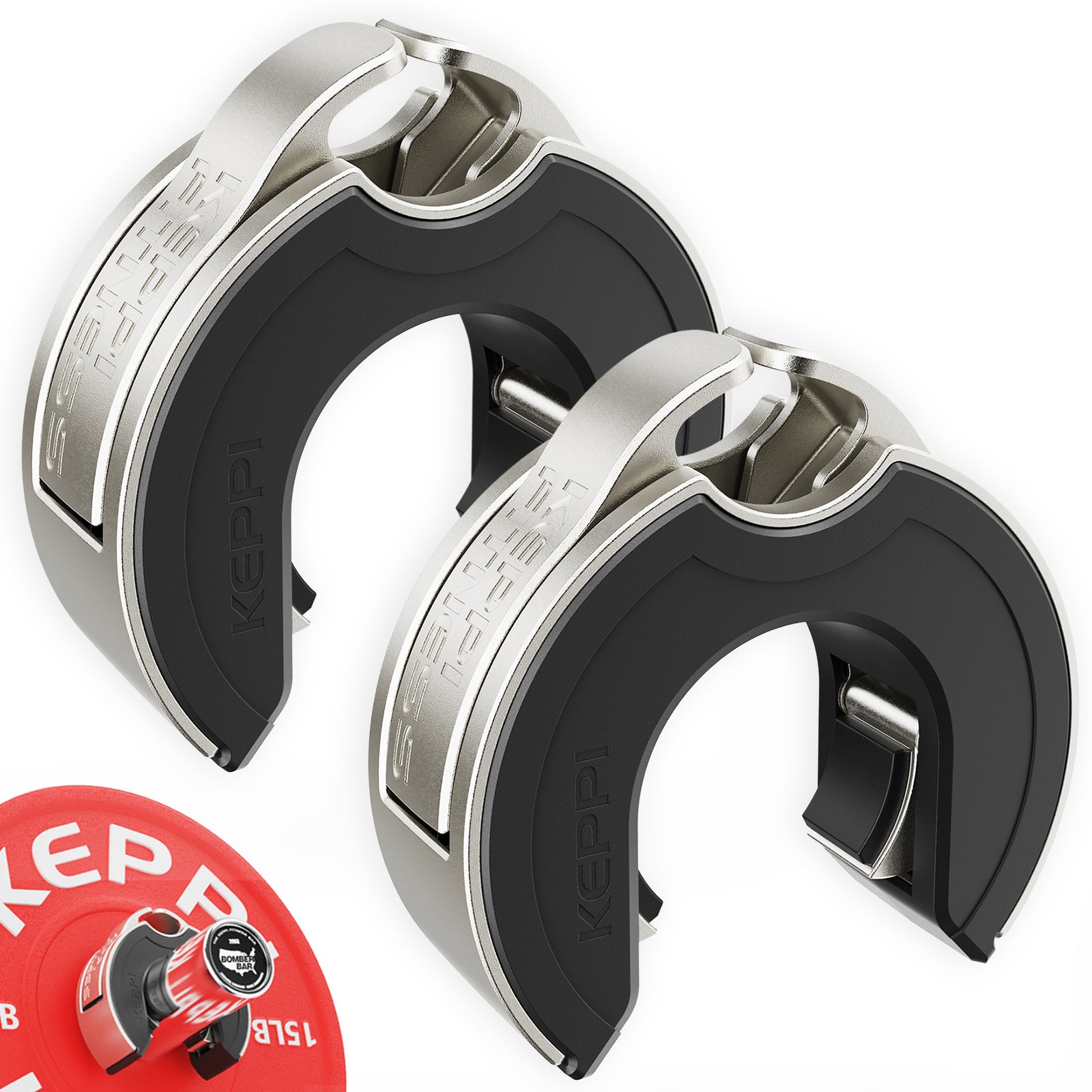
Keppi Open Collars
C-shaped magnetic Olympic barbell collars with a quick-lock mechanism and grippy lining.


Keep the dip and drive understandable
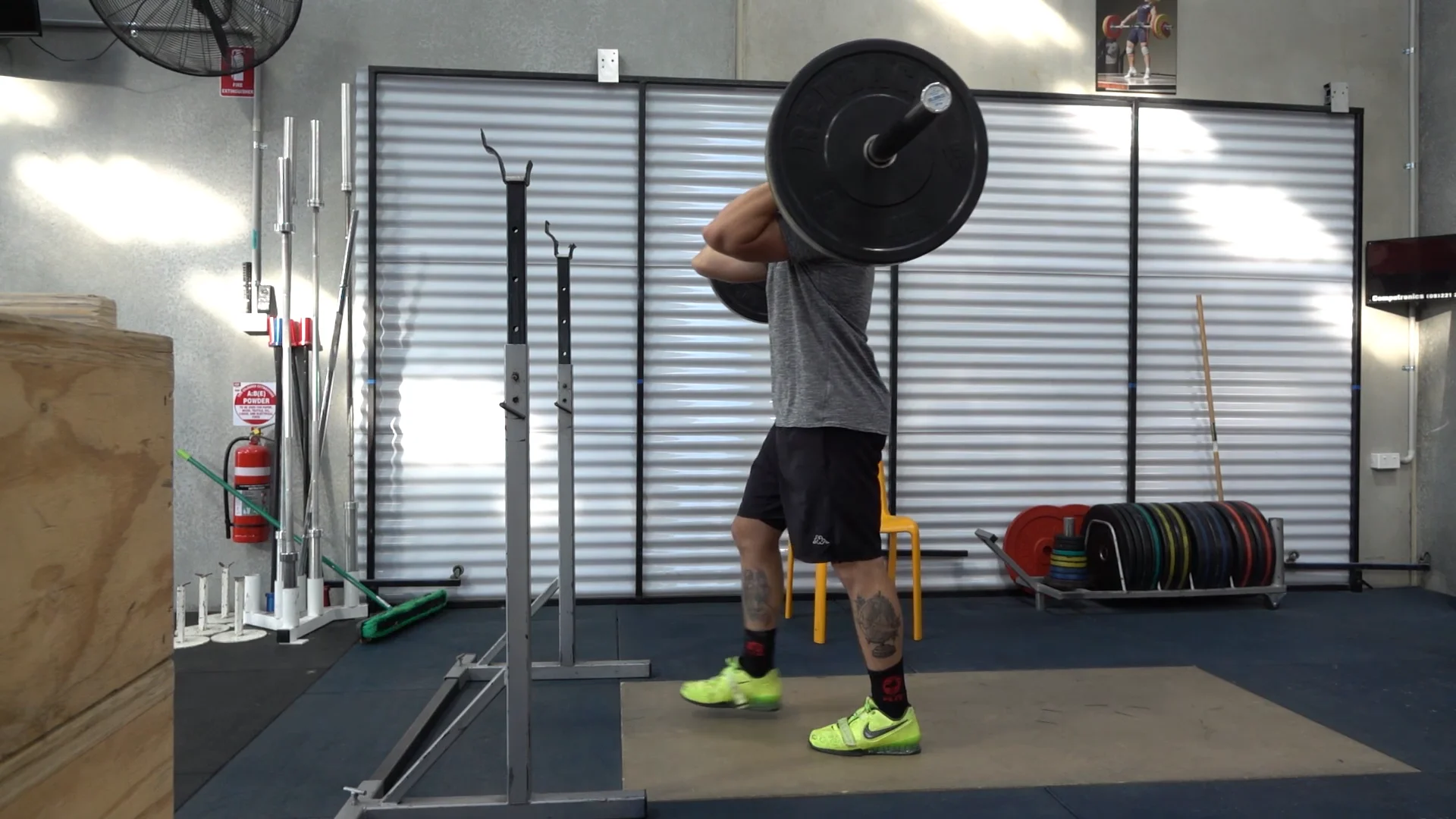
The ordinary jerk still deserves careful practice. Establish a secure front rack and a balanced stance, brace, then dip while keeping the trunk upright enough to direct the bar upward. The knees bend to load the legs; the movement is not a deep squat followed by a press. The drive should grow from a controlled change of direction rather than a collapse into the bottom.
A jerk dip squat can isolate position and strength without requiring a full overhead catch. A pause can make it easier to notice a loss of balance. These are coaching options with different purposes, not interchangeable versions of the competition lift. A slow positional drill should not automatically dictate the timing of every full jerk. Match the drill to the fault you are trying to observe.
Use a simple video comparison as a coaching aid: film several manageable repetitions from a consistent side view and look at the relationship between the bar, torso and feet. Does the rack stay secure? Does the chest tip as the knees bend? Does the athlete start chasing the bar forward? A single clear question often produces more useful feedback than trying to correct five things between every attempt.
The accompanying front-rack photograph illustrates the starting setup for dip practice, not a measured dip depth. Keep that same precision in your analysis. A still photograph cannot show acceleration or prove that a lifter brakes effectively. When balance deteriorates, reduce the task until the athlete can repeat it deliberately, then rebuild the complete movement with feedback from someone qualified to coach weightlifting.
A jump test and a successful jerk answer different questions
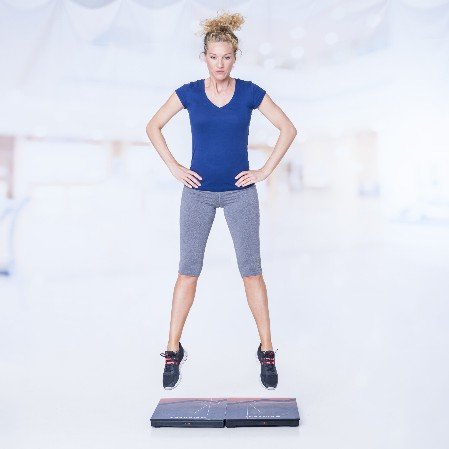
A countermovement jump is useful because it separates several aspects of an explosive action. An athlete first lowers, then arrests that downward motion and pushes upward before leaving the ground. Force-plate analysis can describe how that sequence unfolds. Jump height is one outcome; the way the athlete produces it can also change. A faster phase alone does not tell you whether the entire performance improved.
For the jerk, the final task includes moving under a bar, establishing a stable receiving position and completing the recovery. A change in the dip is therefore one part of a much larger skill. It is reasonable to investigate that part without pretending it settles the whole competition result. Avoid translating every favorable movement variable into a promised increase in kilograms on the platform.
If you monitor jumps alongside lifting, standardize the test you actually use. Keep the arm position, instructions, warm-up, surface and measuring method consistent. Label different conditions separately. A hands-on-hips jump and an arm-swing jump should not quietly share one progress line. The same applies when comparing a rested session with a test squeezed in after heavy leg work.
Consider an illustrative log: your jump result stays steady while jerk misses become less frequent at a familiar training load. That may still be a useful improvement in the skill you care about. Conversely, a better jump accompanied by a less secure overhead catch gives you a different coaching priority. Choose a small number of meaningful observations rather than collecting measurements without a plan for how they affect training.
Make advanced methods earn their place in the program
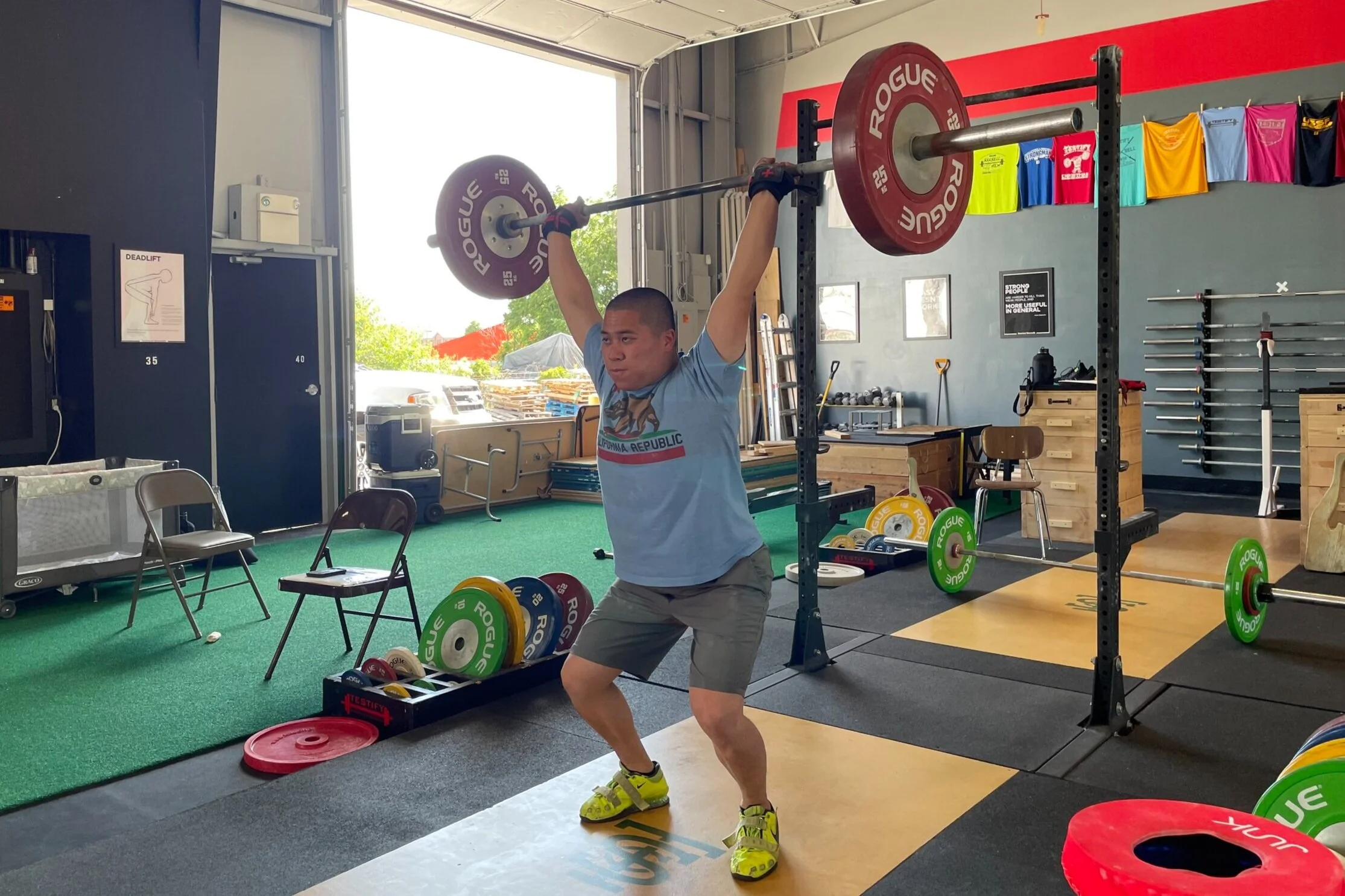
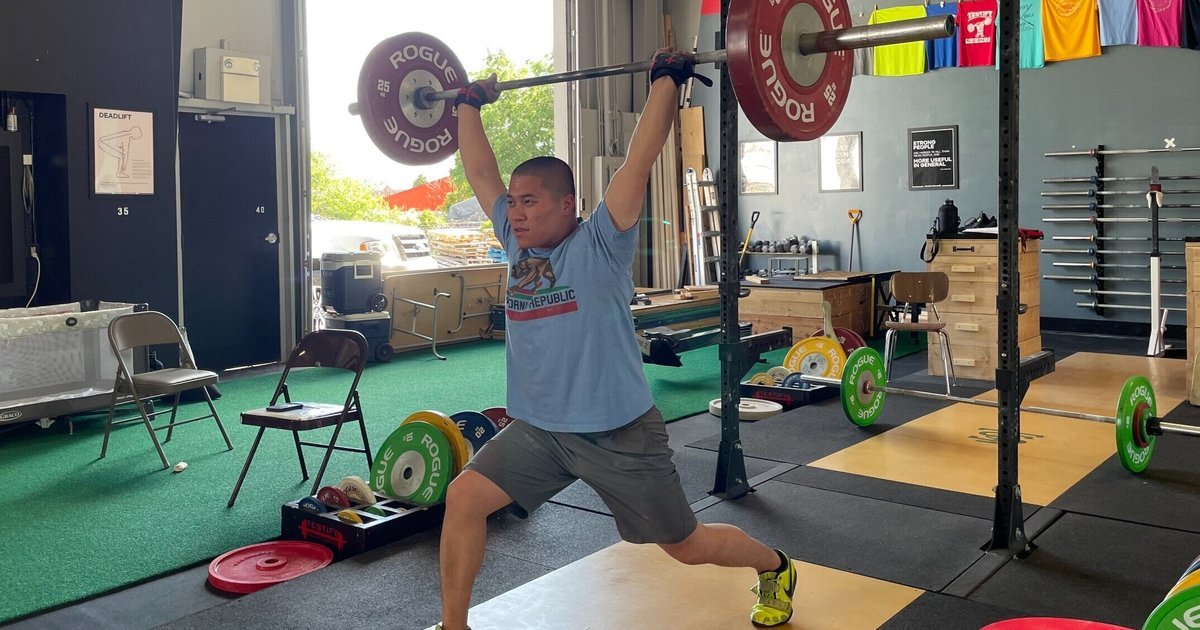
Start with the ordinary lift and an explicit objective. Is the current priority a more balanced dip, a completed leg drive or a consistent split reception? A power jerk receives the bar in a partial squat; a split jerk uses a staggered stance. Recognizing that distinction helps keep assistance work purposeful. A photograph of one variation should not be mistaken for evidence that all receiving styles solve the same problem.
A practical review process is to keep a short baseline period, introduce one coach-selected adjustment and then compare repeatable sessions. Write down the load, successful attempts, technical observation and how the session affected later work. This is an example of organizing feedback, not a reproduction of the trial protocol. Its value comes from making your choices visible enough to revise.
Count the cost as well as the intended benefit. More setup time can mean fewer quality attempts within a fixed session. More demanding assistance work may change how the following training day feels. If an advanced method needs substantial supervision and equipment, a modest or uncertain advantage has to justify that burden for your circumstances. Familiar training can remain a sensible choice while you investigate an individual weakness.
Finally, give the experiment an exit condition. If a drill repeatedly disrupts the rack position, creates new uncertainty or fails to help the intended task, discuss removing it with your coach. Repeated practice, sensible loading and clear feedback deserve attention before novelty. The useful lesson is to judge an advanced method by what it contributes to an athlete's complete program, with the ordinary lift remaining the reference point for progress.
Keep notes brief enough that you will actually use them. One line about the intended correction, one about what happened and one about the next decision can be enough. A complicated spreadsheet cannot rescue an unclear objective. Review the record with your coach before adding another variable, especially when an upcoming competition makes consistent practice more valuable than an unfamiliar experiment.

Funny Gym Shirts & Workout Gear
Funny gym shirts, tanks, hoodies and workout gear for lifters who like training hard.

Safety Practice Safe Sets Hooded Jumper Top Hoodie
Show off your bodybuilding humor in a laid-back “Gym Safety” hoodie.

Meme – "Shhh I'M Doing Plate Math" Sweater & Jumper T-Shirt
Keep things casual with a little “"Shhh I'm Doing Plate Math" Workout Sweater” attitude.

Barbell Heartbeat Muscle Shirt Athletic Vest for Powerl Tank Top
Train hard, laugh a little, and rep “Barbell Heartbeat”.

Barbell Crossed Weights 45LB Plate Hardcore Workout Gra T-Shirt
Show some powerlifting attitude with a playful “Classic Barbell Crossed Weights 45LB Plate” tee.

Lift Heavy – Hardcore Heavy Metal Powerlifting for Seri Hoodie
Show off your metalhead humor in a laid-back “Lift Heavy” hoodie.

Barbells and Suffering – Demonic Heavy Metal Gym Crewne T-Shirt
Show some gym-day personality with “Barbells and Suffering”.

Stronger Than Excuses Tank
Show some personality between sets with “Be Stronger Than Your Excuses”.

Lift Smart Brain Weight Plate Mind Muscle Connection 45 Tank Top
Add some lifting attitude to training with “Lift Smart Brain Weight Plate”.

Habit Stoic Sigma Greek God Marble Sculpture & T-Shirt
Bring “Habit Stoic Sigma Greek God Marble” humor to your next gym day.

Lift Eat Sleep Repeat Meme Sweater & T-Shirt
Bring “Lift Eat Sleep Repeat” humor to your everyday gym style.