Advertising disclosure: This page includes affiliate product links that may earn us a commission, as well as products from our own store.
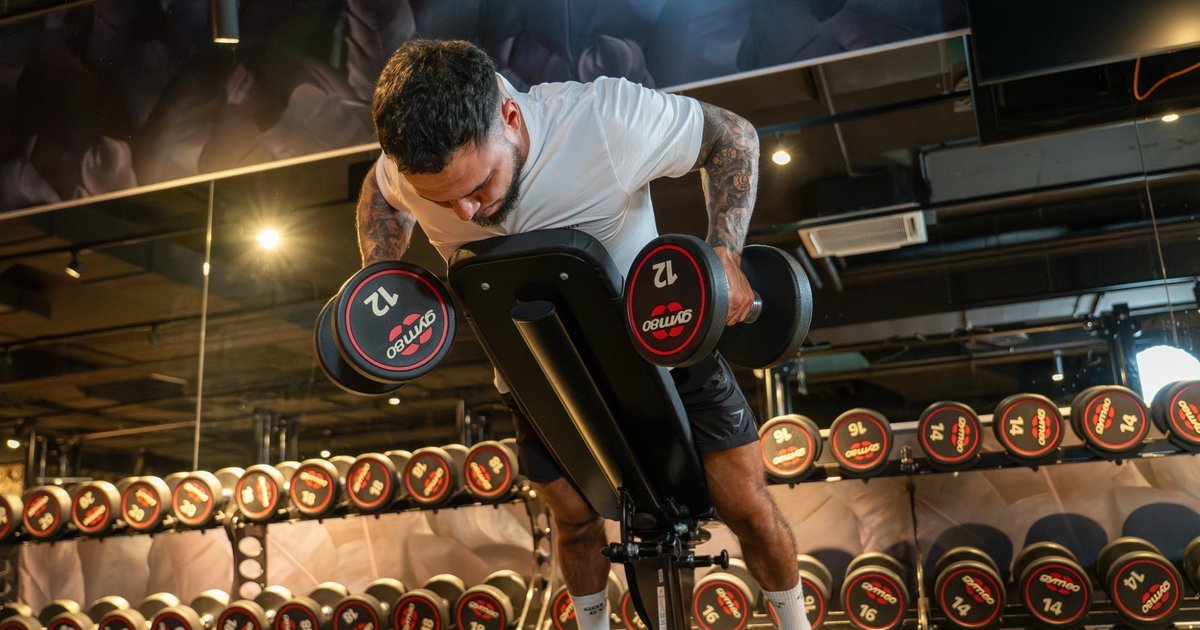
Chest-supported dumbbell rows are a straightforward way to train the back without asking your lower back to hold a bent-over position for every repetition. The bench gives your torso a stable reference point. Your lats, mid-back, rear shoulders and elbow flexors still have to move the weights, and your technique still determines how much useful work each set provides.
That stability is the attraction, but it is not a shortcut to perfect form. If the bench is too low, the bells hit the floor; if your chest keeps lifting away from the pad, support becomes decoration. Set the station carefully, choose the elbow path you can repeat and progress the row by the quality of the reps rather than the biggest dumbbells available.
Set the incline bench so your chest is supported and the bells clear the floor
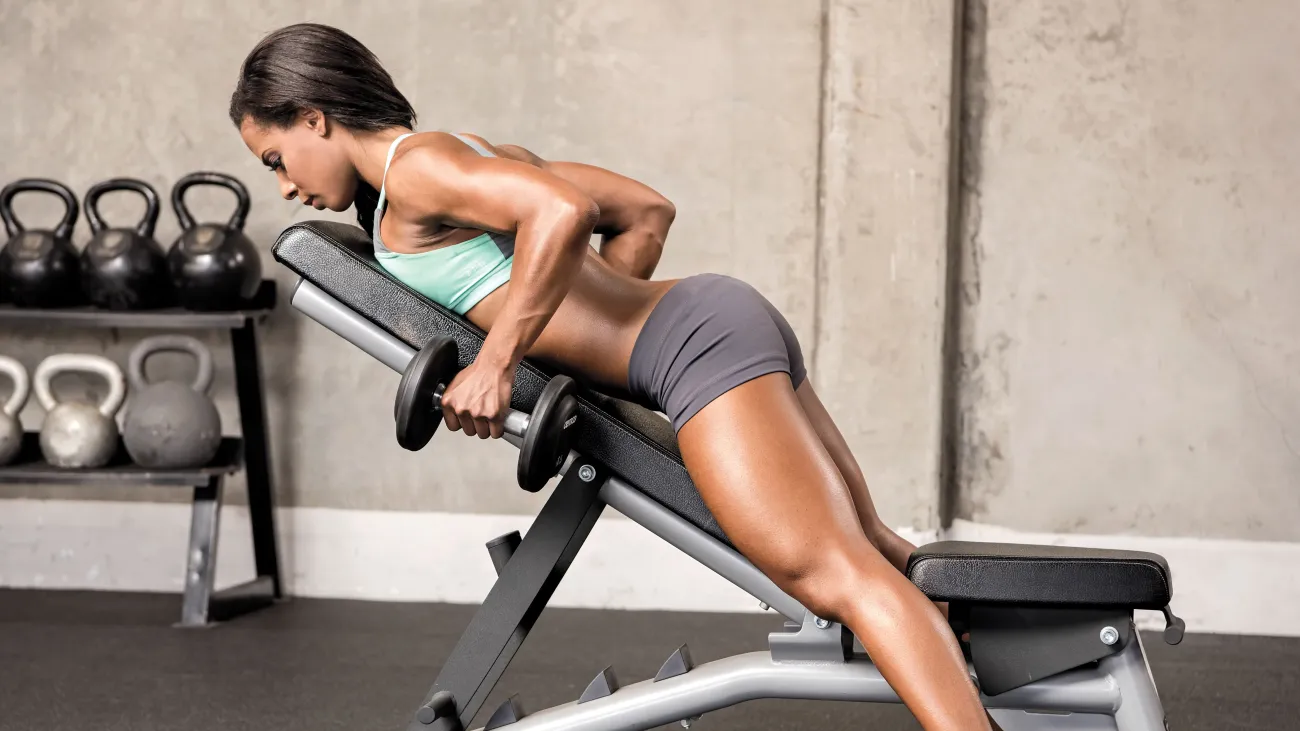
Begin with an adjustable bench at roughly 30–45 degrees. That is a practical starting zone, not a magic angle. A flatter position can put your body closer to horizontal but may reduce floor clearance; a steeper pad often makes it easier to position the bells and can change where the row feels strongest. Test the angle without weight first, then choose one setting you can consistently reproduce.
Walk around the bench and inspect its feet, pad latch and space on both sides. On some benches the seat cushion gets in the way when you lie face-down. Use a position in which the upper chest stays comfortably on the long pad, the head can remain neutral and neither hip nor abdomen is pinched awkwardly. Plant both feet wide enough to prevent shifting while leaving the knees clear of the moving dumbbells. A bench that rocks on an uneven floor is not a safe platform for heavier rowing.
Take light weights and let both arms hang toward the floor. Can you reach a natural long-arm position without the dumbbells or plates scraping the ground? Can you raise them without smashing the bench frame? If either answer is no, adjust your position, bench incline or dumbbell size before raising the load. Bigger adjustable bells can be physically bulkier than fixed hex dumbbells of a similar weight, so check clearance with the actual equipment you will use.
Keep the ribs in contact with the pad rather than trying to arch upward to look forward. Breathe with the torso supported and keep the neck in line with the upper back. If the top edge of the bench presses painfully into the sternum, shift slightly and reassess the fit. You should feel stable enough that balance and bench discomfort are not what end the set.
A useful setup check is to hold the bottom position for two seconds. The bells should be still, the arms nearly straight and the torso quiet. If you cannot do that with your planned starting weight, the first adjustment is generally to reduce the load, not to create momentum.

Equipment Worth Exploring
Explore equipment, accessories and gear from our carefully selected range.


FID Bench MAX
Adjustable bench offering flat, incline, and decline positions + adjustable headrest.


Multi Bench MBX-650 2.0
Adjustable multi-bench with roller adjustment, 15 backrest positions and accessory mounts.


Rubber Hex Dumbbells
Rubber-coated hex dumbbell pairs with a stable shape for home and commercial strength training.


Leather Lifting Straps
Padded leather straps support grip during heavy rows, deadlifts and pulling exercises.

Leather Wrist Grips
Padded leather lifting grips help support the hands and wrists on heavy pulling exercises.
Row toward the lower ribs, then return through the full controllable range
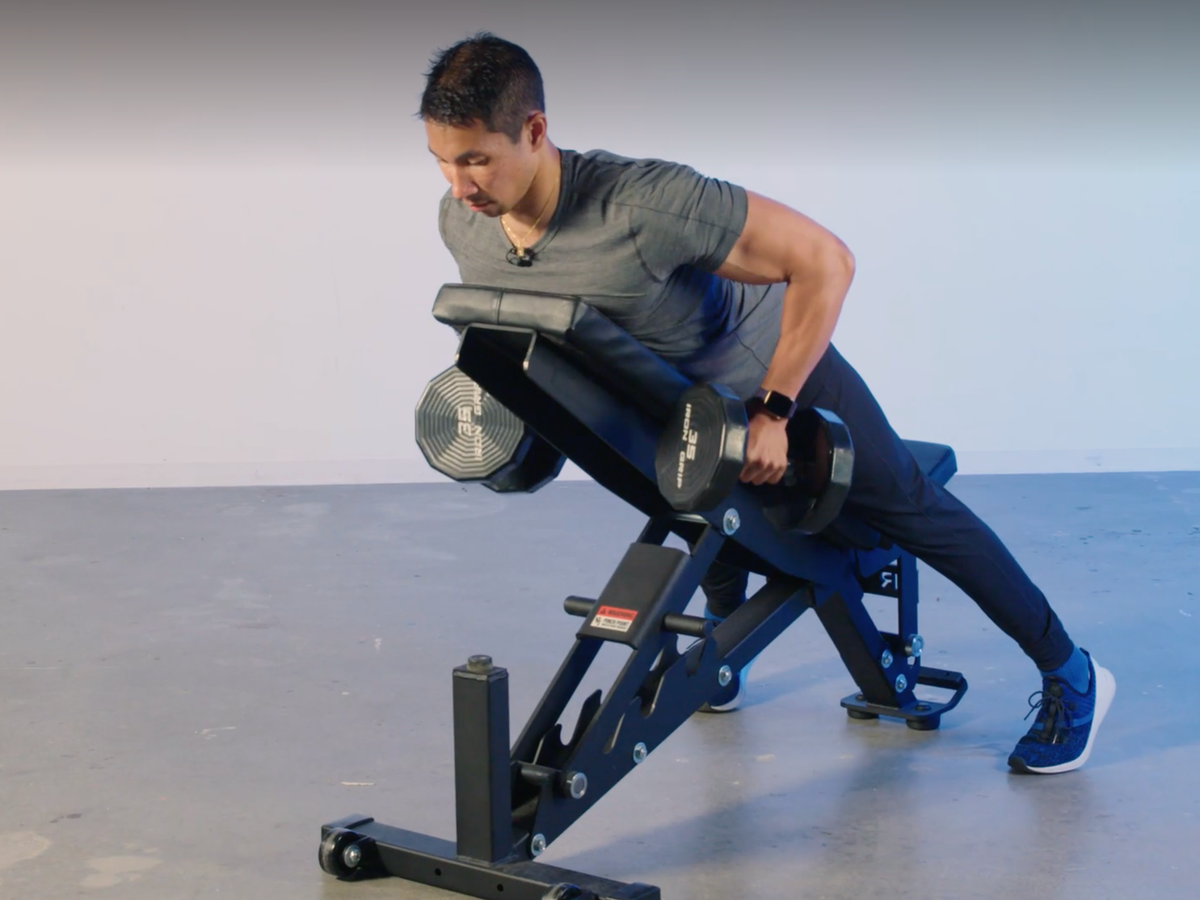
Start with a neutral grip, palms generally facing each other, and allow the arms to extend below the shoulders. Keeping the chest in contact with the pad, move the elbows behind you while bringing the dumbbells toward the lower ribs or upper waist. Think about the upper arm moving backward, not about curling the bell to the shoulder. The hands are the connection to the load, but the elbow path describes the pull.
For a lat-biased row, many lifters find a slightly tucked elbow and a destination nearer the hip comfortable. There is no need to glue your elbows to the ribs; natural shoulder motion is more important than enforcing a fixed number of degrees. Keep the wrists approximately stacked with the forearms and avoid aggressively twisting a handle halfway through the movement if it changes your shoulder position.
Near the top, let the shoulder blades move in a controlled way instead of pinning them backward for the entire set. Pause briefly if you can do so without lifting the chest from the pad or shrugging the shoulders toward the ears. The dumbbells do not have to touch your body, and a slightly different terminal position on one side is not automatically a reason to force the shoulder farther back.
Lower the bells smoothly until the arms return to a long, comfortable position. Do not drop the weight into the shoulder joint or use the floor as a rebound. A deliberate lowering phase gives you a chance to check whether the chest remains planted. If you must shorten the bottom range to keep the dumbbells off the floor, change the setup before accepting repeated half reps.
Try five light repetitions as a rehearsal. Watch whether the bells rise and lower symmetrically and whether the bench or your pelvis shifts. Only after the motion looks repeatable should you move to your actual working sets. For most hypertrophy sessions, keeping one or two clean repetitions available will produce more useful training than a heroic last rep that turns into a torso extension.
Use the elbow angle and shoulder blades to decide which back muscles work hardest
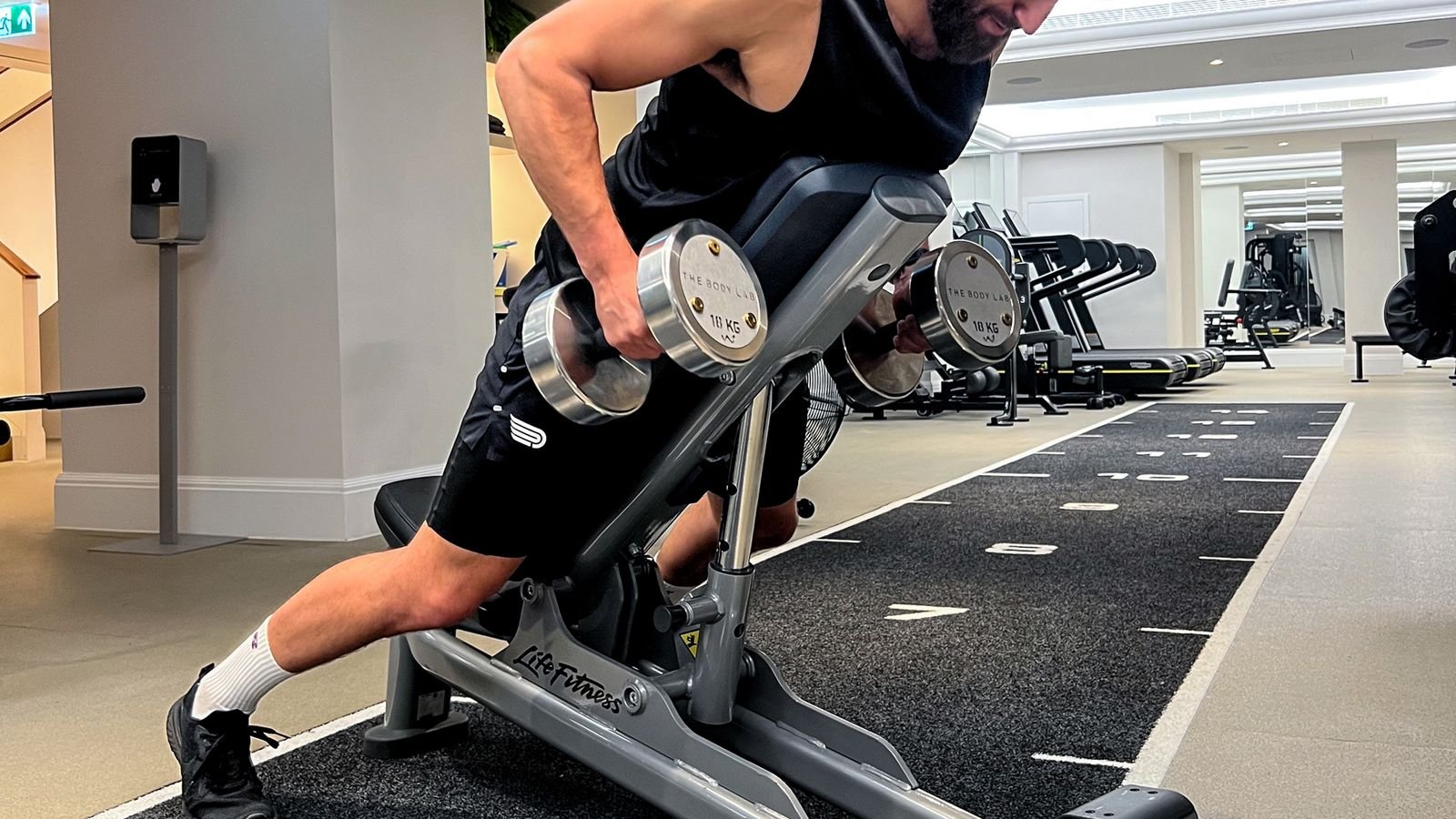
The chest-supported row trains several muscles at once. The latissimus dorsi helps draw the upper arm backward; the middle trapezius and rhomboid region contribute to shoulder-blade motion; the rear deltoid contributes when the upper arm moves backward or outward. The biceps and other elbow flexors help bend the elbow, while the forearms maintain the grip. No single cue fully isolates one back muscle.
When your elbows stay somewhat close to the body and the bells travel toward the waist, it is often easier to feel the lats contributing. Open the elbows somewhat and row higher toward the upper ribs, and the upper back and rear shoulders may become more noticeable. These are useful coaching variations, not proof that a muscle switches off when you change the line of pull. Shoulder structure, grip comfort and bench angle all affect how the movement feels.
At the bottom, allow some controlled forward motion of the shoulder blades so your upper back is not locked rigidly throughout the rep. At the top, draw them toward the spine as needed for the row, without jamming the shoulders up. The range should be earned by the shoulder and upper arm, not by twisting the trunk or extending the lower back against the bench.
One common misunderstanding is that a stable exercise must always be mechanically superior to a free-standing one. Support reduces the need to hold the torso in position, which can be useful after squats, deadlifts or demanding hinges. That does not establish a universal muscle-growth advantage over bent-over rows. Both can be productive; the better choice often depends on fatigue, equipment, comfort and whether you can repeat the movement under load.
If grip gives out before the back is tired, you may consider lifting straps for your heavier working sets. Use them to support the intended back stimulus, not to hide poor grip technique. If forearm strength is itself a training goal, some unstrapped work still makes sense. The goal is to decide deliberately what should limit a particular set.

Bodybuilding Shirts & Workout Gear
Bodybuilding shirts, tanks and gym gear for lifters chasing muscle, size, symmetry and the pump.


Strong Back Bodybuilder Tee
Show some lifting attitude with a playful “Strong Back Bodybuilder” tee.


Nice Traps Big Back Tee
Heavy lifts, good laughs, and a little “Nice Traps Big Back” energy.

Back To The – Sci-Fi Futuristic & Gains – Meme Top T-Shirt
Make gym days more fun with “Back to” style.
Fix momentum, excessive shrugging and the bench-lift problem before adding weight

A particularly clear warning sign is the chest bouncing away from the pad every time the bells approach the ribs. At that point the lift becomes partly a back extension and partly a row. Choose lighter dumbbells, shorten an uncomfortable top position if necessary and regain steady contact throughout each rep. A clean top pause is a better test than the number painted on a bell.
Another common mistake is trying to bring the dumbbell as high as physically possible. A huge elbow flare or exaggerated reach behind the torso may irritate the shoulder without adding valuable range. Use a path that matches the elbow and shoulder joints, and stop where your torso can stay still. A long range of motion is generally worthwhile only if you can control it.
If the shoulders race toward the ears on each pull, the upper traps may be taking over the motion more than you intended. Keep the neck long and aim the elbows backward, then let the shoulder blades move naturally. Do not force a hard downward depression if that creates discomfort. Some upper-trap movement is normal in rowing; the problem is losing control and replacing the planned path with a shrug.
Uneven repetitions deserve attention. You might have one dumbbell striking the bench, one elbow traveling much higher or one hip lifting. First check that the bench is centered and both feet are planted. Next compare the weights and the range on both sides. If the difference persists, use a lighter pair and film a set from an oblique angle rather than assuming the stronger side should set the standard.
Finally, watch the temptation to rush. On a machine the visible cable or lever can help show the path; on a free dumbbell row the bells can swing in a wide arc. If the weights keep traveling after your elbows stop, that is momentum, not another inch of back contraction. Control the first and last rep just as carefully as the middle ones.
Compare the bench-supported dumbbell row with machines, T-bars and bent-over rows
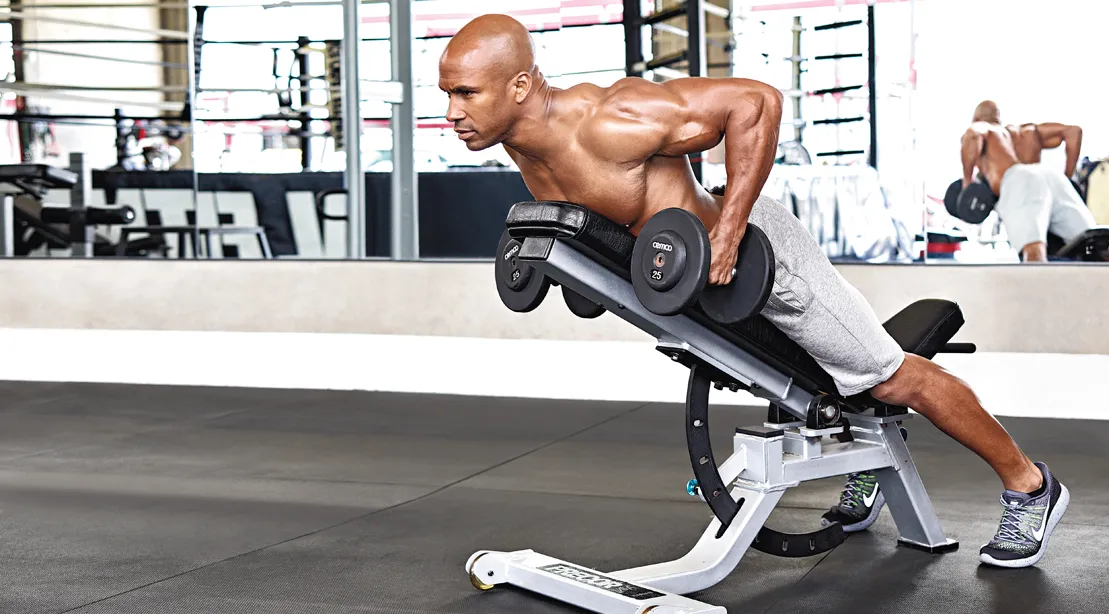
Chest support is a setup choice, not a distinct muscle group. A dedicated chest-supported row machine may offer a fixed handle path, stable platform and rapid load changes. Its handles, width and chest pad might fit you beautifully—or not. Dumbbells offer more freedom to rotate the wrists and adjust the row angle independently on each side, but they may be limited by bench clearance, the available weight increments or awkward pickup.
A chest-supported T-bar row uses a bar or lever that travels around a pivot. It can load the back heavily and makes the movement easy to repeat, though the arc and grip options depend on the particular machine. A seal row puts the body more horizontal above a bench or platform, often using a barbell or dumbbells; it requires enough height for the weights to hang freely. These are all reasonable alternatives if they suit your equipment and shoulders.
Traditional bent-over barbell rows retain a meaningful role, particularly for lifters who want to practice controlling a loaded hip hinge while pulling. They demand more work from the spinal erectors and other stabilizers. If your lower back is already fatigued by hard leg training, chest-supported rows can separate the upper-back stimulus from that postural demand. That is an advantage in workout planning, not a declaration that one lift replaces the other for every athlete.
A one-arm dumbbell row with a hand or knee supported on a bench makes it easy to focus on one side at a time. That can be useful when equipment is limited or when left-right coordination differs. It usually takes longer to finish the same number of bilateral sets, and the supporting position changes the feel. Seated cable rows and lat pulldowns are also complementary: a horizontal pull and a vertical pull expose the upper back and lats to different arm paths without requiring every back exercise to look identical.
For a practical comparison, hold your effort level, intended rep range and technique quality similar, then see which variation lets you add good repetitions over several sessions without discomfort. Do not compare the heaviest load on two different machines as if the mechanical resistance were automatically equal.
Equipment Worth Exploring
Explore equipment, accessories and gear from our carefully selected range.

Linear Row LRX-750
Dual-sided rowing machine for supported rows, bent-over rows and varied pulling movements.

Lateral Row Machine LRM-720
Rowing machine with independent lever arms, an adjustable seat and chest support.

T-Bar Row Attachment
Welded barbell attachment that connects a D-handle bar for landmine and T-bar rows.

GymPin Barbell Row Handle
Heavy-duty handle attachment for barbell, landmine and T-bar rows.

VForce Lat Tower
Wall-mounted cable tower with pivot arms and adjustable 1:1 or 2:1 pulley ratios.

Trinity Lat Machine LSW-850
Weight-stack pulldown tower offering three cable directions and adjustable seated support.
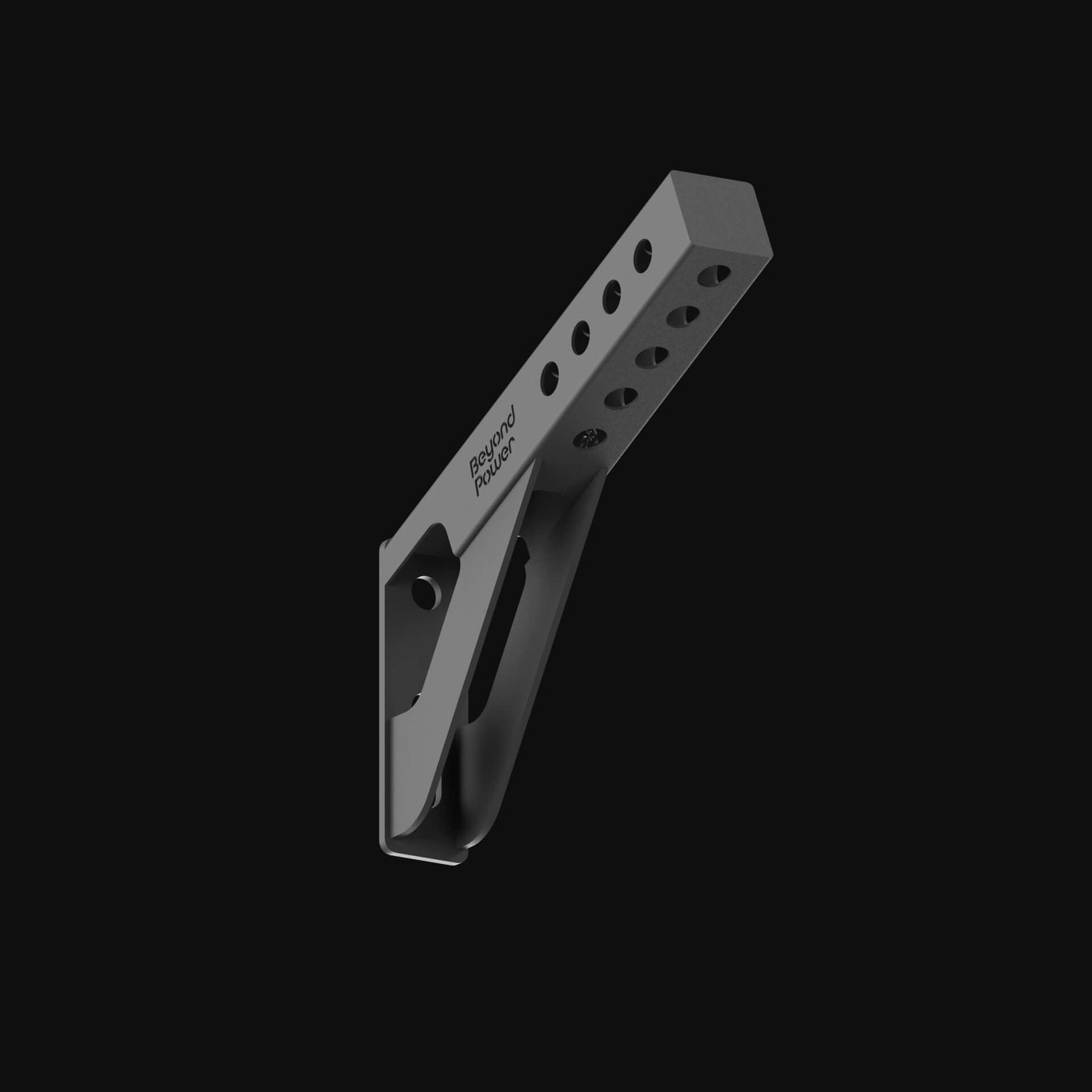
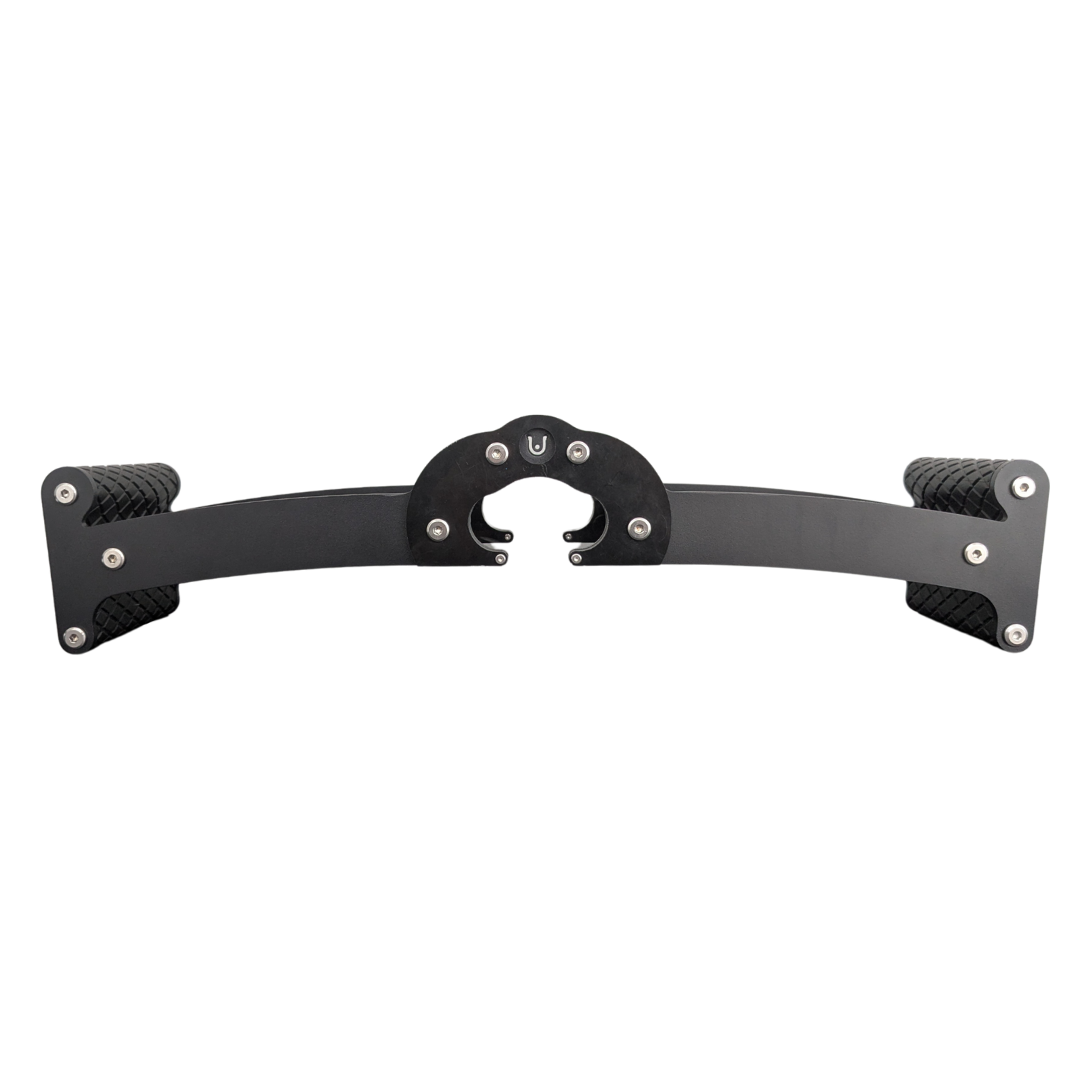
Back Bar
Multi-grip cable and landmine bar with a built-in deadlift jack.


Lat Pulldown Set
Multi-grip cable attachment set for pulldowns, rows, and varied upper-body training.
Build four weeks of progressive rows without turning every set into a max test
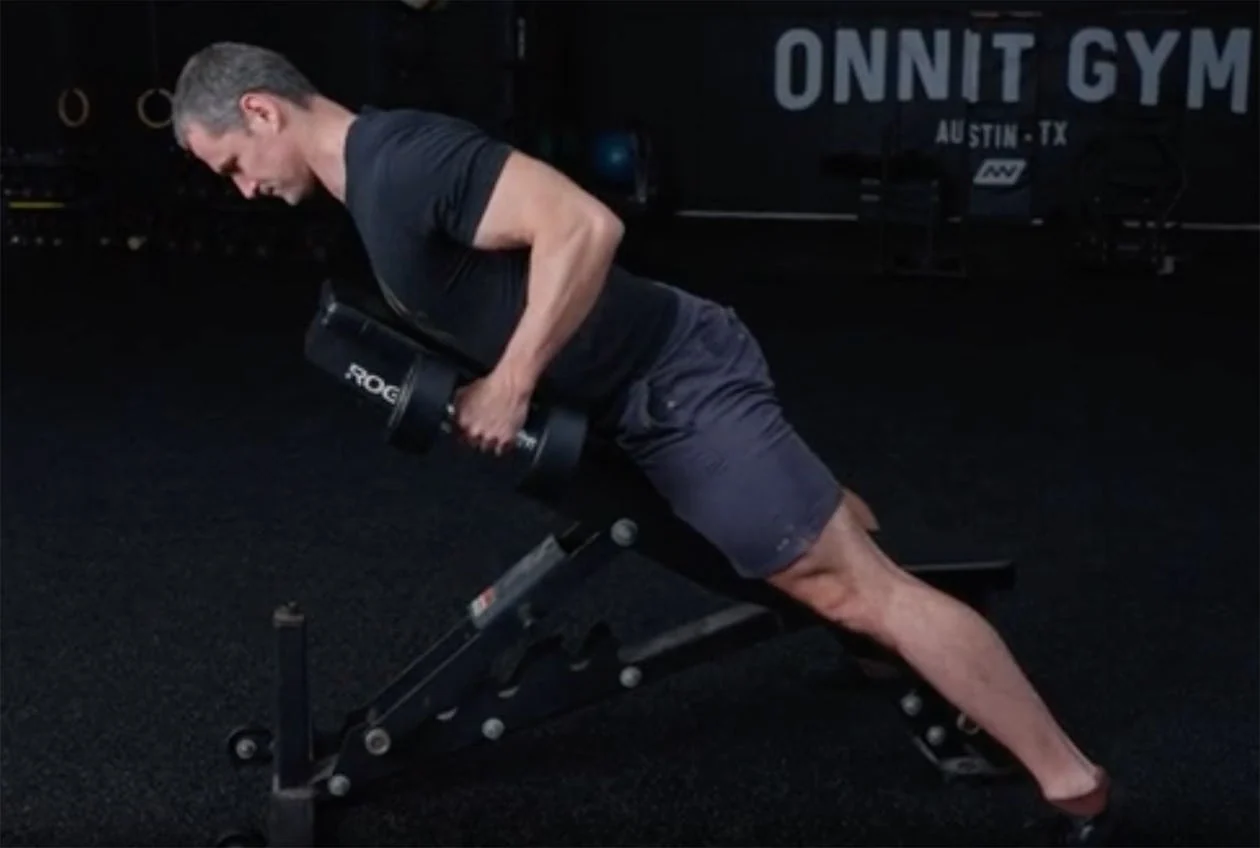
Place chest-supported dumbbell rows after a primary vertical pull or before it, depending on which movement you want to prioritize. Two to four working sets of roughly eight to fifteen controlled repetitions is a sensible starting prescription for many recreational lifters. The right volume also depends on your other rowing and pulling work, training age and recovery; those numbers are a plan to test rather than a universal rule.
Week 1: establish your repeatable baseline. Pick a bench angle and foot position, then choose dumbbells you can row for three sets of ten with about two repetitions left in reserve. Record the bench setting, weights and honest range of motion. A quick short video from the side can help confirm that the pad contact remains constant across the set.
Week 2: earn more clean repetitions. Keep the same weights and aim for an additional rep per set where practical, without bouncing your chest or pulling the elbows into an uncomfortable position. If you hit twelve repetitions in all sets with the same controlled motion, you have evidence of progress. Do not treat an extra partial rep as equivalent to a clean full-range one.
Week 3: add the smallest appropriate load. If you reached the high end of your rep target, move up one dumbbell increment and accept that repetitions might temporarily fall back toward eight. If the jump is large, another week of reps at the current weight is a perfectly good choice. Some adjustable dumbbells increase in bigger steps than others, so progression cannot always follow an exact calendar.
Week 4: consolidate and check fatigue. Try to match or modestly improve last week’s quality at the same load. If soreness, joint irritation or global fatigue is unusually high, reduce a set or stop further from failure instead of chasing the plan mechanically. The useful trend is more stable, hard pulling over time—not a requirement to beat your own numbers every Wednesday.
You can pair rows with a press if the schedule is tight, but allow enough rest that each set remains productive. Keep a vertical pull somewhere in the week and avoid counting every biceps exercise as a full substitute for back work. If a supported row causes pain rather than ordinary muscular effort, change the setup or exercise; if symptoms persist, seek an appropriate professional assessment. The best row is the one you can train, measure and repeat for months.
Funny Gym Shirts & Workout Gear
Funny gym shirts, tanks, hoodies and workout gear for lifters who like training hard.

Shirt – Train Hard Gains – Meme , & Workouts T-Shirt
Bring “Train Hard Gains” humor to your next gym day.

Shirt – My Therapist Says Lift More – Is My Therapy T-Shirt
Show some powerlifting attitude with a playful “My Therapist Says Lift More” tee.

Break The Stereotype Girl – Strong Woman Dumbbell – T-Shirt
Make gym days more fun with “Break The Stereotype Gym Girl” style.

Lift With Me Renaissance Michelangelo Sistine Chapel T-Shirt
Heavy lifts, good laughs, and a little “Lift With Me Gym Renaissance” energy.

Live Love Lift – Beer Donuts Lifting Meme Gymbros, T-Shirt
Heavy lifts, good laughs, and a little “Live Love Lift” energy.

Do You Even Lift Bro? Meme – Essential Forklift Top T-Shirt
Rep “Do You Even Lift Bro?” humor in and out of the gym.

Shirt – Gains Time – Gymbro Meme & – & Top T-Shirt
Show some powerlifting attitude with a playful “Gains Time” tee.

Light Weight Baby – Ronnie Coleman Meme , & Gains – T-Shirt
A t-shirt featuring the Light Weight Baby – Ronnie Coleman Meme , & Gains – Bro Humor design for lifters who appreciate gym-themed style.

Live Love Lift – Gymbro Meme & Gains – Shirt T-Shirt
Rep “Live Love Lift” humor in and out of the gym.
Some product links may be affiliate links, which can support Mind Muscle Perfection at no additional cost to you.