Advertising disclosure: This page includes affiliate product links that may earn us a commission, as well as products from our own store.
The Rogue Echo Bike is a familiar fan-bike platform, but buying and using one involves more than choosing a hard interval. Check the fit, identify the actual console and hardware generation, and plan the space and pacing around the sessions you want to repeat. This is a specification-grounded buying and setup guide, not a hands-on durability review.
Set the seat before judging the workout
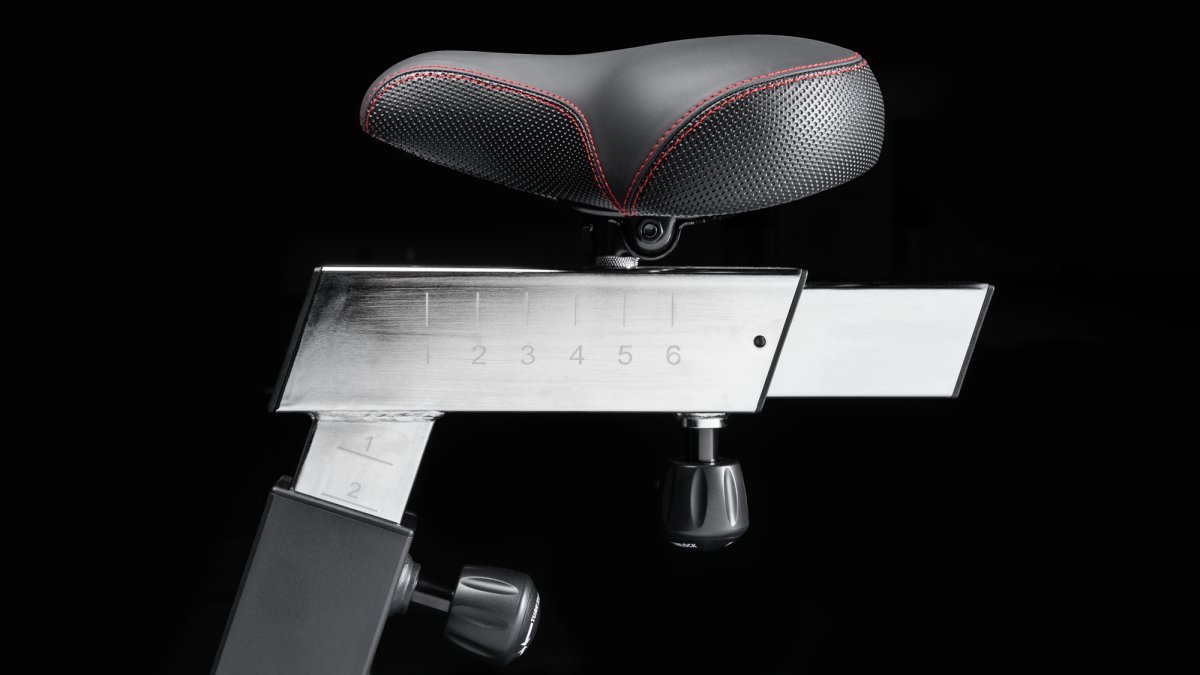
Start with the fit rather than an ambitious interval target. The Rogue Echo Bike offers vertical and fore-aft seat adjustment, so there are two settings to establish before hard efforts. A seat that is convenient for the previous rider is not automatically appropriate for you. Take time to find a comfortable position at an easy pace, then note the settings that work.
Check whether you can pedal smoothly without rocking your hips to reach the bottom of the stroke. Consider the reach to the moving handles as well as the distance to the pedals. A position that feels reasonable for the legs may still make the upper-body movement awkward. If you are unsure about fitting the bike, ask a qualified coach for help instead of using a demanding session to experiment.
Make adjustments with the machine stopped and secure the controls before riding again. Verify that the seat remains fixed when you begin pedalling. If the position changes unexpectedly or something feels loose, stop and resolve it. The seat photograph shows the adjustment hardware and scale; it cannot establish a correct setting for a particular rider.
Fit also matters when several people share a bike. A short note of each rider's settings can make changeovers more consistent, but a remembered number does not replace checking that the adjustment is properly secured. Keep enough time between users to make the change calmly, particularly during a class or a circuit with a tight transition.
Treat comfort as information, not a challenge to overcome. A different saddle position may help a simple fit problem, while persistent discomfort deserves a closer assessment. The strongest first session is one that gives you a repeatable setup and controlled movement, not one that forces you to finish a target despite an obviously unsuitable position.
Identify the console you are actually buying
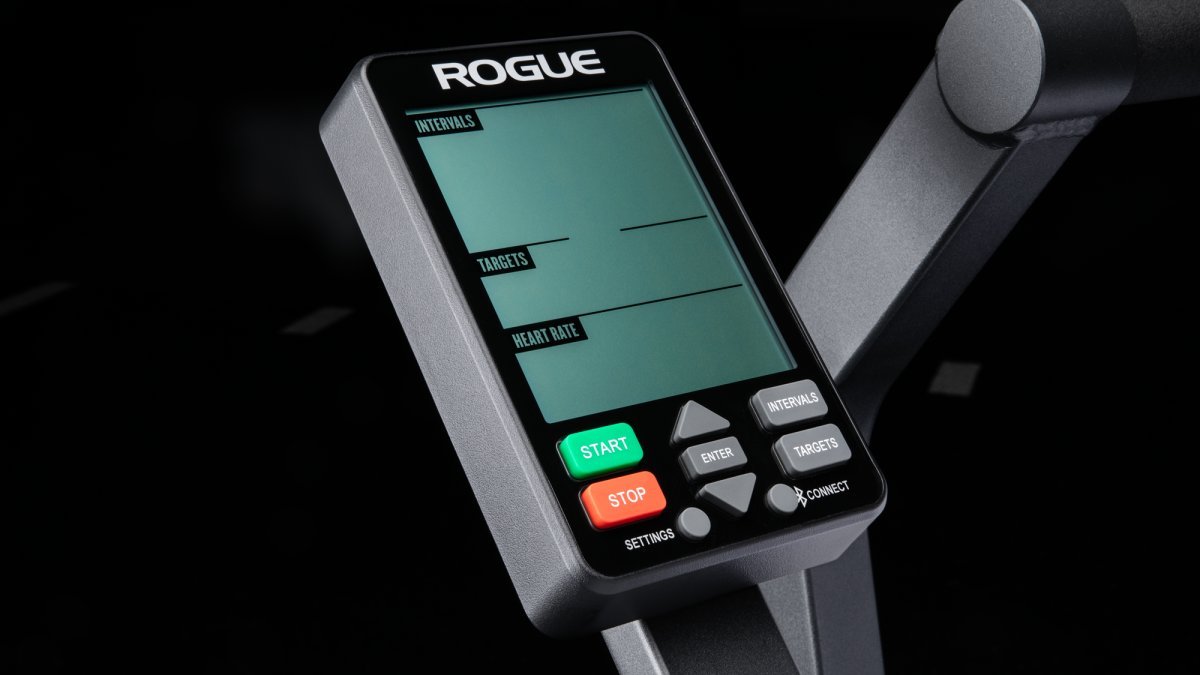
The V3.0 product listing distinguishes the included connected LCD console from the optional M2 Monitor Upgrade Kit. Do not treat photographs of an upgrade or a feature description elsewhere on the page as proof that it comes with the base bike. Confirm the console named in the selected configuration, particularly when comparing listings from different sellers or buying a used machine.
Decide what you need to record before deciding how much display technology matters. Time, the selected workout format and a consistent output measure may be sufficient for a simple repeatable session. More connectivity can be useful when it solves a real logging need, but it does not replace a sensible training plan or make an inappropriate workload suitable.
For heart-rate monitoring, verify the actual sensor protocol and the console's pairing instructions. Bluetooth and ANT+ are not promises that every wearable will send the data you expect in the required way. A separate health tracker, including one used for your wider training routine, should not be assumed to act as a compatible chest strap. Check the specific device before relying on a connection.
Keep comparisons consistent when recording sessions. Write down the bike and monitor used, the workout duration and the chosen units. If you change equipment, treat the new reading as a new reference rather than assuming the same displayed number means identical work. That is especially important when comparing machines from different manufacturers.
The console photograph shows an Echo Bike LCD, not the optional M2 upgrade. Confirm the generation and specifications on the actual bike rather than treating every gallery photograph as a picture of the newest configuration. Learn the controls at low effort before an interval starts. Finding a timer setting while exhausted adds confusion without improving the training.
Learn the moving parts at an easy effort
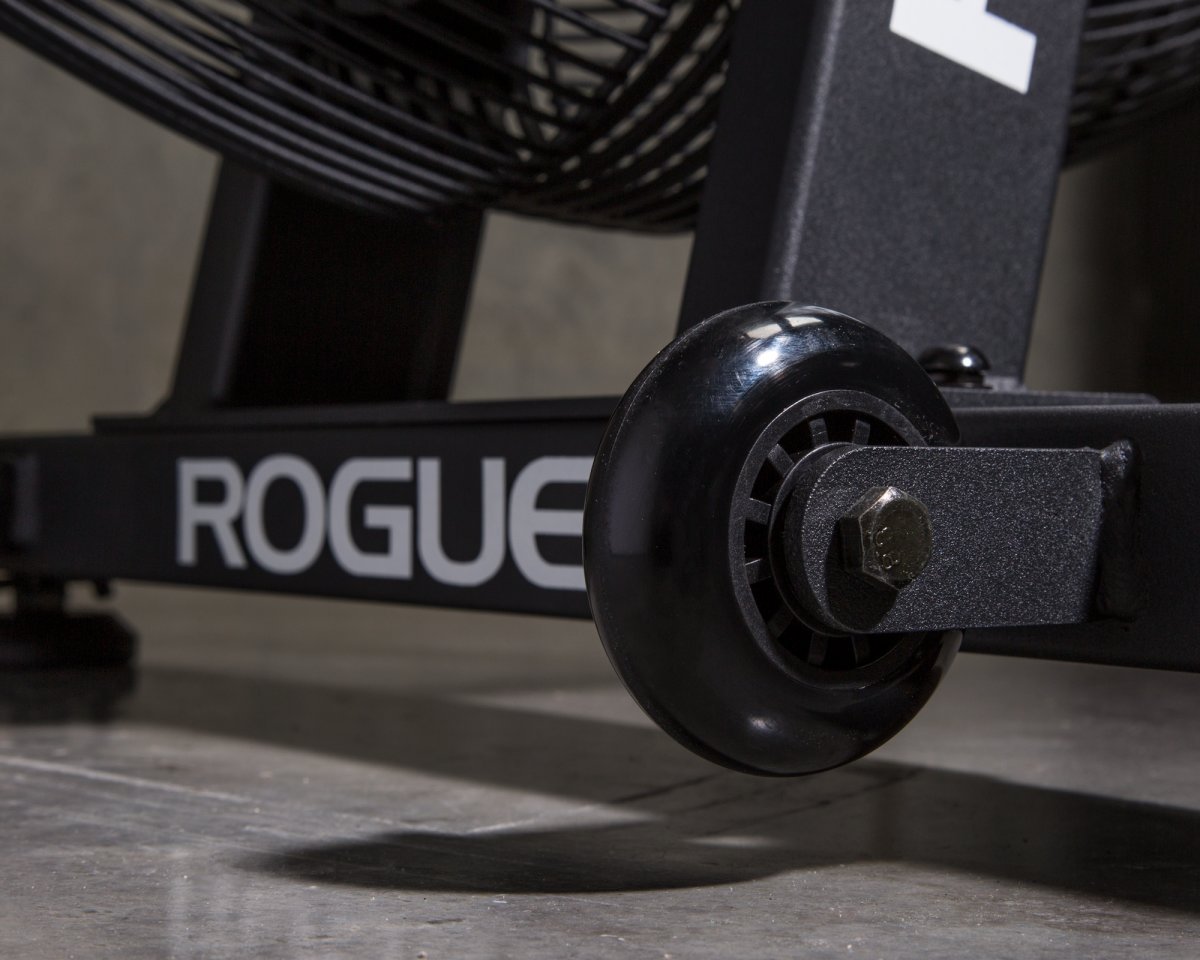
The Echo Bike combines moving handles and pedals, so the first task is to coordinate the whole movement. Begin with an effort that allows you to pay attention to how the machine responds. Check that your feet remain secure on the pedals and that you can keep a controlled hand position throughout the cycle.
Keep clothing, loose items and other people clear of moving components. The bike is not a place to leave a towel draped across a mechanism or a bag against the pedal area. Before you start, look around the machine as well as at the screen. That simple check is particularly useful when equipment is closely spaced or shared between several athletes.
Assembly deserves its own check before the first workout. Use the exact-model instructions and the supplied hardware sequence, rather than assuming the pedals or handle assemblies attach like those on another machine. If you are uncertain about a connection, resolve it with the instructions or manufacturer. A training session is not the time to test whether an uncertain assembly will hold.
Build effort gradually during the warm-up, using the same general movement at an easier pace. Give yourself time to settle into the seat and coordinate the arms and legs. Finish with a gradual reduction in effort rather than making every session an abrupt transition from a hard interval to standing still beside the bike.
Do not interpret a heavy-duty frame as a reason to ignore an unusual movement or sound. Stop if something appears loose, damaged or abnormal and inspect it before continuing. Keep the machine's condition separate from your willingness to work hard. Confidence should come from a sound setup and familiar controls, not from pushing through uncertainty.
Choose a pace that matches the purpose
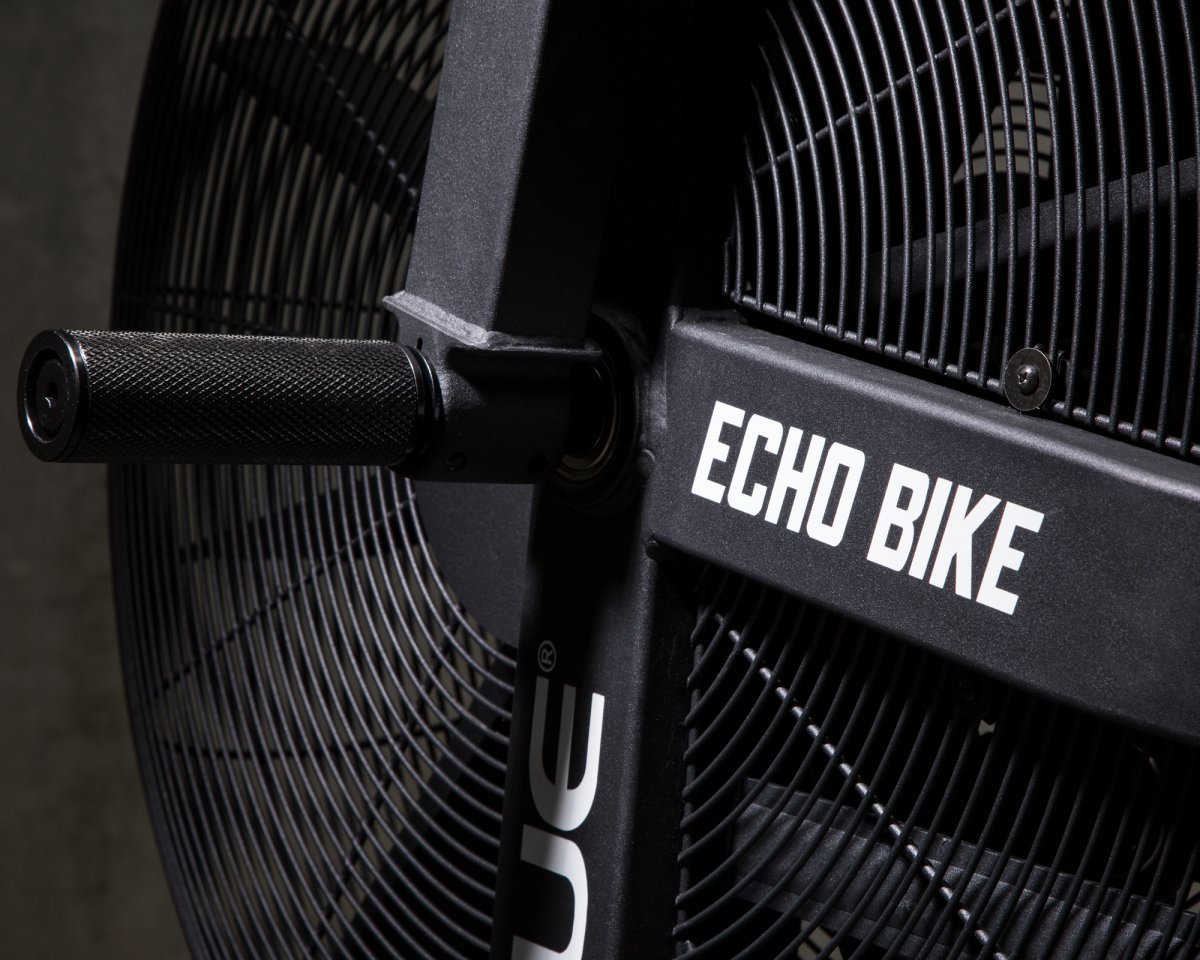
An air bike can make it tempting to turn every visit into a test. Decide first whether the session is an easy warm-up, steady conditioning or deliberately harder intervals. Those are different tasks. A useful warm-up should prepare you for what follows; it does not have to leave you struggling before your main lifting work begins.
Use breathing and perceived effort alongside the screen. Being able to talk but not sing is a rough marker of moderate aerobic intensity, while needing pauses after only a few words suggests a more vigorous effort. These are practical guides rather than a medical test or a promise that everyone should train at the same output.
For a first repeatable session, choose an effort you can sustain with control and record what you did. If you later add intervals, define the work and recovery portions before starting. Avoid increasing duration, effort and the number of intervals simultaneously. Changing one part at a time makes the effect easier to understand and the next session easier to plan.
The belt-driven steel fan is central to the bike's design, but buying the machine does not specify the correct dose of exercise. Judge the workload against your current fitness and the rest of your week. A demanding leg workout and a hard conditioning session may compete for the same recovery resources even when they use different equipment.
A simple training log helps here: record the session format, duration, output measure and how the effort felt. Add a brief note if sleep, previous training or an equipment change affected the session. The point is to build a usable history rather than chase a fresh personal best every time you sit down.

Equipment Worth Exploring
Explore equipment, accessories and gear from our carefully selected range.


Pro Sled System
Heavy-duty push-pull training sled for loaded conditioning, speed, and strength work.

Cast Iron Kettlebells
Textured cast-iron kettlebells for swings, squats, carries, and full-body training.

Competition Wall Ball
Competition-style weighted wall ball for HYROX, wall-ball shots, and functional conditioning.

Slam Ball
Low-bounce weighted slam ball for explosive throws and high-intensity conditioning.
VOLTRA
Compact digital cable trainer with smooth, adjustable resistance.

Rubber Hex Dumbbells
Rubber-coated hex dumbbell pairs with a stable shape for home and commercial strength training.

Plan the working area and the role in your routine
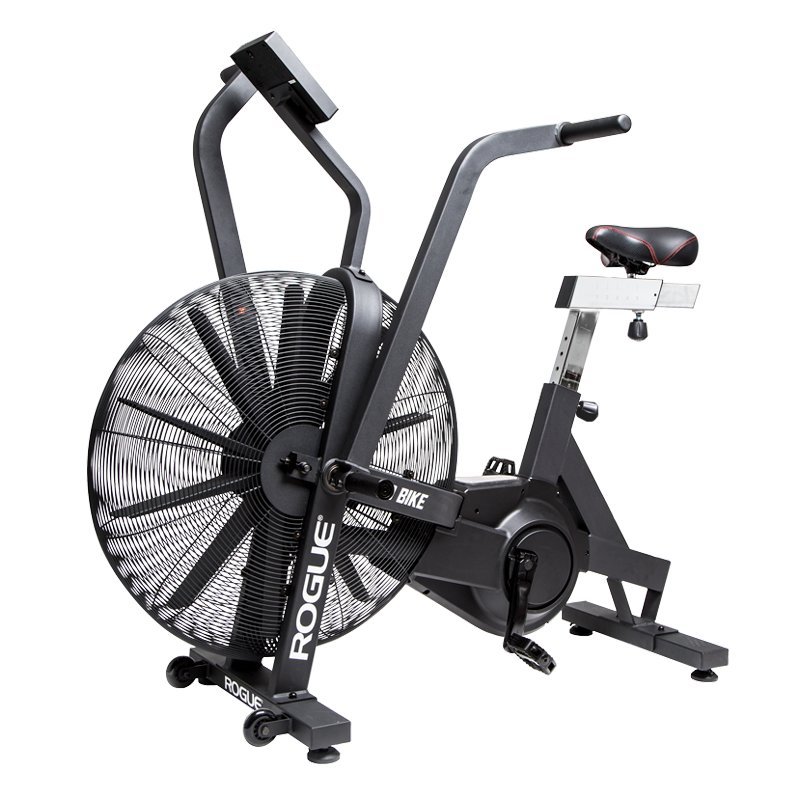
Measure the space needed to use the bike, not just the area covered by its feet. Leave room to get on and off, move the handles, pedal freely and adjust the seat. A machine that physically fits between two other items may still be awkward to use. Consider the route for moving it into place before assuming that transport wheels solve every storage problem.
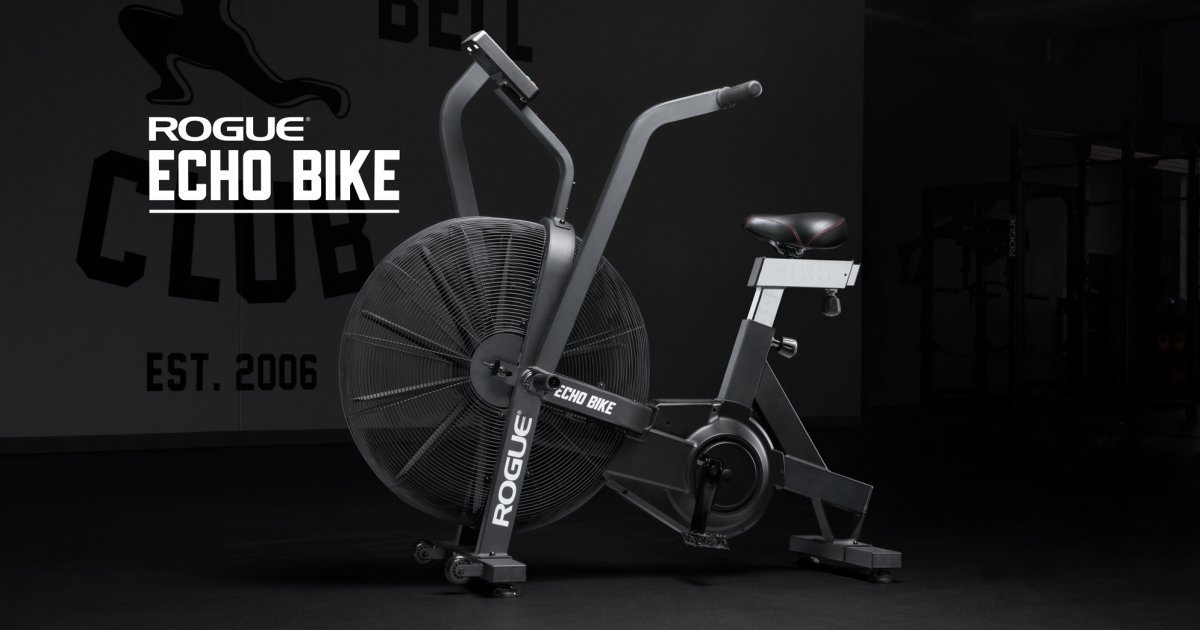
The complete-bike photograph helps show the relationship between the fan cage, handles, seat and base. It does not establish the clearance required in your room. Check the current dimensions, doorways and floor conditions for your own setup, and keep access clear for the people who will use it. A stable placement matters more than squeezing in another piece of equipment.
Choose accessories to solve specific problems. A compatible wind guard, bottle cage or phone holder may be useful, but confirm the exact version and fit before ordering. Adding every option is not the same as building a better training area. It can be more useful to keep the setup simple until you know what interrupts your normal sessions.
Think about how the bike fits with other conditioning choices. Jump rope, sled work, kettlebells, wall balls, slam balls and dumbbell circuits and landmine conditioning place different demands on coordination, space and recovery. A cable-based sled mode is another distinct option, not a substitute claimed to reproduce the Echo Bike. Compare the tasks you actually enjoy and can perform consistently. Audio accessories are optional conveniences; they should never prevent you noticing people or equipment around you.
Before buying, settle five questions: can you find a comfortable fit, do you understand the included console, is the assembly clear, does the workload suit your plan, and is there enough working space? This is a setup and buying guide, not a hands-on durability verdict. The useful result is a machine and routine you can return to consistently.

Cardio Shirts & Workout Gear
Cardio and conditioning gym gear for runners, endurance athletes and anyone who earns the sweat.

Gym Dost Thou Even Pedal Medieval Knight Air Bike Parod Hoodie
Show off your medieval humor in a laid-back “Dost Thou Even Pedal Medieval Knight Air” hoodie.

Anti Cycling Cycling Club – Ironic Cardio Meme & T-Shirt
Show some cardio attitude with a playful “Anti Cycling Cycling Club” tee.


Cardio Is Hardio – Workout Meme Vest Muscle Shirt For S Tank Top
Add some cardio attitude to training with “Cardio Is Hardio”.

Hybrid Athlete – HYROX Training Crewneck for Strength & T-Shirt
Show some gym-day personality with “Hybrid Athlete”.

Don't Quit Do It – Motivational Jumper Pullover For Wor T-Shirt
Show some gym-day personality with “Don't Quit Do It”.

Cardio Is Calling You , Meme Top Answer Or Decline? T-Shirt
Make gym days more fun with “Cardio Is Calling You” style.

Negative Cardio Review Cardio Sucks 1 Star Vest Tank Top
Bring “Negative Cardio Review” humor to your next lifting session.

Death By Cardio Shirt Meme & Top T-Shirt
Bring “Death By Cardio” humor to your next gym day.