Advertising disclosure: This page includes affiliate product links that may earn us a commission, as well as products from our own store.
A training partner can change more than the practical business of handing off a bar. A small bench-press experiment found a performance difference when lifters could see their spotters. Understanding what was tested helps separate a useful finding about the training environment from exaggerated promises about strength or muscle growth.
The experiment changed visibility, not whether help existed
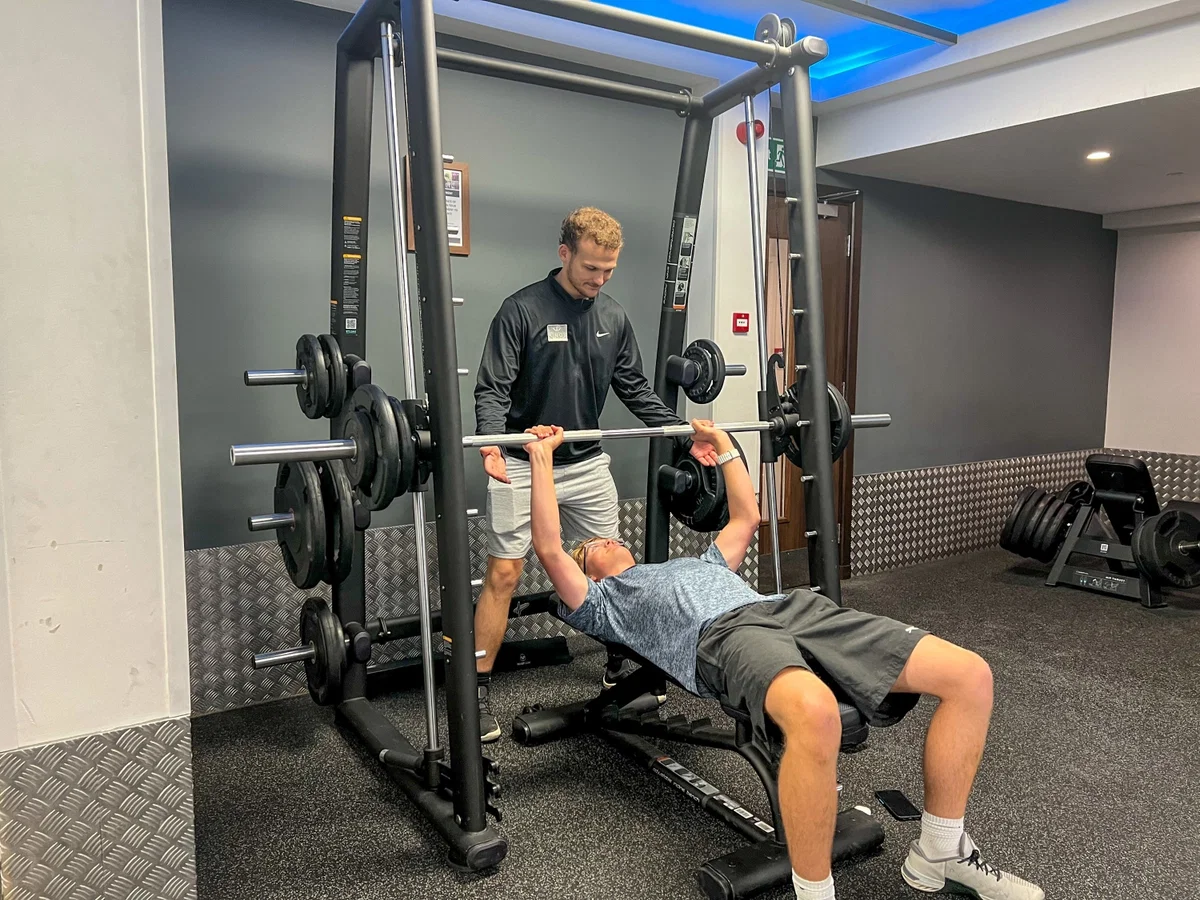
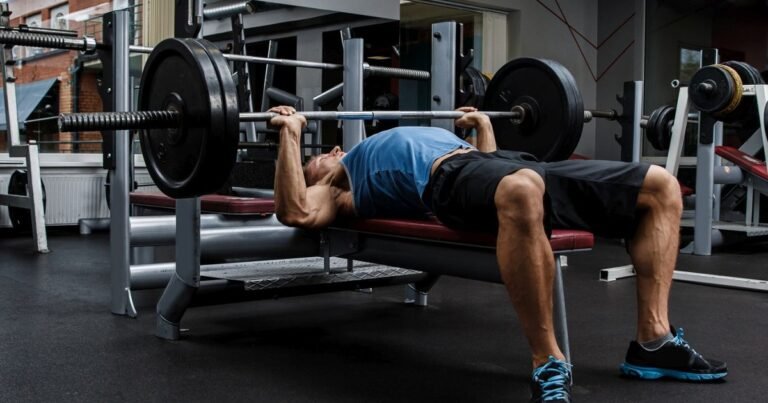
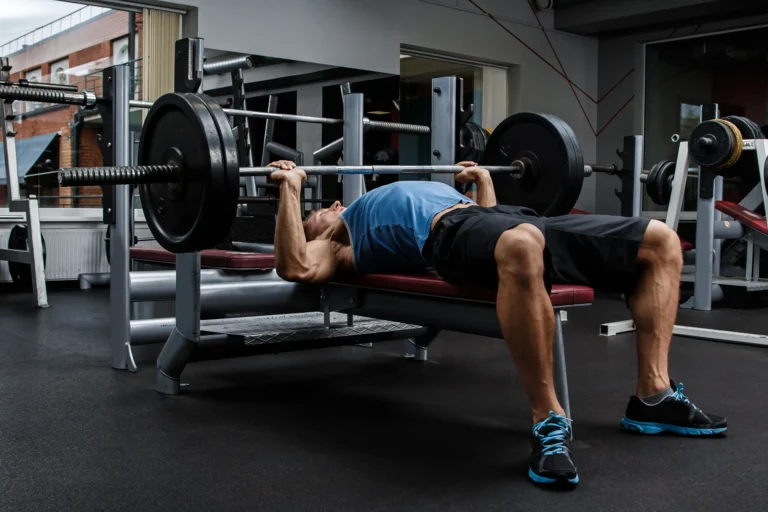
A 2019 study tested 12 recreationally trained men in two conditions on separate visits. They performed three Smith-machine bench-press sets to failure at 60% of their one-repetition maximum, with two-minute rests. Two spotters were present in both conditions. The important manipulation was whether the lifters knew they were there: in one condition the spotters were visible; in the other they were concealed.
That detail changes the interpretation. This was not a comparison of a protected bench session with an unsafe attempt performed entirely alone. It examined awareness of nearby people under controlled conditions. The Smith-machine setup also matters: a guided bar does not have the same movement demands as a free barbell.
When reading training research, first identify what stayed constant. If equipment, loading, rest and instructions are similar while one feature changes, the comparison becomes easier to interpret. In ordinary gym sessions, many of those features change together, making a simple explanation less convincing.
Do not recreate the deception to test a friend. A training partner should know who is available to help and what the plan is. The useful lesson is that the social setting can influence how a session unfolds, not that hiding a spotter is a worthwhile gym experiment.
Read the extra repetitions at the correct scale
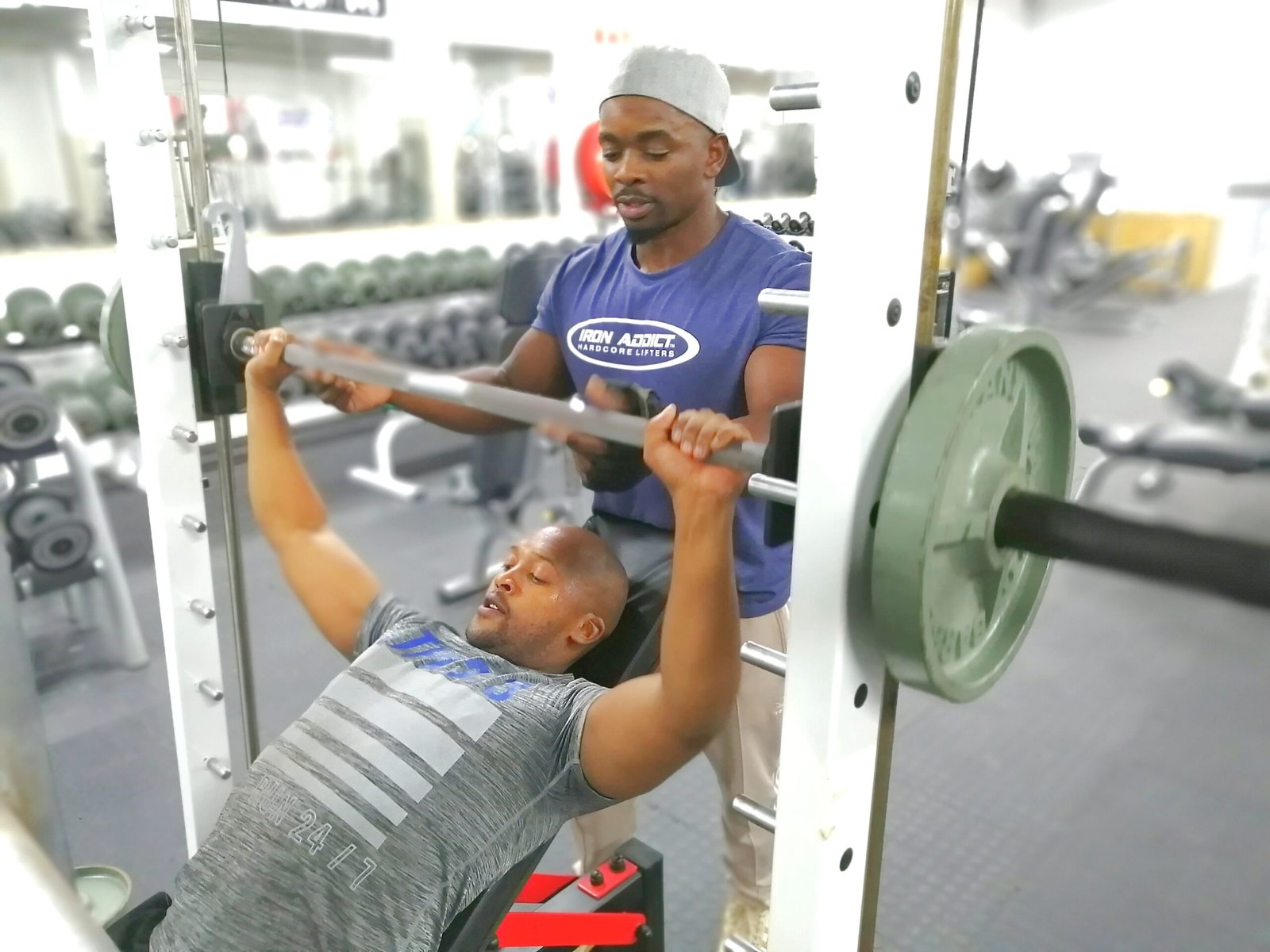
Visible spotters were associated with an average of 4.5 additional repetitions across the three sets. That is a total difference across the trial, not an extra 4.5 repetitions on every set. The study also reported greater load-volume, but it did not show an immediate increase in maximum strength or measure long-term muscle growth.
A repetition total is useful only when the exercise standard stays comparable. Imagine two sessions with the same 40 kg load: one produces 30 completed repetitions and another produces 34. The difference is four repetitions, or 160 kg of additional load-volume. These numbers are an invented arithmetic example, not individual study results.
Load-volume is a bookkeeping measure, usually load multiplied by completed repetitions. It is not a direct reading of mechanical work in joules, muscle tension or future hypertrophy. A shorter range, assisted repetitions or a different bar path can change what the same total represents.
The same caution applies to your logbook. If a partner helps on the final two repetitions, record that assistance. Those repetitions may have a place in a planned session, but they are not directly equivalent to two independent repetitions. Better records make it easier to tell whether your own performance is improving.
Group averages also do not specify your next workout. A result expressed with a decimal describes the average comparison, not a target every lifter should expect to reproduce. Treat it as a reason to pay attention to the training environment rather than a promised bonus.
Confidence and encouragement are different variables
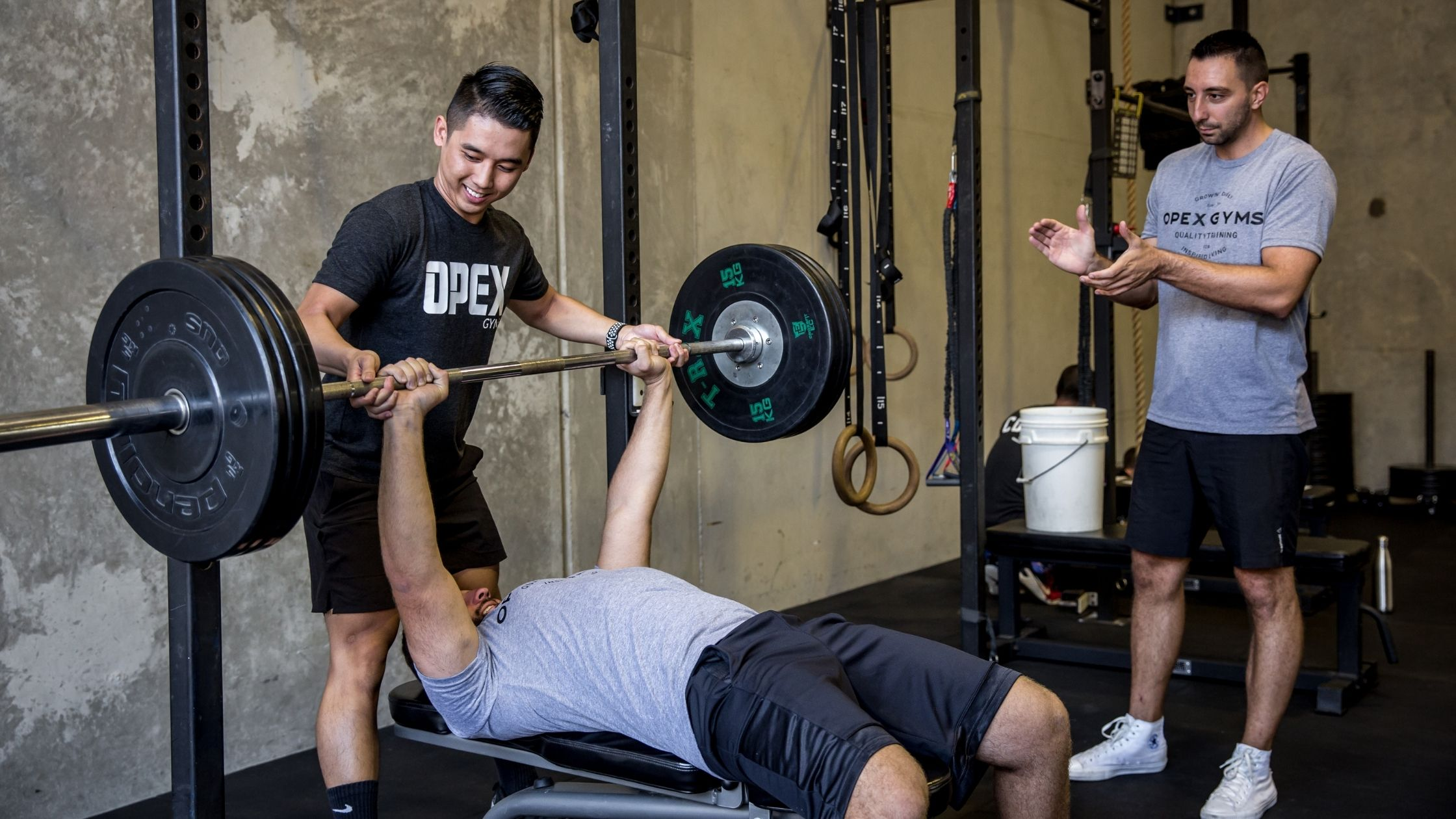
In the visible-spotter condition, participants reported greater confidence and lower perceived effort. No verbal encouragement was given during the experimental sets. That means the result should not be reduced to a story about shouting louder. Knowing someone is present and receiving energetic coaching are different experiences.
Related research has examined observers during maximum-strength testing, while another small study compared male and female spotters without finding a spotter-sex effect on measured bench-press maximum. These are different questions and protocols. They caution against turning one social-setting result into a universal claim about who should watch you lift.
For practical training, distinguish encouragement from instructions and assistance. Encouragement might help you stay committed to a difficult repetition. A technique cue directs your attention to an action. Physical assistance changes the task itself. A partner can provide all three, but they should understand which one you want.
Confidence also needs an accurate basis. Familiarity with the setup, a clear plan and competent support are more useful than reassurance from someone who cannot manage the situation. Feeling ready is valuable feedback; it does not establish that a larger load is appropriate.
Use a communication style that helps you concentrate. Some lifters appreciate short cues; others perform better when unnecessary talking stops. Agreeing on that preference before the set avoids trying to interpret several competing messages while holding a loaded bar.
Agree on the spot before the bar leaves the hooks
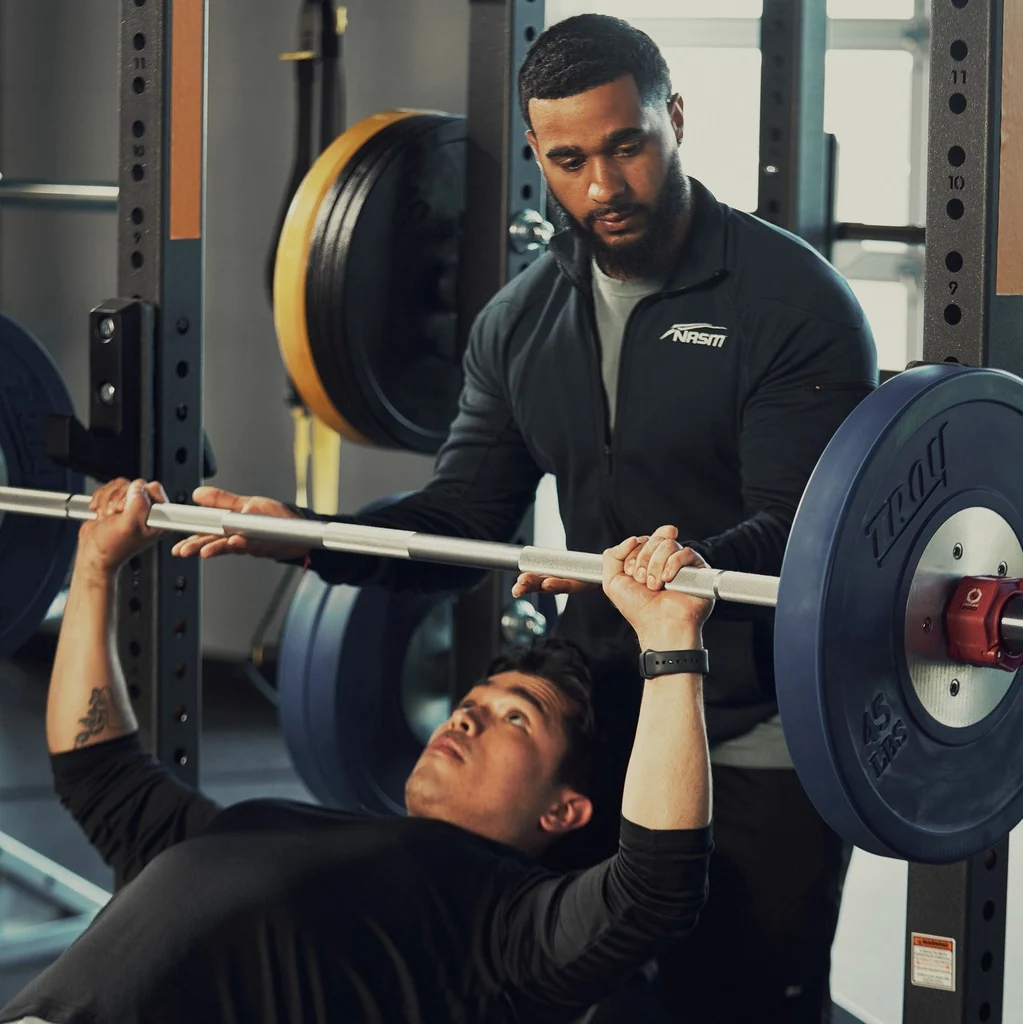
Start with a short conversation: the intended load and repetitions, whether you need a lift-off, when the spotter should intervene and how you will request help. Agree on a simple command such as take it. Confirm that both people understand it rather than assuming the same word means the same thing.
Practise the lift-off and return with an easy warm-up set. The spotter needs an appropriate position and a clear route to the bar. The lifter needs to know when support ends so the repetition begins under their own control. An unfamiliar partnership is a poor reason to rush straight into the hardest set.
Keep the area around the bench clear. Consider the rack, hook height, bench position and the actual safety equipment available. Compatible safeties and a capable spotter serve specific roles; neither should be treated as a magical guarantee that any load or failure attempt is manageable.
If the agreed help becomes necessary, prioritise completing the intervention and returning the bar safely. Do not delay because you want an independent repetition for the logbook. You can mark the set as assisted afterward. A clear rescue decision matters more than preserving an impressive number.
The equipment options in this guide cover Smith systems, racks, benches, bars and loading accessories. They are not the apparatus tested in the experiment. Check the instructions, compatibility and load limits of your own setup, and learn the relevant spotting method from a qualified coach before attempting work beyond your current competence.

Equipment Worth Exploring
Explore equipment, accessories and gear from our carefully selected range.

Multi Pull Smith Rack MPHR-780
All-in-one rack with a Smith machine, functional trainer, lat pulldown and low row.


Multi Bench MBX-650 2.0
Adjustable multi-bench with roller adjustment, 15 backrest positions and accessory mounts.

FID Bench MAX
Adjustable bench offering flat, incline, and decline positions + adjustable headrest.


Keep assistance and technique consistent when comparing sessions
A reliable comparison begins with the same exercise definition. Keep the bench angle, grip, range, load and repetition standard consistent enough that the numbers remain meaningful. A flat Smith press, an incline Smith press and a free-bar bench press belong in separate log entries.
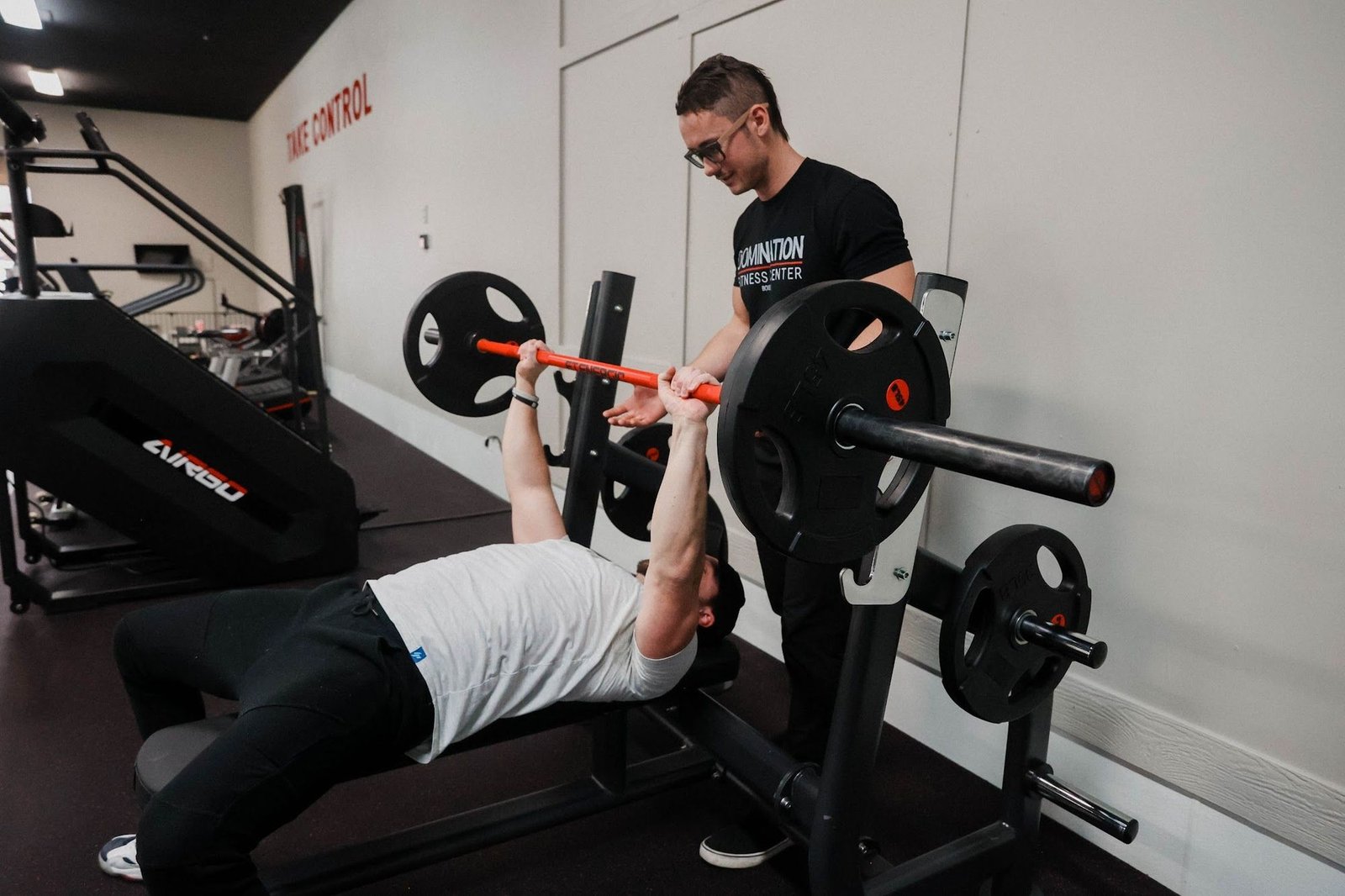
The same applies to help from another person. A planned lift-off is different from a spotter who keeps contact with the bar throughout the repetition. Do not assume that a small amount of contact contributes nothing. If assistance was given, record it rather than estimating an exact share of the load.
Choose a manageable load while learning to coordinate with a new partner. Maintain a stable position and a controlled descent instead of changing several technique features at once. If you are unsure what changed between sessions, a short video or observation from a coach can provide more useful feedback than another weight increase.
Keep rest periods reasonably consistent too. A sociable session can accidentally produce much longer breaks than a solo workout. Longer rest may allow more repetitions, so it becomes an alternative explanation for a better total. Enjoying the session is worthwhile, but label the comparison honestly.
A useful entry might read: same load, same three-minute rests, lift-off only, final repetition independent. Another might note that the final set included assistance. Neither entry requires a complicated spreadsheet. It simply preserves the details you will need when deciding what to repeat next time.
Use the finding without making every set a test
This was a small, short-term experiment in trained young men using a particular machine and a failure-based protocol. It does not establish an identical effect in every lifter, exercise or training setting. It also does not show that a training partner automatically produces greater muscle growth over months.
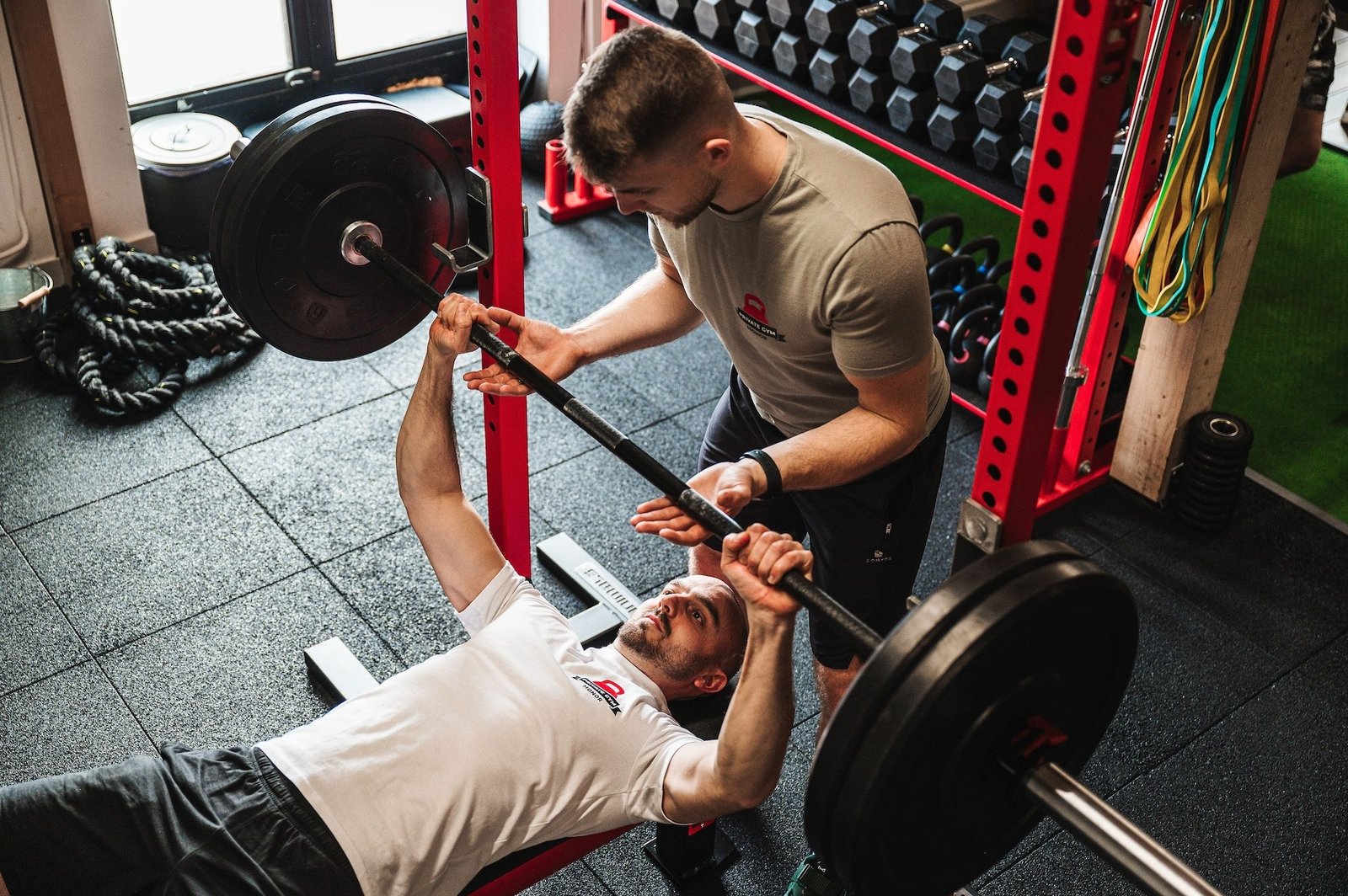
You can apply the practical ideas without copying sets to failure. Keep your planned repetition targets and stopping rules. Arrange competent support when the exercise and load require it, then judge whether the environment helps you execute the session you intended.
For example, if your programme calls for three sets of eight with repetitions left in reserve, a spotter can help with setup and be ready to intervene. Their presence does not change the prescription into three maximum-repetition tests. That distinction preserves the purpose of the training day.
Compare several broadly similar sessions before drawing a conclusion. Sleep, recent training, nutrition and ordinary day-to-day variation can influence performance. A single unusually strong workout is encouraging, but it is a weak basis for assigning the entire improvement to one person standing nearby.
Choose partners who respect your plan, keep attention on the lift and communicate clearly. Return the same courtesy when you spot for them. The most useful training partnership is one that makes good sessions easier to repeat, rather than one that turns every set into a competition neither person planned.

Powerlifting Shirts & Lifting Gear
Powerlifting shirts and gym gear for squat, bench and deadlift lifters who live for heavy numbers.

Help I Need a Spotter – Beatles Inspired Spotter Meme D Sticker
Put “Help I Need a Spotter” gym humor on your laptop, bottle, or gym gear.

Lift Together Grow Stronger for Workout Partners and Li Hoodie
Show off your powerlifting humor in a laid-back “Lift Together Grow Stronger” hoodie.


| I Love Bench Press Pink Heart Pullover T-Shirt
For laid-back days and gym-girl humor: “I Love Bench Press Pink Heart”.

1 Plate Bench Club Meme – Top T-Shirt
Bring “1 Plate Bench Club” humor to your next gym day.

Ultimate Meme : The Essential Bench Press Shirt T-Shirt
Show some powerlifting attitude with a playful “Ultimate” tee.

Shirt: Good Argument But I Bench More Than You – T-Shirt
Make gym days more fun with “: Good Argument But I Bench More Than You” style.

Bench Press and Chill Funny Gym T
Make gym days more fun with “Bench Press and Chill” style.

Lift Smart Brain Weight Plate Mind Muscle Connection 45 T-Shirt
For laid-back days and lifting humor: “Lift Smart Brain Weight Plate”.