Advertising disclosure: This page includes affiliate product links that may earn us a commission, as well as products from our own store.
Overhead Carries: Choose the Route, Hold the Position and Finish in Control
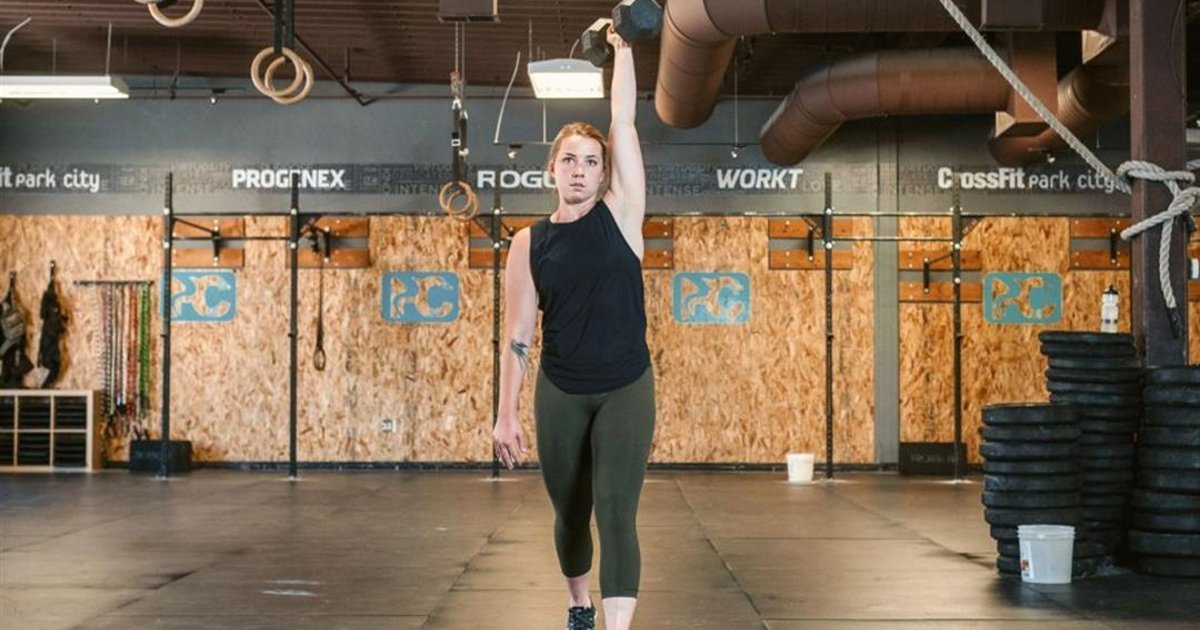
An overhead carry adds walking to a position you normally associate with pressing. One arm supports a weight above the body while the feet keep moving underneath it. The challenge is to preserve a manageable overhead position through each step, rather than to take the heaviest implement you can briefly get above your head.
This guide covers a single-arm carry with a dumbbell or a normally oriented kettlebell. An inverted, bottoms-up kettlebell adds a different balance challenge; a two-arm carry changes the task again. Start with one clear version and judge the whole set, including how you get into position and bring the weight back down.
1. Establish the overhead hold before adding a walk
Choose a light implement and a starting position you can organize without rushing. Use a familiar, controlled method of bringing the weight overhead. If you are unsure about that transition, learn it with a coach before treating the carry as an independent exercise. Getting a weight up once is not the same as being ready to walk with it.
Pause in place and check whether you can support the load without a large backward arch, a sideways lean or an arm that immediately starts dropping. Let the shoulder blade move into the overhead position rather than trying to pull the shoulder down throughout. Keep the head in a comfortable position instead of craning the neck upward to watch the weight continuously.
The working arm should remain long and stable in a comfortable position. Do not force a painful elbow lockout or copy somebody else’s exact joint angle. What matters for the chosen task is that you can maintain the position rather than repeatedly bending the arm to rescue a load you cannot support.
If a comfortable overhead hold is unavailable, choose another carry position rather than walking farther in a poor one. A suitcase or rack carry can provide loaded walking practice with different demands. It is a different exercise, not evidence that an uncomfortable overhead position needs more repetitions.
2. Keep the implement and grip consistent
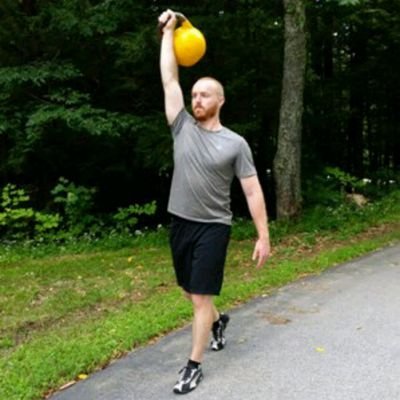
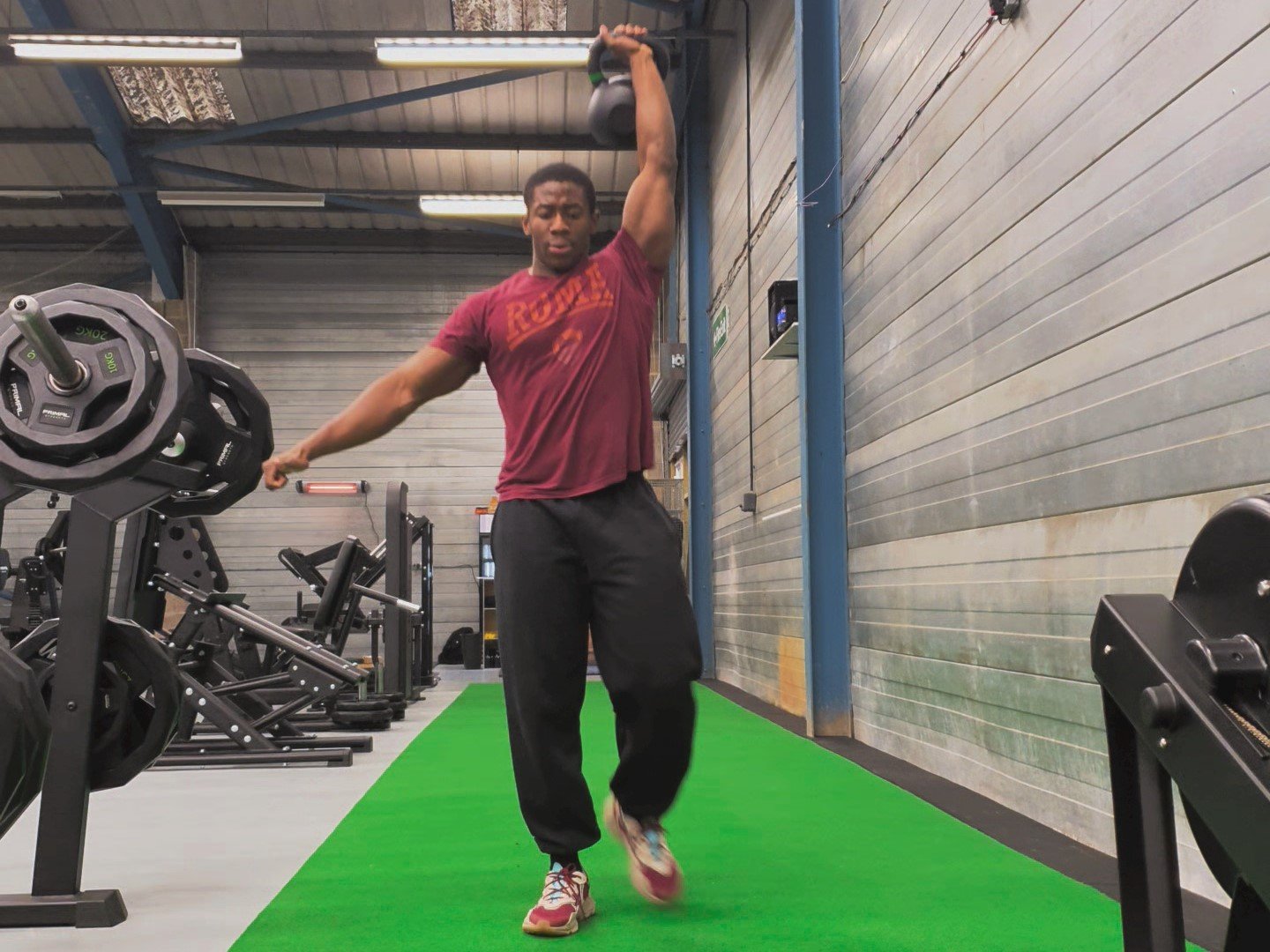
A dumbbell and a kettlebell can both be carried overhead, but they do not sit in the hand in the same way. In a conventional kettlebell position, the bell rests against the forearm. With a dumbbell, the load is arranged around the handle. The same printed weight can therefore feel different when you change implements.
Use a secure grip and avoid letting the wrist fold dramatically under the load. Before walking, check that the handle is seated in a position you can retain. Do not loosen and rearrange the hand repeatedly while the weight is overhead. Lower it, reset and start another attempt if the grip needs attention.
Keep equipment comparisons honest. A lighter bell with a different handle, a thicker dumbbell grip or a change to bottoms-up orientation creates a new challenge. None should be logged as identical to the previous version simply because the distance remains the same.
Begin with the ordinary orientation and a clear purpose. There is no requirement to add unstable equipment, an additional weight in the free hand or a second overhead implement. Those choices can be deliberate later, but they should not obscure whether you can perform the basic one-arm carry consistently.
3. Use small steps without letting the load steer you
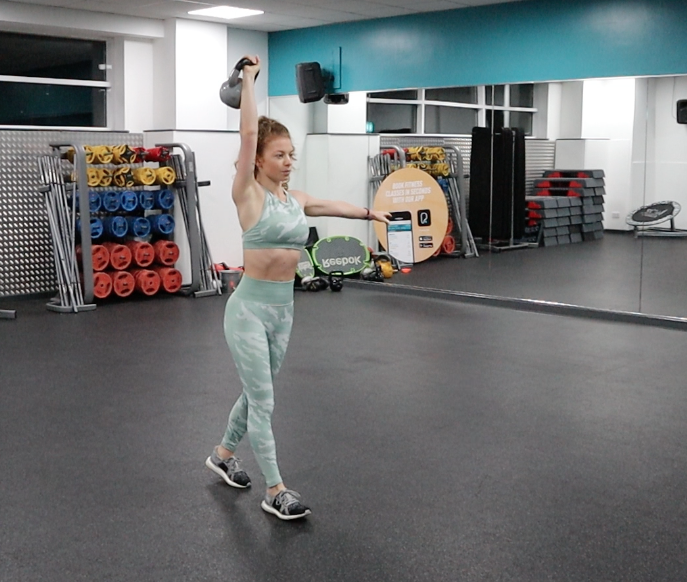
Walk slowly enough to keep the weight and torso organized. Short, smooth steps are a useful starting point. You are not trying to race down the lane or turn every stride into a lunge. Let the free arm sit or move naturally without using a large sideways reach to compensate for a load that is pulling you off balance.
Watch for changes that appear after the first few steps: the arm lowering, the ribs lifting markedly, the trunk leaning or the stride becoming increasingly irregular. A set that begins as a steady overhead carry can quietly become repeated adjustments under fatigue. End it before those adjustments become the main activity.
Keep breathing during the walk rather than trying to hold one breath for an entire long trip. The load should allow you to maintain the intended position and pace. If you need a prolonged maximal brace just to remain upright, reduce the challenge and reconsider the distance.
A short video can help distinguish normal movement from a growing compensation. Compare the beginning and end from a similar viewing angle. You do not need to make the torso perfectly motionless; the practical question is whether you are still performing the controlled version you chose.
4. Plan the route and the return to the floor
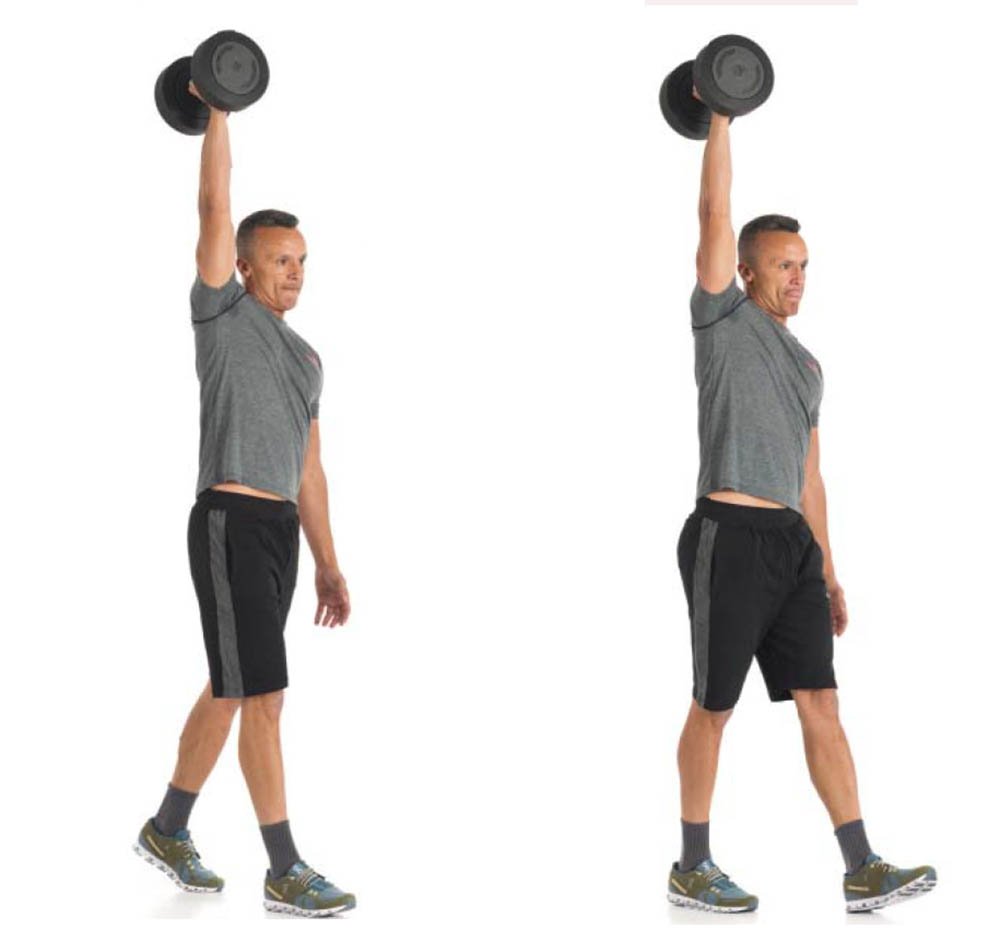
Check the whole route before lifting. Leave clearance above the weight, around the working arm and beside your feet. Avoid low beams, crowded walkways, loose plates and abrupt changes in floor height. A clear straight lane makes it easier to concentrate on the carry instead of navigating around people.
Plan where the set ends. Stop walking while you still control the hold, then bring the implement down using the technique you have learned. Do not extend the trip until the only available finish is dropping the weight or urgently changing hands. The controlled return belongs in your standard for a completed set.
Turns add another demand. If a sharp turn disrupts the hold, use a shorter straight route and lower the weight before repositioning. A longer lane with fewer turns and a cramped route with repeated pivots are different tasks, even if both add up to the same total distance.
Switch sides after lowering and resetting. Record each side separately if one consistently loses position sooner. Do not automatically prescribe more work for that side based on one awkward attempt; first check whether the setup, implement and walking space were actually comparable.
5. Progress the carry without losing its purpose
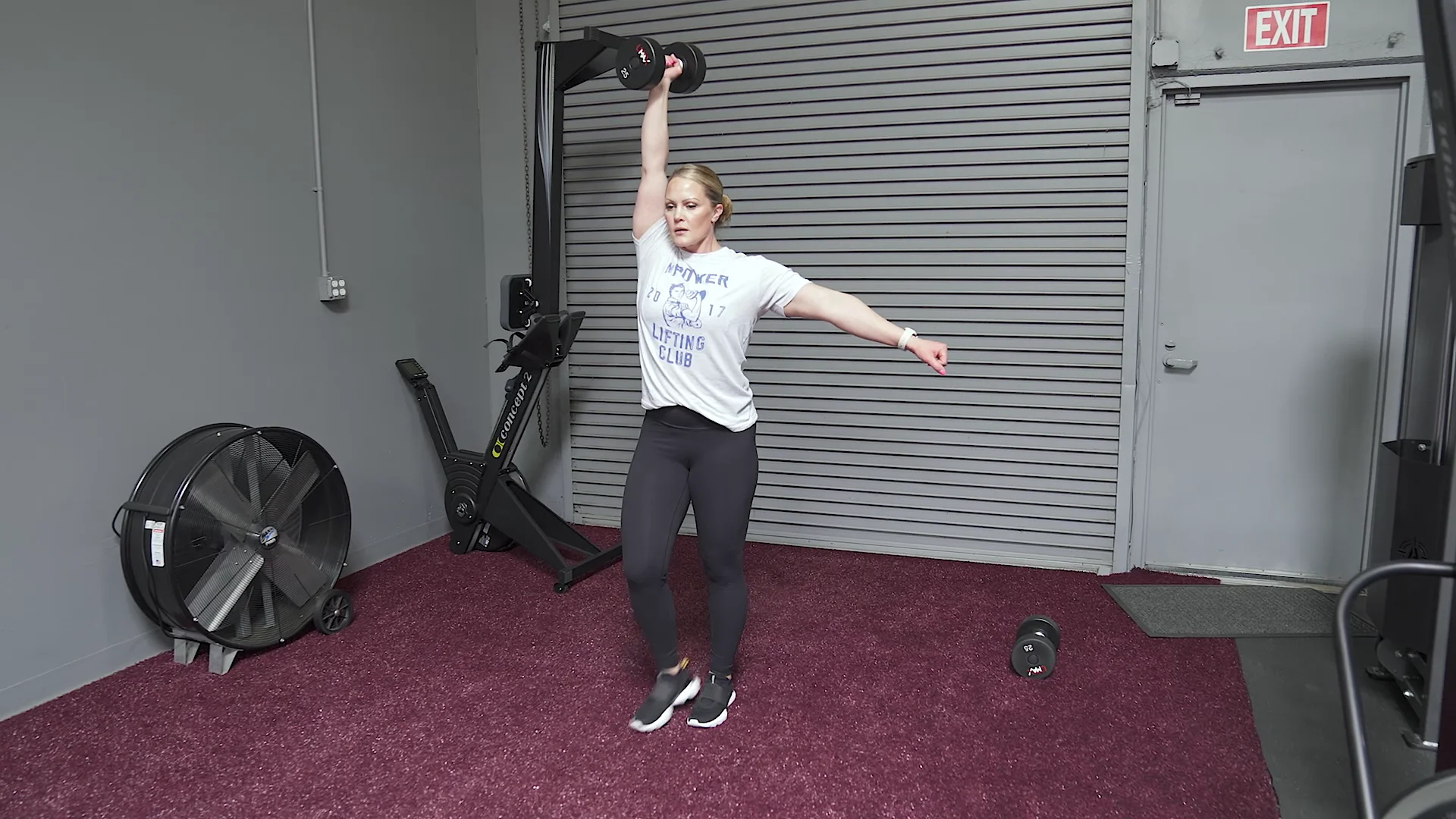
Use a small amount of deliberate practice while you can pay attention to the overhead position. It can fit before other upper-body work if the load and volume are modest, or elsewhere in a session when you are still able to maintain control. Exhausting the shoulder or grip before a priority lift is not automatically a useful warm-up.
Change one variable at a time. You might extend a short route, add another controlled trip or use a slightly heavier implement. Increasing weight, distance and pace together makes it difficult to tell which change caused the position to deteriorate.
Keep a simple log: implement, load, side, route length, number of turns and whether you maintained the intended hold. For example, a steady straight-lane trip and a longer trip ending with the arm dropping are not equivalent successes. That observation is more informative than a distance total on its own.
The equipment below includes kettlebells and dumbbells for carries and other strength work, plus separate grip-training and compatible loading options. Handle shape and comfortable load increments matter more than choosing the most complicated tool. A forearm trainer or small plate is not itself an overhead-carry implement, and a detachable component requires the manufacturer’s intended setup.

Equipment Worth Exploring
Explore equipment, accessories and gear from our carefully selected range.


Cast Iron Kettlebells
Textured cast-iron kettlebells for swings, squats, carries, and full-body training.


Rubber Hex Dumbbells
Rubber-coated hex dumbbell pairs with a stable shape for home and commercial strength training.

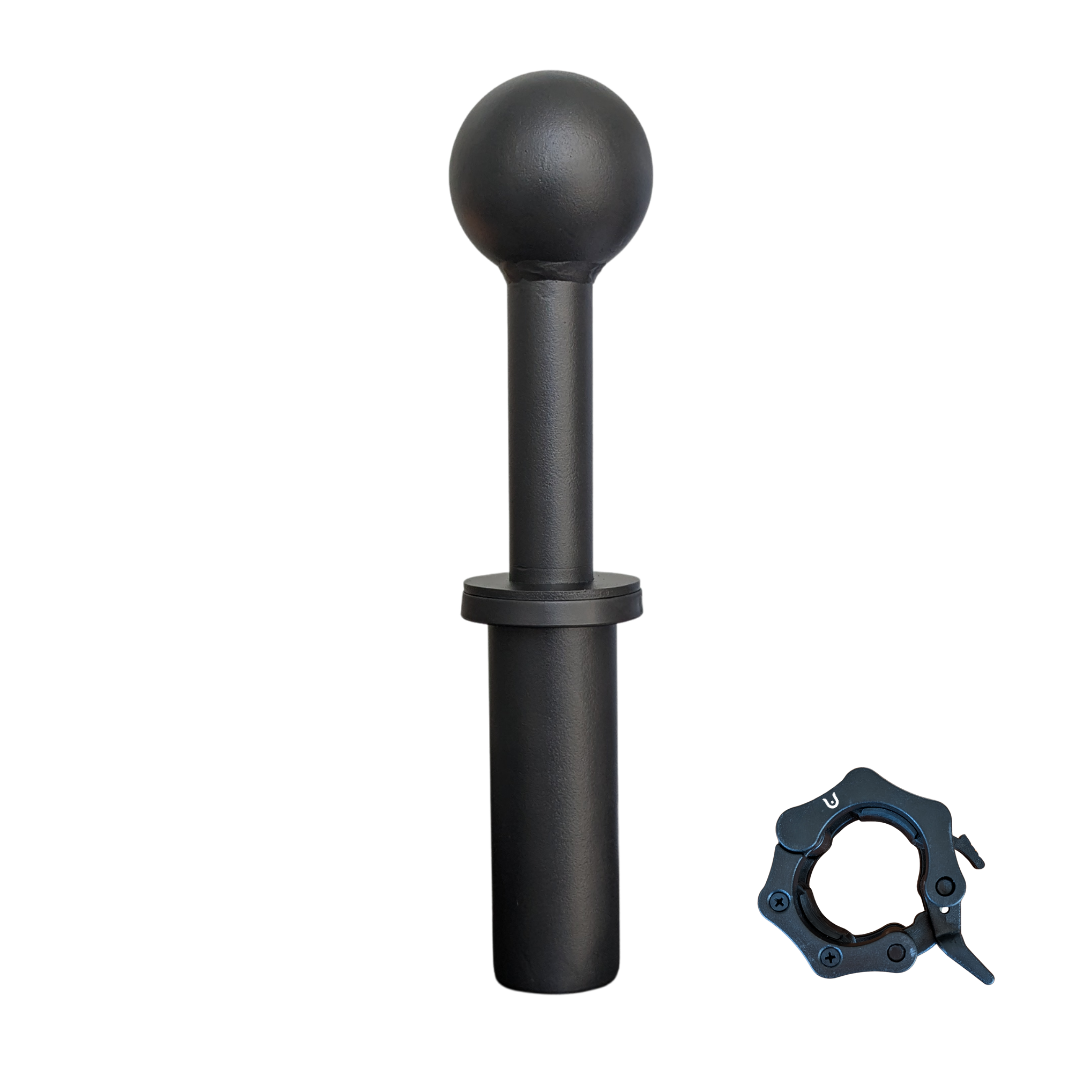


The kettlebell, dumbbell and controlled-training designs below fit that wider lifting routine. Keep the same standard when you train: the weight goes up under control, stays manageable while you walk and comes back down deliberately. Longer is useful only while the chosen task remains intact.

Funny Gym Shirts & Workout Gear
Funny gym shirts, tanks, hoodies and workout gear for lifters who like training hard.

Blue Macaroon Kettlebell – Whimsical Fitness Meme Decal Sticker
Put “Blue Macaroon Kettlebell” gym humor on your laptop, bottle, or gym gear.

Dia De Los Muertos Kettlebell – Day of the Dead Workout Tank Top
Your gym-day look, with a playful “Dia De Los Muertos Kettlebell” twist.

Watermelon Kettlebell – Fruit Themed Jumper Pullover T-Shirt
Keep things casual with a little “Watermelon Kettlebell” attitude.

Kettlebell Heartbeat Crewneck Pullover Sweater Workout T-Shirt
For laid-back days and bodybuilding humor: “Kettlebell Heartbeat”.

Heavy Metal Kettlebell | Lifting Skull Hooded Workout P Hoodie
Keep it laid-back with a little “Heavy Metal Kettlebell” attitude.

Stillness Of The Stoic Sigma: A Meme Leadership T-Shirt
Heavy lifts, good laughs, and a little “Stillness of the Stoic Sigma: A” energy.

The Only Difference Between Good And Great Is One T-Shirt
Bring “The Only Difference Between Good And Great” humor to your next gym day.

Safety Practice Safe Sets Vest Weightlifting Tank Top
Bring “Gym Safety” humor to your next lifting session.

Dumbbell Meme Shirt – Essential & Gymbros Seeking T-Shirt
Make gym days more fun with “Dumbbell Gym Meme” style.

Happy Kettlebell Emoji Smiley Kettlebell Meme T-Shirt
Show some gym-day personality with “Happy Kettlebell Emoji”.