Advertising disclosure: This page includes affiliate product links that may earn us a commission, as well as products from our own store.
Close-Grip Bench Press: What 14 Lifters Reveal About Grip and Triceps
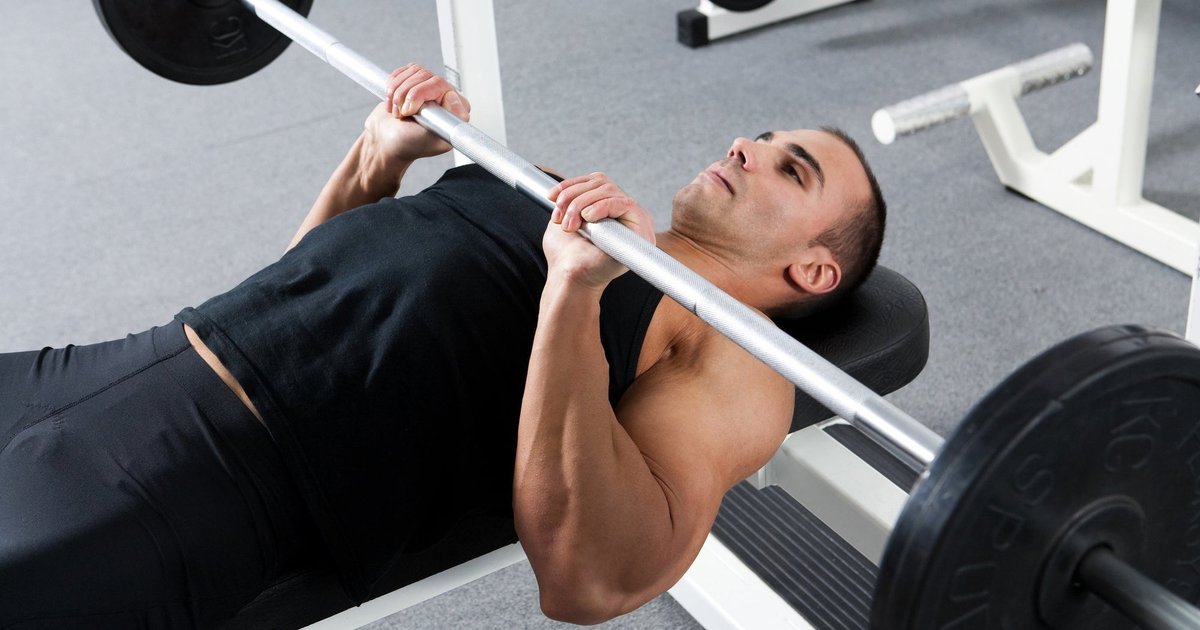
The close-grip bench press has a simple reputation: bring your hands together, move the work from your chest to your triceps, and make your lockout stronger. The exercise is useful, but that explanation leaves out some important mechanics. Your hands, elbows and shoulders must still work together, even when your grip is narrower. A narrow grip is not a magic switch that turns the pecs off.
A laboratory comparison of 14 men found that changing hand spacing also changed the sideways forces lifters applied to the bar. Yet the relative electrical activity measured in the chest and triceps was broadly similar between the two grips under most tested conditions. That makes grip width worth understanding as a movement choice, not a simple muscle-isolation trick. Here is what the evidence can tell us, where it stops, and how to use a close-grip press productively.
What the 14-lifter bench-press experiment measured
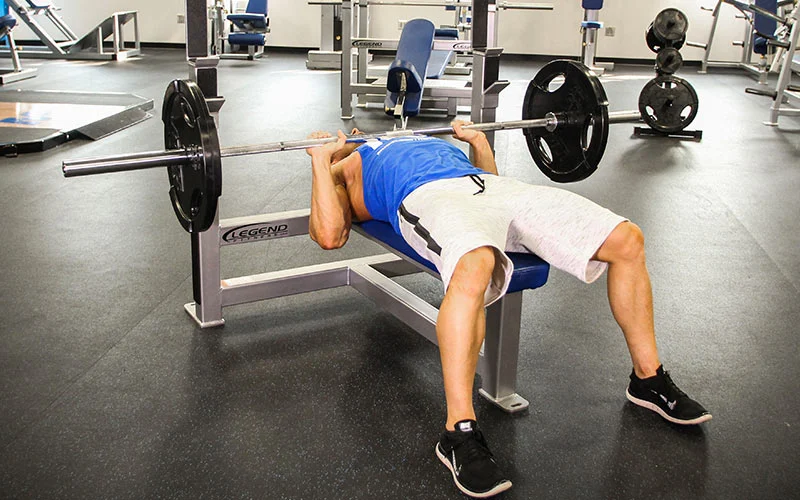
The 2023 experiment included seven resistance-trained men and seven men without regular resistance-training experience. Each performed bench presses with an 81-centimeter wide grip and a 40-centimeter narrow grip using loads based on their respective ten-repetition maximum. The investigators recorded muscle electrical activity from the pectoralis major and triceps brachii, plus forces exerted on the bar. They examined raising and lowering phases and the effects of fatigue.
One striking observation was not simply how hard the lifters pushed up. With the wider grip, their average sideways force had an outward direction equivalent to roughly 30 percent of vertical force. With the narrow grip, the average sideways force changed to roughly 10 percent inward. Those figures describe the measured direction and magnitude of force in a specific test setup. They do not tell you to deliberately slide your hands across the bar or squeeze the bar inward with maximal effort.
The ratio of chest to triceps EMG did not differ significantly between grips in most comparisons. One exception appeared in the lowering phase under fatigue among the non-trained participants. That is a narrower finding than a headline claiming close grip does nothing for triceps. EMG captures electrical activity during a task, not the amount of muscle growth after months of training. This was a small, acute study of men, not a long-term randomized hypertrophy trial.
Another experiment involving 28 men compared narrow, medium and wide grips at a six-repetition maximum and found less triceps activity with a wide grip than with narrower choices. It also found that narrow-grip six-rep loads tended to be lower. Taken together, the results support a practical conclusion: grip width changes mechanics and can change muscle demands, but the exact response depends on the load, comparison grip, training experience and measurement method.
Start near shoulder width, then let the wrists decide
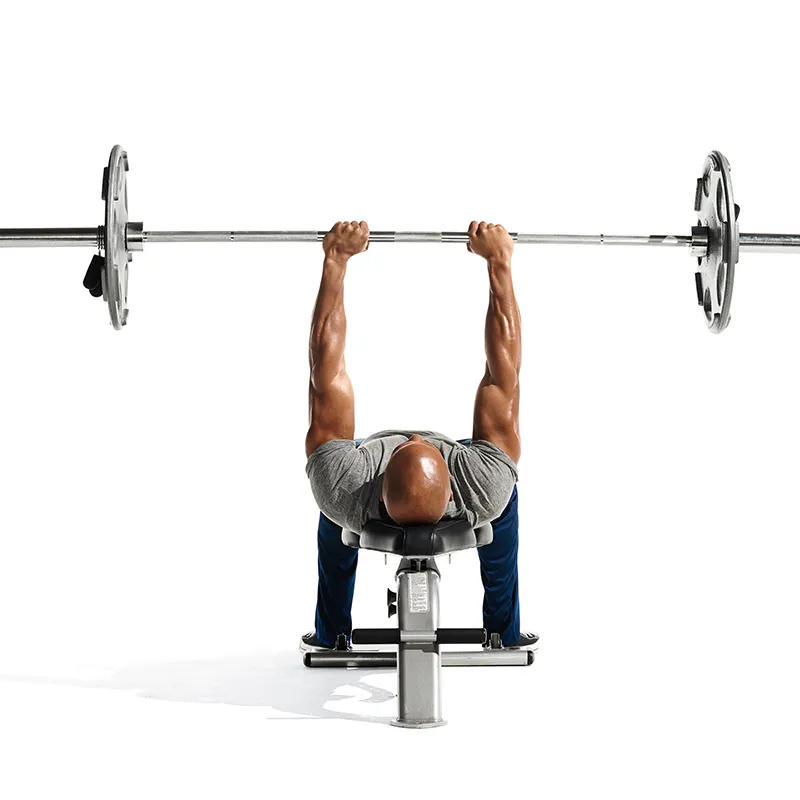
For most lifters, a reasonable close grip means roughly shoulder-width hands or somewhat inside the normal pressing grip. It does not mean bringing the index fingers together at the center of the knurling. An excessively narrow grip often forces the wrist sideways or backward while the elbow searches for a comfortable path beneath it. You gain little by forcing a position that makes every rep a wrist-management exercise.
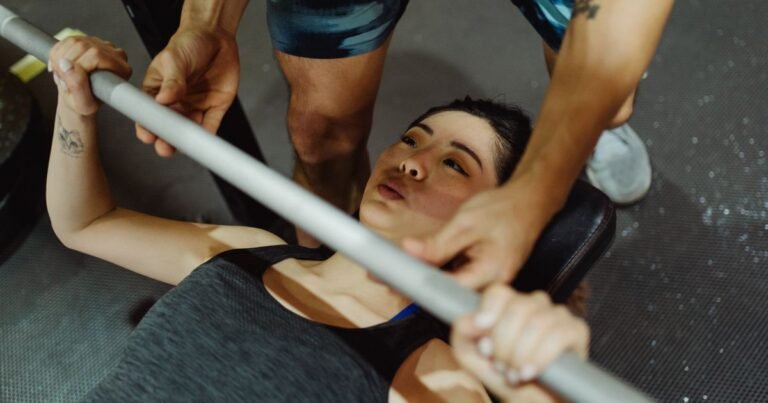
Lie down, wrap your thumbs securely around the bar, and check the view from the foot end: your hands should be symmetrically spaced. At the bottom of a light practice rep, aim for forearms that are close to vertical when viewed from the front. The bar should rest toward the heel of each palm so that the load travels through the wrist rather than folding the hand backward. Adjust by one finger width at a time until both sides feel repeatable.
Do not borrow somebody else’s exact grip measurement without considering shoulder breadth. A very tall lifter and a smaller lifter may need different hand spacing to create similar forearm alignment. When the bench has rough knurl markings, use them as a repeatable reference, not as a rule that overrides joint comfort. The most useful close grip is the narrowest one that still permits secure wrists, aligned elbows and controlled repetitions.
If your wrist aches even with a stacked position, reduce the load and reassess the setup rather than using wraps to force a bad position. A slightly wider grip or a neutral-grip dumbbell press may be a better choice. Sharp or persistent pain is a reason to stop and seek an appropriate assessment.

Equipment Worth Exploring
Explore equipment, accessories and gear from our carefully selected range.


Multi Bench MBX-650 2.0
Adjustable multi-bench with roller adjustment, 15 backrest positions and accessory mounts.

FID Bench MAX
Adjustable bench offering flat, incline, and decline positions + adjustable headrest.


Foldable Wall Rack
Wall-mounted folding squat rack designed to save floor space between workouts.

Multi Pull Smith Rack MPHR-780
All-in-one rack with a Smith machine, functional trainer, lat pulldown and low row.


Speed Collar
Quick-release collars designed to secure weight plates on standard two-inch Olympic bars.
Build a stable bench setup before you unrack
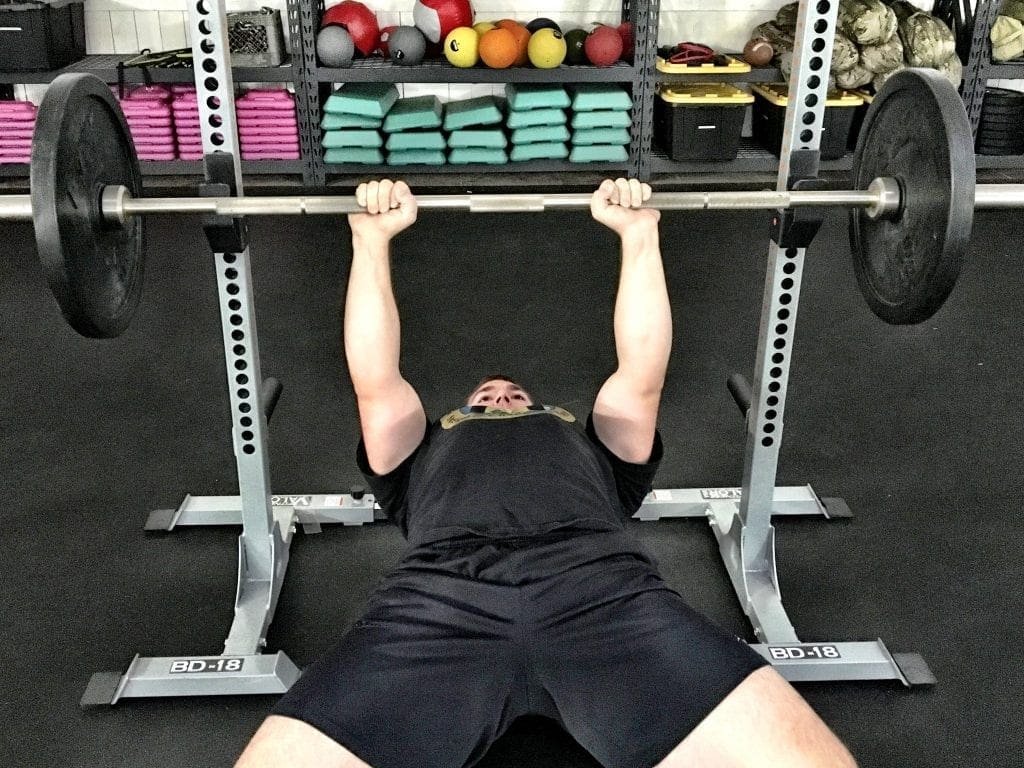
Start with the eyes approximately beneath the racked bar. Set your upper back firmly against the bench by bringing the shoulder blades toward each other and down enough to create a steady base. Keep the head and glutes supported. Plant the feet where they can stay flat and supply balance without kicking the body off the pad. You do not need an exaggerated arch to make the exercise count.
Set the J-hooks at a height that allows the bar to leave the rack without a long shoulder-reaching shrug. Brace, extend the elbows, and guide the bar to a position over the chest before the first descent. A spotter or correctly set rack safeties become particularly important as the set approaches fatigue. You cannot count on safely rolling or dumping a bar once a close-grip rep stalls on the chest.
Try an empty bar or a very light load for two or three controlled practice reps. If you are drifting toward one side, losing your shoulder position or struggling to clear the hooks, fix that before adding plates. Check that collars fit the particular bar and that the bench does not shift when you establish foot pressure.
A close-grip press is still a heavy compound exercise. A stable bench, suitable barbell, correctly configured rack and enough space to move around the setup matter far more than whether the equipment looks specialized. Equipment can improve consistency, but it cannot replace a safe spot or a usable escape strategy for a missed repetition.
Lower with your elbows, touch softly and press as one unit
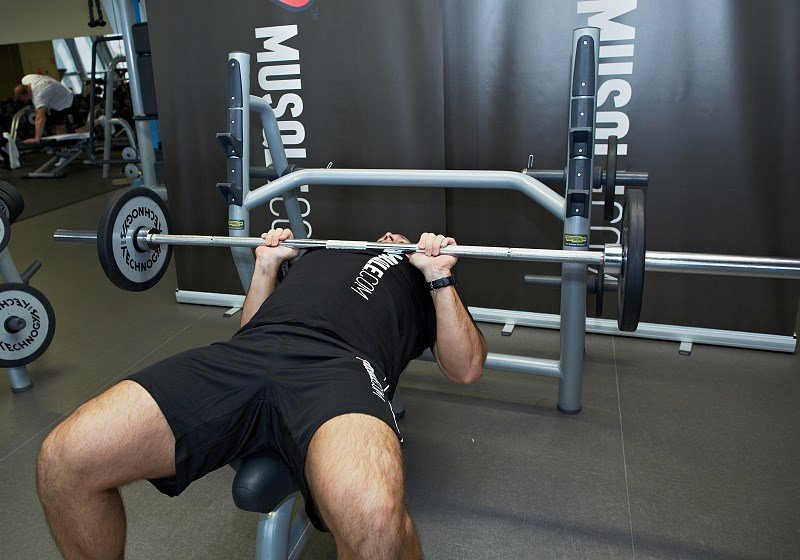
From the start position, inhale and brace, then bend the elbows in a controlled descent. Let them travel moderately near the torso rather than pinning them so tightly that the bar moves unnaturally toward the abdomen. An extreme wide flare can also make the shoulder position less comfortable. The useful path is between those extremes, where your wrists can remain stacked and the bar follows a smooth route.
Bring the bar toward a comfortable point around the mid-to-lower chest for many lifters. Your exact touch point depends on anatomy, grip and bench position; it may differ from your regular-grip press. Lightly contact the shirt without bouncing the plates or collapsing the shoulders forward. If the last centimeters require the hands to twist or the elbows to tuck violently, revisit the grip and reduce the load.
Press by extending the elbows while allowing the bar to travel back toward a balanced top position over the shoulders. Think of driving the whole upper body into the bench, not flinging the bar away with the wrists. Finish with controlled elbow extension; there is no need to whip the joint into lockout or let the shoulders roll forward to chase a few extra centimeters.
A useful coaching check is to film a light set from slightly ahead of the foot end and from the side. Look for matching left and right hand paths, a predictable touch point, and forearms that do not wander wildly. If the bar suddenly snakes forward, if one arm reaches lockout much earlier, or if your butt repeatedly lifts from the bench, use less weight and regain consistency before judging progress.

Powerlifting Shirts & Lifting Gear
Powerlifting shirts and gym gear for squat, bench and deadlift lifters who live for heavy numbers.


5 Plates Bench Club Chest Day Meme & T-Shirt
Show some powerlifting attitude with a playful “5 Plates Bench Club” tee.

I Love Bench Press Valentine'S Day Meme – Chest Day T-Shirt
Rep “I Love Bench Press Funny Valentine's Day” humor in and out of the gym.

I Love Bench Press Hooded | for Bench & Chest Day Lifti Hoodie
Keep it laid-back with a little “I Love Bench Press Hooded” attitude.

Gym Sir Swole of Benchalot Medieval Knight Bench Press Sticker
Give your everyday gear a playful “Sir Swole of Benchalot Medieval Knight” twist.

My Bench Press Is Stuck Horror Scary Movie Meme Hoodie
Show off your Halloween humor in a laid-back “My Bench Press Is Stuck Horror” hoodie.

3 Plates Bench Club Chest Day Meme & Top T-Shirt
Rep “3 Plates Bench Club” humor in and out of the gym.

Chest Day Sweater Bench Press & Meme T-Shirt
Add a playful “Chest Day” touch to your casual rotation.

I Want You To Bench Press Uncle Sam – 4th of July Patri Sticker
Stick a little “I Want You To Bench Press Uncle Sam” humor on your favorite gear.

Shirt: Good Argument But I Bench More Than You – T-Shirt
Make gym days more fun with “: Good Argument But I Bench More Than You” style.
Where close grip fits alongside regular bench and triceps work
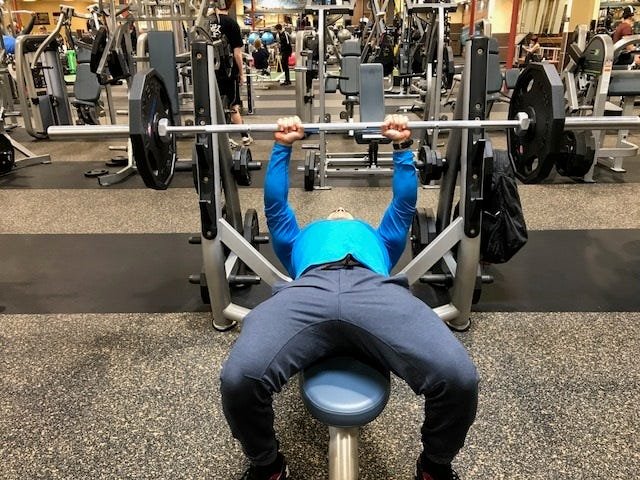
Narrower pressing changes leverage and usually reduces how much weight a lifter can handle compared with a familiar moderate or wide competition-style grip. That does not automatically make it worse for muscle building. It may be useful as a second barbell press when you want another challenging elbow-extension movement with meaningful chest involvement.
Think in terms of training exposure, not mythical isolation percentages. A close-grip bench press can train the triceps through loaded elbow extension while still requiring the pecs and front delts to produce shoulder movement and control the bar. Cable pressdowns, overhead extensions and other single-joint choices can supply additional arm training with less total body and barbell setup demand. None of them needs to replace the others universally.
If your primary goal is a stronger regular bench, include close-grip work as supplemental practice for controlled pressing and finishing a rep. Do not assume the narrower variation will solve every sticking point. Some lifters fail near the chest because of poor positioning or insufficient force out of the bottom; others lose control higher in the press. Diagnose the actual rep rather than prescribing a triceps exercise from the name of the sticking point.
For athletes whose shoulders dislike a narrow barbell position, a neutral-grip dumbbell press, a carefully adjusted press machine or even a lighter push-up variation may offer a more comfortable option. These are alternatives with different stabilization demands, not identical substitutes in measured muscle activity. The right choice is one you can load, repeat and recover from without forcing joint pain.
Equipment Worth Exploring
Explore equipment, accessories and gear from our carefully selected range.

Standing Chest Press SCP-760
Standing chest-press machine with adjustable handle positions for chest and close-grip pressing.

Lever Arm Multi Press LMP-650
Multi-press with independent lever arms and an integrated adjustable bench for upper-body training.

VForce 3IN1
All-in-one rack combining an adjustable Smith machine, functional trainer, and free-weight station.

VForce 2IN1
Half rack and pivot-arm functional trainer with switchable 1:1 and 2:1 pulley ratios.


Rubber Hex Dumbbells
Rubber-coated hex dumbbell pairs with a stable shape for home and commercial strength training.


Competition Plates
Competition-style bumper plates for Olympic lifts and loaded strength training.

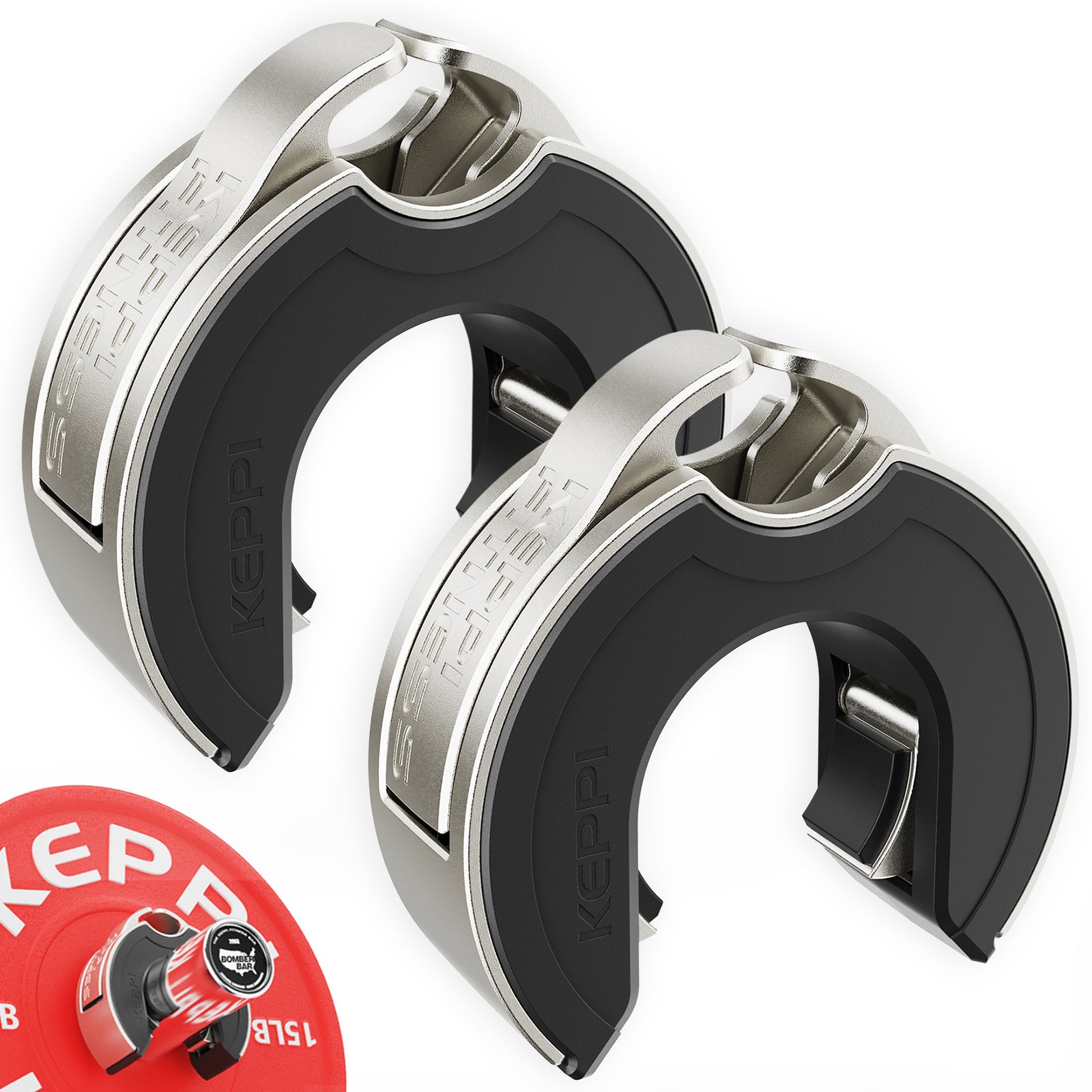
Keppi Open Collars
C-shaped magnetic Olympic barbell collars with a quick-lock mechanism and grippy lining.
A four-week progression built around repeatable reps
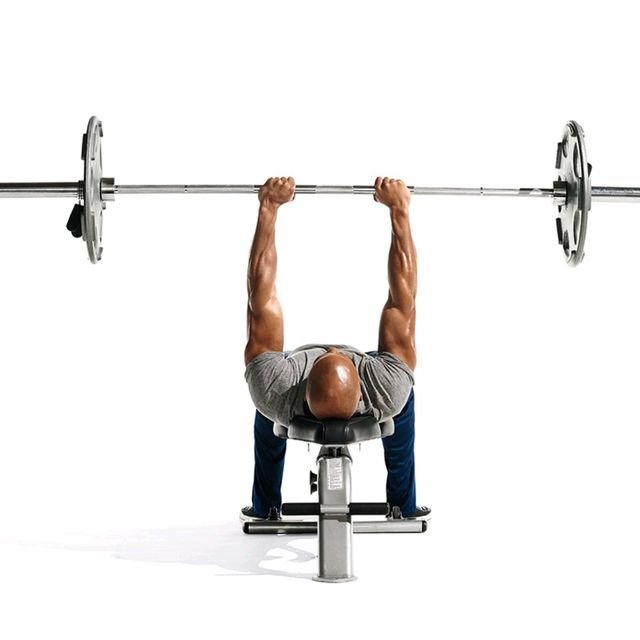
Use this as an illustrative plan for somebody who already knows how to bench press, not a requirement for a beginner to lift maximally. If pressing twice weekly, put close-grip work on the day when heavy regular benching does not immediately precede it. Warm up with a light bar and at least one intermediate set. Choose a working weight that leaves two or three good repetitions available at the end of each set; never use a first-session max to prove the grip is effective.
Week 1: Perform three sets of eight comfortable repetitions. Pause briefly near the chest on the first repetition of each set to establish touch point and control. Rest around two to three minutes. Note hand spacing using the bar’s markings and write down whether either wrist or elbow felt awkward.
Week 2: Keep the grip unchanged and perform three sets of eight to ten. Progress repetitions before load. A set only counts toward progression if the wrists remain stacked, the feet stay planted and the bar moves without a dramatic bounce or twist.
Week 3: If all prior work was steady and pain-free, add a small amount of load and return to three sets of six to eight. Maintain a controlled lowering phase without artificially slowing every repetition to exhaustion. If the new weight changes your elbow path substantially, repeat the previous week’s load instead.
Week 4: Use three sets of six to eight at the best technically consistent load, or keep the weight unchanged and improve repetition quality. Compare video and notes rather than only adding kilograms. If triceps fatigue compromises regular pressing, reduce a set or move the session farther from heavy bench day.
One or two weekly close-grip exposures are plenty for many training plans, especially when regular pressing, dips and extensions already contribute to total triceps work. Hard sets accumulate across exercises, and more narrow pressing is not automatically better. Keep your shoulders and elbows comfortable, preserve a spotter or safeties for challenging sets, and measure progress in controlled reps rather than in how close you can force your hands together.