Parallel-bar dips are a productive chest-and-triceps exercise, but they are not a mandatory test of upper-body strength. Some lifters feel excellent during dips; others feel an uncomfortable pinch or pressure at the front of the shoulder as the upper arm moves behind the torso. Forcing the same depth, bar width and loading on everyone ignores how differently people move. A sensible replacement should preserve challenging pressing work while changing the position that causes trouble.
That does not mean every sore shoulder is an injury, or that an alternative is guaranteed pain-free. It means we can make intelligent training decisions without sacrificing months of chest and triceps progress. Here is how to assess the dip itself, choose replacements and build a compact-home-gym program around movements you can repeat comfortably.
1. Why a dip can challenge the shoulder more than expected
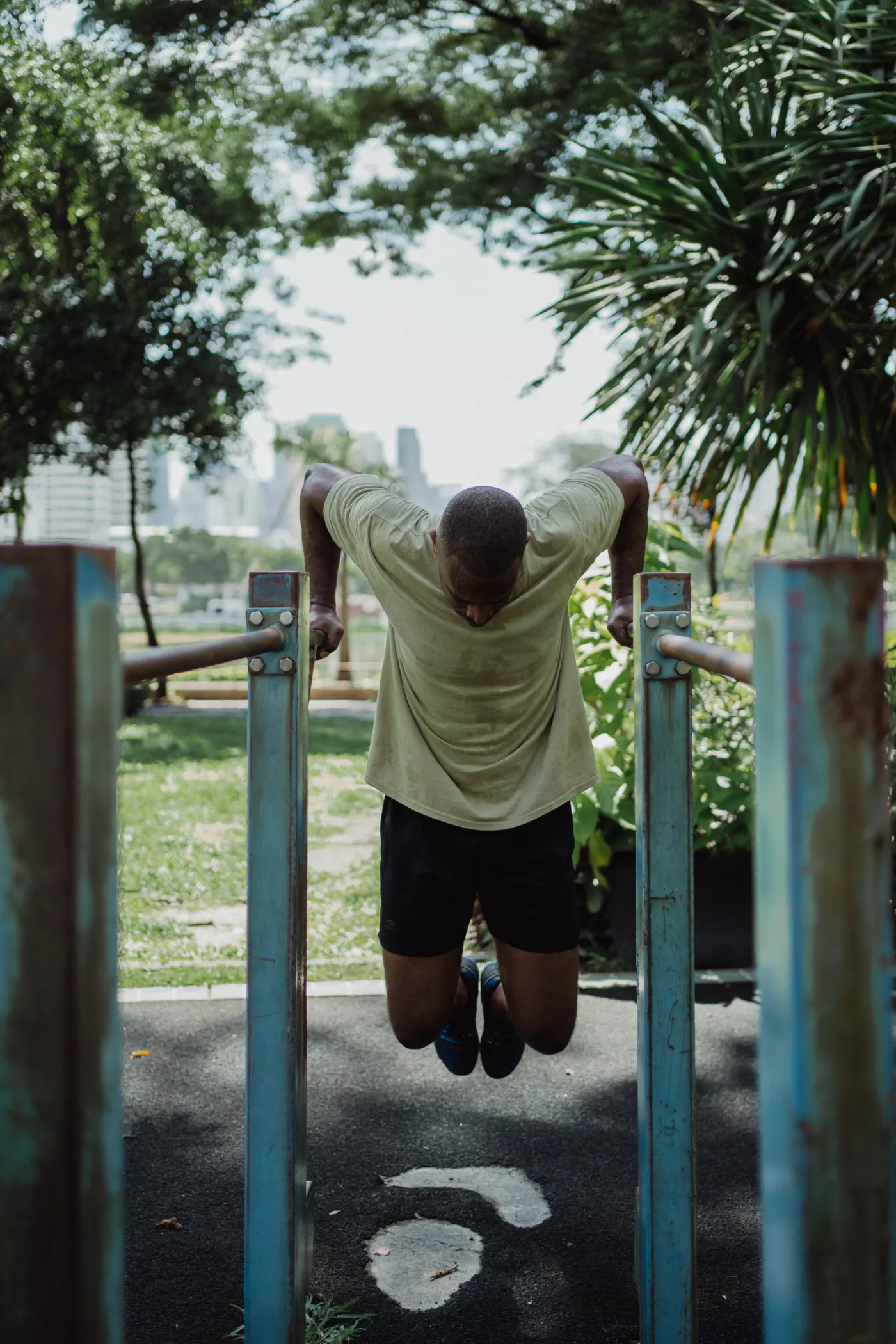
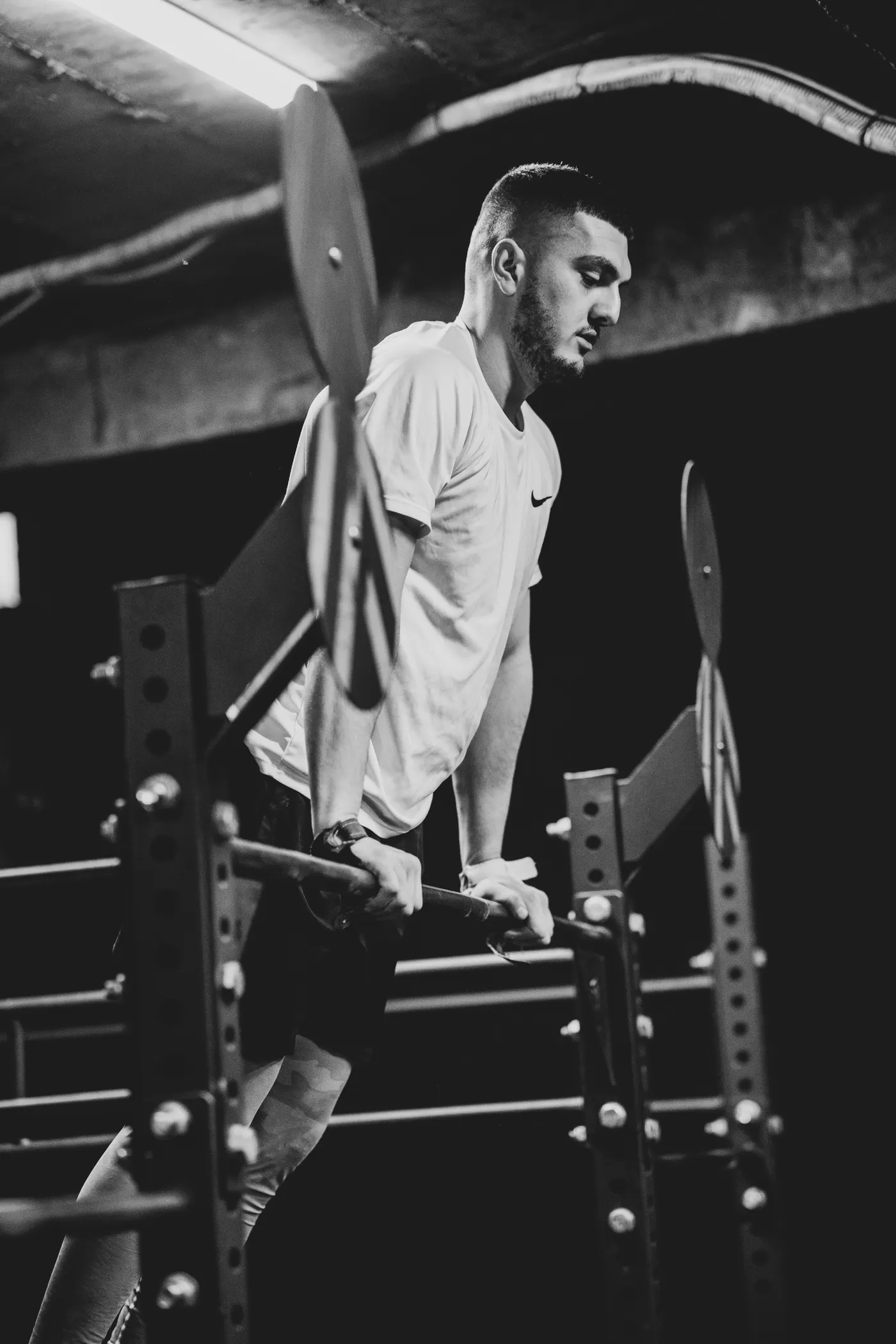
A dip combines elbow extension with movement at the shoulder. As you lower between the bars, the upper arm travels backward relative to the torso. The deeper you descend, the more shoulder extension you generally need. Your chest, triceps and shoulder muscles produce force while the joint moves through that position under a substantial fraction of body weight.
Bar width, torso lean, limb proportions and available range of motion all change how this feels. A long-armed lifter may encounter a different bottom position from a shorter lifter even when both aim for the same visual depth. Neither person’s preferred depth should automatically become the universal rule.
In a small laboratory comparison, 13 experienced men performed bench, bar and ring dips. Investigators measured joint movement and electrical muscle activity. Bench dips demanded greater shoulder extension; bar and ring dips produced different activation patterns. This was a short biomechanics experiment, not a trial showing that one variation causes more injuries or muscle growth over time.
The distinction is between mechanical demand and clinical risk. A demanding position can be trained successfully by some people, yet be uncomfortable for others. Pain is a signal to modify and assess, not proof of a specific damaged tendon. Strong triceps do not guarantee that every shoulder position is comfortable.
For hypertrophy, the chest and triceps need sufficiently challenging work and progression. They do not need one particular exercise. If dips remain comfortable and controlled, keep them. If the bottom position repeatedly causes symptoms, choose a pressing pattern that allows productive sets without that same deep extension.
2. Check depth, control and loading before abandoning dips
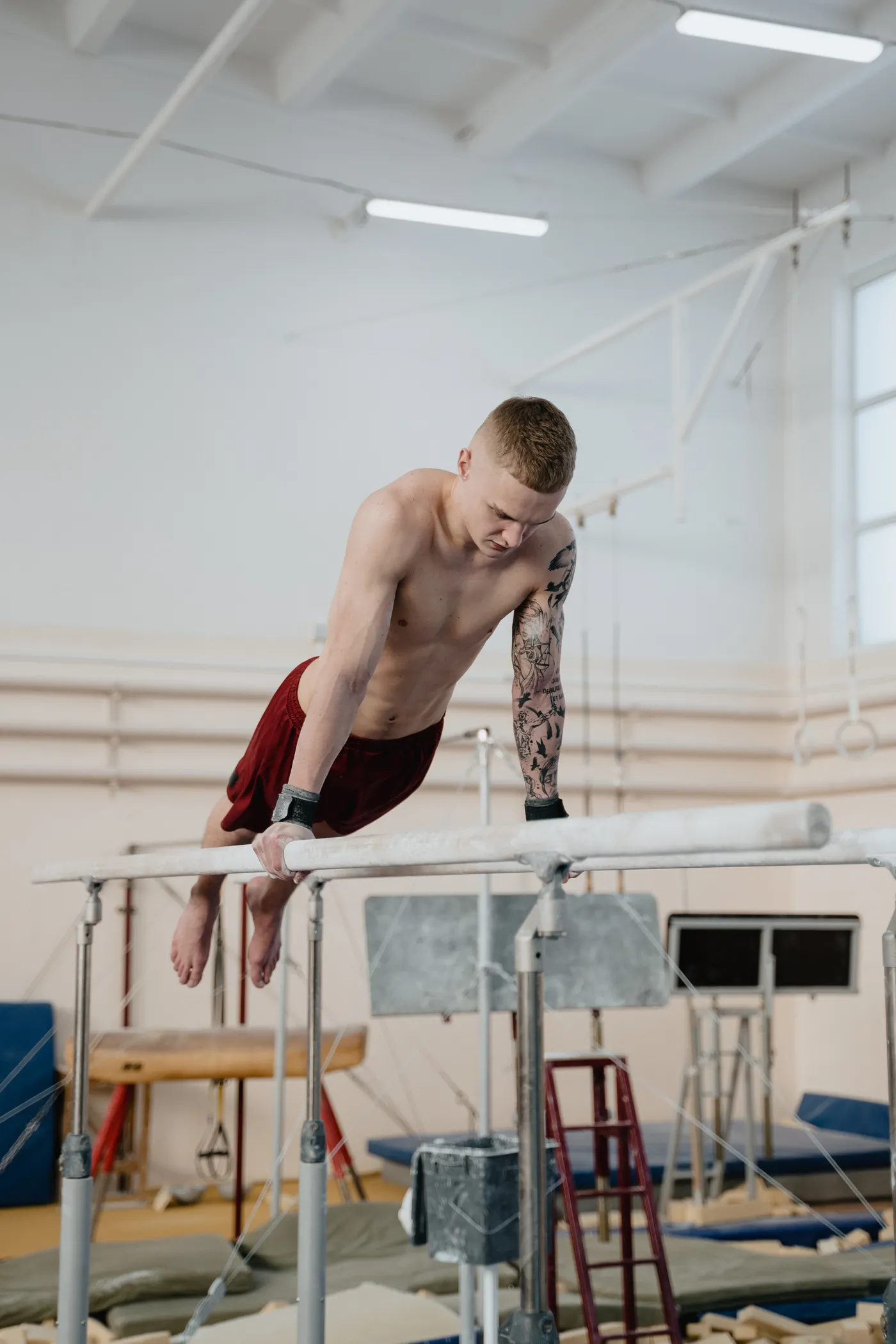
Start with the simplest adjustment: reduce the depth to the last point you can control without discomfort. Do not force the upper arms far below the torso just to meet a gym rule. Descend over roughly two seconds, pause briefly without collapsing, and press back up. If you cannot hold the bottom position steadily, the current load or range may be beyond your present capacity.
Next, check whether the bars are too wide or narrow for your shoulders. Let your elbows follow a natural path rather than pinning them tightly to your ribs or flaring dramatically outward. Keep your torso angle consistent. A modest forward lean can emphasize the chest, while a more upright position often shifts the experience toward the triceps; neither guarantees comfort.
Remove added weight and test a controlled bodyweight repetition. If bodyweight is still too demanding, use a stable foot-assisted setup or another exercise. Bands and assisted machines can change the load, but the amount of help may vary across the movement. Do not assume an assisted dip becomes safe merely because it is easier.
Fatigue matters too. A separate experiment in 15 healthy men compared early and late repetitions during a bar-dip set taken to exhaustion. Muscle activation increased with fatigue, while measured maximum joint angles did not change significantly. That does not prove grinding to failure is harmless; it shows why technique and fatigue cannot be reduced to one simple rule.
Record depth, tempo, assistance, repetitions and discomfort after each set. If a modified dip still creates sharp pain, instability, radiating symptoms or worsening discomfort, stop that variation. Persistent or significant symptoms deserve assessment by a qualified clinician. Do not use online form advice to diagnose an injury.
One caution: a bench dip is not automatically the gentle beginner alternative. It can require substantial shoulder extension. Choose exercises by their actual positions and your response, not by whether they look easier on social media.

Equipment Worth Exploring
Explore equipment, accessories and gear from our carefully selected range.

Power Tower
Freestanding pull-up and dip station with adjustable handles for bodyweight training.




FID Bench MAX
Adjustable bench offering flat, incline, and decline positions + adjustable headrest.
3. Floor presses and squeeze presses preserve heavy pressing
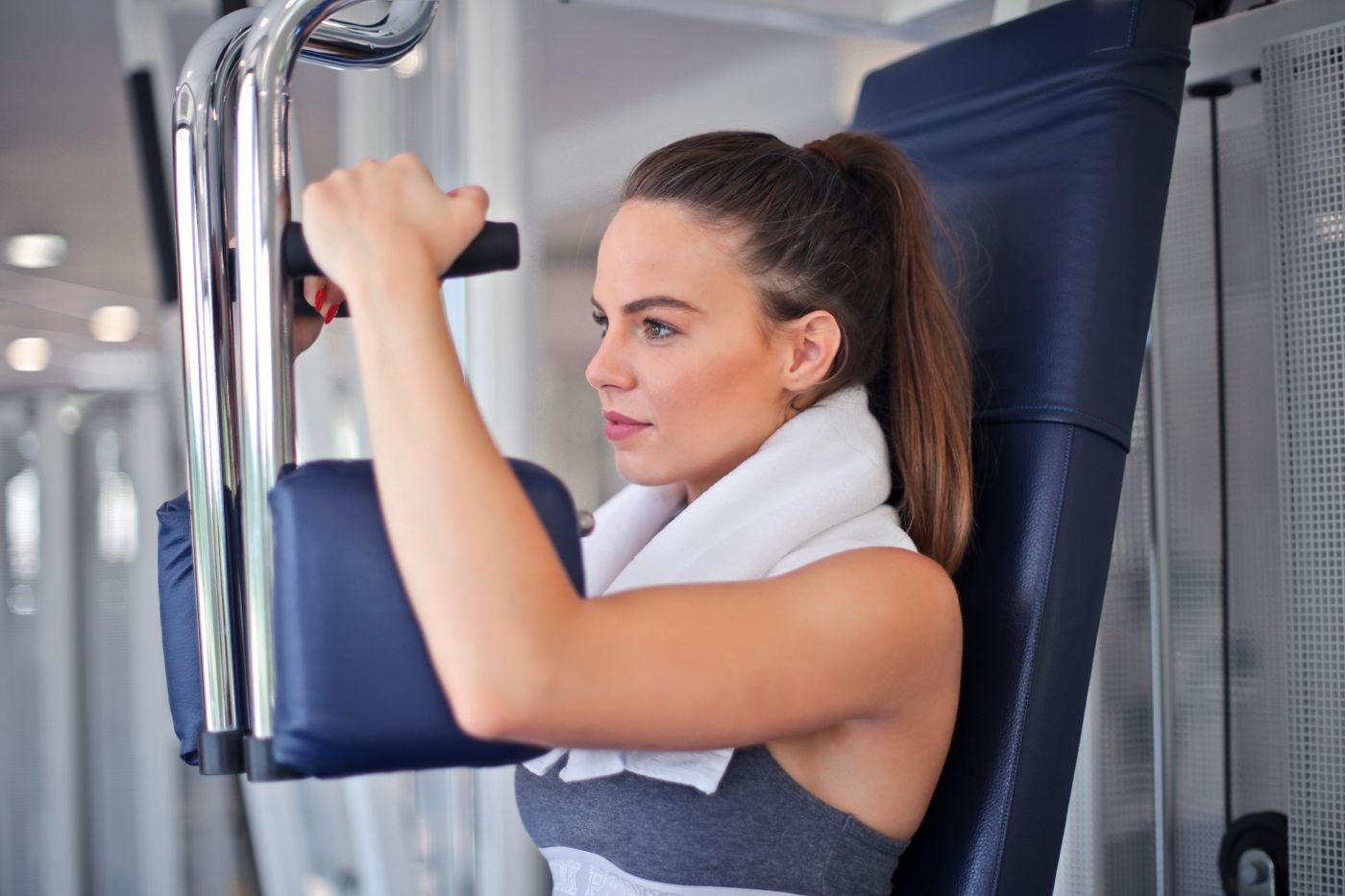
The neutral-grip dumbbell floor press is a strong first replacement when the bottom of a dip is the problem. Lie on the floor with knees bent, hold a dumbbell in each hand with palms facing inward, and lower until the backs of your upper arms contact the floor. Pause gently, then press without bouncing. The floor creates a repeatable stopping point before the upper arms travel far behind the torso.
Try three sets of six to twelve controlled repetitions, leaving one to three good reps in reserve. Start with a load that permits identical depth on both sides. Add a repetition before adding weight. If the floor press feels uncomfortable, experiment with a slightly different grip or choose a machine press with a manageable range instead of forcing it.
The dumbbell squeeze press is a different tool. On a flat bench or stable floor position, hold two dumbbells close together and apply inward pressure while pressing. The squeeze changes how the exercise feels, but it is not proof that the chest receives a uniquely superior growth stimulus. Use two or three sets of eight to fifteen repetitions with a controllable load and stable wrists.
A glute-bridge floor press adds a hip-extension hold to the same pressing pattern. That makes the exercise more complex and may alter the pressing angle, but it does not magically reproduce the dip or guarantee extra lower-chest growth. Use it only when you can keep the pelvis steady without compromising pressing technique.
A systematic review of range-of-motion training found generally small differences between full and partial ranges across outcomes, with context and the part of the movement trained affecting interpretation. That evidence does not tell us a painful deep dip is necessary for muscle growth. A comfortable, repeatable floor press is a legitimate way to accumulate meaningful training volume.
For a compact gym, adjustable dumbbells and clear floor space may be all you need. A bench offers additional options, but it is not essential for the floor press. Keep equipment choice secondary to the movement you can load and progress consistently.

Calisthenics Shirts & Street Workout Gear
Calisthenics and bodyweight-training gear for pull-ups, dips, handstands and street-workout athletes.


Calisthenics Evolution
Show some lifting attitude with a playful “Calisthenics Evolution” tee.


Be Stronger Than Your Excuses – Motivational T-Shirt
Rep “Be Stronger Than Your Excuses” humor in and out of the gym.

Shirt – Lord Of The Calisthenics Rings – Meme T-Shirt
Rep “Lord of the Calisthenics Rings” humor in and out of the gym.

Shirt – Calisthenics Heartbeat Gymbros & Meme Lovers T-Shirt
Bring “Calisthenics Heartbeat” humor to your next gym day.

Calisthenics – Meme & Lovers – Top & Gains T-Shirt
Heavy lifts, good laughs, and a little “Calisthenics” energy.


4. Push-ups can replace much of the pressing challenge
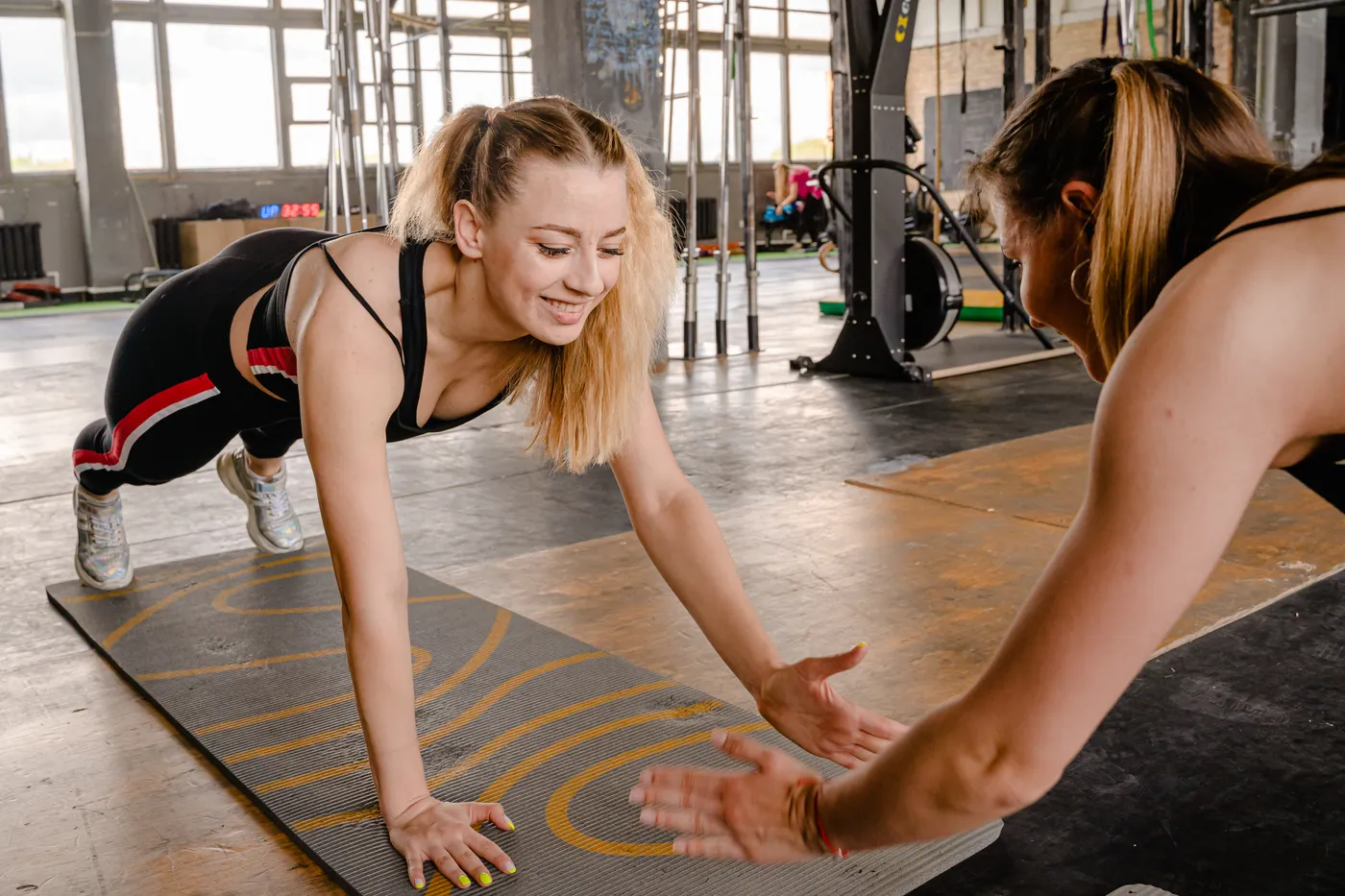
Push-ups train the chest, triceps and shoulder musculature while the hands remain supported. They avoid the same deep shoulder-extension position as the bottom of a dip, although they can still irritate a shoulder if the setup is poorly tolerated. Choose a hand spacing and elbow path that feel natural rather than forcing a perfect diamond shape.
For a close-grip push-up, bring the hands moderately closer than usual, brace the trunk and lower until the chest approaches the floor without losing control. Your elbows should bend in a comfortable path. If placing the hands directly together stresses the wrists, use a slightly wider close grip or stable handles. You can still challenge the triceps without touching your thumbs and index fingers together.
If full push-ups are too hard, elevate the hands on a stable bench or rack-mounted bar. Raising the hands reduces the effective bodyweight demand. If they are too easy, slow the descent, add a brief pause, increase repetitions or use a properly fitted weight vest. A vest changes loading more predictably than a stack of loose plates on the back.
Parallettes and push-up handles can provide a neutral wrist position, but they also allow a deeper descent. That extra depth is optional, not an obligation. Stop before a painful position and avoid turning a shoulder-friendly substitute into a deficit push-up challenge on the first day.
For hypertrophy, start with three sets of eight to fifteen technically consistent repetitions. Progress by increasing reps, then difficulty, while maintaining a similar range and tempo. The best variation is the one you can train close enough to muscular fatigue without repeatedly aggravating the joint.
Push-ups are practical when space is scarce: no full dip station is required, and small handles fit in a drawer. That makes them a useful permanent exercise, not merely a temporary consolation prize for someone who cannot dip.
5. Cable pressdowns and machine presses separate chest from triceps
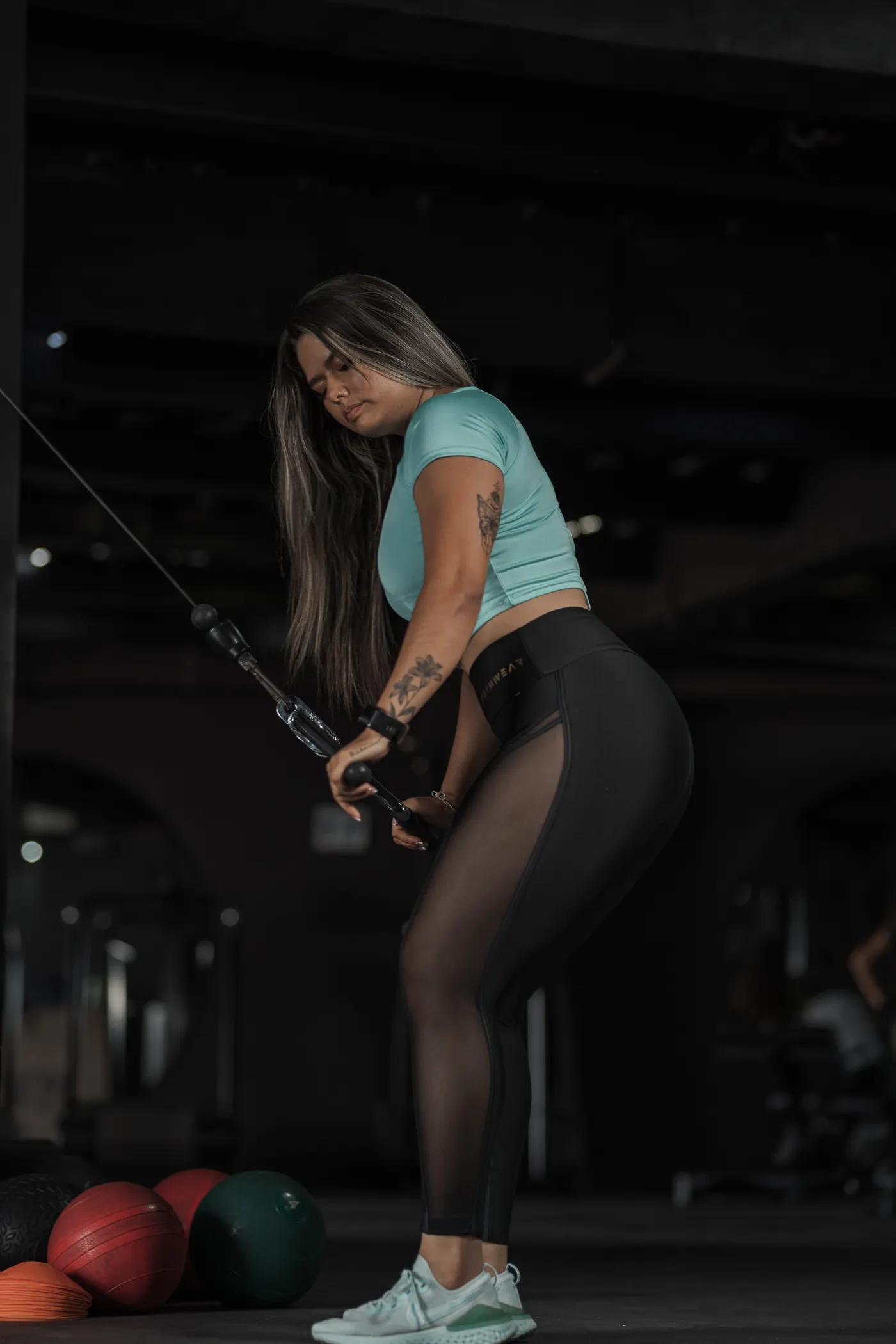
Not every replacement must mimic the dip perfectly. A dip combines chest and triceps work; a cable pressdown can train the triceps directly, while a chest press covers the horizontal pressing role. Together they can provide a complete upper-body stimulus without requiring a deep loaded shoulder-extension position.
For a triceps pressdown, set the pulley high enough to allow a smooth downward path. Keep the upper arms relatively stable, elbows near the sides and wrists neutral. Extend the elbows without throwing the torso forward, then return slowly. Start with three sets of ten to fifteen reps. A rope, individual handle or comfortable straight attachment can all work; none is universally superior.
If a standard pressdown irritates the elbow or wrist, experiment with a different handle, lighter resistance or a single-arm variation. A forward-leaning jackhammer-style pressdown is another option, but keep the shoulder position stable and do not turn it into a whole-body heave. The triceps should perform the elbow-extension work.
For the chest, a cable chest press, dumbbell bench press or stable chest-press machine can supply progressive resistance. Use a neutral or moderately pronated grip, lower only as far as comfortable, and press without excessive arching. The cable version allows small changes in stance and handle path, but it still requires thoughtful setup and secure anchors.
A portable cable unit can make these exercises possible in a very small home gym. Check the manufacturer’s anchoring instructions, cable path and attachment ratings before loading it. Never improvise a high-tension attachment to furniture or an unsecured structure. If a setup is not stable, use dumbbells or push-ups instead.
Separating chest and triceps work helps when one muscle limits a compound movement before the other receives enough work. Two modest exercises can be easier to recover from and progress than repeatedly forcing one painful dip variation. Keep total weekly pressing volume in mind rather than stacking every substitute into the same session.
Equipment Worth Exploring
Explore equipment, accessories and gear from our carefully selected range.
VOLTRA
Compact digital cable trainer with smooth, adjustable resistance.

Go-Tone Pro
Portable digital cable trainer with up to 66 lb (30 kg) of adjustable resistance.

Long Tricep ERGO Ropes
Extended triceps ropes with ergonomic grips for cable pressdowns and overhead extensions.
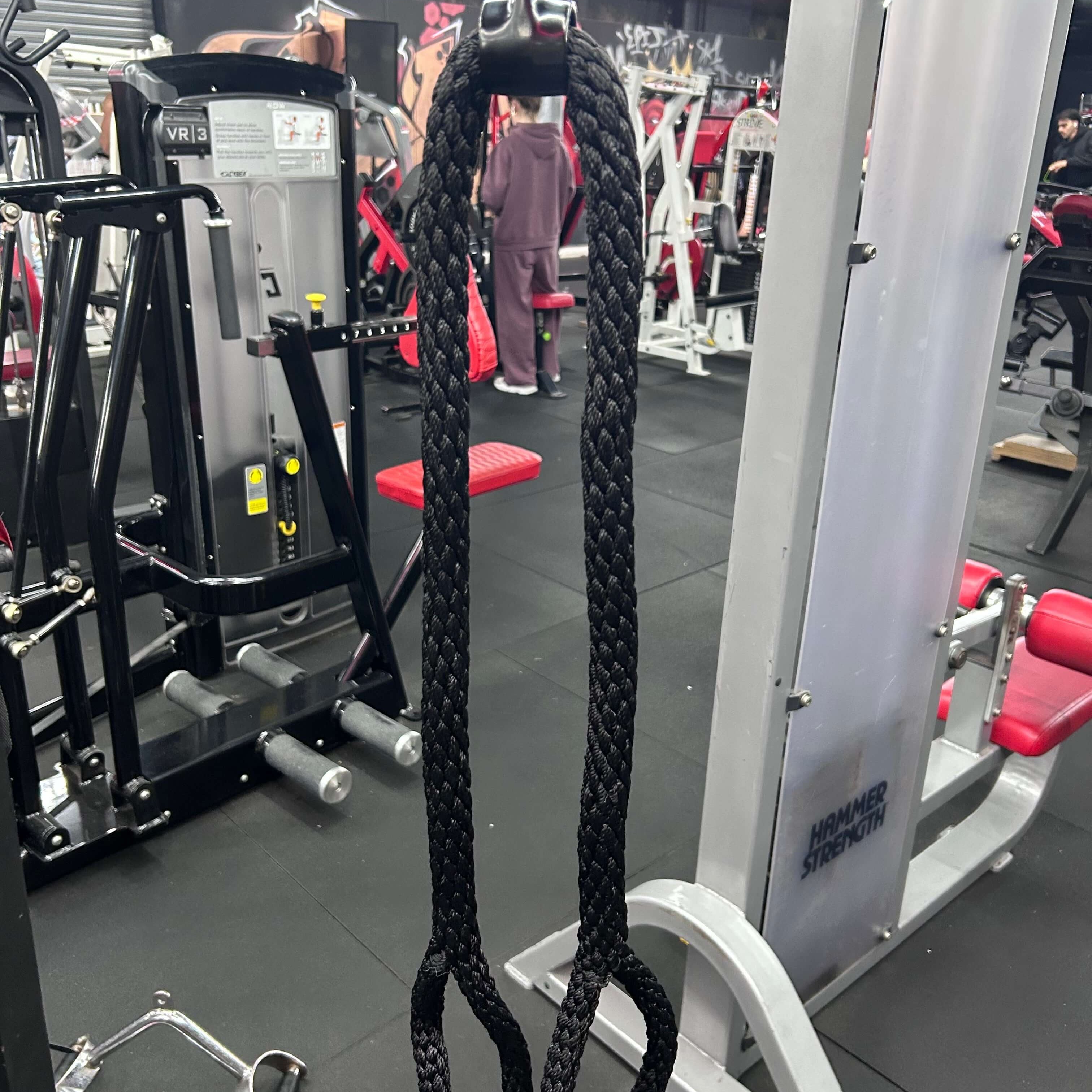
Super Long Tricep Rope
Extra-long looped cable rope for triceps pressdowns and overhead extensions.
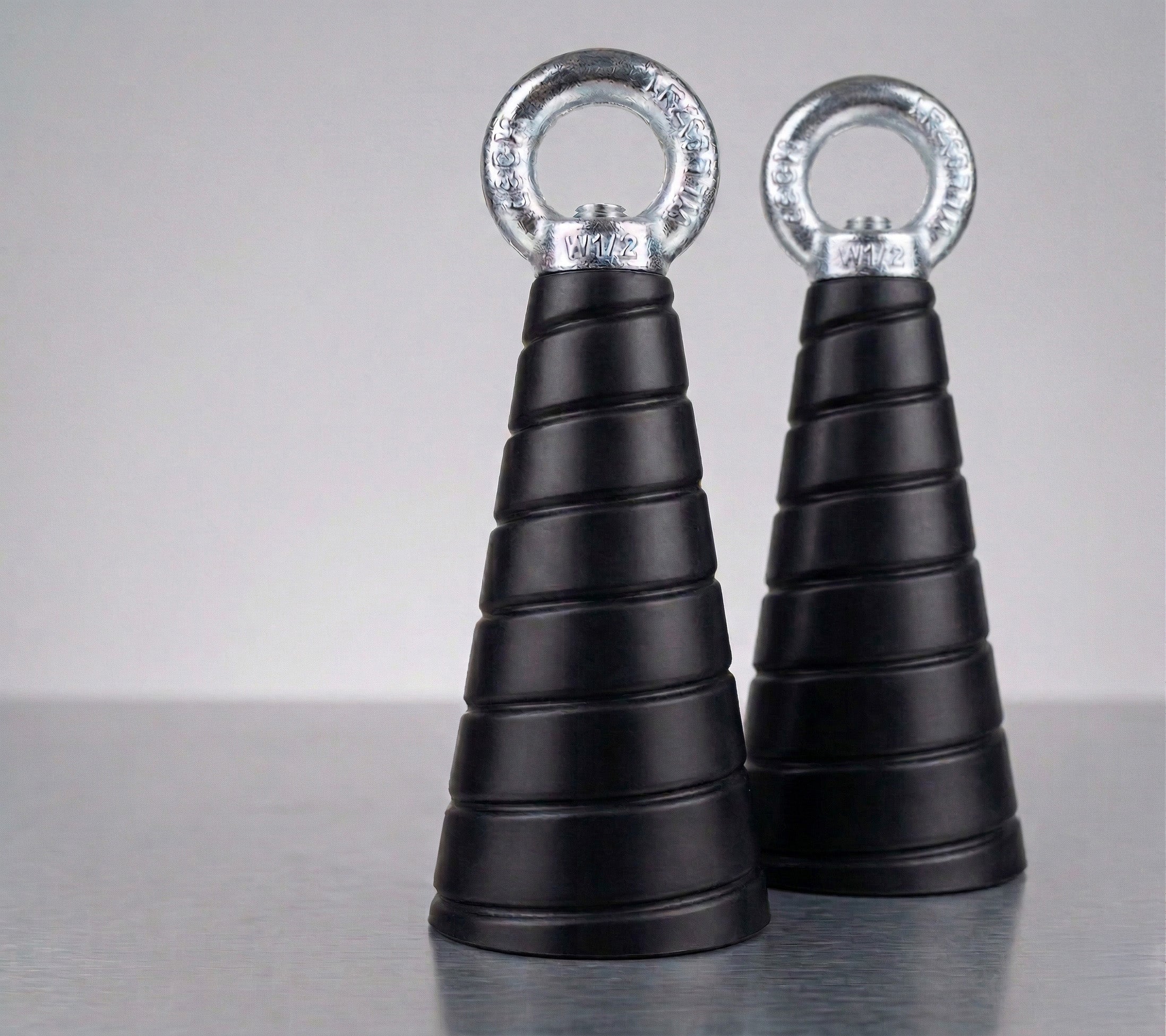
Tapered Tricep Cone
Tapered rubber cable grip for triceps extensions, face pulls and hammer curls.

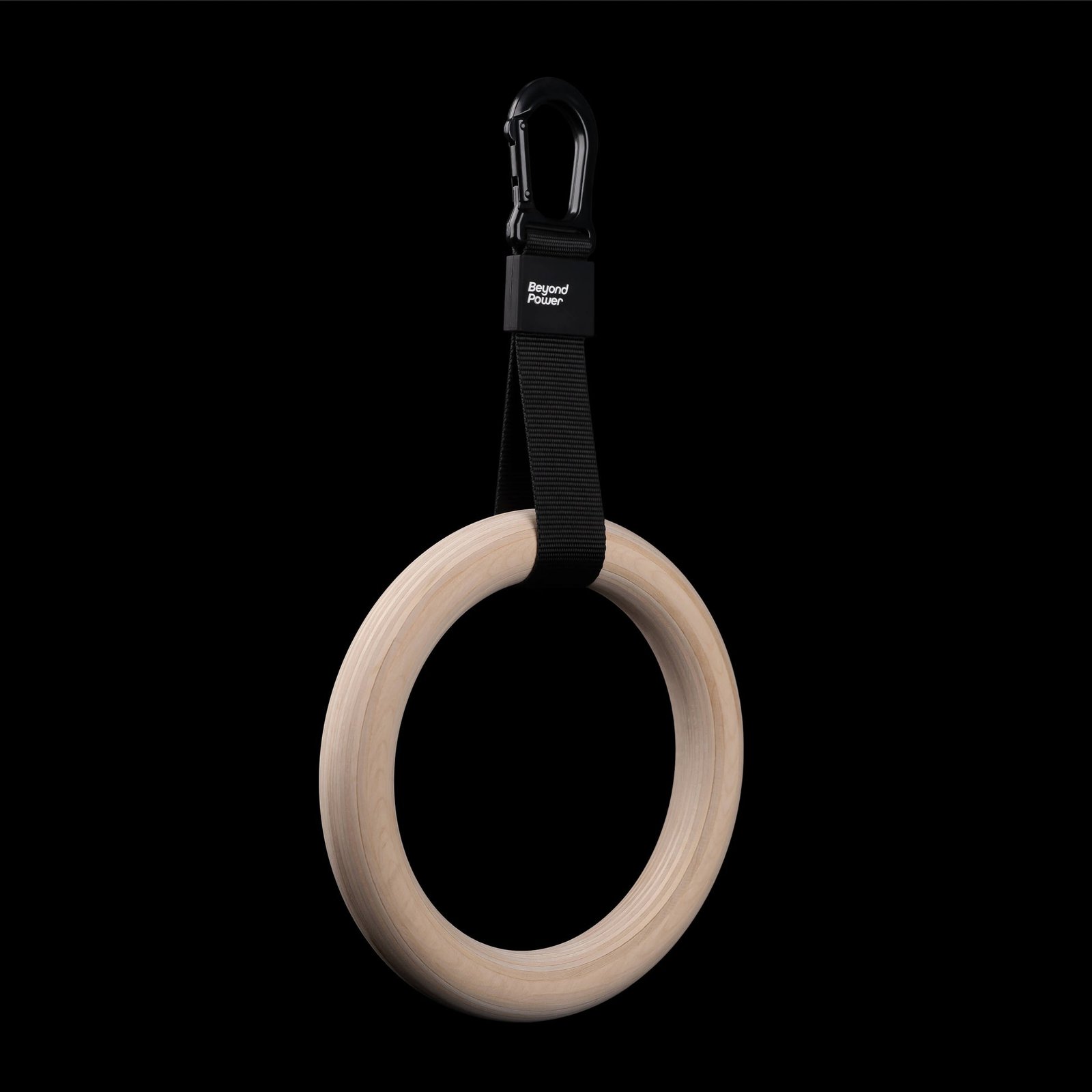
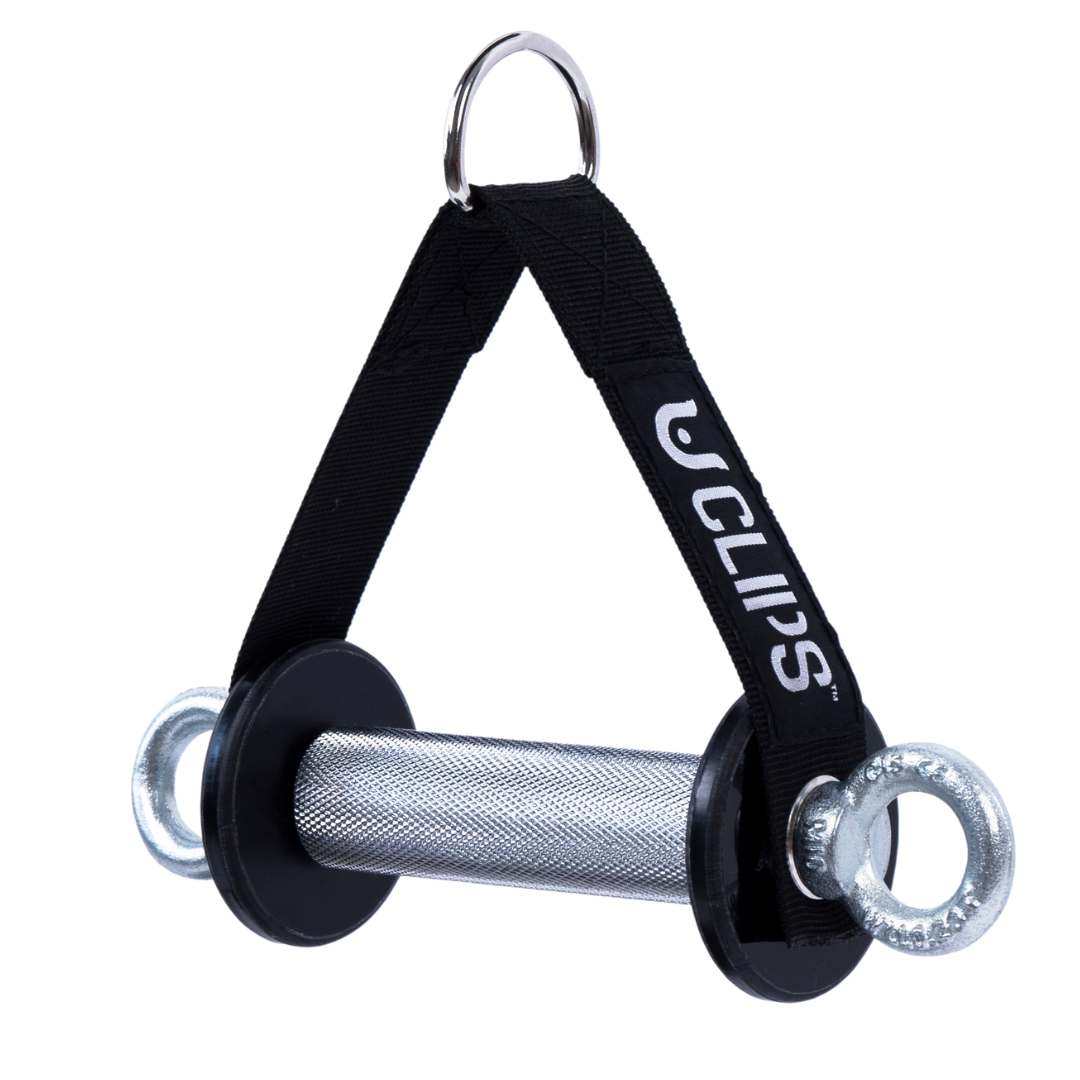
GymPin Ergo Handles
Pair of ergonomic cable handles shaped for comfortable triceps and pulling exercises.
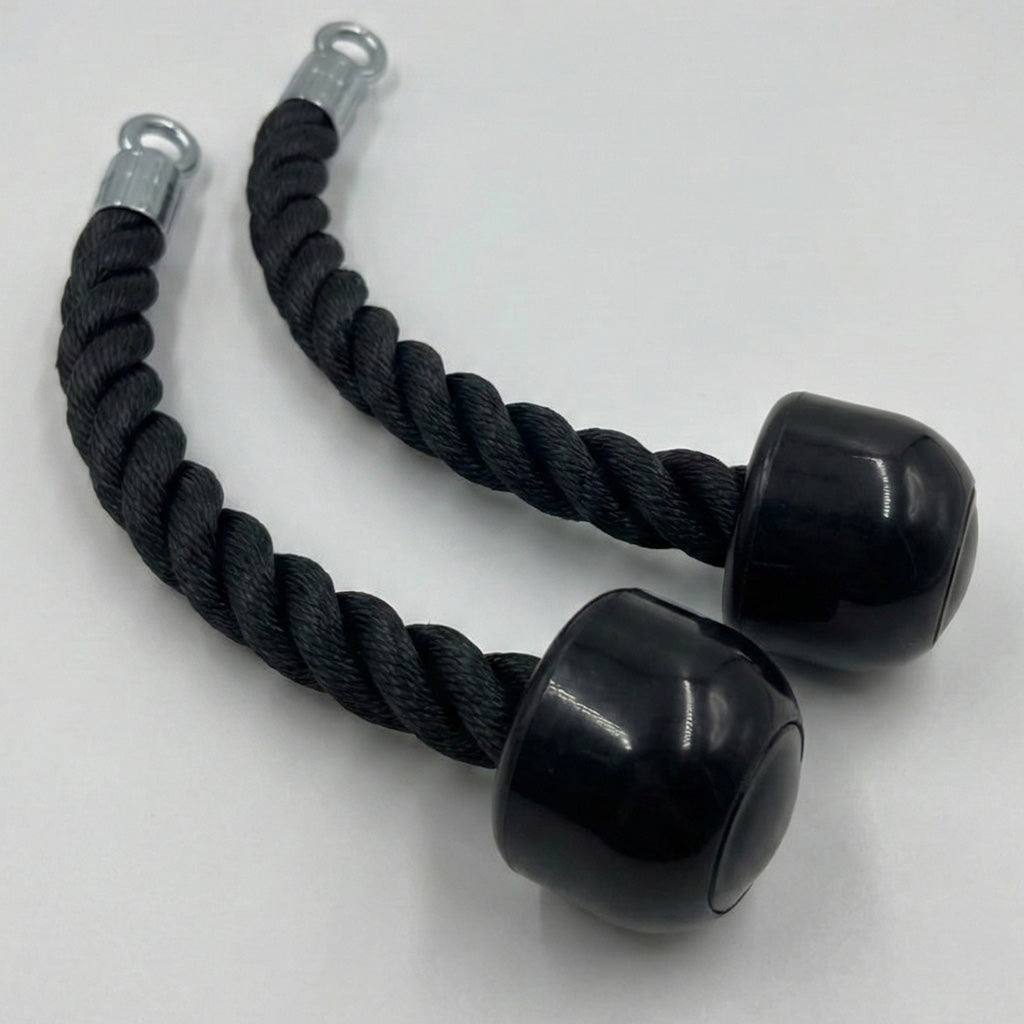
Individual Tricep Ropes
Pair of individual cable ropes for triceps pressdowns and cable hammer curls.
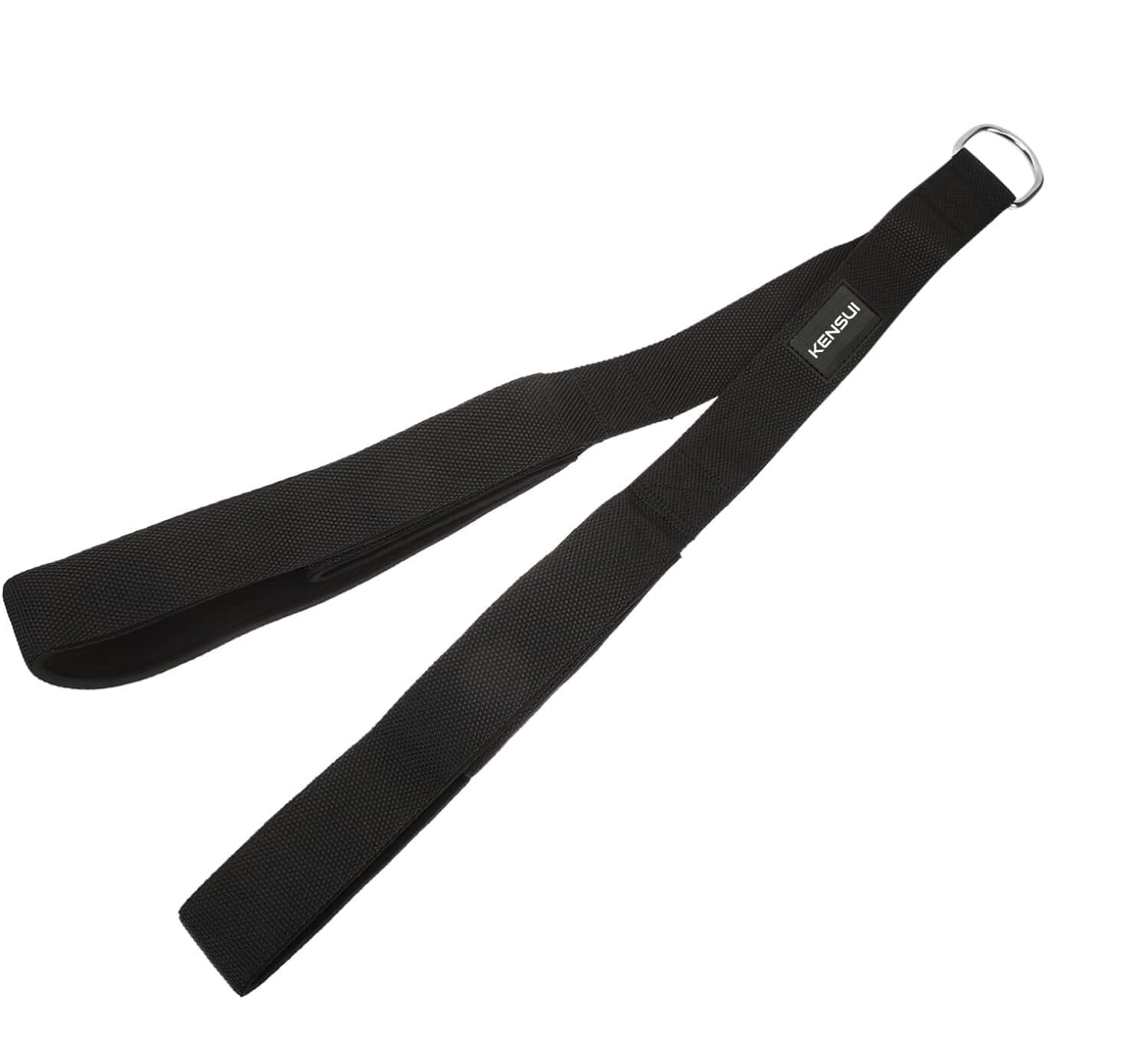
Multi-Length Tricep Strap
Adjustable-length cable strap for triceps, biceps and upper-body cable exercises.
6. A two-day chest-and-triceps plan for a compact home gym
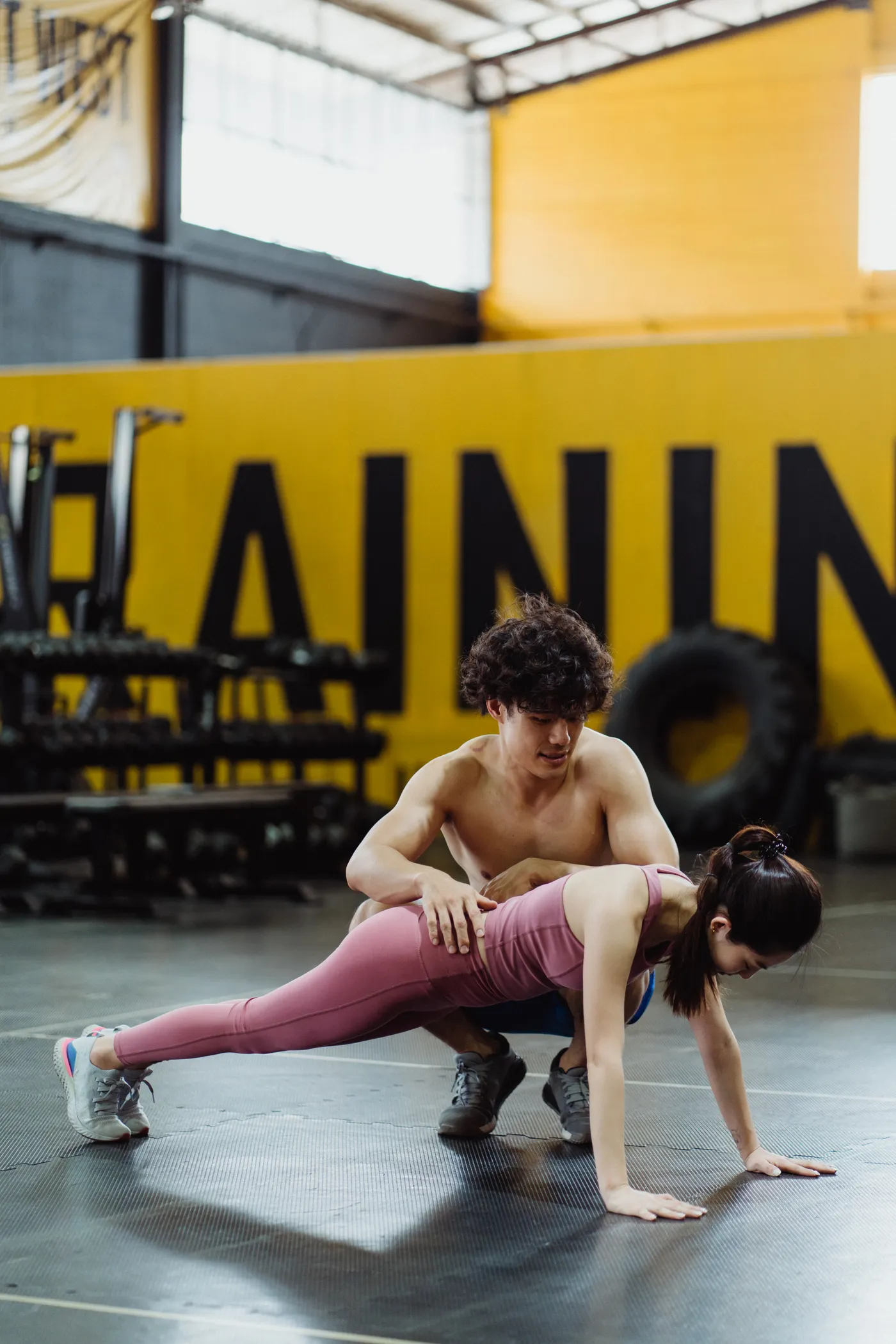
The goal is not to perform every dip alternative in one workout. Select one main press, one secondary press and one triceps-focused movement. Train on two nonconsecutive days, leaving at least a day between demanding upper-body sessions. The following template is an example for healthy adults, not rehabilitation treatment.
Day A: load the press
- Neutral-grip dumbbell floor press: 3 sets of 6-10 reps.
- Hands-elevated or standard push-up: 3 sets of 8-15 reps.
- Cable triceps pressdown: 2 sets of 10-15 reps.
- Optional light row: 2 sets of 10-12 reps to keep pulling work in the week.
Rest roughly two minutes after demanding presses and 60-90 seconds after accessories. Start the floor press with two or three repetitions in reserve. On the final push-up set, stop when another technically consistent repetition would be doubtful. If a movement causes pain, substitute a comfortable version rather than pushing through it.
Day B: controlled volume
- Dumbbell squeeze press or cable chest press: 3 sets of 8-12 reps.
- Close-grip push-up on handles or a bench: 2 sets of 8-15 reps.
- Single-arm cable pressdown: 3 sets of 10-15 reps per arm.
- Optional supported row or pulldown: 2-3 sets of 8-12 reps.
This template delivers repeated chest and triceps exposure without forcing dips. If you also bench press heavily elsewhere, remove some accessory sets rather than adding this plan on top of an already high-volume program. For beginners, two working sets per exercise may be sufficient initially.
A 2026 evidence review covering many resistance-training studies emphasizes consistency, progressive effort and individualized routines over elaborate equipment or universally perfect exercise choices. The home-gym version follows that principle: keep the setup safe, track a few meaningful lifts and improve them gradually.
Warm up with easy arm movements, light pressing and one or two progressively heavier practice sets. You do not need a complicated ritual, but should not jump straight from inactivity into your hardest working set. A balanced program still includes pulling, lower-body and trunk training on other days.
Bodybuilding Shirts & Workout Gear
Bodybuilding shirts, tanks and gym gear for lifters chasing muscle, size, symmetry and the pump.


I Love Bench Press Valentine'S Day Meme – Chest Day T-Shirt
Make gym days more fun with “I Love Bench Press Funny Valentine's Day” style.

My Bench Press Is Stuck Tee
Heavy lifts, good laughs, and a little “My Bench Press is Stuck Funny Horror” energy.

Shirt – I Want You To Bench Press Uncle Sam T-Shirt
Heavy lifts, good laughs, and a little “I Want You To Bench Press Uncle Sam” energy.


Work on His Pecks Tee
Show some bodybuilding attitude with a playful “Why Did The Chicken Go To The Gym? To Work” tee.


The Chestfather Arnold – Big Chest , Meme Shirt, T-Shirt
Bring “The Chestfather Arnold” humor to your next gym day.
7. Four-week progression and a sensible shoulder decision
Week one is the baseline. Choose versions you can perform comfortably, record each load and repetition count, and keep one to three reps in reserve. Use the same grip and range on subsequent sessions so the numbers mean something. Note any shoulder symptoms during training and later that day.
In week two, try to add one clean repetition to one or more sets while preserving technique. If every set is already at the top of its range, make a small load increase at the next session. With push-ups, use a slightly lower hand support or add a modest vest load rather than changing five variables at once.
In week three, keep progressing only if recovery and movement quality remain good. If fatigue causes you to shorten the range, shrug, twist or bounce, repeat the previous load instead. A good session is not defined by reaching failure on every exercise. In week four, compare total controlled repetitions, loads and comfort with week one. More useful work with stable technique is progress.
Should you test dips again? Only if you want to and the shoulder has been comfortable. Start with a supported or partial-range version, no extra weight and a low number of repetitions. If the familiar pain returns, there is no reason to force the movement. You can keep building a strong chest and triceps with presses, push-ups and cables.
Sharp pain, a sense of instability, numbness, weakness, radiating symptoms or persistent pain after training warrant professional assessment. Training advice cannot distinguish ordinary exercise discomfort from a condition requiring medical care. Stop and seek appropriate evaluation rather than assuming one cue will solve it.
Dips are useful, but not compulsory. A stable floor press, progressively loaded push-up and controlled cable pressdown can create an effective, space-efficient alternative. Choose movements you tolerate, train them consistently and let results guide the next four weeks instead of chasing a supposedly perfect dip depth.