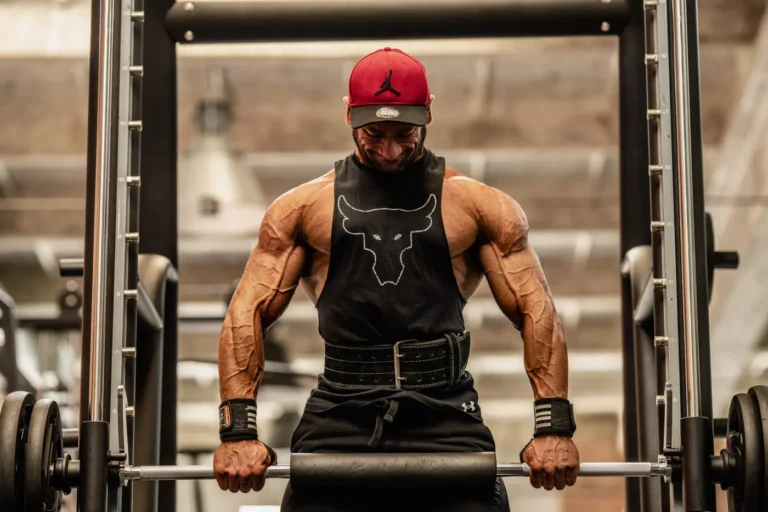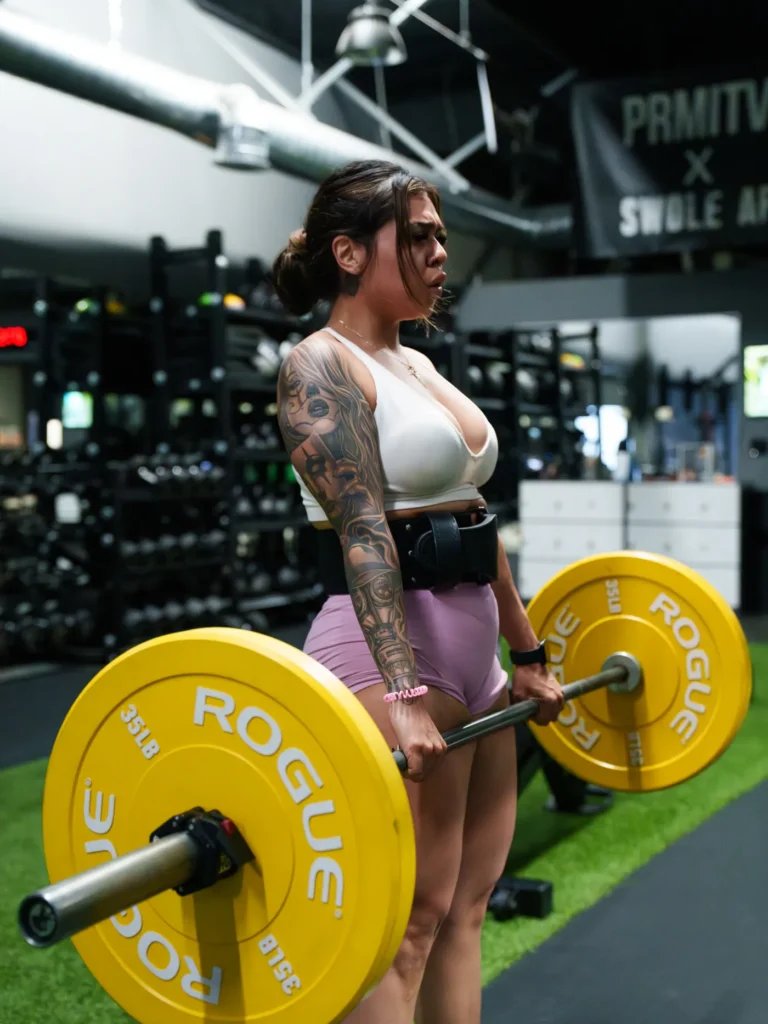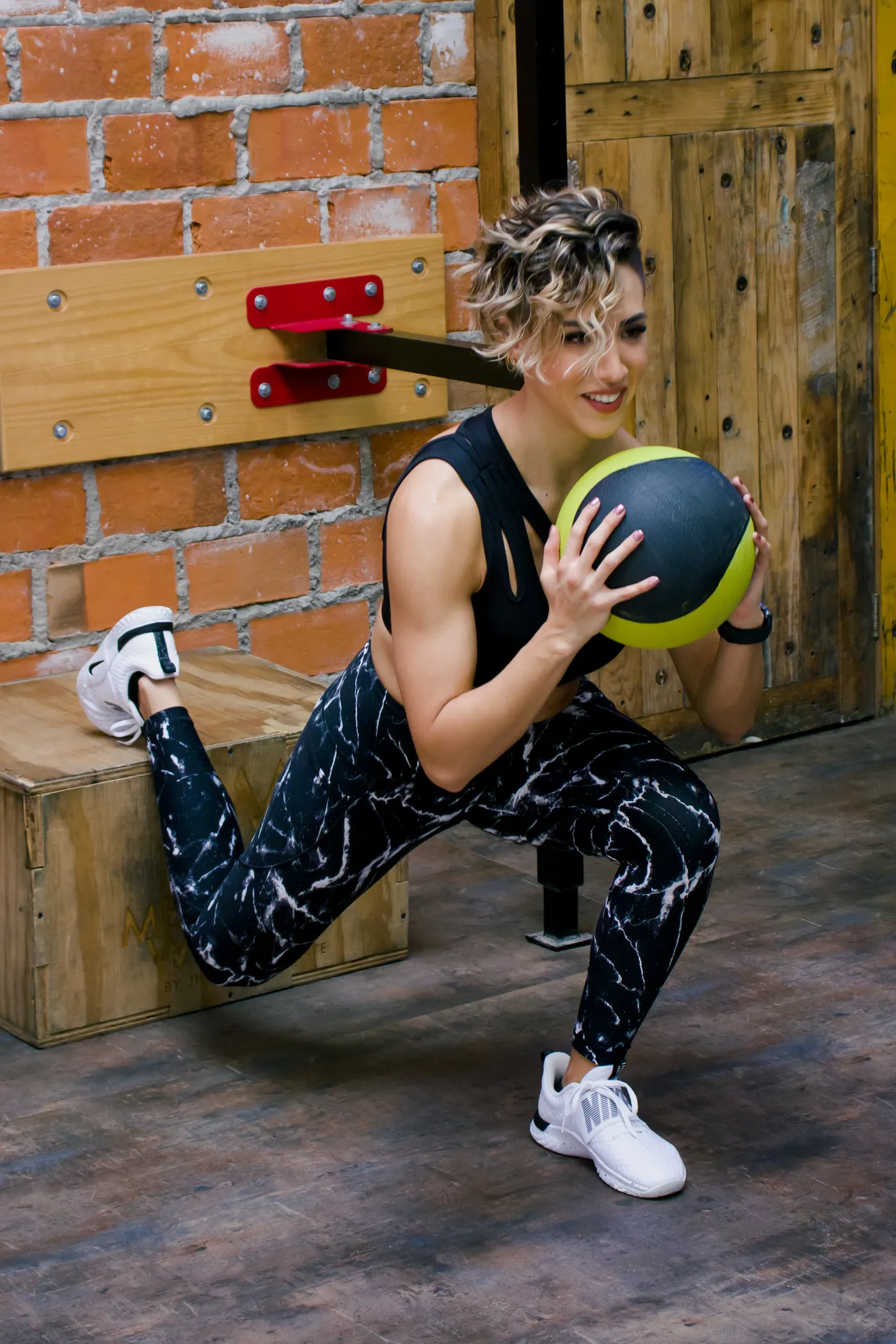
Strength training makes obvious demands on your muscles, but it also asks your nervous system to solve a problem on every repetition. You judge distance, coordinate joints, maintain balance and react when the load moves differently than expected. Adding a modest attention or coordination challenge can make that connection more deliberate. The important question is whether it improves useful skills or merely makes a familiar exercise harder to perform.
A new training discussion highlights simple medicine-ball drills as one way to combine movement and thinking. The idea is appealing, but a clever drill is not automatically a better strength workout, a memory treatment or a shortcut to brain health. Here is how to separate promising cognitive-motor practice from claims that exceed the evidence, and how to experiment without compromising technique.
Every good lift already trains a movement decision
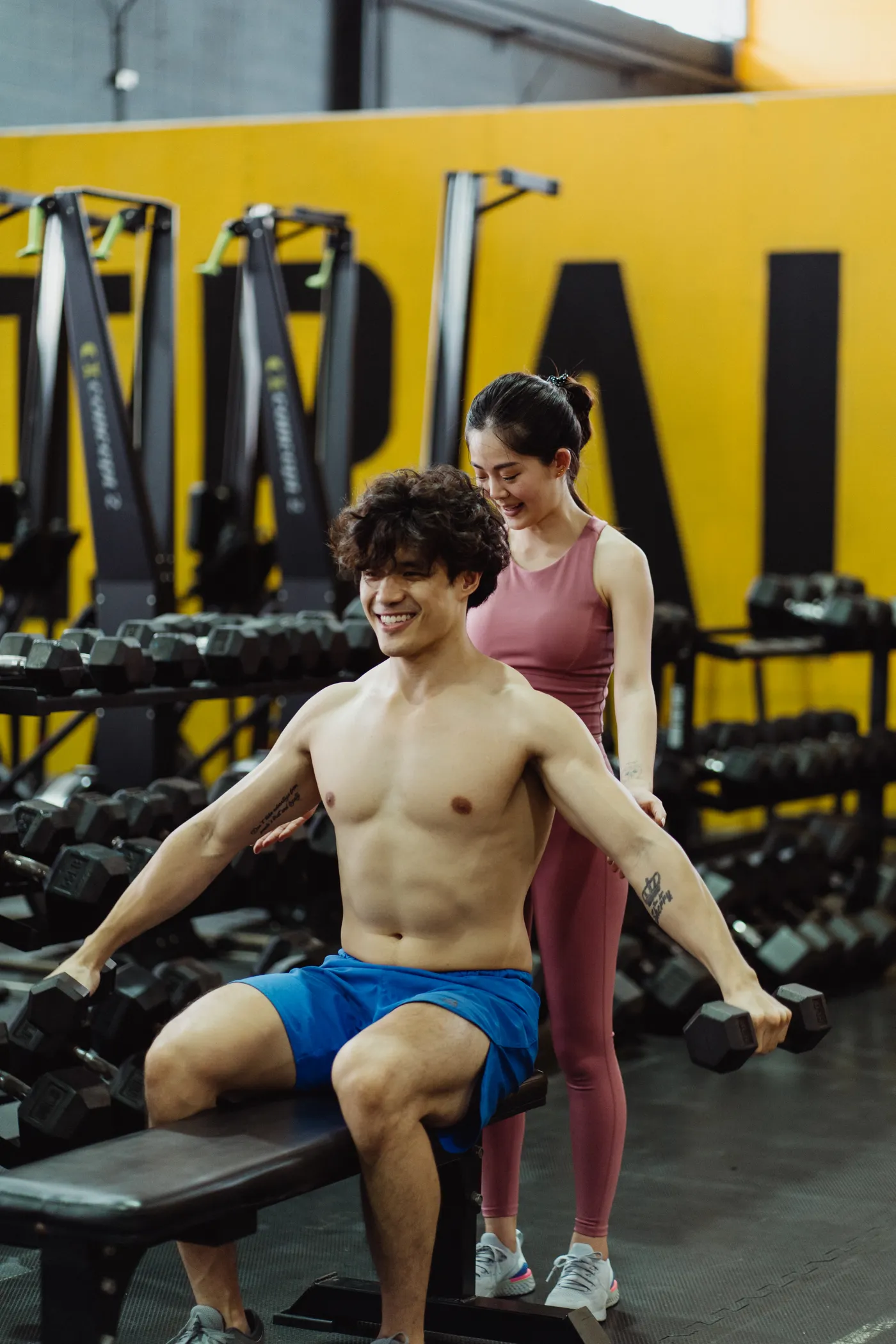
A squat is not just knee and hip extension. Before the first repetition, you choose a stance, find a stable pressure distribution under your feet and set the depth you can control. During the rep, your brain integrates information from vision, the vestibular system and sensors in muscles and joints. A dumbbell row asks you to resist rotation while moving a load along a repeatable path. A carry adds continuous decisions about foot placement and trunk position.
Those tasks become more automatic with practice, which is useful. Automaticity lets you devote attention to breathing, pace or the environment instead of consciously controlling every joint. But when a drill becomes effortless, a small change in direction, timing or external cue can test whether you own the pattern rather than merely repeating it in one predictable setting.
That does not mean every exercise should become a juggling act. A heavy deadlift has enough coordination and bracing demands already. Adding a memory game during a near-maximal attempt creates distraction without a clear training payoff. The sensible place for extra cognitive work is a light-to-moderate accessory drill, a warm-up or a separate movement block, where mistakes are inexpensive.
Think of three distinct goals: strength means producing more force, coordination means organizing movement reliably, and dual-task performance means maintaining that organization while attention is divided. They overlap, but none is a perfect substitute for the others.
What the research can—and cannot—say about the brain
There is credible evidence that conventional resistance training can benefit some cognitive outcomes, especially in older adults. In one year-long randomized experiment involving 155 women aged 65 to 75, once-weekly and twice-weekly resistance programs improved a test of selective attention and conflict resolution relative to a balance-and-toning comparison. The improvements were approximately 12.6% and 10.9% in the resistance groups, versus a small deterioration in the comparison group. That is meaningful evidence for the value of lifting, not proof that a particular medicine-ball combination improves memory.
A later synthesis pooling 17 randomized trials and 739 older participants reported improvements in overall cognitive function and several memory outcomes. Yet its pooled effects on processing speed, attention and executive function were not statistically clear. Cognitive function is not one score: working memory, task switching, inhibition, learning and processing speed can respond differently, and tests do not always translate neatly into daily life.
Other analyses also underline the importance of the comparison group. Programs combining aerobic and resistance exercise sometimes outperform doing nothing, but they are not consistently superior to another active exercise routine. A new intervention can look impressive against inactivity and much less exceptional against a well-designed conventional program.
For a lifter, the defensible conclusion is that regular exercise belongs in a long-term brain-health routine, while the incremental benefit of adding counting, reaction cues or alternating movements remains uncertain. There is no good reason to abandon progressive overload in favor of novelty alone. Maintain the training you can recover from, then treat the cognitive element as a specific skill to practice.

Equipment Worth Exploring
Explore equipment, accessories and gear from our carefully selected range.


FID Bench MAX
Adjustable bench offering flat, incline, and decline positions + adjustable headrest.

VOLTRA
Compact digital cable trainer with smooth, adjustable resistance.

Go-Tone Pro
Portable digital cable trainer with up to 66 lb (30 kg) of adjustable resistance.


Dual-task training has promise, not a guaranteed advantage
Dual-task exercise means completing a movement while handling another demand: naming categories, reacting to a color, changing direction on a signal or remembering a short sequence. This is different from merely listening to music during a set. The second task should require attention, and it should be measurable enough to see whether you improve at doing both jobs together.
Recent evidence on combining strength and cognitive tasks in older adults is cautious. Some studies suggest small improvements in functional mobility, but the evidence that dual-task lifting produces superior strength or general cognition is uncertain. Practice effects complicate interpretation: someone who rehearses counting while stepping may improve specifically at counting while stepping, without acquiring a broad cognitive advantage. Safety data are also limited for frail populations, so balance challenges should not be introduced casually.
That is why task difficulty matters more than theatrics. A two-handed medicine-ball pass while standing securely is one level. The same pass on one leg, with eyes tracking a moving partner and an unpredictable call, is a different level of risk. The goal is not to make the drill look difficult on camera. It is to introduce one controllable variable and maintain movement quality.
Use a simple traffic-light rule. Green: stable posture, normal breathing, controlled repetitions and accurate responses. Yellow: occasional hesitation or minor foot adjustments; reduce speed or complexity. Red: stumbling, lost bracing, pain, dizziness or repeated errors; stop and simplify. Extra cognitive load is worthwhile only when it does not turn the physical task into a hazard.

Funny Gym Shirts & Workout Gear
Funny gym shirts, tanks, hoodies and workout gear for lifters who like training hard.


Pencilneck Science Tee
Make gym days more fun with “Pencilneck Science-Based Lifting” style.

Shirt – Broscience – Meme & Gymbros T-Shirt
Make gym days more fun with “Broscience” style.

Progressive Overload Tee
Show some bodybuilding attitude with a playful “First Progressive Overload President” tee.

Doctor Discipline Gym Villain T
Make gym days more fun with “Doctor Discipline Gym Villain” style.

Be Stronger Than Your Excuses – Motivational T-Shirt
Rep “Be Stronger Than Your Excuses” humor in and out of the gym.

Lift Eat Repeat – Weightlifting & – Meme Bros & T-Shirt
Make gym days more fun with “Lift Eat Repeat” style.

Motivation – Barbell Meme Strong , Leg Day Squats & T-Shirt
Make gym days more fun with “Gym Motivation” style.

No Excuses Mermaid Strong , Leg Day Meme & T-Shirt
Make gym days more fun with “No Excuses Mermaid” style.

I Am The One Who Lifts , & Gymbros T-Shirt
Make gym days more fun with “I Am The One Who Lifts” style.
Five practical drills that challenge both movement and attention
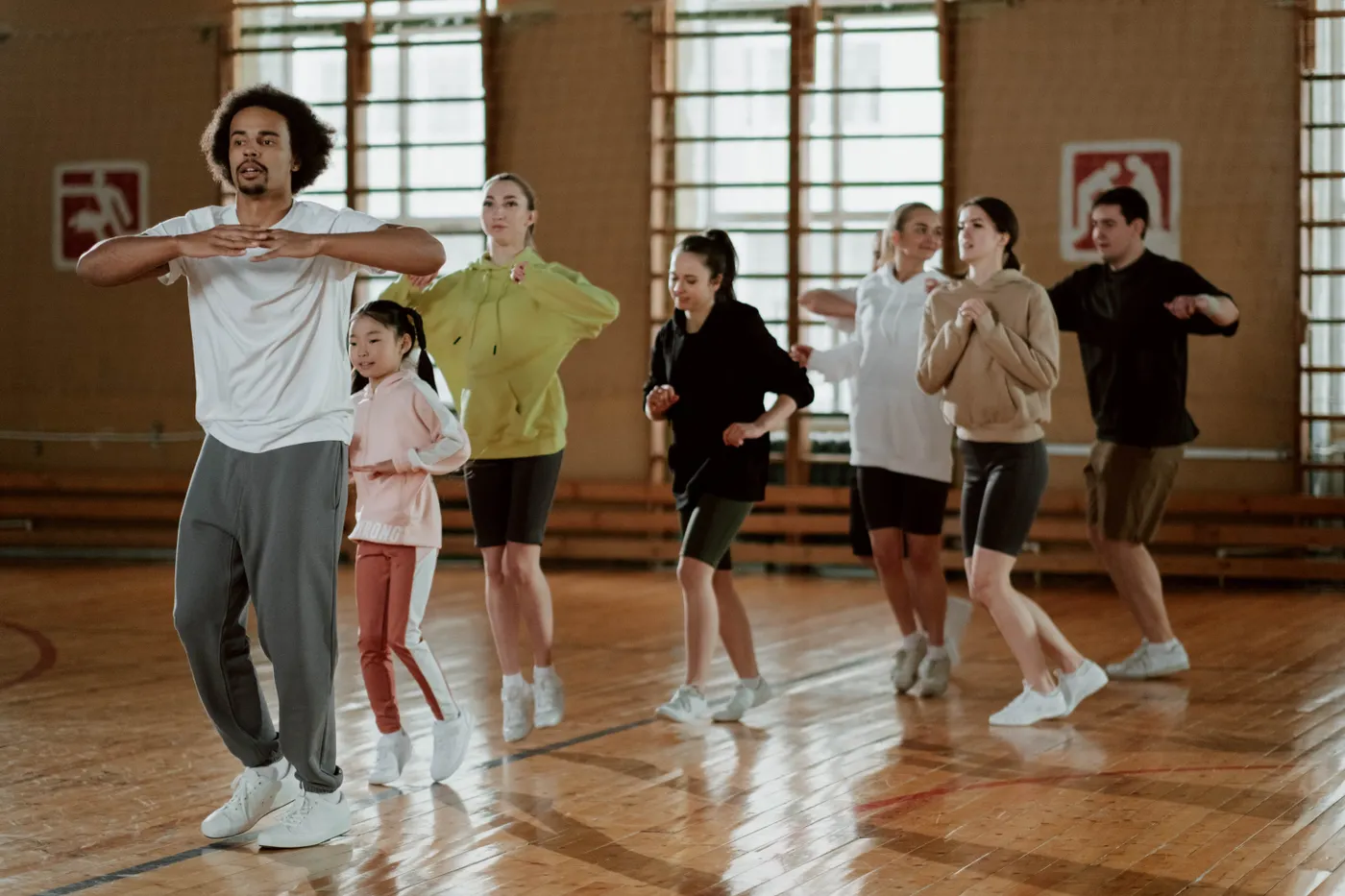
Start with two to three short sets, using a light ball or manageable dumbbell and a clear floor. These are examples for generally healthy adults, not clinical rehabilitation prescriptions. Pick one or two rather than stacking every drill into a single session.
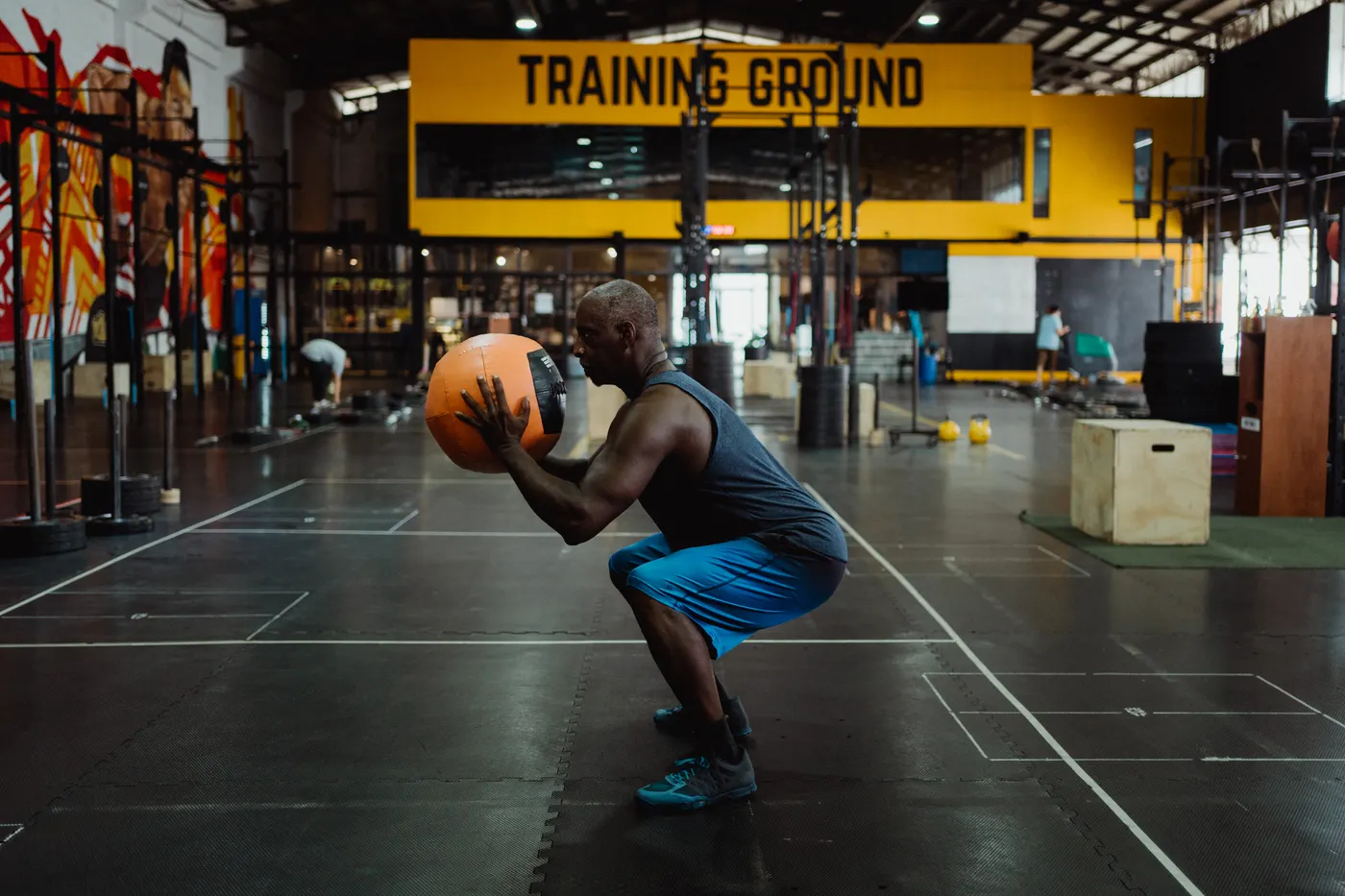
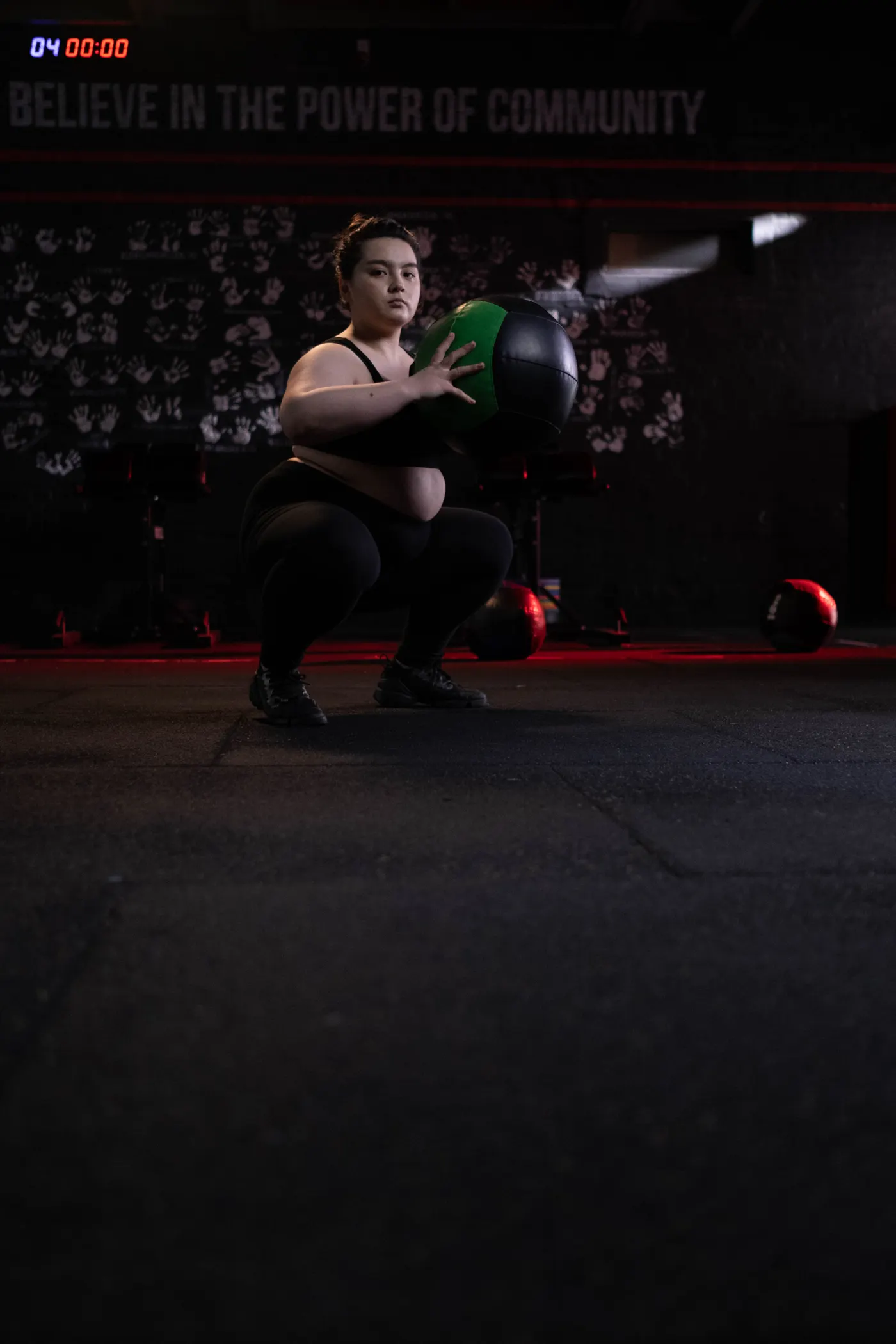
- Color-cue medicine-ball squat: hold a light ball at chest height, squat to a consistent comfortable depth, then stand. A partner calls one of two colors as you rise; respond with a designated word or hand position. Start with predictable calls before adding randomness. Keep the ball close and avoid rushing the descent.
- Alternating step and recall: step forward, back and sideways on verbal cues while recalling a short three-item sequence. Use floor markers rather than a raised platform initially. Record correct steps and correct recalls separately, so speed does not hide errors.
- Half-kneeling press with direction cue: press a light dumbbell or cable handle while a partner indicates left or right. You answer verbally without rotating your trunk. Change the leading leg between sets. The press remains smooth and stable; the cognitive task must not pull you off balance.
- Carry and category switch: walk a short, unobstructed route with two light weights while naming items in a category. On a cue, switch categories. If your path wanders or posture collapses, reduce the load or perform the naming task without weights first.
- Medicine-ball partner pass: make controlled chest passes at a comfortable distance. Alternate between two agreed targets only after a verbal signal. Use a soft, light ball, keep the partner in view and avoid surprise throws.
For solo training, record audio cues in advance or use a simple interval timer with alternating sounds. Do not stare at a phone while moving. You can also perform the drills without a second task first, then add it once the movement is reliable. That progression tells you whether the attention challenge is actually the limiting factor.
A four-week plan that protects your strength training
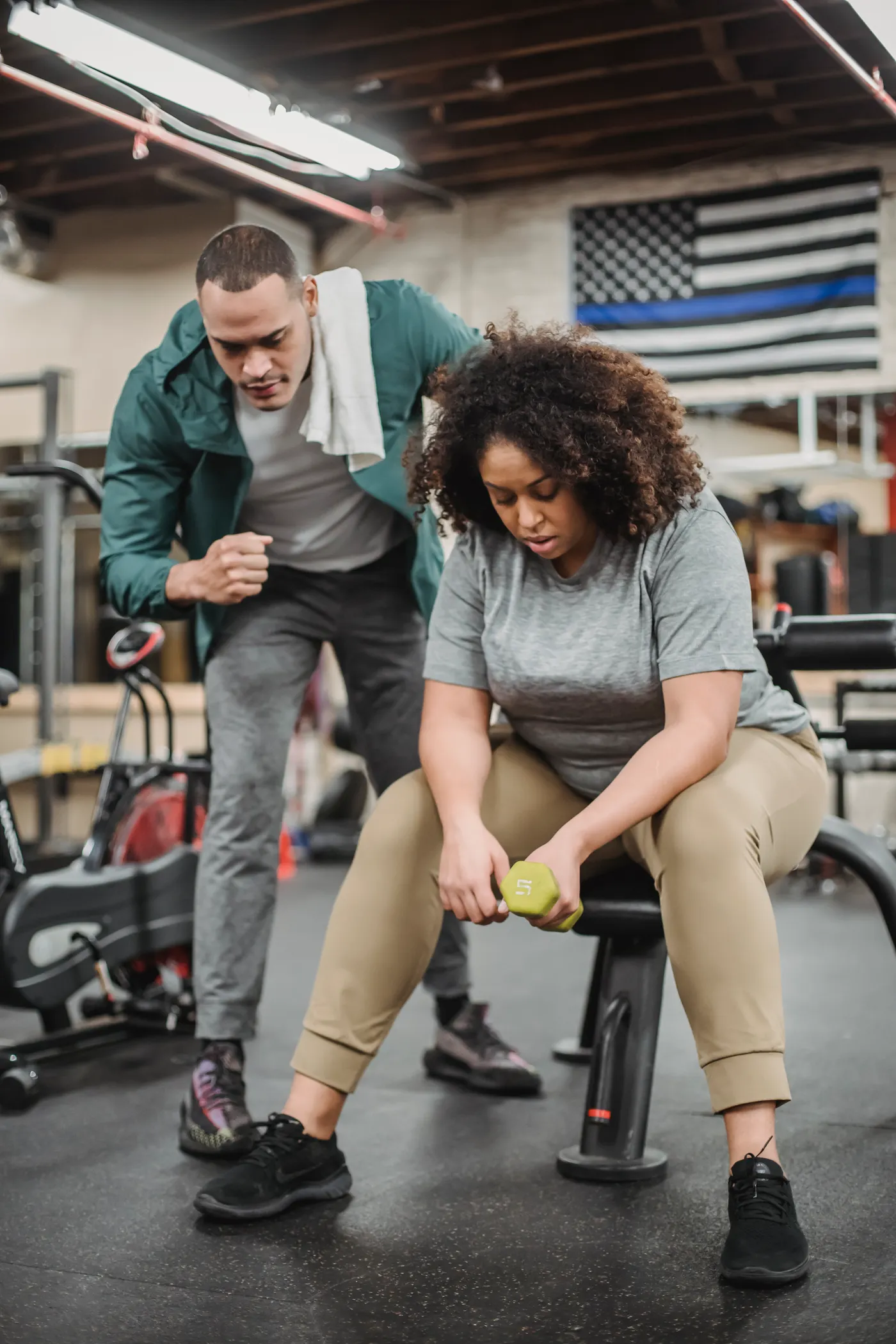
Keep two normal resistance sessions each week as the foundation. Choose a squat or leg press, hinge, horizontal push, pull and carry or trunk exercise appropriate to your experience. Work mostly with loads that leave two or three good repetitions in reserve. Then add eight to twelve minutes of cognitive-motor work after the warm-up or at the end, when fatigue is low enough for precision.
Week 1 — establish a baseline. Pick two drills and perform two sets of 30–45 seconds. Use easy, predictable cues. Count completed repetitions, movement mistakes and correct responses. Film only if it helps check technique; a notebook is sufficient.
Week 2 — make one cue unpredictable. Keep the same resistance and movement range. Add a partner’s randomized direction call or alternate two categories. If accuracy drops sharply, the task is too difficult. Repeat the previous level until both the movement and response are controlled.
Week 3 — increase movement complexity, not load. Change the step pattern or pass direction while keeping the weight light. For a carry, use a slightly longer route rather than a heavier dumbbell. Preserve the main strength program’s planned progression; cognitive drills should not consume recovery needed for your working sets.
Week 4 — retest the original conditions. Repeat the week-one drill at the same weight, duration, surface and cue rate. Compare movement quality, response accuracy and perceived difficulty. Also repeat it without the cognitive demand. If both conditions improved, you may have become better at the movement; if only the combined condition improved, task-specific practice is a plausible explanation.
Two short blocks per week are a manageable starting dose, not a scientifically established optimum. The program is an experiment in coordination and attention, not a promise of measurable cognitive change in 28 days. If the drills interfere with heavy training or become tedious, reduce them or stop; the established strength and aerobic work still matters.
Equipment Worth Exploring
Explore equipment, accessories and gear from our carefully selected range.


Power Tower
Freestanding pull-up and dip station with adjustable handles for bodyweight training.


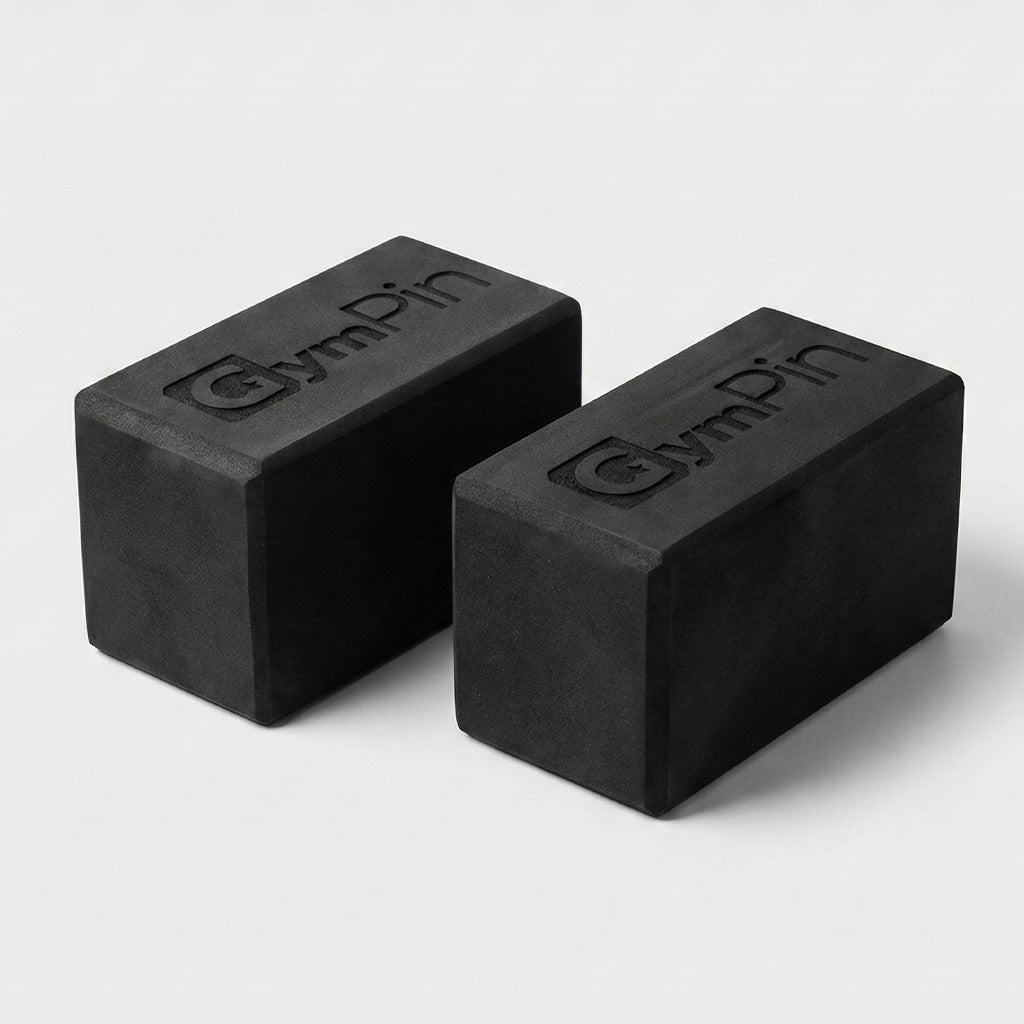
GymPin Starting Blocks
Portable high-density foam blocks for adjusting machine starting positions and range of motion.


GymPin Squat Wedges
Non-slip 15-degree squat wedges help elevate the heels for deeper quad-focused squats.

Make the drills safer for older lifters and beginners
Balance, vision, medication effects, joint limitations and prior falls change the risk equation. Someone who is new to resistance training should first learn the movement without divided attention. For older adults, a stable chair, railing or qualified coach may be more valuable than adding another layer of difficulty. A person with recent falls, dizziness, neurological symptoms or a medical condition affecting balance should seek individualized clinical advice before attempting reactive stepping or ball catches.
Start seated or in a wide stance when appropriate. A seated light-ball handoff can practice attention and coordination without requiring single-leg balance. A supported step-and-recall task can be progressed by reducing hand support only after the movement is consistent. Avoid unstable surfaces, heavy overhead catches and surprise directional changes; these make errors more costly without establishing extra cognitive benefit.
There is also a distinction between a workout and rehabilitation. A therapist may use dual-task walking for a specific mobility impairment, with a carefully chosen assessment and progression. Copying the appearance of that drill without the screening or supervision does not reproduce the treatment. General fitness content cannot substitute for an individualized falls-risk evaluation.
Remember that muscle-strengthening exercise remains a separate goal. Adults are generally advised to train major muscle groups at least twice weekly, with suitable aerobic activity alongside it. Older adults with reduced mobility can benefit from appropriately designed balance and functional movement. The safest cognitive-motor addition is the one that complements those basics instead of displacing them.
Funny Gym Shirts & Workout Gear
Funny gym shirts, tanks, hoodies and workout gear for lifters who like training hard.

Viva La Resistance Bands , Meme Shirt, Top T-Shirt
Make gym days more fun with “Viva La Resistance Bands” style.


Break The Stereotype Girl – Strong Woman Dumbbell – T-Shirt
Make gym days more fun with “Break The Stereotype Gym Girl” style.

Squat You Must – Leg Day Meme , Top Gains T-Shirt
Heavy lifts, good laughs, and a little “Squat You Must” energy.

Lift With Me Renaissance Michelangelo Sistine Chapel T-Shirt
Heavy lifts, good laughs, and a little “Lift With Me Gym Renaissance” energy.


The Powerlift Girls – Girl Superhero Cartoon – & T-Shirt
Rep “The Powerlift Girls” humor in and out of the gym.
Measure coordination honestly instead of chasing a brain score
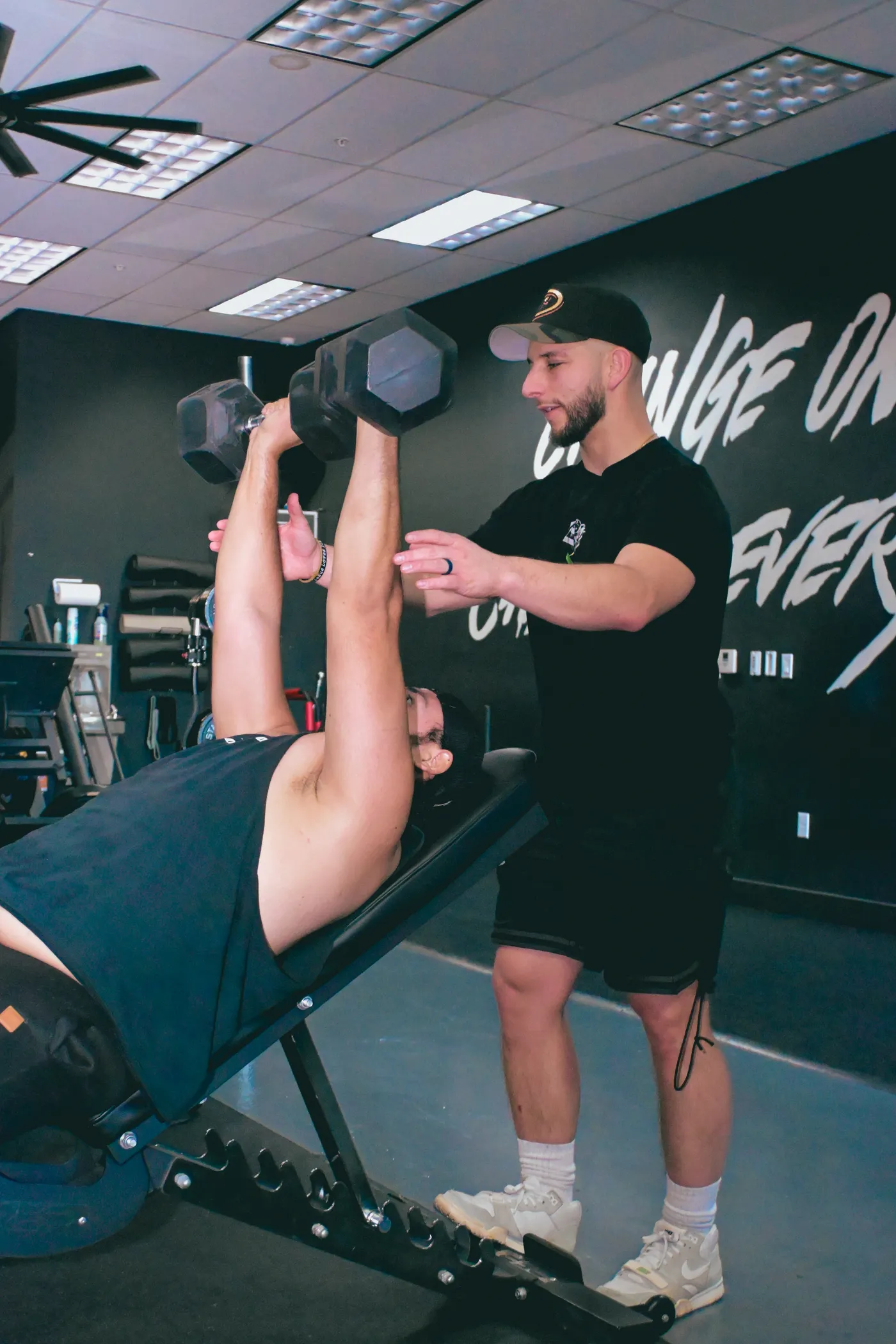
Improvements are easiest to interpret when the task is standardized. Use the same load, floor surface, footwear, distance, cue frequency and test duration. Record three separate numbers: successful movement repetitions, correct cognitive responses and errors that required a reset. A drill that becomes faster but much less accurate is not automatically better. A drill that looks smoother after ten sessions may simply reflect practice with that exact drill.
Compare single-task and dual-task performance. For example, if you complete 20 controlled steps without counting and 15 while switching categories, the extra attention demand has a measurable cost. After four weeks, you might complete 18 with the cognitive task while preserving accuracy. That is useful progress in the practiced combination, but it is not evidence that your memory, dementia risk or general intelligence has changed.
Keep conventional training markers too: loads, repetitions, range of motion, balance confidence and recovery. If a drill makes your next squat session worse, it is too much for its current place in the week. If it improves engagement and movement confidence without degrading your main training, it may earn a small regular slot.
The bigger lesson is not to turn every lift into a puzzle. Lift with intent, practice balance and coordination deliberately, and use an attention challenge where it serves a specific purpose. Stronger muscles, better movement skills and cognitive health are related aims, but they deserve distinct measurements and appropriately modest claims. A thoughtful routine can work on all three without pretending that a medicine ball is a medical device.