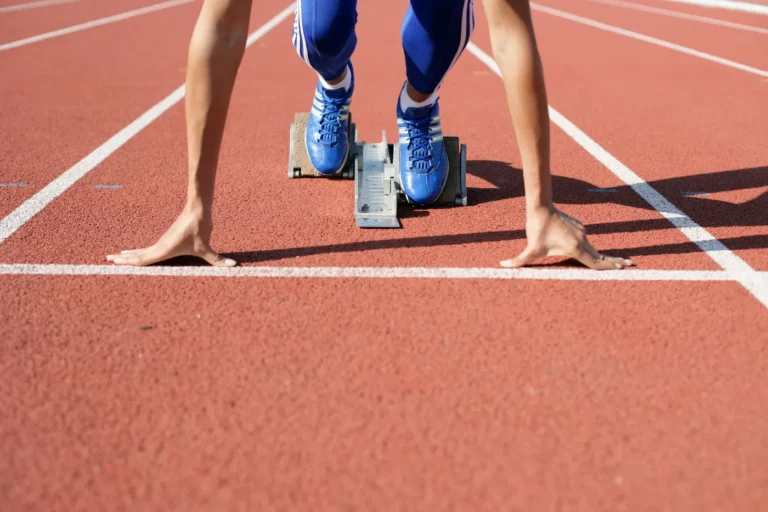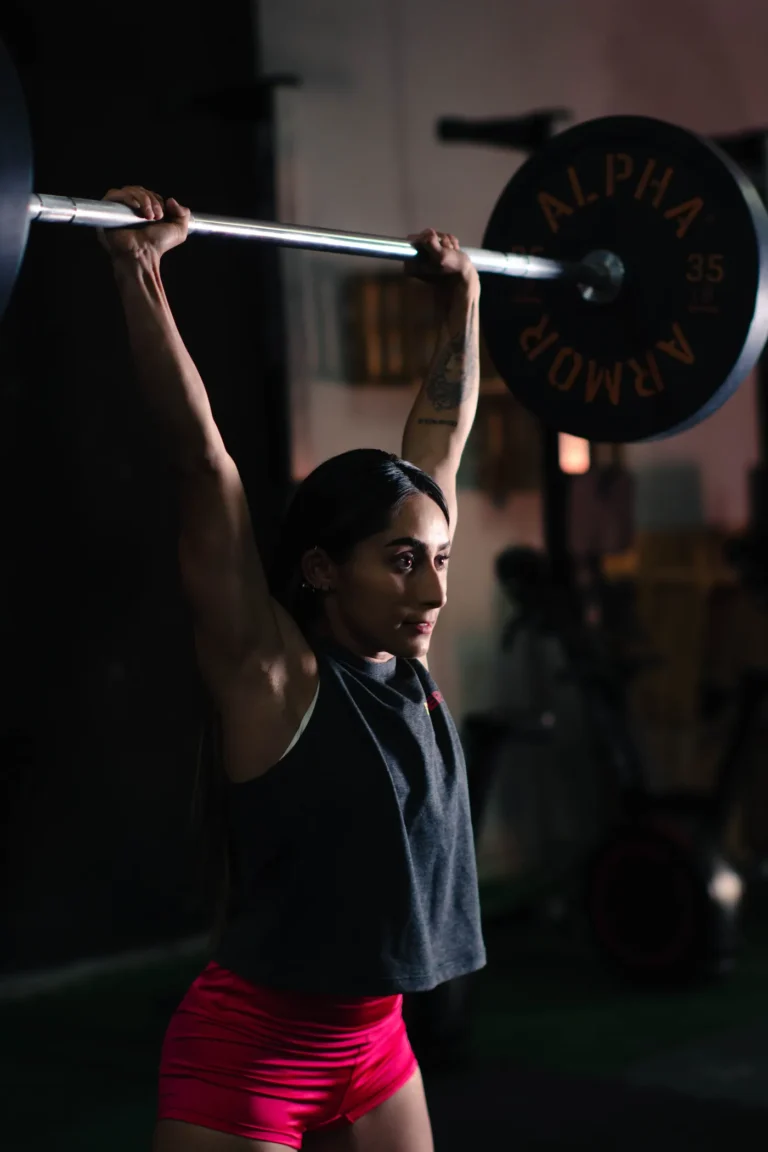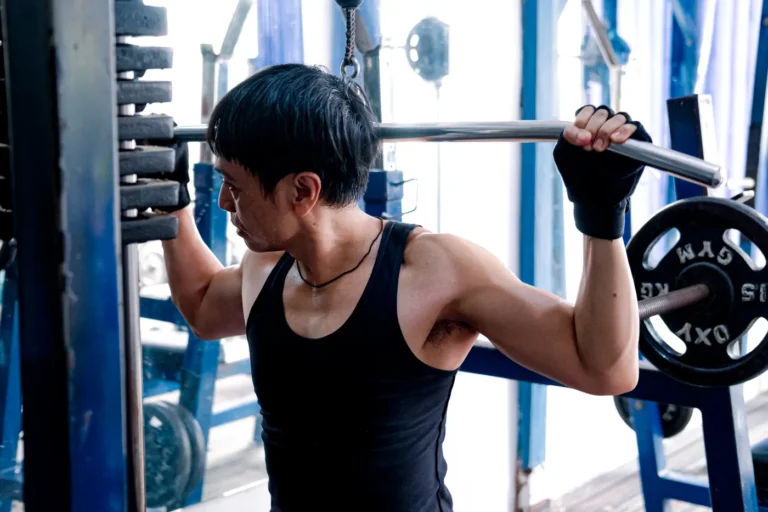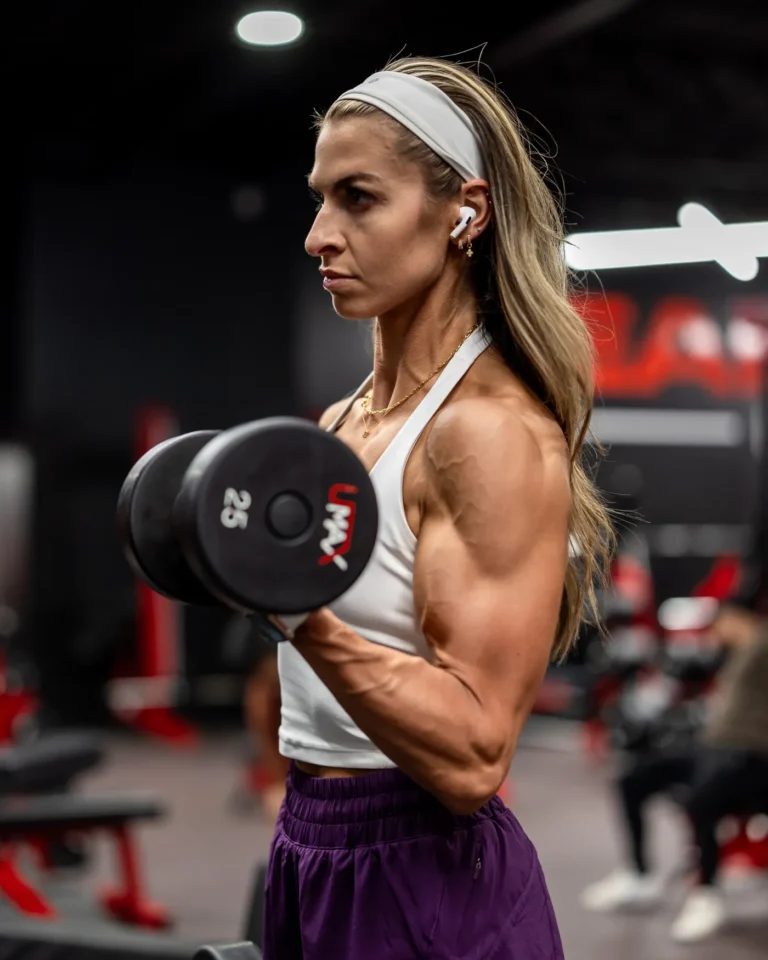
Could doubling down on leg training be the secret to faster muscle growth? A 2026 experiment pushed already strong athletes toward roughly 60 weekly lower-body sets, an amount that would turn most ordinary training logs into a full-time job. The result was not the dramatic hypertrophy advantage that a more-is-better approach predicts. That makes the study useful, but it does not mean that high volume never works or that everyone should follow one fixed set count.
Training volume is a dose, not a score. The dose that helps a beginner progress may be insufficient for an experienced lifter, while the dose an athlete can technically complete may be too exhausting to adapt to. The practical goal is to find enough hard, repeatable work to move forward, then earn increases through actual performance and recovery rather than through the desire to fill another line in a spreadsheet.
What the 17-week strength experiment actually tested
The research recruited 32 male athletes with extensive sports backgrounds and at least three years of resistance-training experience. Twenty-seven completed the intervention. They were not a random sample of casual gym members: the participants competed at a high national level in sports including track and field and floorball. Their training histories matter because experienced athletes have already adapted to regular loading, and their sporting commitments add recovery demands beyond the weight room.
For the first ten weeks, everyone followed the same progressive resistance program. Squats, deadlifts and accessory exercises supplied the lower-body stimulus. The researchers then matched athletes by their earlier thigh-muscle response and allocated them to either a normal-volume group of twelve or an extra-volume group of fifteen. Over the final seven-week phase, including a testing week, the extra-volume group performed approximately one and a half times as many weekly sets, with the programmed peak reaching 63 sets.
Heavy primary lifts had four-minute rests; accessories had shorter, 90-second rests. Repetition tempo was controlled, with an intentionally slow lowering phase for suitable movements and a forceful lifting phase. The protocol included planned reductions in workload. This was not a challenge in which athletes simply accumulated random repetitions until they could not walk.
The researchers measured thickness at two thigh-muscle sites using ultrasound and tested squat strength, deadlift strength, jumping and other power outcomes. That is a stronger design than asking lifters whether their legs felt bigger, but it still addresses a specific population, a specific lower-body program and a relatively short comparison of extreme versus already substantial volume. It cannot settle the best number of weekly sets for every muscle, every age or every training goal.
What happened to muscle size and strength when sets climbed
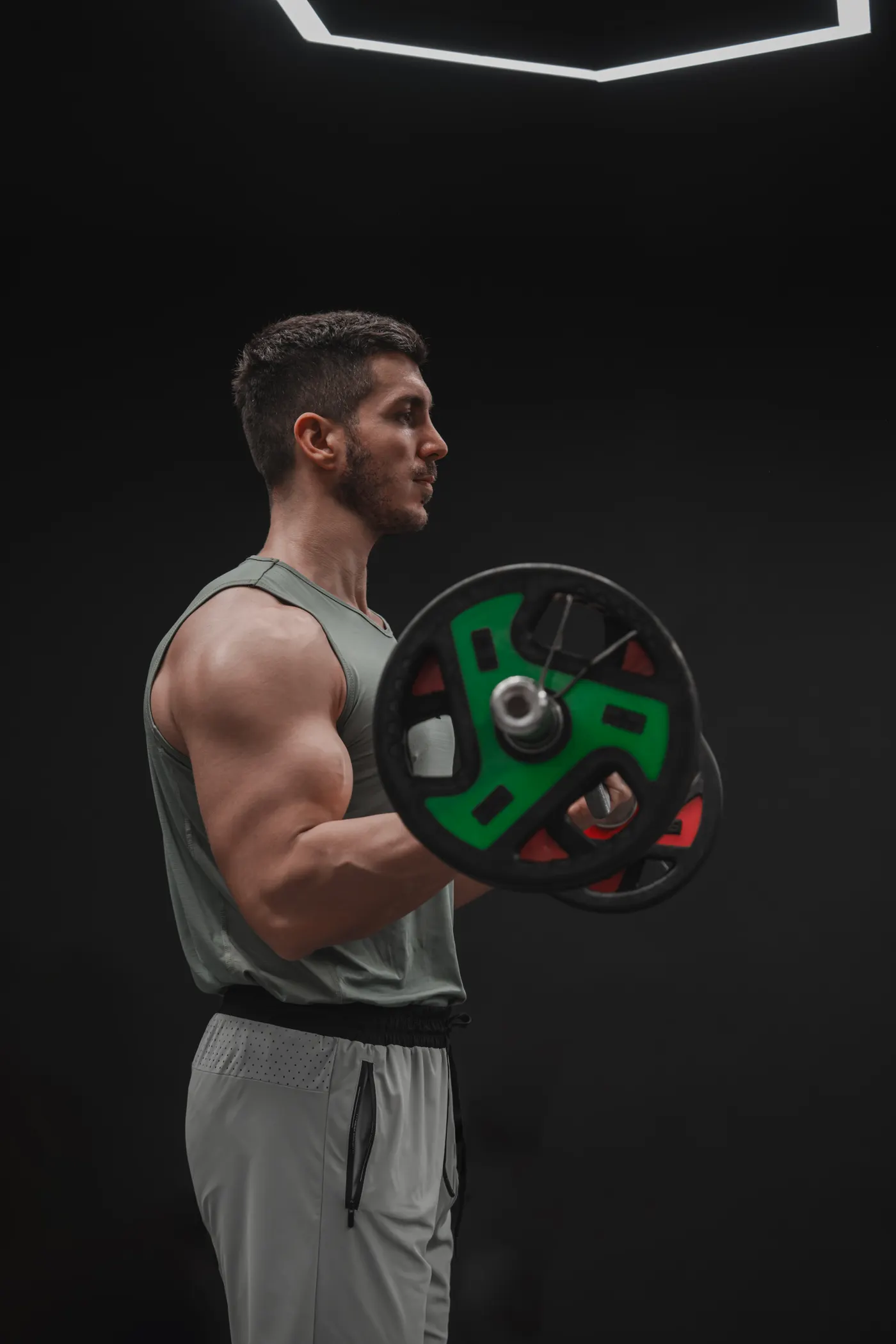
The clearest growth occurred during the shared training period. Over the first ten weeks, average vastus lateralis thickness increased by about 7.0%, and biceps femoris thickness increased by about 8.6%. Squat and deadlift strength also rose substantially. These are group averages with wide variation, not guaranteed gains for someone copying the workouts. They show that the initial progressive program was a meaningful training stimulus before the extreme-volume comparison even began.
During the final phase, adding roughly 50% more sets did not produce a statistically detectable advantage in the measured muscle thickness. The extra-volume condition also failed to establish a general strength advantage. The clearest between-group strength difference was in the deadlift, where the normal-volume group performed better. Among participants classified as low responders in the initial phase, more volume did not reliably rescue thigh-muscle growth either.
That does not prove the two approaches are identical. Twenty-seven participants is a modest sample, the high-volume phase lasted only six training weeks, and ultrasound at two thigh sites cannot describe every muscle or every regional adaptation. A small effect could be missed. The athletes also continued their normal sport practices, which were not fully controlled, and five recruits withdrew during the earlier demanding phase because of musculoskeletal problems alongside their sports commitments.
The defensible conclusion is narrower and more useful: once these trained athletes were already doing substantial lower-body work, an additional large block of sets failed to demonstrate extra hypertrophy and may have made certain strength outcomes harder to improve. Before adding more work, ask whether the current program has actually stopped producing progress.

Equipment Worth Exploring
Explore equipment, accessories and gear from our carefully selected range.


Safety Squat Handles
Barbell squat handles that reduce shoulder positioning demands during high-bar squats.

GymPin Squat Wedges
Non-slip 15-degree squat wedges help elevate the heels for deeper quad-focused squats.

Belt Squat Collar
Heavy-duty collar adapter for compatible belt-squat and landmine bar setups.


Leather Lifting Straps
Padded leather straps support grip during heavy rows, deadlifts and pulling exercises.
Why the findings do not mean more than ten sets is useless
Training research often finds a positive relationship between the amount of challenging work and muscle growth, particularly when the comparison is between very little training and a sensible moderate dose. Earlier trials in trained men reported greater growth at some muscle sites with higher set volumes, while other experiments comparing nine, eighteen and twenty-seven weekly biceps sets found improvement across groups without clear statistical separation. The shape of the relationship is not a straight line that keeps rising forever.
Starting volume is the missing detail in many internet debates. Moving from two difficult sets to eight may change the stimulus dramatically. Moving from forty to sixty sets is a different experiment: the athlete is already doing a lot, and the marginal sets may be performed under more accumulated fatigue. It is possible for both statements to be true: more training can help when the original dose is too small, and more training can fail when the original dose is already large.
A separate eight-week study in trained men compared maintaining prior volume with increases of thirty or sixty percent. The groups gained muscle without clear extra hypertrophy from those larger increases. Another trial found that progressively adding sets could benefit certain strength outcomes while muscle-size differences were less certain. These results do not establish one universal optimum; they suggest that the benefit of extra volume depends on the person, muscle, program and baseline workload.
Also distinguish volume per muscle from the total number of sets in a workout. Ten challenging quad sets, ten hamstring sets and ten upper-body sets are not the same thing as thirty quad sets. Compound lifts overlap, so totals can become misleading when every squat, lunge and hinge is counted as an equal full set for every muscle involved. Use set counts as a consistent planning tool, not a claim of laboratory precision.

Bodybuilding Shirts & Workout Gear
Bodybuilding shirts, tanks and gym gear for lifters chasing muscle, size, symmetry and the pump.

Supersets Superman Inspired Muscle Shirt Athletic Vest Tank Top
Add some lifting attitude to training with “Supersets”.

Breathe In Between Sets – Pink Floyd Meme Decal for Wat Sticker
A fun “Breathe In Between Sets” touch for bottles, laptops, and lockers.

Cheat Reps Allowed Funny Viking Gym – Loki Norse Workou Tank Top
Train hard, laugh a little, and rep “Cheat Reps Allowed Funny Viking”.

Whole Lotta Reps AC/DC Heavy Metal Rock Music Workout f Hoodie
Make your off-duty look more fun with “Whole Lotta Reps”.

Funny Genetics Genie Gym | Wish For Gains Muscle Shirt Tank Top
Train hard, laugh a little, and rep “Genetics Genie”.


Hallowed Be Thy Gains Iron Maiden Heavy Metal for Rock T-Shirt
Show some gym-day personality with “Hallowed Be Thy Gains”.

Powerslave to the Gym Iron Maiden Heavy Metal for Bodyb Sticker
Bring “Powerslave to the” attitude to your water bottle or laptop.

Muscle Mommy Muscle Club for Gym Girls, Bodybuilding, L Hoodie
Make your off-duty look more fun with “Muscle Mommy Muscle Club”.

You Can't Stop My Gains – Heavy Metal Muscle Shirt Twis Tank Top
Bring “You Can't Stop My Gains” humor to your next lifting session.
When hard work turns into fatigue instead of progress
The extra sets cost time, concentration and recovery resources. A hard squat after a well-rested warm-up is not identical to a squat performed after several demanding exercises. As the session stretches, bracing quality can deteriorate, bar speed can fall and technique can become inconsistent. Those effects do not automatically make later sets worthless, but they can reduce the quality of the work and make the next session harder to perform well.
Fatigue also accumulates outside the gym. Sport practice, manual work, poor sleep and an energy deficit can all reduce how much training someone tolerates. This helps explain why a high-level athlete with competitions and field sessions may respond differently from a recreational lifter whose only demanding activity is the gym. Conversely, a well-recovered lifter with excellent technique might tolerate a larger dose than the average participant in a particular experiment.
Do not use soreness as a growth meter. Muscle soreness can reflect unfamiliar movements, long muscle lengths and exercise novelty, not simply a productive hypertrophy signal. Likewise, feeling destroyed after a session is not evidence that every set was useful. Better clues include stable or improving loads and repetitions, repeatable movement quality, acceptable joint symptoms, normal motivation and the ability to train again on schedule.
When progress stalls, the first response should not automatically be more sets. Check whether the same exercises have been repeated long enough to measure, whether rest periods are adequate, whether food and sleep support the workload and whether the lifter is actually training with meaningful effort. Sometimes a brief reduction in volume restores performance more effectively than another punishing week.
Equipment Worth Exploring
Explore equipment, accessories and gear from our carefully selected range.
VOLTRA
Compact digital cable trainer with smooth, adjustable resistance.

Go-Tone Pro
Portable digital cable trainer with up to 66 lb (30 kg) of adjustable resistance.

Squat Harness
Wearable harness for hands-free cable squats, sled work, and lower-body training.

FID Bench MAX
Adjustable bench offering flat, incline, and decline positions + adjustable headrest.


Count productive sets, not every movement in the room
A useful working set is one that is hard enough to contribute to the goal, performed through a controlled range of motion and recorded consistently. Warm-up sets prepare the joints and nervous system, but usually should not be added to the hard-set tally. The last few challenging repetitions matter, yet taking every set to complete failure is unnecessary for many exercises and can make the total workload harder to recover from.
For example, a lower-body day with three sets of squats, three sets of leg presses and two sets of split squats provides eight direct quad-focused sets. A separate three sets of Romanian deadlifts and three sets of leg curls supplies six hamstring-focused sets, although the hinge also trains the glutes and other supporting muscles. Record primary muscle targets in a consistent way rather than counting every compound set as a full set for every muscle it touches.
Compare weeks only when the effort and exercise selection are reasonably similar. Twelve easy sets with five repetitions left in reserve do not necessarily provide the same stimulus as twelve challenging sets ending one or two repetitions short of failure. Nor is an increase from twelve to sixteen sets meaningful if loads, range of motion and execution collapse. Good records include exercise, load, repetitions, approximate effort and any unusual recovery constraints.
There is also a difference between weekly volume and session density. Splitting twelve sets over two sessions may allow better performance than squeezing all twelve into one marathon workout, but more sessions are not automatically superior when total work is matched. Choose a distribution that permits high-quality repetitions and fits the actual calendar. The most effective plan is one the lifter can repeat for months, not one that looks impressive for three days.
A six-week lower-body volume audit you can actually run
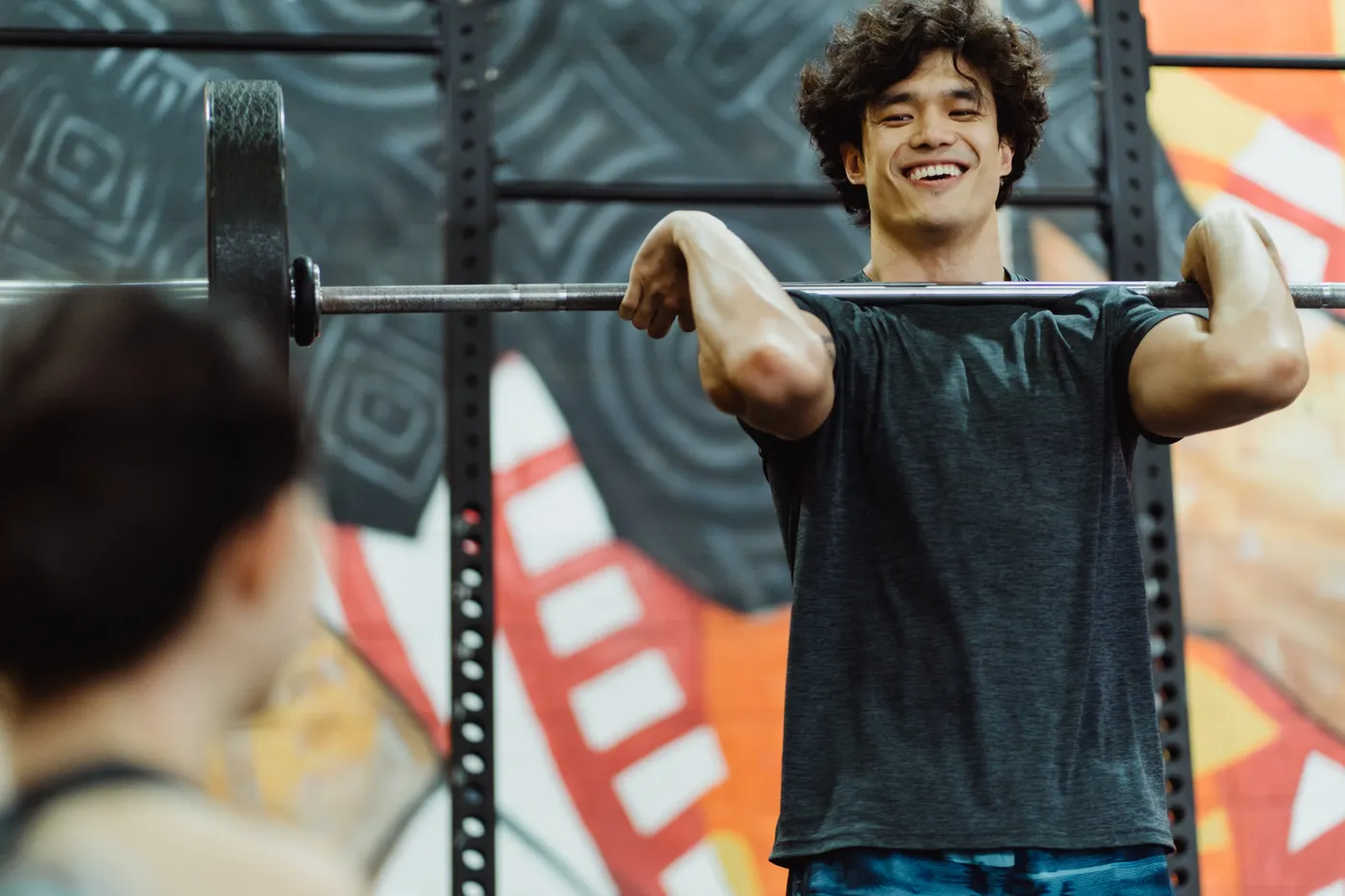
Instead of attempting the research group’s extreme set totals, start with a manageable two-day lower-body template. This is an illustrative plan for a healthy adult who already knows the movements, not a copy of the athlete experiment. Use a rack and barbell, dumbbells or cable resistance depending on the equipment available. Keep technique, depth and exercise order consistent enough that performance changes are interpretable.
Day A – squat emphasis: squat variation for three sets of five to eight, split squat for two sets of eight to twelve per leg, Romanian deadlift for three sets of six to ten, and calf raise for two sets of ten to fifteen. Day B – hinge emphasis: deadlift or trap-bar deadlift for two or three sets of three to six, a second squat pattern for two sets of eight to twelve, leg curl or cable hamstring curl for three sets of ten to fifteen, and an optional controlled single-leg movement for two sets. Rest long enough to maintain good repetitions, especially on heavy compounds.
Weeks 1-2: establish a baseline. Keep the number of hard sets stable, log repetitions and leave about one to three repetitions in reserve on most sets. Weeks 3-4: if performance is improving and recovery is good, add one set to one or two lagging exercises, not five sets to everything. If progress is already strong, leave volume unchanged and improve load or repetitions instead.
Week 5: hold the successful dose and evaluate whether the additional work improved performance or merely lengthened sessions. Week 6: use a lighter week if fatigue is accumulating, reducing hard sets by roughly one-third while maintaining comfortable movement quality. Compare similar exercises before and after the block, including load, repetitions, effort and joint comfort. If there is persistent pain, unusual exhaustion or declining technique, reduce the workload earlier rather than forcing the calendar.
Home-gym space is not a limitation here. One reliable squat or hinge setup, a few adjustable loads and a way to record progress are enough. A sophisticated machine may make set changes convenient, but no machine can turn unproductive fatigue into a guaranteed adaptation. Consistency, appropriate effort and progressive loading remain the foundation.
Leg Day Shirts & Workout Gear
Leg-day gym shirts and workout gear for lifters who never skip squats, lunges and lower-body punishment.

Deadlift PR or Die Skull Graphic for Bodybuilders, Hard Tank Top
Show some personality between sets with “Deadlift”.

Deadlift Cyberpunk Skull Muscle Shirt for Powerlifters, Tank Top
Train hard, laugh a little, and rep “Deadlift”.

Deadlift Skull Pink Heavy Metal Gym Shirt for Powerlift T-Shirt
Make gym days more fun with “Deadlift Skull” style.

Heavy Metal Deadlift – Skeleton Gym for Powerlifters an Hoodie
Stay casual and show some metalhead attitude with “Heavy Metal Deadlift”.

Deadlift Snake Skull – Hardcore Powerlifting Gym Decal Sticker
Give your everyday gear a playful “Deadlift Snake Skull” twist.

I Love Squats | Valentine's Leg Day Hooded Hoodie
Keep it laid-back with a little “I Love Squats” attitude.

I Love Deadlifts Gym | Heart Plate Valentine's Funny Wo Sticker
Put “I Love Deadlifts” gym humor on your laptop, bottle, or gym gear.

Powerlift Deadlifts Powerage Album Parody AC/DC Heavy M T-Shirt
For laid-back days and metalhead humor: “Powerlift Deadlifts”.

Leg Day Squats Deadlifts Vest Meme Tank Top
Bring “Leg Day” humor to your next lifting session.

Squatzilla Meme Leg Day Vest Tank Top
Bring “Squatzilla” humor to your next lifting session.
The decision rule: earn more volume only when it pays
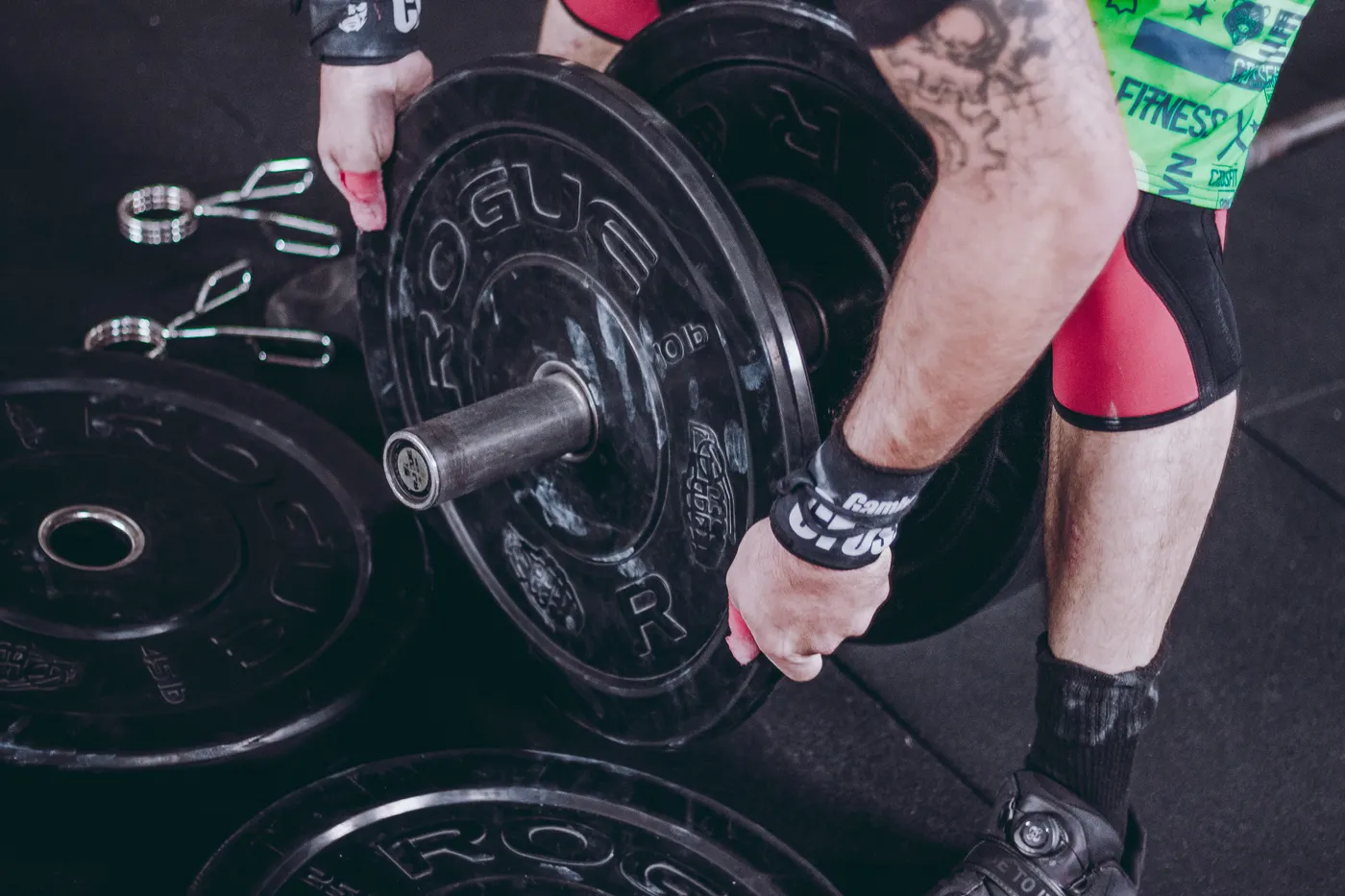
There are three common reasons to increase training volume: the current dose is genuinely low, a muscle has stopped progressing despite good execution and recovery, or an athlete has adapted so well that additional work can be introduced without degrading performance. None of these reasons can be diagnosed from a viral set-count chart alone. They require several weeks of honest records.
If repetitions and loads are climbing, recovery is stable and the target muscles are growing over time, keep the plan. If progress stalls, first check food intake, adequate protein, sleep, exercise consistency and the quality of the hard sets. Then change one variable at a time. Add a small number of weekly sets to the lagging muscle, or improve the distribution of existing sets across sessions. Give the change enough time to evaluate before adding more.
If more sets produce falling performance, persistent soreness, irritated joints or poor motivation, consider reversing the change. Strength outcomes and hypertrophy outcomes are not interchangeable: a plan that builds muscle may not maximize a one-repetition maximum, and a plan that improves a heavy lift may not require the highest possible number of sets. Your goal should determine the compromise.
The 2026 experiment offers a useful warning against treating maximum tolerable workload as maximum effective workload. In these trained athletes, a large increase toward sixty-plus weekly lower-body sets did not establish better muscle growth and did not solve low responsiveness. That is not a universal ban on high volume. It is a reason to demand evidence from your own log before spending another hour in the gym. Train hard enough to progress, recover well enough to repeat it, and let results – not the set counter – decide what comes next.