Two weeks away from lifting can feel frustrating. Two weeks with a leg immobilized is different: muscle receives far less mechanical work, movement patterns change, and strength may not be ready when the brace comes off. What happens inside the tissue, and what changes once resistance training resumes?
A 2026 human muscle-biopsy investigation followed short-term leg immobilization and eight weeks of recovery training. The intriguing finding is not that experienced lifters are immune to muscle loss. They are not. It is that trained and untrained young adults showed broadly similar categories of molecular response even though their starting fitness differed.
Inside the experiment: disuse first, resistance training second
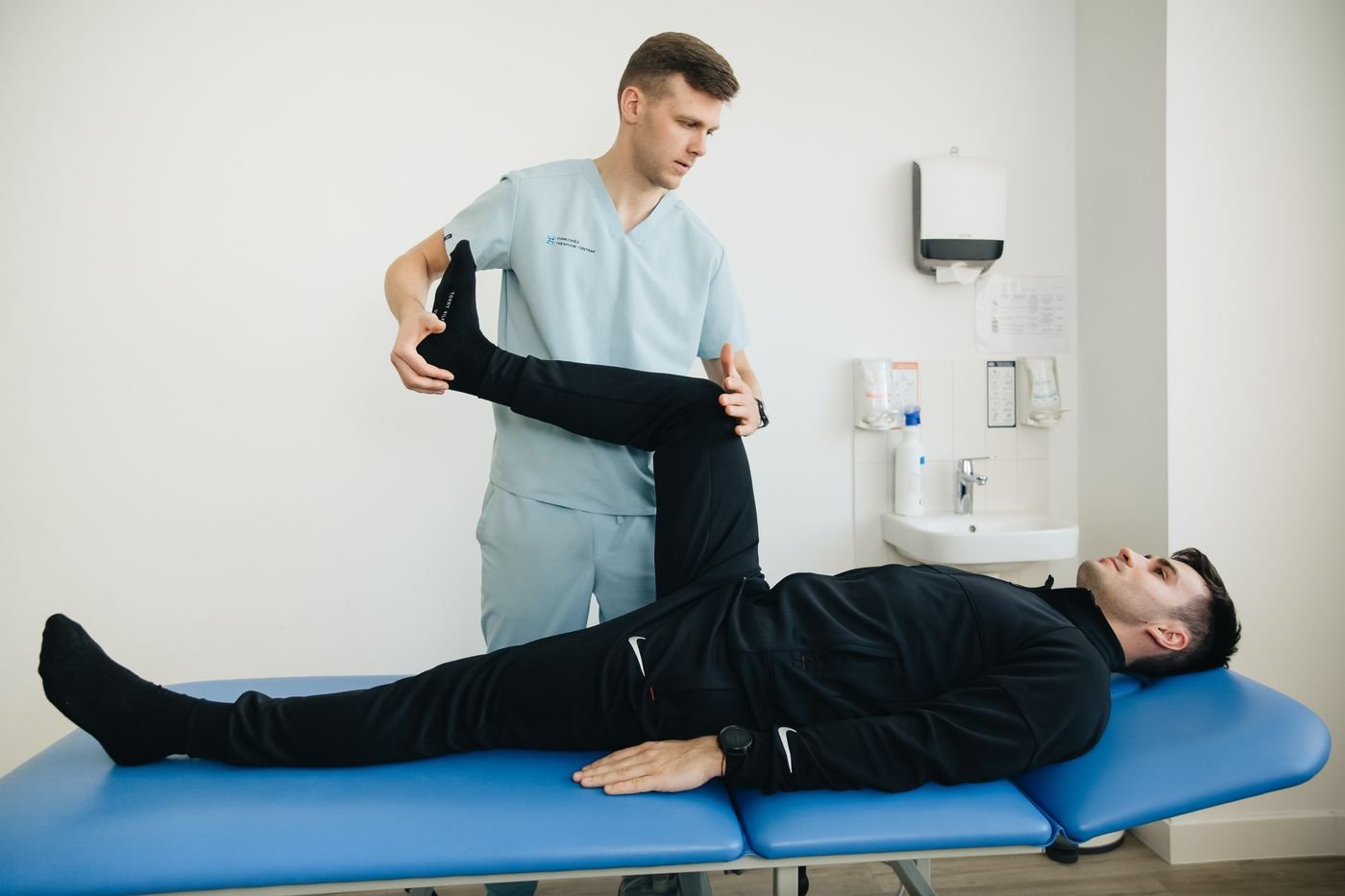
The researchers studied 16 young adults: eight with resistance-training experience and eight without it. They collected samples from the vastus lateralis, a large thigh muscle, at baseline, after two weeks of leg immobilization, and after eight weeks of resistance training intended to restore muscle and function.
Instead of examining one chemical signal, the team used several layers of measurement. Messenger RNA describes instructions cells can use to produce proteins. MicroRNAs regulate aspects of gene expression. Proteomics measures proteins already present in tissue. These layers matter because changes in RNA do not necessarily become matching protein changes immediately.
The sample was small, and participants were young and otherwise healthy. This was not a trial comparing every rehabilitation protocol, nor did it prove that one exercise is best after an injury. It did follow the sequence that makes returning to lifting difficult: reduced use followed by renewed loading.
A research observation about a muscle biopsy can suggest how tissue adapts, but it cannot replace a clinician’s assessment of healing, balance, joint stability or readiness to bear weight.
Why unused muscle changes before the mirror tells the whole story
Muscle continually maintains and replaces its working components. When a leg stops receiving its usual mechanical load, the balance of those processes changes. During immobilization, investigators detected 2,047 differentially expressed messenger RNAs, compared with three microRNAs and ten proteins that met their statistical criteria for differential abundance. This does not mean 2,047 genes were permanently damaged. It means the RNA layer showed a broad measurable response during the observed period.
The disuse results included activity linked to protein maintenance and DNA repair. An integrative analysis also highlighted SLIT-ROBO signaling as a possible participant in the atrophy response. That is a scientific lead, not proof that a supplement or training trick targeting this pathway can prevent muscle loss.
It is important to separate immobilization from an ordinary rest week. Someone taking time away from heavy lifting may still stand, walk, climb stairs and perform many low-level contractions every day. A brace or deliberately restricted leg can remove far more of that daily stimulus. Translating this experiment into a claim that everyone loses the same amount of muscle after fourteen days off the gym would be misleading.
The practical takeaway is that tissue responds to the work it receives. If movement is restricted for medical reasons, respect the restriction. If you are healthy and simply taking a break, comfortable everyday movement can make the situation very different from laboratory disuse.

Equipment Worth Exploring
Explore equipment, accessories and gear from our carefully selected range.


FID Bench MAX
Adjustable bench offering flat, incline, and decline positions + adjustable headrest.


VOLTRA
Compact digital cable trainer with smooth, adjustable resistance.

Go-Tone Pro
Portable digital cable trainer with up to 66 lb (30 kg) of adjustable resistance.

What eight weeks of retraining changed inside the muscle
After resistance training resumed, the molecular pattern shifted. Across the sample, the recovery phase involved 446 differentially expressed messenger RNAs and 415 differentially abundant proteins. Investigators reported changes associated with muscle-contraction machinery, transcriptional regulation and ribosomal RNA-related processes. In everyday language, the tissue was responding to demands to produce force and rebuild working components.
The contrast is informative. Disuse generated a particularly large RNA response, while recovery training produced substantial changes in both RNA and protein measurements. Raw counts should not be treated as a scorecard in which a larger number is automatically better. Measurement technology, timing, statistical thresholds and the different lifespans of cellular components influence what appears on each list.
There is another distinction: tissue activity is not the same as visible growth. Coordination can improve before the thigh looks bigger. Water and glycogen changes can affect appearance and scale weight without representing newly built contractile tissue. Useful rehabilitation follows strength, range, control, symptoms and functional tasks alongside any muscle-size measurements.
For a healthy lifter returning after a layoff, the findings are encouraging because renewed resistance is a meaningful stimulus. They do not justify testing an old personal record on day one. Muscles can be responsive while tendons, joints, confidence and movement skill still need a gradual return to familiar workloads.

Funny Gym Shirts & Workout Gear
Funny gym shirts, tanks, hoodies and workout gear for lifters who like training hard.


No Excuses Mermaid Decal Water Bottles & Equipment Sticker
Stick a little “No Excuses Mermaid” humor on your favorite gear.


Consistency Is Key Stoic Greek God Marble Sculpture T-Shirt
Make gym days more fun with “Consistency is Key Stoic Greek God Marble” style.

Stronger Than Excuses Tank
Show some personality between sets with “Be Stronger Than Your Excuses”.


Progress Stoic Sigma Greek God Marble Sculpture – T-Shirt
Rep “Progress Stoic Sigma Greek God Marble” humor in and out of the gym.
Does muscle memory make experienced lifters recover faster?
Most broad molecular differences in the 2026 analysis were associated with time point rather than training status. That does not establish identical strength or muscle-size outcomes for everyone. With only eight people in each experience group, the study was not designed to settle all questions about long-term muscle memory, age, sex or individual recovery speed.
Other human research looks more directly at performance. In one randomized experiment, adults followed either continuous training or a schedule with ten weeks of lifting, ten weeks away, then another ten weeks of lifting. Strength and muscle size declined during the interruption, but early retraining recovered ground rapidly. Both schedules finished with broadly similar measured adaptations. Breaks were not shown to be superior; the interruption simply did not erase the value of previous work.
Earlier biopsy research identified DNA-methylation patterns that persisted after muscle size returned toward baseline. These observations suggest a possible epigenetic memory of earlier growth. But a molecular trace is not a promise that someone will regain every lost kilogram on a fixed timetable. Diet, sleep, age, illness and the reason for inactivity still influence the process.
Another study of trained adults found that exercising one arm could improve some strength measures in the opposite arm even while muscle size in that untrained arm declined. Neurological skill, force production and muscle cross-sectional area are related but different outcomes. A comeback should be evaluated through several measures, not only sleeve size or the weight on a bar.
Returning after injury is different from restarting after a holiday
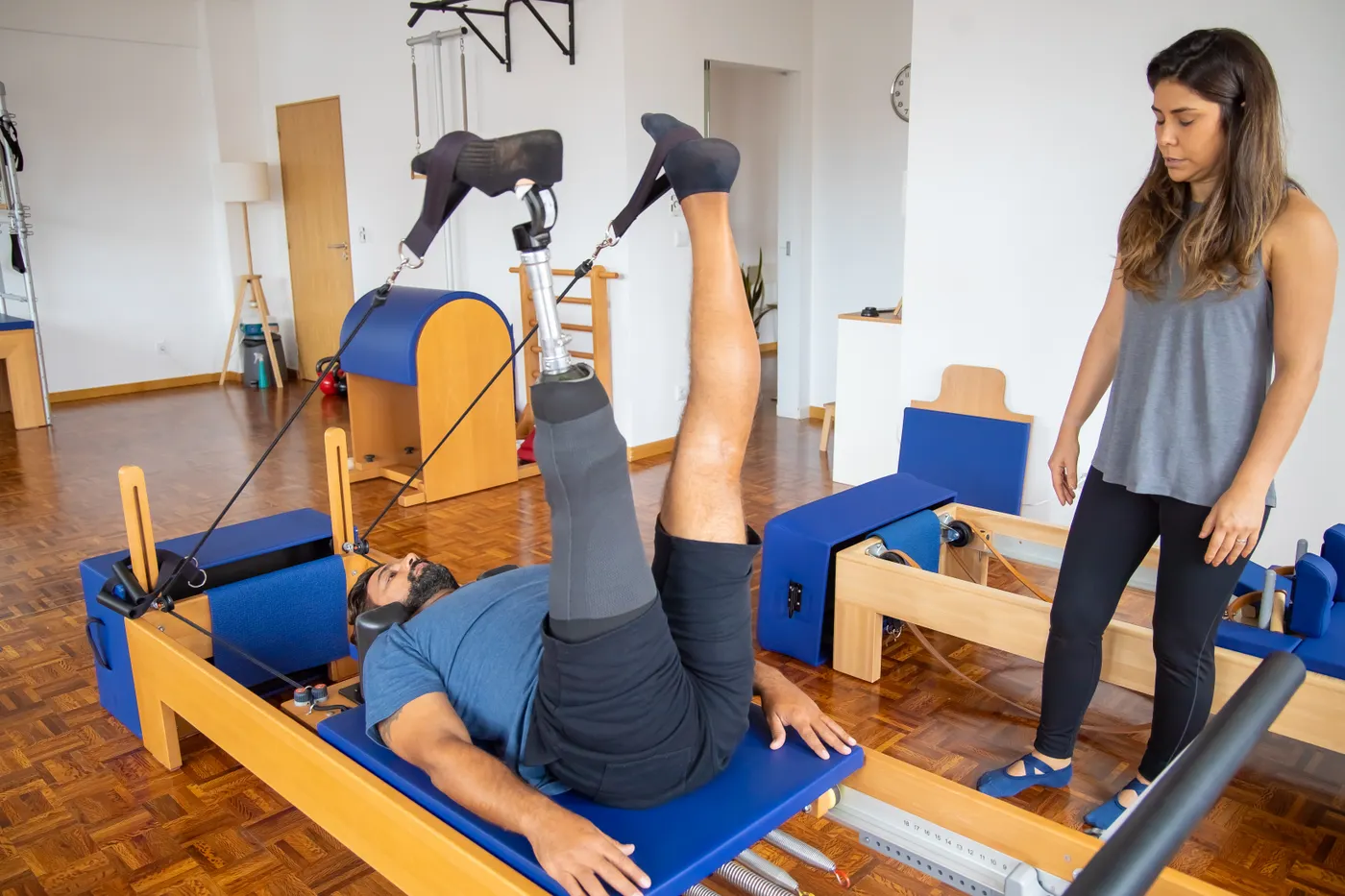
There are two comeback scenarios. A healthy lifter might stop training because of travel, work or family commitments. Someone else may be recovering from surgery, a fracture, a tendon problem or prescribed immobilization. The second person needs clearance from the treating clinician and must respect restrictions on loading, range of motion or weight-bearing before applying a general gym plan.
For a healthy return, make the first workouts rehearsals. Select familiar movements, conservative weights and a few repetitions in reserve. Two full-body sessions in the first week may be more productive than immediately restoring a five-day split. That modest dose lets you assess soreness, joint tolerance and coordination before adding volume. If a lift feels unstable, choose a supported machine or simpler variation instead of forcing an old working weight.
When one limb has been immobilized, some experiments suggest training the unrestricted limb can preserve aspects of strength on the other side. The effect is not a substitute for rehabilitation, and it does not reliably prevent all muscle-size loss. A synthesis of disuse exercise trials supports a role for resistance training when medically permitted, not a license to ignore a brace or postoperative restrictions.
Use symptoms as information. Ordinary effort and mild delayed soreness differ from worsening pain, new swelling, numbness, instability or loss of function. Stop and obtain medical guidance for concerning symptoms. A durable return to movement matters more than the fastest possible return to a personal record.
Equipment Worth Exploring
Explore equipment, accessories and gear from our carefully selected range.



Squat Harness
Wearable harness for hands-free cable squats, sled work, and lower-body training.
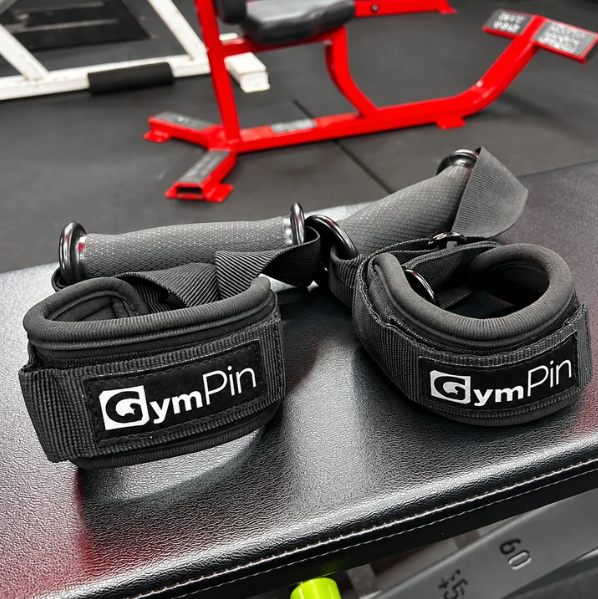
GymPin D Cuffs
Adjustable wrist cuffs with textured grips for supported cable-machine exercises.

GymPin Squat Wedges
Non-slip 15-degree squat wedges help elevate the heels for deeper quad-focused squats.

GymPin Ergo Handles
Pair of ergonomic cable handles shaped for comfortable triceps and pulling exercises.


Safety Squat Handles
Barbell squat handles that reduce shoulder positioning demands during high-bar squats.
Nutrition, sleep and sensible loading help the rebuilding phase
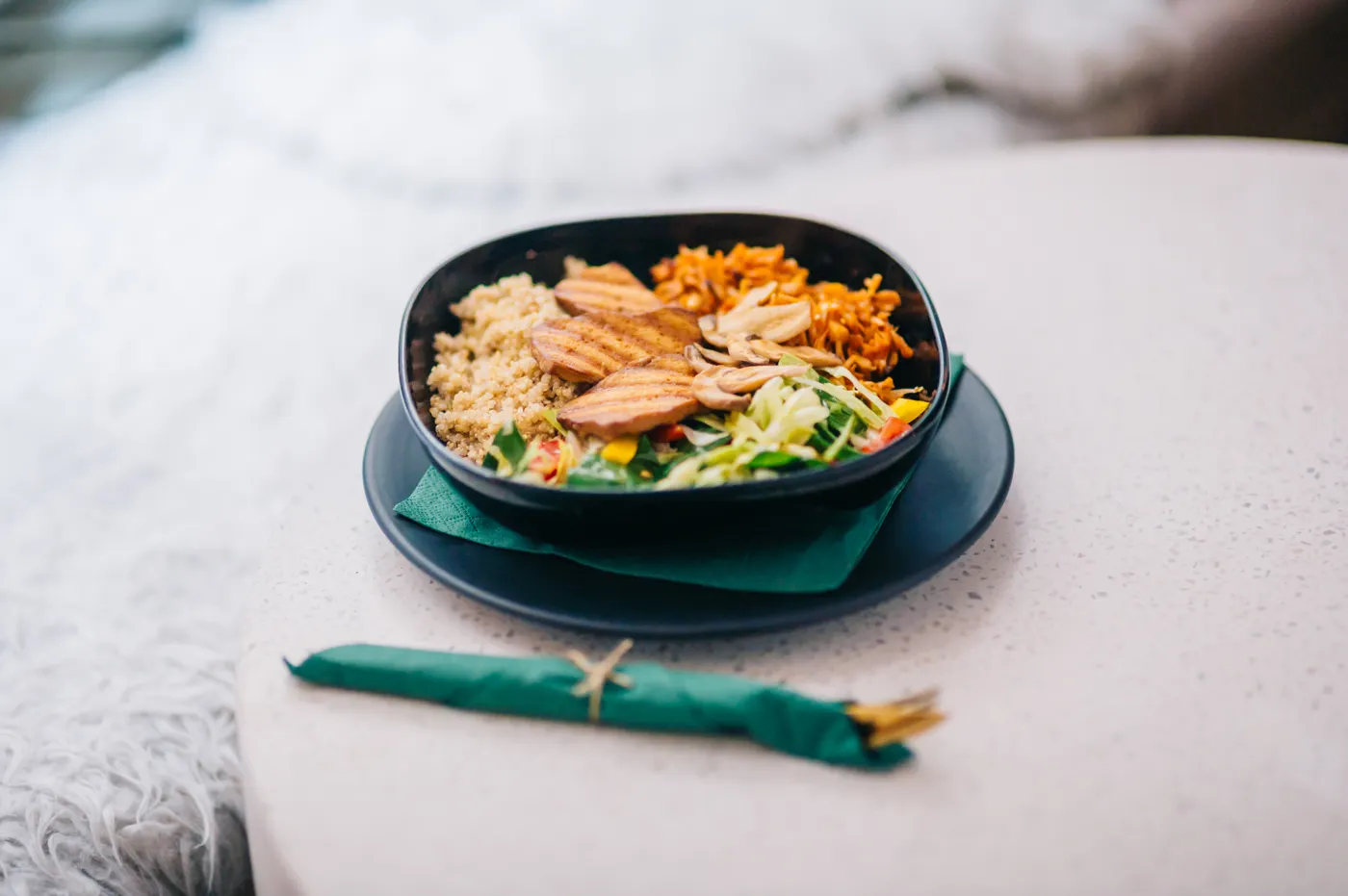
Resistance training provides a stimulus, but rebuilding does not occur in isolation. Adequate food and protein support normal tissue maintenance and muscle protein synthesis. You do not need a special recovery product to benefit from sensible eating. For many active adults, around 1.4 to 2.0 grams of protein per kilogram of body weight per day is a commonly used training-oriented range, although individual needs and medical circumstances vary.
Include protein-containing meals throughout the day if that helps you meet your total, carbohydrate sources that make training manageable, and a variety of vegetables, fruit and other nutrient-dense foods. Aggressive dieting while trying to restore strength may complicate recovery, especially when appetite and activity changed during the interruption. People with kidney disease or other relevant medical conditions should seek individualized nutrition advice rather than adopting a generic target.
Sleep and progression are equally important. A returning lifter may try to match yesterday’s best effort before today’s recovery capacity is clear. Begin with a workload you can repeat comfortably. Increase one major variable at a time: load, sets, range of motion or frequency. A session that leaves you functional for the next workout is often more valuable than a heroic first day followed by a week of debilitating soreness.
Do not confuse quick scale-weight changes with proven muscle regrowth. Restored glycogen and associated water can change body weight after normal eating and training resume. Strength logs, movement quality, symptoms and consistent measurements across several weeks tell a more useful story than a single morning’s appearance.
Bodybuilding Shirts & Workout Gear
Bodybuilding shirts, tanks and gym gear for lifters chasing muscle, size, symmetry and the pump.

I Love Squats | Valentine's Leg Day Muscle Shirt Vest Tank Top
Add some leg-day attitude to training with “I Love Squats”.


Doctor Discipline Tank
Train hard, laugh a little, and rep “Doctor Discipline Gym Villain”.

Lift Smart Brain Plate Tee
Show some lifting attitude with a playful “Lift Smart Brain Weight Plate” tee.
Heavy Metal Skeleton Squat for Powerlifters, Bodybuilde T-Shirt
A t-shirt featuring the Heavy Metal Skeleton Squat for Powerlifters, Bodybuilders and Leg Day Lifters artwork, bringing lifting-inspired humor and distinctive gym graphics to your everyday gear.


Bunny Squats & Booty Motivation Cute Vest Tank Top
Bring “Gym Bunny” humor to your next lifting session.


Progressive Overload Milo Tee
Bring “Progressive Overload Milo Bull” humor to your next gym day.

Off-Season Rest Day Decal Water Bottles & Gear Meme Sticker
Put “Off-Season Rest Day” gym humor on your laptop, bottle, or gym gear.
A four-week return-to-strength plan and the limits of the evidence
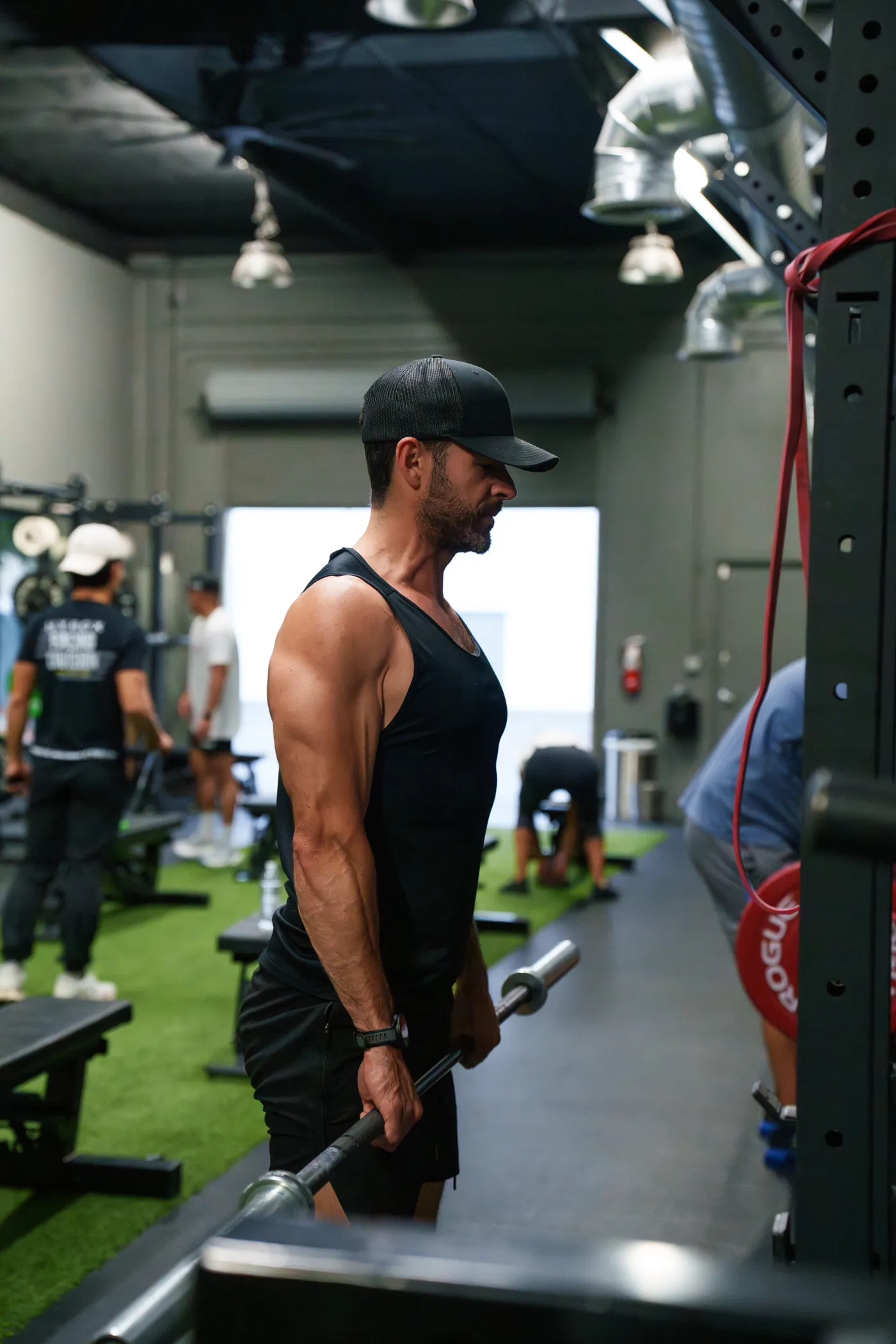
This template is for healthy adults returning after a routine training interruption, not for a recently immobilized limb. Anyone recovering from surgery, a fracture or diagnosed injury should follow a clinician-approved rehabilitation plan. Choose a squat or leg-press variation, a hip hinge, a push, a pull and a simple trunk movement. Keep the first workout easy enough that you could comfortably do more.
Week one: Train twice, with at least a day between sessions. Perform one or two working sets per movement, usually six to twelve controlled repetitions, leaving about three to five repetitions in reserve. Record any unusual symptoms. The aim is to relearn movements, not establish a maximum.
Week two: Repeat two sessions or add a third only if recovery is good. Move toward two sets on most exercises. A small load increase is reasonable if the last session was technically clean and soreness did not interfere with daily activities. Avoid increasing sets and load at the same time.
Week three: Build toward two or three sets for main movements and consider slightly more challenging weights. Keep one or two easy repetitions available on most sets. If a joint or muscle group is lagging, maintain its workload while progressing elsewhere.
Week four: Review the log rather than automatically testing one-repetition maximums. Compare comfortable working weights, repetition quality, effort and recovery. You may be ready to approach your normal program, or you may need another gradual week. Both outcomes can be sensible.
What does the research show? A small human study demonstrates that short-term immobilization and resistance training produce distinct measurable molecular responses, with broadly similar categories of change in trained and untrained young adults. Related trials suggest strength and size can return after breaks and prior training may leave biological traces. None supplies a guaranteed recovery date or proves that one comeback program fits everyone.
Respect the difference between muscle being responsive and the whole person being ready. Resume consistent, technically sound work and let measured progress, not impatience, determine the next step.