Could a wall sit performed once a week keep your blood pressure lower? A 2026 randomized trial offers an encouraging answer, but the crucial word is keep. Participants did not start with one weekly workout. They first completed four weeks of wall-squat training three times a week, and only then reduced the frequency.
That distinction changes how the findings should be used. An exercise that helps preserve a benefit after a training block is not necessarily enough to create the same benefit from scratch. For anyone balancing strength sessions, walking, work and recovery, the study provides a practical way to think about maintenance rather than a promise of effortless cardiovascular health.
1. The 2026 Wall-Squat Trial: What Researchers Actually Tested
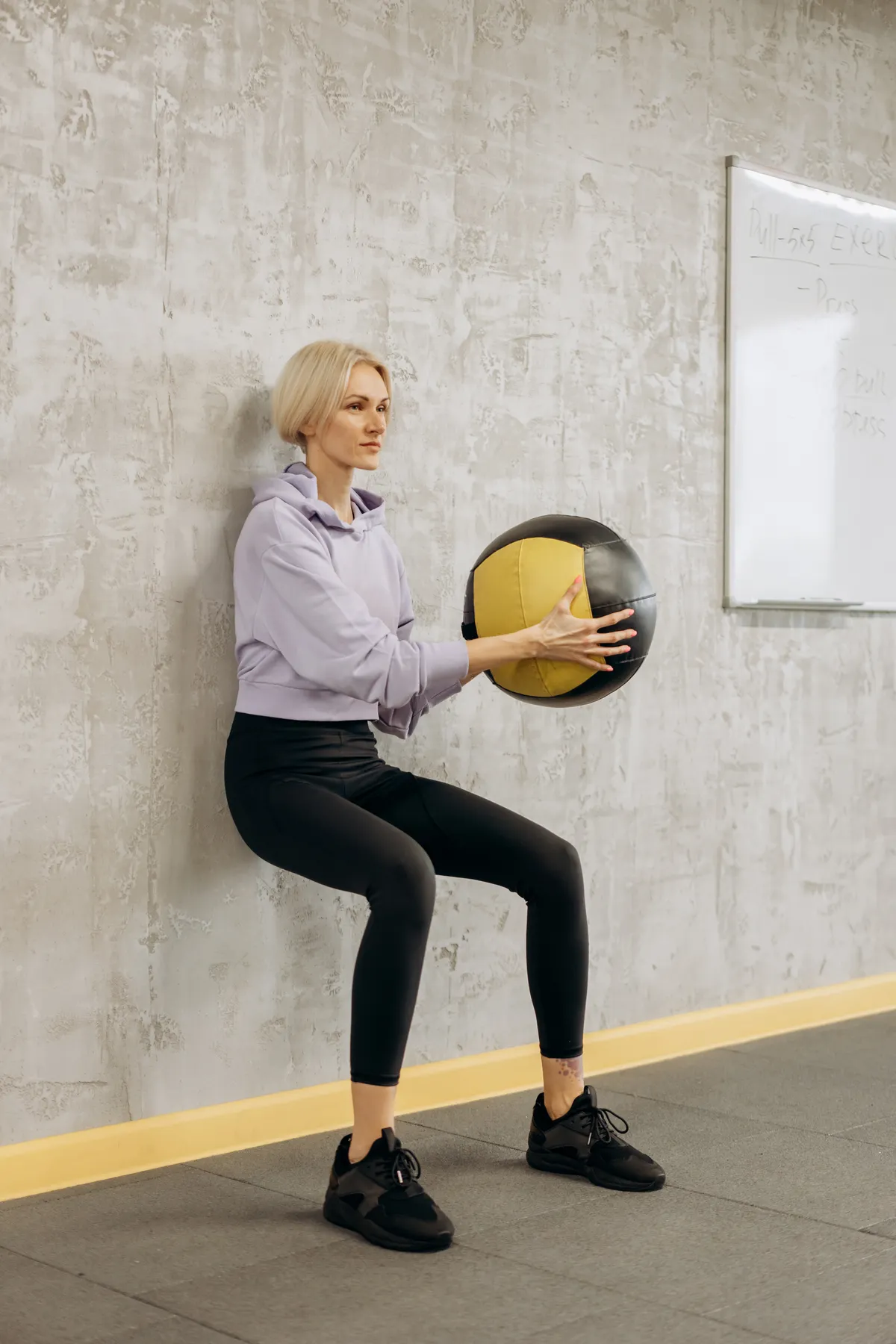
The trial enrolled 100 relatively inactive adults, average age around 37, with resting systolic pressure between 120 and 140 mm Hg. Eighty participants began home-based lower-body isometric exercise three times weekly. Twenty continued their usual routines as controls. Each exercise session used four wall-squat holds lasting two minutes, separated by two-minute seated rests. The wall angle was adjusted to provide an appropriate challenge.
After four weeks, the exercise participants were assigned to continue three sessions weekly, reduce to two, reduce to one or stop altogether for the remaining four weeks. Researchers measured resting blood pressure and several cardiovascular variables at baseline, week four and week eight. This was a comparison of maintenance schedules after a common starting phase, not a trial of one weekly wall sit versus no training from day one.
At the four-week checkpoint, systolic pressure was lower by an average of about 9.45 mm Hg relative to controls; diastolic and mean arterial pressure also improved. The study measured resting pressure, not blood pressure during the hold, and did not test heart attacks, strokes or long-term clinical outcomes. These are encouraging but short-term physiological findings from a carefully selected group.
2. Once, Twice or Three Times a Week: What Changed?
By week eight, people who continued three weekly sessions had the largest average systolic reduction from baseline: approximately 13.73 mm Hg. The twice-weekly group averaged a 6.95 mm Hg reduction, while the once-weekly group averaged 6.56 mm Hg. Both lower-frequency groups retained statistically meaningful reductions relative to controls, but they did not match the three-session group.
Those figures describe group averages. They are not a prediction that your own reading will drop by seven or fourteen points. Blood pressure varies with sleep, stress, medication, hydration, measurement technique and underlying health. The trial also found that the one- and two-session groups were not meaningfully different from each other at the eight-week checkpoint. It would be a mistake to turn that result into a universal claim that two sessions are useless.
The group that stopped exercising after the first month saw much of its improvement reverse. By week eight, its blood pressure no longer differed significantly from the control group. Meanwhile, only the three-session group clearly maintained the broader changes measured in vascular resistance and autonomic function. In plain language, one weekly session may slow the loss of a short-term benefit; three sessions preserved more of it.
The reduced-frequency phase lasted only four weeks. Some benefits were already drifting upward in the once- and twice-weekly groups. We cannot assume that a single weekly session would preserve the same results for six months, or that a person with diagnosed hypertension would respond like the healthy adults studied. It is also possible that adherence outside a monitored trial would differ.

Equipment Worth Exploring
Explore equipment, accessories and gear from our carefully selected range.

GymPin Squat Wedges
Non-slip 15-degree squat wedges help elevate the heels for deeper quad-focused squats.

Squat Harness
Wearable harness for hands-free cable squats, sled work, and lower-body training.

HUSLA Leg Extension Pad
Pad attachment designed to increase usable range of motion on compatible leg-extension machines.

Safety Squat Handles
Barbell squat handles that reduce shoulder positioning demands during high-bar squats.


FID Bench MAX
Adjustable bench offering flat, incline, and decline positions + adjustable headrest.


Belt Squat Collar
Heavy-duty collar adapter for compatible belt-squat and landmine bar setups.
3. How to Perform a Wall Sit Without Turning It Into a Strain Test
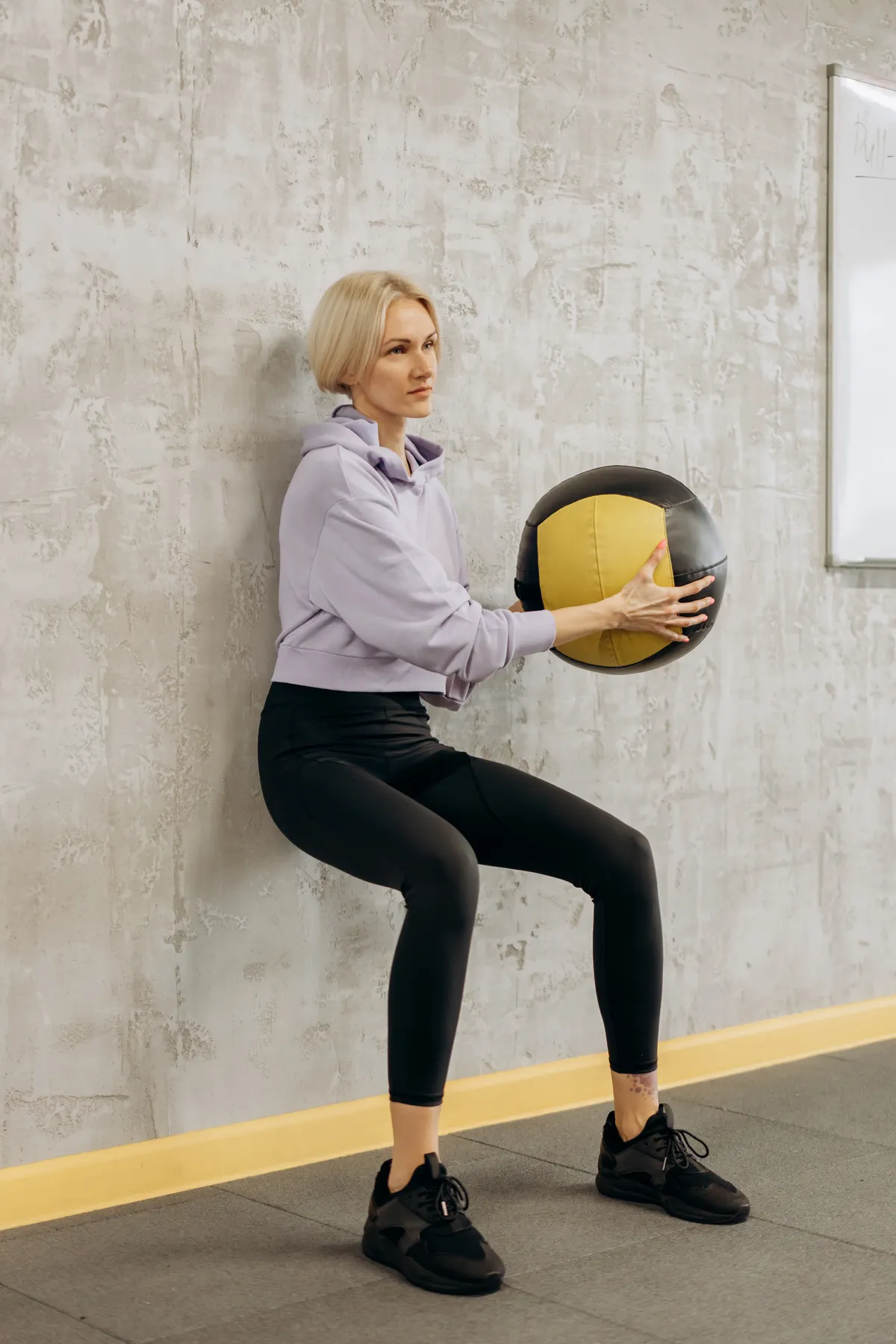
A wall sit is a static lower-body exercise: the thighs, glutes and supporting muscles produce force while the knees and hips remain nearly still. Stand with your back against a sturdy wall, walk your feet forward, then slide down into a comfortable squat angle. Keep your feet flat, roughly hip- to shoulder-width apart, and avoid allowing your knees to collapse inward.
Start high enough that you can hold a stable position while breathing normally. The study’s two-minute bouts were demanding and individually adjusted; they should not be treated as a compulsory starting prescription. For a beginner, a 15- to 30-second hold at a shallower angle can be a sensible technique practice. Increase duration or depth gradually only when posture, breathing and knee comfort remain consistent.
Avoid locking your breath to survive the final seconds. Exhale gently during the effort, inhale without shrugging, and finish the set if you become dizzy, develop chest discomfort or feel an unusual headache. Pushing the back into the wall is fine; driving through the toes, sliding into a painfully deep angle or adding a heavy weight immediately is not necessary.
For a consistent session, use the same footwear, wall, foot placement and approximate knee angle each time. A small change in depth can greatly change how hard the hold feels. Keep a training note of hold duration, perceived effort and any joint symptoms. If you can no longer breathe steadily or your knees begin to ache, shorten or raise the hold rather than chase the clock.
People with diagnosed high blood pressure, cardiovascular disease, uncontrolled symptoms or other relevant medical conditions should discuss vigorous isometric work with a clinician. A wall sit is a training tool, not a replacement for prescribed treatment.

Leg Day Shirts & Workout Gear
Leg-day gym shirts and workout gear for lifters who never skip squats, lunges and lower-body punishment.

Never Skip Leg Day Flamingo – Fitness Meme Hooded Pullo Hoodie
Bring “Never Skip Leg Day Flamingo” gym humor to lazy days and post-workout plans.

Heavy Squatter Harry Potter Squat Lovers Leg Day Hoodie
Show off your leg-day humor in a laid-back “Heavy Squatter” hoodie.

Uncle Sam Squats Funny Patriotic Gym – USA Meme Jumper T-Shirt
Bring “Uncle Sam Squats Funny Patriotic” humor to your everyday gym style.

I Don'T Miss Leg Days Shirt Hawkeye-Inspired & Bros T-Shirt
Show some leg-day attitude with a playful “I Don't Miss Leg Days” tee.

Squat Inspector Gym | Edgy Leg Day Meme Workout Decal | Sticker
A fun “Squat Inspector” touch for bottles, laptops, and lockers.

Never Skip Leg Day Squats & Deadlifts Meme , Top T-Shirt
Show some leg-day attitude with a playful “Never Skip Leg Day” tee.

Squats R Us Shirt – Leg Day Gains & T-Shirt
Heavy lifts, good laughs, and a little “Squats R Us” energy.

Leg Day Is Calling You Sweater Squats & Deadlifts T-Shirt
Add a playful “Leg Day Is Calling You” touch to your casual rotation.

Anti Leg Day Leg Day Club & Meme Fans Vest Tank Top
Bring “Anti Leg Day Leg Day Club” humor to your next lifting session.

Leg Day Thou Shalt Not Skip Leg Day Medieval Knight Gym T-Shirt
Make gym days more fun with “Leg Day” style.
4. Why a Static Hold Can Affect Blood Pressure
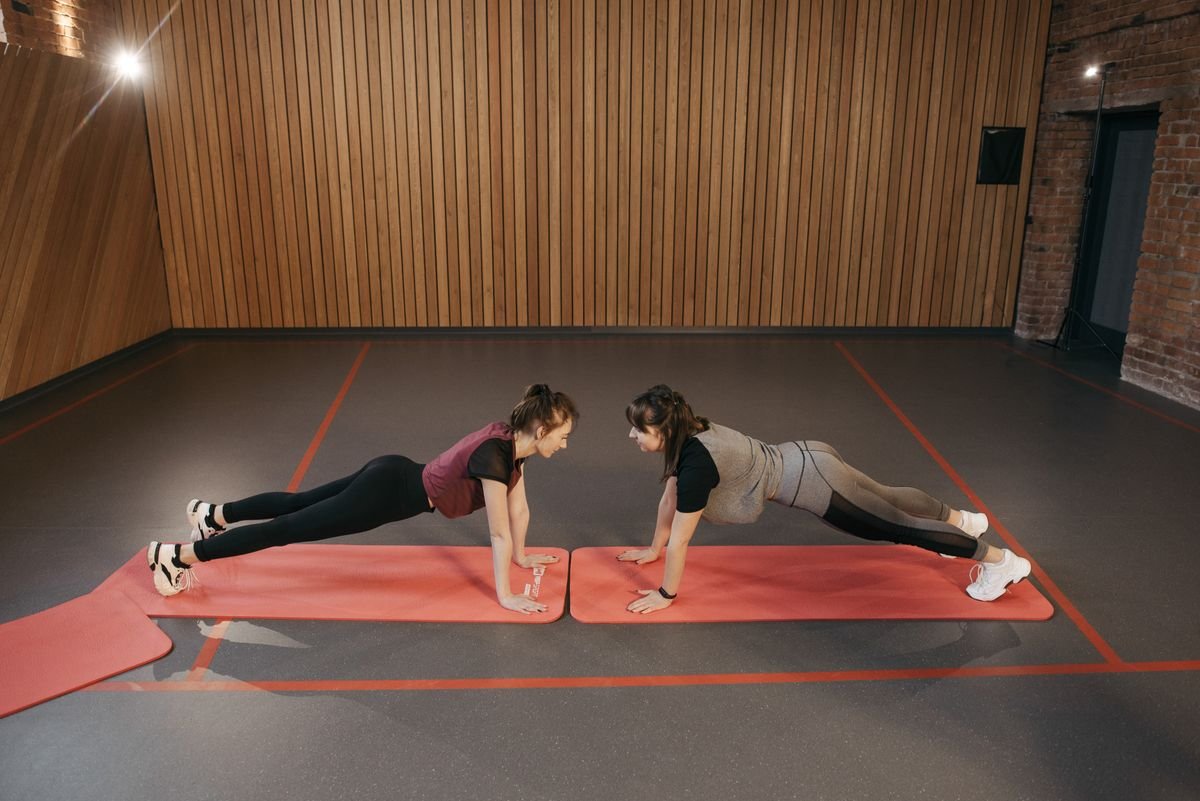
Isometric training is not just a way to make the quadriceps burn. Repeated muscular tension and recovery may influence how blood vessels regulate resistance and how the autonomic nervous system responds at rest. In the 2026 trial, changes in blood pressure tracked with changes in vascular resistance and measures such as heart-rate variability and baroreflex sensitivity. Those associations offer plausible explanations, but correlation within a trial does not prove a single mechanism caused the benefit.
During a hard wall sit, blood pressure can rise temporarily as the working muscles contract. The desired adaptation is a lower resting pressure after repeated training, not an immediate drop while straining. That is why the breathing and progression advice matters. People sometimes confuse the intense sensation in their legs with evidence that a session is automatically more effective. Discomfort is not a reliable dosage meter.
The broader evidence is substantial but not definitive for every person. A 2023 review combining 270 randomized trials and 15,827 participants found that isometric training was associated with meaningful average reductions in resting pressure. Aerobic exercise, conventional resistance training and combined programs also improved blood pressure. Rankings across different trials are useful clues, not proof that wall sits should replace walking, cycling or strength work.
Wall sits also differ from planks and handgrip holds in the amount of muscle involved, the joint position and the cardiovascular demand. The specific trial tested a lower-body wall-squat protocol. It cannot tell us that four minutes of planking or squeezing a grip trainer would produce the same maintenance pattern. Exercise selection and dose both matter, especially when comparing static holds with ordinary resistance training.
5. Wall Sits Versus Regular Squats: Different Jobs, Useful Together
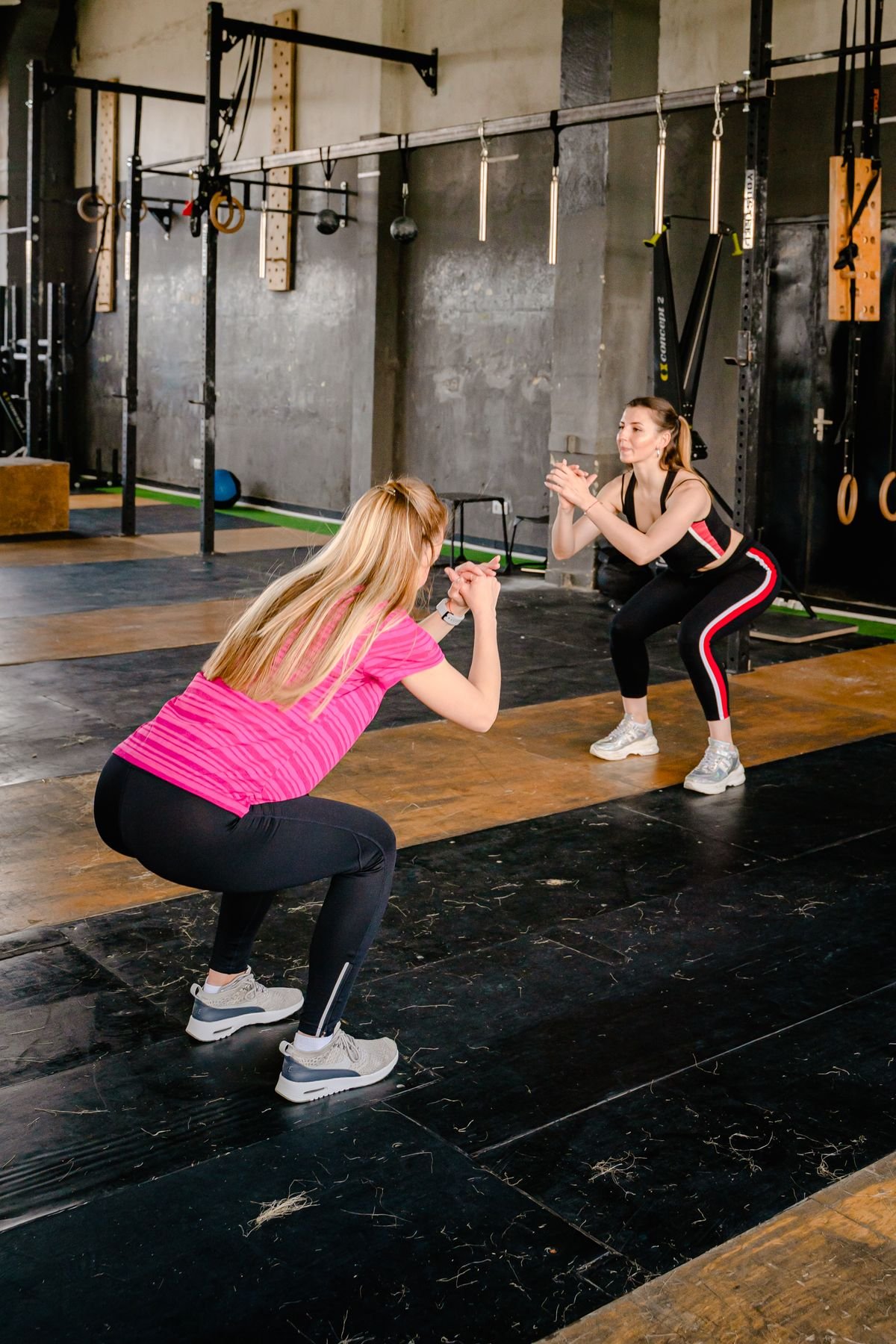
A regular squat moves through a range of motion. The hips and knees bend and extend, and you can progressively increase repetitions, resistance and depth. A wall sit holds a particular position and challenges sustained force production at that angle. Both recruit lower-body muscles, but the stimulus is not identical.
If your main goal is larger quads or a stronger barbell squat, wall sits should generally be an accessory rather than your only leg exercise. Progressive dynamic resistance work provides a straightforward way to train strength across movement ranges. A wall sit can add low-equipment isometric work, help you practice tolerance of a position or give you a short option on a day when a full gym session is not possible.
There is no need to buy a squat rack to perform the intervention studied. A clear wall, stable footwear and a timer are enough. Adjustable dumbbells, a cable machine or a squat rack can support a separate, broader strength program, but adding equipment does not automatically improve the blood-pressure effect of the wall-squat protocol. Keep the research claim and the shopping decision separate.
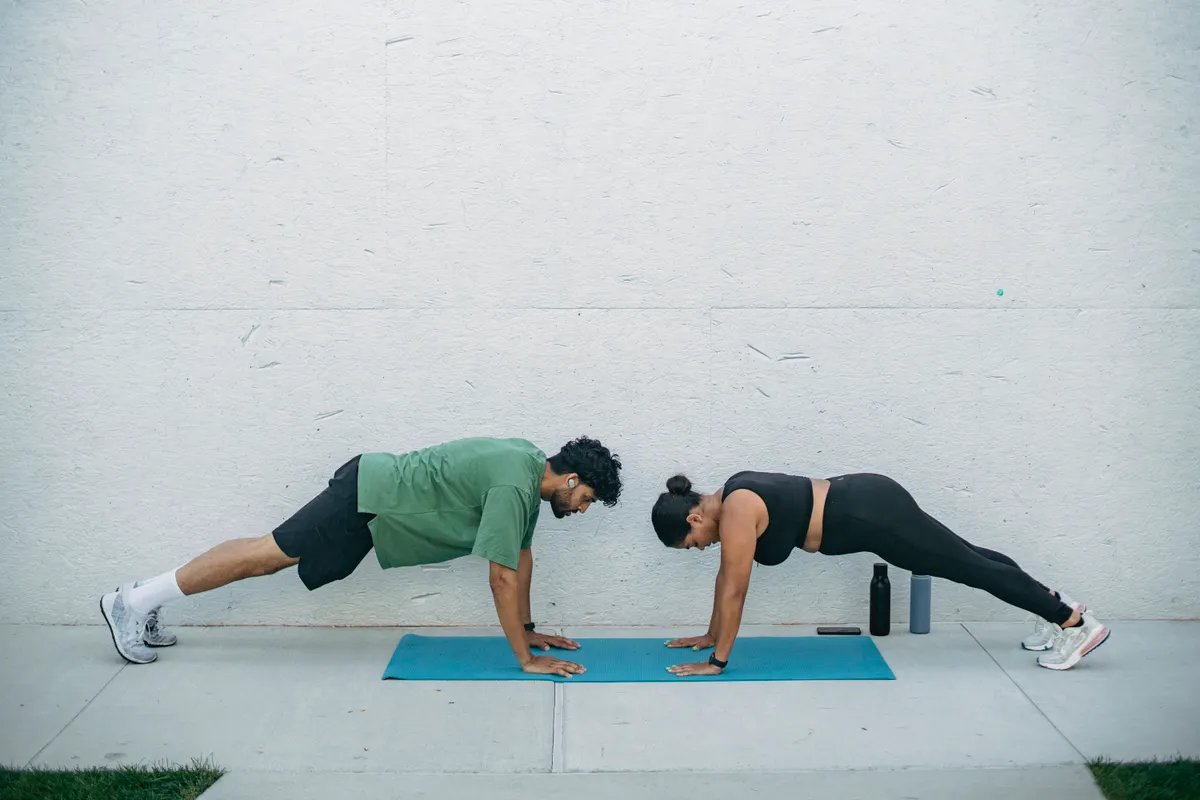
For people with knee pain, a higher angle may be more comfortable, but it is not guaranteed to be appropriate for every condition. Pain during a static hold is a reason to change or stop the movement and seek individualized guidance when necessary. Likewise, a plank may be a useful trunk exercise, yet it is not a validated one-for-one replacement for this particular wall-squat trial.
The most sensible combination for many healthy adults is regular aerobic movement, full-body strength training and optional brief isometric work. That approach develops more than a single blood-pressure number and avoids building an entire fitness routine around one headline.
Equipment Worth Exploring
Explore equipment, accessories and gear from our carefully selected range.
VOLTRA
Compact digital cable trainer with smooth, adjustable resistance.

Go-Tone Pro
Portable digital cable trainer with up to 66 lb (30 kg) of adjustable resistance.


Power Tower
Freestanding pull-up and dip station with adjustable handles for bodyweight training.
6. An Eight-Week Wall-Sit Routine Inspired by the Evidence
The following is a practical training framework, not a clinically validated prescription. The trial’s participants were screened, used individualized squat angles and worked toward four two-minute holds with two-minute seated recoveries. A newcomer should not jump straight to that workload merely because the study used it.
Weeks 1–2: Learn the position on two or three nonconsecutive days. Begin with two to four holds of 15–30 seconds, resting about one to two minutes. Choose an angle that permits smooth breathing and an effort you could repeat. If you already train your legs hard, place the holds after strength work rather than before your heaviest sets.
Weeks 3–4: If comfortable, progress toward three or four holds of 30–60 seconds. Change one variable at a time: duration, depth or number of sets. You do not need to progress all three. Keep walking, cycling or other aerobic activity in your week, and maintain normal resistance training if it is part of your routine.
Weeks 5–8: Once you have a sustainable pattern, decide whether the goal is continued training or a temporary maintenance phase. Three weekly sessions most closely resemble the higher-frequency group that retained the broadest improvements. One or two sessions may be a realistic short-term fallback when travel or schedule pressure interrupts your normal plan, but the trial does not establish long-term equivalence.
Use a simple log: date, number of holds, hold duration, estimated knee angle, breathing comfort and perceived effort. Avoid checking blood pressure immediately after a set and treating that value as a resting result. If you have a clinician-directed monitoring plan, follow it. Stop and seek appropriate medical advice for concerning symptoms rather than pushing through them to complete a timer.
Funny Gym Shirts & Workout Gear
Funny gym shirts, tanks, hoodies and workout gear for lifters who like training hard.

Repetition Stoic Sigma : Meme & Greek God T-Shirt
Rep “Repetition Stoic Sigma” humor in and out of the gym.

Routine Stoic – Greek God Marble Sculpture Shirt & T-Shirt
Show some lifting attitude with a playful “Routine Stoic Bodybuilding” tee.

Motivation Stoic Shirt: Sigma Bodybuilder Greek God T-Shirt
Rep “Motivation Stoic” humor in and out of the gym.

Doctor Discipline Hoodie
Bring “Doctor Discipline Gym Villain” gym humor to lazy days and post-workout plans.

Funny Train Hard Gym | Thomas The Tank Engine Muscle Sh Tank Top
Bring “Train Hard” humor to your next lifting session.

First Progressive Overload President Theodore Roosevelt Sticker
Bring “First Progressive Overload President” attitude to your water bottle or laptop.

Strength Stoic Bodybuilder Greek God Marble T-Shirt
Bring “Strength Stoic Bodybuilder Greek God Marble” humor to your next gym day.

Focus Stoic Bodybuilder Greek God Marble Sculpture T-Shirt
Heavy lifts, good laughs, and a little “Focus Stoic Bodybuilder Greek God Marble” energy.

Shirt Motivational Weight Stack & Gymbros T-Shirt
Bring “Motivational Weight Stack” humor to your next gym day.

Discipline Greek God Statue Stoic Sigma T-Shirt
Heavy lifts, good laughs, and a little “Discipline Greek God Statue Funny Stoic” energy.
7. How to Measure Progress and What the Study Cannot Promise
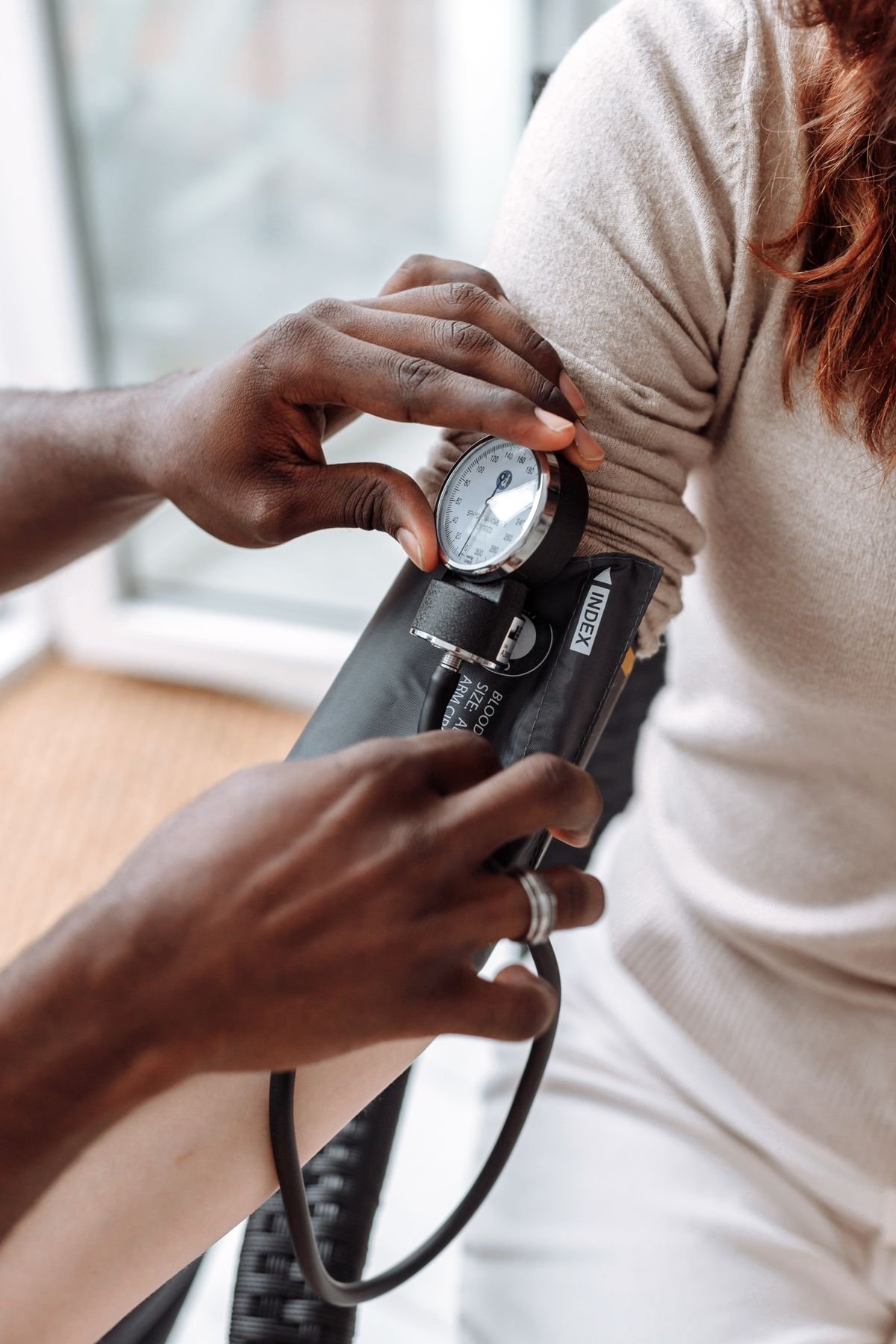
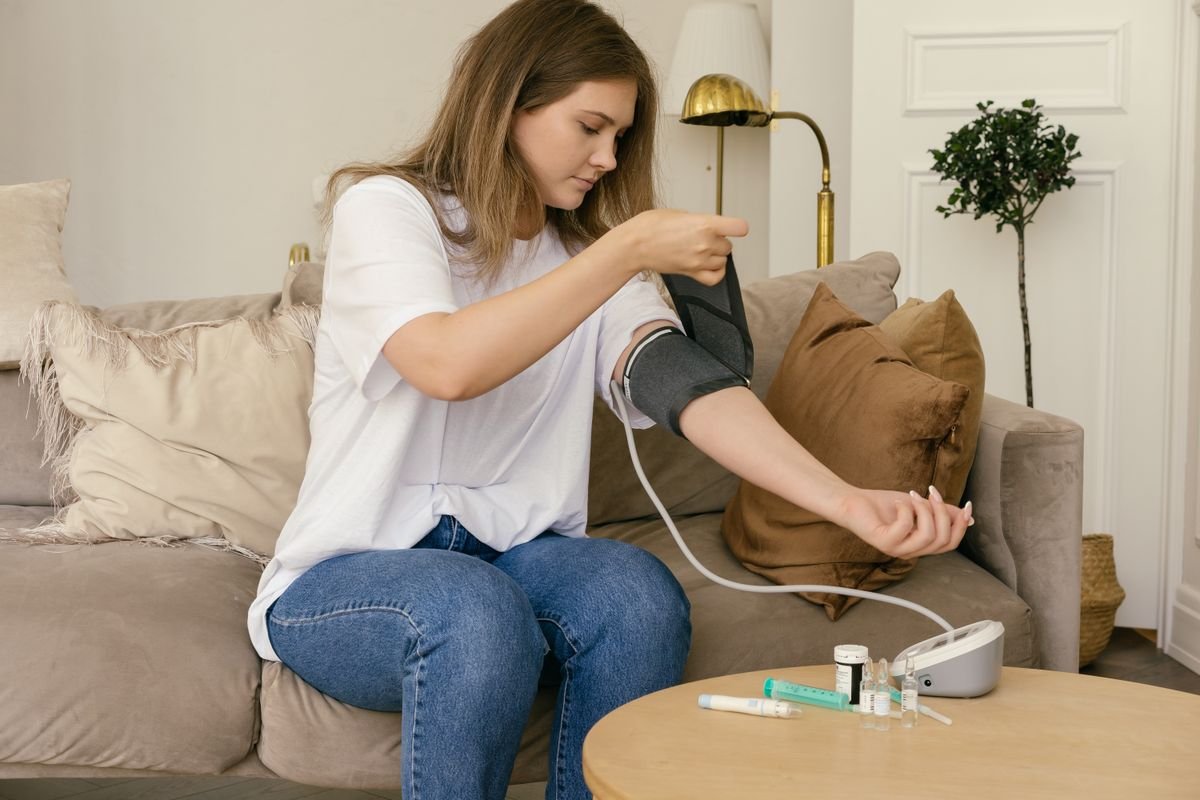
If you want to track blood pressure, measure it consistently rather than relying on how hard a wall sit feels. Sit quietly with back supported and feet flat for at least five minutes. Keep the cuffed arm supported at heart level, avoid talking and use a validated monitor with the correct cuff size. Exercise, caffeine and other factors can distort a reading taken too close to a workout.
Take at least two readings a minute or two apart and record the results. Look for a trend over days and weeks, not a dramatic change after one session. Home readings are useful for conversations with a healthcare professional, particularly when treatment decisions or existing high blood pressure are involved. Do not stop medication because an exercise study reported a large average reduction.
The study had several strengths: random allocation, a control group, clearly defined training schedules and repeated physiological measurements. It also had important boundaries. Participants were generally inactive adults with normal to high-normal pressure, not a representative sample of everyone with hypertension. The second phase was only four weeks long, and the intervention involved a specific wall-squat protocol. Its results do not establish that one weekly session is enough to start treatment, prevent cardiovascular events or replace the broader activity recommendations.
The actionable takeaway is narrower and more useful: after a consistent four-week block, doing something was better than stopping altogether for the short maintenance period studied. Three sessions weekly produced the strongest overall response. If a busy week forces you to reduce training, a carefully performed wall sit can remain part of your routine. When time opens up again, return to a well-rounded plan that includes aerobic activity, dynamic strength work and appropriate recovery.
Think of wall sits as an inexpensive addition to your training toolkit. Their appeal is convenience and a growing evidence base—not a magic shortcut or a reason to abandon everything else that makes you fitter.