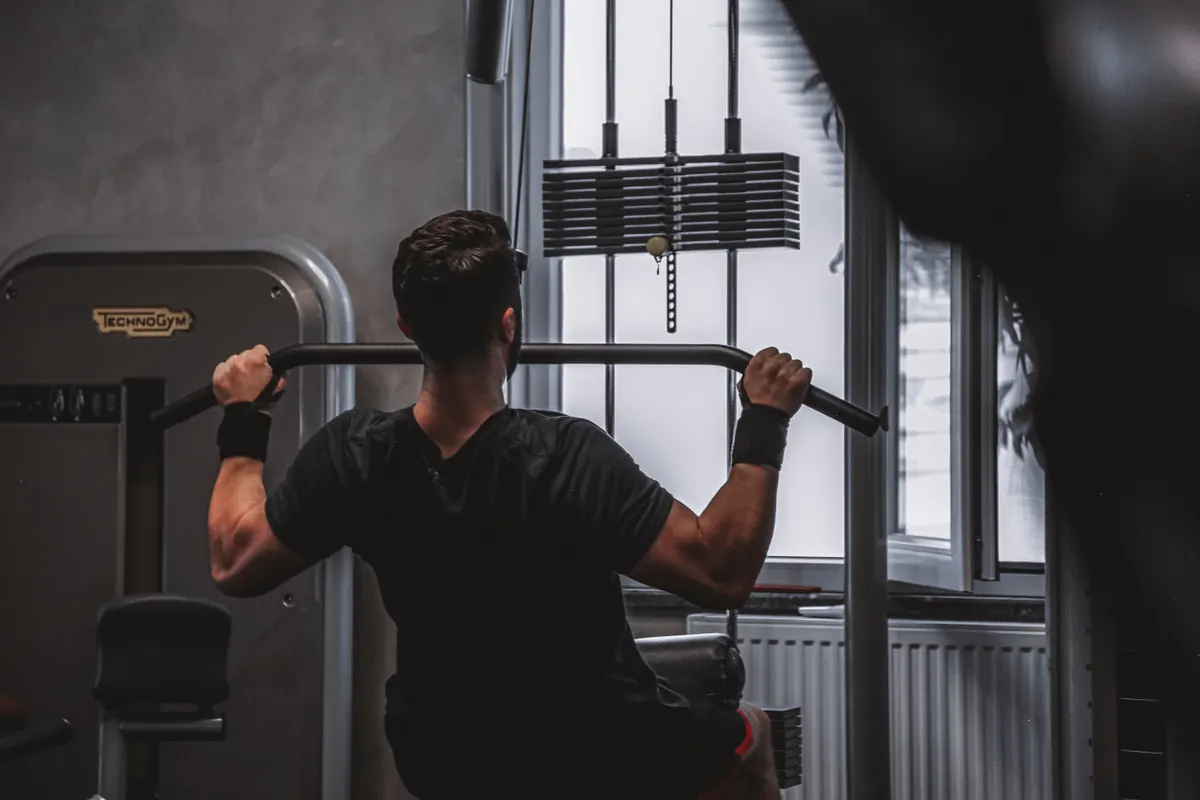
Wide overhand bars, shoulder-width handles, close neutral grips and underhand pulldowns all promise a bigger back. It is tempting to assume that the widest handle creates the widest lats, but a grip’s appearance does not reveal how well it trains the target muscles.
A 2025 experiment tested seven pulldown setups in 40 experienced male lifters and found no clear overall lat-activation winner. That result does not mean every handle feels identical or that grip selection is pointless. It suggests a better question: which position lets you pull hard, control the movement and progress for months without irritating your joints?
1. What the 2025 Seven-Grip Study Measured
Forty men with at least five years of resistance-training experience performed seven lat pulldown variations. The conditions changed grip width, forearm orientation and, in selected versions, trunk inclination. Each variation involved five repetitions at approximately 70% of the participant’s repetition maximum. Surface electrodes measured electrical activity from the latissimus dorsi, middle and lower trapezius, posterior deltoid, biceps brachii and infraspinatus.
Across the seven setups, the overall analysis found no statistically significant differences in normalized activation for the measured muscles. There was a more specific exception: the wide overhand grip with approximately 30 degrees of backward trunk inclination showed greater posterior-deltoid activity than two more upright wide-grip conditions. That does not establish that leaning back makes the lats grow faster.
These were brief laboratory tests, not months-long training programs. Surface EMG records muscle electrical activity, not changes in muscle thickness or strength over time. The participants were experienced men, so the findings cannot automatically be generalized to beginners, women, rehabilitation patients or people with shoulder pain. Nor does an absence of a significant difference prove every grip is exactly equivalent.
What the experiment does challenge is the certainty of many grip-selection rules. It offers little support for treating one precise hand position as a mandatory shortcut to back growth. Consistent range, adequate effort, recoverable volume and progressive loading still deserve the most attention.
2. Wide vs Narrow: Why the Heaviest Grip Is Not Always Best
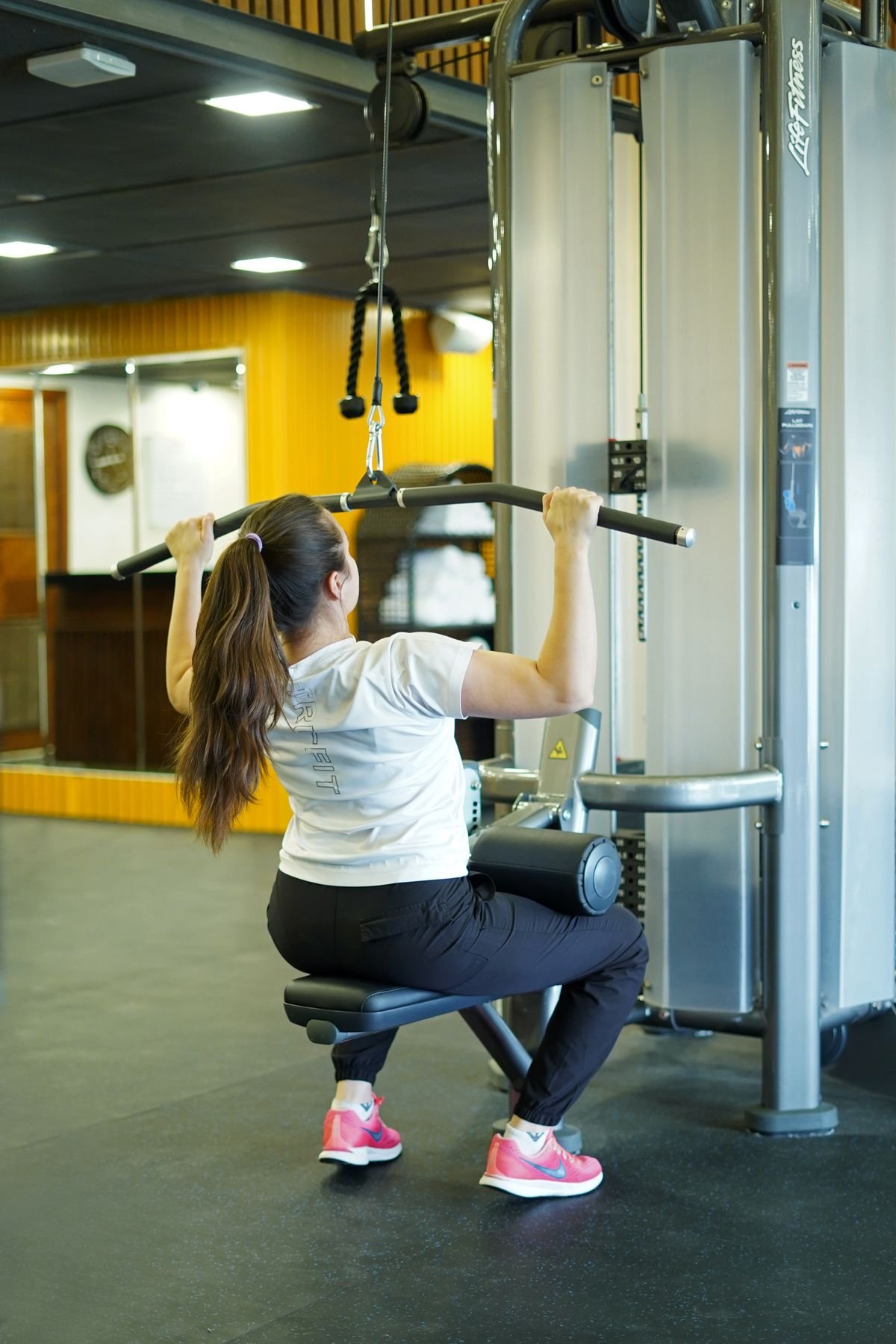
Changing hand spacing changes leverage, elbow travel and often the distance the handle moves. A wide grip may shorten the visible pull and place the elbows farther out. A closer grip can permit a longer path, although the exact result depends on arm length, shoulder mobility and the machine. None of these mechanical differences automatically means greater hypertrophy.
An earlier experiment compared three overhand widths in fifteen men: approximately one, one-and-a-half and two times shoulder breadth. Six-repetition-maximum loads were slightly greater with the narrow and medium grips than with the widest grip. Overall lat activity was broadly similar, while some phase-specific differences appeared during the lifting and lowering portions. The investigators favored a medium grip as a reasonable compromise rather than declaring a universal winner.
Both experiments point toward a useful distinction: the weight displayed on a stack is not a pure measure of back-muscle stimulus. A grip that lets you pull five more kilograms may also change the leverage or shorten the range. Compare quality of movement, not only the machine number.
Start around shoulder width or moderately wider. Test one alternative while holding the seat height, thigh-pad position, torso angle, tempo and effort reasonably constant. If one width consistently permits a full controlled pull and fewer irritated joints, that is a meaningful advantage even when an EMG experiment cannot identify a clear lat-activation winner.

Equipment Worth Exploring
Explore equipment, accessories and gear from our carefully selected range.
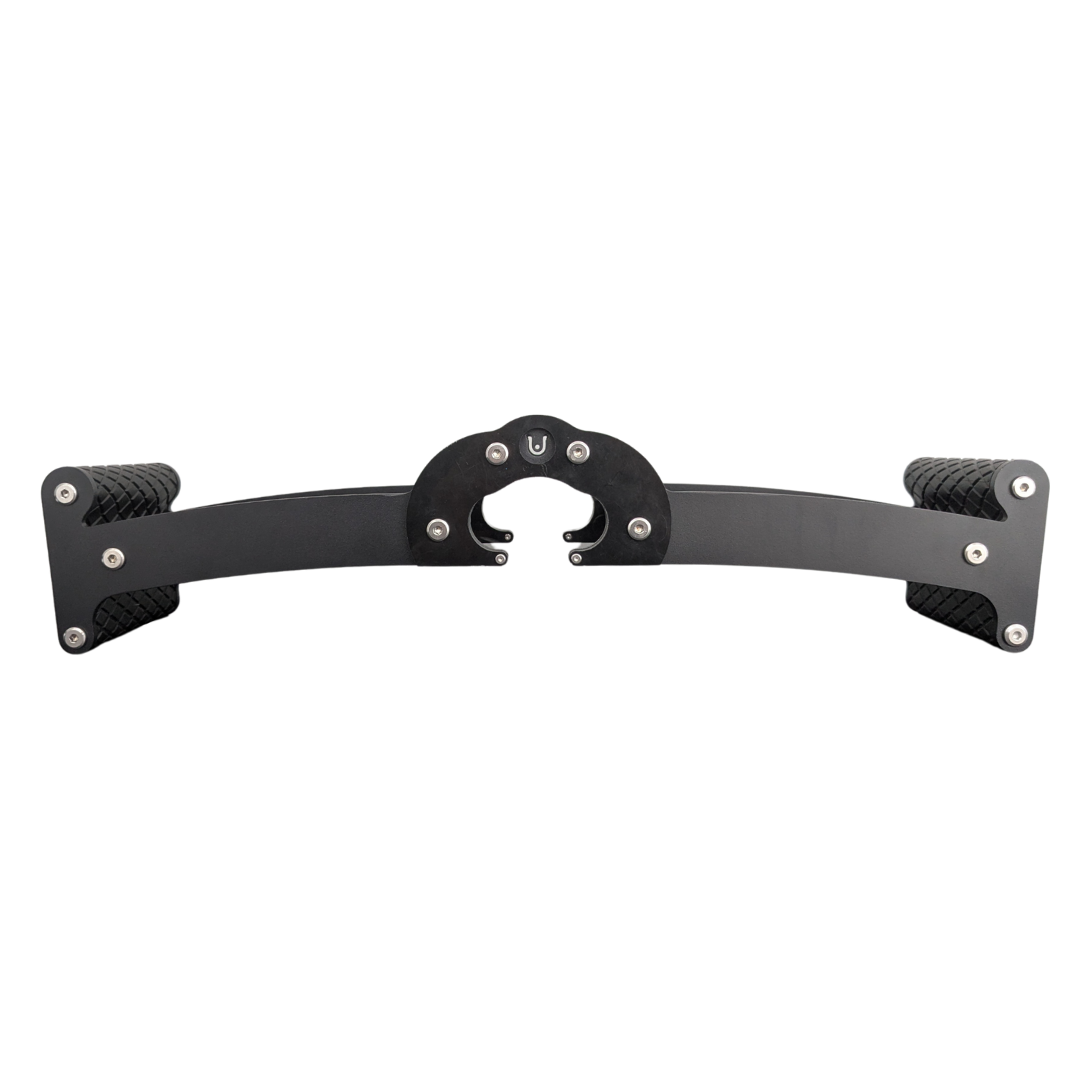
Back Bar
Multi-grip cable and landmine bar with a built-in deadlift jack.
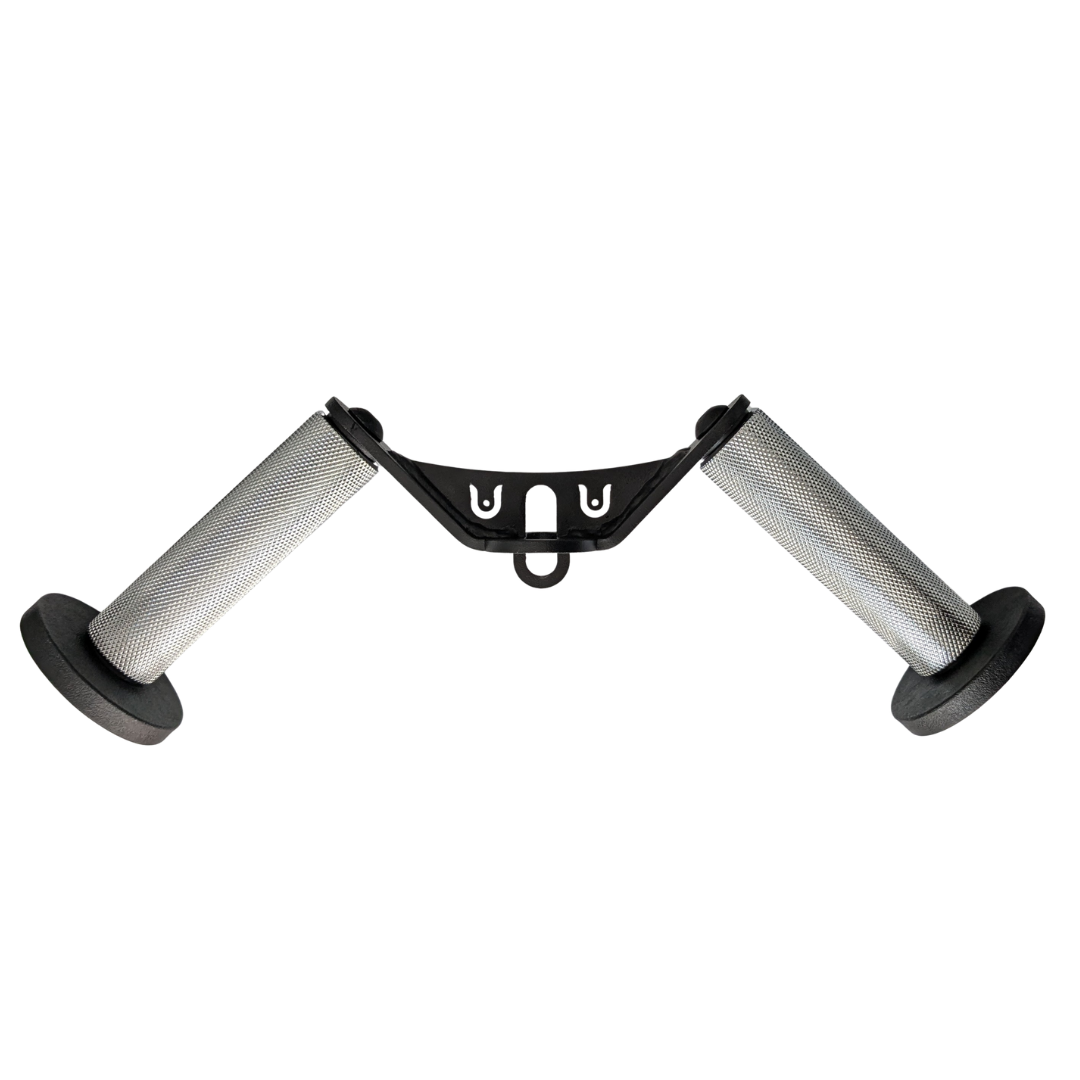
W Grip
Angled cable grip for comfortable rows, pushdowns, and curls.
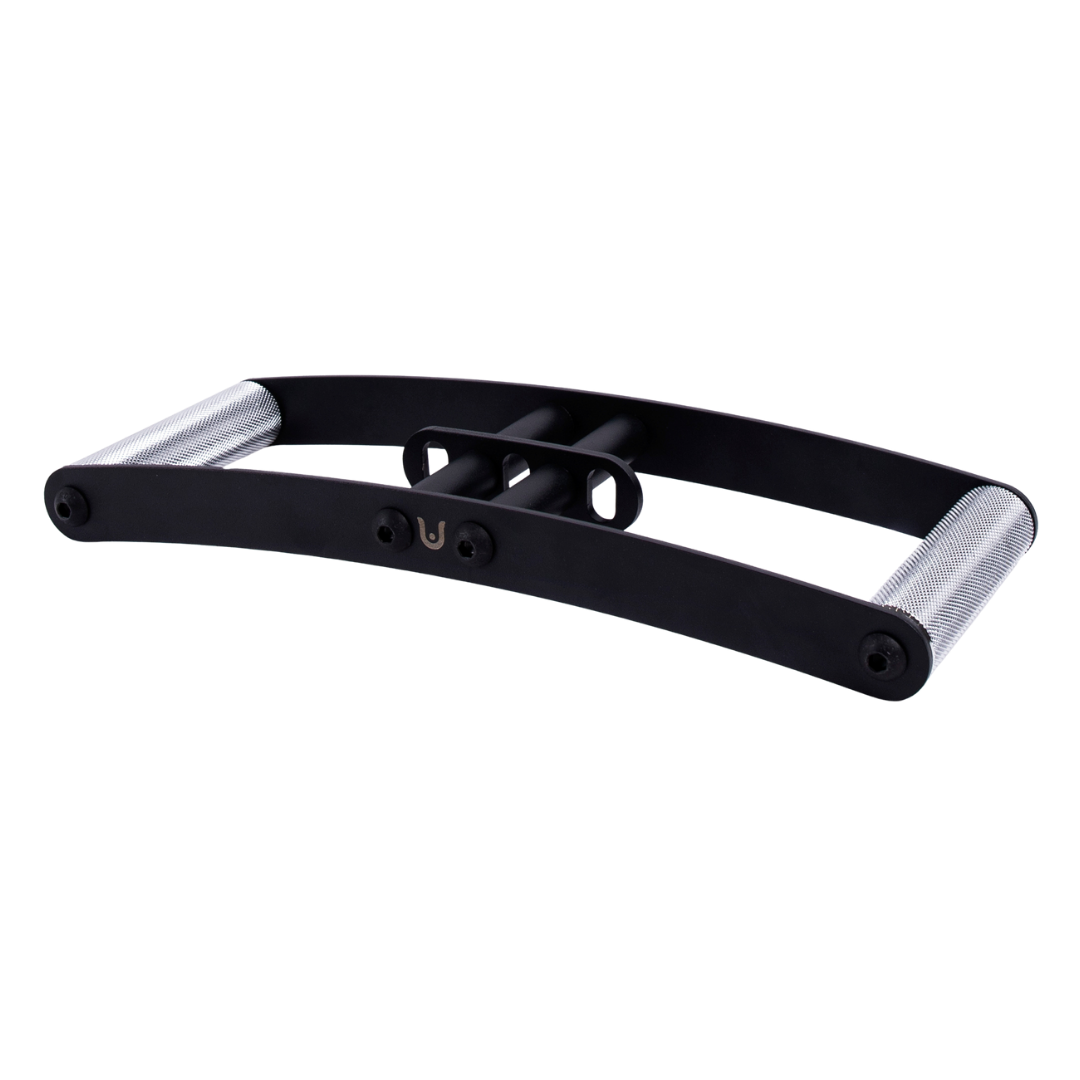
Horizon Grip
Ergonomic V-style cable grip for rows and back training.
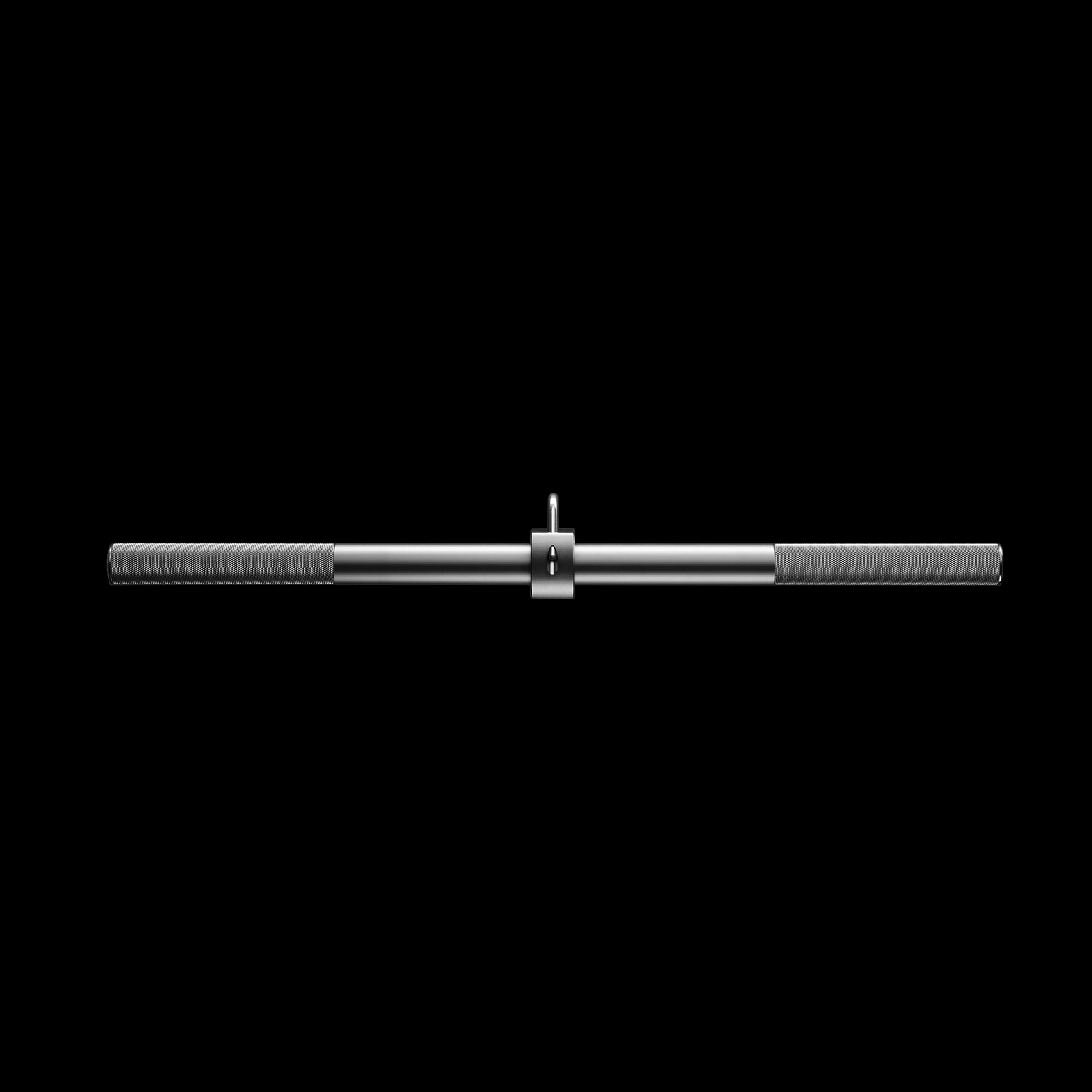
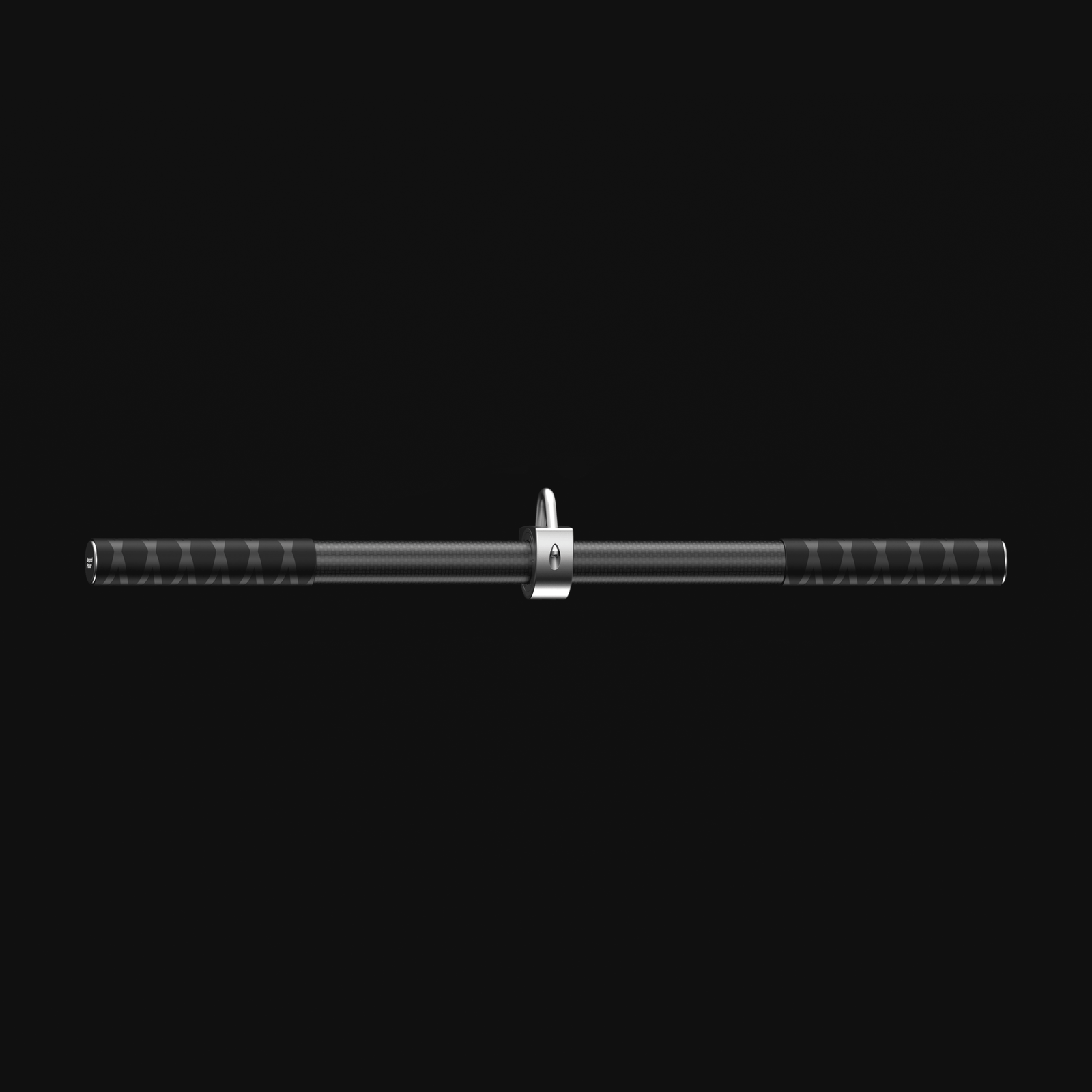

GymPin D Handle Bar
Multi-use steel D-handle bar for cable rows, pulldowns and other cable exercises.

GymPin Ergo Handles
Pair of ergonomic cable handles shaped for comfortable triceps and pulling exercises.

Angles 90 Grips
Flexible grip attachments that allow natural wrist movement during pulling exercises.

3. Overhand, Neutral and Underhand: Let Your Elbows Guide You
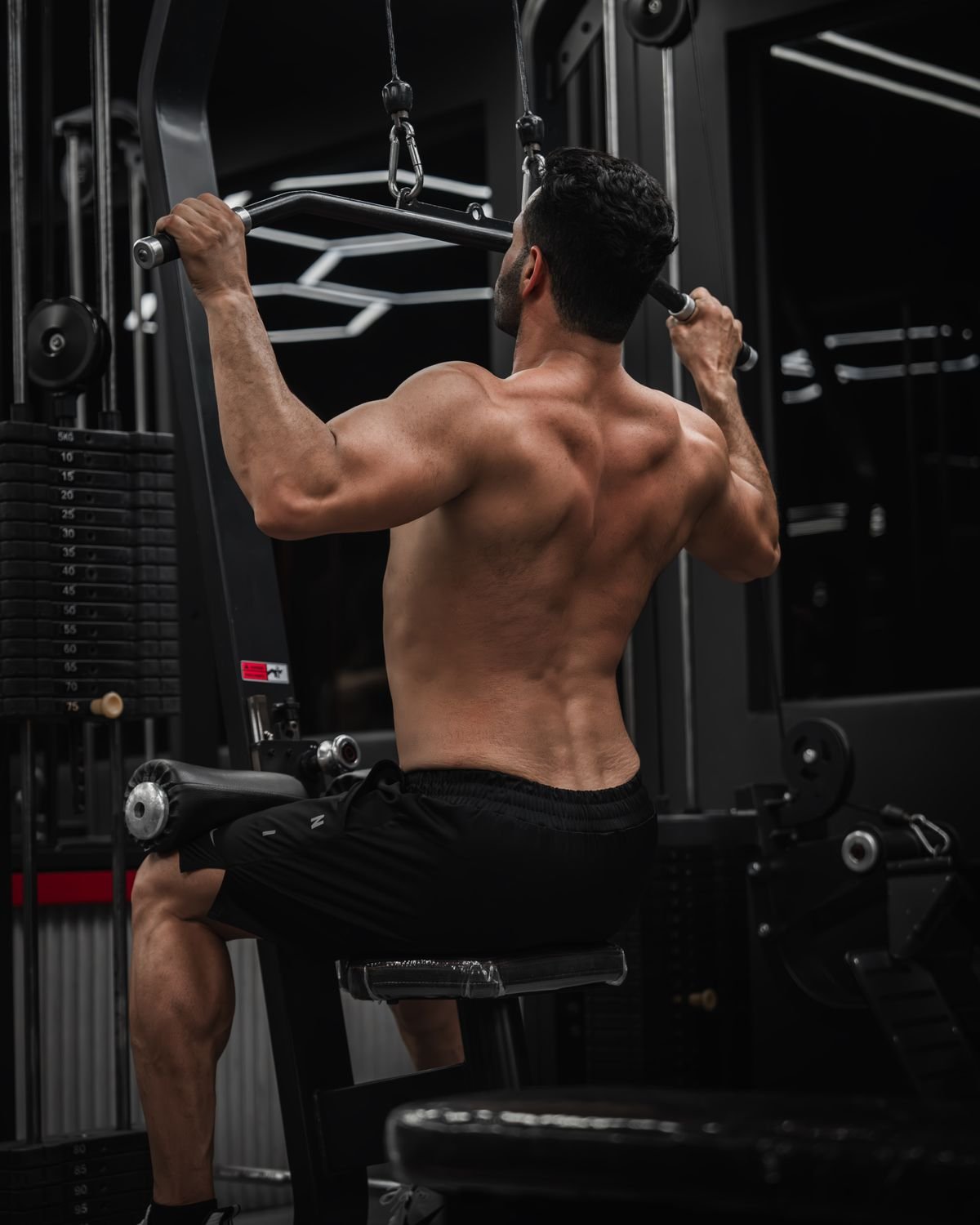
With a pronated grip, the palms face away; with a supinated grip, they face toward you; with a neutral grip, they face each other. Those positions change forearm and shoulder mechanics. A straight overhand bar works well for many lifters, while neutral handles may make it easier to find a comfortable path when wrists or shoulders dislike a fixed bar.
An older pulldown experiment reported higher lat electrical activity with an overhand rather than underhand grip in its particular protocol. The newer seven-variation experiment did not find a clear overall lat advantage among the wider set of conditions it tested. The results need not be contradictory: the exact handles, sample, body positions, loading and measurement methods differed.
For a useful pulldown, focus on moving the upper arms down toward the sides rather than simply curling the handle toward your chin. The elbows need not follow a perfectly vertical line; they should travel through a controllable path that matches your anatomy. Allow the shoulder blades to move naturally as the arms rise rather than trying to lock them down throughout the repetition.
Underhand pulldowns may feel strong because the elbow flexors can contribute comfortably, but avoid turning the movement into a heavy cable curl. Neutral grips are not inherently superior either. Choose the version you can repeat without painful wrist twisting, shoulder pinching or dramatic changes in torso position as fatigue rises.

Bodybuilding Shirts & Workout Gear
Bodybuilding shirts, tanks and gym gear for lifters chasing muscle, size, symmetry and the pump.

Nice Traps Big Back Tee
Heavy lifts, good laughs, and a little “Nice Traps Big Back” energy.


Big Back SpongeBob Sweater Back Day & T-Shirt
Bring “Big Back” humor to your everyday gym style.

Lat Man Big Back – Jumper With Huge Lats – Back Day T-Shirt
Add a playful “Lat Man Big Back” touch to your casual rotation.

Demon Back Big Back Sweater & Lat Gains Meme T-Shirt
Add a playful “Demon Back” touch to your casual rotation.


Strong Back Bodybuilder Tee
Show some lifting attitude with a playful “Strong Back Bodybuilder” tee.


Shirt Pull Day – Back & Biceps Meme Top T-Shirt
Heavy lifts, good laughs, and a little “Pull Day Graphic” energy.

4. Torso Lean, Bar Path and Mistakes That Hide the Real Load
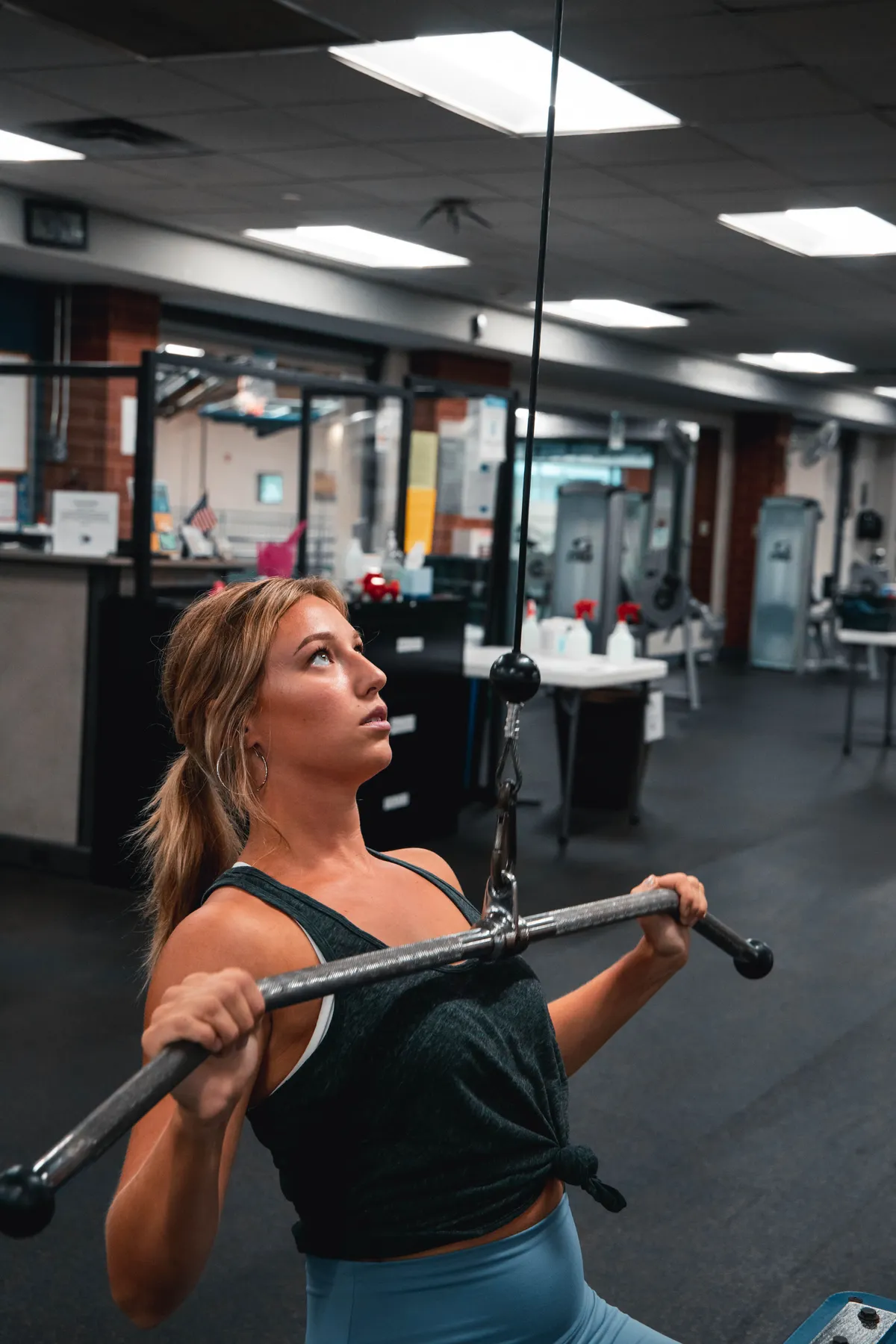
A small, stable backward lean can be part of a normal pulldown. The problem is changing that angle on every repetition: the hips lift, the lower back snaps into extension and momentum moves the stack. Once the torso becomes a moving counterweight, it is difficult to tell whether the back muscles are actually getting stronger.
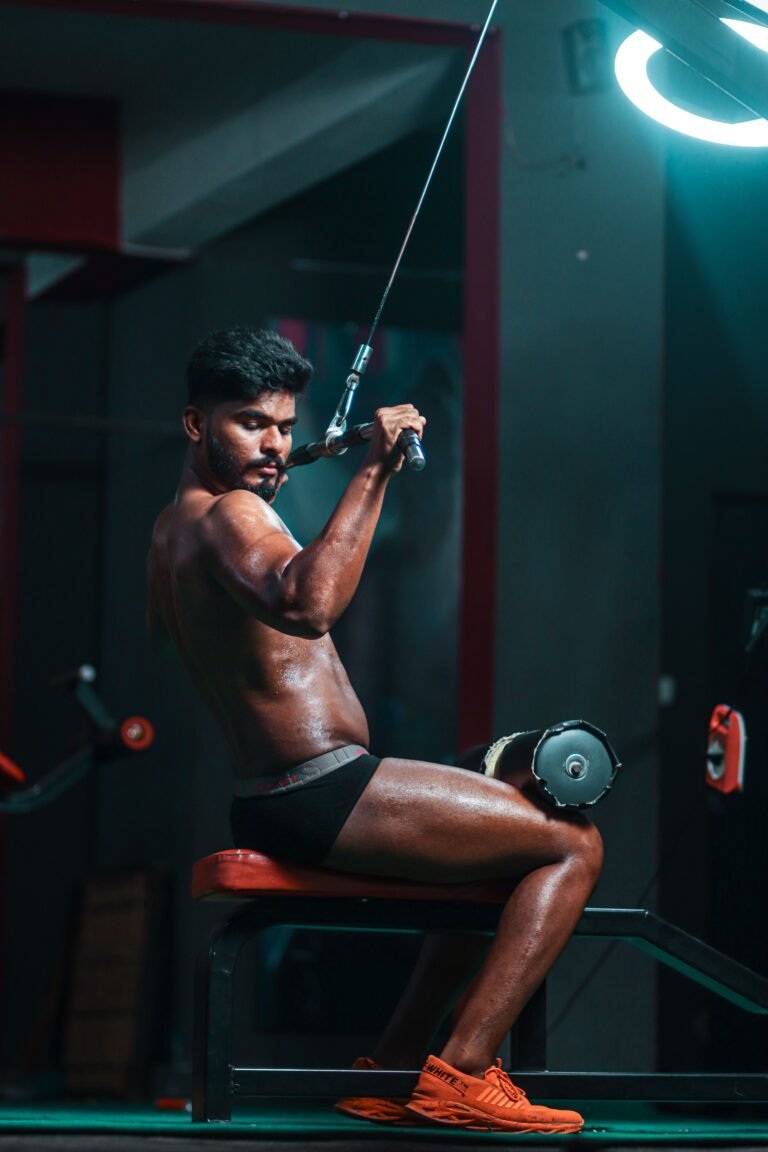
Set the thigh pad so you remain firmly seated. Brace the trunk, reach overhead into a comfortable stretch, then pull the elbows down while bringing the handle toward the upper chest or another repeatable end point. Pause briefly if that helps you maintain control. Let the cable return smoothly until the shoulders can comfortably rise again. You do not need to force the bar onto your chest if doing so requires a sudden backward swing.
A 2024 laboratory comparison examined front-of-head and behind-neck pulldowns. Different muscle-excitation patterns in a test do not justify forcing the bar behind the neck. That position demands shoulder mobility and external rotation that not everyone can achieve comfortably under load. For most recreational lifters, a front pulldown is the practical default.
Watch for three errors: jerking the first half of the repetition, cutting the upward range shorter as the load gets heavier, and pulling behind the head despite discomfort. Correct those before searching for a special handle. Filming one set from the side can reveal whether the torso angle, range and speed are actually consistent.
5. Do You Need Special Attachments to Build a Bigger Back?
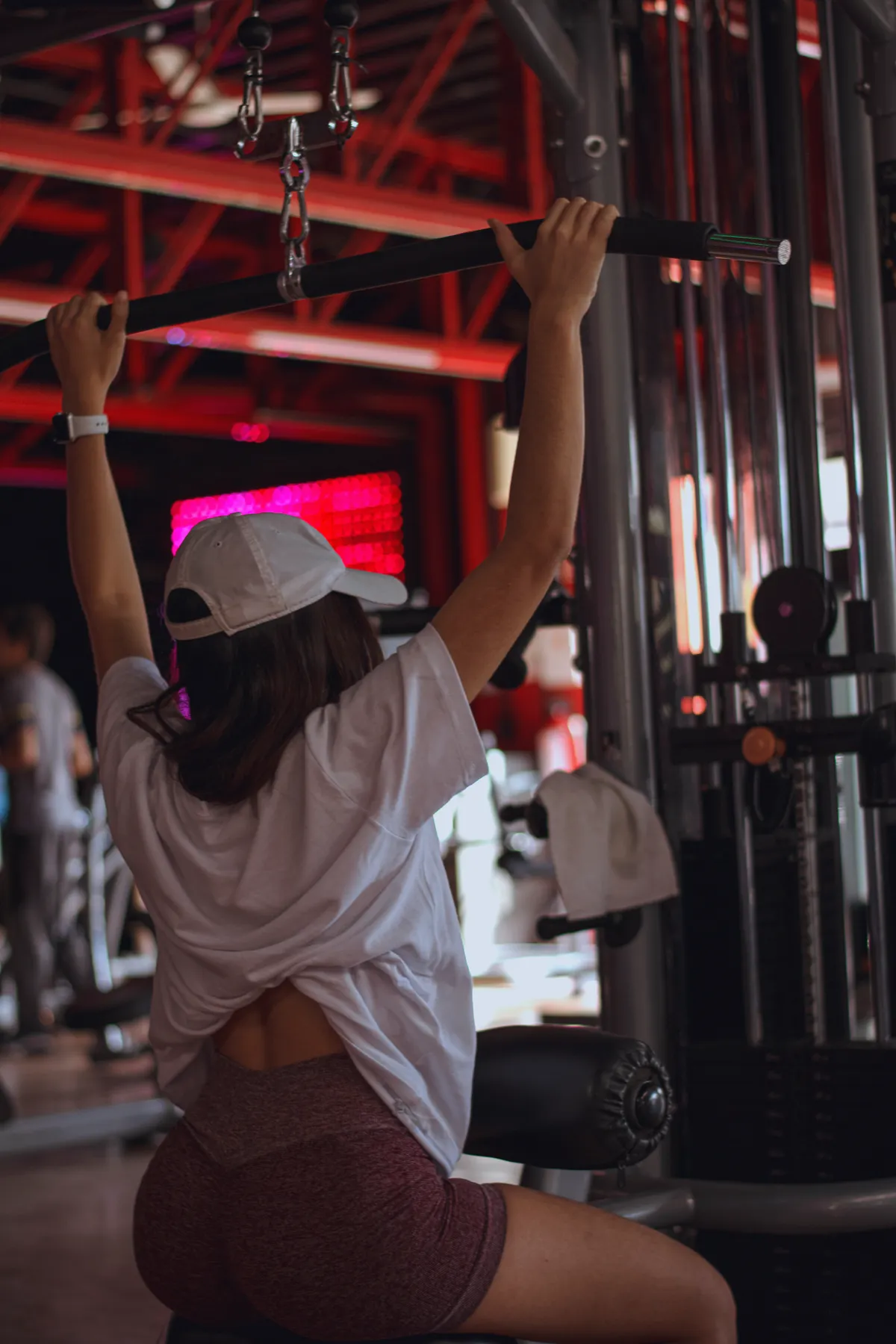
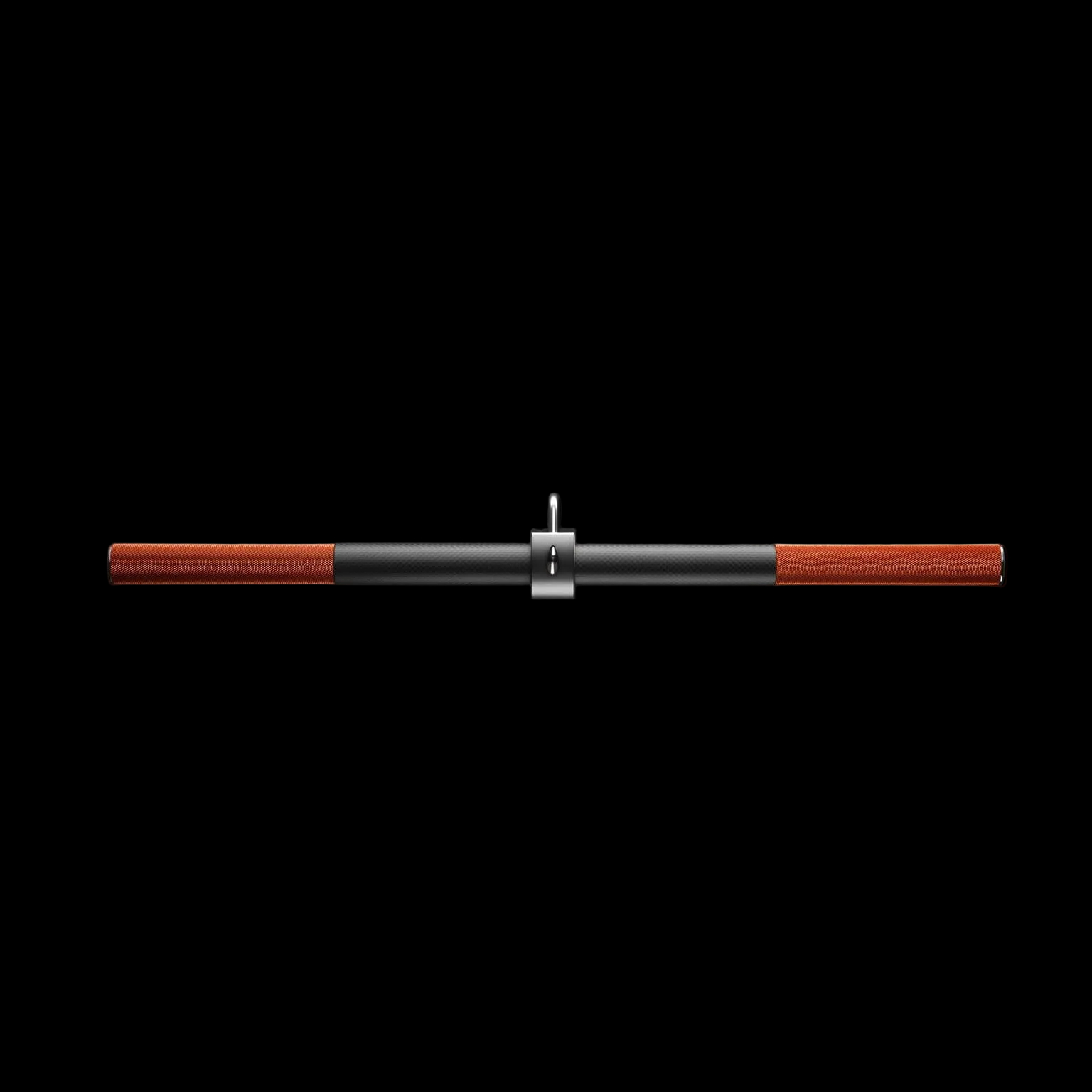
A long straight bar allows conventional wide or medium overhand pulldowns. A parallel handle provides a neutral grip. Independent handles let each arm follow a slightly different path. These are legitimate differences, but none proves that a collection of ten cable attachments is necessary for lat development.
Surface EMG measures short-term electrical activity. It cannot establish that a small activation difference in one phase will produce a predictable difference in muscle size after twelve weeks. Actual progress depends on challenging sets, repeatable technique, sufficient recovery and gradual increases in work. A handle that reduces wrist irritation or improves adherence can matter more than a small laboratory contrast.
Keep one main pulldown variation for four to eight weeks as a stable benchmark. Add a second grip only if it solves a real problem: a more comfortable wrist angle, unilateral control, a different elbow path or access to another machine. Include a horizontal row as well, because rowing trains the back through a distinct pulling pattern and helps distribute work across multiple muscle groups.
If grip fatigue consistently ends your sets before your back muscles are challenged, train grip separately or consider straps for selected hard sets. If the handle itself is slippery or awkward, changing it may help. Equipment should solve an identified limitation, not serve as a substitute for effort and progression.
Equipment Worth Exploring
Explore equipment, accessories and gear from our carefully selected range.
VOLTRA
Compact digital cable trainer with smooth, adjustable resistance.

Go-Tone Pro
Portable digital cable trainer with up to 66 lb (30 kg) of adjustable resistance.

Leather Wrist Grips
Padded leather lifting grips help support the hands and wrists on heavy pulling exercises.

Leather Lifting Straps
Padded leather straps support grip during heavy rows, deadlifts and pulling exercises.

Original GymPin
Adds Olympic plates to compatible cable-machine weight stacks for extra resistance.

Power Tower
Freestanding pull-up and dip station with adjustable handles for bodyweight training.

6. A Practical Two-Day Back Program for the Next Eight Weeks
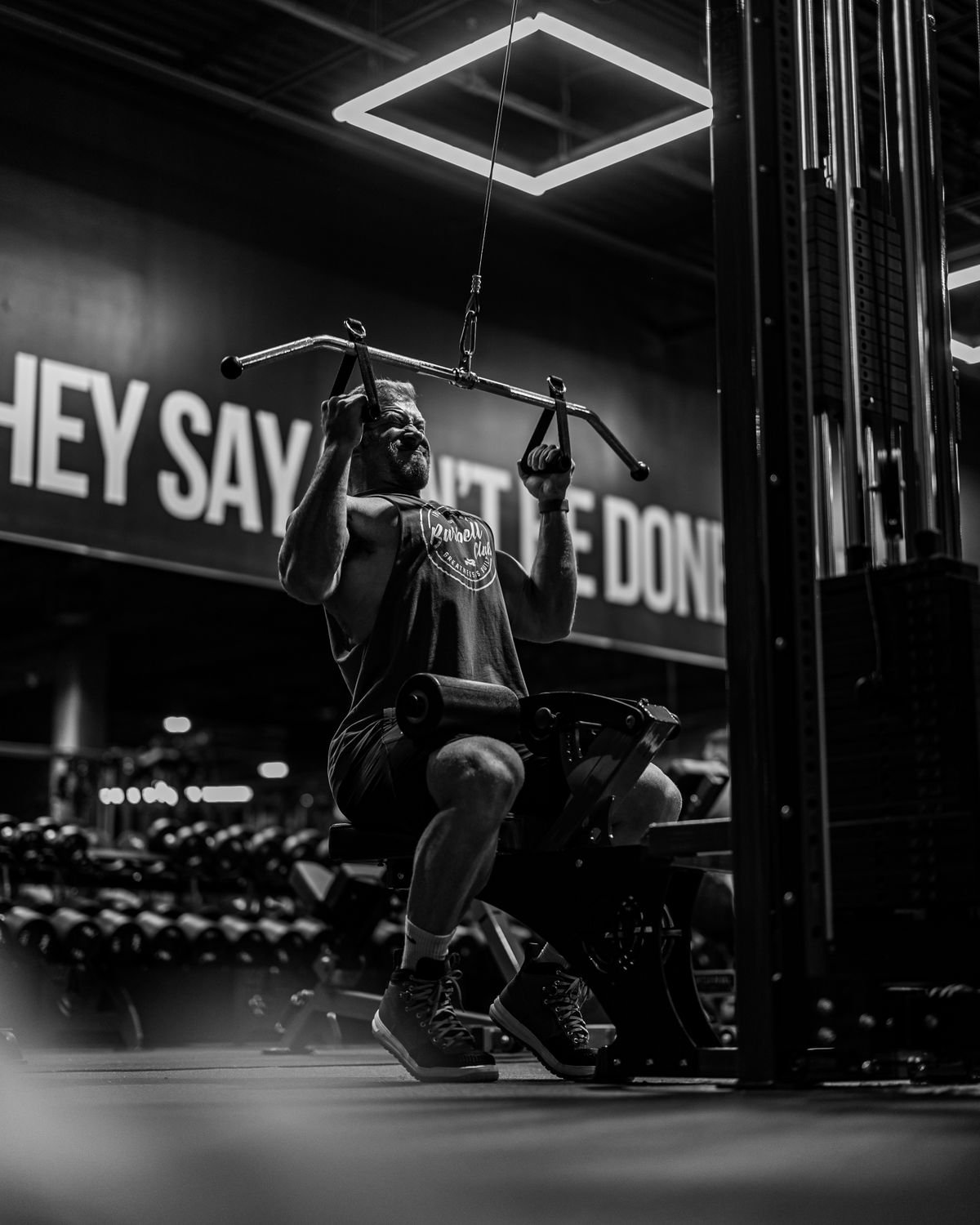
For a healthy lifter already familiar with cable machines, Day A can begin with a moderately wide overhand pulldown for three sets of six to ten repetitions. Follow with a chest-supported row for three sets of eight to twelve. Add one or two sets of rear-delt work only if your other training does not already provide enough. Keep the same grip and seat settings from week to week.
On Day B, at least two days later, use a neutral-grip pulldown for three sets of ten to fifteen repetitions, then a one-arm row for two or three sets of ten to fifteen. If the neutral handle feels awkward, replace it with a comfortable underhand or medium overhand grip. Optional curls can follow if they fit your total arm-training volume.
Finish most working sets with roughly one to three clean repetitions still possible. Rest around two to three minutes after demanding sets, longer if performance is clearly declining. When you reach the top of the rep range on every set with consistent technique, increase the load by the smallest practical increment. Do not force progression by swinging farther backward or reducing the range.
Log load, repetitions, range of motion and any joint discomfort separately for each grip. Avoid comparing stack numbers across machines with different pulley ratios. After eight weeks, compare sustainable progression, comfort and consistency. If both grips work well, you have no reason to declare one inferior; variety can be useful without being magical.
Calisthenics Shirts & Street Workout Gear
Calisthenics and bodyweight-training gear for pull-ups, dips, handstands and street-workout athletes.


Always Pull Yourself Up Funny Gym T
Heavy lifts, good laughs, and a little “Always Pull Yourself Up” energy.

Shirt – Calisthenics Heartbeat Gymbros & Meme Lovers T-Shirt
Bring “Calisthenics Heartbeat” humor to your next gym day.

Calisthenics – Meme & Lovers – Top & Gains T-Shirt
Heavy lifts, good laughs, and a little “Calisthenics” energy.

Calisthenics Evolution
Show some lifting attitude with a playful “Calisthenics Evolution” tee.

Shirt Calisthenics Lovers Hilarious Gains & Meme T-Shirt
Rep “for Calisthenics Lovers” humor in and out of the gym.


Shirt – Lord Of The Calisthenics Rings – Meme T-Shirt
Rep “Lord of the Calisthenics Rings” humor in and out of the gym.

Calisthenics Lovers – Gains & Meme Shirt T-Shirt
Make gym days more fun with “for Calisthenics Lovers” style.
7. The Real Takeaway: Choose a Grip You Can Progress
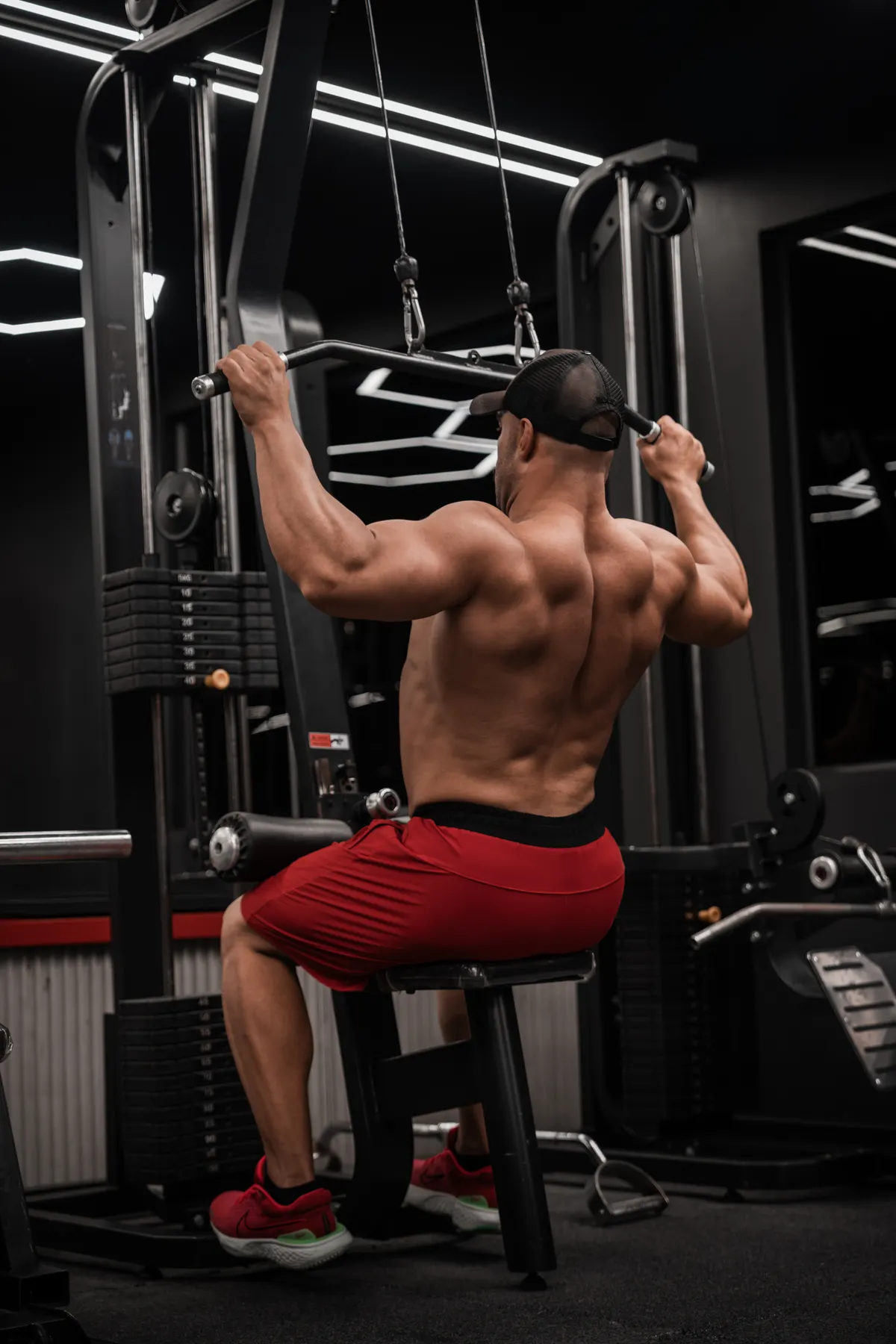
The 2025 experiment compared immediate muscle activation, not long-term changes in muscle size. It did not randomly assign lifters to different handles for months and measure hypertrophy. Similar EMG readings therefore do not prove identical growth, just as one isolated EMG advantage does not guarantee a visibly bigger back.
The lats are large muscles involved in several shoulder movements, and a pulldown also recruits elbow flexors and muscles that stabilize or move the shoulder blades. The body coordinates those tissues together. No hand orientation acts like a switch that turns one muscle on while switching the rest off.
For most people, a sensible default is a front pulldown using a medium-width overhand or comfortable neutral grip. Choose a repeatable range, keep the torso angle stable and use a load that makes the last few repetitions challenging without losing control. If another grip is kinder to the wrists or shoulders, use it. Extreme width is not a prerequisite for wide lats.
Finally, place the pulldown inside a complete back program. Pair vertical pulling with horizontal rows, track progression, allow recovery and adjust when your joints give you a reason. The most productive grip is the one that lets you accumulate good work over time—not the one with the most dramatic name or the most impressive-looking bar.