Advertising disclosure: This page includes affiliate links that may earn us a commission at no additional cost to you.
Yuri Vlasov’s 537.5 kg total at the 1960 Rome Olympics looks enormous because it was enormous. It also needs a definition: the result combined three separate lifts, rather than describing a single barbell taken overhead. His heaviest successful clean and jerk that evening was 202.5 kg.
That distinction opens up a more interesting story than a photograph of a powerful man beside heavy plates. Vlasov won through several performances within one competition, returned to win Olympic silver four years later, and developed a serious writing career alongside his sporting identity. His legacy rewards looking beyond the biggest number.
How Rome’s 537.5 kg came together
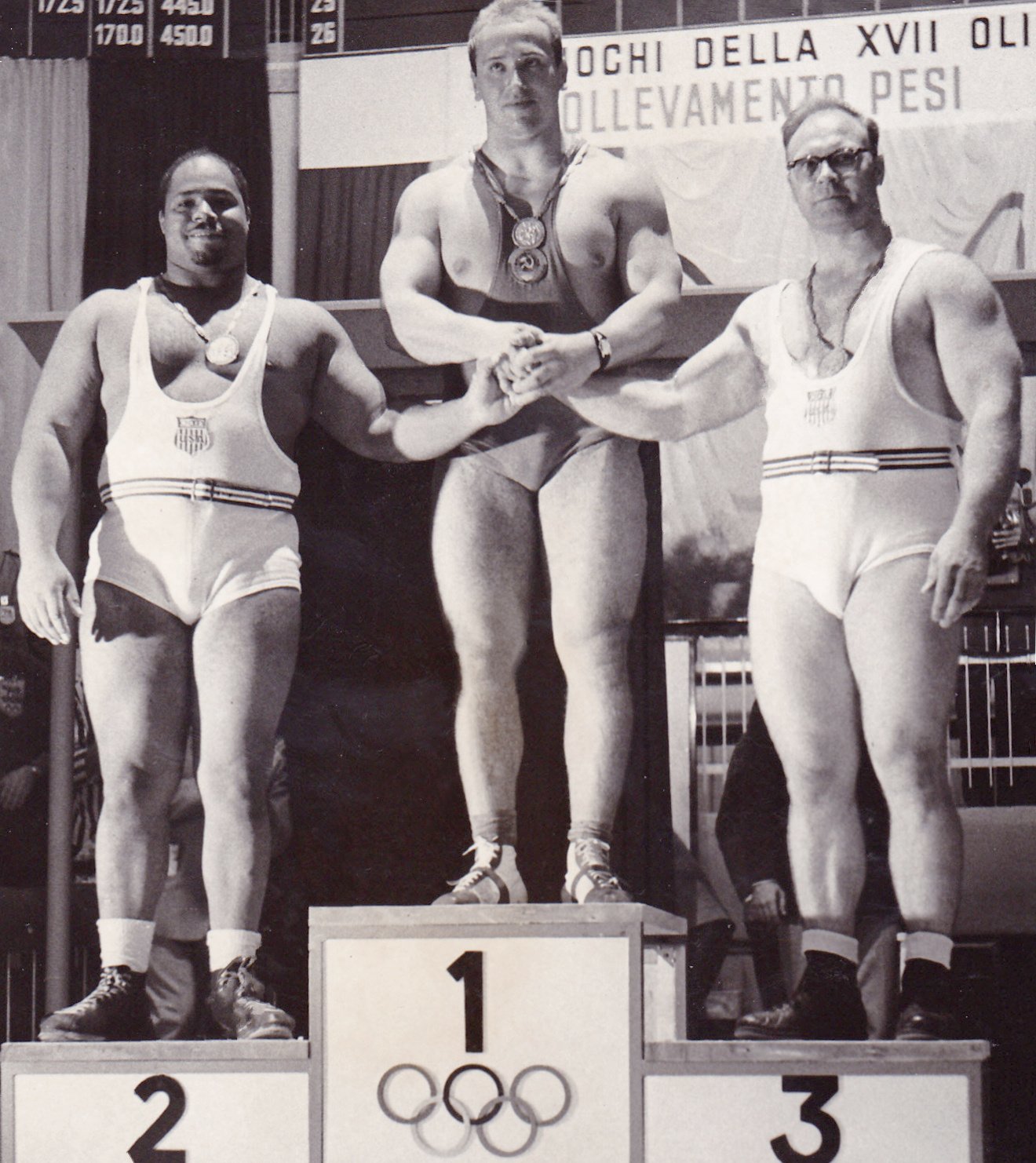
In Rome’s heavyweight competition, Vlasov recorded 180 kg in the press, 155 kg in the snatch and 202.5 kg in the clean and jerk. Add the best successful result from each discipline and you reach 537.5 kg. Jim Bradford finished second on 512.5 kg, with Norbert Schemansky third on 500 kg.
There is a useful detail inside that winning margin. Bradford matched Vlasov’s 180 kg press. Vlasov then gained ground in the snatch and extended his advantage in the clean and jerk. The overall result did not require him to hold an outright lead in every individual movement. It required the strongest combined performance under that competition’s rules.
This is why a total can tell a richer story than one isolated lift. Two athletes may reach similar sums through different strengths. One can be particularly effective in a movement that demands speed and receiving skill, while another makes up ground elsewhere. Looking only at the final column hides those differences.
For a spectator, the simple habit is to read across the results before reading down the rankings. Ask where the separation appeared. It turns an impressive total into a sequence you can understand, without requiring you to pretend that a modern gym lift reproduces the same competitive test.
Three lifts asked a different question
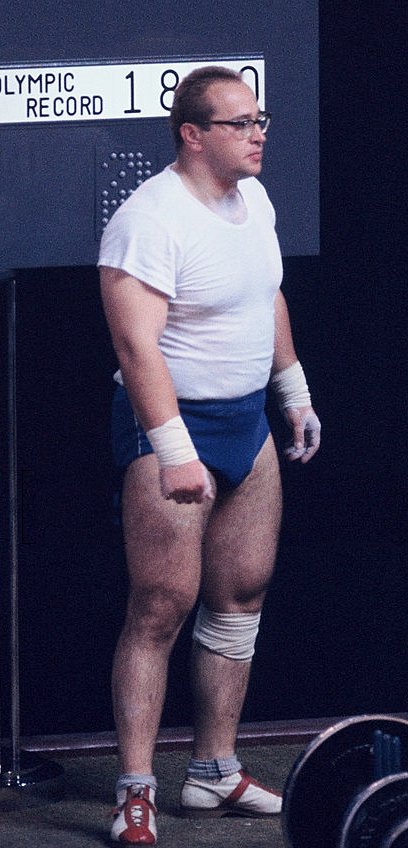
The Olympic program of Vlasov’s era included the press as well as the snatch and clean and jerk. A modern two-lift total therefore cannot be placed beside his Rome number as though the columns contain identical ingredients. Removing an event changes what is being added, even before differences in bodyweight categories, equipment or competitive standards enter the discussion.
Subtracting his 180 kg press leaves 357.5 kg from the other two Rome results. That arithmetic is useful for identifying the components. It does not recreate a hypothetical two-lift competition. Preparing for three disciplines, completing the press first and choosing attempts within that schedule are part of the historical performance.
The same issue appears in Vasily Alekseyev’s three-lift and two-lift totals. A change in format is more than a footnote to an all-time ranking. It changes what an athlete must prepare for and where a result can be gained or lost.
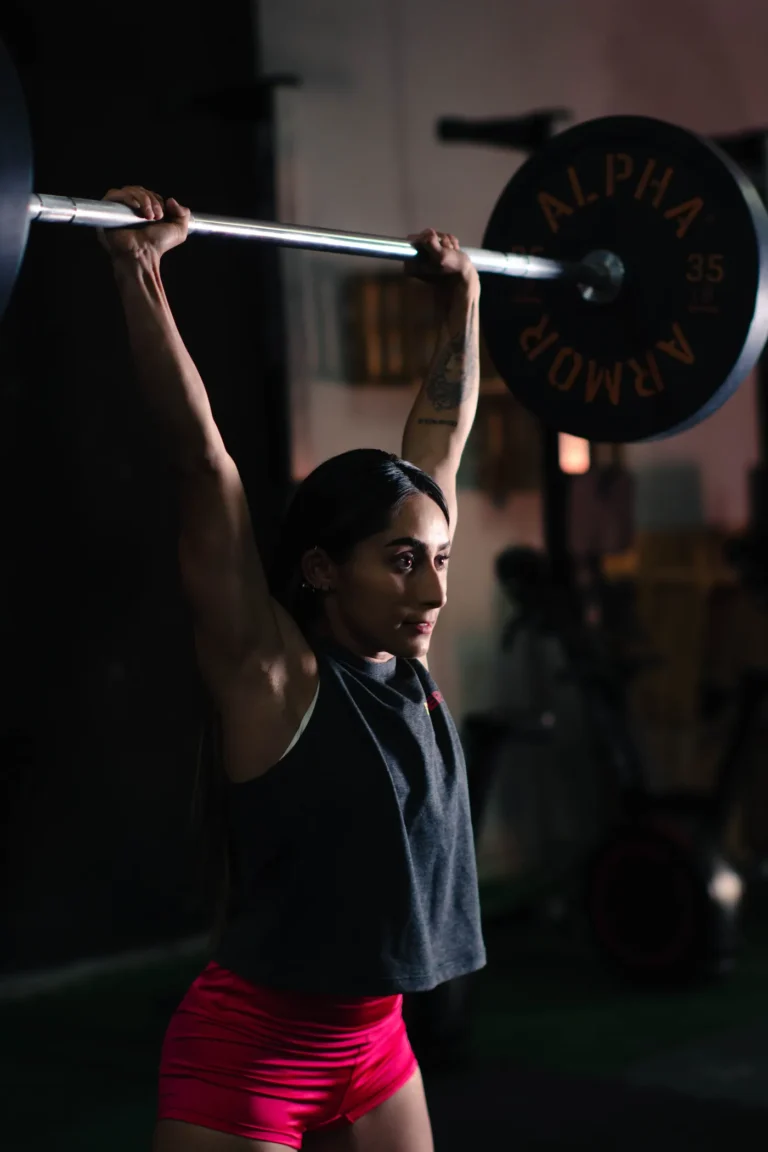
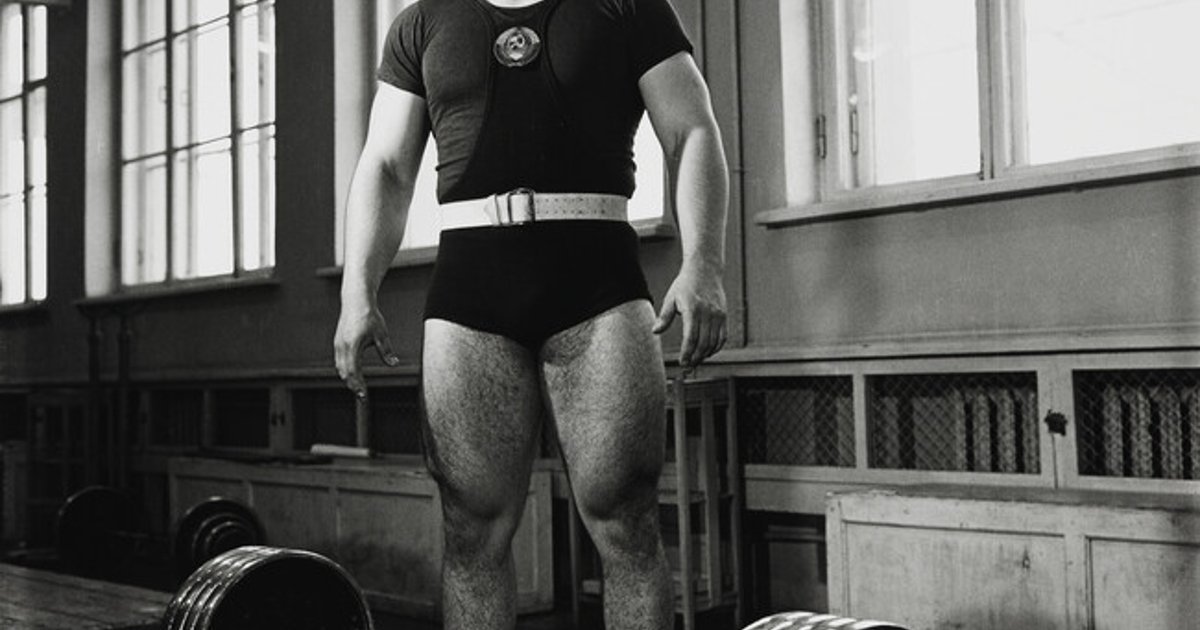
Nor is an old overhead photograph a complete technical lesson. A single frame does not establish the movement’s full sequence, the judging decision or what happened immediately before and after it. Enjoy the image as a record of the sport, then use the actual competition result to understand the achievement.
A champion’s career is more than one peak
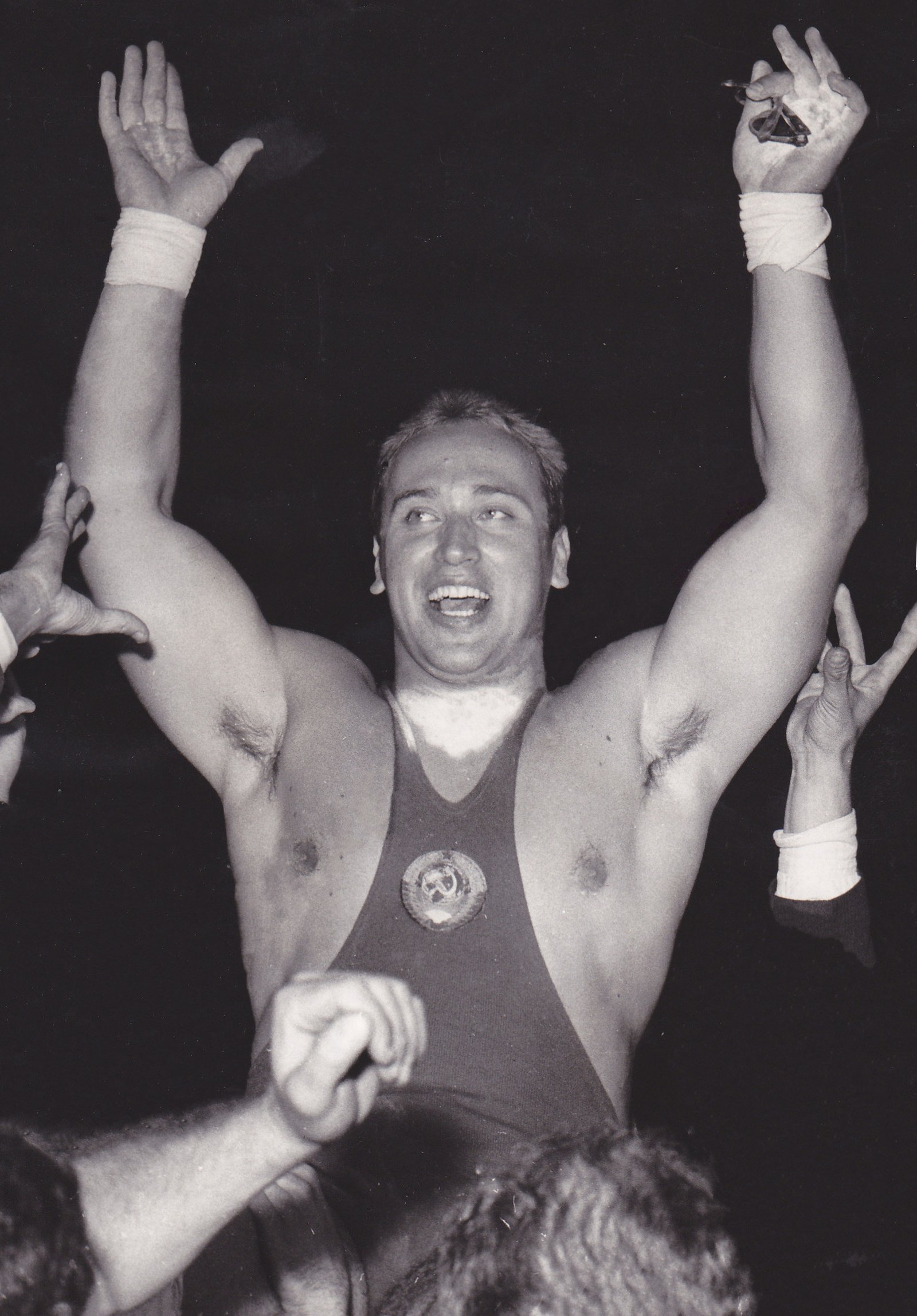
Vlasov became world and European champion in 1959, before his Olympic victory. Further world titles followed in 1961, 1962 and 1963. Rome was a landmark within a sustained run, rather than an isolated result that happened to become famous.
His European results also show why the individual lifts deserve attention. In 1963 he registered 187.5 kg in the press, 160 kg in the snatch and 210 kg in the clean and jerk, for 557.5 kg. In 1964 the corresponding figures were 190, 165 and 207.5 kg, producing 562.5 kg.
The larger total in that comparison came with a slightly smaller clean and jerk. Improvements in the first two lifts more than compensated. It is a concrete example of progress that would disappear if you judged the entire athlete by one favored movement.
For your own training, this suggests a question rather than a prescription: which measure actually describes the goal? Someone trying to improve general strength may care about several movements. A specialist preparing for one event may reasonably prioritize a narrower task. Neither needs to turn every session into a contest to improve every number simultaneously.
A training log helps keep that judgment honest. Record the exercise and conditions alongside the load. If one measure stalls while another improves, look at the pattern before deciding the whole block failed. That is an editorial application of the results, not evidence that Vlasov used a particular modern program.

Equipment Worth Exploring
Explore equipment, accessories and gear from our carefully selected range.


Competition Plates
Competition-style bumper plates for Olympic lifts and loaded strength training.

Grip Plates
Rubber-coated weight plates with handholds for loading barbells and machines.

Rubber Hex Dumbbells
Rubber-coated hex dumbbell pairs with a stable shape for home and commercial strength training.

Cast Iron Kettlebells
Textured cast-iron kettlebells for swings, squats, carries, and full-body training.
Tokyo added silver to the story
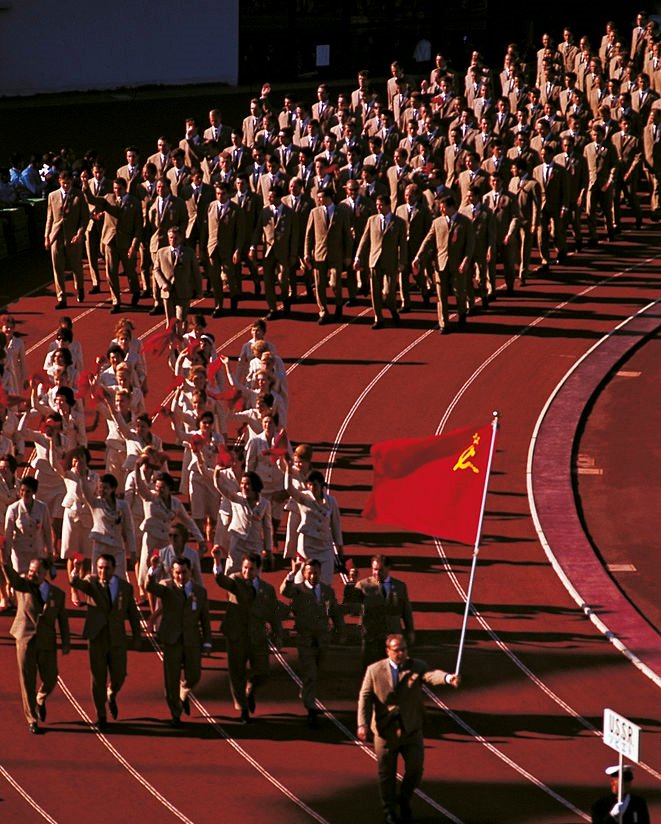
At the 1964 Tokyo Olympics, Vlasov finished second to Soviet teammate Leonid Zhabotinsky. He had also carried his country’s flag at the opening ceremonies in both Rome and Tokyo. The celebrated champion returned to the Games, but a previous victory did not guarantee another.
A silver medal can look like a disappointing ending when a biography is reduced to defending a title. Viewed across an entire career, it is still a second Olympic podium at a separate Games. Both descriptions can be true: the defending champion was beaten, and he remained among the outstanding competitors of his era.
It is tempting to turn that outcome into a tidy story about confidence, motivation or a single psychological flaw. A medal table cannot establish those explanations. Without a verified account of the relevant decisions and circumstances, they remain stories placed over the result.
For recreational lifters, the useful connection is more modest. A past personal record does not promise a better performance every time you return to the same task. Keep enough context to distinguish an ordinary fluctuation, a changed test and a sustained trend. Competitive sport can inspire perspective without supplying a diagnosis for every difficult session.
The lifter who also took writing seriously
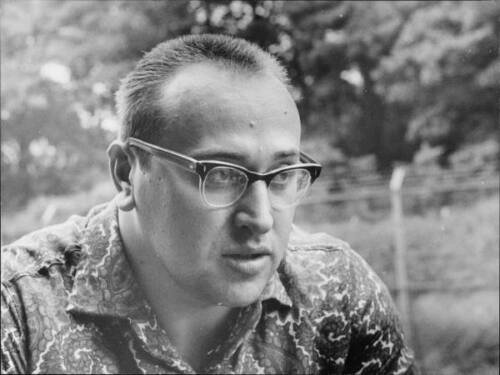
Vlasov’s writing was already developing during his competitive career. He published short stories and later worked as a professional writer. His sporting identity and literary interests overlapped; one did not simply begin the moment the other ended.
That detail is refreshing in a strength biography. It leaves room for an athlete whose life involved more than training numbers, without needing to invent a secret intellectual method behind every successful lift. Writing ability does not explain a 202.5 kg clean and jerk, just as a photograph of a muscular athlete tells us little about the work involved in producing a book.
Other historical careers offer similarly broad perspectives. Tommy Kono’s medals across three Olympic weight classes show another way a lifter’s story can extend beyond one result or one category. These lives are interesting because their achievements have specific shapes, not because they fit a universal champion template.
If you borrow anything for everyday training, make it the willingness to keep clear records while retaining a wider life. A barbell session can matter without becoming the only meaningful part of a day. Precision about the work and perspective about its place can coexist.
Vlasov’s Rome total remains an extraordinary achievement. Understanding its components, following the later results and recognizing the person beyond the platform makes that achievement more substantial than the number alone.

Powerlifting Shirts & Lifting Gear
Powerlifting shirts and gym gear for squat, bench and deadlift lifters who live for heavy numbers.

No Plates No Dates Gym Meme | Funny Workout Decal & Gym Sticker
A fun “No Plates No Dates Gym Meme” touch for bottles, laptops, and lockers.

1500lb Club Meme Stack Of Weight Plates T-Shirt
Bring “1500lb Club Gym Meme” humor to your next gym day.

– Dost Thou Even Hoist Sir? Vest & Tank Top
Add some lifting attitude to training with “Dost Thou Even Hoist Sir?”.

Funny Lift O'Clock Gym | Workout Sweater For Bodybuildi T-Shirt
Keep things casual with a little “Lift O'Clock” attitude.

Raise The Barbell Shirt – Motivational & T-Shirt
Show some powerlifting attitude with a playful “Raise The Barbell” tee.

Lifting Is My Therapy – Bodybuilding Powerlifting Meme Hoodie
Stay casual and show some powerlifting attitude with “Lifting Is My Therapy”.

Meme – "Shhh I'M Doing Plate Math" Vest & Tank Top
Train hard, laugh a little, and rep “"Shhh I'm Doing Plate Math"”.

Be Happy Lift Heavy Happy Weights Emoji Weight Plate De Sticker
Give your everyday gear a playful “Be Happy Lift” twist.

I’m Strong Barbell Heartbeat Hooded Pullover for Streng Hoodie
Make your off-duty look more fun with “I’m Strong Barbell Heartbeat”.