Advertising disclosure: This page includes affiliate links that may earn us a commission at no additional cost to you.
Imagine opening your jersey pocket halfway through a long ride and pulling out a pouch of salted potato puree instead of a sweet energy gel. It sounds like a novelty, but a controlled cycling experiment in 2019 put the idea to a real test. Trained riders completed a prolonged cycling challenge with three different fueling strategies: potatoes, carbohydrate gels and water. The two carbohydrate strategies produced remarkably similar average finishing times.
The interesting part is not that potatoes are a secret performance food. It is that supplying enough carbohydrate at the right time can matter more than the packaging. The differences in food volume, digestive comfort and convenience still matter, especially when the route gets rough or the pace rises. Here is how to translate the findings into a usable fueling plan without turning every ride into a nutrition experiment.
What happened when 12 cyclists switched their fuel?
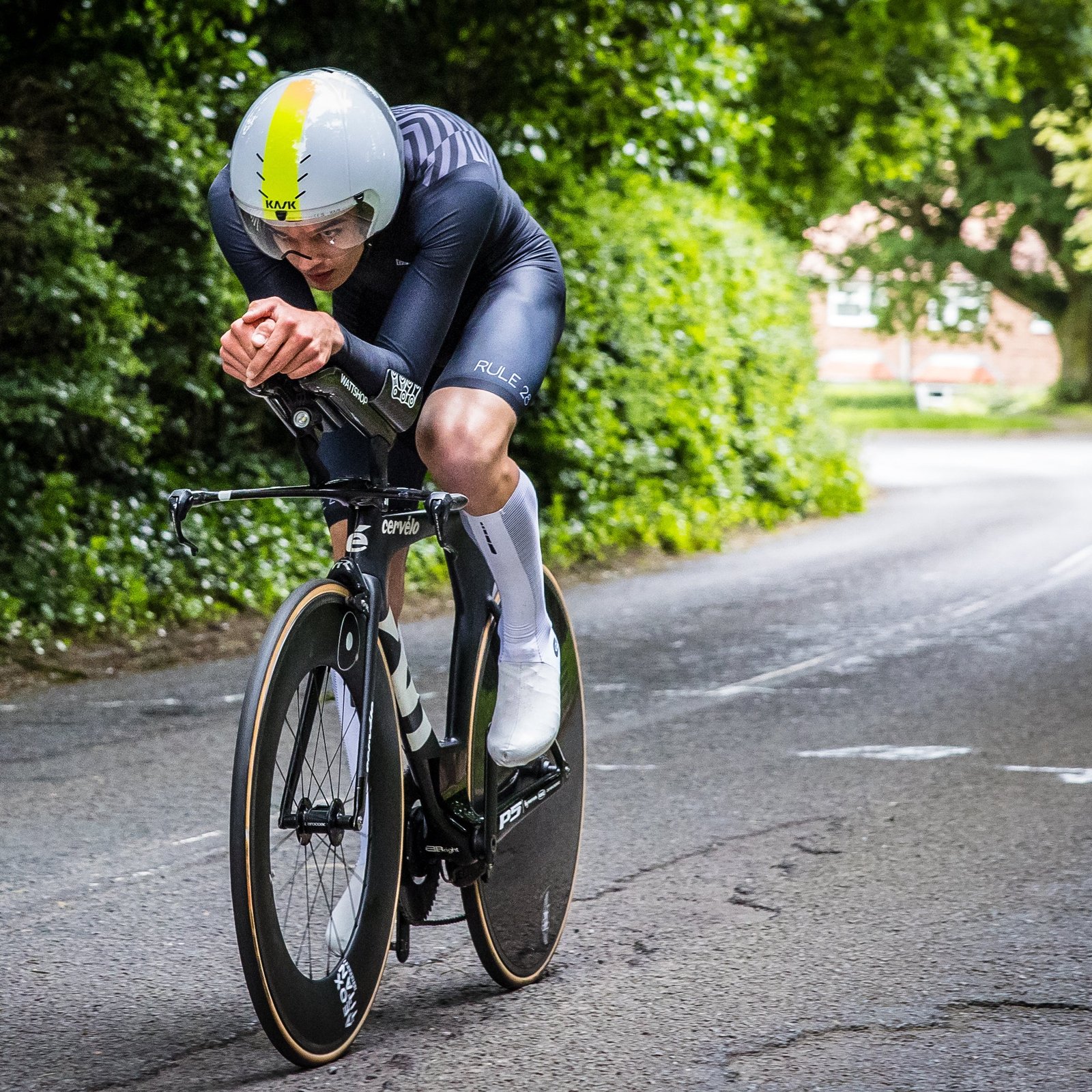
The 2019 crossover experiment involved 12 trained cyclists, nine men and three women. Each rider performed the same exercise protocol under all three conditions, rather than comparing three groups of different people. After two hours of cycling, participants completed a fixed-work time trial of 6 kilojoules per kilogram of body mass. The potato and gel conditions each provided 60 grams of carbohydrate per hour, while the water condition provided no carbohydrate.
Average time-trial completion times were approximately 33 minutes with potato puree and 33 minutes with gel, versus 39.5 minutes with water. The reported standard deviations were 4.5, 4.2 and 7.9 minutes, respectively. Both carbohydrate strategies improved performance compared with water in this particular protocol. There was no statistically detected difference between potato and gel performance.
That last sentence deserves care. A small experiment finding no difference is not a formal demonstration of equivalence for every cyclist, every food preparation or every race. It also does not mean that every person experienced identical results. The study tested a specific carbohydrate delivery rate in trained people under controlled conditions, not a freely chosen lunch followed by a mountain bike race.
Another important result was the greater gastrointestinal discomfort reported with potato ingestion. So the outcome has two sides: potatoes can deliver useful fuel, but matching the carbohydrate dose with a bulky food may create problems that do not show up when someone compares only average finishing times. An athlete who cannot comfortably consume the planned quantity will not necessarily get the same benefit.
Why potatoes take up more room than gels

Potatoes are mostly water and starch. A typical plain cooked potato contains roughly 17 to 20 grams of carbohydrate per 100 grams, depending on variety, preparation and water content. A compact sports gel, by contrast, often supplies 20 to 25 grams in a small packet. Check the actual label: these numbers are examples rather than universal nutrition values.
Suppose your cooked potatoes contain 18 grams of carbohydrate per 100 grams. To supply 30 grams of carbohydrate, you would need about 167 grams of cooked potato. To supply 60 grams, you would need about 333 grams. For two hours at the latter rate, that means roughly two-thirds of a kilogram of potatoes before accounting for any added water. Three gels containing 20 grams of carbohydrate each provide the same carbohydrate target with much less food volume.
That distinction becomes increasingly important over longer rides. A food that works beautifully at the kitchen table can become awkward when you are carrying several hours of supplies. A puree can help with texture and portability, but adding water changes its concentration and increases the mass to carry. Adding fat-heavy ingredients such as butter, cream or cheese changes the nutritional profile and may make a large serving harder to tolerate during intense exercise.
Start with plain cooked potatoes that you have weighed after preparation. Mash or blend them, portion them into suitable food-safe containers and use a little salt if desired. If you add water, calculate carbohydrate from the original potato portion, not the total wet weight of the diluted puree. Prepare and store the food safely, keep perishable food cool where practical and avoid keeping a warm cooked potato mixture in a pocket for an extended ride.
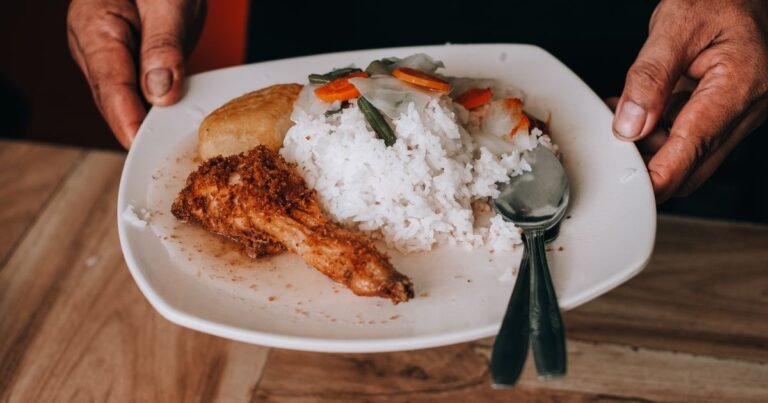
Potatoes also offer a savory alternative to sweet products. That can be useful when sweetness becomes unappealing after hours of eating. It is a reason to consider a mixed approach, not a reason to force potatoes into every fueling opportunity.
Carbohydrate targets depend on the ride

Carbohydrate during exercise is not an all-or-nothing decision. For a short, easy ride after a normal meal, bringing water may be perfectly reasonable. During sustained harder work, especially beyond an hour, carbohydrate intake can help support output as endogenous carbohydrate stores become increasingly important. For rides lasting around one to two and a half hours, 30 to 60 grams per hour is a common starting range. For longer demanding events, trained athletes may work toward higher intakes, including up to about 90 grams per hour using appropriate carbohydrate combinations and practice.
Independent dose-comparison research supports the idea that the amount matters, but the useful dose depends on the protocol and athlete. Higher carbohydrate targets are not a challenge to complete at any cost. A rider who has never eaten on the bike should not jump straight to a demanding intake rate just because another athlete tolerates it. Recent syntheses of endurance carbohydrate research also emphasize the variability of protocols and certainty of evidence.
Use duration, intensity and feeding tolerance to make a plan. A relaxed two-hour ride is different from two hours of threshold intervals or a fast group ride with repeated accelerations. Count carbohydrates from drinks and food together. If a bottle contains 30 grams and you consume a gel containing 25 grams over the same hour, you already have 55 grams. You do not need an additional 60 grams of potatoes on top of that simply because that was the experimental dose.
At the higher end of the range, carbohydrate type becomes important. Sports products often combine different carbohydrate sources to support absorption. Potatoes primarily supply starch, which is digested into glucose; the 2019 results should not be treated as evidence that potatoes alone are optimal for very high intake rates. A mixed strategy might include potatoes early, a carbohydrate drink throughout and gels for harder portions later.

Cardio Shirts & Workout Gear
Cardio and conditioning gym gear for runners, endurance athletes and anyone who earns the sweat.

Anti Cycling Cycling Club – Ironic Cardio Meme & T-Shirt
Show some cardio attitude with a playful “Anti Cycling Cycling Club” tee.

Cardio Heartbeat Hoodie
Show off your cardio humor in a laid-back “Cardio Heartbeat” hoodie.

Dost Thou Even Pedal Medieval Air Bike CrossFit Parody Sticker
Give your everyday gear a playful “Dost Thou Even Pedal” twist.

Iron Man Triathlon – Superhero Comic Book Swimming, T-Shirt
Show some superhero attitude with a playful “Iron Man Triathlon” tee.

Triathlon – Iron Man Medieval Knight Swim Bike Run Pull Hoodie
Show off your medieval humor in a laid-back “Triathlon” hoodie.

Jigsaw'S Spin Class Horror Killer Decal Bros Sticker
Give your everyday gear a playful “Jigsaw's Spin Class Horror” twist.

Chucky's Cardio Cult | Scary Workout Pullover T-Shirt
For laid-back days and cardio humor: “Chucky's Cardio Cult”.

Exercise I Thought You Said Extra Fries Retro Fast Food Sticker
Give your everyday gear a playful “Exercise I Thought You Said Extra Fries” twist.

Shirt – Cardio Is Hardio – & Gymbros T-Shirt
Show some cardio attitude with a playful “Cardio is Hardio” tee.

Shirt – Don'T Quit Do It – Meme & Gains T-Shirt
Show some lifting attitude with a playful “Don't Quit Do It” tee.
Make the food work on the road

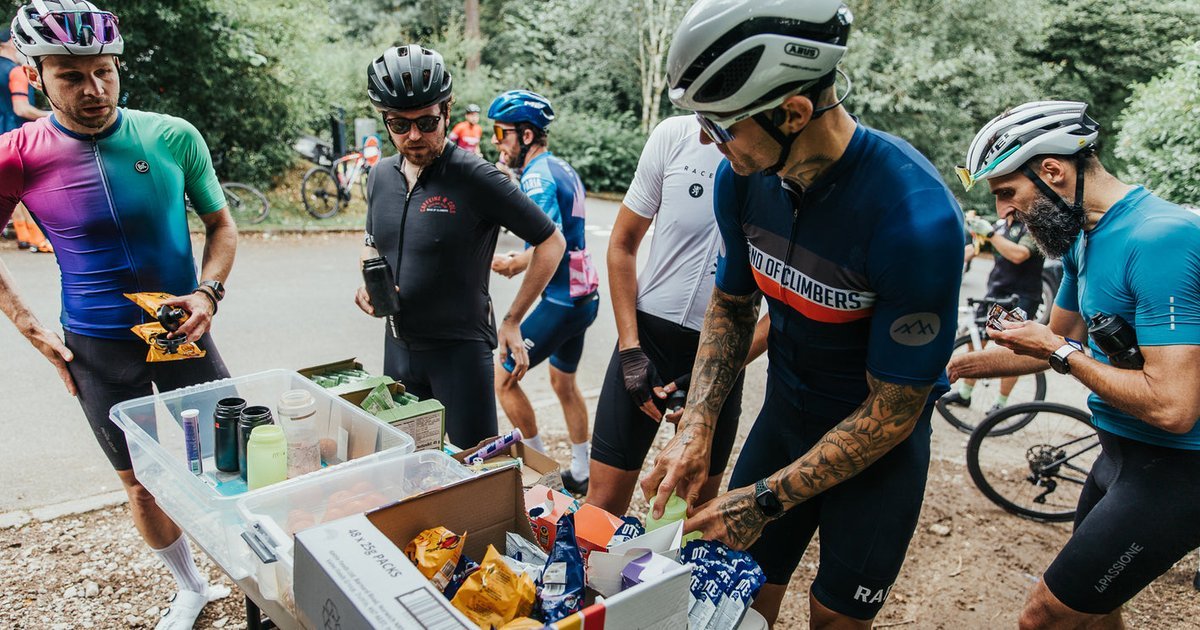
Plan around the practical obstacles that can cause a good nutrition strategy to fail. Can you open the package while wearing gloves? Can you swallow the food without losing your breath on a climb? Is it safe to reach for it at the current speed and in traffic? A compact, familiar gel can be especially useful when feeding windows are short, while a soft savory food may work well at a quiet feed stop or a lower-intensity stretch.
A simple packing example for a two-hour endurance session at 45 grams per hour is 90 grams of carbohydrate in total. One possible approach is a bottle with 30 grams, two gels with 20 grams each and a potato portion supplying 20 grams. That is an illustrative calculation, not a required recipe. Adjust the amounts to your actual food labels and ride conditions. If you prefer a lower rate for an easier session, carry less and keep a small reserve.
Hydration deserves separate attention. A carbohydrate gel may need water for comfortable swallowing, and a watery potato puree contributes some fluid, but neither tells you how much water you need for the entire ride. Heat, sweat rate, clothing and access to refill stations all change the calculation. Drink according to an individualized plan, avoid forcing excessive fluid and consider sodium needs on long, hot or very sweaty rides. Salted potatoes can contribute sodium, but their sodium content is determined by how they are prepared.
Start feeding early enough that you are not trying to make up the entire planned amount when you already feel exhausted. Dividing the hourly total into smaller portions every 15 to 30 minutes can be more manageable than consuming a large serving all at once. Keep an emergency gel or other familiar carbohydrate source even if you plan to eat mostly ordinary food. If a container leaks or a potato mixture becomes unappealing, you will still have a backup.
Test your fueling before race day

The safest place to evaluate an unfamiliar fueling strategy is an ordinary training session, not a target race. On an indoor trainer, food and water are within reach and you can maintain a repeatable workload without changes in terrain or traffic. Outdoors, choose a familiar route where you can stop safely if you need to adjust the plan.
For a practical comparison, schedule two similar endurance rides on separate days. Keep the preceding meal, sleep, caffeine, session duration and planned intensity as consistent as reasonably possible. Use a familiar carbohydrate source on the first day. On the second, substitute a portion of that carbohydrate with potato puree while keeping the total grams approximately the same. Begin at a rate you have already tolerated rather than copying the experimental dose automatically.
Record the actual amount consumed, how easy it was to eat, perceived effort, power or pace where available, and any fullness, nausea, cramping or urgency. Do not judge a single ride solely by average speed because wind, temperature and route conditions can dominate that metric. Repeat the comparison if it is comfortable and useful. Stop the experiment if significant symptoms develop; persistent gastrointestinal issues warrant professional advice.
Once you find an approach that works, practice it during longer training and at the intensity you expect on event day. Increase the planned dose gradually only if the longer or harder session warrants it. For some athletes, potatoes may become a useful low-cost ingredient in a mixed fueling plan. Others may find that gels or drinks are much easier to use. Both decisions are consistent with the evidence.
The main takeaway is simple: potatoes can help fuel prolonged cycling when carbohydrate intake is matched, but performance is not the only consideration. The food has to fit your stomach, your pockets, your route and your riding intensity. Use the study as permission to experiment with savory food, not as an obligation to abandon the products that already work for you.