Advertising disclosure: This page includes affiliate links that may earn us a commission at no additional cost to you.
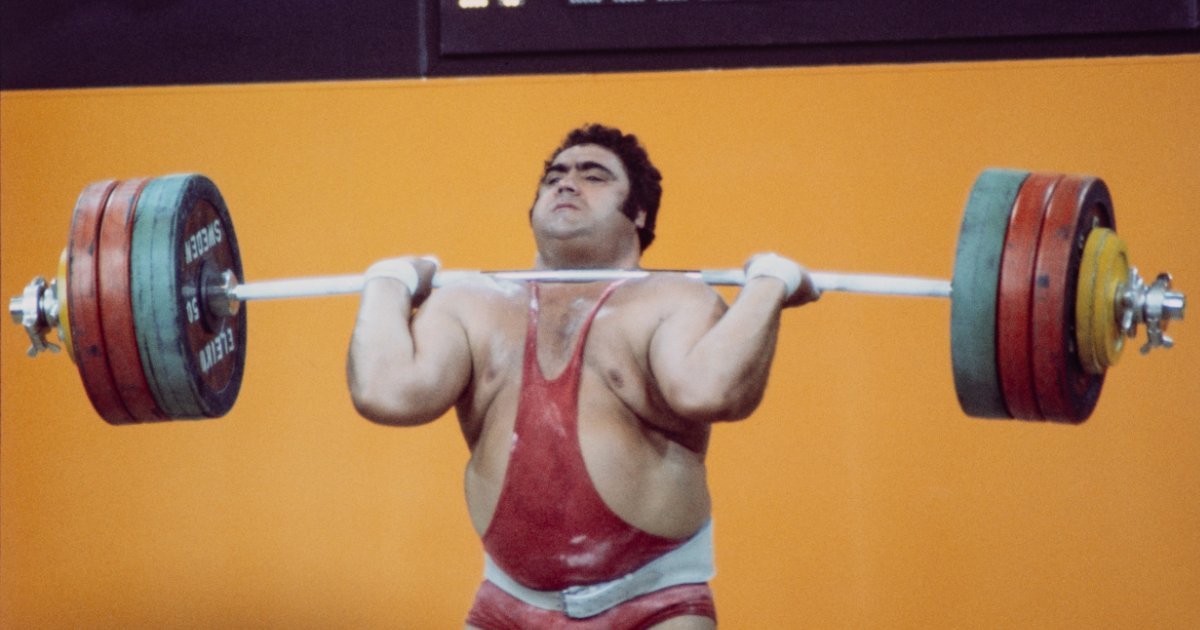
Vasily Alekseyev’s record looks almost unreal: two Olympic titles, eight consecutive world titles and 80 world records. The numbers are impressive enough without turning them into something they were not. Eighty records did not mean 80 different exercises, and a 645 kg total did not mean he lifted 645 kg overhead.
The Soviet super-heavyweight dominated an era in which weightlifting itself changed. His career crossed the removal of the press from international competition, survived the transition to a two-lift total and eventually ended with a failed Olympic appearance. Read those chapters together and the story becomes more interesting than a single photograph of an enormous man under an enormous barbell.
A champion who arrived at the top in 1970
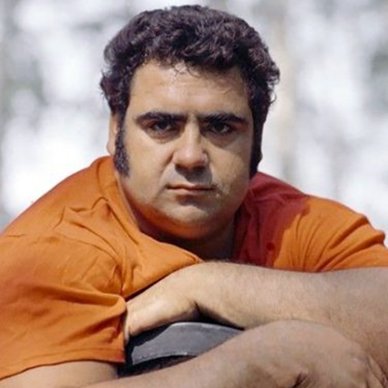
Alekseyev won his first world title in Columbus in 1970. That year also brought his first world record and the landmark achievement of becoming the first man to clean and jerk 500 pounds in competition. These were competitive results, rather than a gym demonstration whose conditions have to be guessed from a short clip.
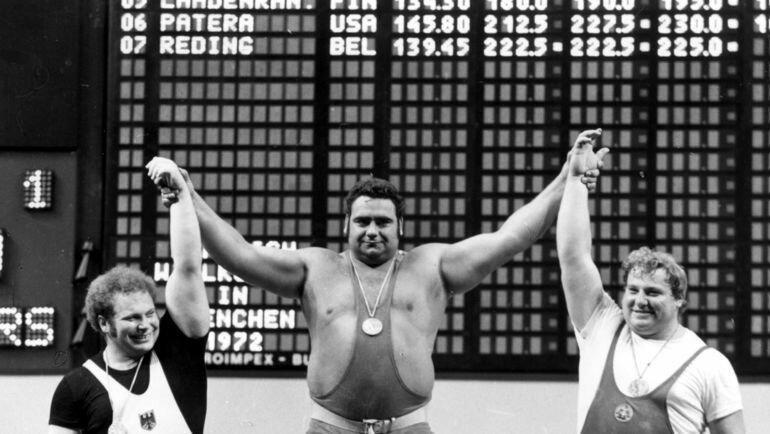
His breakthrough began a run that extended through the decade. He won Olympic gold in Munich in 1972 and Montreal in 1976. His eight successive world titles cover 1970 through 1977, with the Olympic competitions of 1972 and 1976 also counting as the world championships for those years.
That last detail matters. The two Olympic titles belong within that eight-year championship sequence; they should not be casually added to it as though every label described a separate tournament. His dominance needs no inflated medal arithmetic. Winning repeatedly against an international field is already a different achievement from producing one exceptional lift.
Think of the career as a sequence of competitive demands: get a result accepted, assemble a total and place above the other lifters. Each stage adds information. A spectacular overhead photograph captures one moment, while a championship record tells you that the athlete kept delivering across different days, opponents and seasons.
What the 80 world records actually count
The breakdown is revealing: 17 records in the press, four in the snatch, 32 in the clean and jerk and 27 in the total. Those categories add up to 80. A total record is an improvement in the combined competition result, not another separate movement performed with that entire weight on the bar.
Record counts also describe repeated improvements within a category. The same lifter can set a new mark, later improve it and receive credit for both records. A list of records therefore answers a different question from a list of career-best lifts. One measures how often a recognised standard was moved forward; the other shows the highest accepted performance in each discipline.
That distinction makes comparisons between champions less automatic. An athlete who makes several small record improvements and an athlete who makes one unusually large improvement have different record counts. The count alone does not tell you the size of the gap created, how long a mark lasted or how close the competition was.
The useful habit for any reader of strength history is to ask what is being counted. Is the figure a lift, a total, a record improvement or a championship? Alekseyev excelled across those measures, but keeping them separate explains the scale of his career more clearly than rolling everything into one superlative.

Bodybuilding Shirts & Workout Gear
Bodybuilding shirts, tanks and gym gear for lifters chasing muscle, size, symmetry and the pump.

Meme – "Shhh I'M Doing Plate Math" & Weightlifting Sticker
Stick a little “"Shhh I'm Doing Plate Math" Workout &” humor on your favorite gear.

Barbell Heartbeat Crewneck Pullover Sweater for Powerli T-Shirt
Keep things casual with a little “Barbell Heartbeat” attitude.

Be Happy Lift Heavy Happy Weights Emoji Weight Plate Hoodie
Show off your powerlifting humor in a laid-back “Be Happy Lift” hoodie.

Lift Heavy Sh*T – Essential & Gymbros T-Shirt
Show some powerlifting attitude with a playful “Lift Heavy Sh*t” tee.

Defy Gravity Shirt Old School Weight Strongman Meme T-Shirt
Bring “Defy Gravity” humor to your next gym day.

One More Rep Shirt: Motivational & T-Shirt
Make gym days more fun with “One More Rep” style.

Barbell Country Club Shirt Meme Top & T-Shirt
Heavy lifts, good laughs, and a little “Barbell Country Club” energy.

Big Boy Barbell Club Shirt Meme & Essential Top T-Shirt
Make gym days more fun with “Big Boy Barbell Club” style.

Raise The Barbell Shirt – Motivational & T-Shirt
Show some powerlifting attitude with a playful “Raise The Barbell” tee.

Iron Addict Shirt – Weights & Lifting Meme & Gains T-Shirt
Bring “Iron Addict” humor to your next gym day.
Why 645 kg and 445 kg are different kinds of total
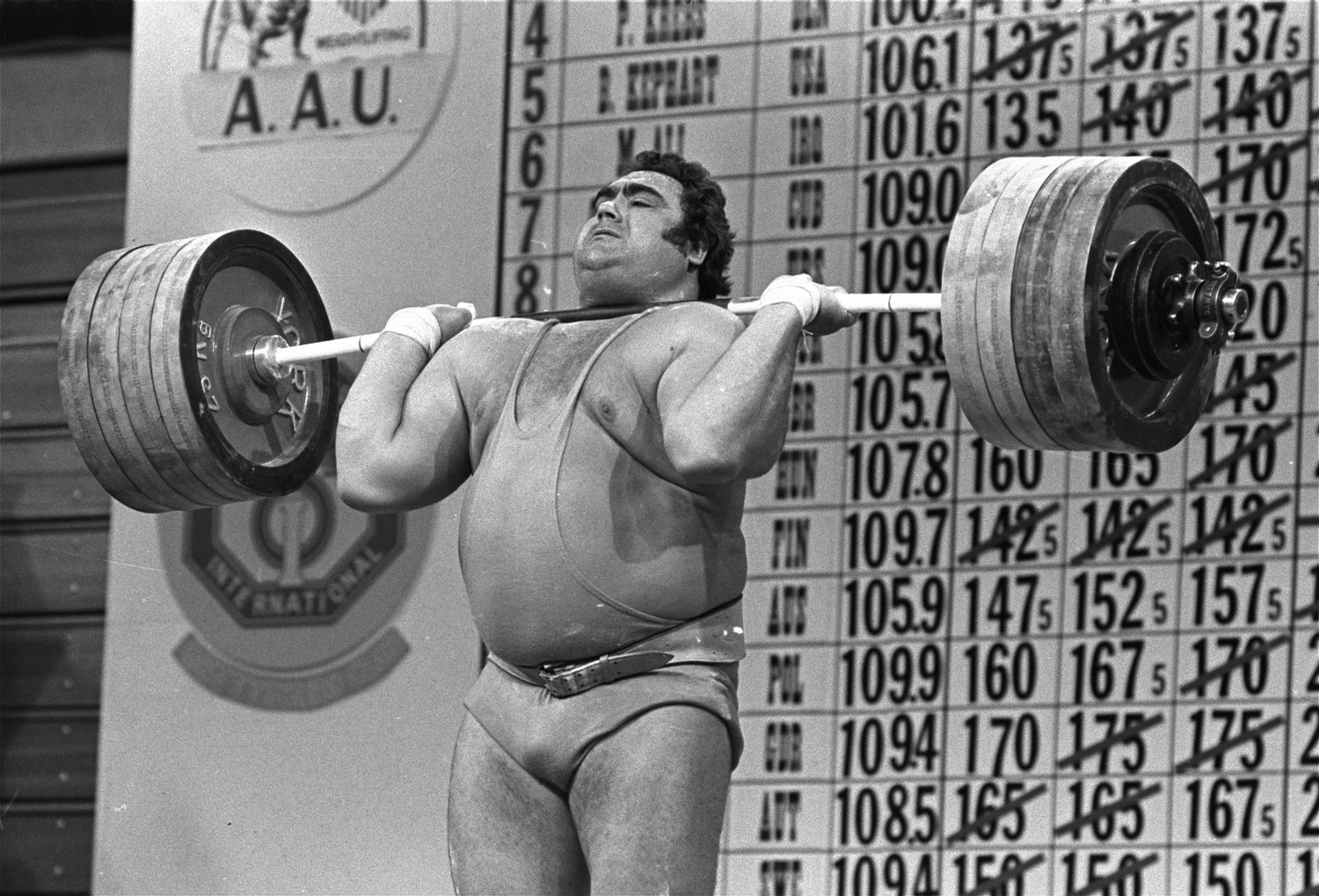
In 1972, Alekseyev reached a three-lift world-record total of 645 kg. That format combined the press, snatch and clean and jerk. From 1973, international competition used the snatch and clean and jerk without the press. His final two-lift world-record total was 445 kg.
Putting 645 beside 445 and calling the difference a decline would compare two different tests. Removing an entire movement changes what the total includes. The arithmetic difference between the numbers is real, but interpreting that difference as lost strength is not justified. You must identify the events behind the sum before deciding what a larger or smaller total means.
Nor should the old three-lift total be presented as a current record that modern lifters are still attempting under the same rules. It belongs to a retired competition format. Its historical importance remains, while the conditions required for a direct comparison no longer match the modern two-lift contest.
Bodyweight categories add another layer. Our Tommy Kono profile shows why changing divisions also complicates a simple comparison. Before ranking any pair of totals, write down the year, category and included lifts. Those details give the number its sporting meaning.
Two Olympic wins do not reveal a complete workout
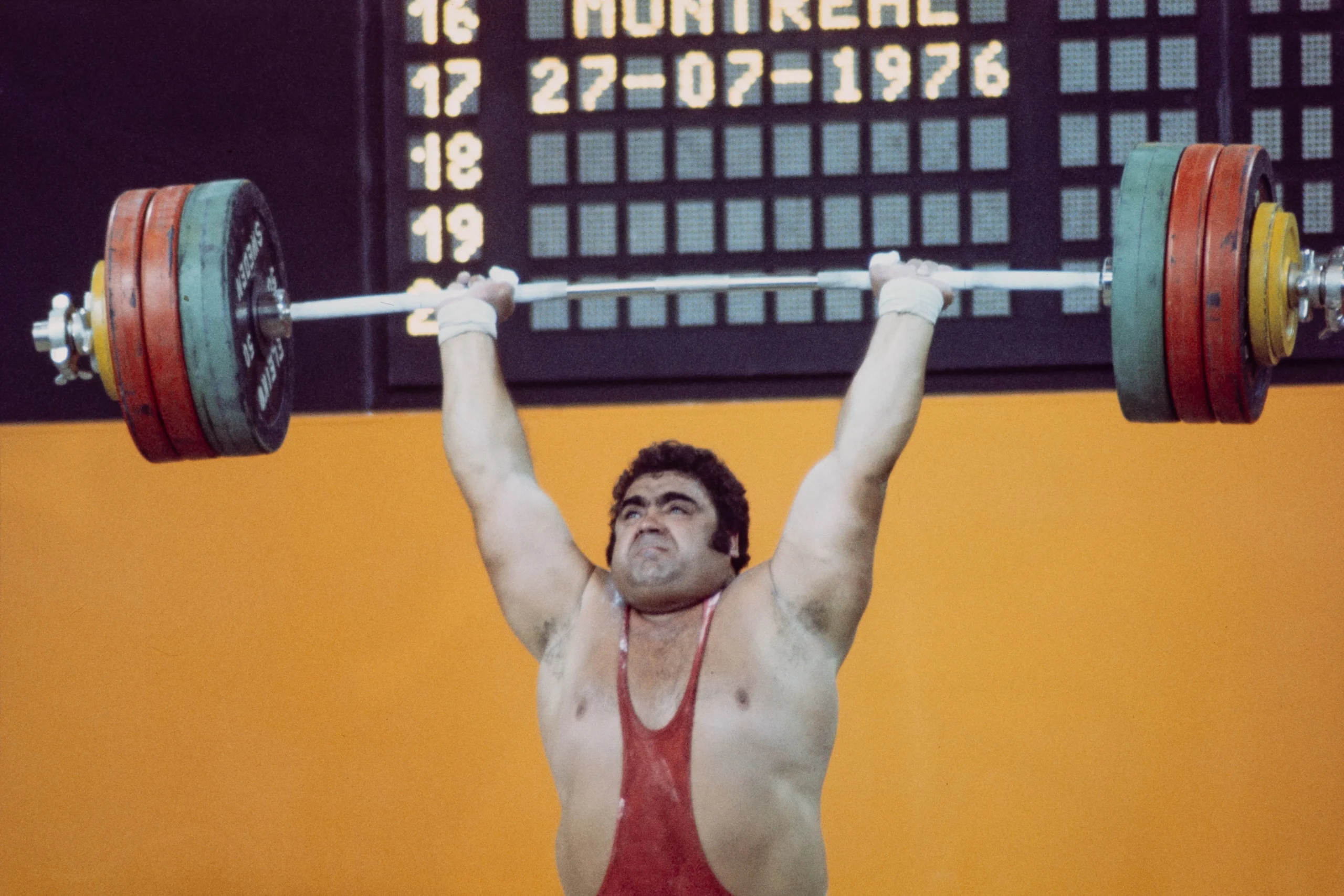
The wins at Munich and Montreal are the anchors of Alekseyev’s Olympic career. They also show that his success continued after the change of format. A champion of the three-lift era became an Olympic champion in the two-lift contest as well. That is a stronger historical observation than treating every old total as though the rules stayed fixed.
His televised appearances made him recognisable beyond specialist weightlifting audiences in the 1970s. That public presence helps explain why his photographs remain memorable alongside the results. It is tempting to turn such a career into a ready-made training secret. A biography, medal table or lifting photograph cannot establish a complete weekly programme. Without a dated account of the actual sessions, sets, repetitions and circumstances, an impressive career is evidence of achievement rather than a reproducible workout prescription.
The distinction also applies to physique. Alekseyev competed in the super-heavyweight category. His appearance does not make his body a target that every lifter should pursue, and a photograph cannot establish how a particular routine produced a particular result. Admire the strength without converting body size into a universal instruction.
For a contrasting example of performance relative to bodyweight, our analysis of Naim Süleymanoğlu’s 190 kg clean and jerk keeps the actual lift, measured bodyweight and competition total separate. Different questions highlight different achievements; there is no need to flatten both lifters into the same comparison.
The unsuccessful final Games belong in the story too
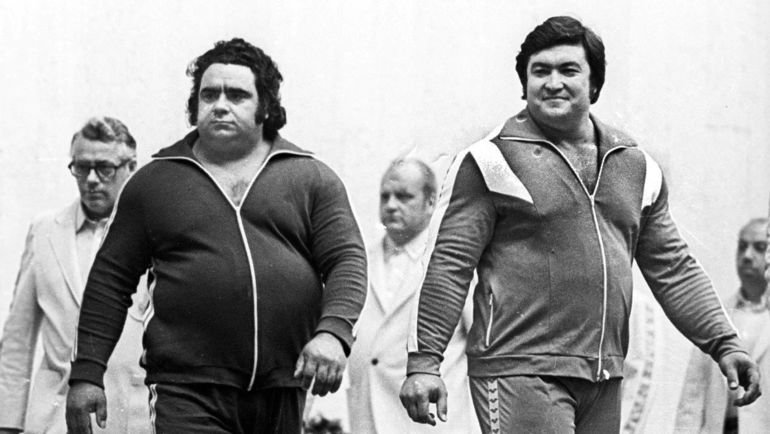
At Moscow in 1980, Alekseyev failed to register a successful snatch and left without a total. A lifter needs a valid result in both disciplines to complete the two-lift contest. Previous titles and records cannot substitute for the attempts that must be accepted on the day.
That ending does not cancel the earlier victories. It does prevent the career from becoming a fictional account of uninterrupted success. A long record can contain dominance, a change in the sport and a final competition that goes badly. All three are part of the same athlete’s history.
After retirement, Alekseyev remained involved as a coach, including at the 1992 Olympics. His place in weightlifting therefore extends beyond his own platform results. The later role is worth recognising without assuming that a champion’s individual approach automatically suits every athlete he works with.
For today’s lifter, the clearest lesson is how to read a performance honestly. Specify the movement and conditions, distinguish a single lift from a total, and separate a best result from repeatable competition success. Alekseyev’s numbers become more impressive when understood accurately. They do not need an invented routine, an inflated medal count or a misleading comparison to make them extraordinary.