Advertising disclosure: This page includes affiliate links that may earn us a commission at no additional cost to you.
A bag of split peas can become several useful training meals without needing to be turned into a supplement. The appeal is straightforward: plant protein, carbohydrate and fibre in an ingredient that works well in soups and soft purées. The challenge is making the portion, texture and rest of the meal fit what you actually want to eat.
Start with ordinary dried split peas, rather than assuming that fresh garden peas, pea protein powder and a ready-made soup are interchangeable foods. Each has a different composition and preparation. Here is how to give split peas a practical role in a lifter’s kitchen.
Count the whole food, not just its protein
A typical half-cup cooked serving provides roughly 8 grams of protein, 21 grams of carbohydrate and 8 grams of fibre, with about 115 calories. Treat those as reference figures for plain cooked peas. Your packet, cooked consistency and serving size can change the numbers you should log.
That combination makes split peas a mixed food. They contribute protein while also bringing substantial carbohydrate and fibre. Calling them a protein food does not mean that every calorie comes from protein, or that a small scoop automatically covers the protein you wanted at lunch. Look at the whole plate rather than assigning the ingredient a single job.
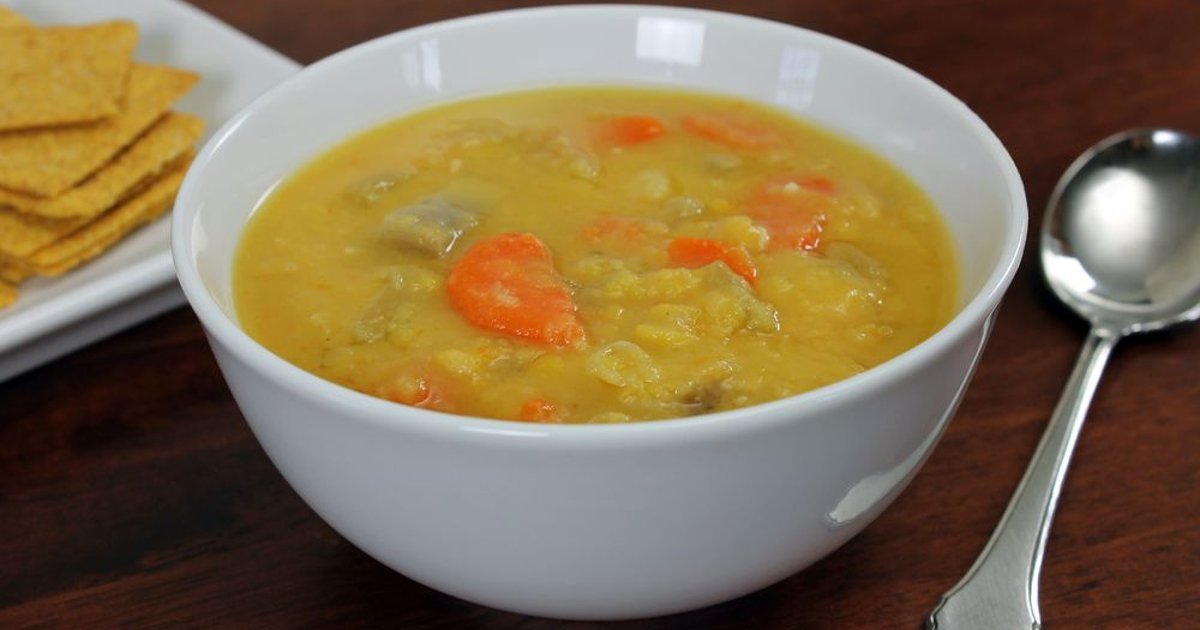
Do the same with a packaged soup. A bowl containing water, vegetables and some split peas will not necessarily match the nutrient density of plain cooked peas. Added ham, cream or oil changes the calculation again. Read the product label or use the ingredients in your own recipe instead of applying a generic pea entry to everything with a similar name.
If this is a new staple, begin with an amount you enjoy eating. A large bowl is not automatically more useful than a smaller portion paired with other foods. You can increase the amount as you learn how it fits your appetite and daily meals.
Cook for the texture you want
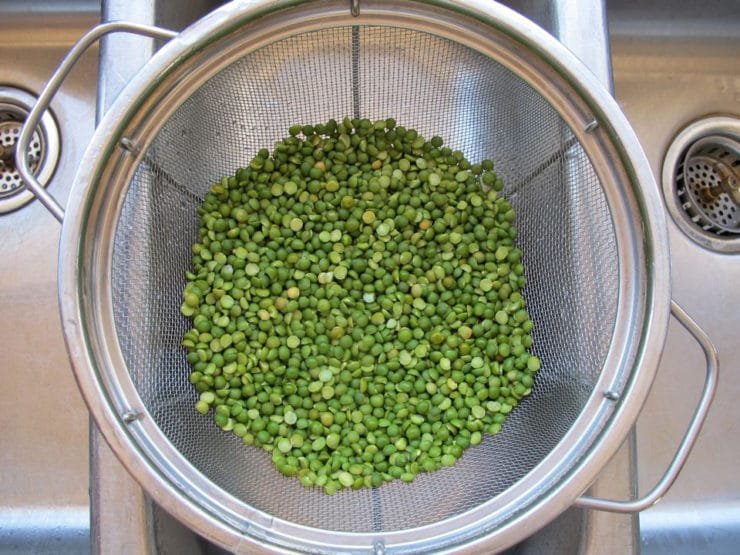
Split peas do not normally need an overnight soak. Sort through them, remove debris and rinse before cooking. Follow the packet for liquid and cooking time, then judge the result by tenderness. A timer is a reminder to check the pan, not proof that every batch has reached the same texture.
For soup, softness is useful because the peas help thicken the liquid. For a spoonable side dish or purée, you may want a thicker finish. Add liquid gradually when adjusting consistency; it is easier to loosen a thick mixture than to rescue a pan that has become much thinner than intended.
Keep an eye on the base of the saucepan as the mixture thickens. Stir as needed and reduce the heat rather than leaving a dense soup bubbling aggressively. If you use a pressure cooker, follow its instructions for pulses, liquid, fill limits and pressure release. Do not transfer a stovetop method directly to a sealed cooker.
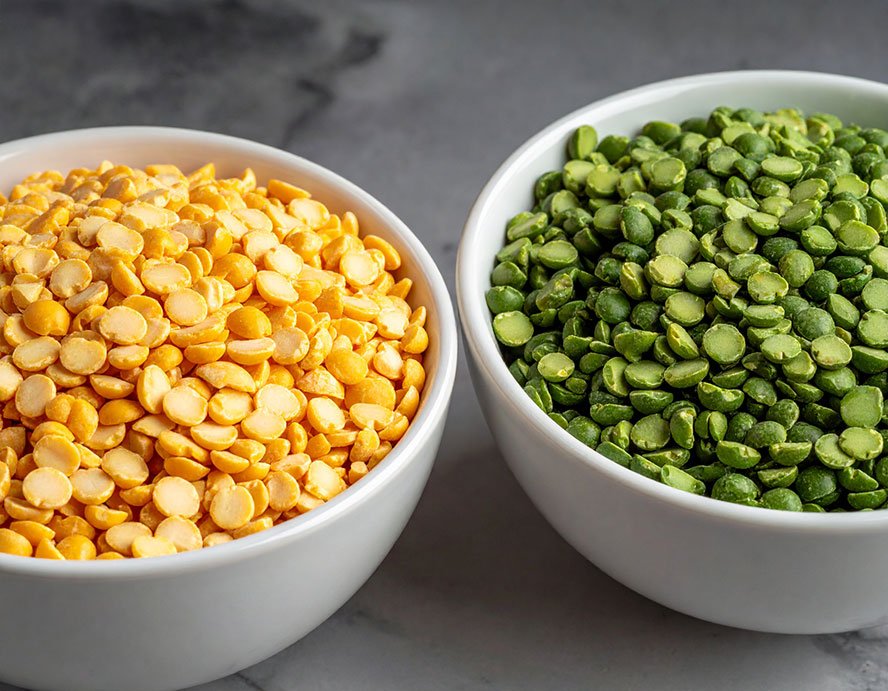
Green and yellow split peas give you a choice of colour and flavour. Pick the one suited to the dish instead of treating colour as a ranking of training benefits. The most useful version is the one that cooks predictably and tastes good enough to appear in your meals again.
Build a meal around the amount you will eat
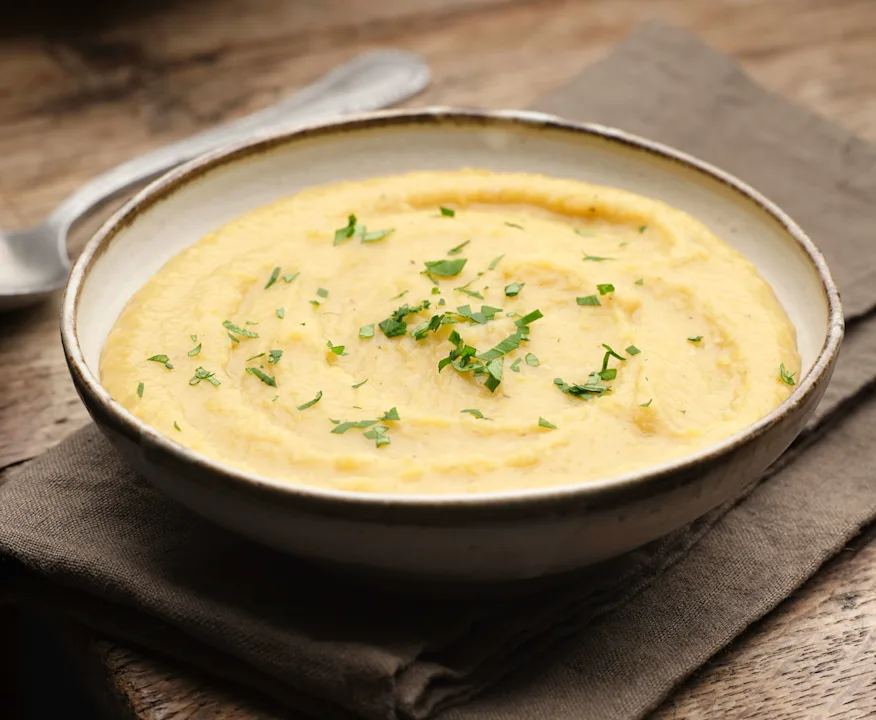
Start with a realistic serving of split peas and decide what else the meal needs. A vegetable-heavy soup may work with bread and another protein food. A thick yellow-pea purée can sit beside chicken, tofu or eggs. These are meal ideas, not nutritionally identical substitutions or a prescribed diet.
For example, if your usual lunch is chicken, rice and broccoli, split peas could replace part of the rice or become a separate soup alongside a smaller main meal. You do not have to replace the entire plate. Change one component, see whether the meal remains enjoyable, and adjust the other portions to your own requirements.
Keep toppings in view. A little oil, cheese or a rich sauce may improve the dish, but it also changes its energy content. Measuring an ingredient once can help you understand your usual amount without making every meal feel like a laboratory exercise. Taste and practicality matter alongside the numbers.
For another pulse with different cooking options, our lentil meal guide explains how preparation and portion size affect the result. Use variety to make regular meals easier, rather than searching for one ingredient that must supply everything.

Bodybuilding Shirts & Workout Gear
Bodybuilding shirts, tanks and gym gear for lifters chasing muscle, size, symmetry and the pump.

Powered By Rice Chicken Broccoli Bro Diet Decal Sticker
Put “Powered By Rice Chicken Broccoli” gym humor on your laptop, bottle, or gym gear.

– I'M Just Here Because I Like To Eat Sweater & Food T-Shirt
Show some gym-day personality with “I'm Just Here Because I Like To Eat Workout”.

Everything Hurts And I'M Hungry Motivation Hooded Hoodie
Bring “Everything Hurts And I'm Hungry” gym humor to lazy days and post-workout plans.

Lift Eat Repeat & Weightlifting Meme Vest Tank Top
Add some lifting attitude to training with “Lift Eat Repeat”.

Shirt Protein Addicts – , Meme , Top Gymbros T-Shirt
Heavy lifts, good laughs, and a little “for Protein Addicts” energy.

This Is Your Body On Protein Shirt – Meme & Top T-Shirt
Bring “This Is Your Body On Protein” humor to your next gym day.


Broccolift – Eat Broccoli & Lift , & Gains – Meme Top T-Shirt
Show some meal-prep attitude with a playful “Broccolift” tee.

Protein Gym Cosmic Decal , Workout Macros Energy Design Sticker
Give your everyday gear a playful “Protein” twist.
Keep dry weights, cooked weights and soup portions separate
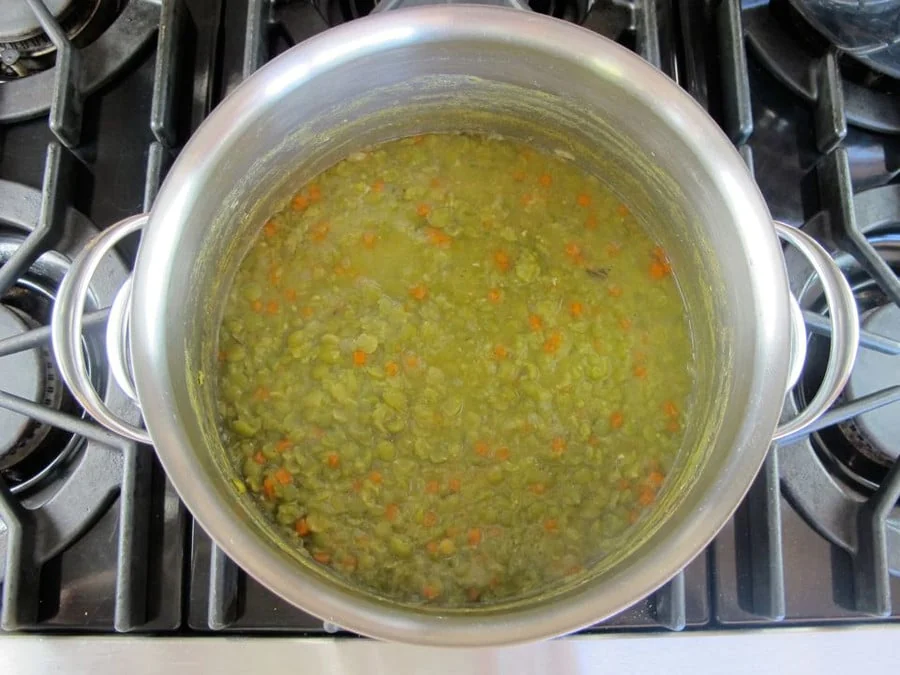
Cooking adds water, so a dry weight and a cooked weight describe different situations. If the label gives values for the dry product, use the amount weighed before cooking. If your food entry describes cooked peas, match it with a cooked portion. Do not apply a dry-food figure to the same weight of finished soup.
A batch calculation can be simple. Log the dry peas and the other ingredients you add, then divide the finished batch into the number of portions you actually serve. If the portions are very different sizes, weigh the finished mixture and allocate the recipe total in proportion to each serving’s weight.
Keep added water separate from added food. Thinning a soup changes its weight and the concentration in each spoonful, but it does not add more protein to the pot. Adding chicken, tofu, oil or bread changes the meal total. This distinction helps explain why two bowls of similar size can contain different amounts of food.
Our food-label and serving-size guide covers the same principle when comparing packets. A consistent method is more useful than repeatedly switching between dry, cooked and ready-made entries because one number looks better.
Make batch cooking useful for the next few meals
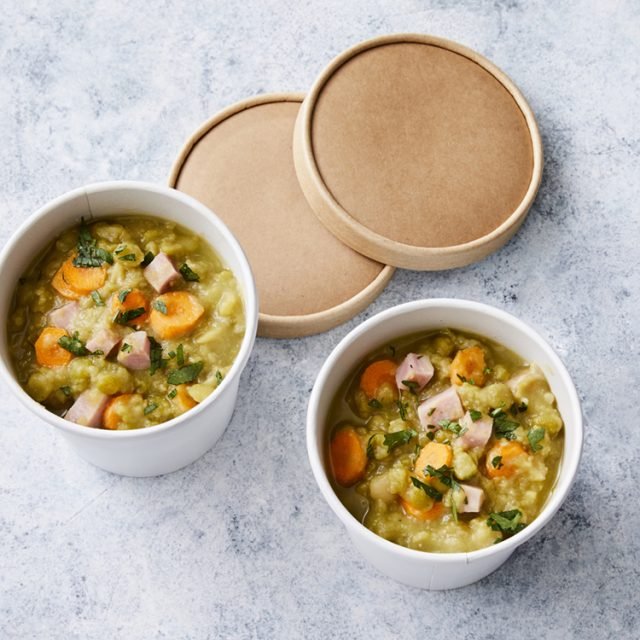
Choose a batch size around your actual plans. A large saucepan is convenient only if you have a way to cool, store and use its contents. Portioning soup into suitable containers also makes it easier to take the amount you need without repeatedly handling the whole batch.
Keep refrigerated soups and stews for three to four days at 4°C or below. Freeze portions you will not use within that period; a two-to-three-month freezer window is a useful quality guide. Follow safe cooling and reheating practices, and do not assume that adding fresh ingredients resets the age of an older batch.
Split peas also add fibre, so there is little reason to make every meal revolve around a huge serving. Include other vegetables, fruits and grain foods across the day. Variety gives you different flavours and textures and makes the routine less dependent on one recipe.
Begin with one dependable dish, record a portioning method that makes sense, and keep a few servings available for busy days. Split peas are useful when they help you eat satisfying, repeatable meals. They do not need a special workout window, an elaborate recipe or an exaggerated muscle-building promise to earn that place.