Advertising disclosure: This page includes affiliate links that may earn us a commission at no additional cost to you.
Shrimp can make a high-protein meal feel substantially different from another chicken breast and rice bowl. The portions are easy to adjust, the cooking time is short, and the mild flavour works with everything from lime and chilli to garlic and herbs. But a bag of frozen shrimp is not necessarily equivalent to its weight in cooked edible shrimp, and the calories in a finished bowl are not determined by the shrimp alone.
For lifters, the useful questions are practical: how much protein is actually on the plate, what are you paying for, and how can you fit the ingredient into meals you will happily eat repeatedly? Here is a way to answer those questions without making seafood into a magical muscle-building food.
Understand the protein in your actual portion
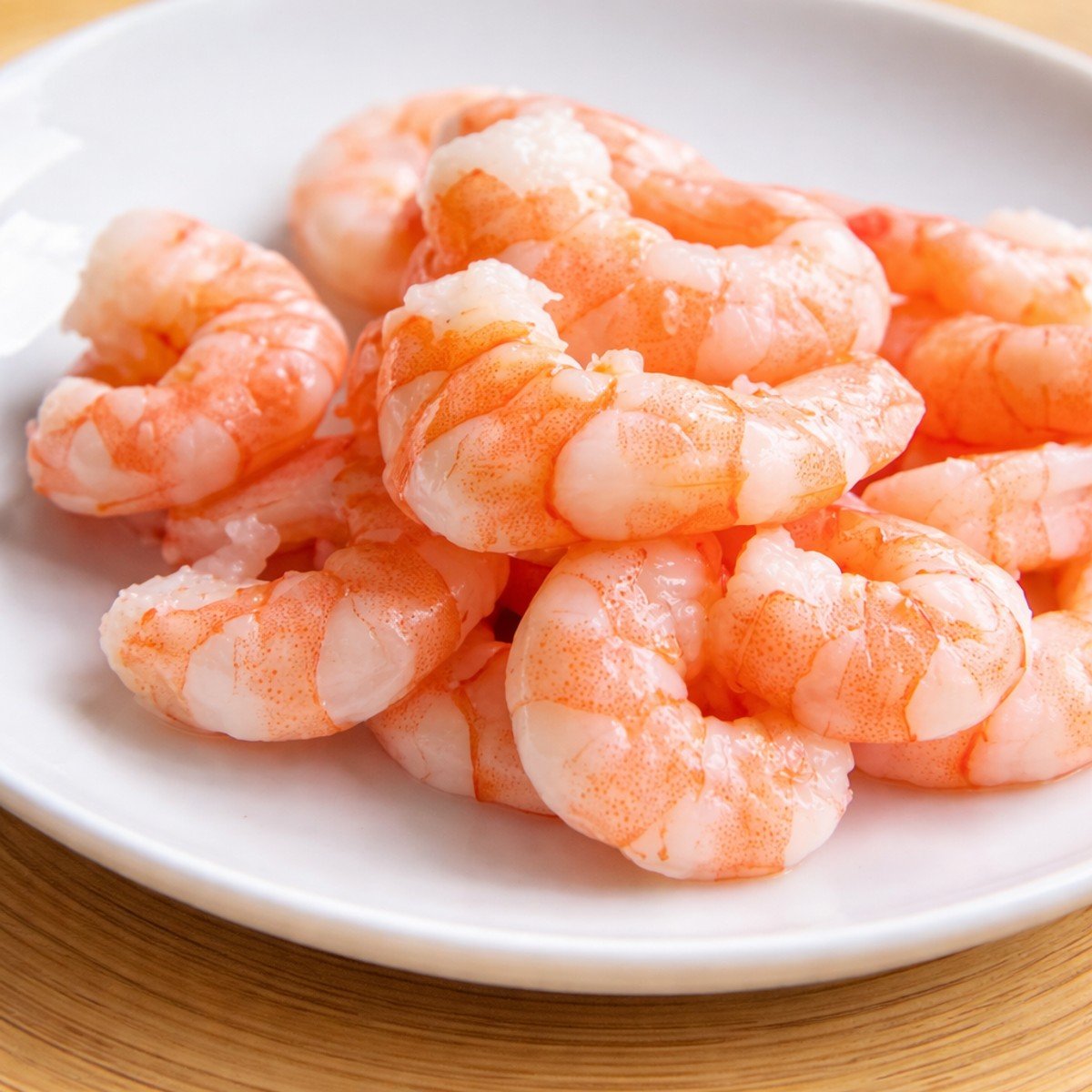
A representative reference for plain cooked shrimp is approximately 99 calories and 24 grams of protein per 100 grams. That makes a 150-gram cooked portion roughly 149 calories and 36 grams of protein before you add oil, rice or sauce. A 200-gram cooked portion provides about 48 grams of protein and 198 calories using the same reference.
These are useful estimates, not a promise about every product. Raw shrimp commonly has a lower protein concentration by weight because it contains more water; a reference value of around 20 grams per 100 grams raw is reasonable. Cooking does not create additional protein. When moisture leaves the food, the remaining edible portion becomes more concentrated. This is why recording 150 grams of raw shrimp as 150 grams cooked can inflate the protein estimate.
Use the nutrition panel on your product if available, and make sure the weight you enter matches the state described on that panel. If you routinely weigh everything raw, use the raw value. If you weigh ready-to-eat portions, use a cooked value. Avoid trying to switch halfway through a batch unless you know the raw and cooked weights for that batch.
Many regularly training adults can meet their protein needs within a broad daily range of 1.4 to 2 grams per kilogram of body weight. A meal containing roughly 20 to 40 grams of quality protein is a useful starting point for many people, though individual requirements, total food intake and training goals vary. For example, an 80-kilogram lifter targeting 128 grams daily could distribute that intake across four meals averaging 32 grams. Shrimp can cover one of those meals without needing to replace the other three.
Buy the edible food, not just the advertised bag weight
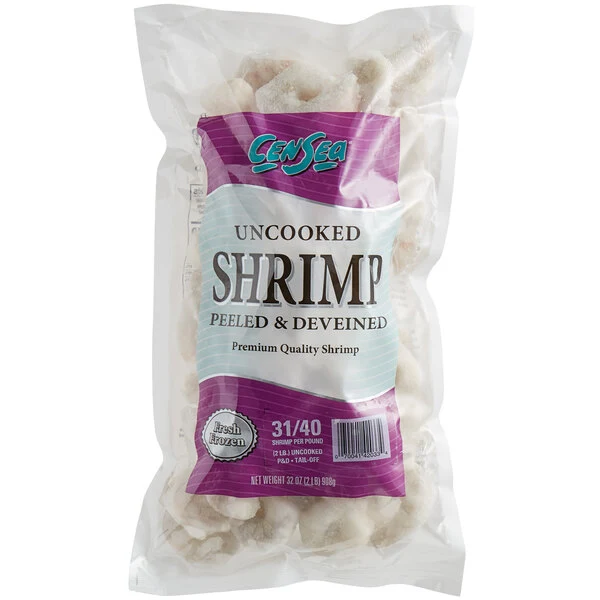
Walk past a seafood freezer and you will see peeled shrimp, shell-on shrimp, tail-on shrimp, pre-cooked shrimp and raw shrimp in several sizes. Start by deciding how you want to use them. Peeled, deveined, tail-off shrimp is especially convenient for bowls and lunch containers. Shell-on versions can be enjoyable for meals eaten immediately but involve more preparation and produce inedible waste. Tail-on shrimp is attractive for serving but inconvenient when you want to eat an entire bowl with a fork.
Size labels such as 31/40 often refer to the approximate number of shrimp per pound, rather than a nutritional quality grade. Larger shrimp can be easier to turn individually in a pan; smaller ones are often convenient in fried rice or wraps. Size itself does not establish how much protein you get for the money.
Compare the usable edible quantity and the price. Imagine a 500-gram pack priced at 6 currency units that gives you 400 grams of usable shrimp after thawing and draining. Your effective cost is 1.50 per 100 grams of usable food. If the nutrition panel for the drained raw shrimp says 20 grams of protein per 100 grams, the pack supplies approximately 80 grams of protein, costing 0.75 per 10 grams of protein. Those are illustrative numbers; measure your own yield and use the actual label.
Check for added salt, brines, sauces and breading. A plain frozen product and a breaded product are not interchangeable in a calorie log. A bag that looks less expensive per kilogram may also give you less usable food. A higher-priced peeled product can still be worthwhile if convenience prevents you from wasting half of it.
Thaw and handle shrimp safely
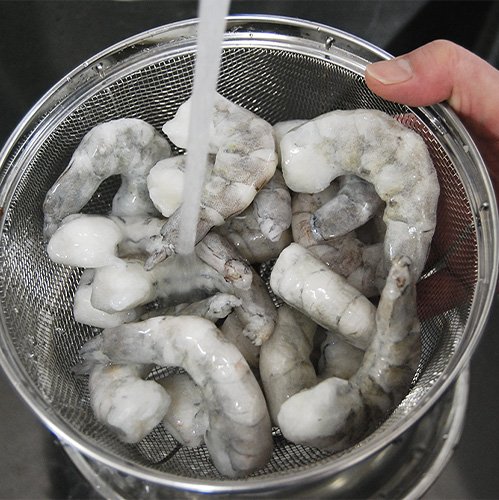
Frozen shrimp is particularly useful if you do not know your exact dinner plans for the week. You can keep unopened portions frozen and take out only what you expect to cook. Follow the package instructions, including any advice about cooking directly from frozen.
For conventional thawing, put the portion in a covered container in the refrigerator. If you need a faster method, place it in a leakproof bag in cold water and replace the water regularly, then cook promptly. Do not leave seafood on the counter for hours. Drain the thawed shrimp, pat it dry with clean paper towels if suitable, and discard packaging and liquids safely.
Separate utensils and cutting surfaces used for raw seafood from ready-to-eat food. Wash your hands after handling it. Cook raw shrimp until the flesh is pearly and opaque; seafood should generally reach an internal temperature of 63°C (145°F). Pre-cooked shrimp is a different product: follow its reheating or serving instructions rather than treating it as raw.
Keep cooked portions refrigerated at 4°C (40°F) or colder, and refrigerate perishable leftovers within two hours, or within one hour in temperatures above 32°C (90°F). Use shallow covered containers so meals cool efficiently. For a longer meal-prep horizon, freeze portions rather than keeping the entire week’s seafood in the refrigerator. Do not rely on a pleasant smell alone as proof that a forgotten portion is safe.
Make the cooking method fit the meal
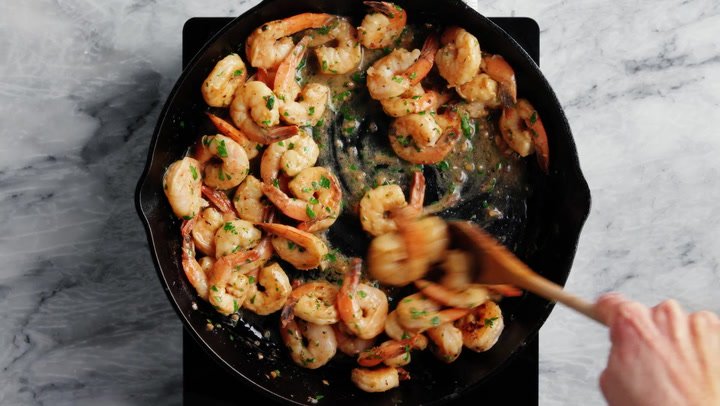
Plain shrimp is relatively low in fat, which is helpful if you want a protein-rich meal and would rather choose where the rest of the calories come from. Heat a pan, add a measured amount of oil if desired, and cook drained shrimp in a single layer. Season with garlic, pepper, chilli and citrus or whatever combination you enjoy. Work in batches when the pan is crowded so the food cooks evenly instead of sitting in a pool of liquid. Stop once the shrimp is cooked through; leaving it over the heat unnecessarily can make it tough.
One teaspoon of oil contains roughly 40 calories, while a tablespoon contains around 120. Neither is inherently bad. The difference simply matters when a meal is supposed to fit a specific energy target. Similarly, a rich butter sauce can be an intentional part of a higher-calorie meal. Measure the amount added if you want a meaningful estimate rather than logging only the seafood.
Plain shrimp also contains dietary cholesterol, approximately 189 milligrams per 100 grams in one reference. That number should not be ignored, but dietary cholesterol and blood cholesterol are not identical measures. Consider the overall eating pattern, including saturated fat, and any personalised advice you have received about cholesterol or cardiovascular health. Sodium varies with processing and seasoning, so the label is more useful than assuming every product is low-sodium. People with a shellfish allergy should avoid shrimp; those managing gout or a prescribed dietary restriction should follow their clinician’s advice.
Build complete training meals instead of chasing protein alone
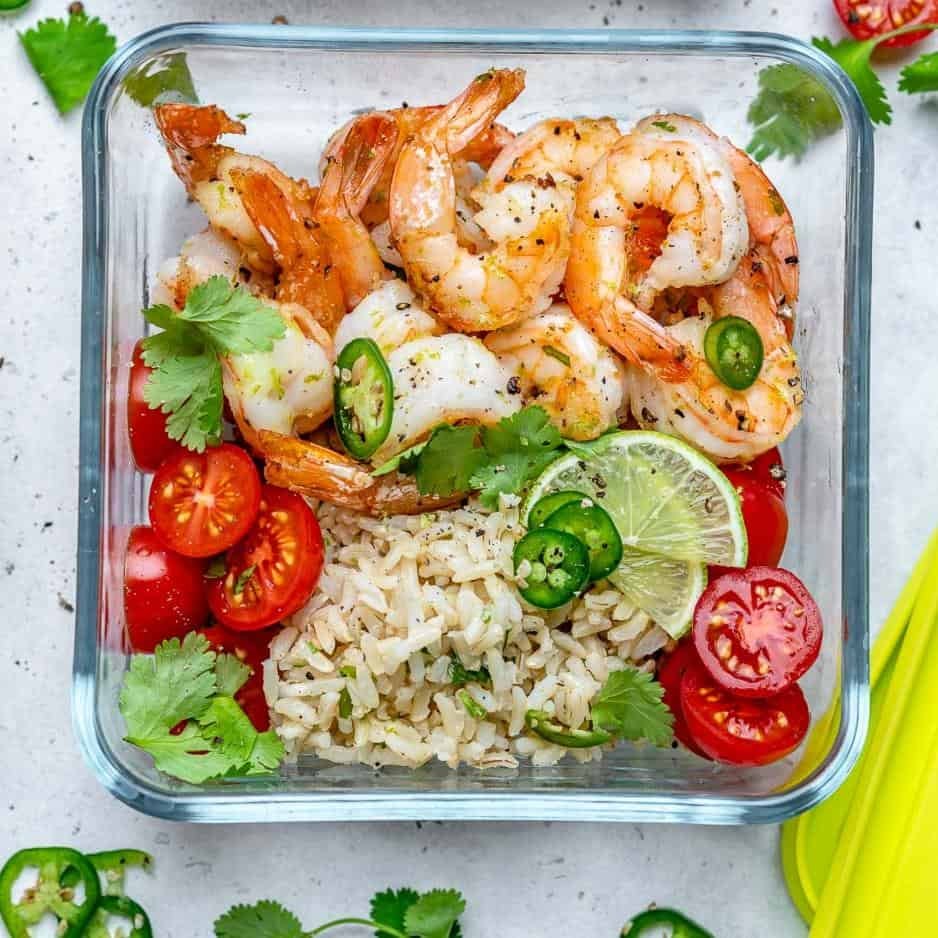
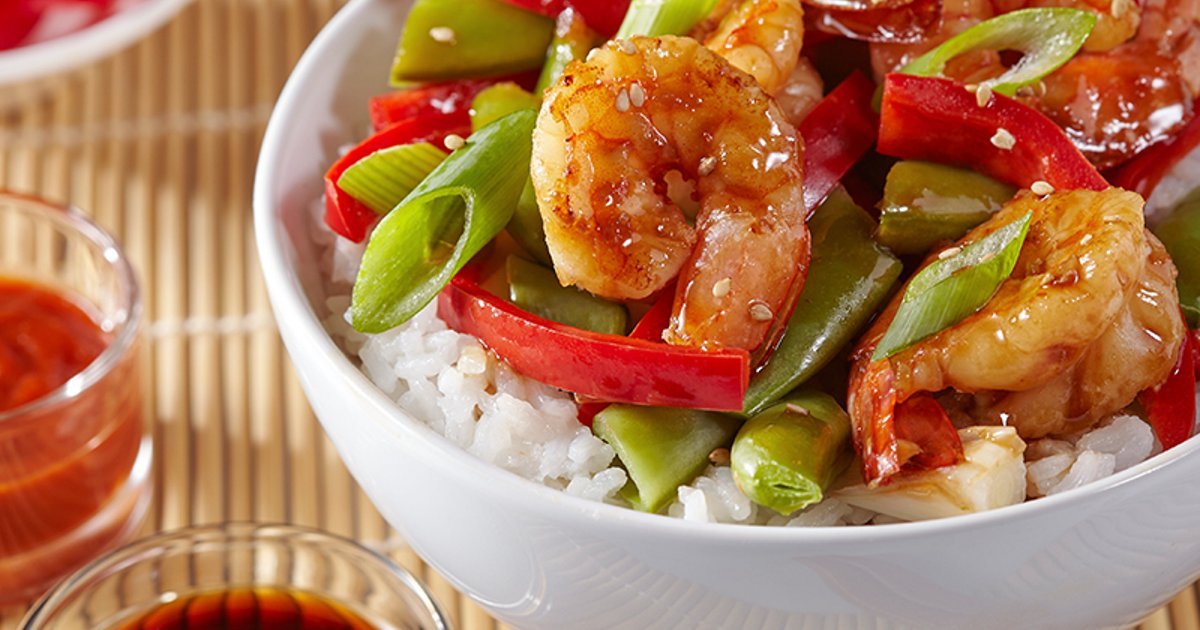
Because shrimp itself provides little carbohydrate or fibre, build the rest of the plate deliberately. A rice bowl with shrimp, vegetables, lime and a sauce is one easy option. A tortilla filled with shrimp, cabbage and beans provides another texture and a different balance of nutrients. Pasta with garlic shrimp, tomatoes and spinach works well when you want a substantial dinner. Adjust the starch and added fat to your appetite and energy needs rather than assuming a low-calorie ingredient makes the entire meal low-calorie.
Suppose you cook a batch of plain shrimp and obtain 450 grams of edible cooked food. Three equal 150-gram portions each provide about 36 grams of protein using the reference above. If you separately add 150 grams of cooked rice to each container, log the rice using a cooked-rice entry. Add vegetables, oil and sauces independently. This is much more transparent than recording three servings of an imaginary generic shrimp bowl.
For a training day, you might make the carbohydrate portion more substantial around your harder sessions. For a lower-energy meal, you might increase the vegetable volume and use a modest amount of rice. In either case, include some source of dietary fat elsewhere in your meals and keep your overall intake varied. Shrimp is simply one protein choice among many, not a replacement for a balanced diet.
Start with a small pack, learn how much edible food you get from it and decide whether you like the texture after refrigeration. If you do, keep a bag in the freezer for days when your usual meal preparation falls through. The best practical result is a reliable meal that helps you meet your needs and still tastes good.

Bodybuilding Shirts & Workout Gear
Bodybuilding shirts, tanks and gym gear for lifters chasing muscle, size, symmetry and the pump.

Aquaman Protein Diet Gym Funny Seafood Gains Decal Work Sticker
Bring “Aquaman Protein Diet” attitude to your water bottle or laptop.

Powered By Chicken Broccoli Rice Bro Decal Water Sticker
Give your everyday gear a playful “Powered By Chicken Broccoli Rice” twist.

Bear Protein Bear Meme , & Bros Hilarious T-Shirt
Heavy lifts, good laughs, and a little “Gym Bear Protein Bear” energy.

Work Hard Eat Hard Donut Dumbbell Donuts Barbell Hoodie
Bring “Work Hard Eat Hard Donut Dumbbell Donuts” gym humor to lazy days and post-workout plans.

Chicken Why Did The Chicken Go To The & Bros Tank Top
Show some personality between sets with “Chicken”.

Protein Gym Cosmic Crewneck , Macros Workout T-Shirt
Show some gym-day personality with “Protein”.

Protein Shaker Bottle Graphic : Shirt For Protein Lover T-Shirt
Bring “Protein Shaker Bottle Graphic” humor to your next gym day.

Eat Big Lift Big Get Big Bulking Season Pizza Chef T-Shirt
Heavy lifts, good laughs, and a little “Eat Big Lift Big Get Big” energy.

I So I Can Eat Cookies Meme Decal Sticker
Stick a little “I Workout So I Can Eat Cookies” humor on your favorite gear.

I'm A Rice-ist – Bro Rice Lovers, Lifting, & Gains – T-Shirt
Make gym days more fun with “I'm A Rice-ist” style.