Advertising disclosure: This page includes affiliate product links that may earn us a commission, as well as products from our own store.
A sled session sounds simple: push hard, recover, repeat. In practice the surface can decide whether a sled works at all. Traditional skids need space and a forgiving lane; the Torque Fitness TANK M1 approaches that problem with airless wheels and adjustable magnetic resistance. That makes it interesting for conditioning work beyond a dedicated turf strip, but it also raises questions about load, usable distance, accessories and what an “all-surface” claim really means.
This buyer’s guide breaks down the actual M1 specifications, how its resistance differs from a plate-loaded sled, what to inspect in your training area, and how to use it without confusing marketing language with measured performance. It is an equipment analysis, not a claim of hands-on MMP ownership or laboratory testing.
What the magnetic resistance actually changes
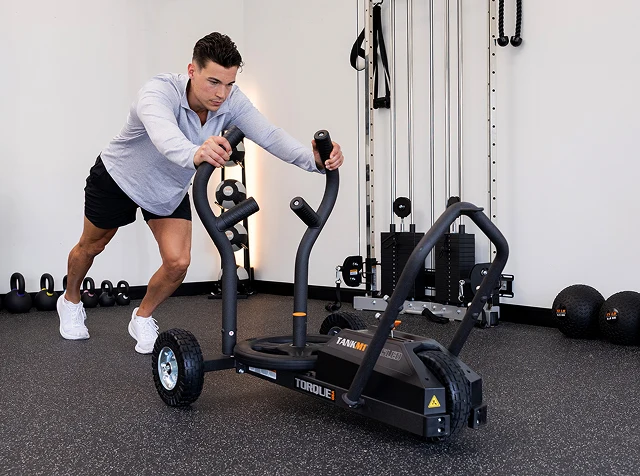
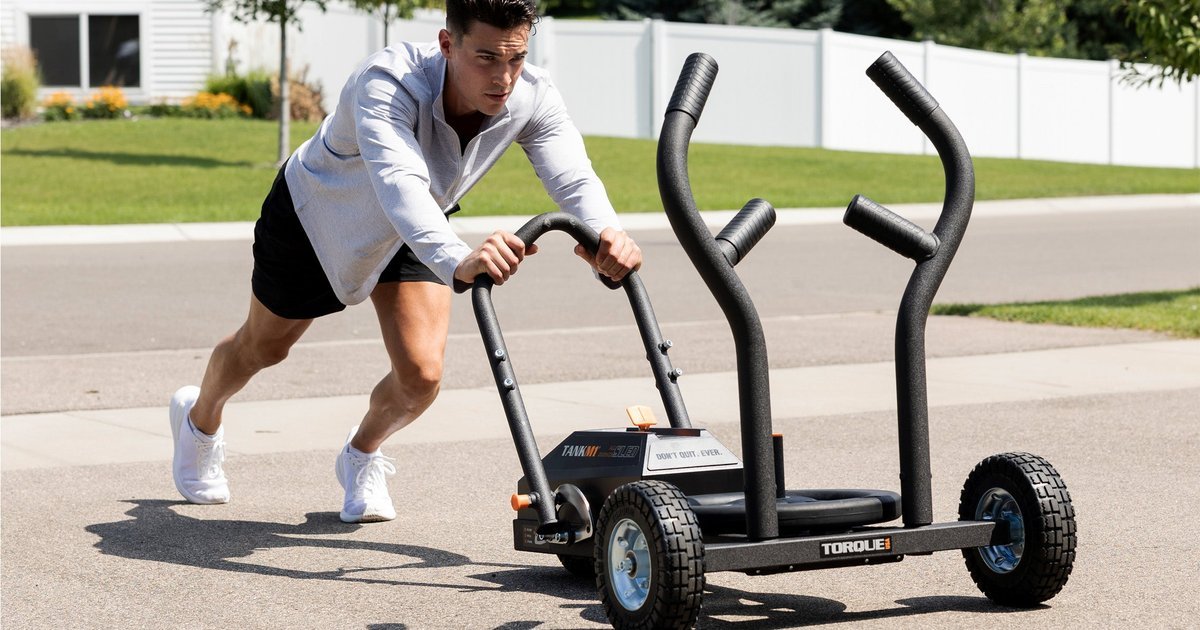
The TANK M1 replaces a traditional sled’s ground-dragging skids with wheels and a magnetic resistance mechanism. Torque calls the system Mag-Force. Instead of piling plates onto skids and relying mainly on friction with turf, a user selects one of three resistance settings and moves the unit on its tires. Resistance also responds to movement speed: driving faster generally creates more magnetic opposition. That makes the workout feel different from simply adding another plate to a conventional push sled.
The useful distinction is between a setting and a measured force. Level three is not a universal number of kilograms, and the effort required can vary with the athlete’s speed, direction, tire condition and surface. A heavier lifter moving quickly and a beginner moving cautiously will not necessarily experience the same force. Comparing magnetic levels with the plates on a friction sled as if they are interchangeable loading units creates a misleading benchmark.
The M1 is fundamentally a wheeled conditioning implement. Its three resistance selections let you organize easy technique work, harder continuous pushes and short intense efforts without repeatedly unloading a sled. The integrated airless tires also mean there are no pneumatic tire pressures to check before every session. It still demands space, a suitable travel path and regular equipment inspection; magnets do not remove those practical requirements.
If you already own a heavy friction sled, the M1 is not an automatic replacement for every maximal-force drill. Traditional sled loading can be quantified in plates, although skid friction varies widely. The M1 offers convenience and a different speed-dependent stimulus, not proof that either design produces superior strength or sprint adaptations for every user.
Footprint, flooring and turning room matter more than the brochure size
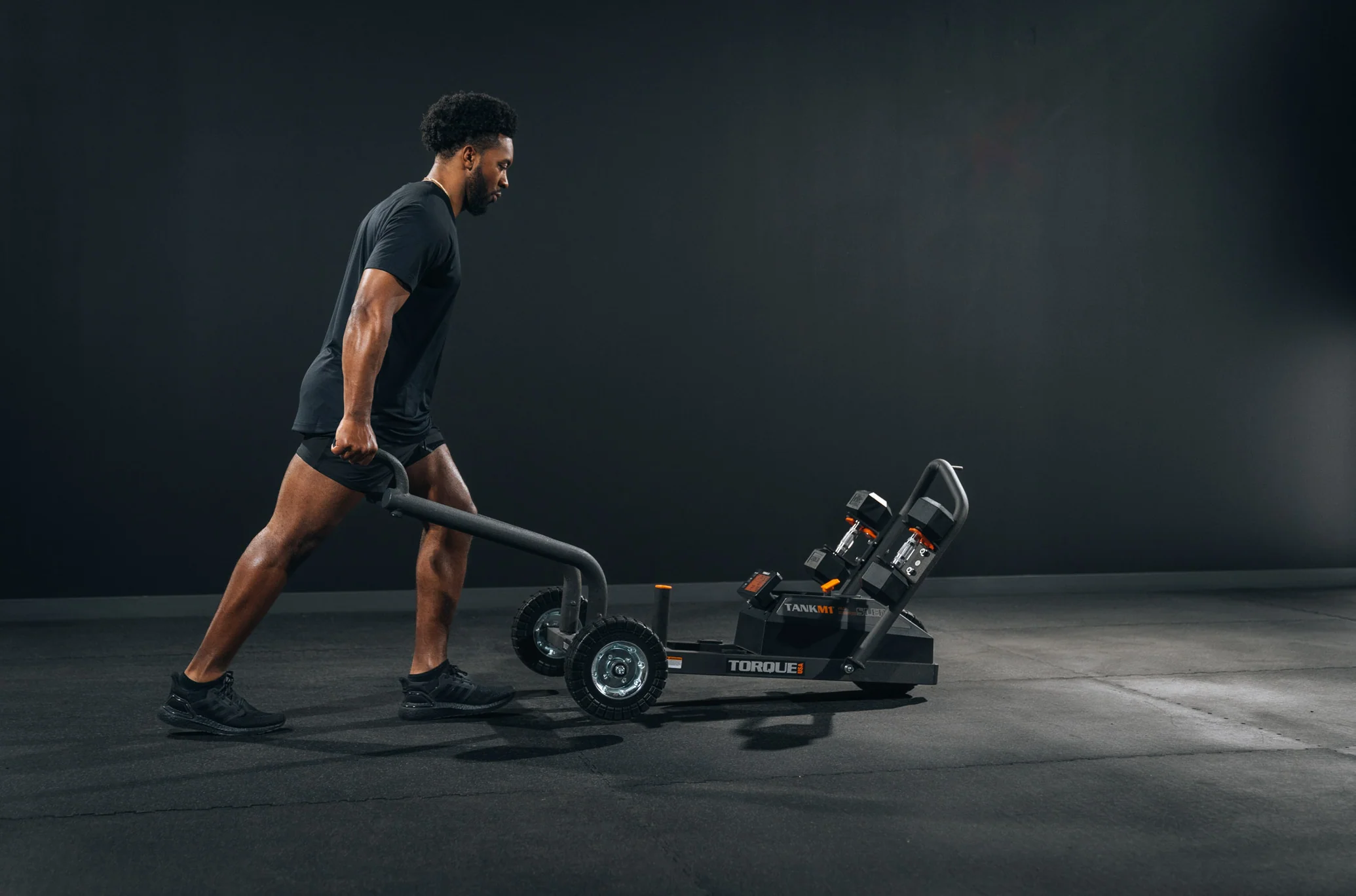
Torque lists a 45.1-inch length, 31.9-inch width and 37.5-inch height, with an equipment weight of 78 pounds. Those dimensions describe the sled itself, not the space needed for a useful push. A roughly four-foot-long machine can be stored in a relatively modest spot, yet actual training requires a clear lane plus extra space for braking, turning and repositioning. Measure the usable straight-line distance in your own garage, driveway or training facility before committing.
The wheeled design is promoted for concrete, asphalt, indoor rubber floors and turf. That is a substantial advantage when you do not have a dedicated strip of sled-friendly artificial grass. But ‘all surface’ should not be interpreted as permission to roll heavy equipment across fragile laminate, loose gravel, steep slopes or contaminated flooring. Inspect each surface for traction, debris, seams and the manufacturer’s restrictions. Wheel contact is different from a skid, but repeated hard turning can still mark delicate finishes.
A practical test is to mark a five- to ten-metre lane with two safe turnaround zones. Can you travel that distance without blocking doors, parked vehicles, other lifters or pedestrian routes? Is the surface level? Can you return the sled without scraping obstacles? If you have to stop every few steps, the exercise becomes a repeated start-and-turn drill rather than a smooth conditioning push. That can still be useful, provided you recognize the difference and program it intentionally.
Another useful purchasing detail is storage. Torque offers a dedicated wall-mounted system separately and has other accessory packages; verify what is included with the exact bundle rather than assuming a photograph of an equipped M1 represents the base box. Its airless tires avoid flat-tire inflation, but axle inspection and the general cleanliness of the moving mechanism still matter.

Equipment Worth Exploring
Explore equipment, accessories and gear from our carefully selected range.


Pro Sled System
Heavy-duty push-pull training sled for loaded conditioning, speed, and strength work.


Competition Wall Ball
Competition-style weighted wall ball for HYROX, wall-ball shots, and functional conditioning.

Slam Ball
Low-bounce weighted slam ball for explosive throws and high-intensity conditioning.

Cast Iron Kettlebells
Textured cast-iron kettlebells for swings, squats, carries, and full-body training.


How to build sessions without mistaking effort for precision
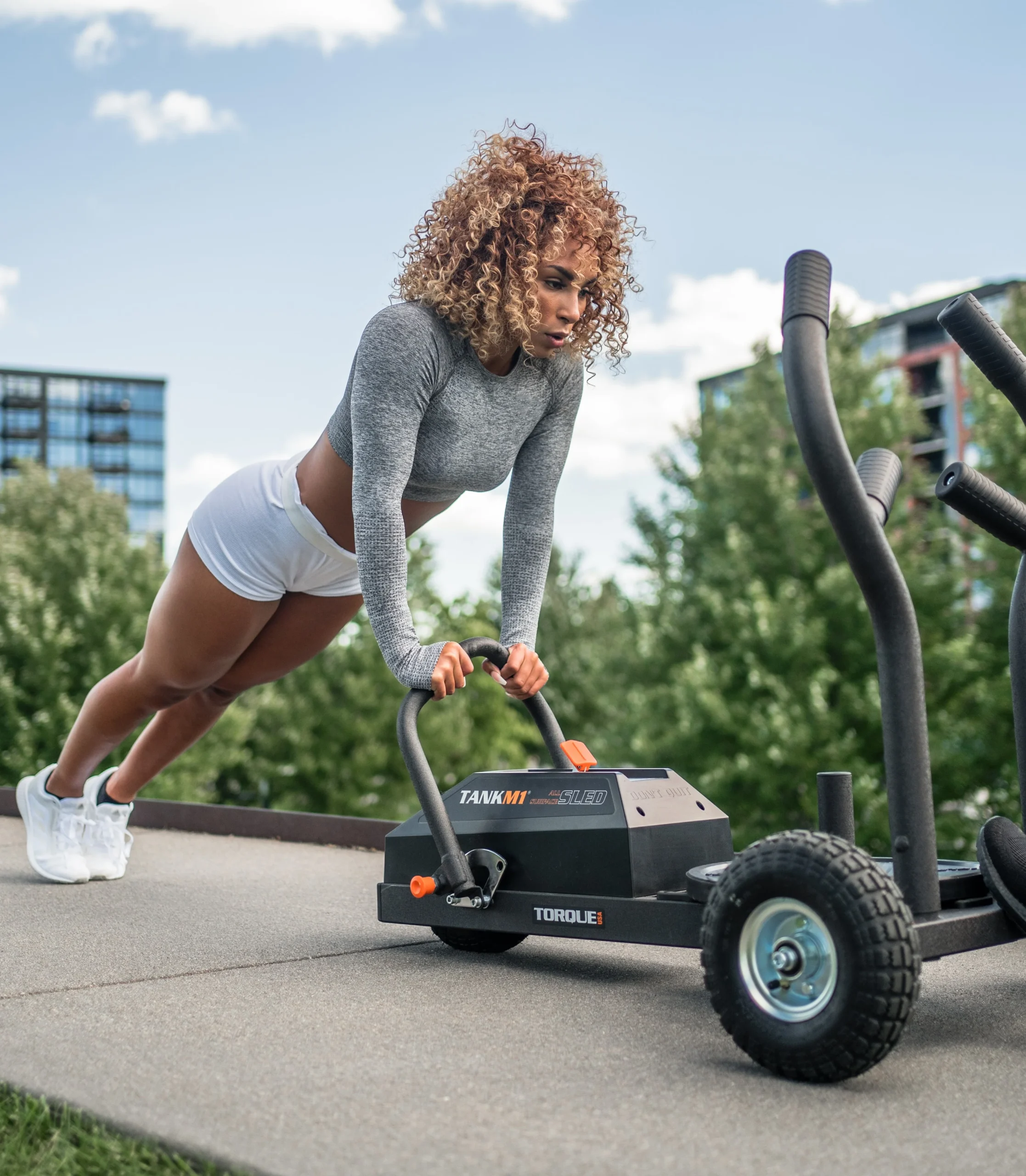
Start by learning the push mechanics at the lowest appropriate setting. Position the hands comfortably on the handles, brace the trunk, lean forward from the ankles and hips rather than rounding sharply through the lower back, and drive the ground away in short controlled steps. Keep your feet clear of the wheels when accelerating and turning. A consistent path and repeatable distance make the resulting sessions easier to compare than changing everything at once.
For an introductory workout, perform six runs of about ten to twenty seconds at a pace you could repeat with similar form. Walk back or rest long enough to keep foot placement controlled. Over subsequent sessions, first improve movement consistency, then add another run or lengthen the work interval; only later consider a higher magnetic setting. For harder intervals, four to eight short pushes with generous recovery can emphasize forceful acceleration without turning every repetition into a breathless collapse.
Track the setting, surface, lane length, time and approximate perceived exertion. That log lets you tell whether the same session feels easier and whether your speed changes. It does not provide a direct force measurement, and it should not be compared as one-for-one kilograms moved against a loaded traditional sled. If you train with a partner, record the same floor and distance for both rather than treating one person’s setting as another person’s prescription.
Sled work can complement squats, hinges, jumps and regular aerobic training. Research with conventional resisted sled pushes has observed improvements in short-distance acceleration under particular training protocols, but those results are not a direct clinical test of the Torque magnetic M1. A 2026 synthesis found average acceleration benefits from resisted sled training without establishing a statistically clear winner for any one surface or load choice. Program for your goal, not a promise that buying a specific device will produce an exact speed gain.
Accessories: which upgrades change the exercise?
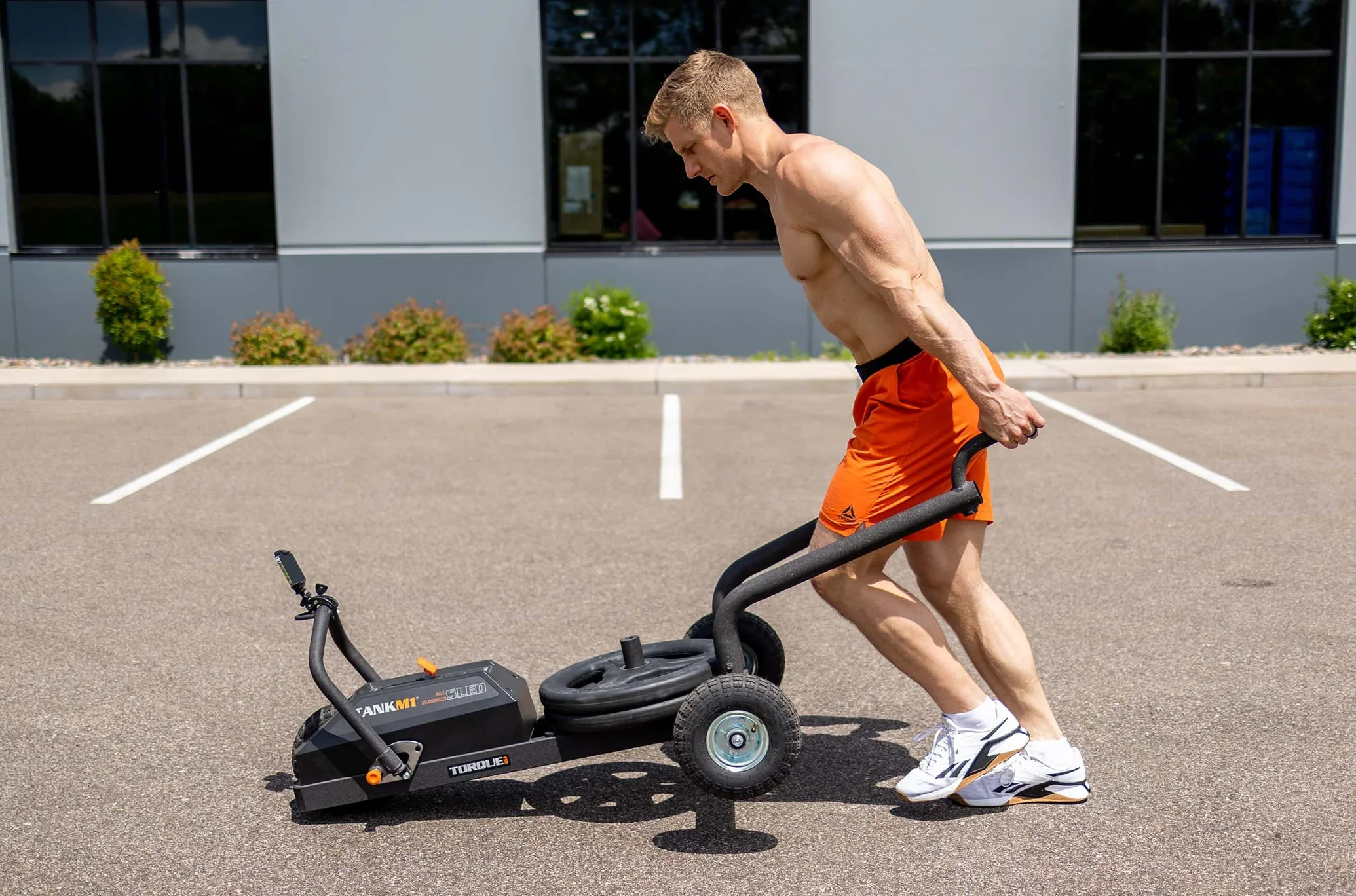
The core unit already allows push training. The console, dumbbell cradles, tow kit, wheelbarrow handles and storage hardware are separate choices or part of particular packages, not necessities for every user. A console may improve session feedback when you care about tracking a repeatable workout. Cradles let you secure dumbbells to the chassis, but additional weight should not be confused with turning the magnetic selector into a calibrated weight stack. Consider accessories as ways to change the task, not as automatic multipliers of training value.
The optional wheelbarrow handles produce a different hand position and carrying-like movement. Compared with a forward push, this can shift grip, posture and emphasis, while also affecting how close the athlete works to the frame. A tow harness or strap opens backward drags and forward pulling, assuming the setup and path are safe. Check the specific accessory’s attachment instructions and avoid improvised knots or clip points; a sled that suddenly veers can create a collision risk.
Some users enjoy alternating a magnetic sled push with kettlebell work, medicine-ball throws, jumps or rope intervals. Those accessories are complements rather than equivalents. A kettlebell changes loading through the arms and hips; a wall ball involves repeated squatting and throwing; a jump rope adds elastic contacts and timing. Choose combinations based on what your body tolerates and what the session is supposed to accomplish. There is little benefit in assembling a circuit with five gadgets simply because they fit beside the sled.
Before purchasing a bundled package, list your actual planned exercises. If you only want forward pushes, prioritize the sled and adequate floor space. If your program includes towing, verify the proper harness and anchor setup. If you need detailed split data, look at what the console records rather than assuming an app-connected power meter. Spend on a component that removes a genuine constraint, not an accessory that looks dramatic in a product photo.
Equipment Worth Exploring
Explore equipment, accessories and gear from our carefully selected range.
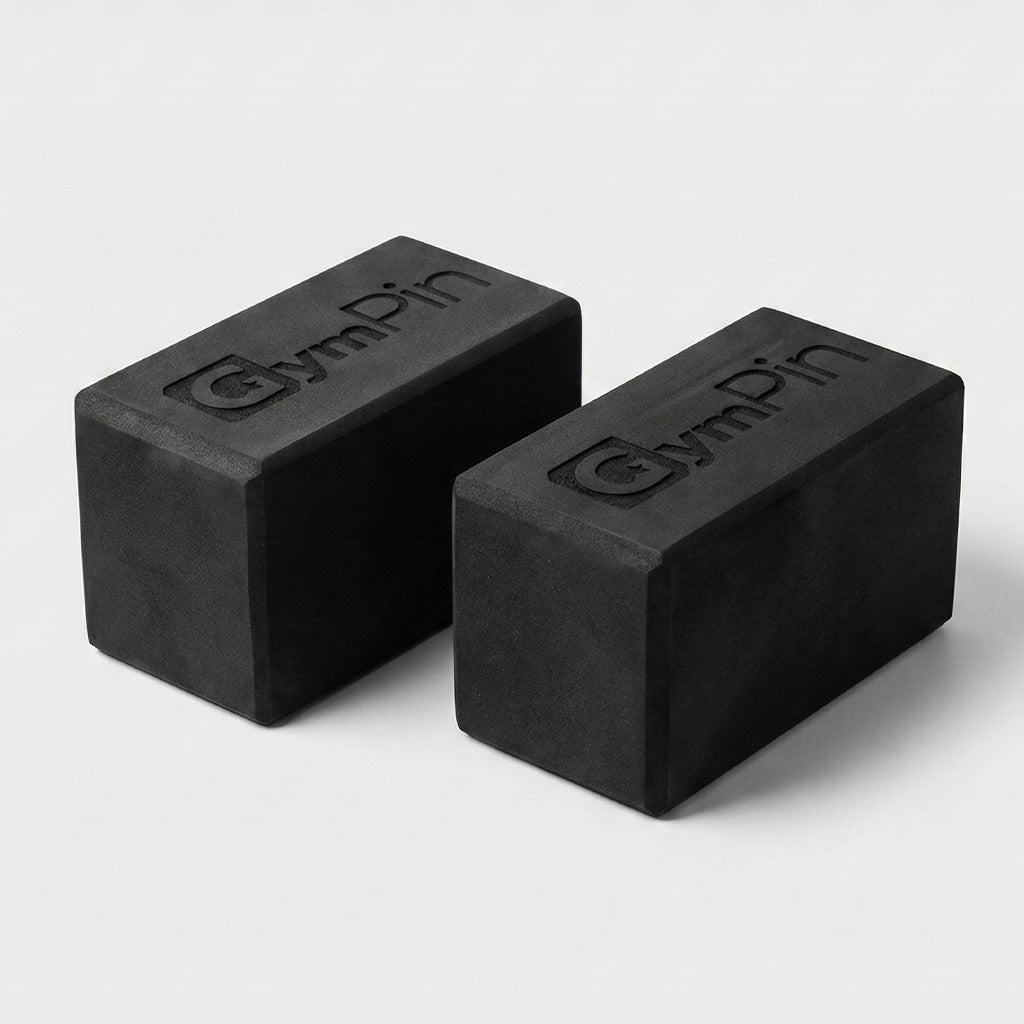
GymPin Starting Blocks
Portable high-density foam blocks for adjusting machine starting positions and range of motion.

Open Hex Bar
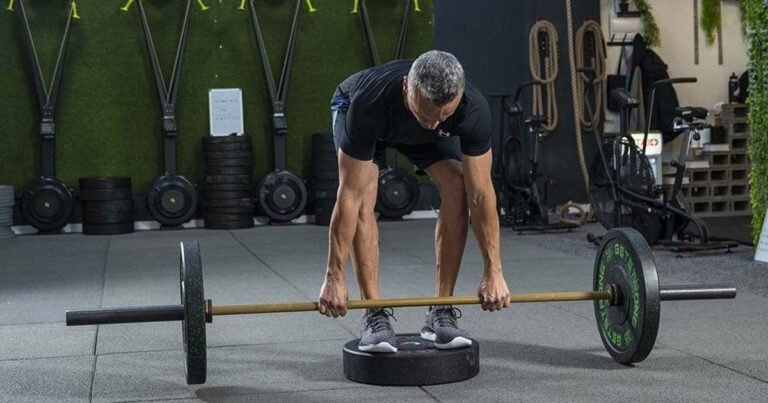
Open-frame trap bar with multiple handles for deadlifts, carries, and lower-body training.




Rubber Hex Dumbbells
Rubber-coated hex dumbbell pairs with a stable shape for home and commercial strength training.


Glute Ham Developer GHD-820
Adjustable glute-ham developer with contoured pads and a fold-out knee support.


Competition Plates
Competition-style bumper plates for Olympic lifts and loaded strength training.

Functional Fitness Shirts & Workout Gear
Functional-fitness shirts, tanks and workout gear for athletes who train strength, conditioning and everything in between.

Hybrid Athlete Strength Tee
Show some lifting attitude with a playful “Hybrid Athlete” tee.


Hybrid Athlete – HYROX Workout Checklist Gym Decal for Sticker
Give your everyday gear a playful “Hybrid Athlete” twist.


Gym Dost Thou Even Pedal Medieval Air Bike Joke for Cro T-Shirt
Show some gym-day personality with “Dost Thou Even Pedal Medieval Air Bike Joke”.

OnlyGains Kettlebell Meme Hooded Jumper Hoodie
Bring “OnlyGains” gym humor to lazy days and post-workout plans.

Gym Equation Makes Me Happy Kettlebell Meme Graphic Fit T-Shirt
Heavy lifts, good laughs, and a little “Gym Equation” energy.

Gym Is My Happy Place Happy Kettlebell Emoji Graphic Wh T-Shirt
Make gym days more fun with “Gym Is My Happy Place” style.

Vive La Resistance Bands – Resistance Bands Warmup Reha Sticker
Bring “Vive La Resistance Bands” attitude to your water bottle or laptop.

Kettlebell Heartbeat Crewneck Pullover Sweater Workout T-Shirt
For laid-back days and bodybuilding humor: “Kettlebell Heartbeat”.
Who should buy the M1, and what to check before checkout
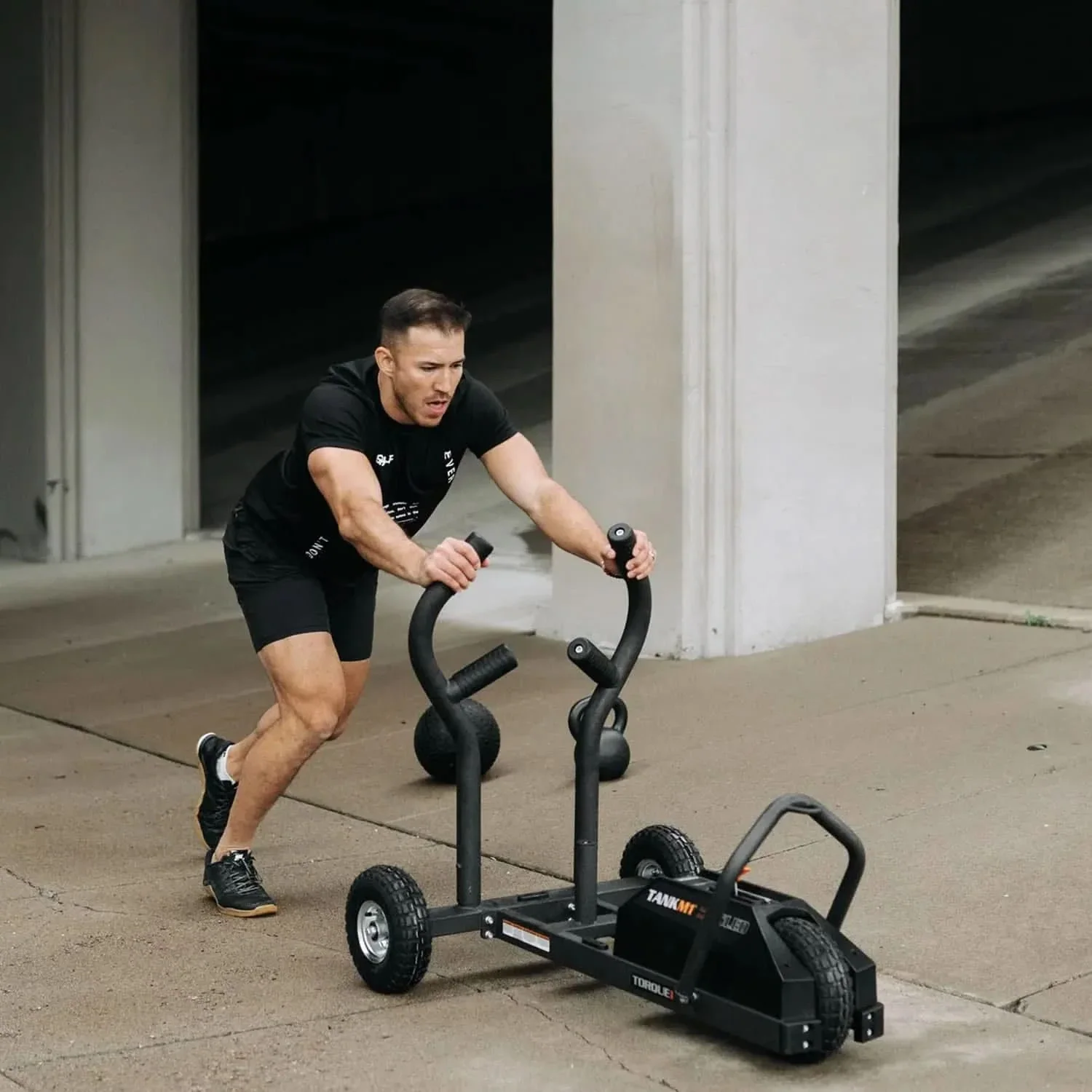
The strongest argument for the M1 is the combination of wheels, adjustable magnetic resistance and the ability to use it away from dedicated turf. It may make sense for a coach programming repeatable conditioning stations, a lifter with a garage or driveway lane, or a gym that wants low-friction setup between different athletes. Someone with no clear pushing lane, a steep approach, delicate floors or only a small room might have trouble getting meaningful continuous work despite the equipment’s modest stored dimensions.
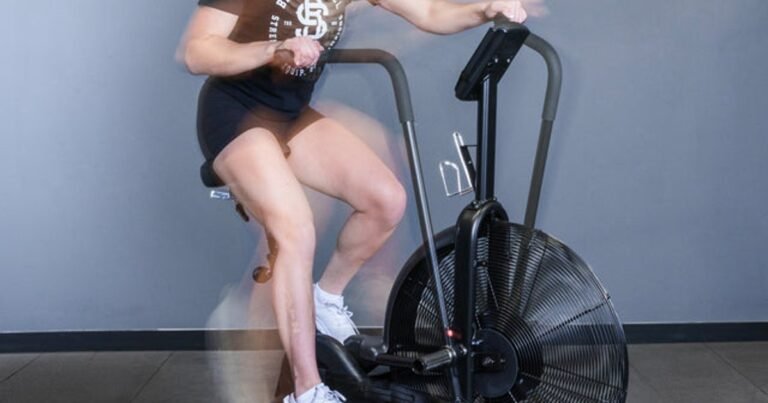
Compare the M1 with the alternatives honestly. A simple friction sled may cost less and is familiar to facilities with turf, but skids need the right surface and plate changes are slower. An air bike or rower provides continuous seated conditioning in a more stationary footprint, yet does not closely reproduce the loaded pushing movement. Farmer’s carries and loaded step-ups require fewer specialized machines, but they stress the body differently. A wheeled sled is a specific training tool, not a universal cardio replacement.
Torque’s posted limited warranty distinguishes ten years for the frame and welds, one year for parts and finish, and ninety days for grips and optional accessories. Coverage, shipping, promotions and support terms can vary by market and change, so verify the current regional offer and total delivered price before buying. The standard machine weighs 78 pounds, so account for transport, stairs and any need to lift it into storage. Also check whether the quoted dimensions include the selected handle configuration.
The final buying checklist is simple: confirm a clear level lane, a floor compatible with the tires, safe turnaround space, the exact included handles and accessories, and a training goal you expect to pursue consistently. If those five things line up, the M1’s convenience can make sled sessions far easier to include in a program. If they do not, another conditioning tool may serve you better regardless of how impressive the product looks in action.
Cardio Shirts & Workout Gear
Cardio and conditioning gym gear for runners, endurance athletes and anyone who earns the sweat.

Skip Cardio – Exit Cardio Meme , , Top T-Shirt
Bring “Skip Cardio” humor to your next gym day.

Shirt – Cardio Is Hardio – & Gymbros T-Shirt
Show some cardio attitude with a playful “Cardio is Hardio” tee.

Shirt – Don'T Quit Do It – Meme & Gains T-Shirt
Show some lifting attitude with a playful “Don't Quit Do It” tee.

Shirt – Sometimes Motivation Finds You – , Swimming T-Shirt
Bring “Sometimes Motivation Finds You” humor to your next gym day.

Anti Jogging Jogging Club Shirt – & Meme Top T-Shirt
Bring “Anti Jogging Jogging Club” humor to your next gym day.

Anti Cardio Cardio Club Shirt Meme & Top T-Shirt
Bring “Anti Cardio Cardio Club” humor to your next gym day.

Straight Outta Shape – Out Of Shape Meme Vest Tank Top
Your gym-day look, with a playful “Straight Outta Shape” twist.

Cardio Is Calling Decline Decal Water Bottles Meme Sticker
A fun “Cardio Is Calling” touch for bottles, laptops, and lockers.

Cardio Sucks Negative Review 1 Star Hooded Hoodie
Show off your cardio humor in a laid-back “Cardio Sucks” hoodie.

Freedom To Skip Cardio Patriotic Gym – Funny Statue of Hoodie
Keep it laid-back with a little “Freedom To Skip Cardio Patriotic” attitude.