Advertising disclosure: This page includes affiliate product links that may earn us a commission, as well as products from our own store.
Some product links may be affiliate links. If you shop through them, Mind Muscle Perfection may earn a commission at no extra cost to you.
Should a hard workout take an hour when you could do the same exercises in less time? Supersets promise to shorten a gym session by pairing movements instead of taking a full break after every set. The appeal is obvious when you are squeezing training between work, family and everything else. Yet a short workout is only valuable if it preserves enough quality work to make you stronger and more muscular.
An analysis pooling 19 studies and 313 participants found that supersets can maintain much of the total repetition volume of traditional sets while improving time efficiency. It also found more perceived exertion and greater metabolic demands. The practical distinction is not simply whether you perform two lifts back-to-back. It is whether their muscles, stabilizers and recovery demands compete. Here is what those findings mean in a real gym.
1. What makes a superset different from two regular sets?
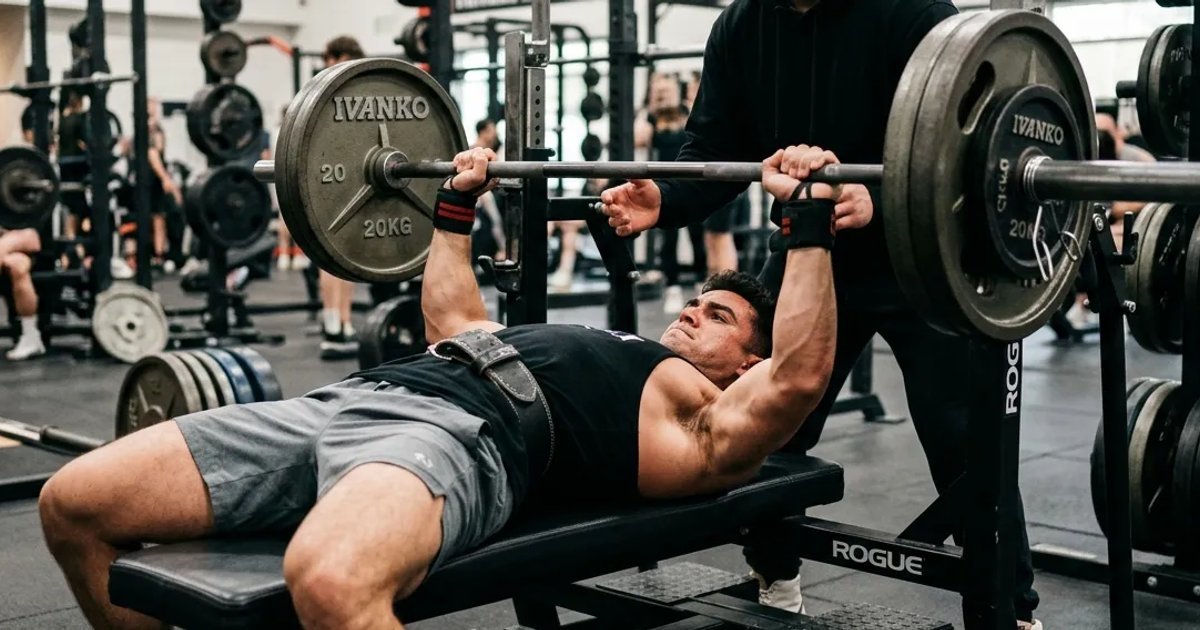
A straight set involves performing one exercise, resting, then repeating that exercise before moving on. A superset consists of two exercises performed in sequence with little or no break between them, normally followed by a longer rest before the pair repeats. A circuit usually combines three or more stations. A drop set reduces the load on the same movement. These formats can all feel intense, but they distribute work differently.
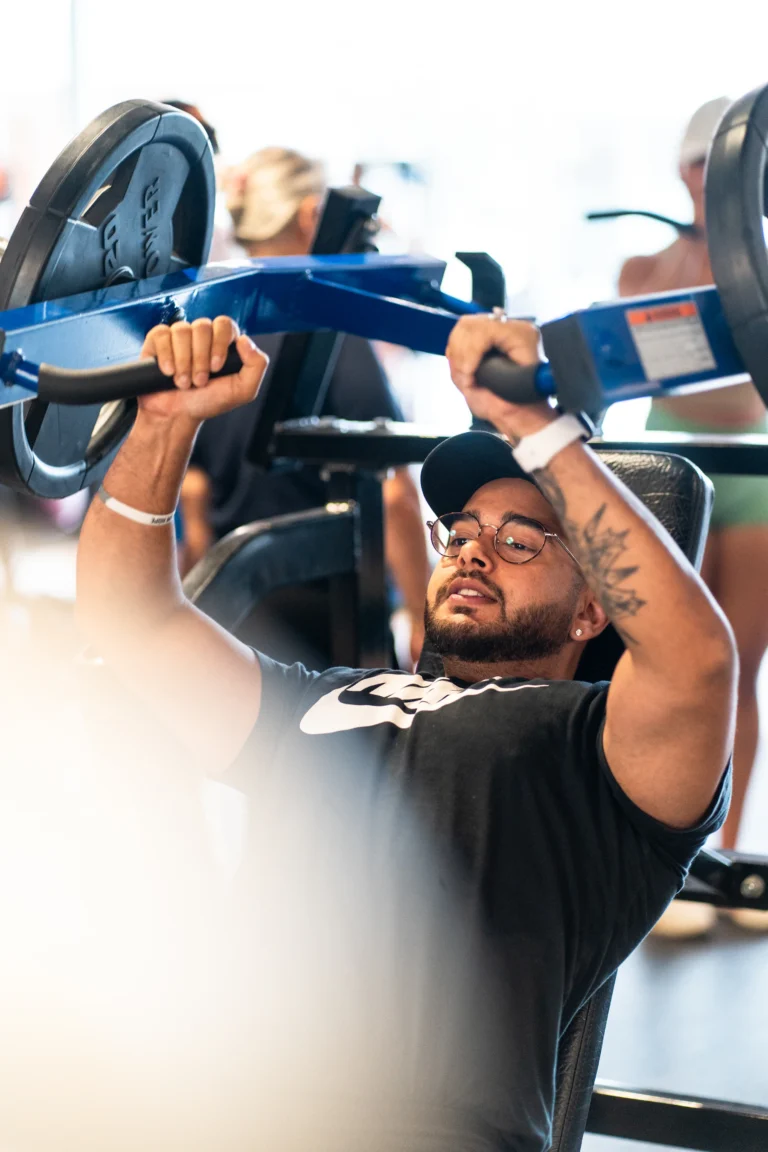
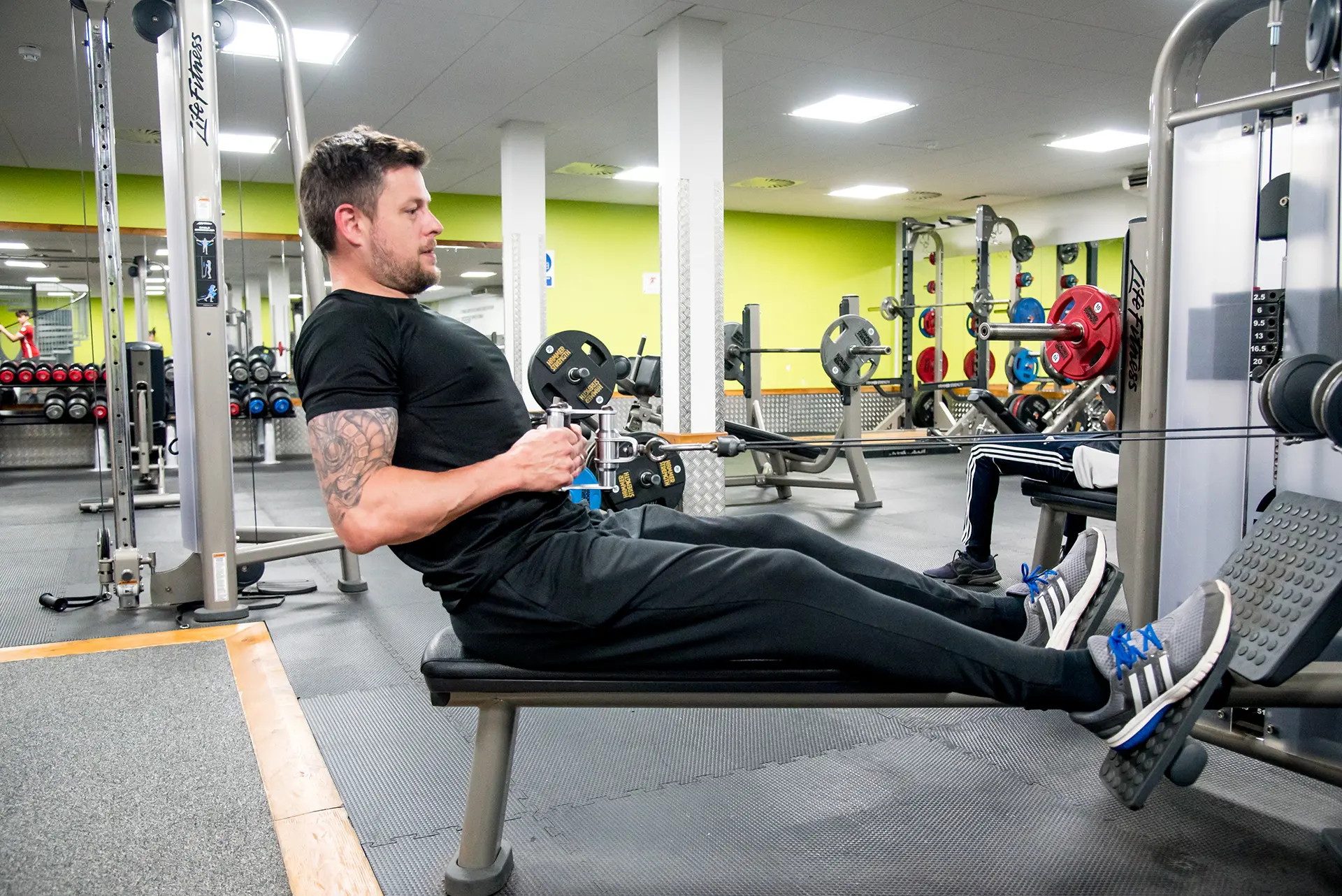
When you pair a bench press with a supported row, the major push and pull muscle groups alternate. A row does not let the chest rest completely, because the shoulders, grip and trunk still help stabilize the body, but the principal movers change. An arm pair of biceps curls and triceps pressdowns similarly alternates the main muscle action. These are often called opposing-muscle or agonist-antagonist supersets.
By contrast, a chest press immediately followed by chest flyes places consecutive stress on overlapping muscles. That is a similar-biomechanical superset. It can create a strong local fatigue sensation, but it also makes the second exercise more likely to lose meaningful load or repetitions. Alternating two relatively distant body regions, such as a leg extension and a lateral raise, represents a third type of pair.
None of these combinations is inherently heroic or inferior. Their value depends on the goal. For hypertrophy, a pair must allow substantial muscle tension and recoverable work. For strength, the technique and load of the priority exercise become especially important. The safest pairing is not automatically the one with the highest heart rate.
There is also a simple logistical problem: a pair only saves time if the equipment is reasonably close together. In a busy gym, claiming a barbell bench and a distant cable station can create delays and friction. Two movements sharing a bench or an adjacent cable setup may work better even if the muscle theory looks slightly less elegant.
2. Do supersets actually preserve muscle growth?
The largest pooled comparison considered 19 studies with 313 participants. Across the acute comparisons, supersets produced a similar overall number of completed repetitions and a comparable total volume load, alongside shorter sessions. When training volume was completed in less time, training efficiency improved. Available longer-term results did not establish a clear difference in maximal strength, strength endurance or muscle hypertrophy compared with traditional sets.
That should reassure a lifter who worries that every reduction in rest automatically sacrifices muscle growth. But the review does not prove that any two exercises can be paired without cost. Sixteen of the included studies measured short-term responses during or shortly after workouts, while only three followed training adaptation over time. Exercise pairings, relative loads, rest periods and training backgrounds differed.
More importantly, grouping every superset format together can hide what happens to individual lifts. Pairings of opposing muscle actions were particularly favorable for maintaining completed repetitions in the subgroup analysis. Pairings with similar movement demands tended to reduce the volume load compared with traditional sets. If a workout is shortened at the cost of progressively weaker working sets, the headline time saving no longer tells the whole story.
Another controlled ten-week training comparison offers a useful warning. Participants practiced heavy leg press, bench press, pulldown and seated-row exercises. Both programs produced improvements and broadly similar body-composition changes, but conventional straight-set training led to a greater average gain in pulldown strength by about 5.2 kilograms. Bench and leg-press strength gains were closer between the groups.
The reasonable conclusion is narrower than either extreme. Supersets can be a valid way to perform productive resistance training efficiently, especially with sensible exercise selection. They are not guaranteed to match straight sets for every strength outcome, nor do ordinary straight sets become a waste of time simply because the workout takes longer.
3. Why efficient sessions often feel much harder
A superset compresses work and reduces the idle time available for breathing and circulation to settle. Even when you alternate push and pull, your cardiovascular system may remain more active, and local or whole-body fatigue can carry into the second exercise. Comparisons have found higher perceived exertion, greater energy cost during training and higher lactate responses. More demanding does not necessarily mean more effective.
The pump, sweat and burn are experiences, not precise measures of future hypertrophy. Muscle growth depends on repeated high-quality tension, sufficient hard work and the ability to recover. A workout can feel brutally difficult yet fail to provide a useful stimulus if technique deteriorates or a target muscle becomes limited by breathlessness and balance.
Monitor the last technically sound repetition, not only the number on the clock. If an exercise normally permits ten controlled reps and the same load now yields six awkward reps after the previous superset, you have changed the stimulus. That may be acceptable for a planned high-effort finisher; it is less acceptable when preserving strength in that exercise is the main goal.
Try approximately ninety to one hundred eighty seconds of rest after a completed demanding pair as an initial programming range, then extend it when rep quality demands. Lighter accessories may need less. Heavy lower-body movements, difficult pulling sets or lifters with lower work capacity may need more. These are adjustable practical ranges rather than a universal prescription.
Also watch your next training session. Packing the same workload into less time can increase subjective fatigue and affect recovery between days. If another workout suffers, reduce the number of paired sets or reserve the method for less fatiguing accessories. Efficiency should be measured across the training week, not simply by how fast you leave today.
4. Which exercises should you pair for the best result?
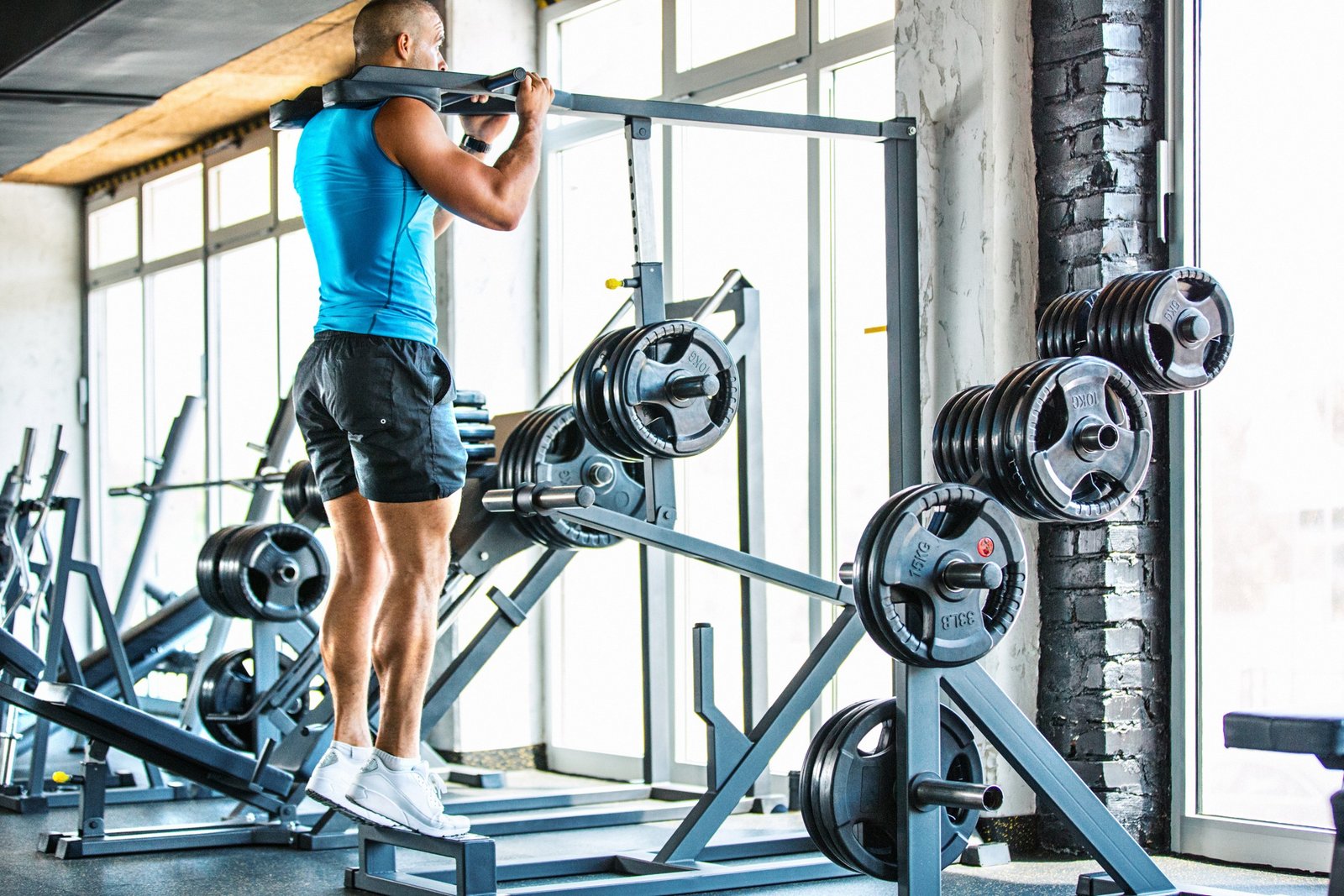
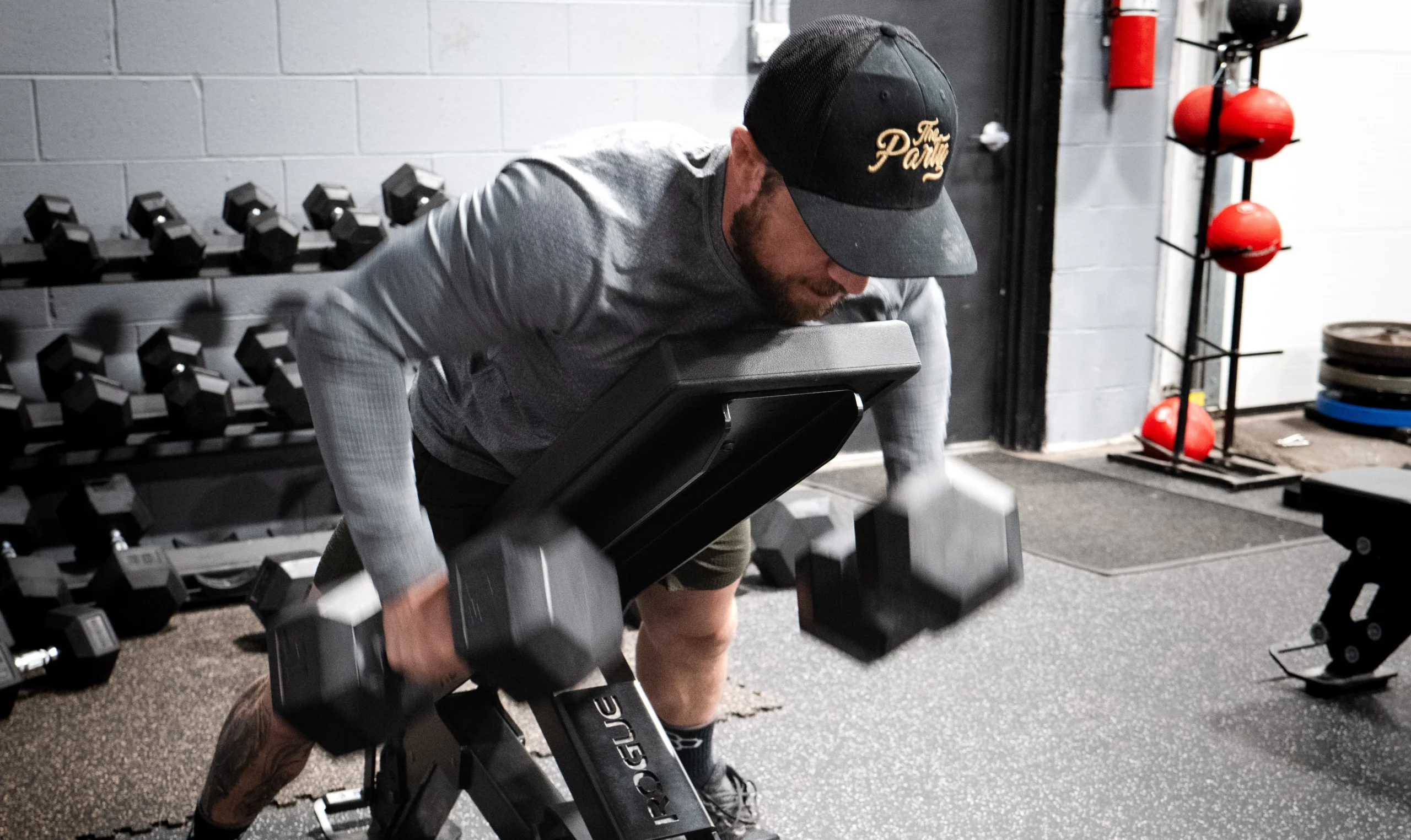
A good first experiment is a pressing movement paired with a supported pull: dumbbell bench press and chest-supported row, machine chest press and seated cable row, or incline press and a supported one-arm row. These pairings emphasize different prime movers and avoid the repeated lower-back bracing required by two heavy unsupported movements.
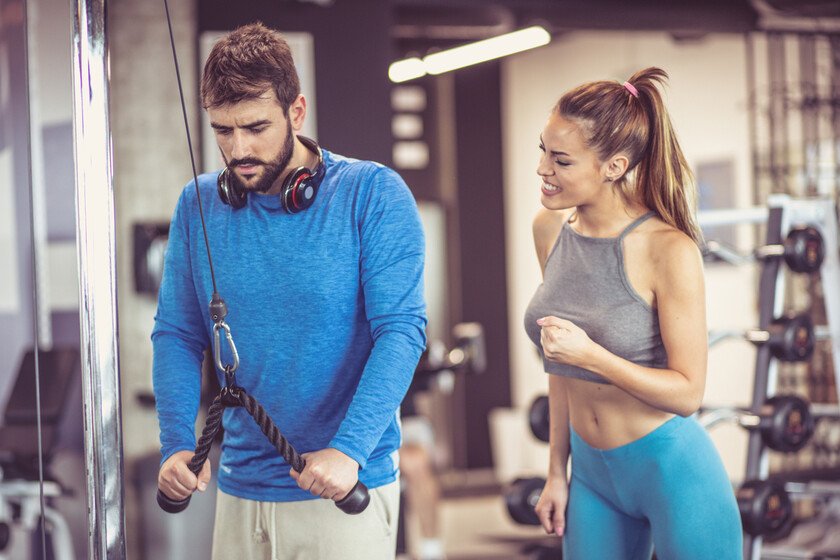
For smaller muscles, a cable curl followed by a triceps pressdown is easy to organize at one station. Lateral raises paired with calf raises can also provide a useful alternating accessory pair. Do not choose solely by labels on an anatomy chart: grip fatigue, balance, trunk stability and shared shoulder support can still affect performance.
Be more conservative with same-muscle combinations. Heavy barbell presses followed by dumbbell flyes, or a squat followed by a hard leg press, can rapidly compromise the second movement. These approaches can make sense as short finishers when the priority lifts are already complete. They are a poorer default when you are trying to measure progressive overload with repeatable heavy sets.
Keep the most important lift as a straight-set exercise when performance is central to the goal. If you are specifically training for a stronger squat, deadlift, overhead press or weighted pull-up, perform those main sets with enough rest and focus before pairing assistance movements. A hybrid plan can preserve skill practice and still reduce the less important dead time.
Equipment reality matters too. A plan that needs two occupied machines can waste minutes moving around and adjusting plates. An incline bench with nearby dumbbells may be simpler than alternating between distant stations. Choose an efficient pair you can repeat reliably rather than chasing an elaborate program that works only in an empty gym.

Equipment Worth Exploring
Explore equipment, accessories and gear from our carefully selected range.
VOLTRA
Compact digital cable trainer with smooth, adjustable resistance.

Go-Tone Pro
Portable digital cable trainer with up to 66 lb (30 kg) of adjustable resistance.



GymPin Ergo Handles
Pair of ergonomic cable handles shaped for comfortable triceps and pulling exercises.

Long Tricep ERGO Ropes
Extended triceps ropes with ergonomic grips for cable pressdowns and overhead extensions.
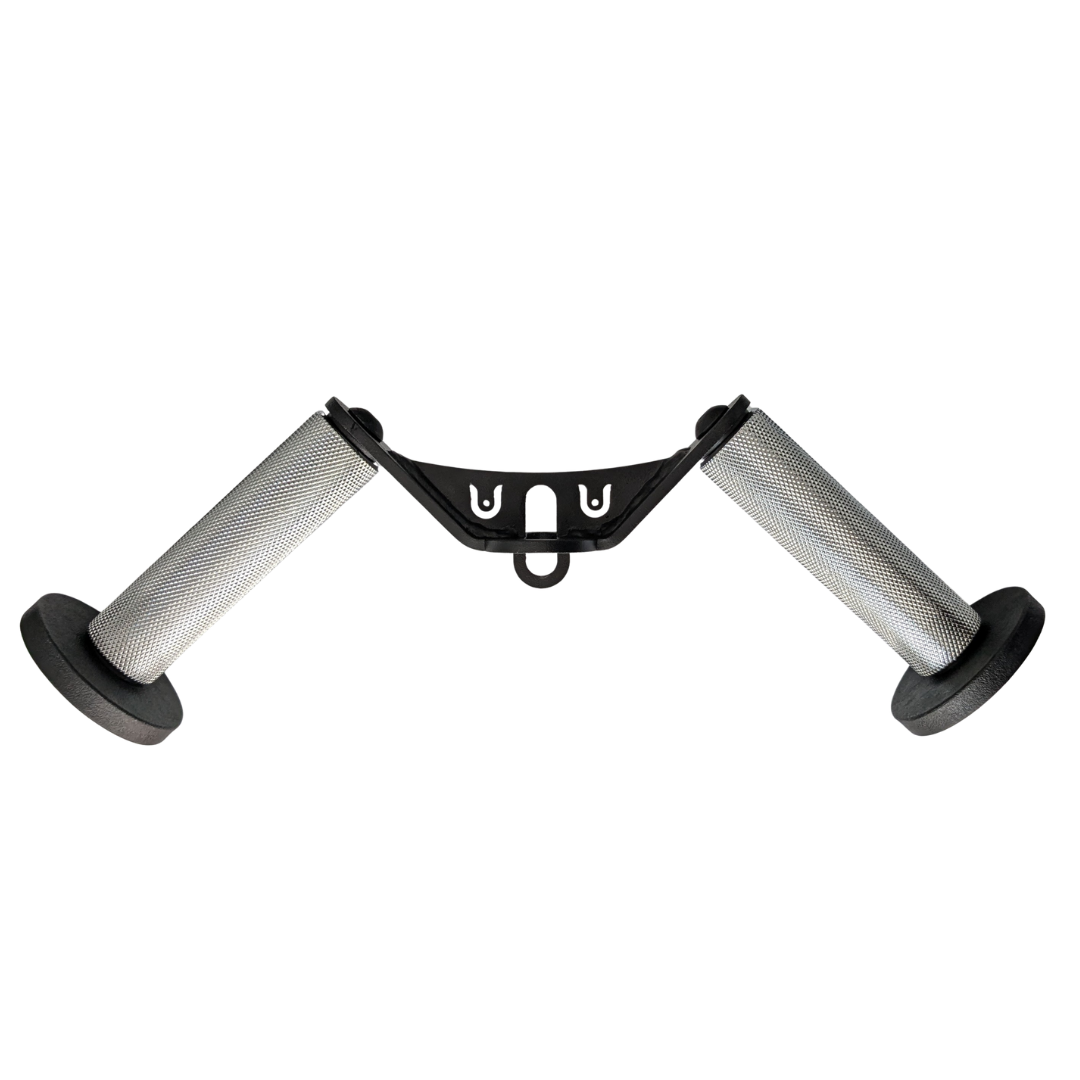
W Grip
Angled cable grip for comfortable rows, pushdowns, and curls.
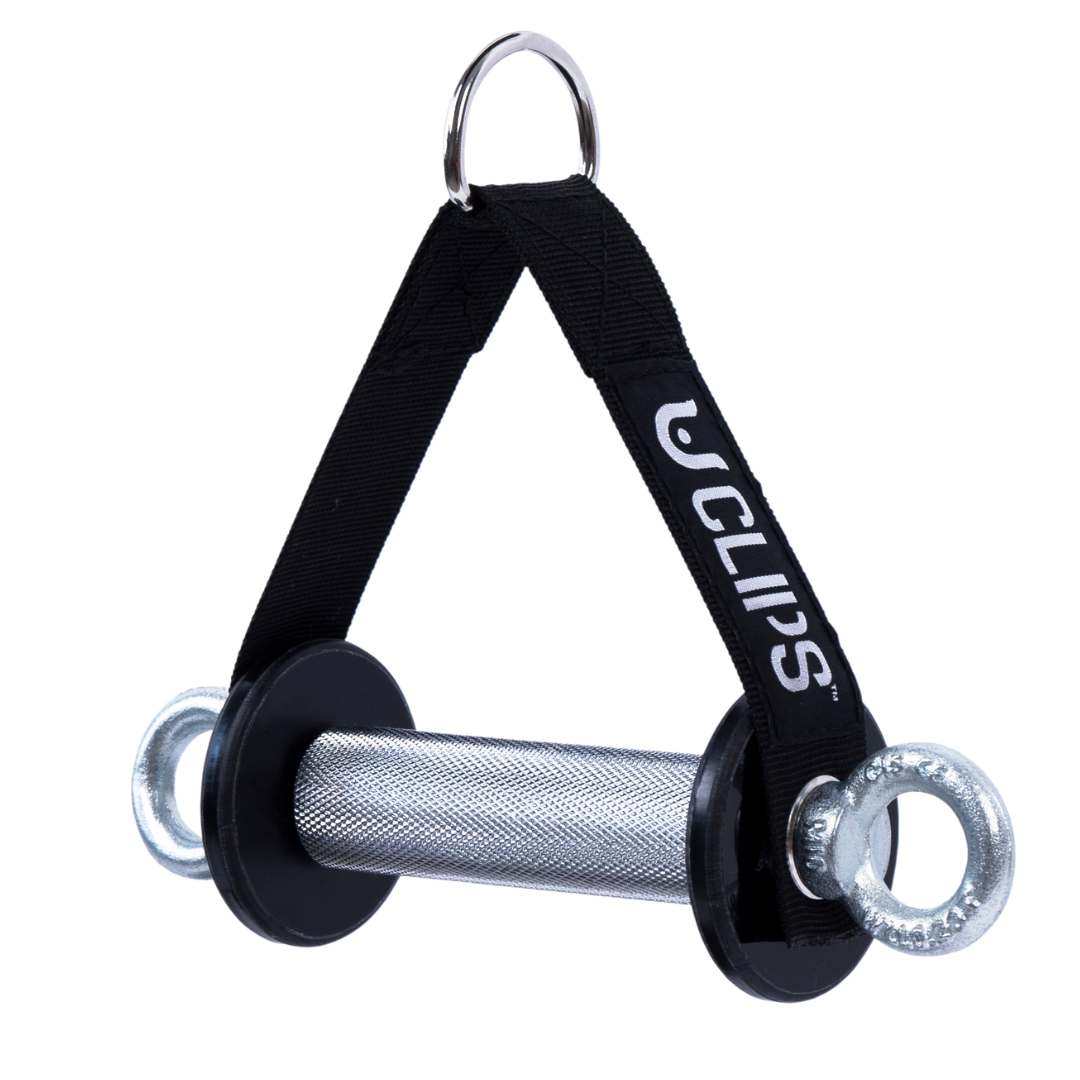

Leather Lifting Straps
Padded leather straps support grip during heavy rows, deadlifts and pulling exercises.

T-Bar Row Attachment
Welded barbell attachment that connects a D-handle bar for landmine and T-bar rows.
5. A realistic chest-and-back superset workout
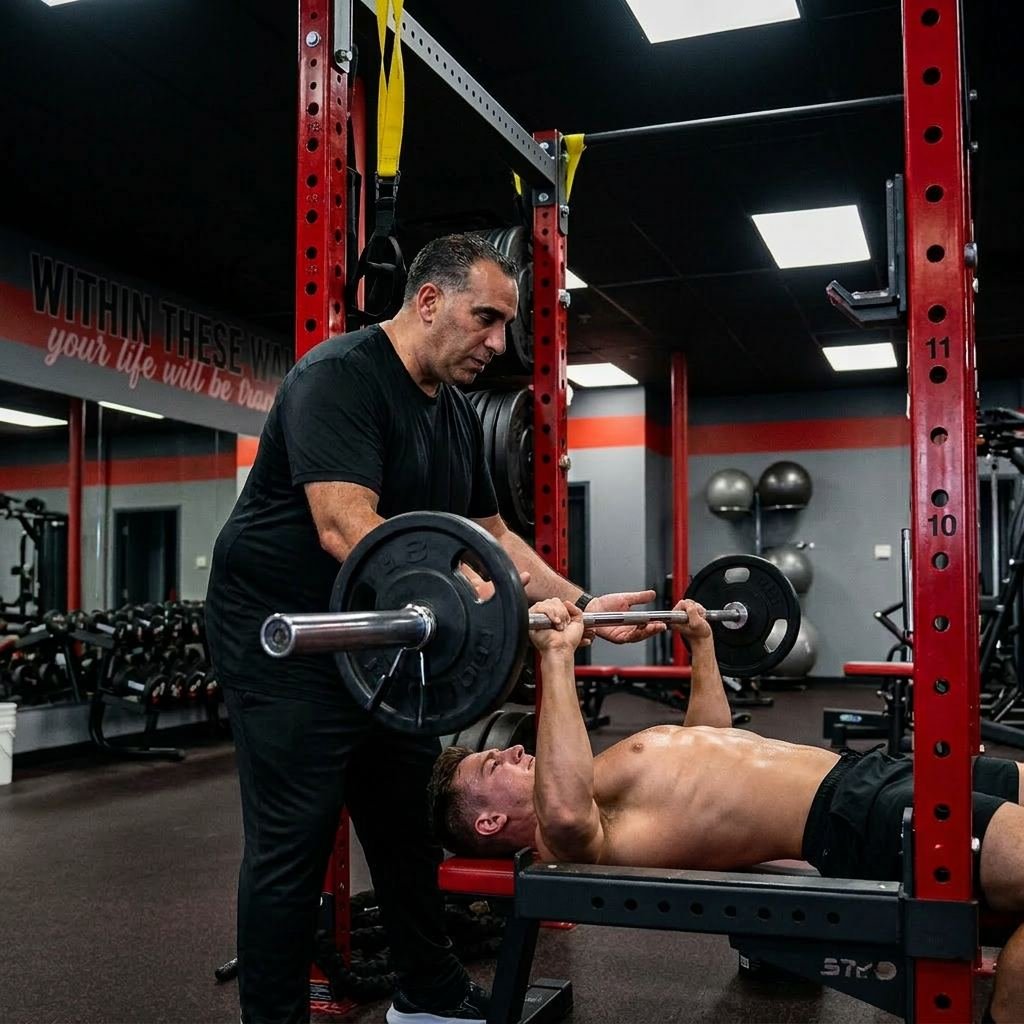
Start with five minutes of movement, shoulder preparation and progressively heavier practice sets. The first pair is A1: a flat dumbbell or barbell bench press for six to ten reps. Immediately follow with A2: a chest-supported dumbbell row or seated cable row for eight to twelve controlled reps. Complete three rounds and rest roughly ninety to one hundred fifty seconds after each completed pair.
Choose a load that leaves approximately one to three technically good repetitions in reserve on the first round. If pressing strength is your priority, begin with the press; if pulling strength is the priority, begin with the row. Do not increase both weights and decrease the break at the same time. Keep the variables stable enough to judge whether you are progressing.
The second pair is B1: incline dumbbell press for eight to twelve reps, followed by B2: supported neutral-grip row for ten to fifteen. Perform two rounds with one to two minutes of rest after each. If the session is still comfortable, finish with two light rounds of alternating cable curls and triceps pressdowns for ten to fifteen reps each.
A workout like this might fit in roughly thirty-five to forty-five minutes depending on equipment availability, warm-up needs and recovery demands. That is a planning range, not a performance target or a guarantee. The important result is completing hard, stable sets, not hurrying so aggressively that spotting and technique are compromised.
Record the load, every round’s reps and the total time. Over four weeks, seek a small progression in load or controlled repetitions while keeping rest fairly consistent. If the last pair deteriorates severely, use fewer rounds or more recovery. A successful superset routine should still let you compare training numbers from one week to the next.

Bodybuilding Shirts & Workout Gear
Bodybuilding shirts, tanks and gym gear for lifters chasing muscle, size, symmetry and the pump.

Anti Social Gymbro Club & Fans Meme Vest Tank Top
Train hard, laugh a little, and rep “Anti Social Gymbro Club”.

Leg Day Is Calling You Squats & Deadlifts Meme Vest Tank Top
Your gym-day look, with a playful “Leg Day Is Calling You” twist.

Bro Science Theory Big Bang Vest Tank Top
Your gym-day look, with a playful “Bro Science Theory” twist.

My Bench Press Is Stuck Horror Movie Meme Scary Vest Tank Top
Bring “My Bench Press Is Stuck” humor to your next lifting session.

Gymhead Meme Mind Muscle Connection Hooded Hoodie
Make your off-duty look more fun with “Gymhead”.

Medieval Gymbro Lifting Iron Knight Hoodie
Show off your medieval humor in a laid-back “Medieval Gymbro Lifting Iron” hoodie.

Leg Day Leg Sweater Squats & Meme T-Shirt
Bring “Leg Day” humor to your everyday gym style.

The Brick House Gym | Get Built Workout Decal for Water Sticker
A fun “The Brick House” touch for bottles, laptops, and lockers.

LEGO Bodybuilder Muscle | Vest for Bodybuilding & Worko Tank Top
Add some lifting attitude to training with “LEGO Bodybuilder”.

Rep God The Real Swole Shady | Rap Parody T-Shirt
Rep “Rep God The Real Swole Shady” humor in and out of the gym.
6. Why heavy leg-day supersets deserve extra caution
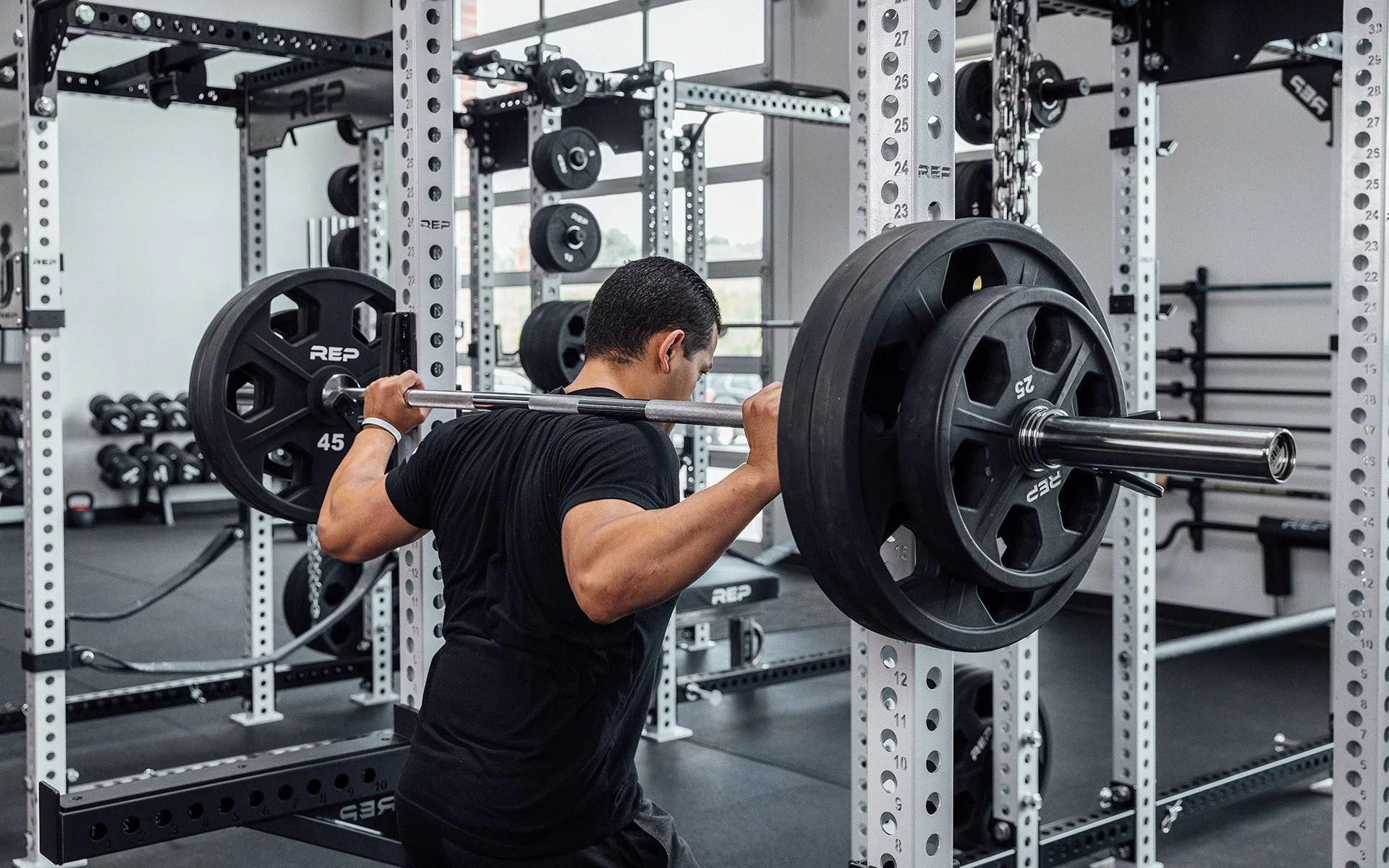
Lower-body compound lifts demand major amounts of bracing, balance and breathing. A heavy squat immediately followed by loaded lunges can turn the second movement into a struggle for coordination rather than a useful set for the legs. A heavy hinge paired with another unsupported rowing or hinging movement can accumulate fatigue in the lower back even if the exercises are described as different muscle groups.
For squat strength, complete your major sets first with ordinary rest. Afterwards, you could pair controlled leg curls with calf raises, or a moderate leg extension with a low-fatigue upper-body accessory. The exact movements depend on machines, joint comfort and what you trained elsewhere in the week. The principle is to distribute stress instead of repeatedly exhausting the same limiting muscles.
Do not try to gain efficiency by rushing a loaded bar into or out of a rack, using an unstable setup or failing to clear the walking path. A minute saved is not worth a poorly controlled heavy rep. For very demanding compound exercises, straight sets are a rational choice even within an otherwise superset-heavy program.
Watch volume across the whole week. Pairing exercises does not mean you should automatically double your total number of sets. If the new schedule increases soreness, reduces squat performance or makes it difficult to recover before the next session, scale the pairing back. Program density and total workload are separate variables, and both matter.
Equipment Worth Exploring
Explore equipment, accessories and gear from our carefully selected range.


FID Bench MAX
Adjustable bench offering flat, incline, and decline positions + adjustable headrest.


GymPin Squat Wedges
Non-slip 15-degree squat wedges help elevate the heels for deeper quad-focused squats.


7. Use a four-week test to decide whether supersets suit you
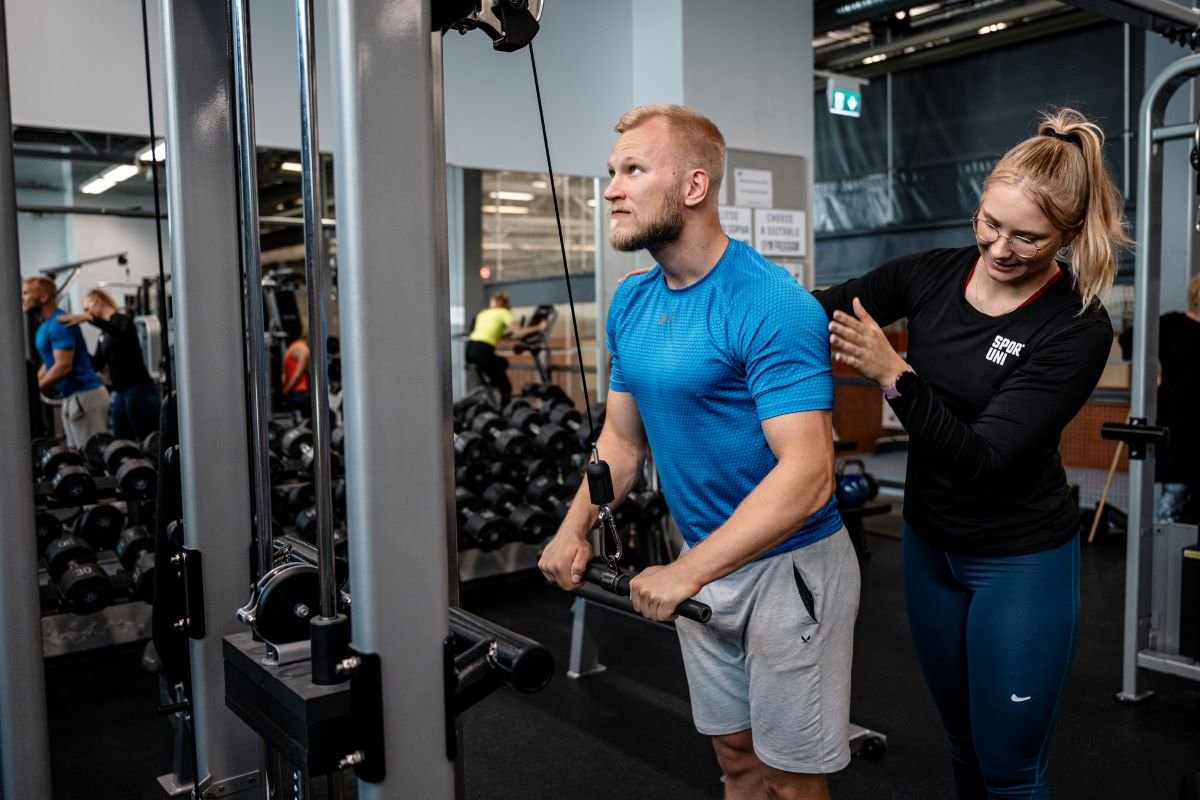
Rather than judging supersets by one intense workout, test a repeatable pair for four weeks. Record its order, weights, reps on every round, rest between complete pairs and total session duration. Note any technique deterioration, discomfort or major shift in perceived effort. These numbers reveal the tradeoff more clearly than a vague sense that your muscles were burning.
In week one, practice transitions and choose conservative starting loads. Keep a brief note of your baseline straight-set numbers for the same exercises. In week two, aim for a small rep increase while maintaining the same break. In week three, raise the load only if you consistently hit the top of the chosen rep range without compensation.
In week four, compare the work achieved, the time spent and your recovery before the next workout. If the paired exercises maintain or improve performance in less time, the method has earned a place in your schedule. If a priority lift continually loses quality, move it back to straight sets and use supersets for accessories instead.
You can change one thing at a time: perform the harder exercise first, choose a supported alternative, extend the interval or reduce one exercise’s load. Altering every detail at once makes the result impossible to interpret. A simpler workout that progresses consistently is better than a highly optimized-looking session you cannot reproduce.
Supersets are a scheduling tool, not a mandatory bodybuilding principle. Sensible opposing-muscle pairs can preserve considerable training work with less time, but fatigue and pairing type determine the real tradeoff. Protect your major lifts, track controlled reps and recover well enough to repeat the process. The best program is not merely the shortest one; it is the one you can keep improving.
Funny Gym Shirts & Workout Gear
Funny gym shirts, tanks, hoodies and workout gear for lifters who like training hard.

Powered By Creatine Decal Creatine Lovers & Breaking Sticker
Stick a little “Powered By Creatine” humor on your favorite gear.

Bending Bars Meme Breaking Bad Sweater Barbell T-Shirt
For laid-back days and powerlifting humor: “Bending Bars Gym Meme”.

Not Recommended Leg Day 1 Star Review Squats Hoodie
Bring “Not Recommended Leg Day” gym humor to lazy days and post-workout plans.

Powered By Chicken Broccoli Rice Bro Sweater Meme T-Shirt
Show some gym-day personality with “Powered By Chicken Broccoli Rice”.

Squat Here | Edgy Workout | Gym Meme Hooded Jumper Hoodie
Make your off-duty look more fun with “Squat Here”.

Rep God | Bodybuilding & Hip Hop Decal for Water Bottle Sticker
Bring “Rep God” attitude to your water bottle or laptop.

The Flexorcist | Horror Movie Bodybuilding Meme Top T-Shirt
Rep “The Flexorcist” humor in and out of the gym.

Die Hard Lift Harder | Workout Sweater T-Shirt
Show some gym-day personality with “Die Hard Lift Harder”.

Swolebob Squatpants Gym | Funny SpongeBob Meme Muscle S Tank Top
Your gym-day look, with a playful “Swolebob Squatpants” twist.

Funny Sniffing Creatine Gym | Hilarious Sweater | Gym M T-Shirt
Bring “Sniffing Creatine” humor to your everyday gym style.